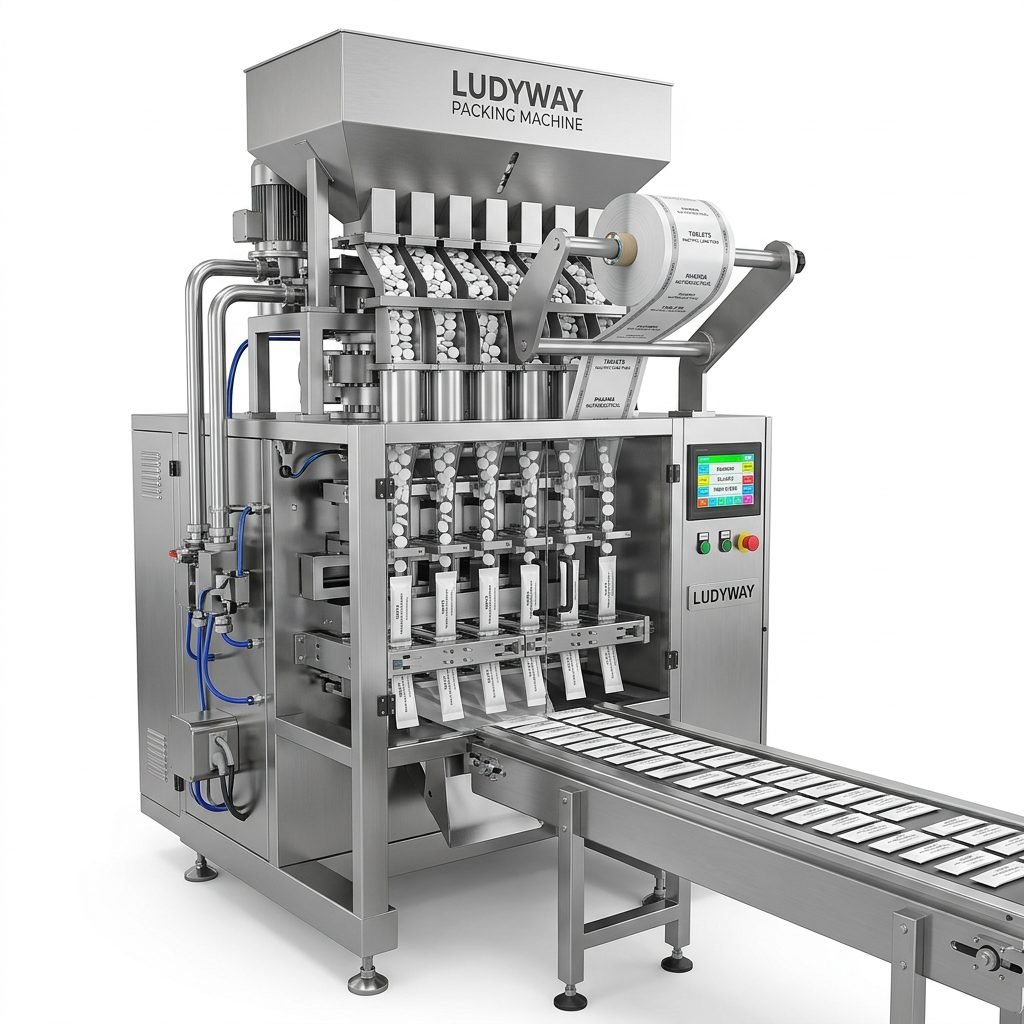
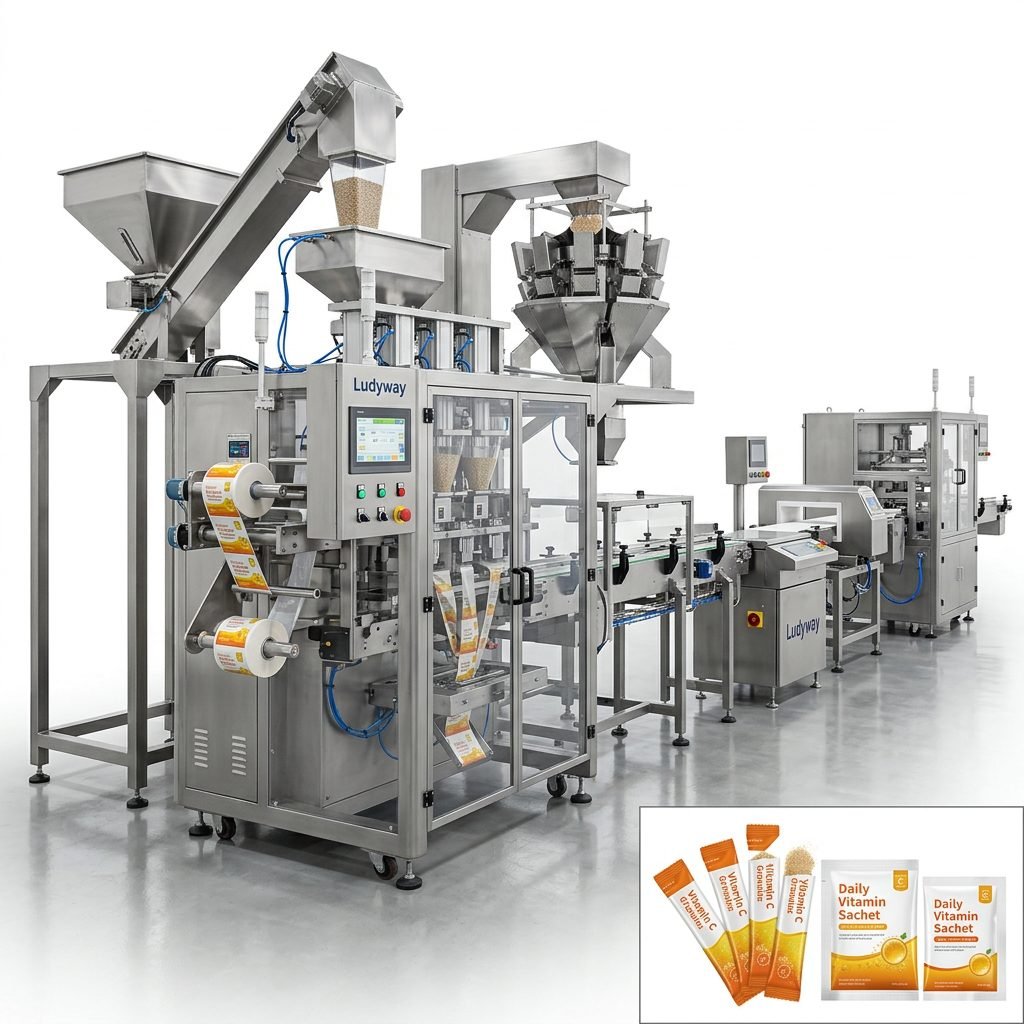
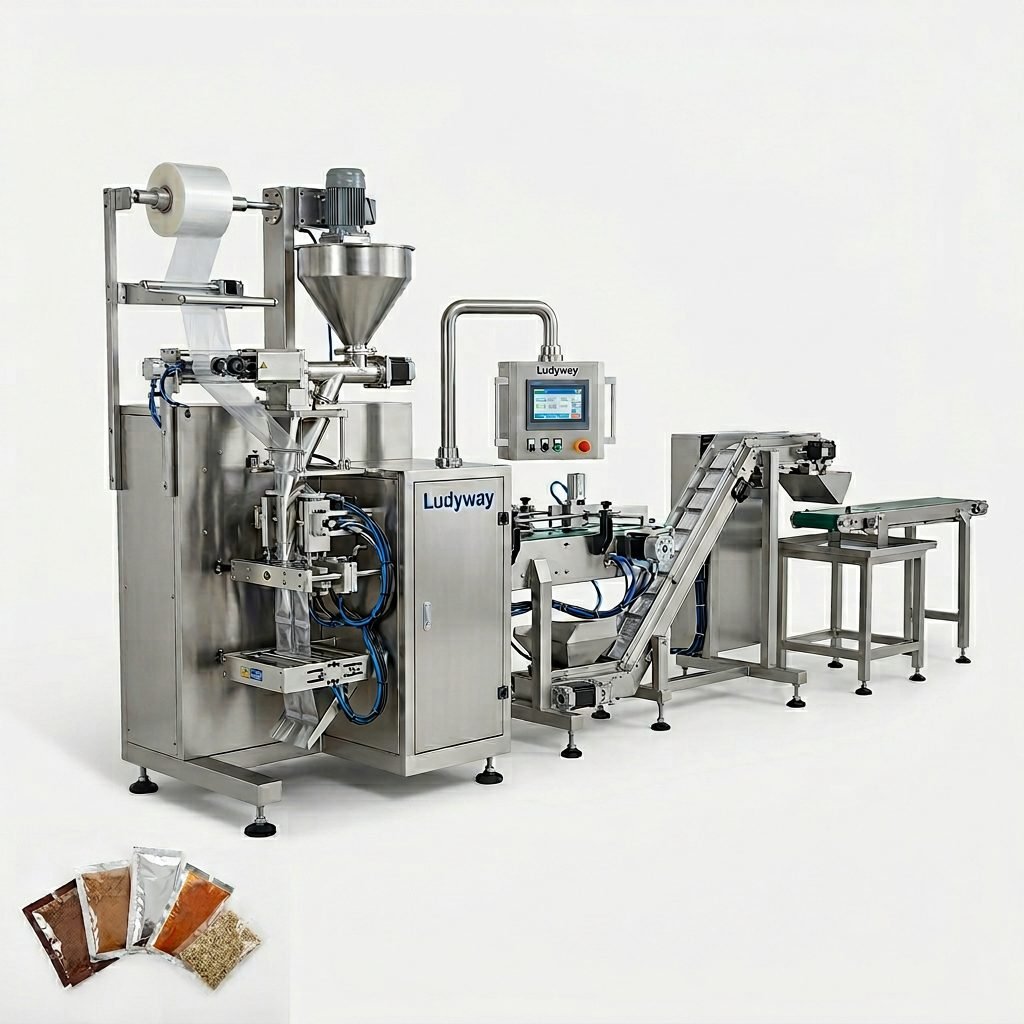
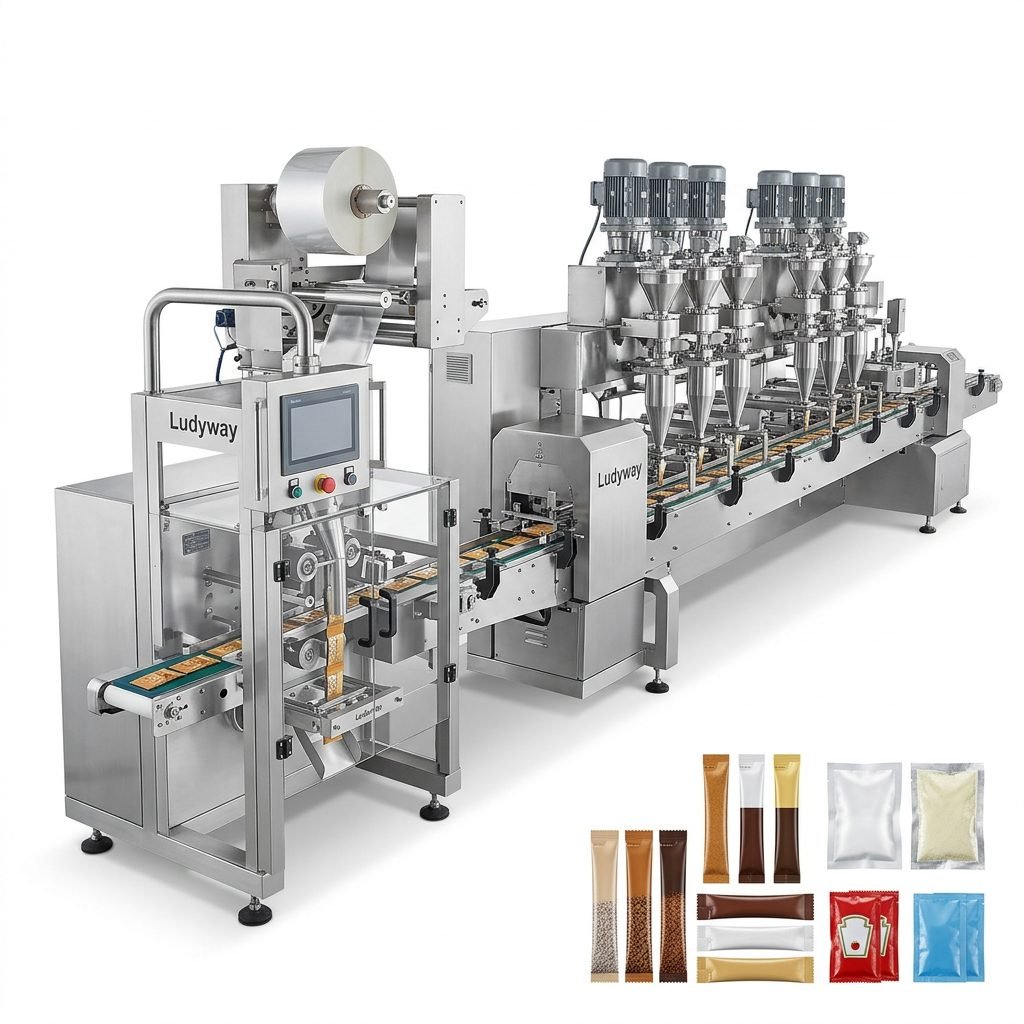
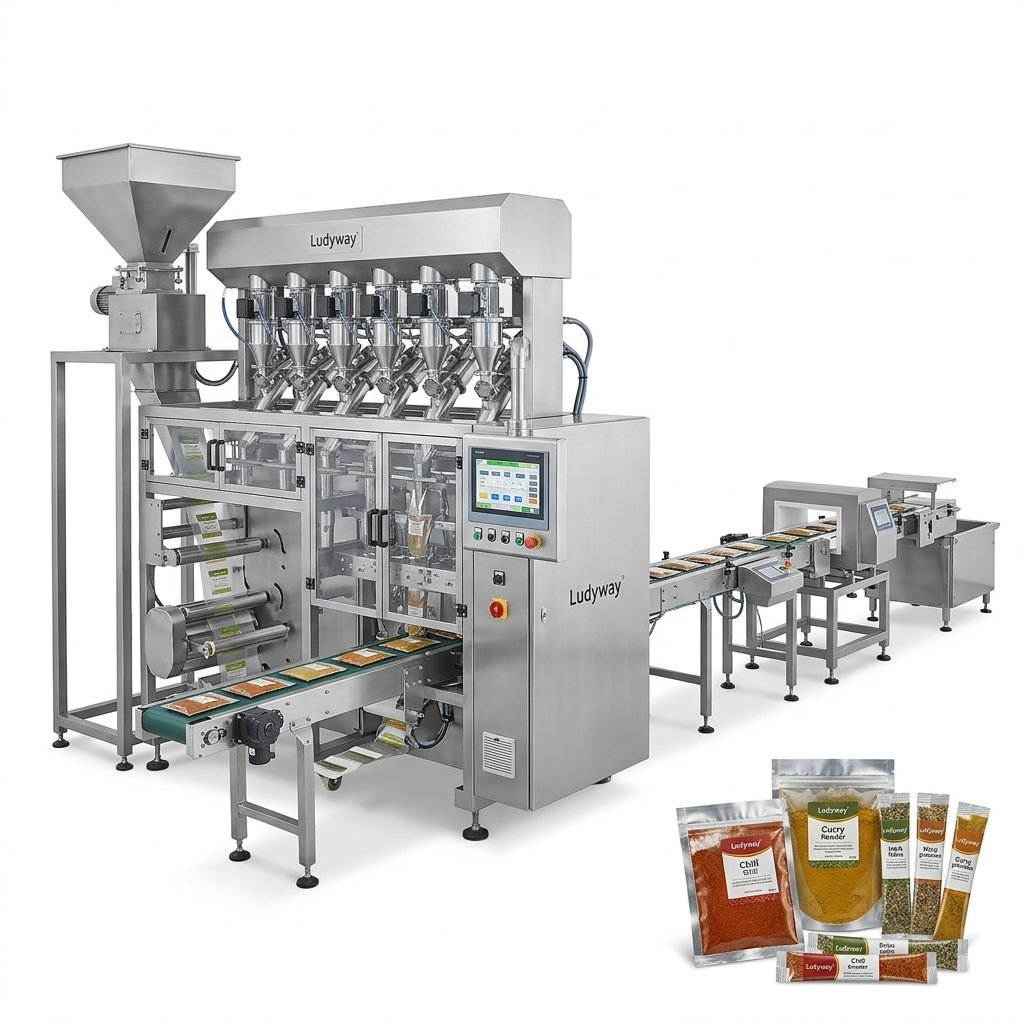
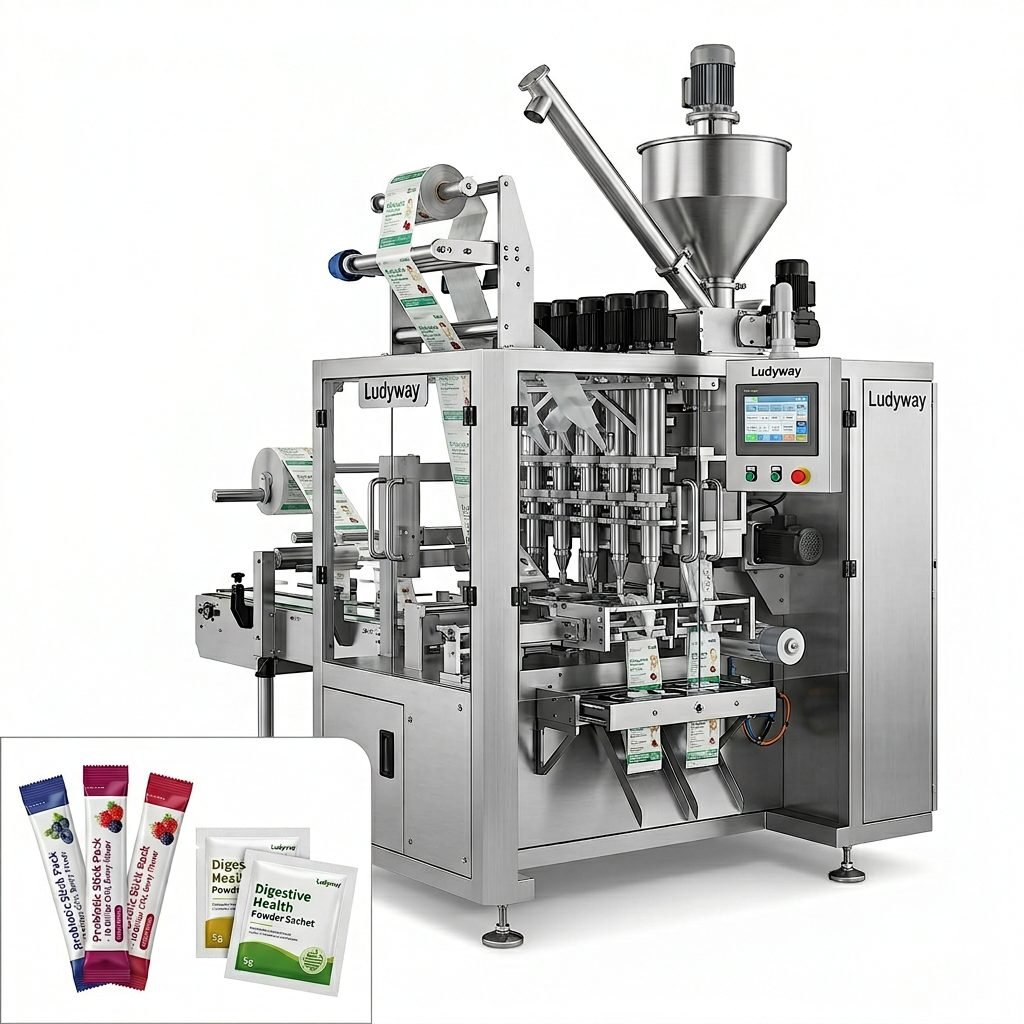
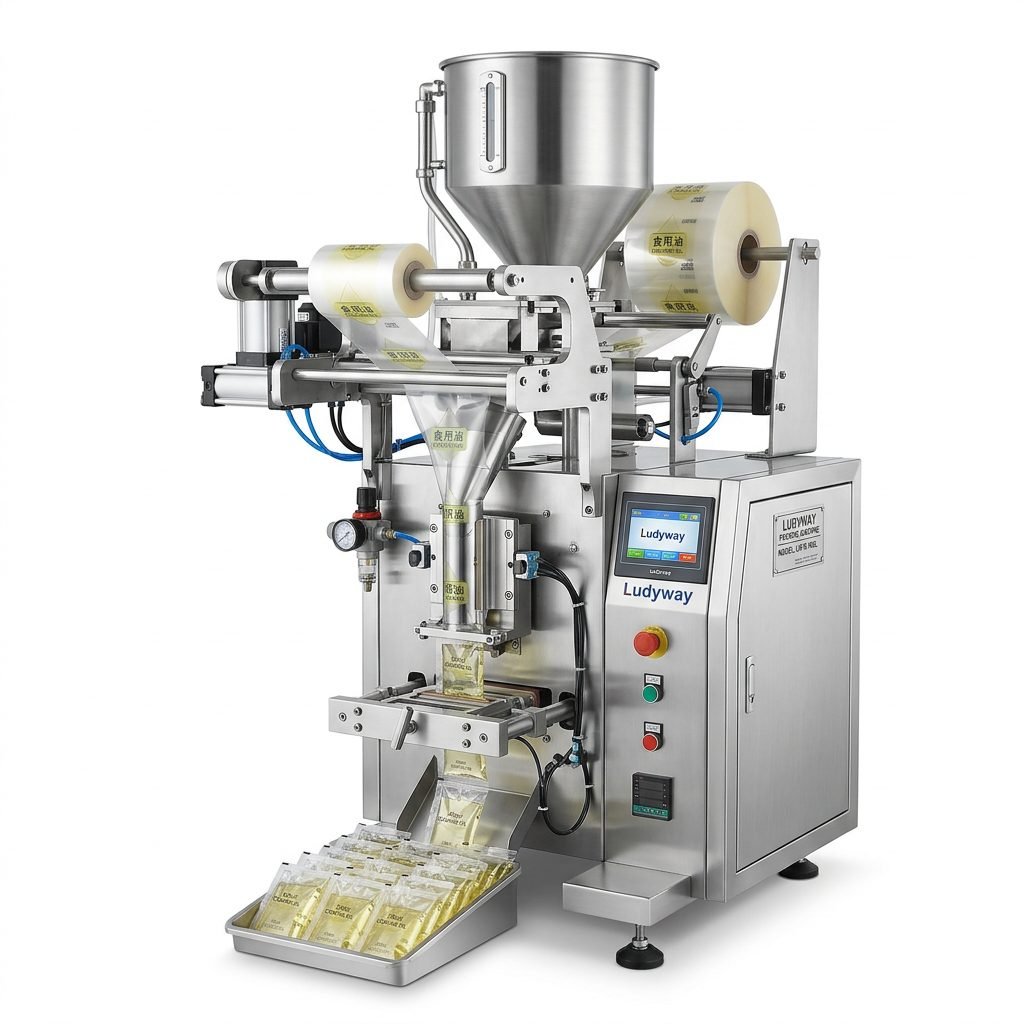
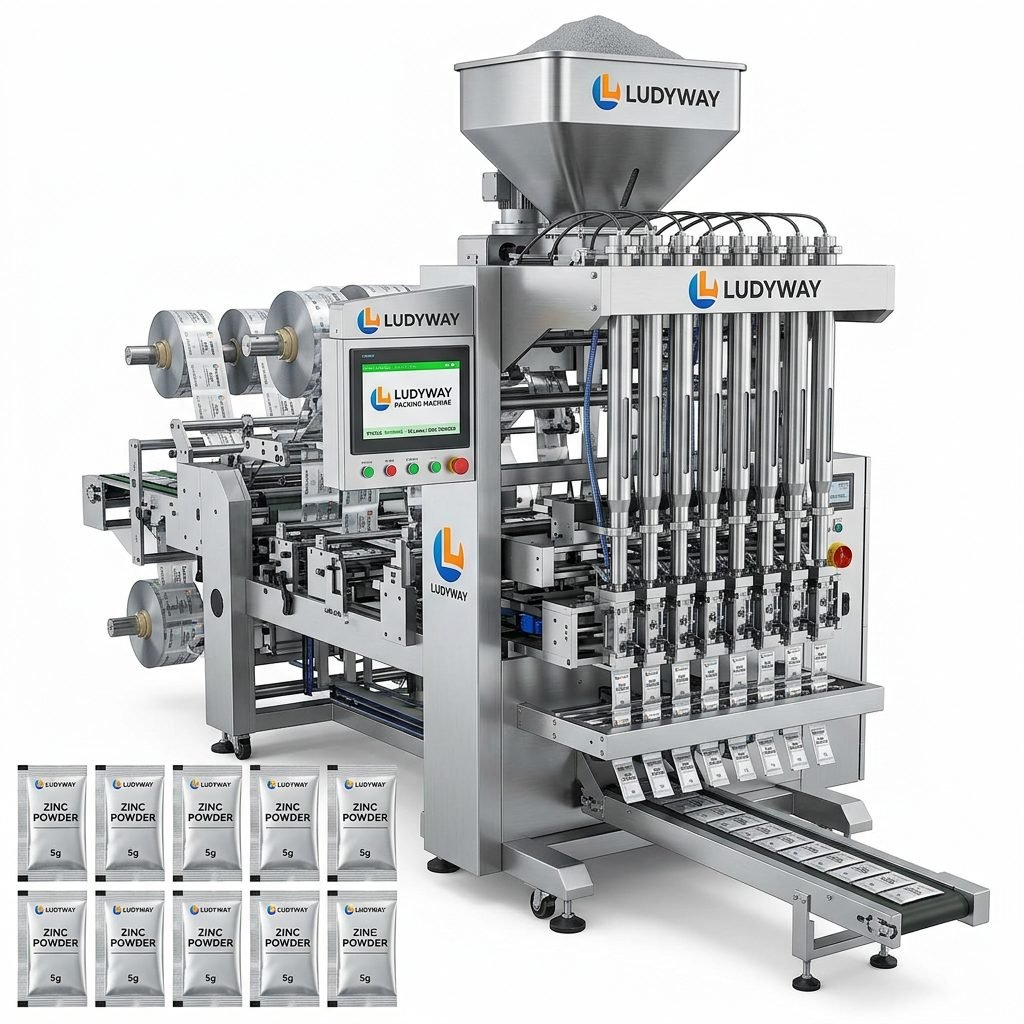
In the fast-paced world of modern manufacturing, packaging lines are the final frontier where product quality and brand reputation are sealed. Achieving the delicate balance between blistering speed and microscopic precision is the ultimate challenge. This is where the choice of drive technology becomes paramount. For packaging machinery demanding the highest levels of performance, high-speed linear motor solutions are no longer a luxury; they are the definitive engineering choice to unlock new levels of precision and throughput.
The Core Advantage: Direct Drive Motion
Unlike traditional rotary motors that require mechanical components like ball screws, belts, or gears to convert rotational motion into linear movement, linear motors produce motion directly. This fundamental difference eliminates backlash, mechanical wear, and compliance, which are the primary sources of error and speed limitations in conventional systems.
How Linear Motors Revolutionize Packaging Performance
The integration of linear motors into packaging machinery—such as form-fill-seal machines, cartoners, pick-and-place units, and labeling systems—delivers transformative benefits across several key performance metrics.
1. Unmatched Precision and Accuracy
Precision in packaging is non-negotiable. Whether it’s placing a label within a 0.1mm tolerance, accurately dosing powders, or sealing sachets with perfect alignment, linear motors excel. Their direct drive design provides exceptional positioning accuracy and repeatability. This is critical for high-value products in the pharmaceutical and nutraceutical sectors, where dosing accuracy is legally and functionally mandated. The elimination of mechanical transmission elements means the motion controller’s command translates instantly and faithfully into toolhead movement.
2. Dramatically Increased Throughput
Throughput is the lifeblood of packaging operations. Linear motors achieve accelerations and decelerations far beyond the capability of rotary systems. They can move from a dead stop to high speed and back to stop in milliseconds, significantly reducing non-productive cycle time. This allows for faster indexing of products, quicker tool changes, and higher operating speeds for processes like cutting, perforating, or printing, directly boosting the number of packages produced per minute.
Key Performance Metrics Enhanced by Linear Motors:
✔ Positioning Accuracy: Sub-micron level repeatability.
✔ Maximum Speed: Often several meters per second.
✔ Acceleration: Can exceed 10G in some applications.
✔ Maintenance: Drastically reduced due to fewer moving parts.
✔ Cleanliness: Ideal for hygienic environments (no lubricants from gears/screws).
3. Enhanced Reliability and Reduced Maintenance
With no contacting parts in the motor itself (aside from guidance bearings), wear and tear is minimized. There are no gears to strip, belts to tension or replace, or ball screws to lubricate and re-calibrate. This translates to higher machine uptime, lower lifetime cost of ownership, and greater operational predictability. For packaging plants running 24/7, this reliability is a decisive economic factor.
4. Superior Flexibility and Control
The dynamic performance of linear motors allows for more sophisticated motion profiles. Machines can easily handle products of varying sizes and weights with simple program changes, enabling quick changeovers—a crucial factor for batch production and customization. The precise control also enables gentle handling of fragile products, reducing waste and damage.
Implementing Linear Motor Solutions: Key Considerations
Adopting this advanced technology requires careful planning. Successful integration hinges on understanding the specific demands of the packaging application.
Application Analysis
The first step is a thorough analysis of the motion requirement: stroke length, required speed and acceleration profiles, payload mass, and precision specifications. For instance, a long-travel axis for moving a pallet might have different motor selection criteria than a short-stroke, high-frequency pick-and-place arm.
Control System Integration
The performance of a linear motor is fully realized only when paired with a high-performance motion controller and feedback system, typically a high-resolution linear encoder. This closed-loop system must be finely tuned to achieve the desired smoothness, accuracy, and stability. Partnering with a packaging machinery expert who understands both the technology and the application is vital.
Thermal Management
Linear motors can generate significant heat during high-duty-cycle operations. Effective cooling strategies—whether through air cooling, liquid cooling, or careful sizing—are essential to maintain performance and protect the motor’s lifespan.
Driving the Future of Packaging Automation
The trend towards smarter, more connected, and more agile packaging lines aligns perfectly with the capabilities of linear motor technology. As Industry 4.0 principles take hold, the data-rich nature of linear motor systems, with their precise controllability, integrates seamlessly into digital twin simulations and predictive maintenance algorithms. They are enabling the next generation of adaptive packaging machinery that can self-optimize for efficiency and quality.
Conclusion: A Strategic Investment for Competitive Advantage
Investing in high-speed linear motor solutions for packaging machinery is a strategic decision that pays dividends in product quality, line efficiency, and operational reliability. While the initial investment may be higher than traditional systems, the return in terms of reduced waste, lower maintenance costs, higher output, and superior package quality delivers a compelling total cost of ownership. For manufacturers aiming to lead in markets where precision, speed, and flexibility define success, linear motors are the driving force of the future, today.
Frequently Asked Questions (FAQs)
1. Are linear motors suitable for all types of packaging machinery?
While highly beneficial, they are most advantageous in applications requiring very high speed, precision, and dynamic performance. They are ideal for pick-and-place, cutting, dosing, and precision assembly stations within a packaging line. For long, slow, continuous motion, other drive technologies might be more cost-effective.
2. What is the main maintenance concern for a linear motor system?
The primary maintenance point is the guidance system (e.g., linear bearings or rails) that supports the moving part (forcer). Keeping these clean and, if required, properly lubricated is essential. The motor coil and magnet track themselves typically require no maintenance.
3. How does the cost compare to traditional servo and ball screw systems?
The initial component cost is higher. However, the total system cost and lifetime cost of ownership can be favorable when factoring in higher throughput, reduced downtime, lower maintenance, and less energy consumption due to higher efficiency. The economic justification is strongest in high-speed, high-utilization applications.
4. Can linear motors be used in cleanroom or washdown environments?
Yes. Many linear motors are available with stainless steel or coated components and can be designed to IP65 or higher ratings. The absence of lubricants from gearboxes or ball screws makes them inherently cleaner and suitable for food, pharmaceutical, and health industry applications where hygiene is critical.
5. Do I need to completely redesign my machine to use a linear motor?
Not necessarily. Many linear motor stages are available as pre-engineered, bolt-in modules or axes. These can often replace existing mechanical drives with some mechanical redesign. For new machine development, designing around the linear motor from the start allows for optimal performance. Consulting with a specialist in packaging automation solutions is recommended for a smooth integration.