In today’s fast-paced manufacturing landscape, efficiency, hygiene, and precision are non-negotiable. For industries where product integrity directly impacts consumer safety—such as food, pharmaceuticals, and health products—packaging is far more than a final step. It is a critical component of the production line that ensures quality, extends shelf life, and builds brand trust. Integrated packaging machinery solutions provide the seamless automation and control needed to meet these high standards across diverse product formats, from granules and powders to liquids and creams.
The Critical Role of Packaging in Sensitive Industries
Packaging serves as the primary barrier between the product and external contaminants. In the food industry, it protects against moisture, oxygen, and light, preserving flavor and nutritional value. For pharmaceuticals, packaging is a matter of patient safety, ensuring dosage accuracy, sterility, and tamper evidence. Health and nutraceutical products demand similar rigor to maintain potency and comply with stringent regulations. A failure in packaging can lead to spoilage, contamination, or regulatory non-compliance, resulting in significant financial loss and reputational damage. Therefore, investing in robust, integrated packaging systems is not an operational luxury but a strategic necessity.
Key Advantage: Turnkey Production Lines
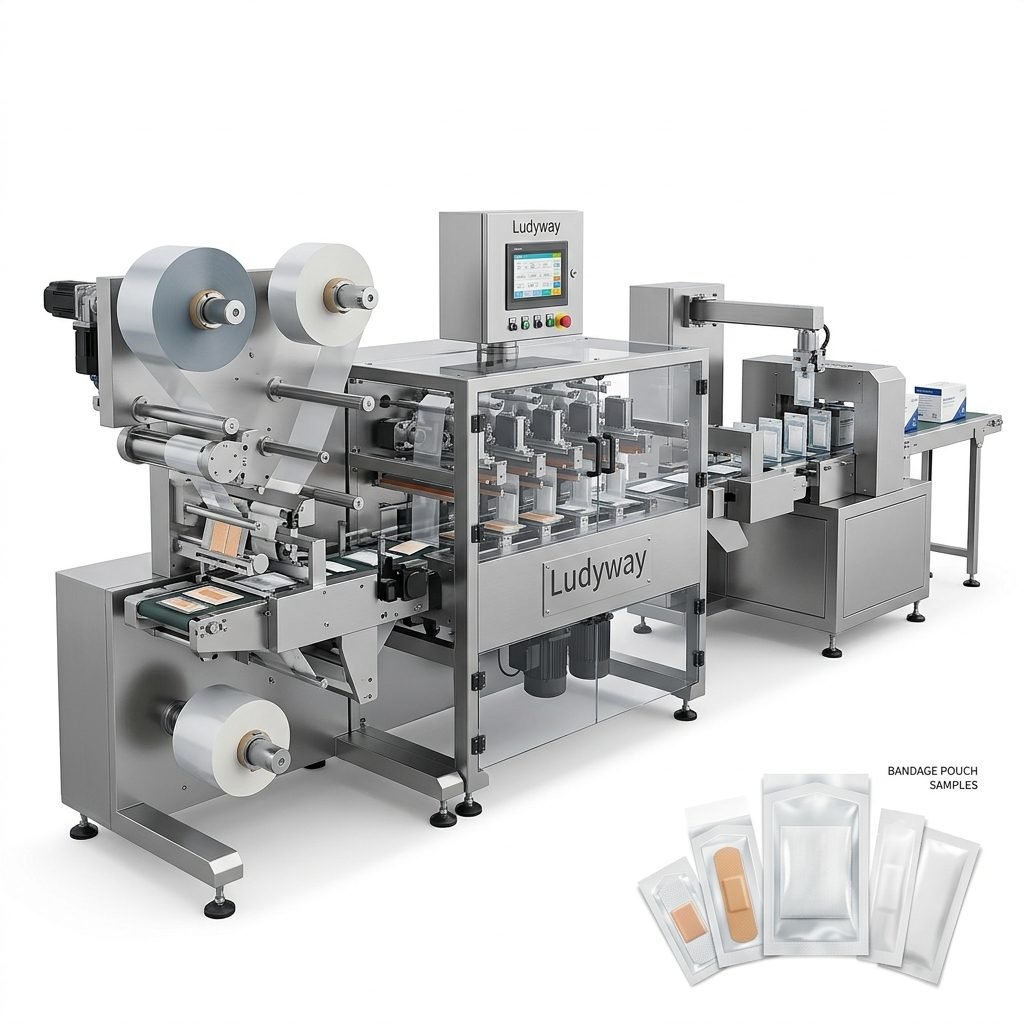
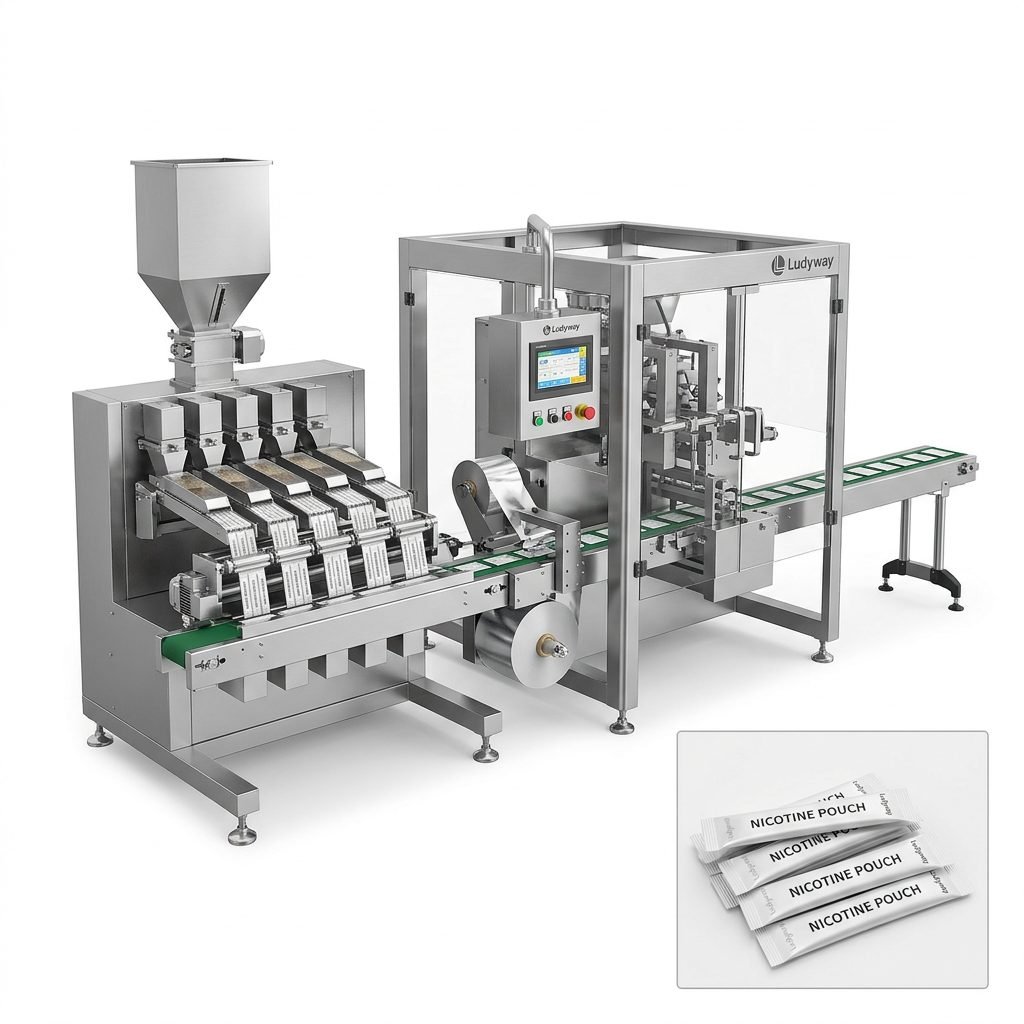
Modern challenges require holistic solutions. An integrated, or turnkey, packaging line goes beyond supplying individual machines. It involves designing a synchronized system where dosing, filling, sealing, coding, and cartoning equipment work in perfect harmony. This approach minimizes bottlenecks, reduces manual handling, and optimizes floor space. For producers looking to scale or enter new markets, a pre-validated turnkey solution from a trusted partner like Ludyway Packing Machine dramatically shortens the time-to-market and ensures operational reliability from day one.
Core Machinery Solutions for Different Product Types
An effective integrated line is built on specialized equipment tailored to the product’s physical form. Here’s a breakdown of core solutions:
1. Granule & Powder Packaging Systems
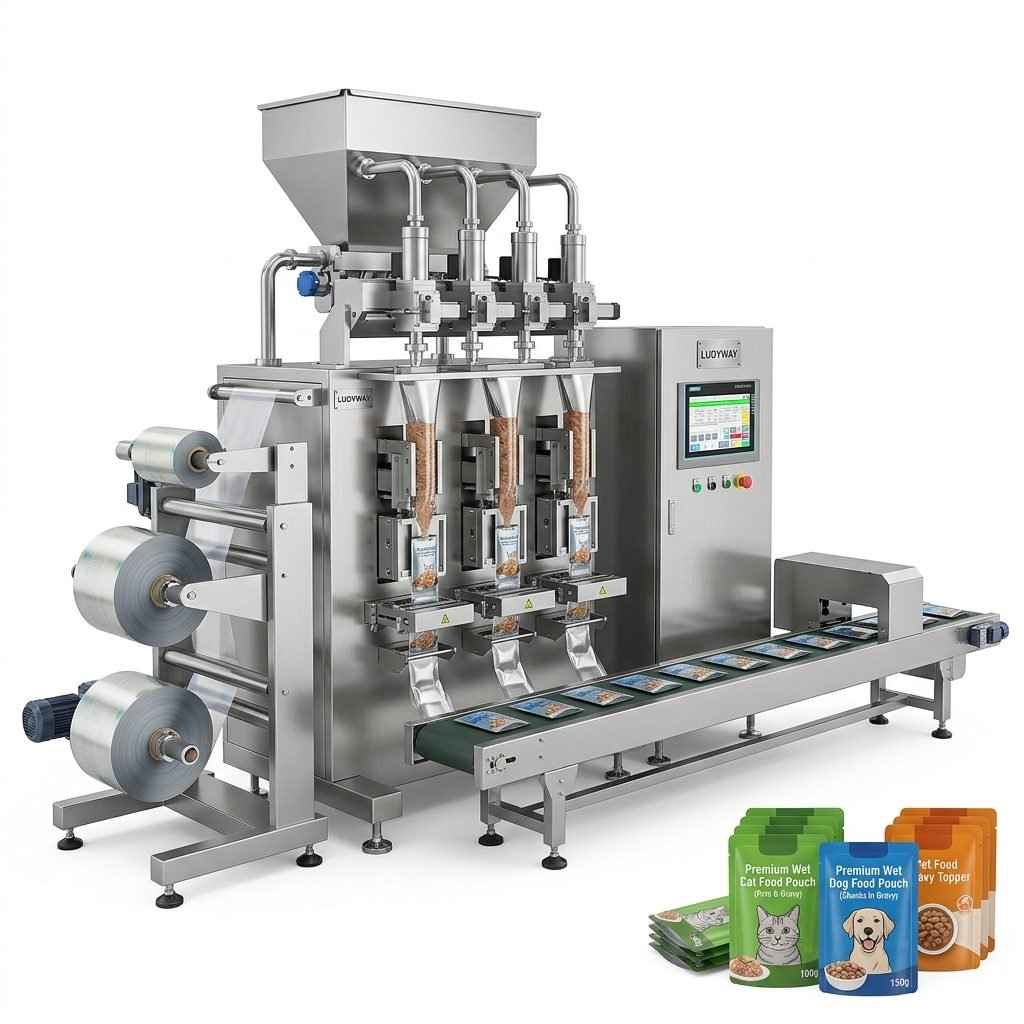
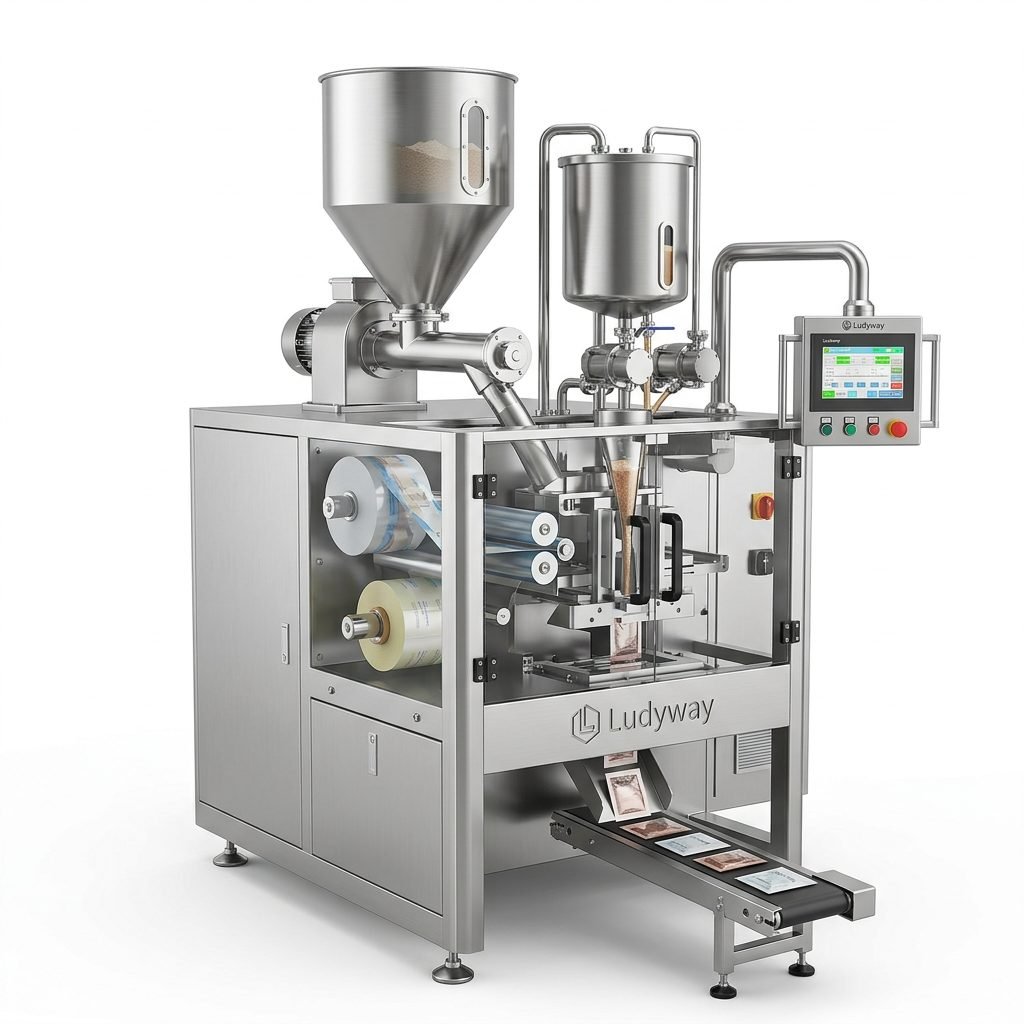
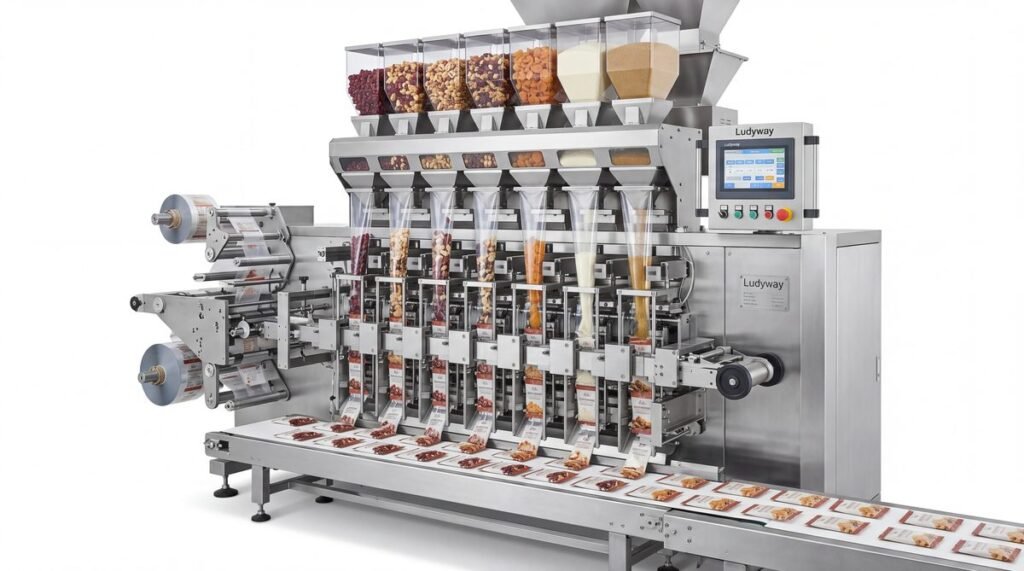
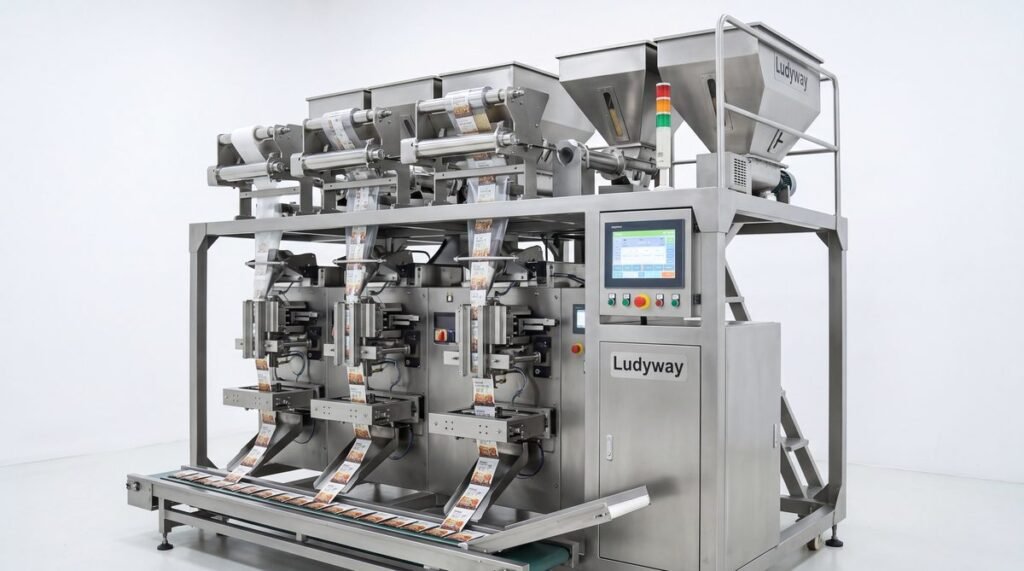
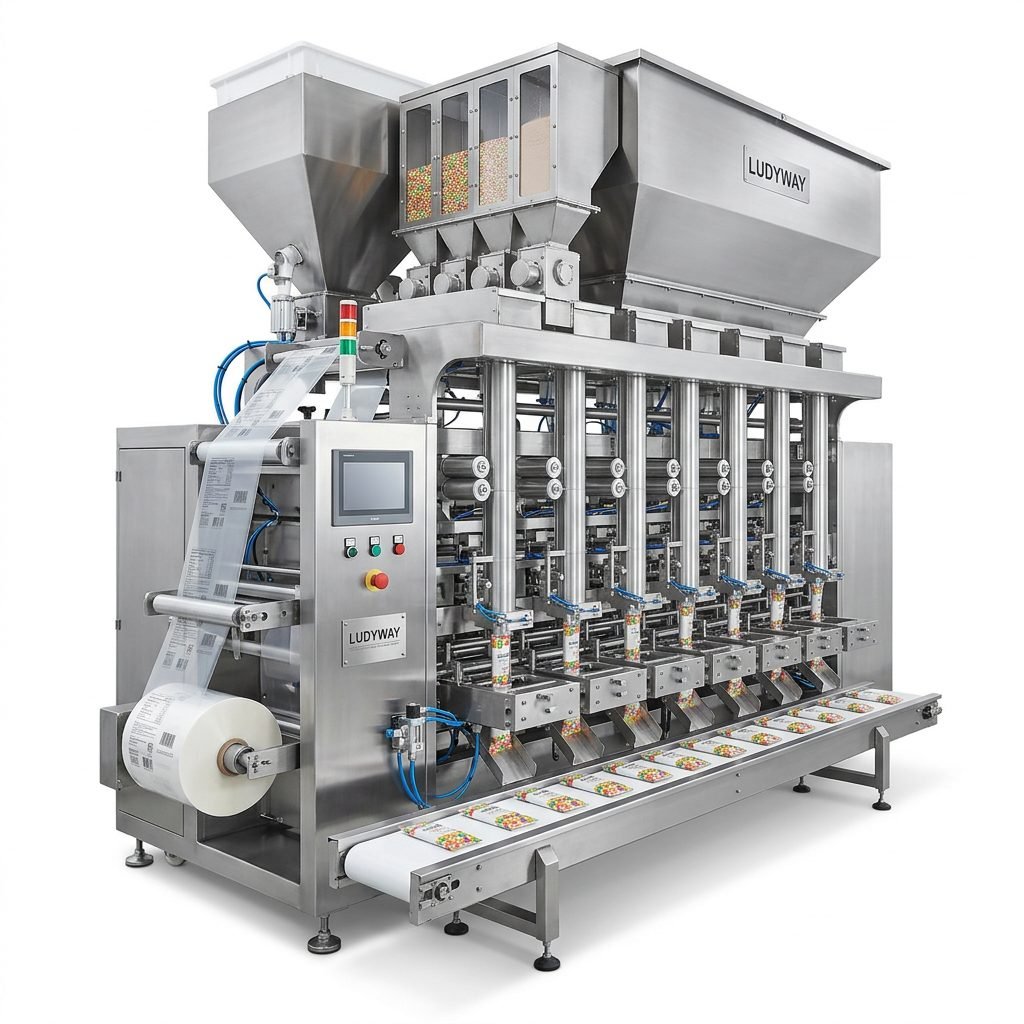
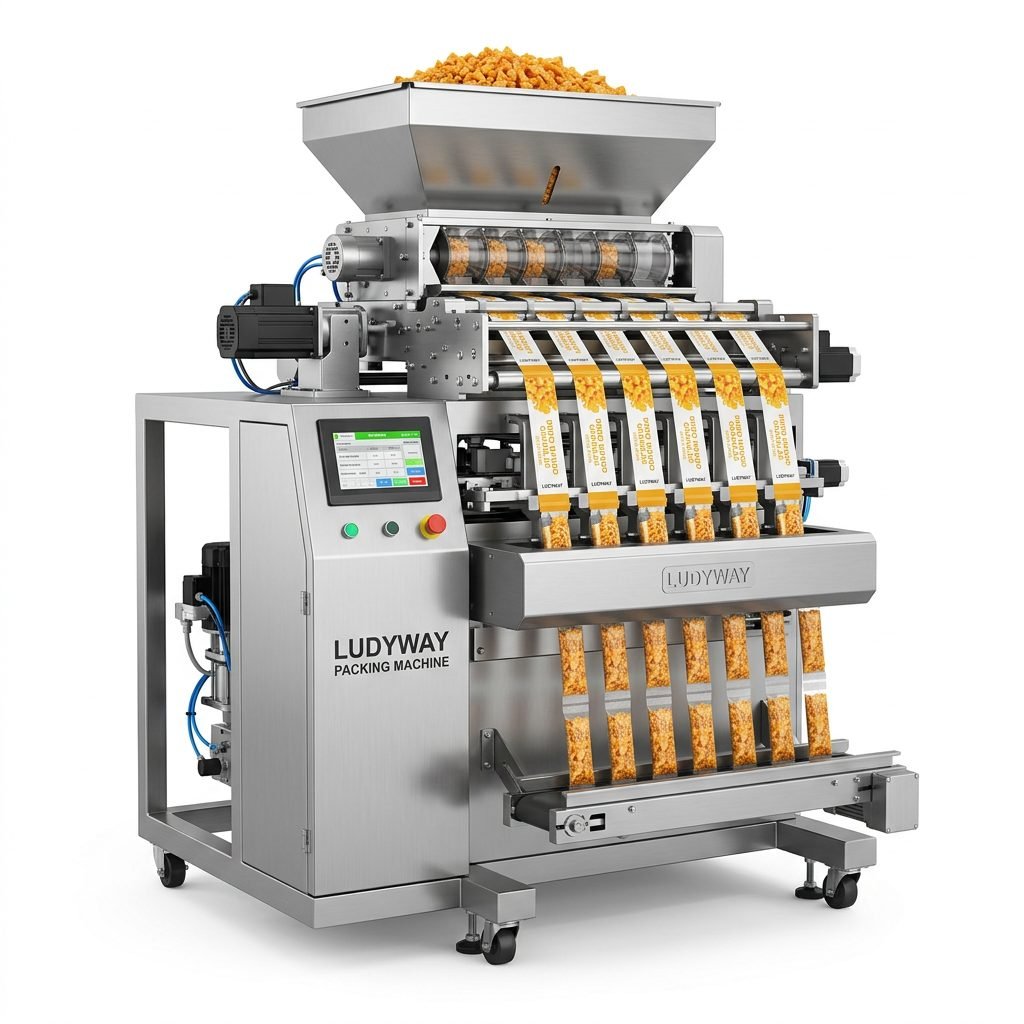
Products like instant coffee, protein powder, spices, or medicinal herbs require precision dosing to maintain consistent portion sizes. Integrated lines for granules and powders often feature multi-head weighers or auger filler systems renowned for their high accuracy. These are coupled with form-fill-seal (FFS) machines that create the pouch from a roll of film, fill it, and seal it in one continuous operation. This method is highly efficient and reduces material waste. Advanced systems include nitrogen flushing capabilities to displace oxygen within the pouch, crucial for preserving the quality of oxygen-sensitive health products.
2. Liquid & Paste Packaging Solutions
Packaging liquids—such as sauces, syrups, oral supplements, or topical ointments—presents unique challenges like controlling viscosity and preventing leakage. Piston filler or volumetric cup filler machines are the heart of these lines, offering exceptional accuracy for both thin and viscous products. Integration with vertical or horizontal FFS machines allows for the creation of sturdy sachets or stick packs. For higher volumes, rotary liquid filling lines provide unmatched speed. Crucially, these systems are constructed with sanitary designs, using materials like 316L stainless steel, and allow for easy cleaning and changeover to meet strict pharma and food-grade standards.
3. Stick Pack & Sachet Packaging Technology
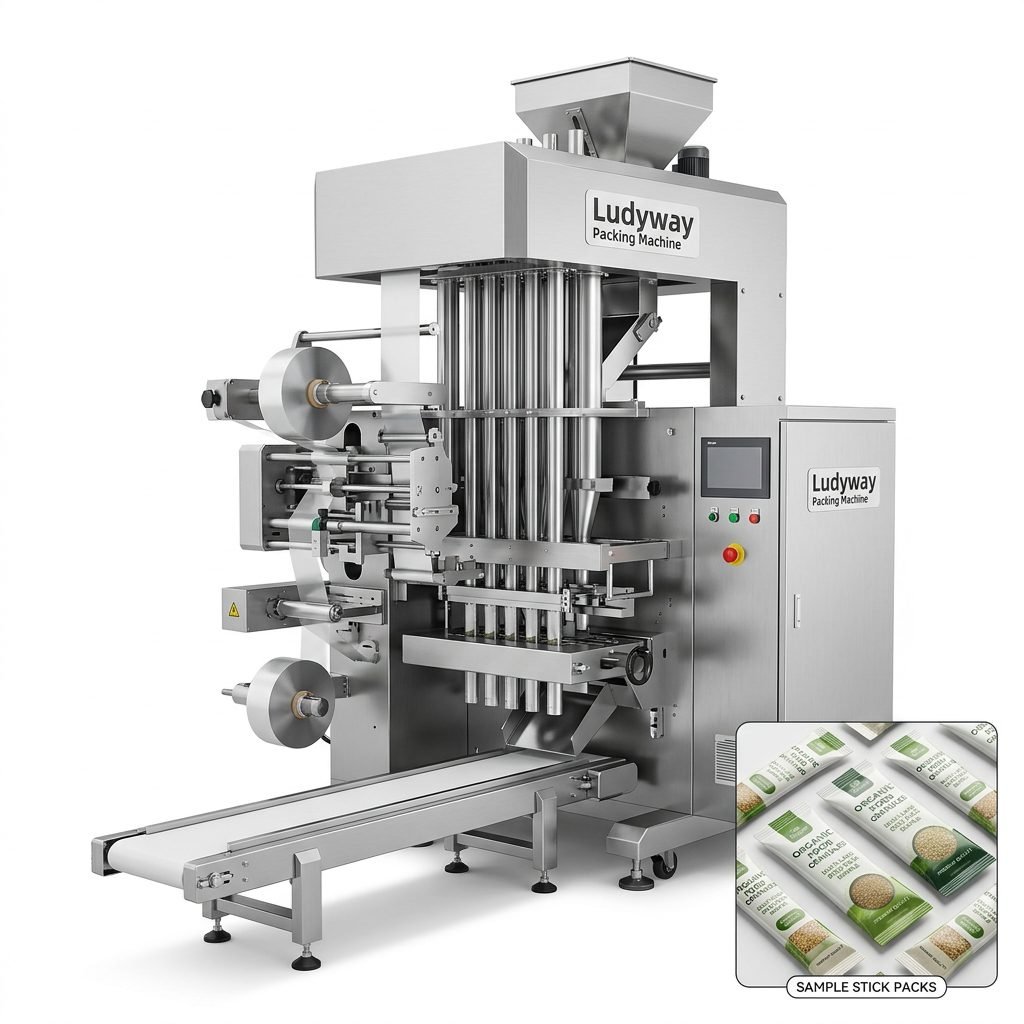
The demand for unit-dose, portable, and hygienic packaging has made stick packs and sachets immensely popular across all three sectors. Stick pack machines are engineered to produce long, slender packets ideal for single servings of drink mixes, pharmaceutical powders, or energy gels. Modern multi-lane stick pack machines can produce several rows simultaneously, skyrocketing output. Sachet machines offer more flexibility in pouch size and shape, suitable for everything ✓ from ketchup and shampoo samples to medicated creams. Integrating these machines with upstream product handling and downstream cartoning creates a compact, high-speed production cell.
Driving Efficiency with Automation and Smart Controls
Integration is powered by intelligent automation. Programmable Logic Controllers (PLCs) and Human-Machine Interfaces (HMIs) are the nerve center of a modern packaging line. They enable:
- Centralized Monitoring & Control: Operators can manage the entire line from a single panel, adjusting parameters, tracking speed, and monitoring output in real-time.
- Predictive Maintenance: Sensors can track machine performance and alert technicians to potential issues before they cause downtime, a critical feature for 24/7 production runs.
- Data Tracking & Traceability: Integrated vision systems and coders ensure every package is correctly labeled with batch numbers, expiry dates, and barcodes, fulfilling regulatory requirements for track-and-trace in the pharma industry.
This level of control not only boosts Overall Equipment Effectiveness (OEE) but also provides the data needed for continuous process improvement. Learn more about how automation enhances line performance in our insight on optimizing packaging operations.
The Ludyway Advantage: Experience Meets Innovation
With over 30 years of collective industry experience, our team understands the nuanced demands of food, pharma, and health product packaging. We don’t just sell machines; we deliver complete production solutions. Our portfolio boasts more than 50 intelligent packaging machine models, designed and selected to offer flexibility and reliability. Backed by a 20,000㎡ modern production facility and strong engineering capabilities, we provide end-to-end support—from initial concept and factory layout planning to installation, training, and after-sales service. Our commitment is to build long-term partnerships by providing tailored packaging solutions that drive our clients’ growth and success on the global stage.
Ensuring Compliance and Future-Proofing Your Investment
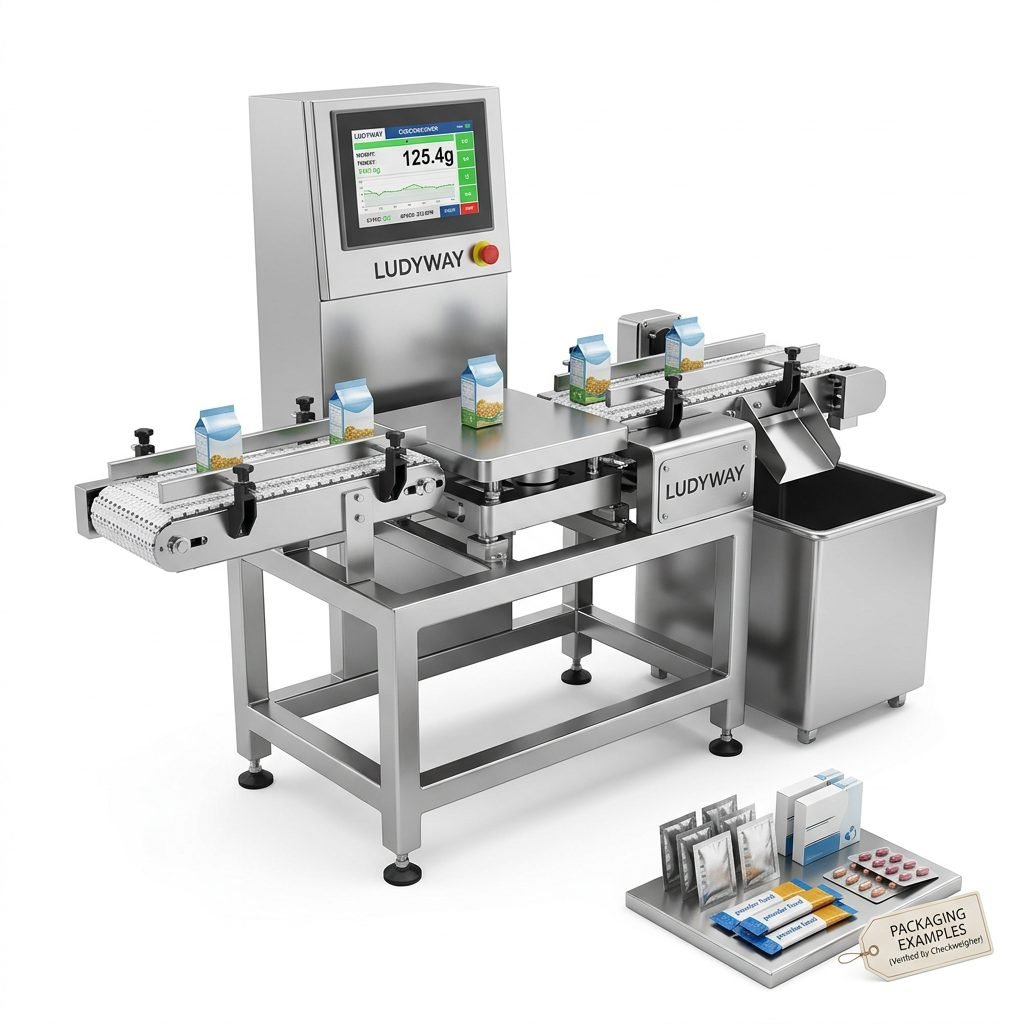
Regulatory landscapes, particularly for pharmaceuticals (GMP, FDA) and food (HACCP, BRC), are constantly evolving. An integrated line must be designed with compliance as a core principle. This means selecting machinery with appropriate certification, using compliant materials of construction, and ensuring the system can generate the necessary documentation and audit trails. Furthermore, a future-proof solution is modular and scalable. It should allow for easy upgrades, the addition of new features like checkweighers or robotic palletizers, and adaptability to new packaging formats or materials, such as sustainable monomaterials. Partnering with a provider experienced in global standards is essential for navigating these complexities.
Implementing integrated packaging machinery is a strategic decision that elevates production quality, safety, and efficiency. By choosing a system tailored to your specific product and regulatory needs, you invest in the longevity and reputation of your brand. It transforms packaging from a cost center into a value-adding, competitive advantage.
Frequently Asked Questions (FAQs)
1. What are the main benefits of an integrated packaging line over standalone machines?
Integrated lines offer superior synchronization, reducing bottlenecks and manual intervention. They provide higher overall efficiency, better space utilization, consistent product quality, and comprehensive data collection. A turnkey system from a single supplier also simplifies project management, training, and after-sales support.
2. How do I choose the right type of filling system for my powder product?
The choice depends on product characteristics (flowability, density), required accuracy, and speed. Auger fillers are versatile for many powders, while multi-head weighers offer supreme speed and accuracy for free-flowing granules. A professional consultation, including product testing, is the best way to determine the optimal solution. Our experts can guide you through this process.
3. Can one integrated line handle different packaging formats, like both sachets and stick packs?
While some advanced machines offer format changeover capabilities, it typically requires a tooling change and recalibration. For high-volume production of two distinct formats, dedicated machines within the same line or separate modular lines are often more efficient. The feasibility depends on your production volume and changeover frequency.
4. What is required to ensure my packaging line meets pharmaceutical GMP standards?
GMP compliance requires machinery with a sanitary design (easy to clean, no product traps), constructed from appropriate materials (e.g., 316L stainless steel). The system must support validated cleaning procedures, provide data integrity for critical parameters, and enable full traceability of the packaging process. Documentation and qualification support (IQ/OQ/PQ) from the supplier are crucial.
5. How can integrated packaging support sustainability goals?
Modern lines optimize material usage, reducing film waste through precise sealing controls. They can be configured to run with recyclable or compostable mono-material films. Furthermore, high efficiency and reduced downtime lower energy consumption per unit produced. Discuss your sustainability targets with your solution provider during the design phase. Explore our commitment to sustainable packaging innovation.