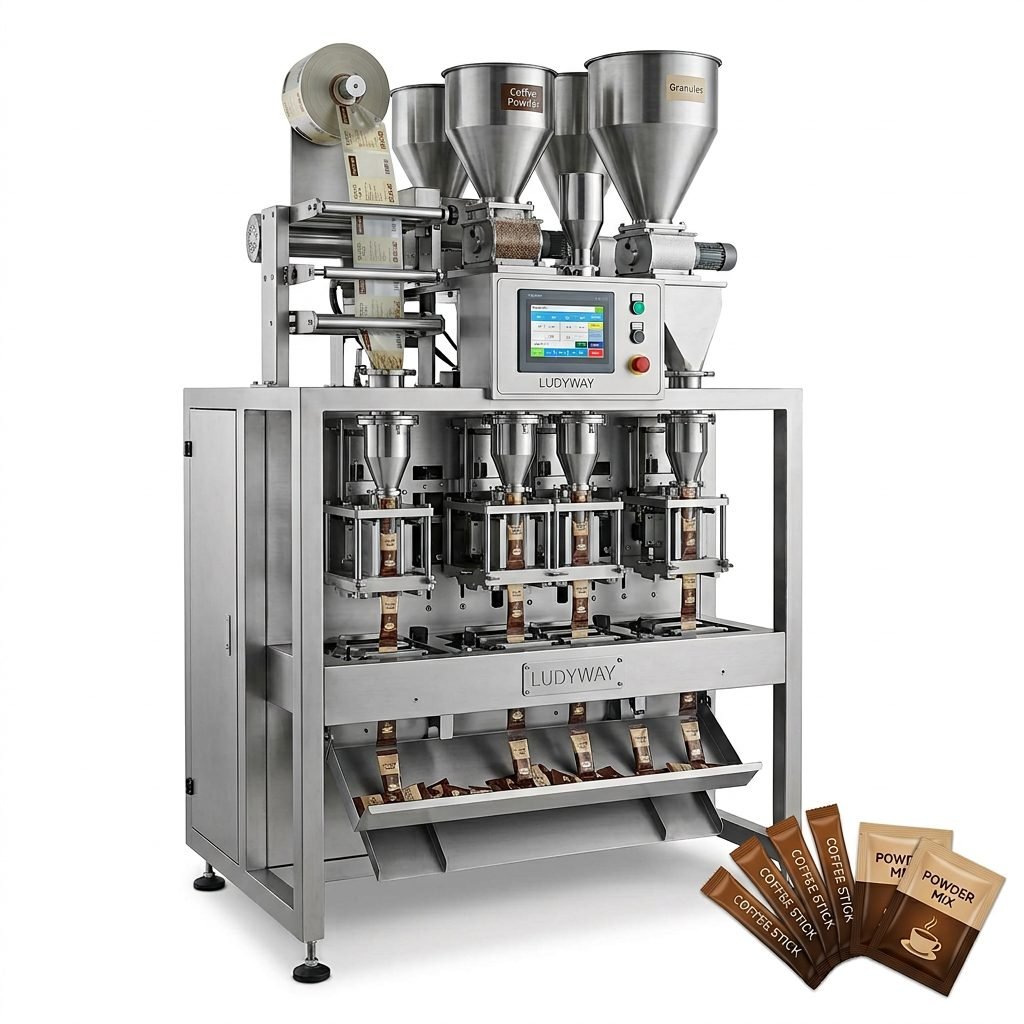
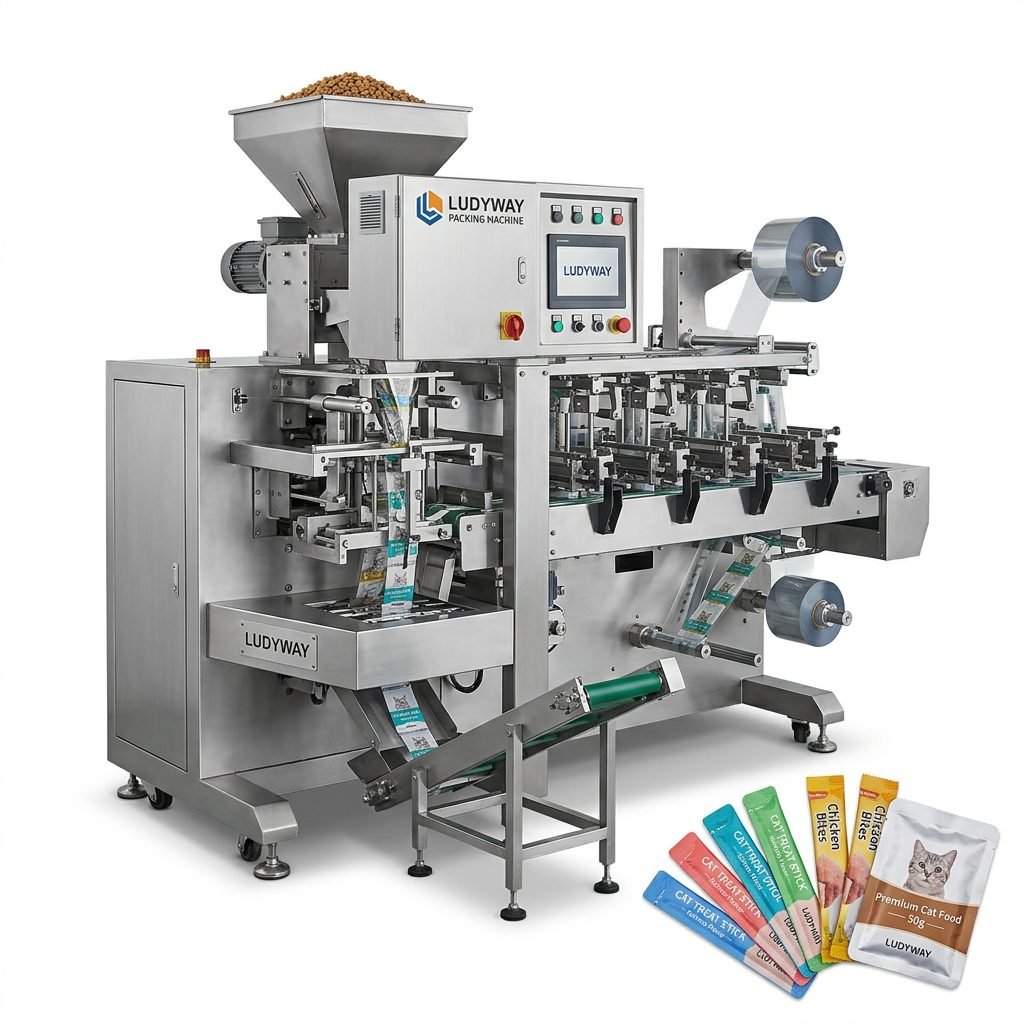
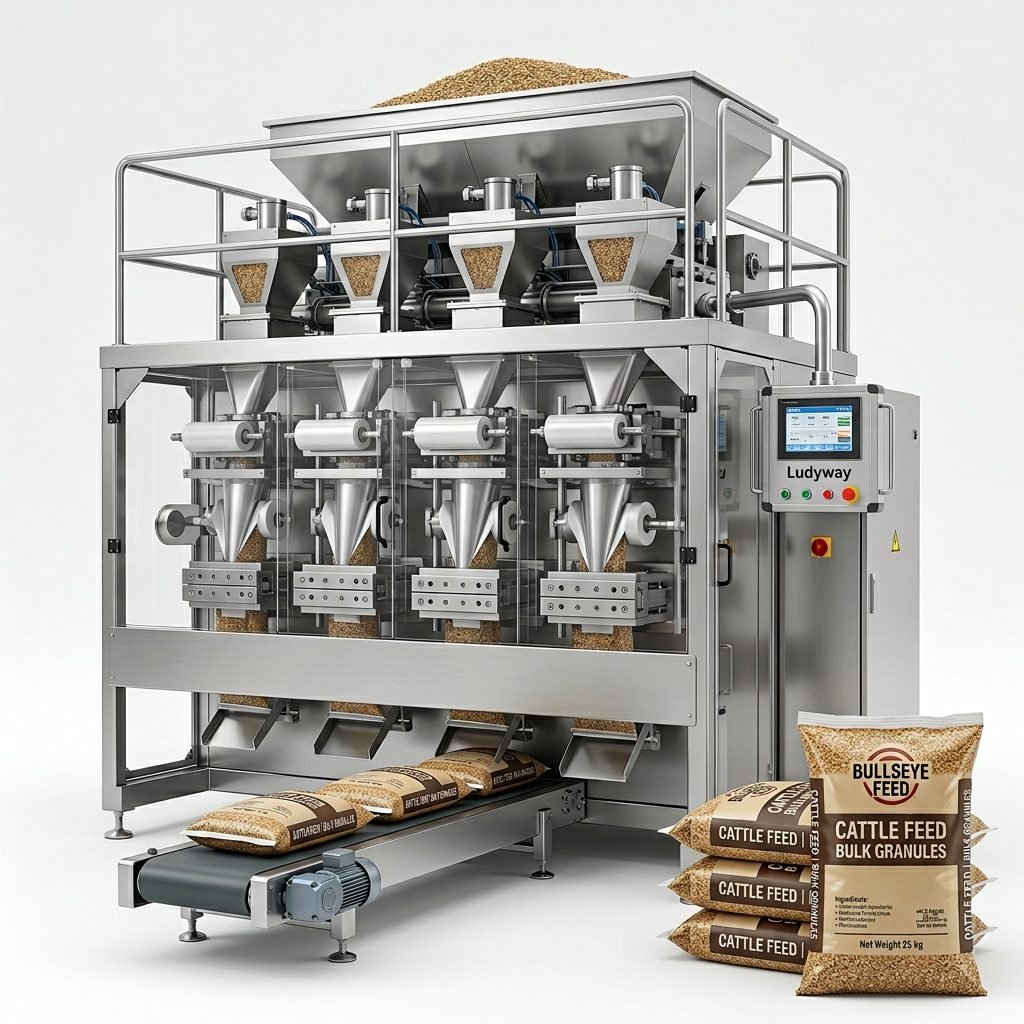
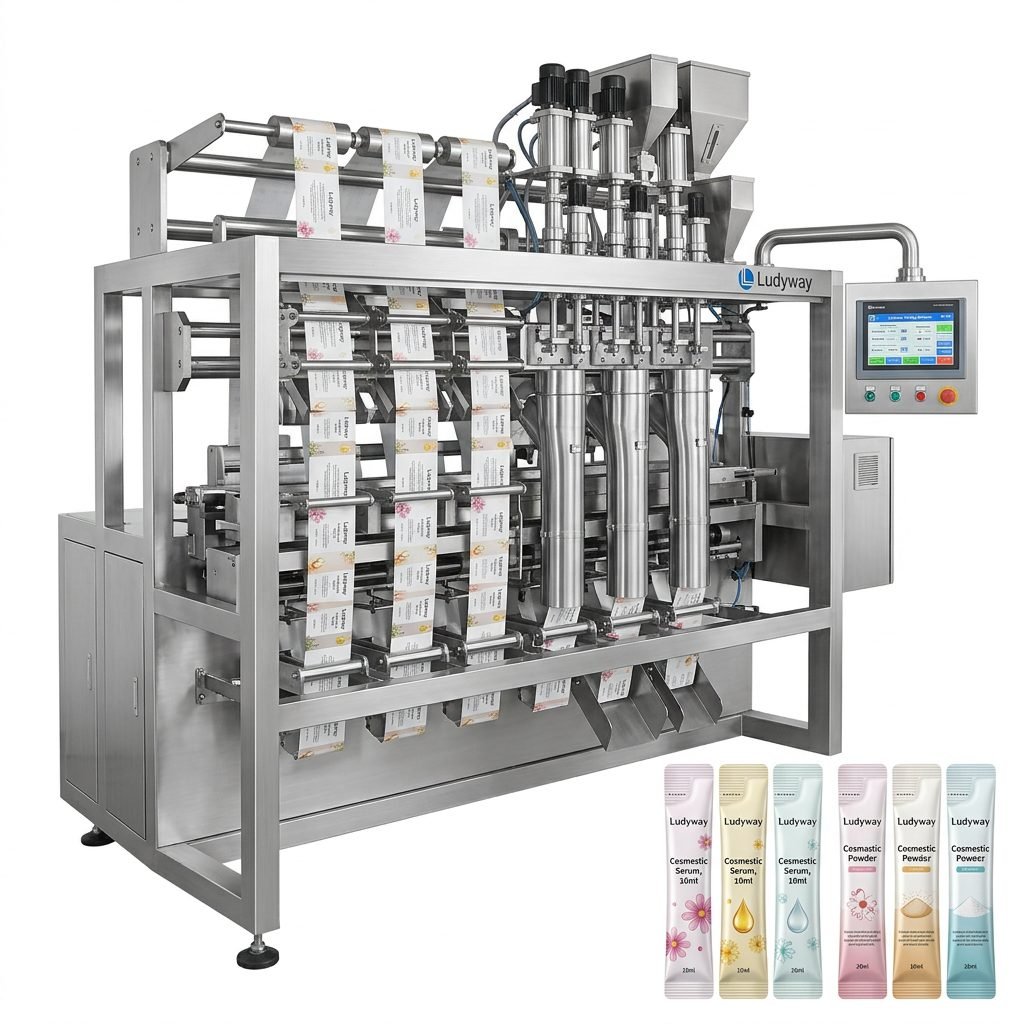
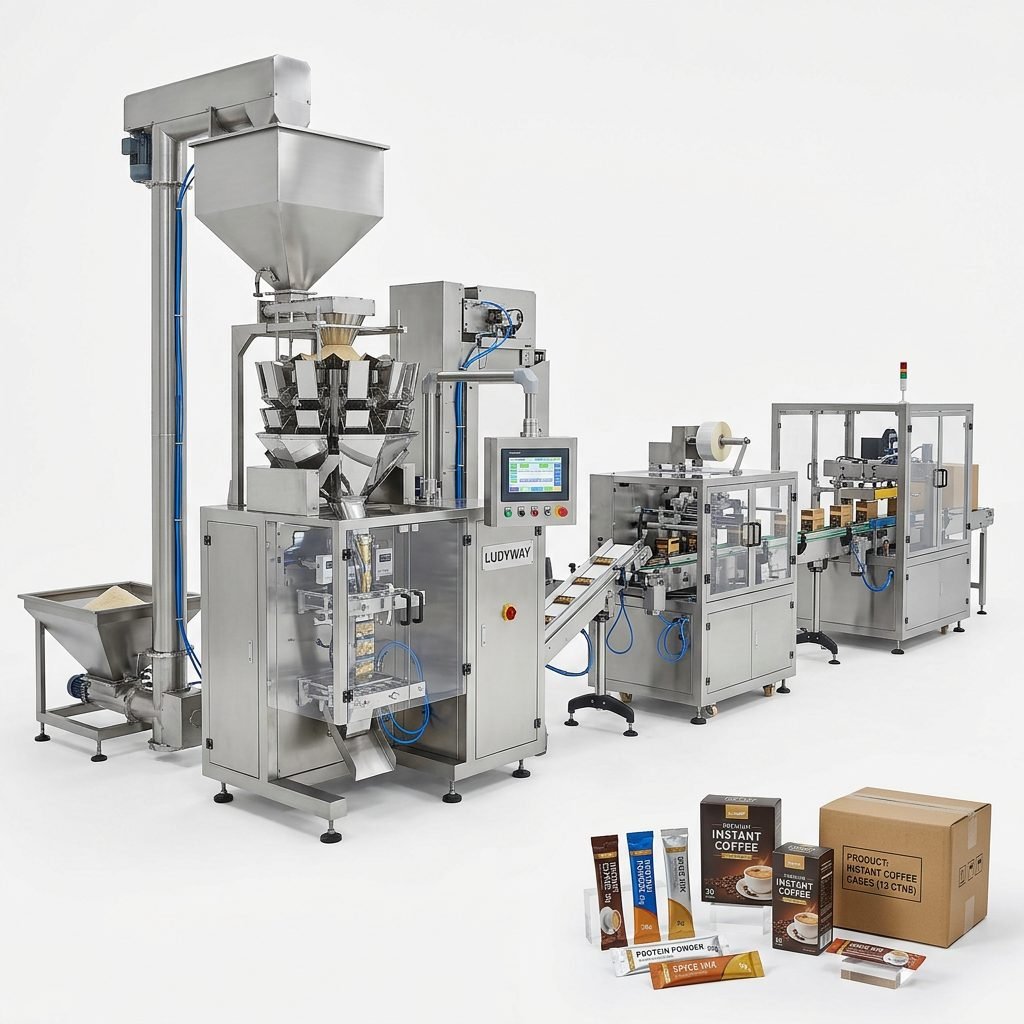
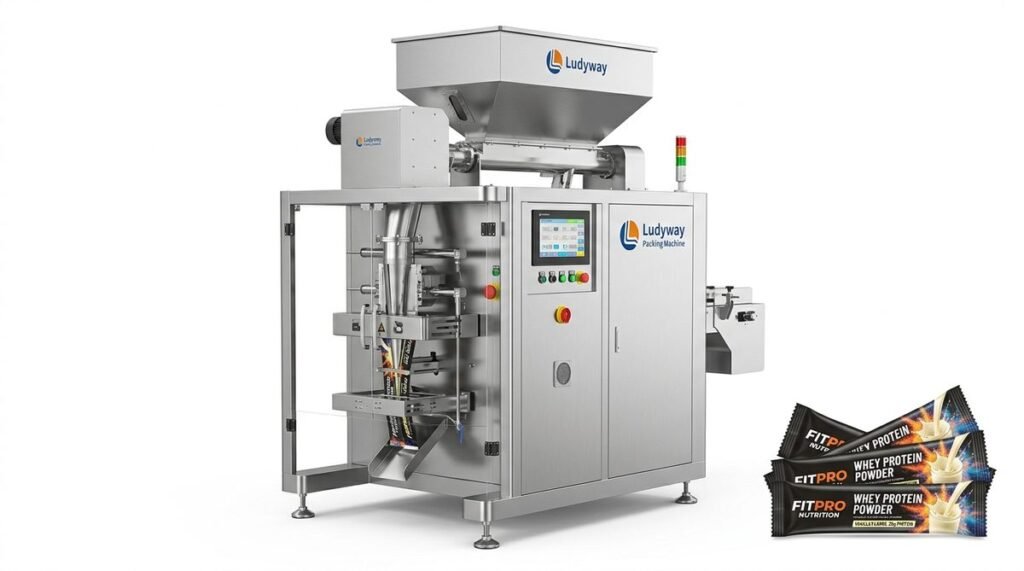
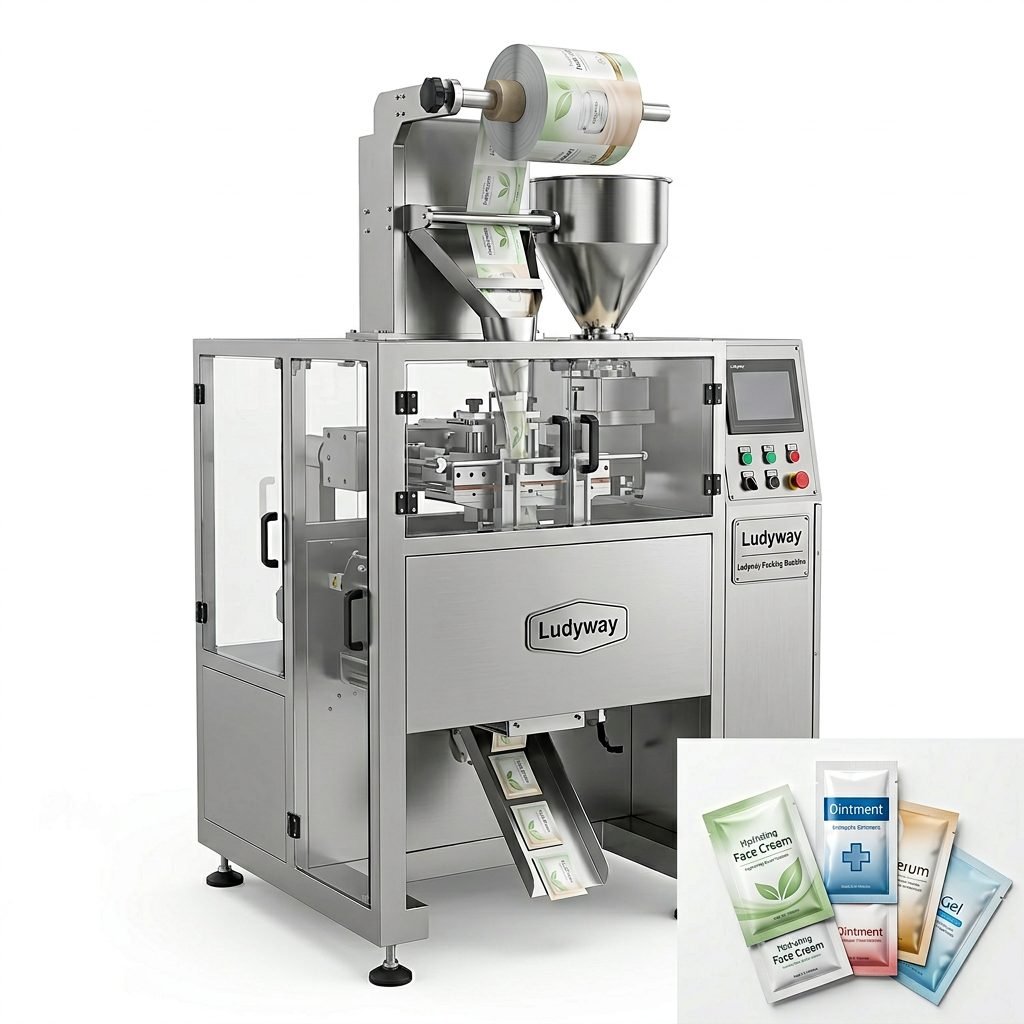
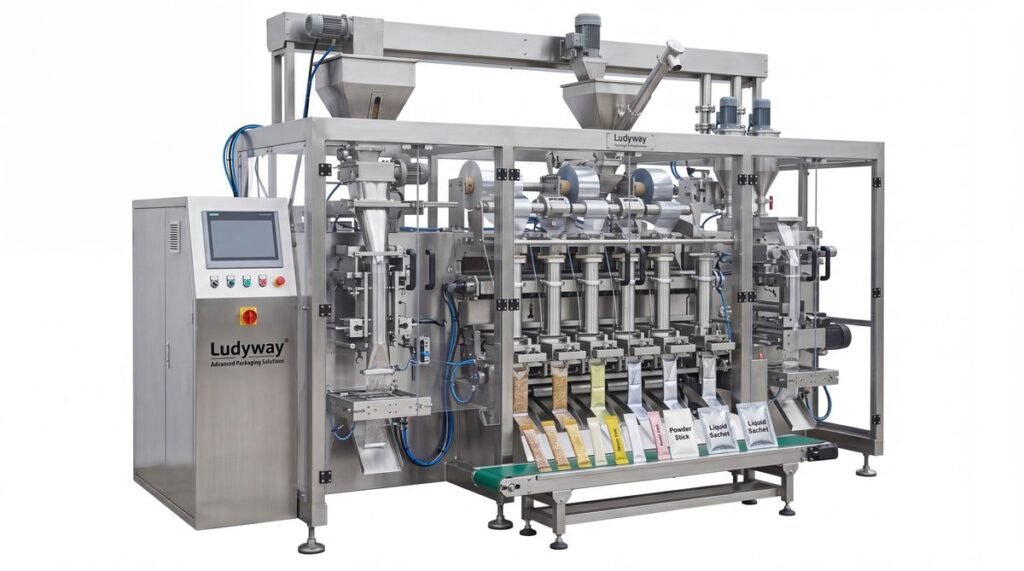
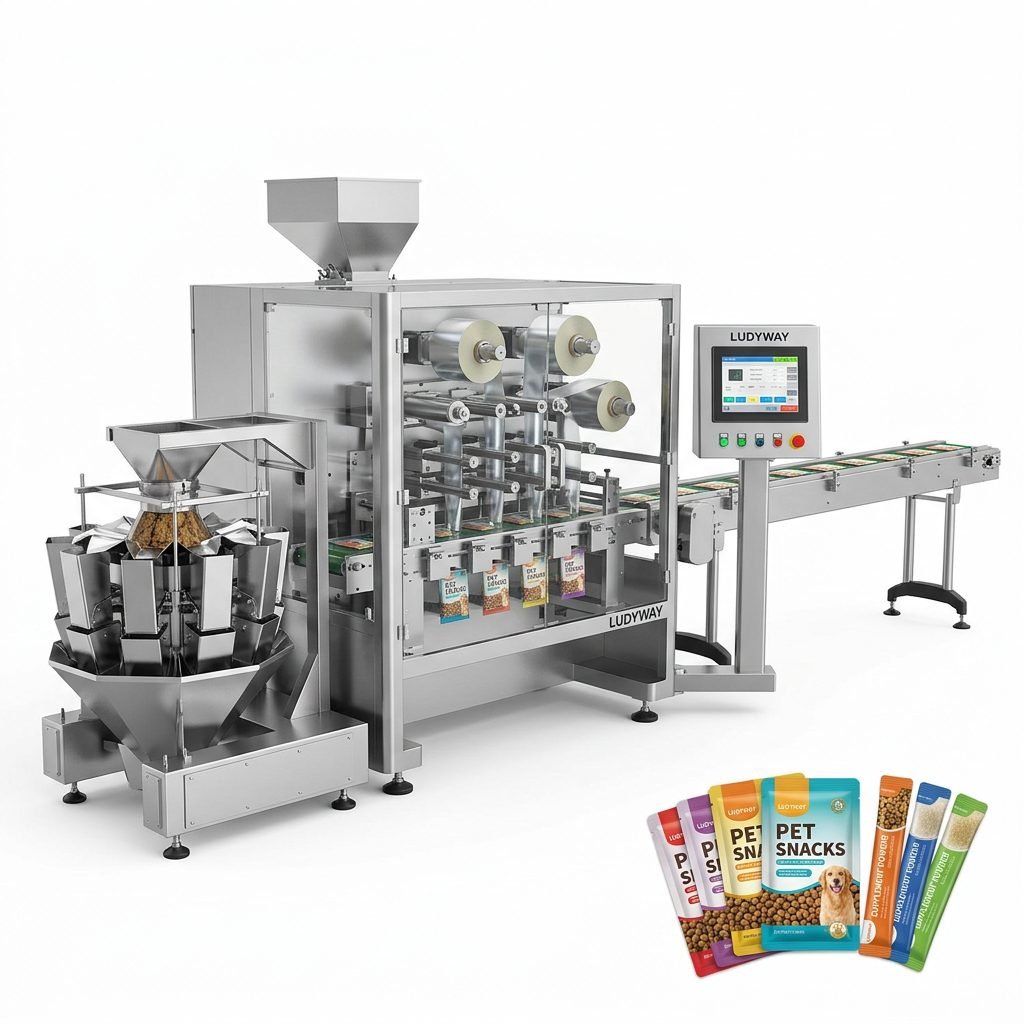
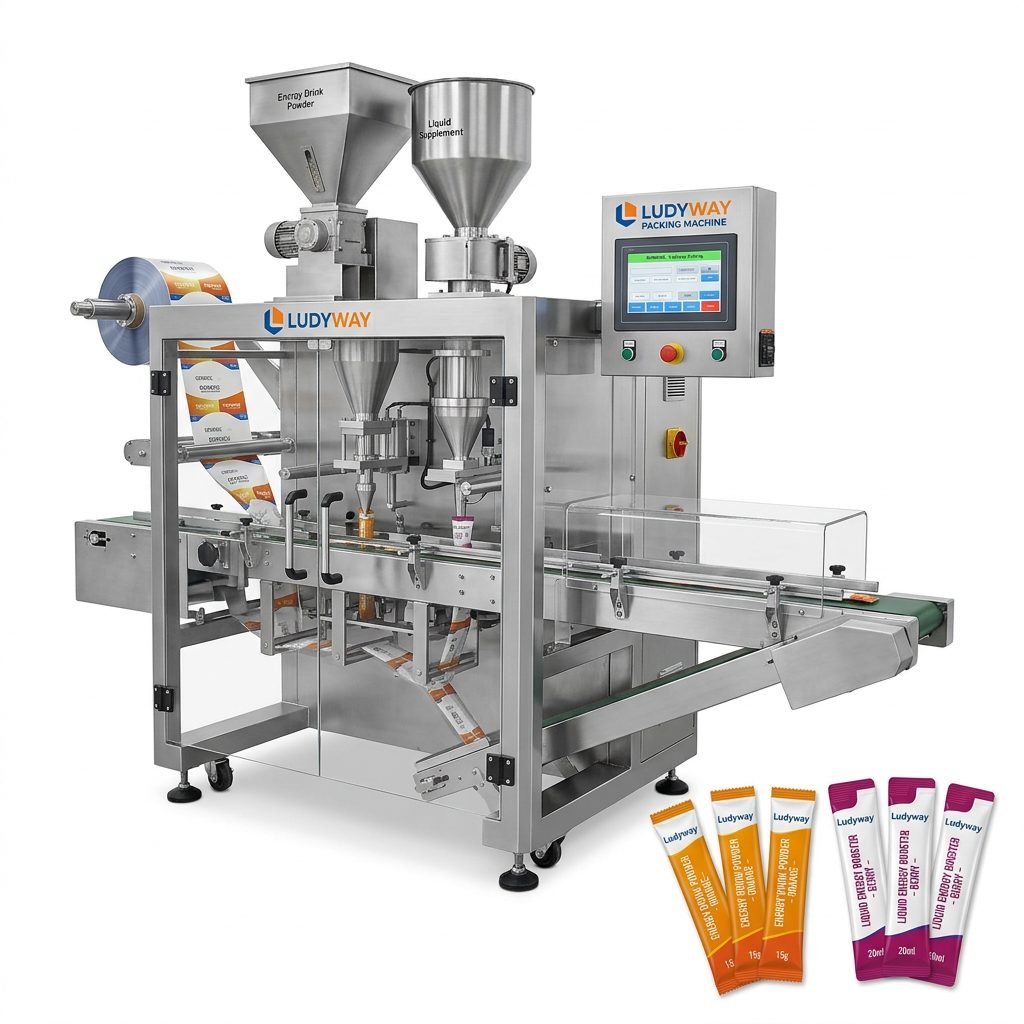
In the fast-paced world of manufacturing and product distribution, efficiency and protection are paramount. High-speed packaging machines, particularly those designed for shrink wrapping, have become indispensable assets for businesses aiming to streamline operations and ensure their products reach consumers in pristine condition. These advanced solutions are not just about speed; they represent a fusion of technology, reliability, and intelligent design tailored for modern production lines.
The Critical Role of High-Speed Shrink Wrapping
Shrink wrapping is a versatile packaging process that involves enclosing a product in a loose plastic film and then applying heat. This causes the film to shrink tightly around the product, creating a secure, tamper-evident, and visually appealing package. High-speed machines automate this process, handling hundreds or even thousands of units per minute. This capability is crucial for industries with high-volume outputs, where manual packaging would be a significant bottleneck. The primary benefits include enhanced product protection from dust, moisture, and handling damage, improved shelf presentation, and the ability to bundle multiple items together for promotional purposes.
Key Advantage: Beyond mere speed, modern high-speed shrink wrappers are engineered for precision and consistency. They ensure every package has the same professional finish, eliminating human error and material waste.
Core Components of an Efficient Shrink Wrapping System
A complete high-speed shrink wrapping solution is more than just a sealing machine. It is an integrated system designed for seamless operation:
- Automatic Film Feeding & Sealing Unit: The heart of the system, which precisely cuts and seals the film around the product.
- High-Efficiency Heat Tunnel: Uniformly applies controlled heat to perfectly shrink the film without damaging the product inside.
- Integrated Conveying System: Smoothly transports products from upstream processes through sealing and shrinking stages.
- Advanced Control Panel: Often with PLC and touchscreen interfaces for easy setup, monitoring, and adjustment of speed, temperature, and other parameters.
Choosing the Right Machine for Your Product Line
Selecting the optimal high-speed packaging machine requires a careful analysis of your specific needs. Not all products are the same, and neither are their packaging requirements.
Product Type and Size
The physical dimensions, shape, and fragility of your product are the first considerations. Machines are configured for different maximum and minimum sizes. For irregularly shaped items, L-sealers with adjustable tunnels are often ideal. For uniform boxes or bundles, high-speed sleeve wrappers provide exceptional throughput.
Required Output Speed (Units Per Minute)
This is the defining factor. Assess your current and projected production volumes. A machine capable of 60 packages per minute is vastly different from one designed for 200+ PPM. Investing in a machine with some growth capacity is wise, but over-specifying can lead to unnecessary capital expenditure.
Film Material Compatibility
Different shrink films (like Polyolefin, PVC, or Polyethylene) have varying shrink ratios, clarity, and sealing temperatures. Your chosen machine must be compatible with the film that best suits your product’s protection and aesthetic needs.
Expert Insight: The Integration Factor
For maximum efficiency, consider how the shrink wrapper will integrate with your existing line equipment, such as cartoners, labelers, or case packers. A turnkey solution provider can design a cohesive system where all components communicate, minimizing downtime and maximizing overall equipment effectiveness (OEE).
Beyond Speed: Ensuring Superior Product Protection
While speed drives productivity, the ultimate goal is product integrity. A high-quality shrink wrap creates a second skin around the product.
- Contamination Barrier: Seals out dust, dirt, and moisture during storage and transit.
- Tamper Evidence: Any attempt to open the package is immediately visible, enhancing consumer trust and safety—a critical factor in pharmaceutical and food packaging.
- Stabilization: Holds multiple components or loose parts together, preventing movement and damage inside the primary container.
Partnering with a Specialized Provider
Successfully implementing a high-speed packaging system is a significant investment. Partnering with an experienced machinery provider like Ludyway Packing Machine is crucial. With over 30 years of industry experience, they offer more than just equipment sales. Their approach involves understanding your unique challenges, offering tailored solutions from their range of 50+ intelligent packaging machine models, and providing ongoing support to ensure your line operates at peak performance. Their expertise in turnkey production solutions means they can handle the entire project, from design and installation to training and maintenance.
Frequently Asked Questions (FAQs)
1. What is the typical maintenance required for a high-speed shrink wrapping machine?
Regular maintenance is key to longevity and uptime. Daily tasks include cleaning the sealing wires and heat tunnel of film residue. Weekly and monthly schedules involve checking and lubricating moving parts, inspecting belts and chains for wear, and verifying the calibration of temperature and film feed sensors. A good provider will offer a detailed maintenance plan.
2. Can one machine handle vastly different product sizes?
While many machines offer some adjustability, frequent and extreme size changes can impact efficiency. For lines with highly variable products, consider machines with quick-change features or automated adjustments controlled from the PLC. For completely different product families, a modular system might be recommended.
3. How do I choose between different types of shrink film?
The choice depends on your product and needs. Polyolefin (POF) is popular for its clarity, strength, and eco-friendlier profile. PVC offers a high shrink ratio and good clarity at a lower cost. Polyethylene (PE) is very durable and moisture-resistant, often used for heavy items. Your machine supplier can advise on the best film for your application and ensure machine compatibility.
4. What safety features should I look for?
Essential safety features include emergency stop buttons at multiple points, thermal overload protection on heating elements, safety guards and interlocks on moving parts, and proper ventilation for the heat tunnel. Modern machines should comply with relevant international safety standards for industrial equipment.
5. What is the lead time for installing a complete high-speed packaging line?
Lead times vary based on machine complexity, customization, and manufacturer capacity. For a standard high-speed L-sealer, it could be 8-12 weeks. For a fully customized turnkey line involving multiple integrated machines, it can take several months from design to factory acceptance testing and final installation. Clear communication with your provider about timelines is essential.