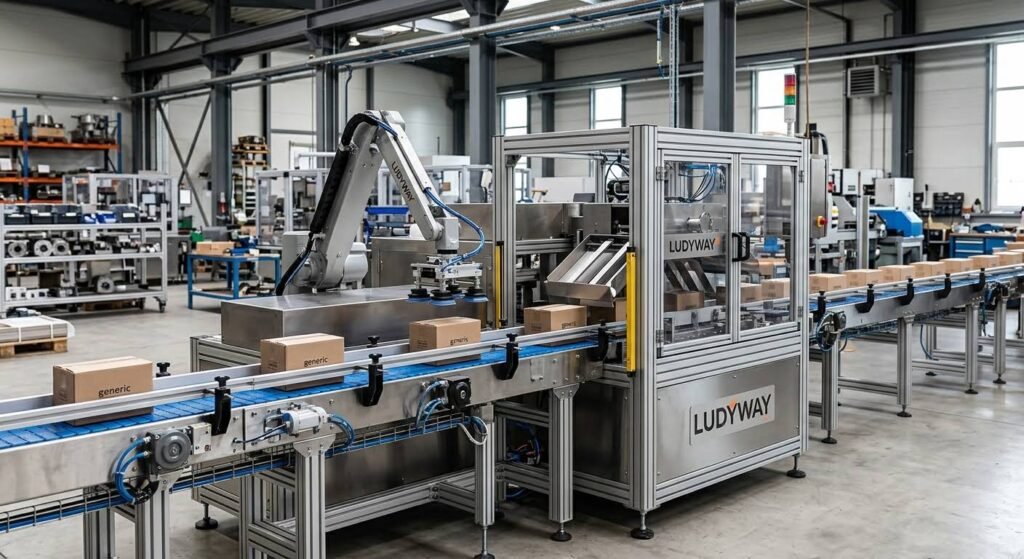
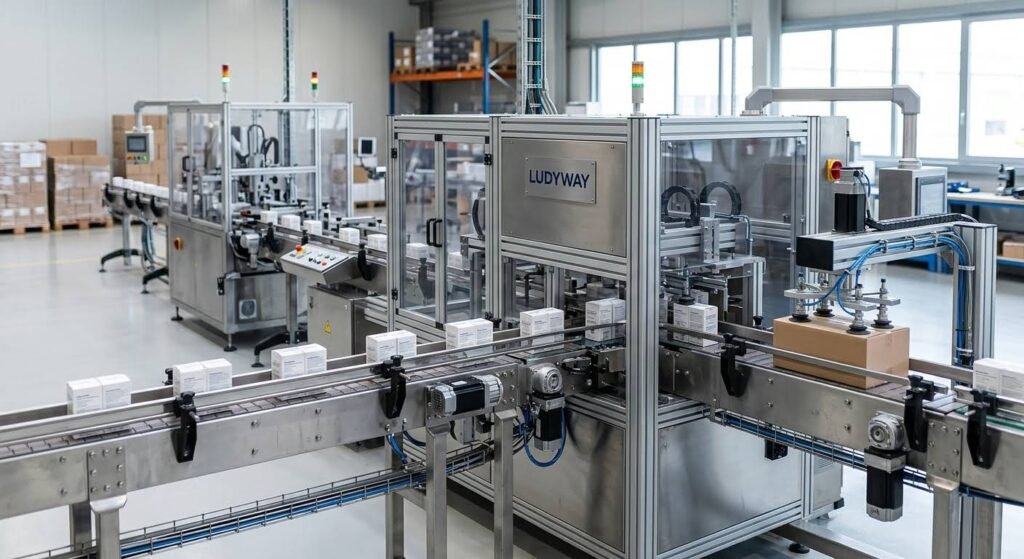
Navigating the industrial packaging equipment market can be a complex endeavor. Whether you are scaling up production, replacing outdated machinery, or automating a manual process, selecting the right packaging machine is a critical investment. This comprehensive guide is designed to walk you through the entire process—from initial research and comparison to final selection—ensuring you make an informed decision that boosts efficiency, reliability, and your bottom line.
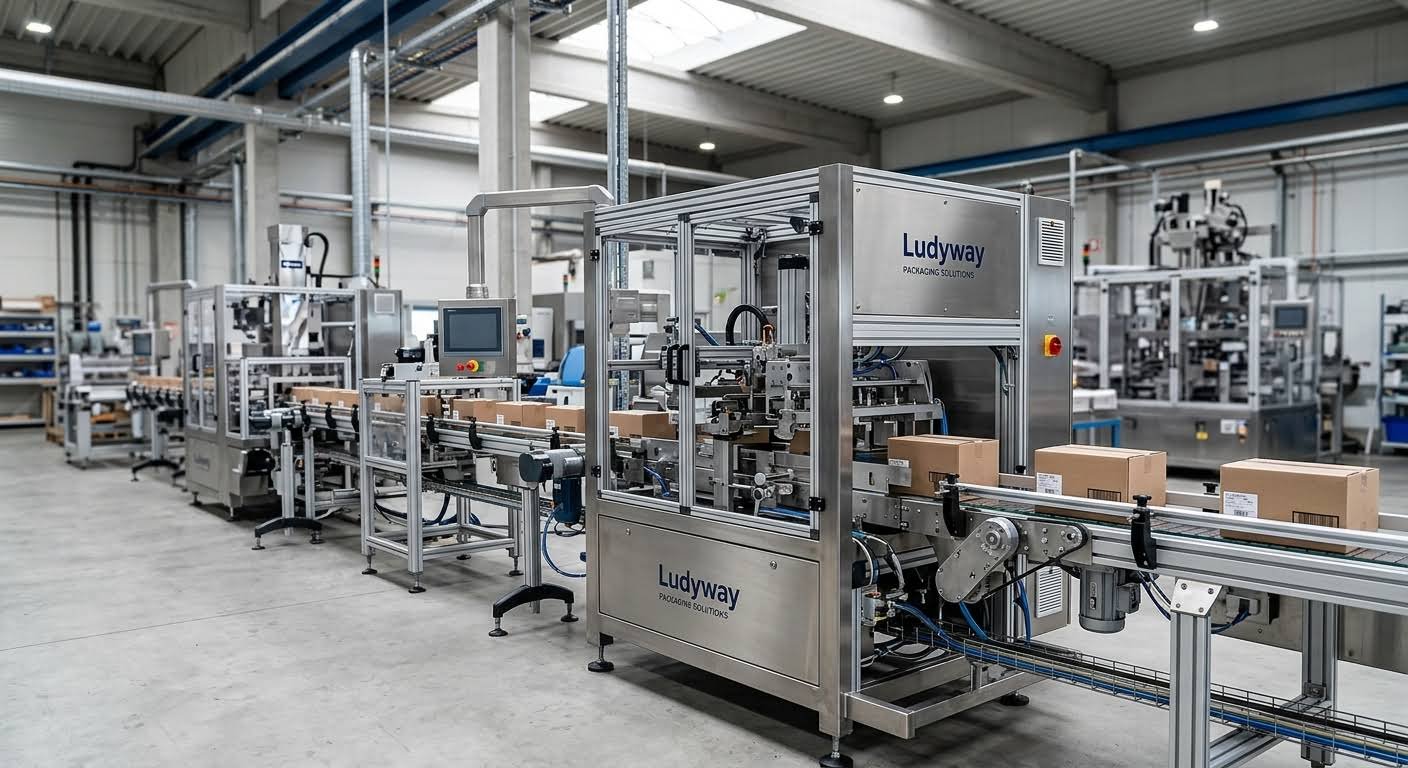
Understanding Your Packaging Needs
Before diving into specifications and brands, a thorough internal assessment is essential. The right machine for your operation is the one that solves your specific problems and fits seamlessly into your workflow.
Key Factors to Define:
- Product Type: Is your product a granule, powder, liquid, paste, or solid? The physical characteristics dictate the filling technology (e.g., auger, volumetric, pump).
- Production Speed (Output): Calculate your required units per minute/hour/shift. Be realistic about current needs and future growth projections.
- Packaging Format: Determine if you need sachets, stick packs, pouches, bottles, or cans. This choice influences the machine type (e.g., vertical form-fill-seal (VFFS), horizontal flow wrappers).
- Budget & ROI: Establish a clear budget that includes not just the machine price, but also installation, training, maintenance, and potential downtime costs. Calculate the expected return on investment.
- Available Space & Utilities: Measure your floor space and check requirements for power (voltage, phases), compressed air, and other utilities.
Exploring the Industrial Packaging Machinery Landscape
The market offers a vast array of equipment, each suited for different applications. Familiarizing yourself with the main categories will streamline your search.
Primary Packaging Machine Types
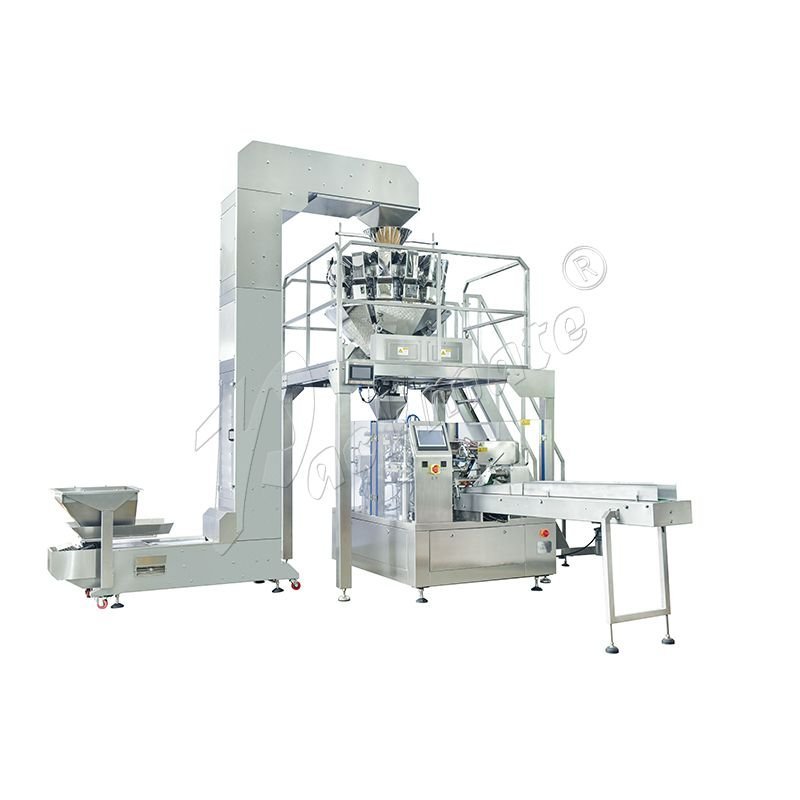
Vertical Form-Fill-Seal (VFFS) Machines: The workhorses of the industry. They form bags from a roll of film, fill them with product, and seal them in one continuous operation. Ideal for granules, powders, and liquids in pillow pouches or gusseted bags.
Horizontal Form-Fill-Seal (HFFS) / Flow Wrappers: Perfect for wrapping individual products like bars, biscuits, or grouped items. They use a horizontal approach and are known for high-speed operation and sleek finished packaging.
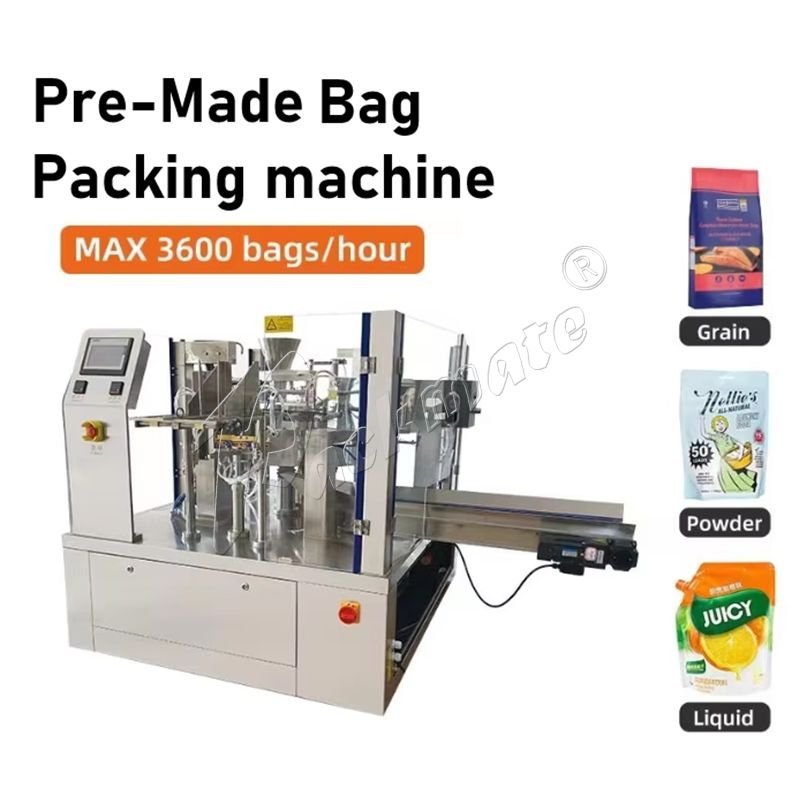
Liquid & Paste Filling Machines: These range from simple semi-automatic piston fillers to fully automated rotary filling lines for bottles, tubes, and pouches. Accuracy and cleanliness are paramount.
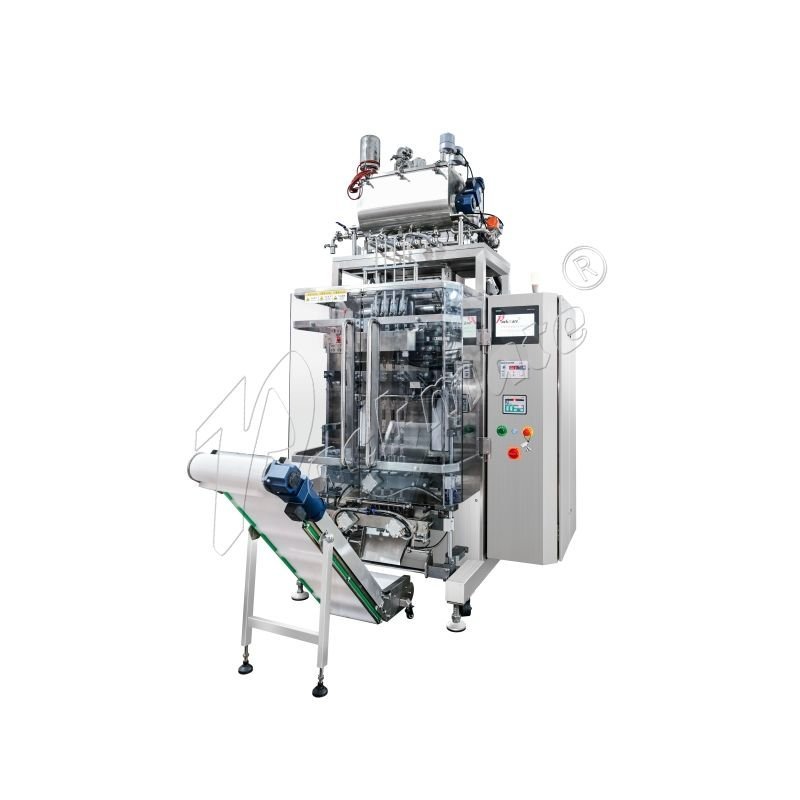
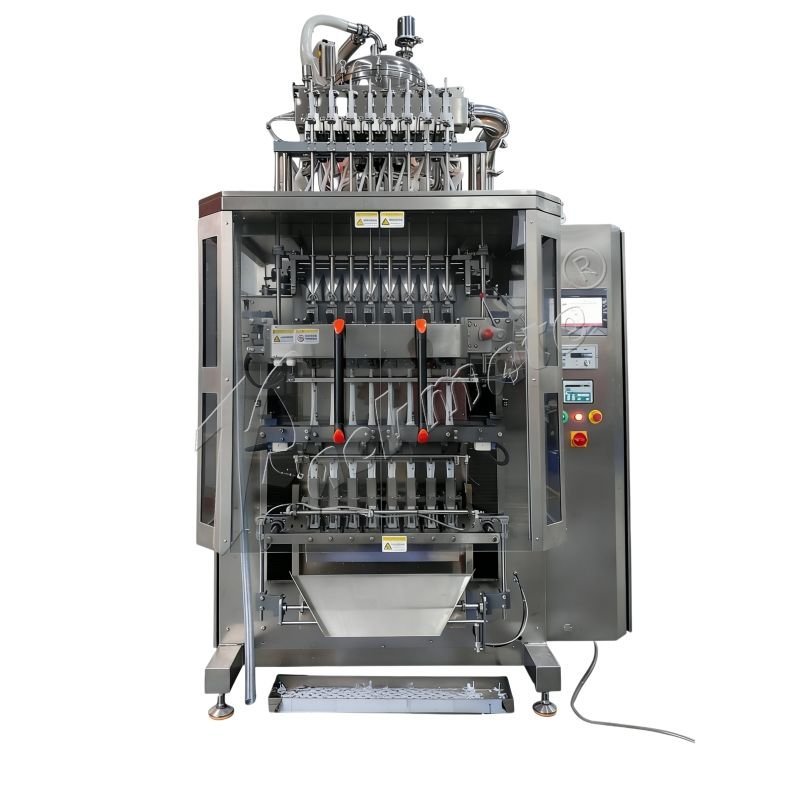
Stick Pack & Sachet Machines: Designed for single-serve portions of powders, liquids, or gels. They are compact, efficient, and popular in the food, pharmaceutical, and cosmetics industries. Modern multi-lane systems offer exceptionally high output.
The Critical Comparison Phase
With a shortlist of potential machines, a detailed, side-by-side comparison is crucial. Look beyond the brochure and dig into the details that affect long-term performance.
Comparison Checklist
Build Quality & Materials: Inspect the frame construction and components in contact with product. Stainless steel (especially food-grade 304 or 316) is standard for durability and hygiene.
Automation & Control Level: Evaluate the user interface (touchscreen HMI), programmability, and integration capabilities with upstream/downstream equipment (e.g., conveyors, cartoners).
Changeover Time & Flexibility: How quickly can you switch between different bag sizes or products? Look for features like tool-less changeovers and digital recipe storage.
Accuracy & Waste: What is the guaranteed filling accuracy? High precision reduces product giveaway. Consider systems with feedback controls and checkweighers.
Supplier Support & Reputation: This is often the most decisive factor. Research the manufacturer’s history, customer reviews, and the comprehensiveness of their after-sales service.
Why Partner with an Experienced Provider?
Choosing a machinery supplier is a long-term partnership. A provider with deep industry experience brings invaluable expertise. For instance, a company like Ludyway Packing Machine, with over 30 years of collective industry knowledge, offers more than just equipment. They provide turnkey solutions, understanding that a machine must work within a complete production ecosystem. Their portfolio of 50+ intelligent packaging machine models demonstrates a capability to tailor solutions, whether for simple sachet packaging or complex multi-lane stick pack systems for global markets.
Making the Final Choice & Implementation
After comparisons, it’s time to make your selection and plan for a successful installation.
Final Evaluation Steps
Request a Product Test: Always send your actual product to the supplier for a live machine test. This validates performance, speed, and packaging quality.
Review Documentation: Scrutinize the technical manuals, parts lists, and maintenance schedules. Clear documentation is a sign of a professional manufacturer.
Clarify Warranty & Service Terms: Understand what the warranty covers, response times for technical support, and the availability of spare parts. Ensure there is reliable technical support for your region.
Plan for Training: Comprehensive operator and maintenance training is non-negotiable for maximizing uptime and machine lifespan.
Global Considerations for Equipment Selection
When sourcing equipment for international operations, additional factors come into play. Electrical standards (110V vs. 220V, 50Hz vs. 60Hz), local safety certifications (CE, UL, CSA), and the availability of service engineers in your region are critical. A supplier with a proven track record of serving customers worldwide will navigate these complexities smoothly, ensuring your machine meets all local regulations and operates reliably in its new environment.
Conclusion
Investing in industrial packaging equipment is a strategic decision that impacts your operational efficiency for years to come. By methodically defining your needs, thoroughly researching and comparing options, and partnering with a credible, experienced supplier, you can secure a solution that drives productivity, ensures consistency, and provides a strong return on investment. The right machinery is not just a purchase; it’s a cornerstone of your production success.
Frequently Asked Questions (FAQs)
1. What is the typical lead time for a new packaging machine?
Lead times vary significantly based on machine complexity and customization. Standard models may ship in 8-12 weeks, while fully customized or turnkey lines can take 16-24 weeks or more. Always confirm timelines with your supplier during the quotation process.
2. How do I ensure the machine is hygienic and easy to clean for food or pharmaceutical use?
Specify requirements for sanitary design: look for machines constructed with food-grade stainless steel, rounded corners (no crevices), quick-disconnect parts, and potentially CIP (Clean-in-Place) capabilities. Discuss your hygiene standards explicitly with the manufacturer.
3. Can my existing packaging materials be used on a new machine?
This depends on the material’s properties and the machine’s specifications. It is highly recommended to provide samples of your current film or pouches to the machine supplier for testing during the evaluation phase to ensure compatibility and optimal seal quality.
4. What kind of ongoing maintenance should I expect?
Regular preventive maintenance is key. This typically includes daily cleaning, weekly lubrication of specific points, and periodic inspection/wear part replacement (like sealing jaws, cutting blades, or gaskets). Your supplier should provide a detailed maintenance schedule.
5. What support is available after the machine is installed?
Reputable suppliers offer comprehensive after-sales support, including remote troubleshooting via phone or video, on-site engineer dispatch, readily available spare parts, and optional service contracts. Clarify the scope, cost, and response time of these services before purchase.