Efficient warehouse packaging is the backbone of modern logistics and e-commerce fulfillment. Selecting the right equipment can dramatically improve order processing speed, reduce shipping costs, and enhance customer satisfaction. This guide explores the best warehouse packaging equipment designed to streamline operations from the packing station to the shipping dock.
Core Equipment for Streamlined Order Fulfillment
A well-equipped warehouse relies on a combination of automated and semi-automated systems. The goal is to minimize manual handling while maximizing throughput and accuracy.
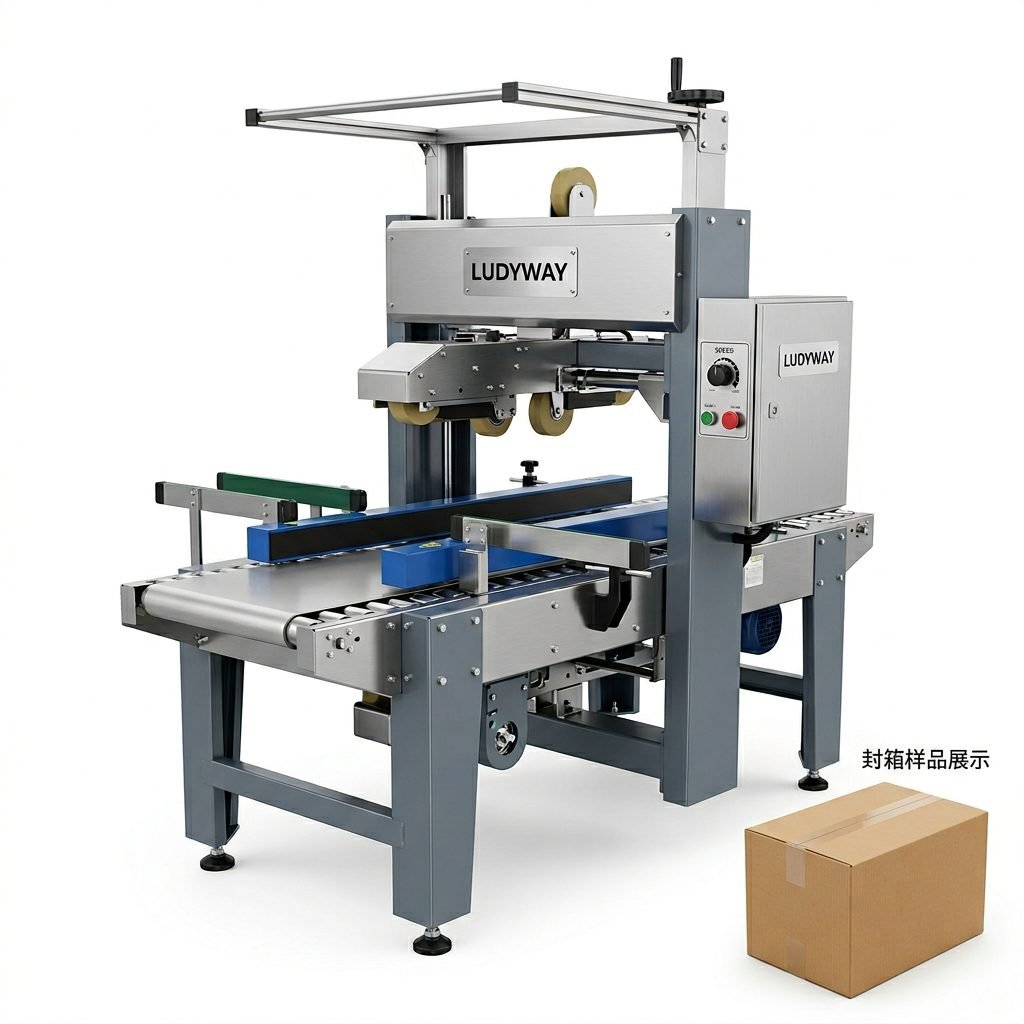
Automated Carton Erectors and Sealers
These machines automatically form corrugated boxes from flat blanks, insert products, and apply tape or glue. They are ideal for high-volume operations with standardized box sizes, significantly reducing labor and ensuring consistent seal quality. Look for models with quick changeover capabilities to handle multiple box sizes without major downtime.
Semi-Automatic Bagging Systems
For polybag packaging of apparel, soft goods, or non-fragile items, semi-automatic baggers increase output over manual methods. Operators simply place the item on a loading platform, and the machine seals and cuts the bag. This is a cost-effective step towards automation.
Key Features to Prioritize:
- Speed & Throughput: Match the machine’s cycle rate to your average and peak order volumes.
- Flexibility: Equipment should handle a range of product sizes and packaging materials with minimal adjustment.
- Integration Potential: Choose systems that can connect with scales, label printers, and conveyor systems for a continuous flow.
Optimizing the Packing Station for Ergonomics and Speed
The physical packing workstation is where efficiency is won or lost. An optimized station reduces worker fatigue and motion waste.
Essential Station Components
1
Adjustable Height Tables: Allow packers to work comfortably whether sitting or standing, reducing strain.
2
Material Dispensers: For tape, void fill, and labels that are within easy reach to eliminate unnecessary movement.
3
Integrated Scale & Label Printer: Weighing and labeling in one motion is far faster than using separate devices.
The Role of Mobile Packing Carts
For warehouses that batch-pick orders, mobile packing carts allow workers to pick, sort, and pack multiple orders in a single trip through the aisles. This zone-picking strategy can drastically cut travel time.
Technology Driving Cost-Effective Shipping
Beyond physical machinery, software and smart devices are critical for controlling shipping expenses, one of the largest cost centers in fulfillment.
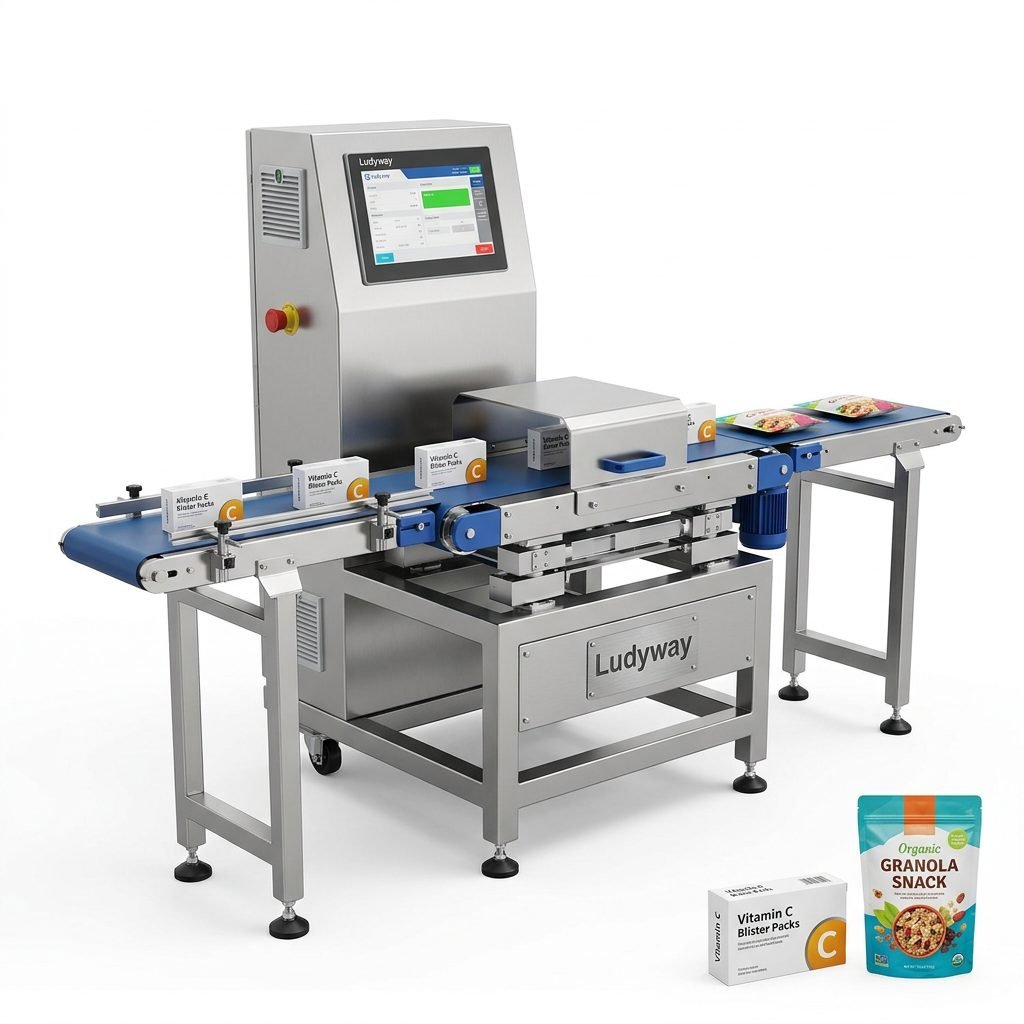
Dimensional Weight Scanners (DIM Scanners)
These devices automatically capture the precise dimensions and weight of a packed parcel. Since carriers charge based on dimensional weight (DIM), accurate data prevents costly billing adjustments and helps you select the smallest possible carton, saving on material and freight. For a deeper understanding of integrated systems, explore our company’s approach to automation.
Automated Package Right-Sizing Systems
Advanced systems scan a product, select the optimal box size from an on-demand corrugated box maker, and erect it. This eliminates manual box selection and reduces material waste and shipping costs by minimizing void space.
Software Integration: The Brains of the Operation
Your Warehouse Management System (WMS) or Order Management System (OMS) should communicate directly with packaging equipment. It can dictate the correct box size, print the correct packing slip and label, and update inventory in real-time. This seamless data flow is key to accuracy and scalability. Learn more about the engineering behind such solutions in our company profile.
Building a Scalable Packaging Line
Investment should support future growth. A scalable line often starts with a modular conveyor system that connects different stations.
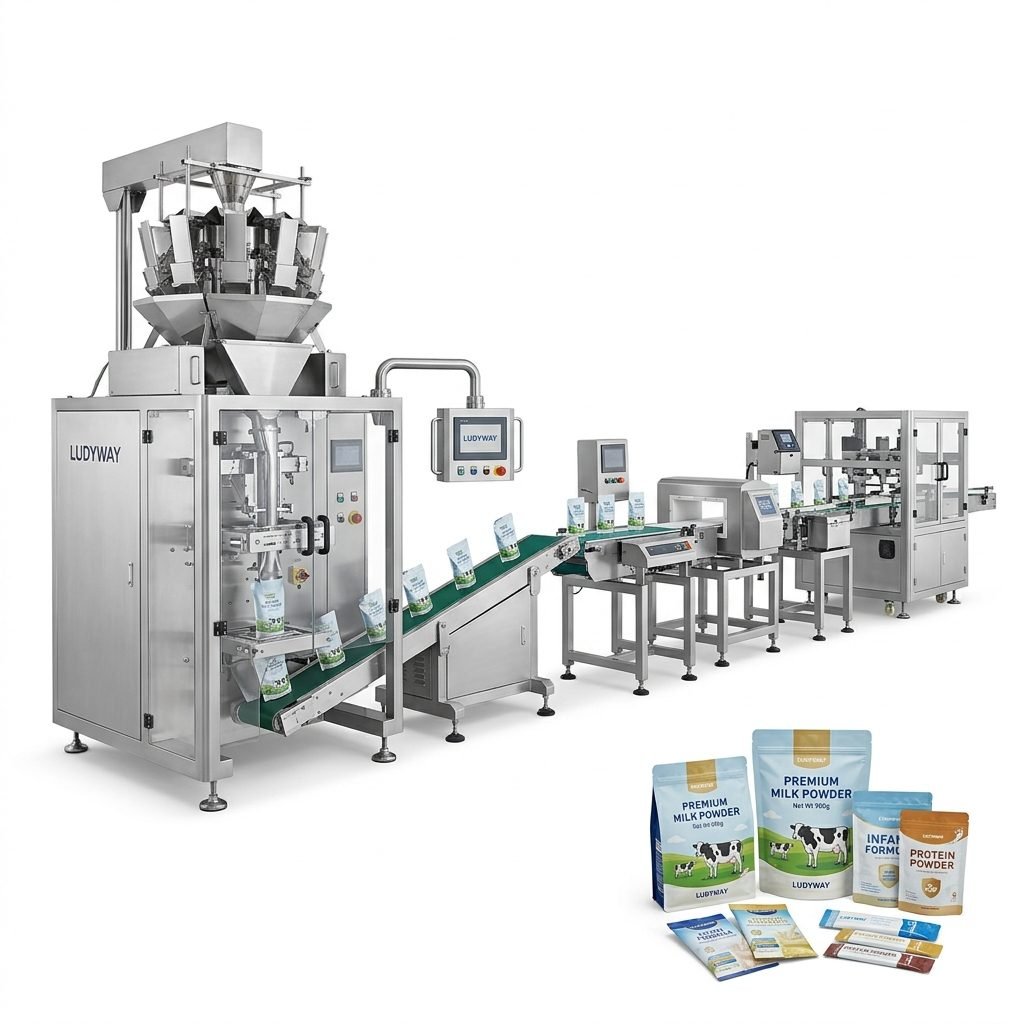
Typical Workflow: Orders flow from a sorting induction area to a packing station (with box erector, filler, sealer), then past a DIM scanner and label applicator, and finally to a sorting manifold for carrier separation. Each module can be upgraded or expanded independently as volume grows. Our history of innovation is rooted in creating such adaptable systems.
Choosing equipment from vendors who offer comprehensive support, training, and readily available spare parts is as important as the machinery specs. This ensures long-term reliability and protects your operational efficiency.
Frequently Asked Questions (FAQs)
What is the most important factor when choosing warehouse packaging equipment?
The most critical factor is aligning the equipment’s capabilities with your specific order profile and volume. Consider product size/variety, daily order count, and peak season demands. A machine that’s too slow creates bottlenecks, while an overly complex one for simple needs wastes capital.
How can I justify the cost of automated packaging equipment?
Justification comes from a clear ROI analysis. Calculate savings from reduced labor, lower material consumption (via right-sizing), decreased shipping costs (accurate DIM weight), and fewer errors. Also factor in intangible benefits like improved worker safety and the ability to handle volume growth without proportional labor increases.
Can automated equipment handle a wide variety of box sizes?
Many modern automated carton erectors and sealers are designed for quick changeover between multiple box sizes. Look for machines with programmable settings that store parameters for dozens of different box dimensions, allowing you to switch sizes in minutes rather than hours.
What’s the first step towards automating my packaging process?
Start with a process audit. Identify the biggest bottlenecks (e.g., manual taping, box assembly) and the highest costs (e.g., shipping charges due to poor box selection). Often, implementing a DIM weight scanner and a semi-automatic taping machine provides a quick, measurable win and builds the case for further investment.
How do I maintain packaging equipment for optimal performance?
Follow the manufacturer’s preventive maintenance schedule strictly. This typically includes regular cleaning, lubrication of moving parts, inspection of seals and cutters, and sensor calibration. Training your staff on basic troubleshooting can also minimize downtime. Choosing a supplier with reliable technical support is crucial for long-term maintenance.