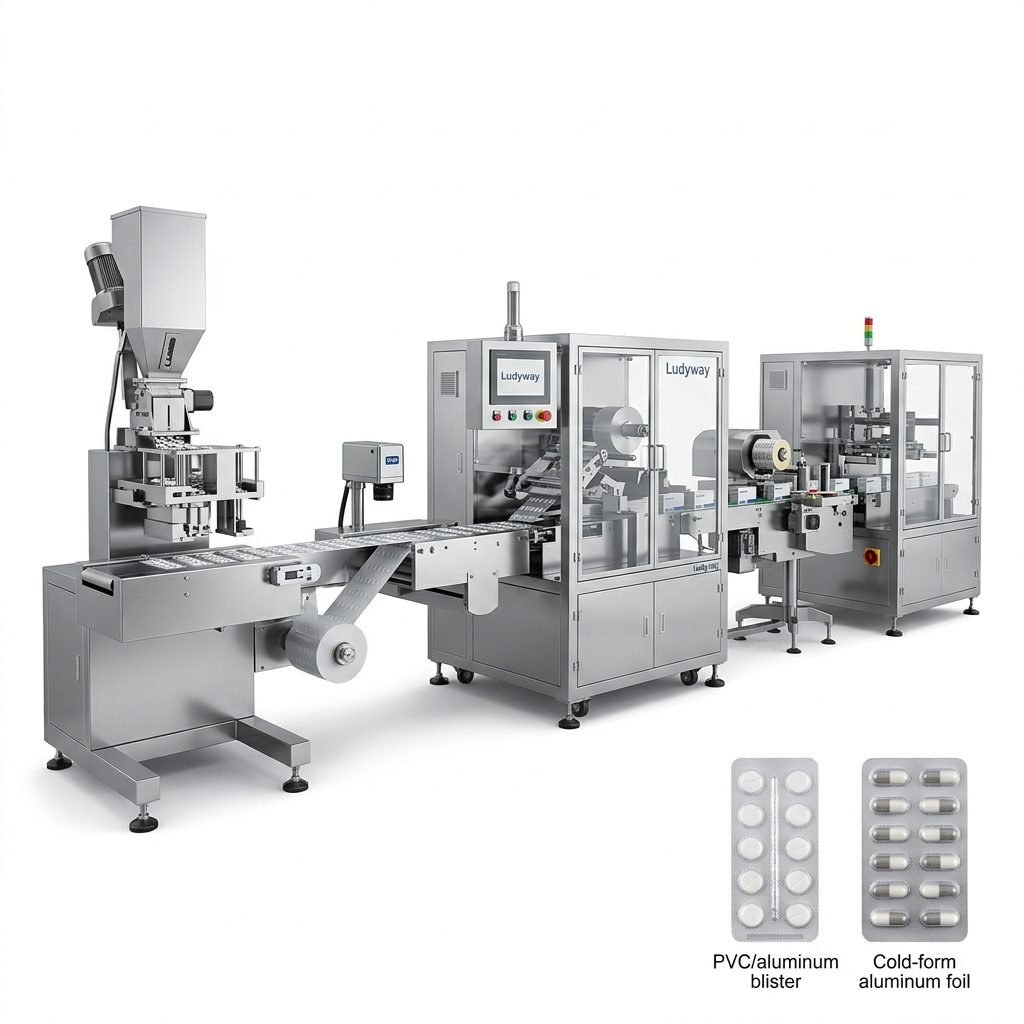
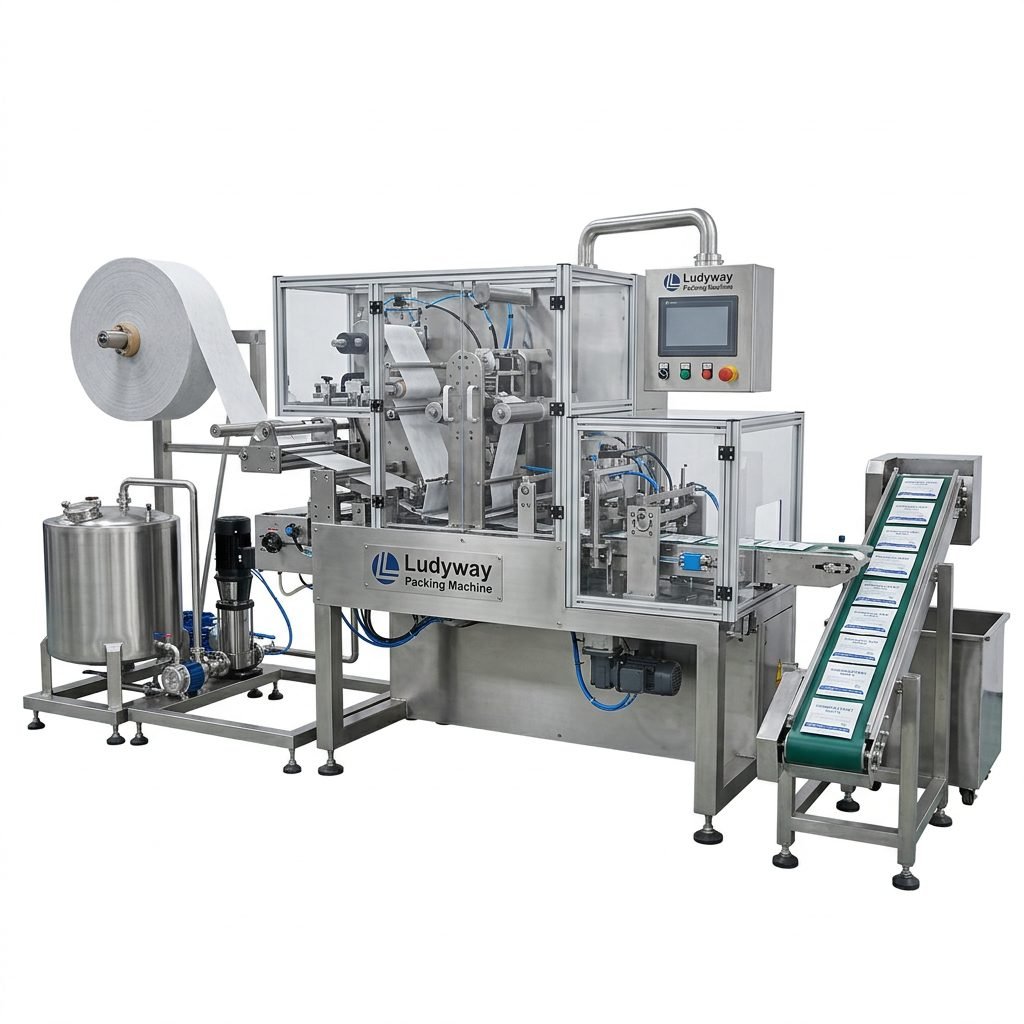
Selecting the right packaging machinery is a critical decision for any manufacturer. The right equipment enhances efficiency, ensures product integrity, and directly impacts your bottom line. This guide explores the primary types of packaging machinery, their key applications, and provides a structured framework to help you choose the perfect equipment for your production needs.
Understanding Core Packaging Machinery Types
The packaging machinery landscape is diverse, with equipment designed for specific product forms and output requirements. Understanding these categories is the first step in making an informed choice.
1. Granule & Powder Packaging Machines
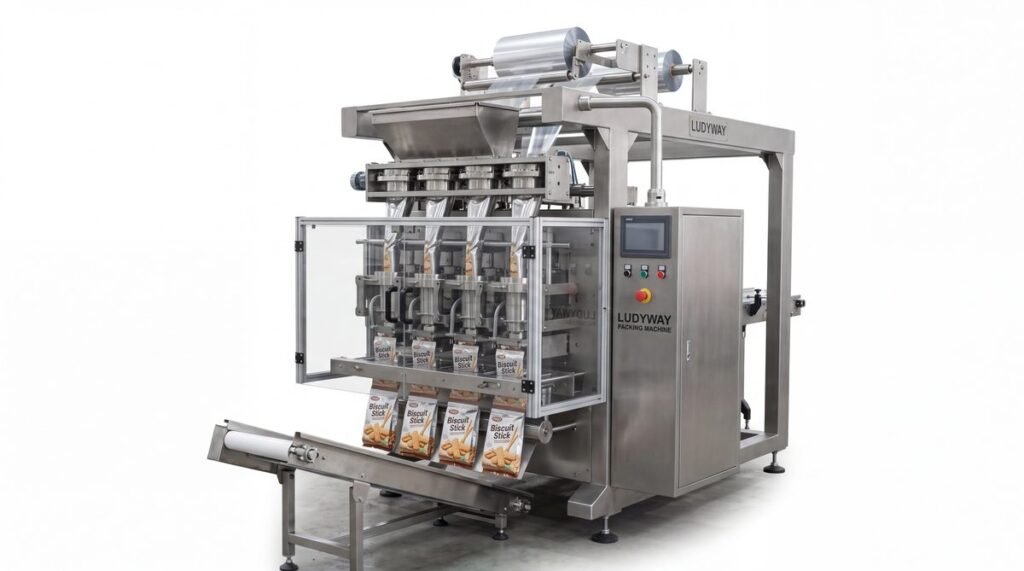
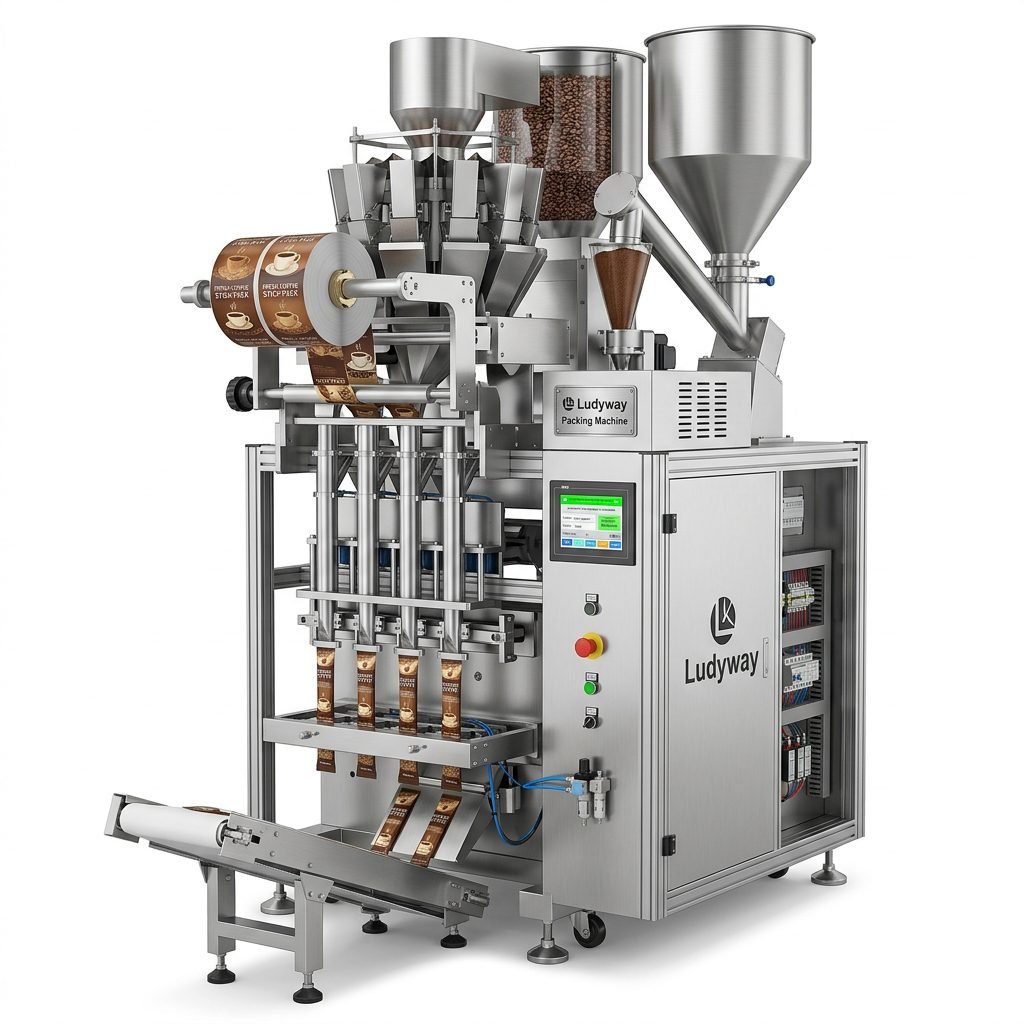
These machines are engineered for free-flowing dry products like coffee, spices, sugar, protein powder, and pharmaceuticals. They utilize auger filler systems for precise volumetric or weighed dosing. Key models include vertical form-fill-seal (VFFS) pouching machines and multi-lane stick pack machines, ideal for creating single-serve portions.
- Primary Application: Food ingredients, instant beverages, nutritional supplements, and powdered chemicals.
- Key Consideration: Filling accuracy and dust extraction capabilities are paramount to prevent waste and ensure a clean operation.
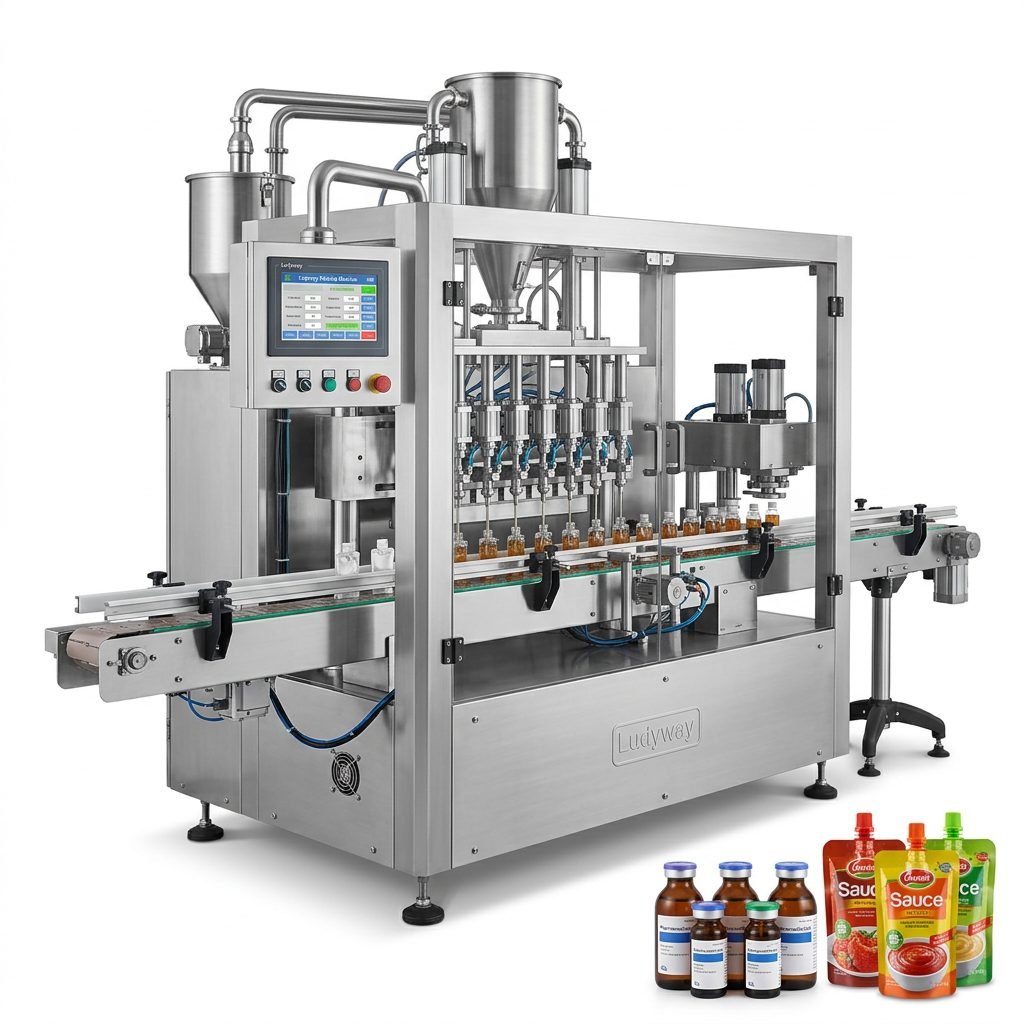
2. Liquid & Paste Packaging Machines
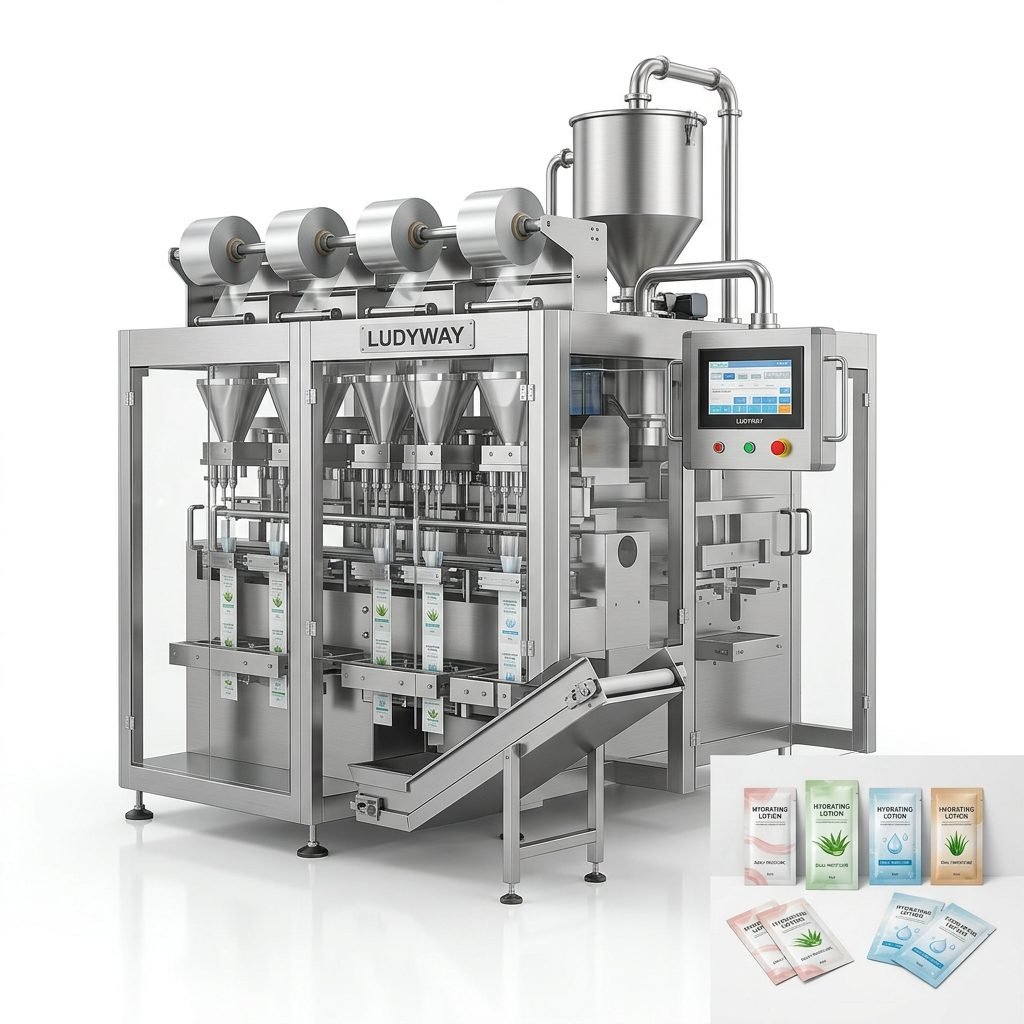
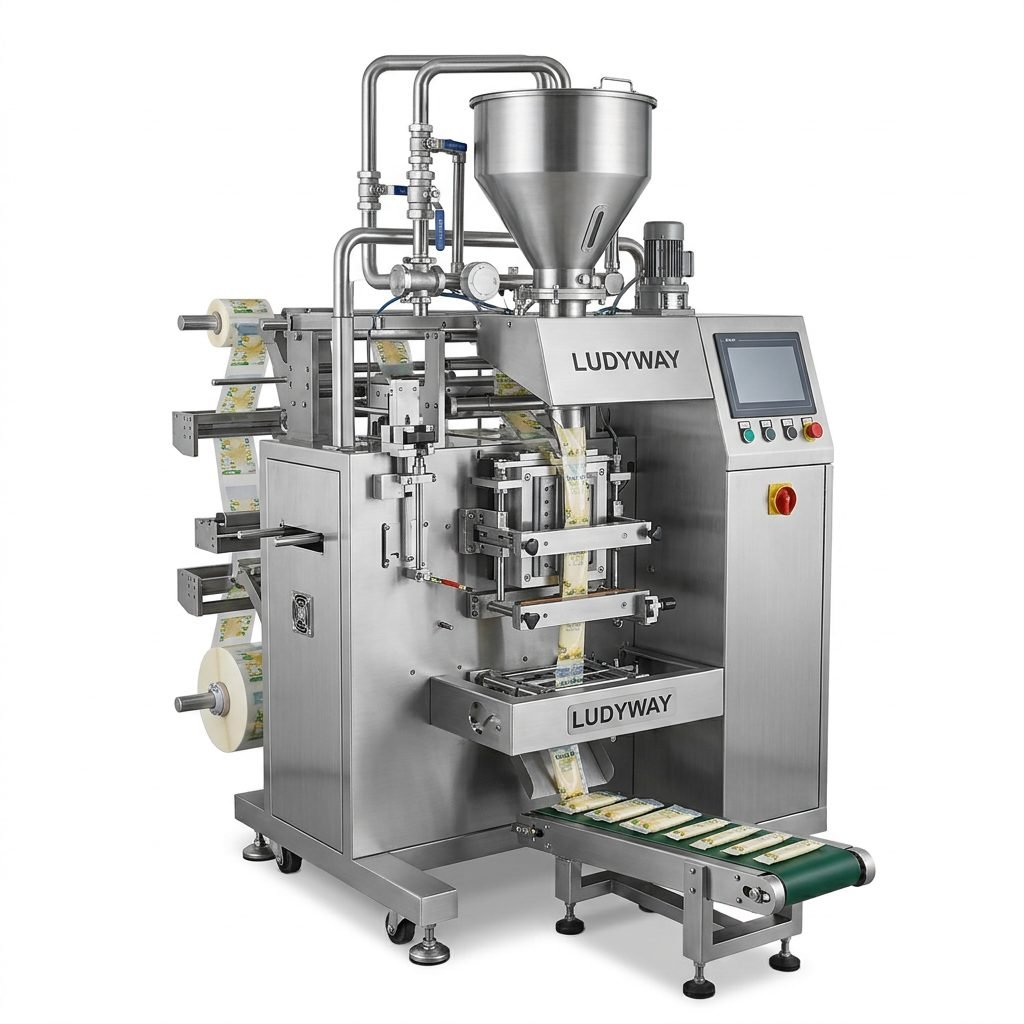
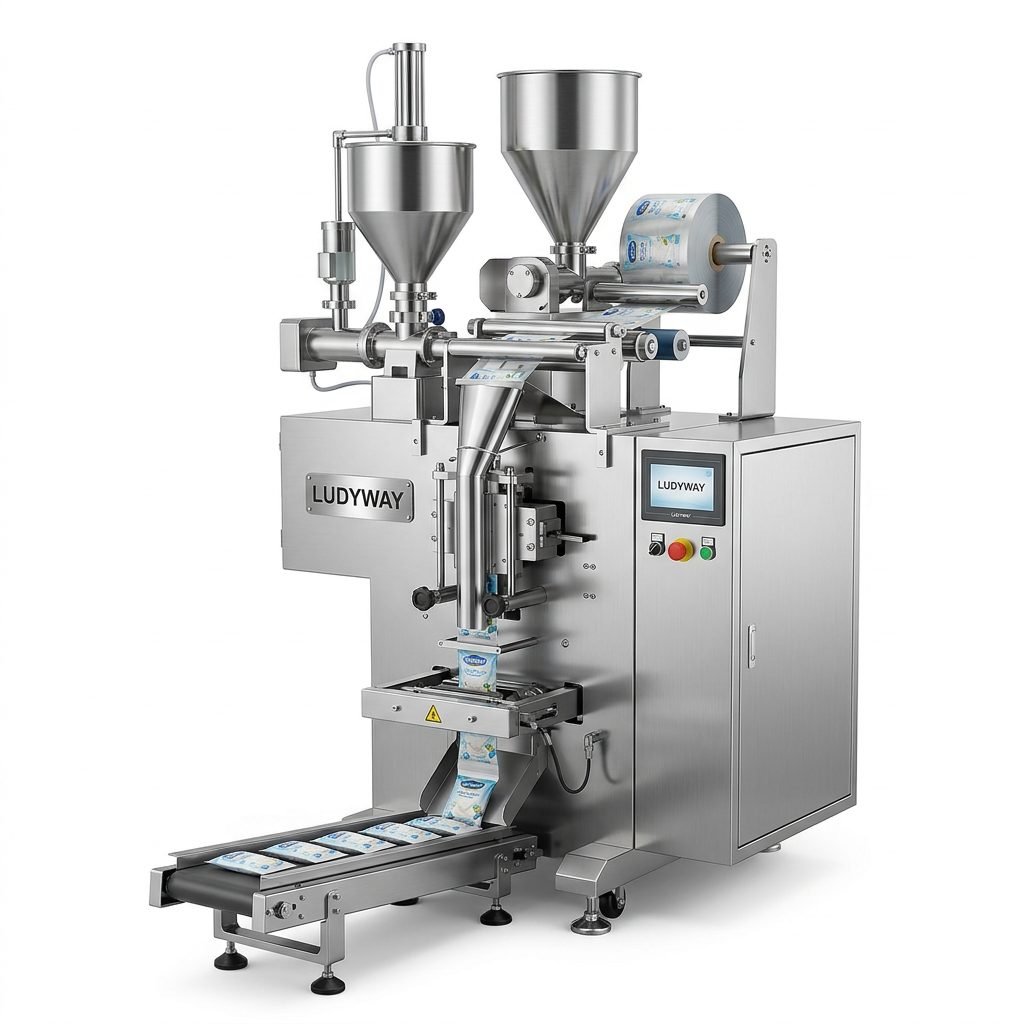
Designed for viscous products such as sauces, oils, shampoos, creams, and condiments. These machines often use piston pump or gear pump fillers for non-drip, accurate filling. Common formats include sachets, stick packs, and pouches.
- Primary Application: Condiments, dairy products, personal care items, and liquid pharmaceuticals.
- Key Consideration: Material compatibility (to prevent corrosion) and sealing integrity to prevent leaks are critical factors.
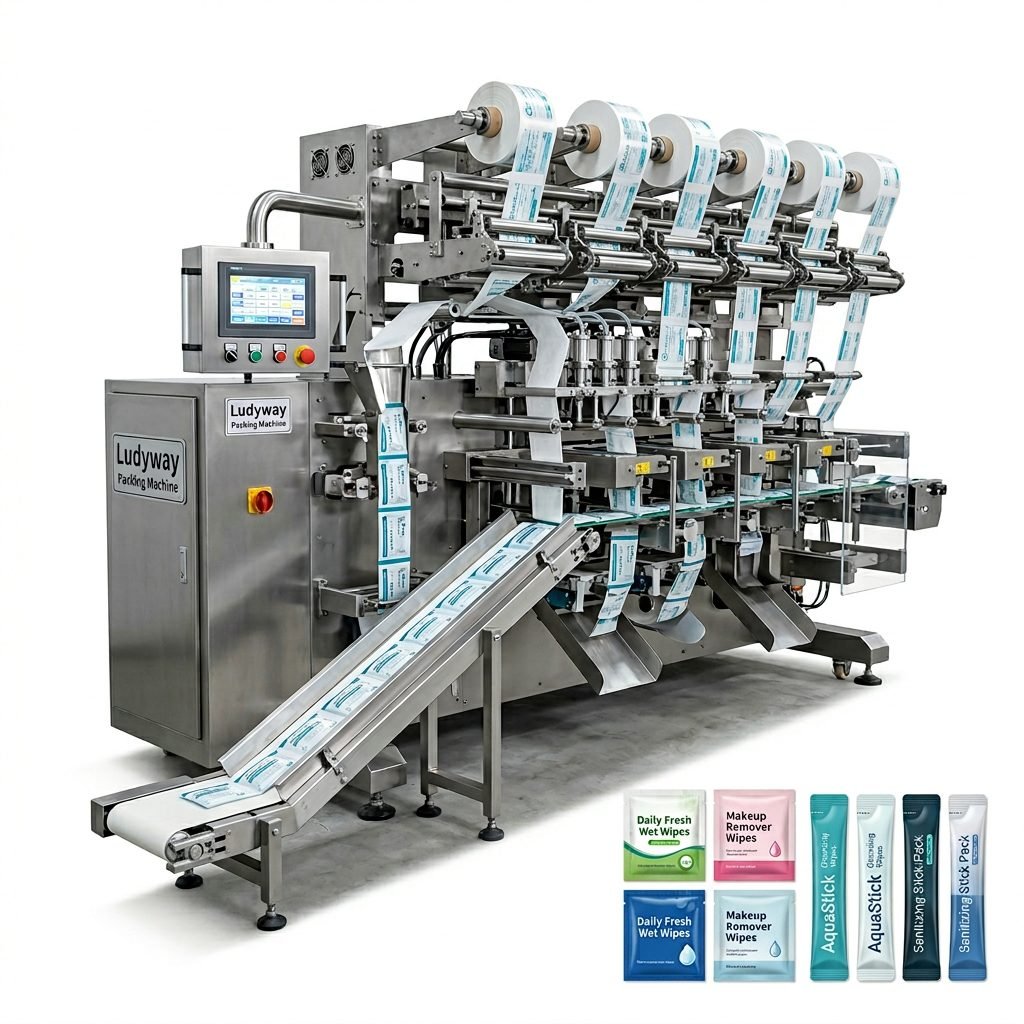
3. Stick Pack & Sachet Packaging Machines
This category focuses on creating small, portable packages. Multi-lane stick pack machines are highly efficient, producing multiple sticks simultaneously. They are versatile and can handle granules, powders, and liquids.
- Primary Application: Single-serve coffee, electrolyte powders, sauce samples, and pharmaceutical powders.
- Key Consideration: Lane count (directly related to output speed) and quick changeover features for different pack sizes.
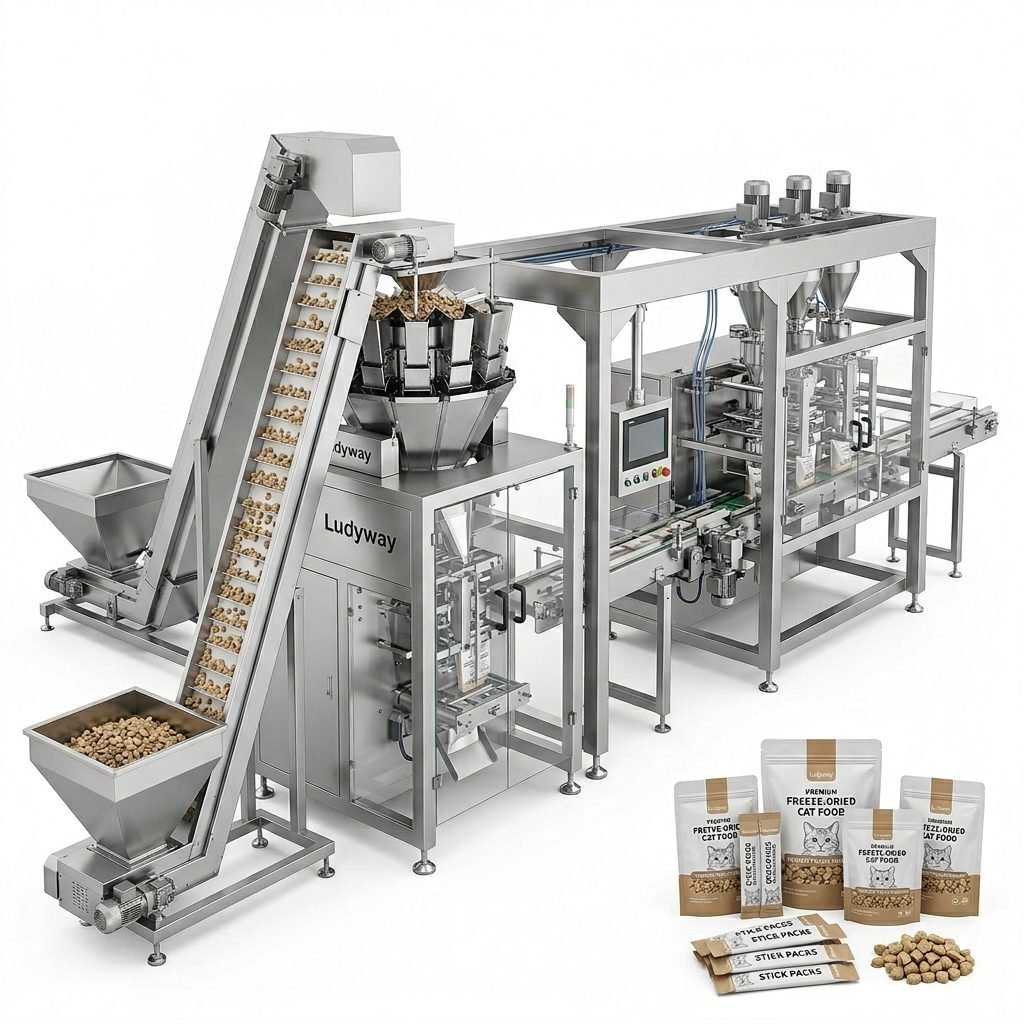
4. Turnkey Packaging Lines
Beyond individual machines, complete automated lines integrate multiple processes: feeding, filling, sealing, coding, and cartoning. These solutions are tailored for high-volume production with minimal manual intervention.
- Primary Application: Large-scale production in food, pharmaceutical, and FMCG (Fast-Moving Consumer Goods) industries.
- Key Consideration: System integration, overall equipment effectiveness (OEE), and future scalability.
Key Applications Across Major Industries
Packaging machinery must meet stringent industry-specific standards, from hygiene to dosing precision.
Food & Beverage Industry
Requirements focus on hygiene (often requiring food-grade stainless steel construction), speed for high-volume items like snacks, and the ability to handle diverse products from oily nuts to fine flour. Modified atmosphere packaging (MAP) capabilities are also a valuable feature for extending shelf life.
Pharmaceutical & Nutraceutical Industry
Precision and compliance are non-negotiable. Machinery must support validated cleaning processes (CIP/SIP) and provide impeccable filling accuracy for potent active ingredients. Audit trails and documentation support are increasingly important.
Chemical & Industrial Products
Durability and safety take precedence. Equipment needs to withstand corrosive materials and often requires explosion-proof specifications. Reliable sealing is crucial to contain hazardous or sensitive materials.
How to Choose the Right Packaging Equipment: A 5-Step Framework
Making the correct investment requires a systematic evaluation of your needs against the machine’s capabilities.
Step 1: Define Your Product & Packaging Specifications
Start with the basics. What is the physical form of your product? What are your target package type, material, and dimensions? Consider future product line extensions at this stage to ensure machine flexibility.
Step 2: Analyze Your Production Requirements
Calculate your required output speed (packs per minute). Determine if you need batch production or continuous 24/7 operation. Assess your available factory space, utilities (power, compressed air), and operator skill level.
Step 3: Evaluate Machine Features & Technology
Look beyond the brochure. Scrutinize the filling technology’s accuracy. Assess the control system’s user-friendliness and data logging features. Prioritize machines built with robust components and a design that simplifies maintenance and cleaning.
Step 4: Assess the Supplier’s Credibility
The machine is only as good as the company behind it. Review the supplier’s industry experience and track record. Inquire about their testing protocol—can you send product samples for a live trial? Examine the structure of their after-sales support, spare parts availability, and technical training offerings. A partner like Ludyway Machinery, with decades of focused experience, can provide not just a machine but a reliable production solution.
Step 5: Consider Total Cost of Ownership (TCO)
The purchase price is just the beginning. Factor in installation costs, projected energy consumption, maintenance schedules, and the cost and lead time for spare parts. A slightly higher initial investment in a more efficient, reliable machine often results in a lower TCO.
Partnering for Success: Beyond the Machine Purchase
The journey doesn’t end with installation. A successful packaging operation hinges on ongoing support and optimization. Leading suppliers offer comprehensive services, from customized production line design to operator training and preventive maintenance plans. This partnership ensures your machinery continues to deliver peak performance, adapts to new products, and maximizes your return on investment over its entire lifecycle. Exploring a supplier’s history and evolution can give valuable insight into their commitment to innovation and customer support.
Frequently Asked Questions (FAQs)
What is the typical lead time for a new packaging machine?
Lead times vary significantly based on machine complexity and customization. Standard models may ship in 8-12 weeks, while fully customized turnkey lines can require 4-6 months of design, manufacturing, and factory testing.
Can one machine handle different types of products?
Many machines offer versatility, but with limits. A machine can often handle different products of similar physical form (e.g., various granules) with quick changeovers. Switching between vastly different forms (e.g., powder to liquid) typically requires different filling systems and may not be feasible on a single unit.
How important is after-sales service when choosing a supplier?
Extremely important. Packaging machinery is a long-term investment. Reliable, responsive technical support, readily available spare parts, and accessible training are crucial for minimizing downtime and ensuring sustained productivity over many years.
What are the most common operational challenges with packaging machinery?
Common issues include inconsistent filling accuracy due to product variation, film tracking or sealing problems, and mechanical wear on high-speed components. Regular preventive maintenance and proper operator training are the best defenses against these challenges.
Is automation always the right choice for small to mid-sized businesses?
Not always, but increasingly viable. The decision depends on volume, labor costs, and growth plans. Semi-automatic machines offer a lower entry point. The key is to conduct a detailed ROI analysis that factors in increased output, reduced waste, and labor savings against the capital expenditure.