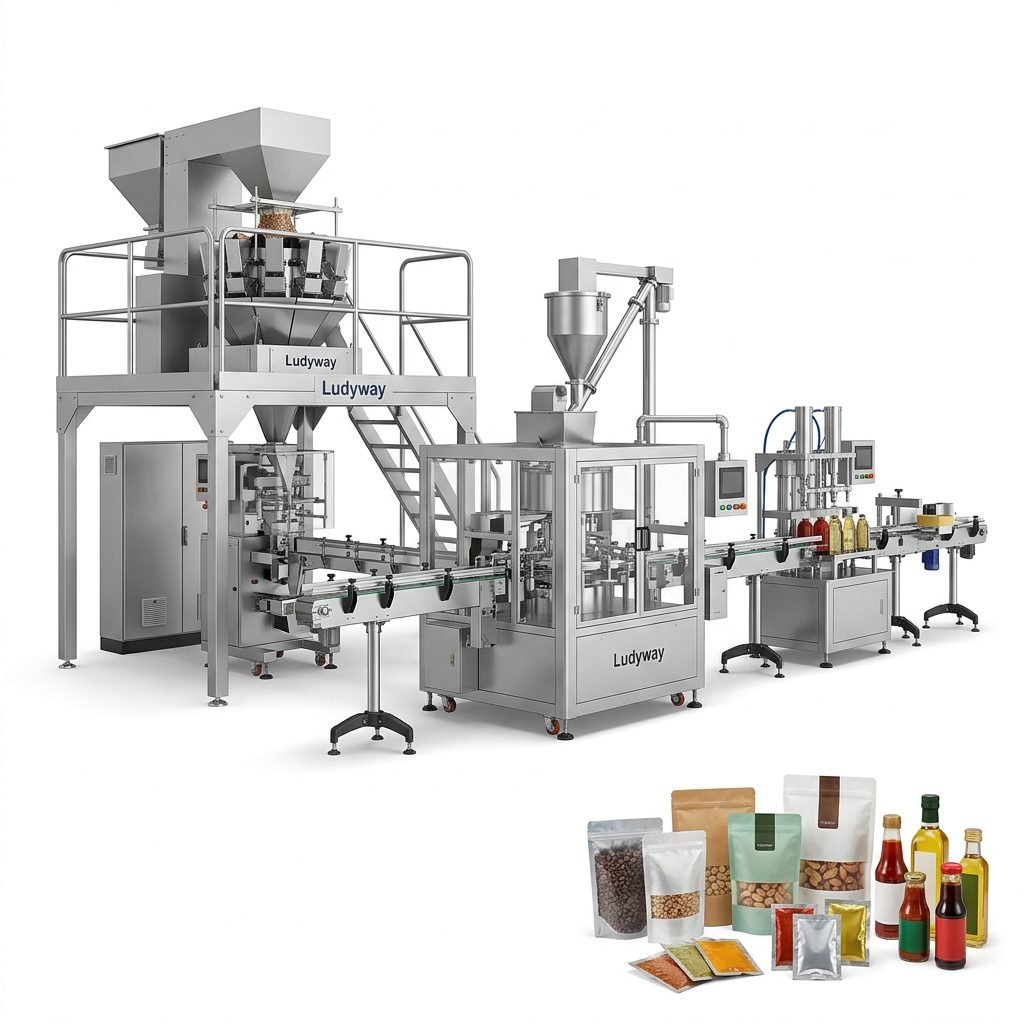
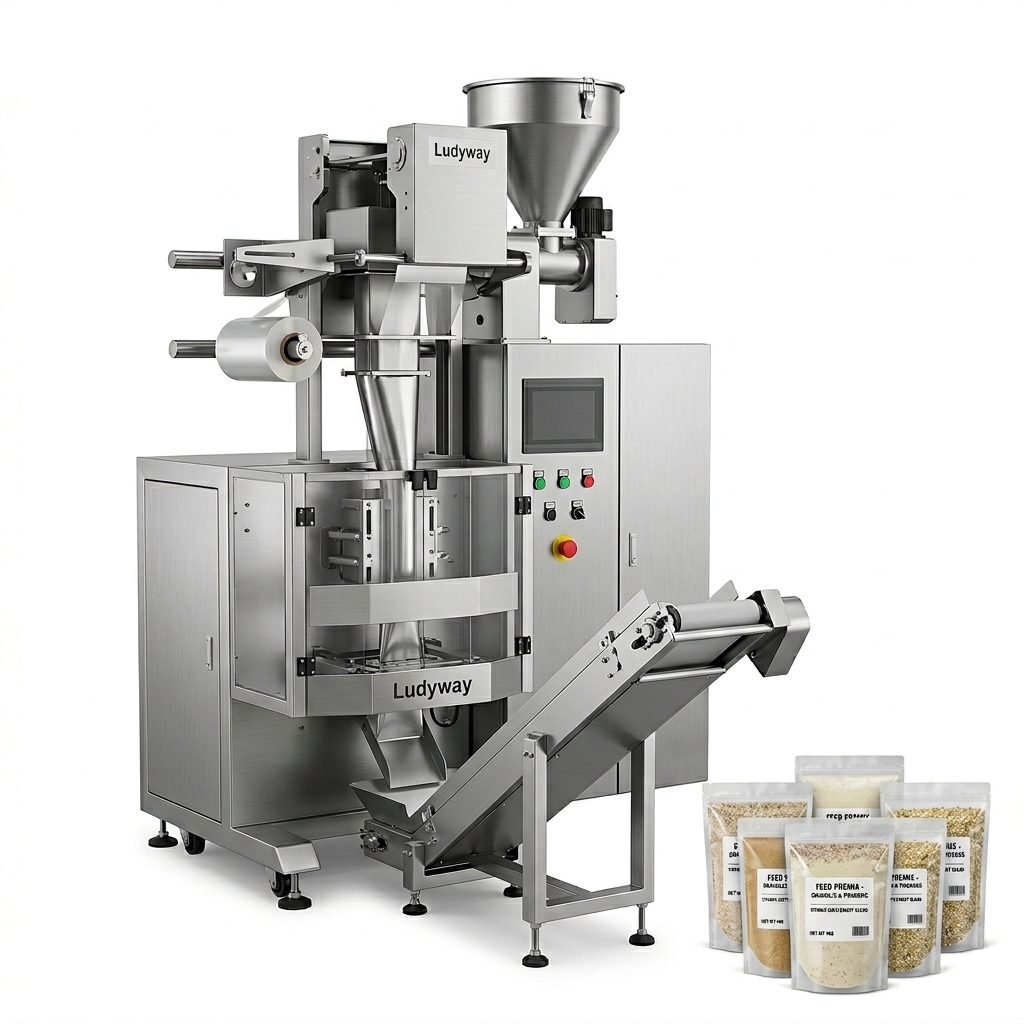
In modern food manufacturing, biscuit packaging is far more than a final wrapping step. It directly affects
product freshness, production speed, shelf appeal, transport safety, and operating cost.
For biscuit brands, bakeries, and contract food manufacturers, selecting the right packing machine can make the difference between a smooth, scalable production line and constant downtime.
Biscuits are delicate, moisture-sensitive, and often produced at high volume. That means the packaging solution must protect shape and texture while keeping throughput consistent. Whether you produce sandwich biscuits, crackers, cookies, cream-filled products, or single-serve snack packs, the machine must match your product characteristics and business goals.
Why Biscuit Packaging Matters in Food Production
Biscuit products face multiple risks after baking and cooling. Exposure to air can reduce crispness, poor sealing can shorten shelf life, and rough handling can cause breakage. A suitable packaging machine helps manufacturers maintain product quality from the production floor to the retail shelf.
- Protects texture: Keeps biscuits crisp by controlling moisture exposure.
- Reduces damage: Minimizes breakage during feeding, wrapping, and transport.
- Improves speed: Supports stable, continuous high-output production.
- Enhances appearance: Creates neat, consistent retail-ready packs.
- Supports compliance: Helps maintain hygienic and food-safe packaging processes.
Key Factors to Consider Before Choosing a Biscuit Packing Machine
Not every machine fits every biscuit line. The right choice depends on your product size, pack format, production target, plant layout, and future expansion plans.
| Factor | Why It Matters |
|---|---|
| Biscuit type | Different shapes, fragility levels, and textures require different feeding and sealing methods. |
| Packaging format | Pillow packs, trays, flow wraps, multipacks, and family packs need different machine configurations. |
| Output speed | The machine should match oven and conveying speeds to avoid bottlenecks. |
| Film material | Machine sealing performance must suit your chosen packaging film. |
| Automation level | Automatic feeding, counting, stacking, and cartoning can reduce labor costs. |
| Maintenance and cleaning | Easy-access design improves hygiene and reduces downtime. |
Common Biscuit Packaging Machine Types
Horizontal Flow Wrapping Machines
These are among the most common solutions for biscuits. They are suitable for individual packs, stacked biscuits, tray-packed products, and pillow-style wrapping. Horizontal flow wrappers are valued for their speed, neat seal appearance, and compatibility with automated feeding systems.
Vertical Packaging Machines
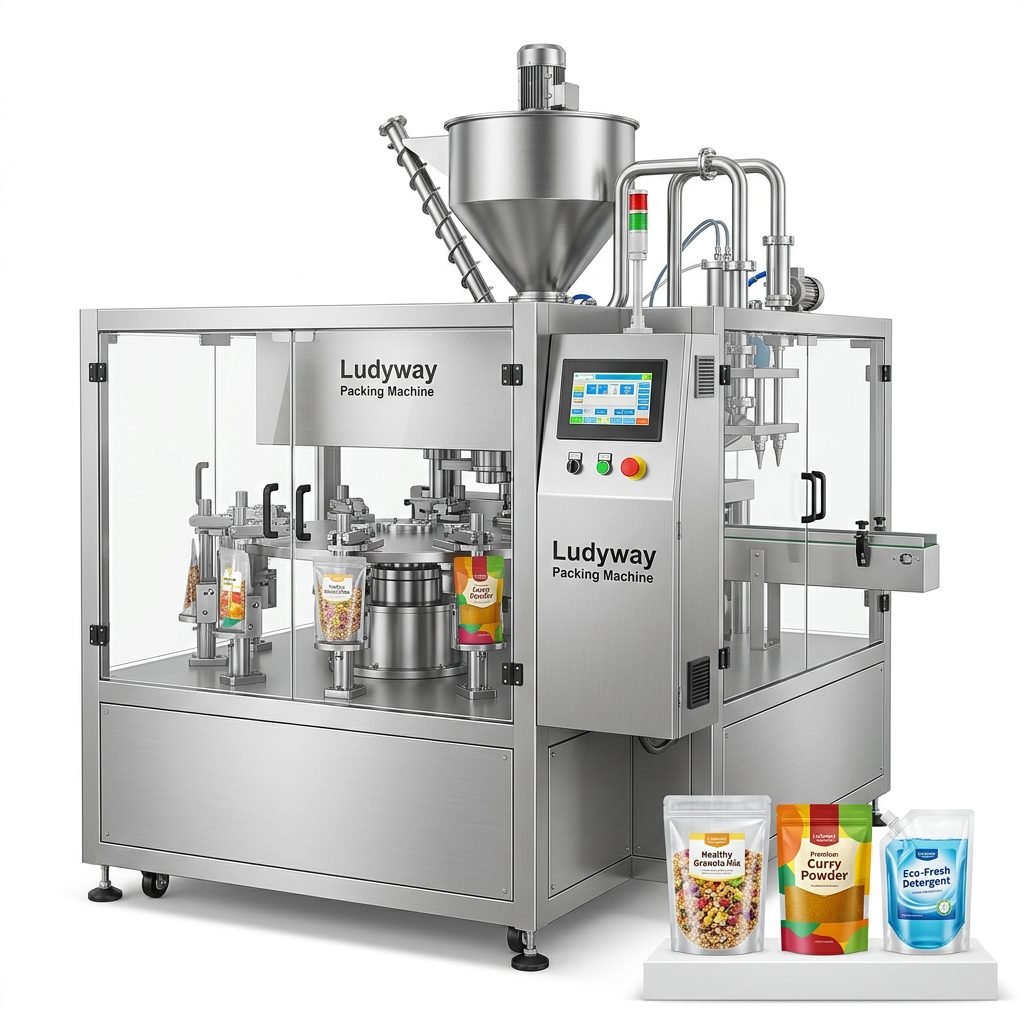
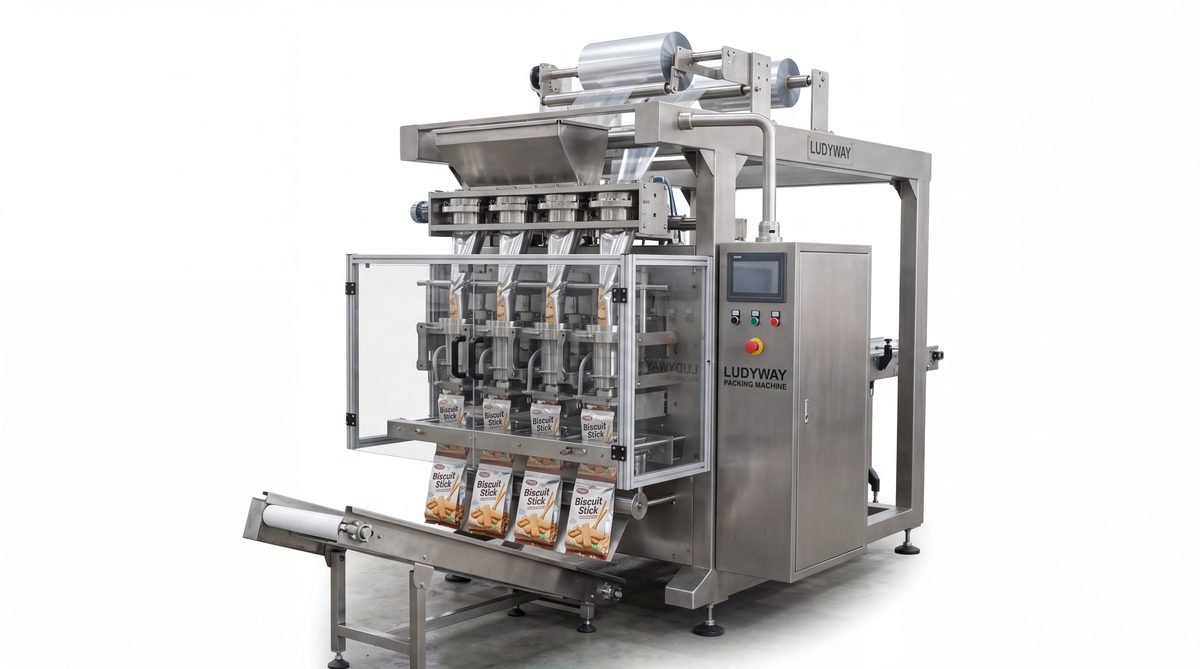
Vertical systems are often used for smaller biscuit pieces, mini cookies, broken snacks, or mixed biscuit products when weighed filling is required. They are practical for pouch-style packaging and can be integrated with multihead weighers.
Tray Loading and Cartoning Systems
For premium or fragile biscuits, tray loading followed by wrapping or cartoning provides extra protection. This solution is useful for retail presentation and long-distance shipping.
Turnkey Packaging Lines
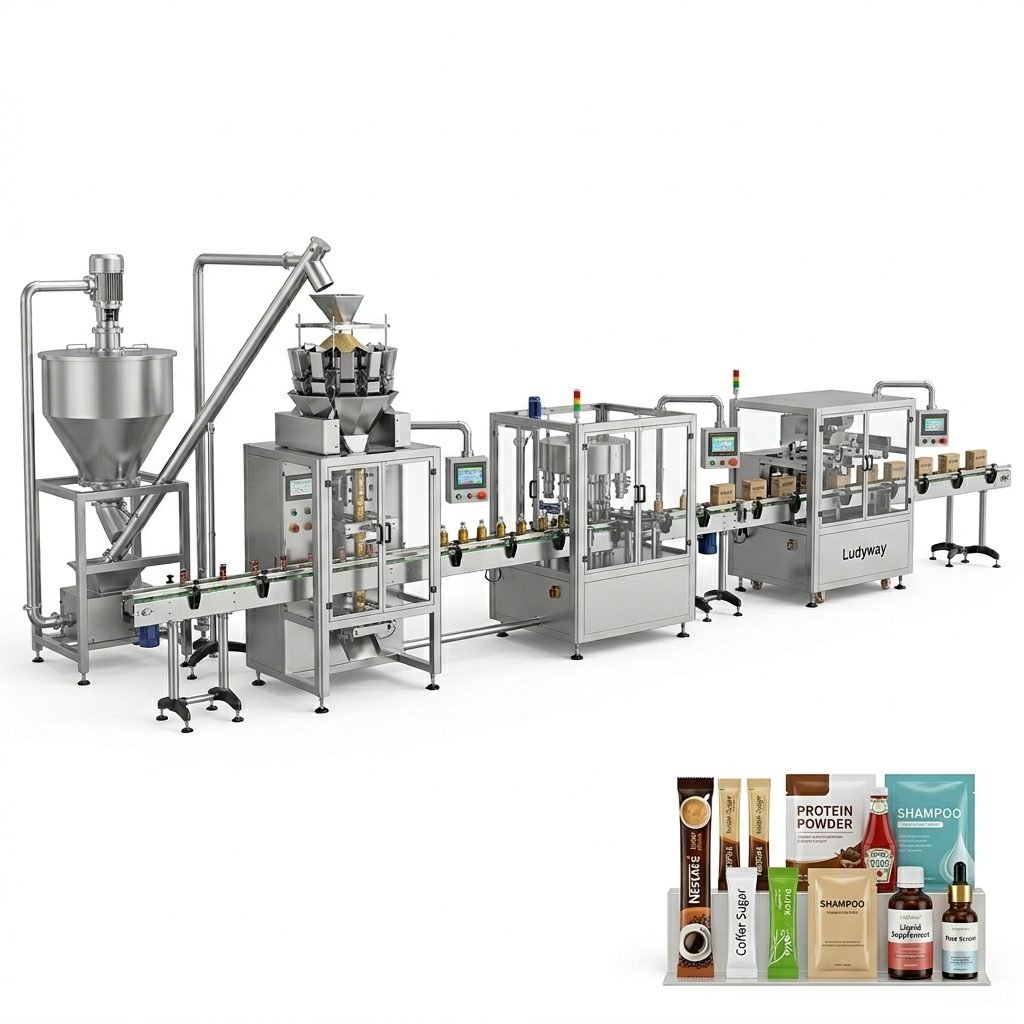
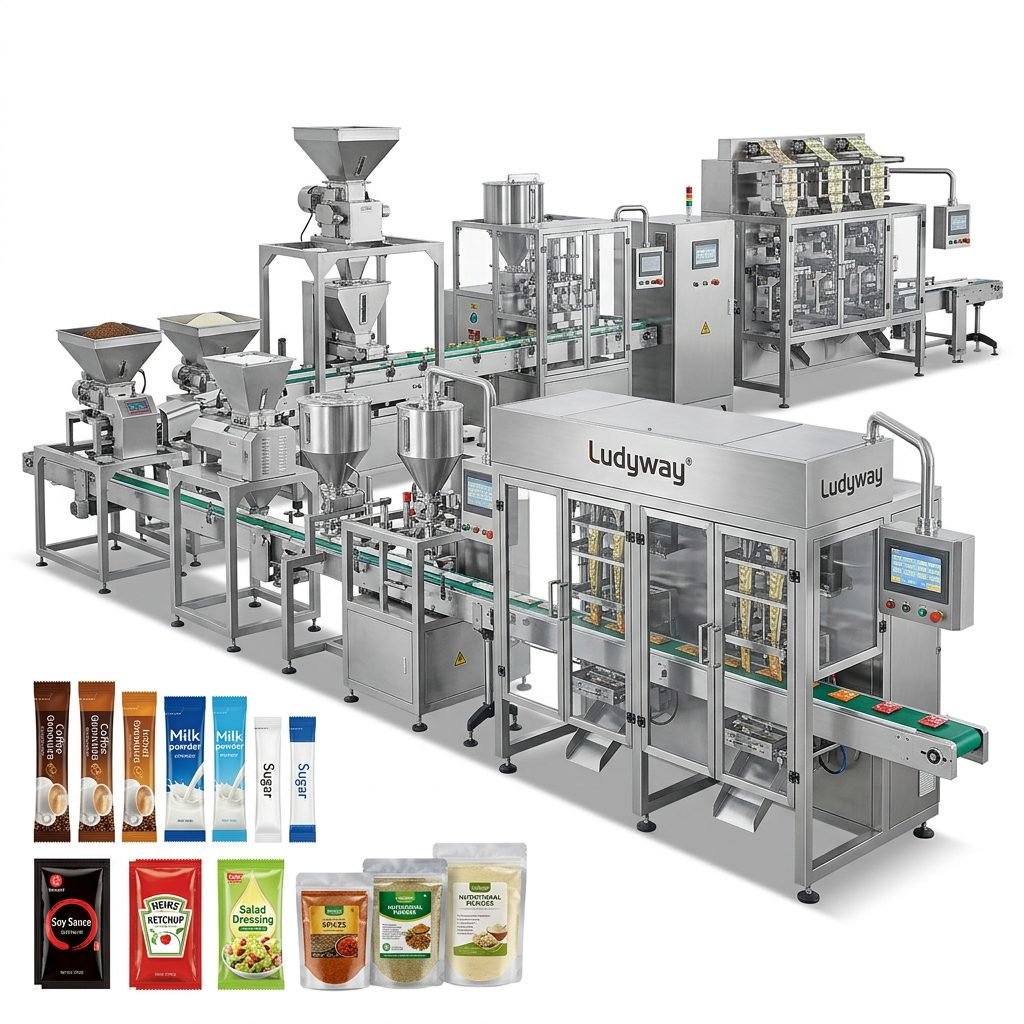
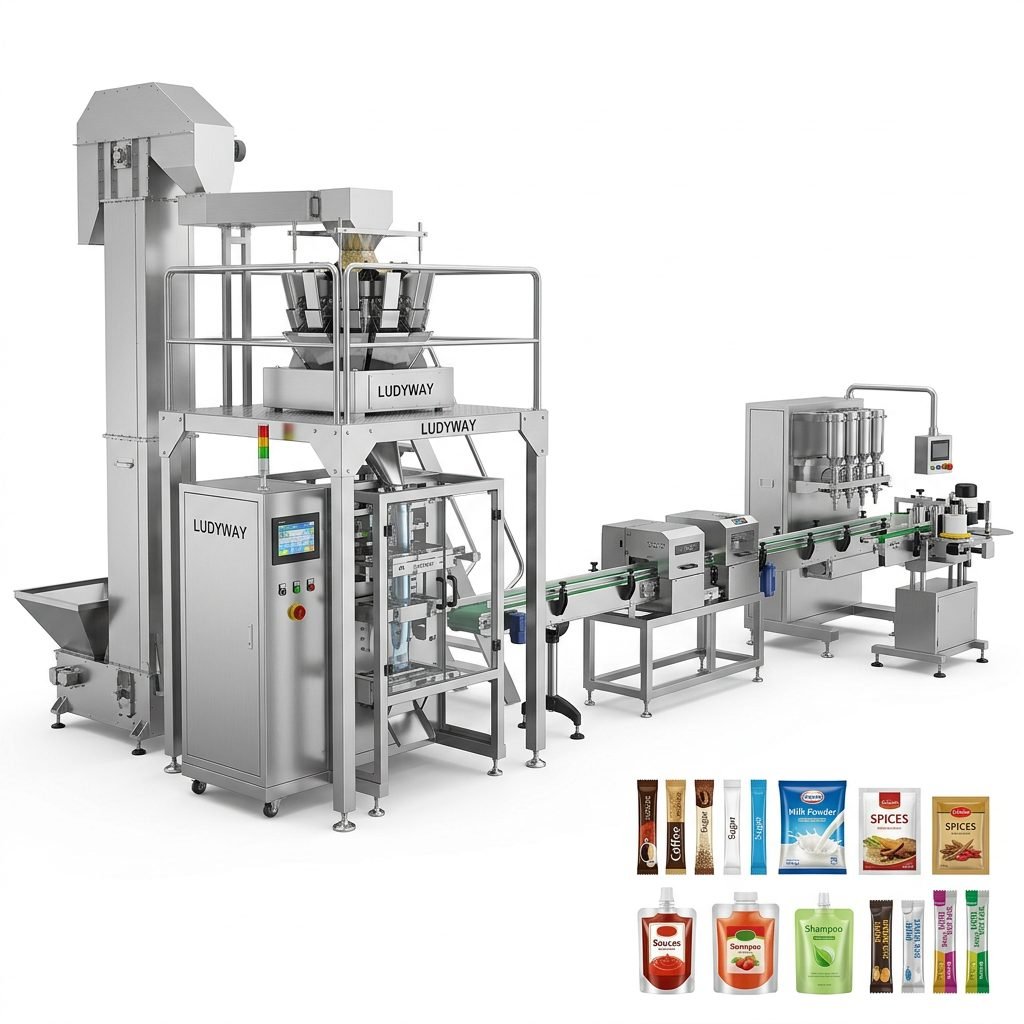
Large-scale biscuit plants often need more than a standalone machine. A complete line may include conveying, sorting, counting, stacking, feeding, primary wrapping, secondary packing, checkweighing, metal detection, cartoning, case packing, and palletizing.

How to Match the Machine to Your Biscuit Product
A strong machine selection process starts with the actual product. Biscuit dimensions, stack pattern, surface finish, and breakage risk all influence machine design.
- Analyze product shape: Round, rectangular, sandwich, and irregular biscuits behave differently during feeding.
- Define pack count: Single piece, sleeve pack, family pack, or promotional multipack.
- Confirm speed target: Choose equipment that supports both current and planned capacity.
- Check sealing needs: Seal integrity is essential for crispness and shelf life.
- Consider retail channel: E-commerce, supermarket, convenience store, and export packaging may require different pack strength and appearance.
Features That Improve Packaging Efficiency
When evaluating a biscuit packing machine, look beyond basic speed. Real efficiency comes from stability, easy operation, and low waste.
- Servo-driven control systems for precise motion and faster changeovers
- Automatic product feeding and alignment to reduce manual handling
- Photoelectric tracking for accurate film registration
- Quick-change format parts for multiple biscuit sizes
- Integrated quality control such as checkweighers and metal detectors
- User-friendly touch screen interface for parameter adjustment
- Reliable sealing jaws designed for consistent, secure seals
Benefits of Choosing an Automated Biscuit Packaging Solution
| Benefit | Operational Impact |
|---|---|
| Higher throughput | Supports continuous production with less interruption. |
| Lower labor dependency | Reduces repetitive manual packaging tasks. |
| Better pack consistency | Improves seal quality, appearance, and count accuracy. |
| Reduced product waste | Proper handling lowers breakage and film loss. |
| Scalable production | Makes it easier to expand into new formats and higher volumes. |
Stand-Alone Machine or Complete Packaging Line?
Small and medium biscuit manufacturers may start with a stand-alone wrapping system. However, as order volumes grow, integrating upstream and downstream equipment becomes increasingly valuable.
A complete line is often the better long-term choice when you need:
- Stable high-speed operation across multiple shifts
- Less manual product transfer between processes
- Improved traceability and inspection control
- Secondary packaging such as cartoning and case packing
- A cleaner, more organized production layout
For companies planning automation upgrades, working with an experienced manufacturer such as
Ludyway biscuit packing machine solutions
can be useful when evaluating both standalone equipment and turnkey packaging lines for food production.
Important Questions to Ask Before Buying
1. What biscuit sizes and formats can the machine handle?
Make sure the equipment supports your current SKUs and possible future products.
2. How easy is product changeover?
If you run several biscuit varieties, fast changeovers can significantly improve productivity.
3. Can the machine connect with existing bakery equipment?
Integration with conveyors, sorters, cooling tunnels, cartoners, and inspection systems is essential for line efficiency.
4. What after-sales support is available?
Reliable technical support, spare parts supply, and commissioning assistance help reduce long-term risk.
5. Does the system meet food industry hygiene requirements?
Materials, structure, and cleaning accessibility should fit food production standards.
Signs You Need to Upgrade Your Current Biscuit Packaging Equipment
- Frequent stoppages and unstable output
- Excessive biscuit breakage during feeding or sealing
- Inconsistent pack appearance and poor sealing quality
- High labor use for counting, loading, or transfer
- Difficulty handling new pack sizes or promotional formats
- Limited compatibility with inspection or secondary packaging equipment
Final Buying Insight for Food Manufacturers
The best biscuit packing machine is not simply the fastest one. It is the solution that fits your product, protects biscuit quality, matches your output goals, and supports future automation.
A well-selected packaging system can reduce waste, improve shelf presentation, and strengthen overall production efficiency.
For food manufacturers aiming to improve consistency and scale operations, investing in the right biscuit packaging solution is a practical step toward more competitive and efficient production.