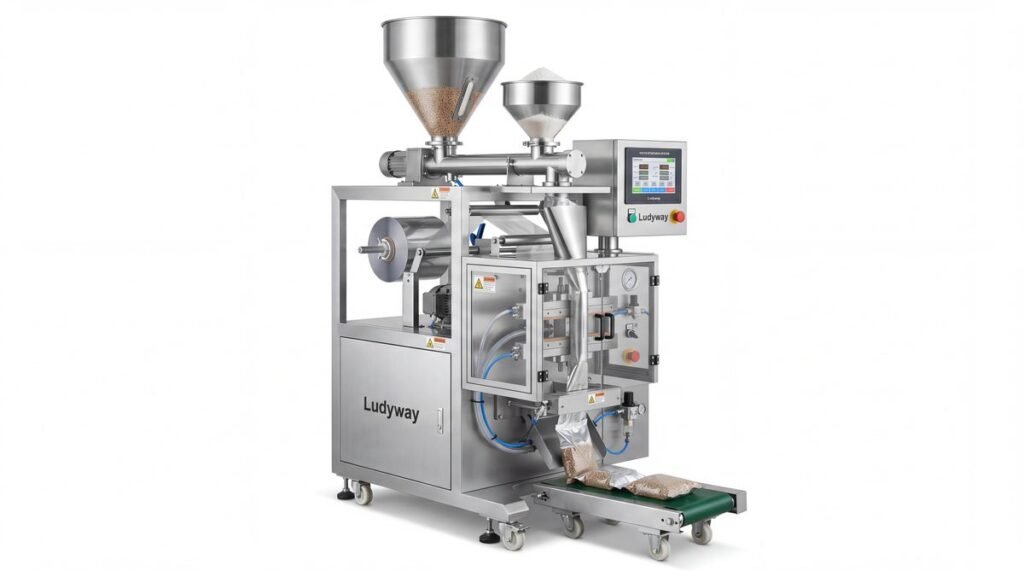
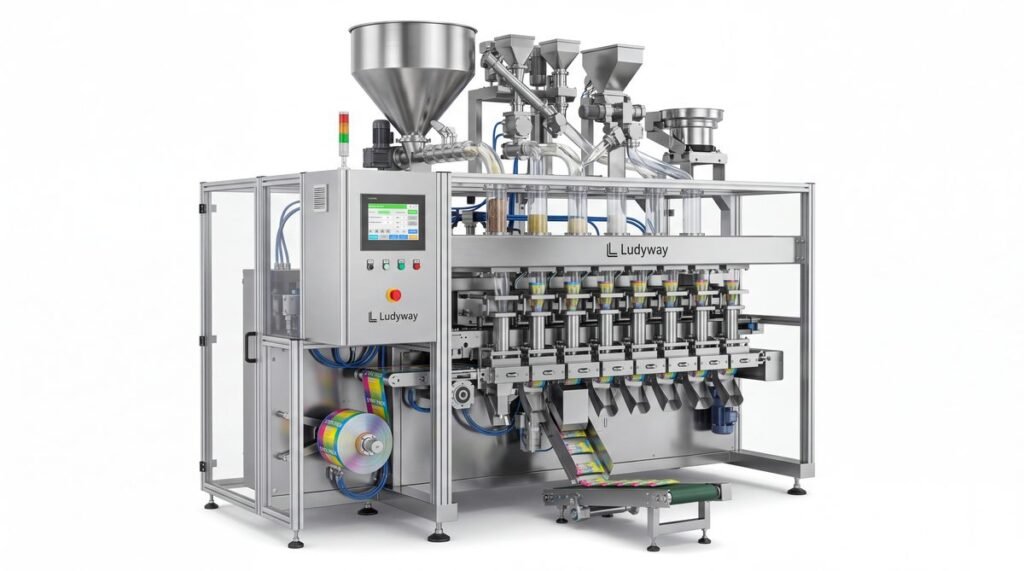
Milk carton packaging machines play a critical role in modern dairy production. From fresh milk and flavored milk to plant-based alternatives packed in carton-style formats, manufacturers need equipment that can deliver high-speed filling, hygienic sealing, accurate dosing, and consistent package quality. Choosing the right system helps dairy brands improve shelf appeal, reduce product waste, and maintain stable output in competitive markets.
For producers looking to scale operations, a milk carton packaging machine is more than a filling device. It is part of a broader production strategy that connects product preparation, sterilization, filling, sealing, coding, cartoning, and downstream handling into one efficient workflow.
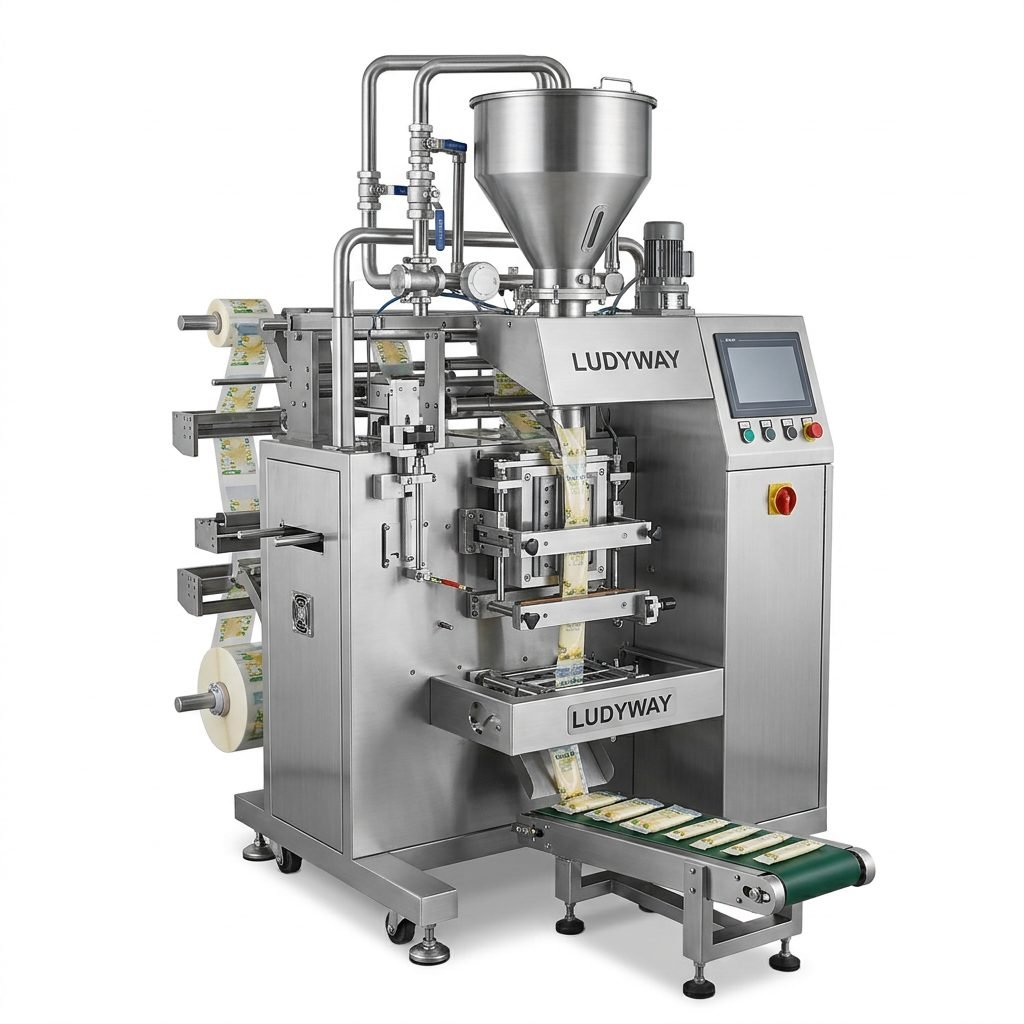
What Is a Milk Carton Packaging Machine?
A milk carton packaging machine is an automated system designed to fill liquid dairy or dairy-style products into carton packages and securely seal them for storage, transport, and retail display. Depending on production needs, these machines may support different carton structures, filling temperatures, output speeds, and sealing technologies.
Typical applications include:
- Fresh milk
- UHT milk
- Flavored milk drinks
- Cream and dairy beverages
- Yogurt drinks
- Soy milk and other plant-based beverages
In many factories, the machine is integrated with upstream tanks, pumps, homogenizers, sterilization equipment, and downstream cartoning or case-packing units to create a complete packaging line.
Why Efficient Dairy Packaging Matters
Dairy products are highly sensitive to contamination, temperature changes, and sealing defects. Even minor inconsistency in the filling or sealing stage can affect product safety, shelf life, and brand reputation. An efficient packaging solution supports dairy manufacturers in several important ways:
- Better hygiene control for liquid food products
- Reduced leakage risk through stable sealing performance
- Accurate fill volume for regulatory and cost control
- Higher production efficiency with automated operation
- Improved product presentation for retail channels
- Lower labor dependence and reduced manual handling
Core Functions of a Modern Milk Carton Packaging System
A reliable milk carton packaging line should do more than simply fill and close containers. It should maintain smooth operation throughout continuous production while protecting product quality at every stage.
1. Precise Liquid Filling
The filling module must handle milk with stable volume control and minimal foaming. Precision is especially important for large-volume production, where small deviations can create major product loss over time.
2. Secure Sealing Performance
Carton sealing quality directly affects shelf life and transportation stability. Heat sealing or other closure methods must be consistent, clean, and adapted to the packaging material structure.
3. Hygienic Product Contact Design
Food-contact parts should be easy to clean and designed to support sanitary operation. Smooth surfaces, reliable pipe connections, and compatibility with CIP procedures are highly valuable in dairy environments.
4. Automation and Synchronization
Modern systems integrate filling, sealing, date coding, carton transfer, and final packing. Automation reduces operator error and helps maintain consistent throughput.
5. Flexible Format Handling
Some producers need to switch between different capacities or product types. Flexible equipment design can reduce changeover time and support a wider packaging portfolio.
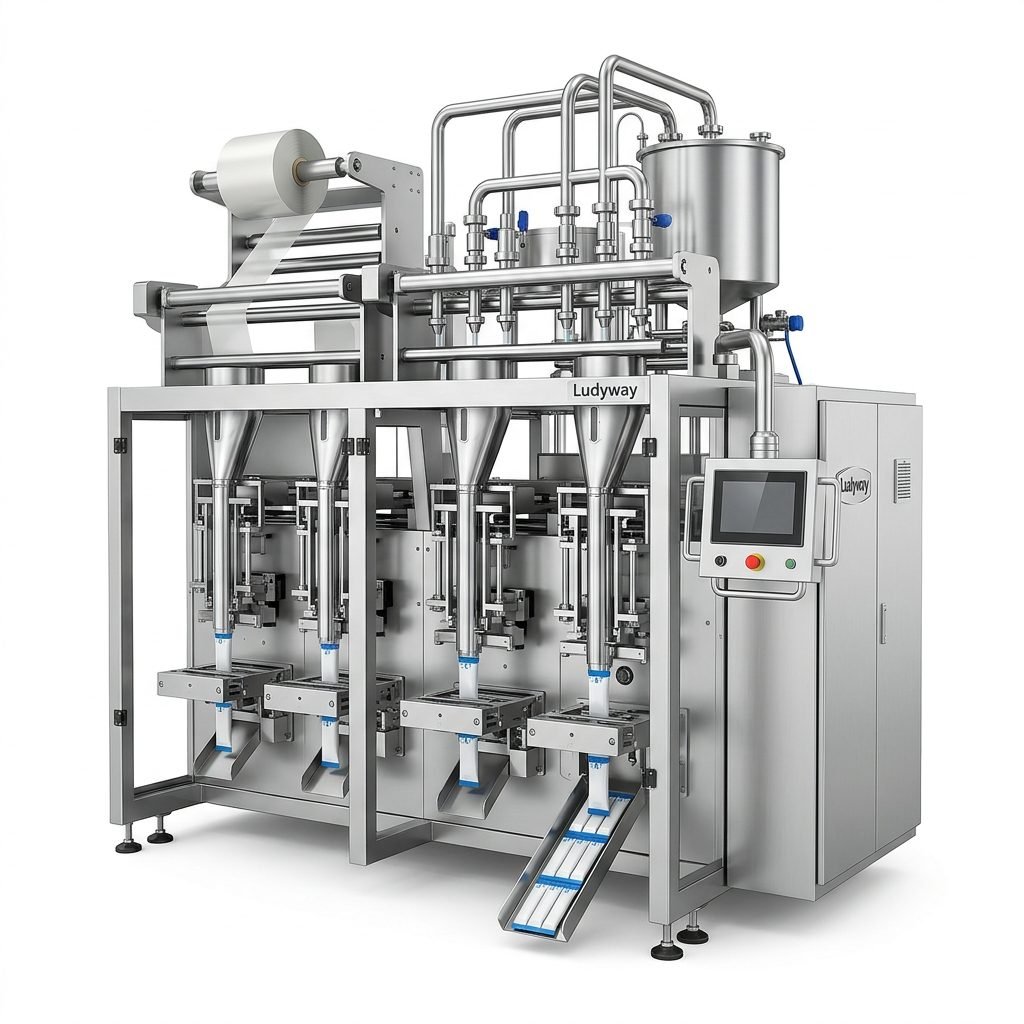
Key Features to Look for in a Milk Carton Packaging Machine
| Feature | Why It Matters |
|---|---|
| Accurate dosing system | Helps maintain product consistency and reduce giveaway |
| Stable sealing module | Prevents leakage and supports shelf-life performance |
| Food-grade contact components | Supports hygiene and compliance in dairy production |
| Automatic control interface | Simplifies operation, monitoring, and troubleshooting |
| Easy cleaning structure | Reduces downtime and improves sanitation management |
| Integration capability | Allows connection with sterilization, labeling, cartoning, and conveying systems |
| Multi-spec packaging support | Improves production flexibility for different product lines |
Benefits of Automation in Dairy Carton Filling and Sealing
As dairy markets become more demanding, automation is no longer optional for many growing manufacturers. Automated milk carton packaging solutions offer measurable advantages across production, quality assurance, and business performance.
Improved Throughput
High-speed automated equipment helps dairy plants handle larger order volumes without sacrificing filling accuracy or sealing reliability.
Lower Operational Costs
By reducing manual intervention and minimizing waste, automated systems help improve cost efficiency over the long term.
Consistent Package Quality
Uniform filling, neat sealing, and repeatable operation contribute to a stronger brand image and fewer rejected products.
Better Traceability
Integrated coding and control systems make it easier to manage batch information, production data, and quality records.
Scalable Production
A properly designed system can evolve with your business, whether you are adding product variations, increasing output, or expanding export-ready packaging capacity.
Applications Beyond Traditional Milk
Although the term “milk carton packaging machine” often refers to standard dairy milk, many manufacturers also use similar packaging principles for related liquid products. This makes the equipment valuable for diversified beverage portfolios.
- Low-fat and full-fat milk
- Chocolate milk and flavored milk drinks
- Lactose-free milk
- Dairy cream products
- Protein beverages
- Soy milk, oat milk, almond milk, and coconut milk alternatives
For example, factories producing soy milk or similar liquid beverages often require the same attention to sealing integrity, hygienic transfer, and filling consistency as traditional dairy operations.
How to Choose the Right Machine for Your Production Line
Selecting the right milk carton packaging machine begins with a clear understanding of your production goals. Not every dairy factory needs the same level of automation, speed, or customization.
Evaluate Your Product Type
Different milk products have different flow characteristics, temperature requirements, and foaming behavior. Make sure the filling system matches your product properties.
Define Output Requirements
Your required packs per hour will influence machine structure, automation level, and line layout. It is important to balance current demand with future expansion.
Consider Package Specifications
Volume range, carton shape, closure type, and branding requirements all affect machine selection.
Review Cleaning and Maintenance Needs
A machine that is easier to clean and maintain can significantly reduce downtime in dairy production.
Think About Full-Line Integration
If you need upstream and downstream automation, choose a supplier capable of delivering complete packaging line solutions rather than a standalone machine only.
Common Challenges in Milk Carton Packaging
Even well-established dairy factories can face packaging challenges if the machine design is not aligned with real production needs.
| Challenge | Recommended Solution |
|---|---|
| Leakage after sealing | Upgrade sealing stability and material compatibility |
| Inconsistent fill volume | Use high-precision liquid dosing systems |
| Frequent downtime for cleaning | Choose sanitary design with easier washdown and CIP compatibility |
| Low line efficiency | Integrate conveying, coding, and end-of-line automation |
| Difficult format changes | Select configurable equipment with practical changeover design |
The Value of Turnkey Packaging Line Solutions
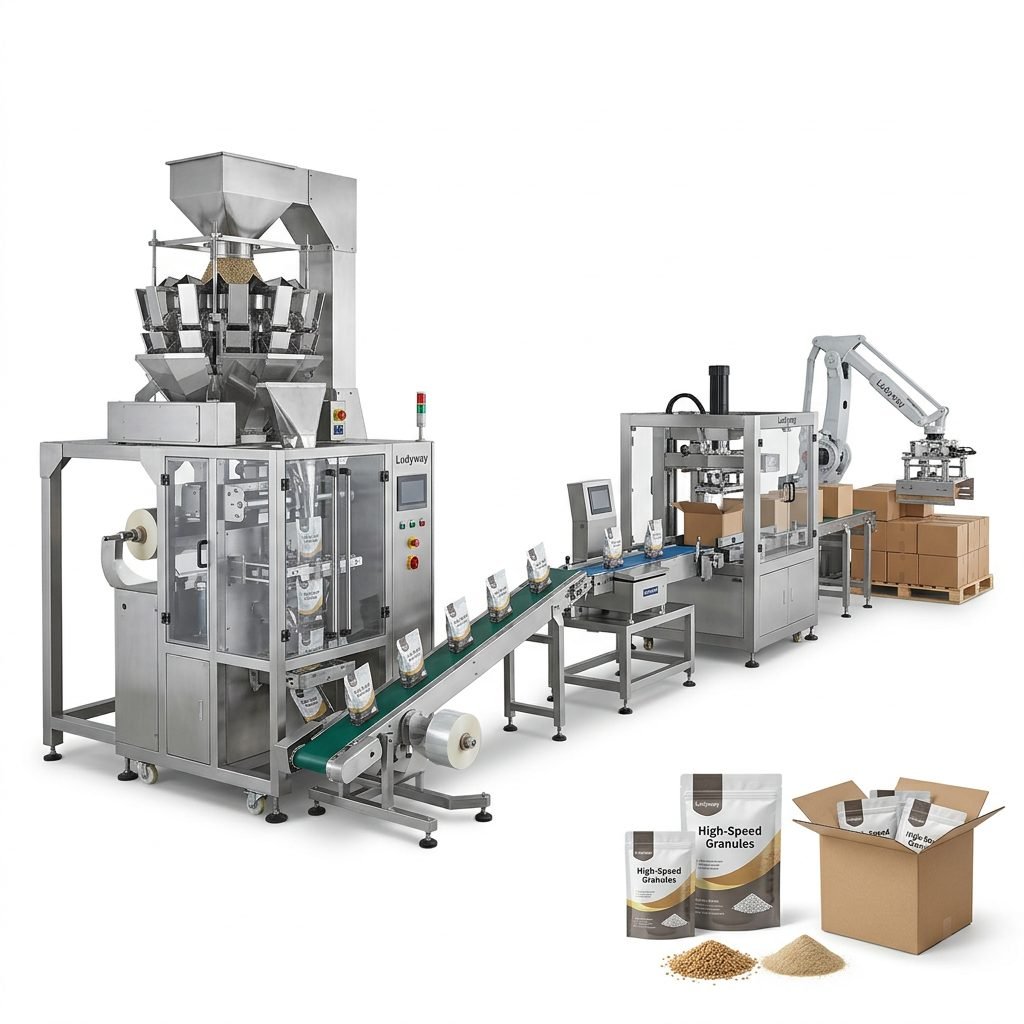
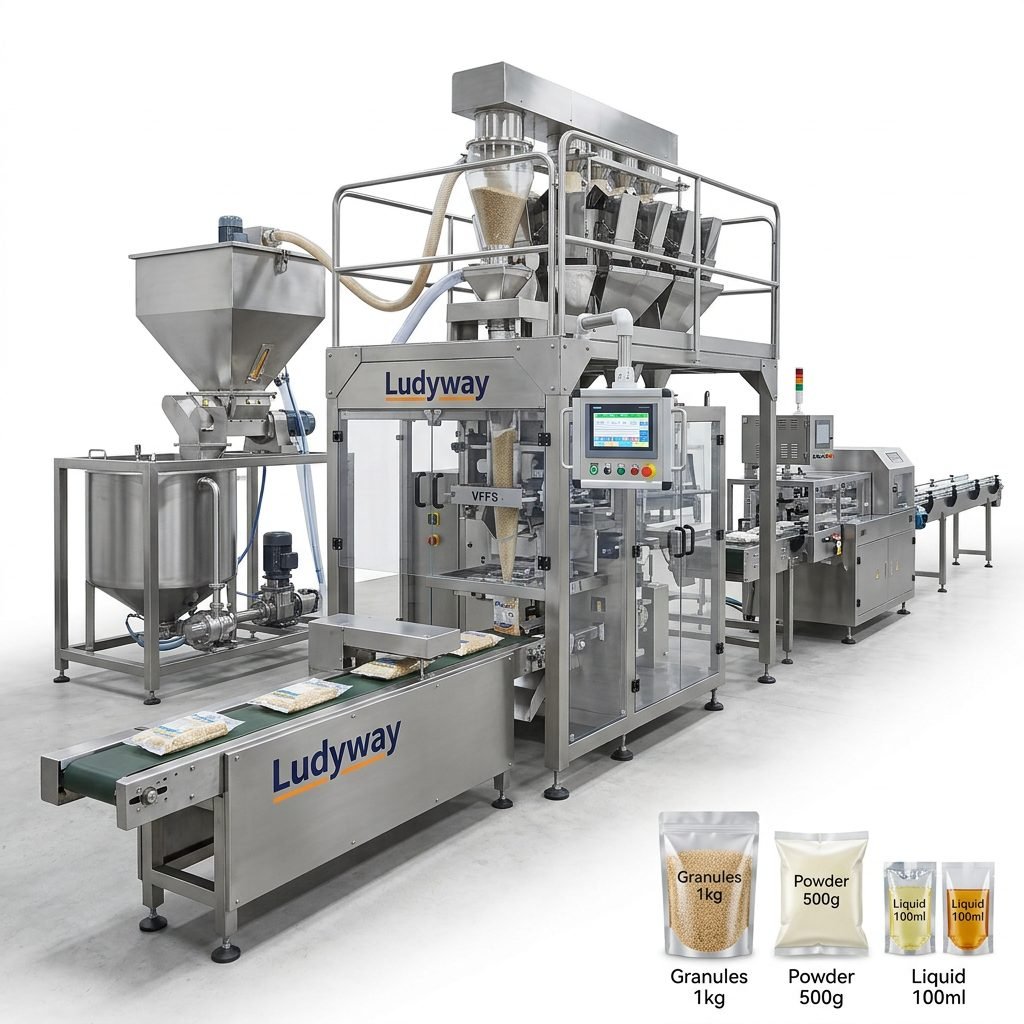
For many dairy processors, the best investment is not a standalone machine but a complete packaging solution. A turnkey line reduces compatibility issues between machines and simplifies project planning, installation, and future support.
A complete milk packaging line may include:
- Liquid feeding and storage systems
- Sterilization or processing connection points
- Automatic filling and sealing machine
- Date coding and inspection units
- Cartoning or case packing equipment
- Conveyors and material handling systems
- Palletizing or final packaging automation
Manufacturers seeking integrated support often work with experienced suppliers such as Ludyway milk carton packaging machine solutions, especially when they need scalable automation, engineering customization, and complete line integration.
Why Experience Matters in Packaging Equipment Supply
In dairy packaging, machine performance depends not only on hardware quality but also on engineering experience. An experienced manufacturer can better understand product behavior, production conditions, hygiene requirements, and long-term line stability.
When comparing suppliers, it is wise to review:
- Years of packaging machinery experience
- Export and international project capability
- Customization support
- Factory production capacity
- Quality control process
- After-sales technical service
SEO-Focused Buying Tips for Dairy Manufacturers
If you are currently searching for the best milk carton packaging equipment, focus on business fit rather than only machine price. The right solution should support product quality, protect sealing integrity, and match your long-term production strategy.
- Clarify your milk type and packaging format
- Define required speed and daily output
- Check filling accuracy and sealing consistency
- Ask about hygienic design and cleaning access
- Confirm spare parts and service support
- Consider complete line integration for future expansion
Conclusion: Investing in Reliable Dairy Packaging Efficiency
An advanced milk carton packaging machine helps dairy producers achieve efficient filling, dependable sealing, hygienic processing, and scalable output. Whether you produce traditional milk, flavored dairy beverages, or plant-based alternatives, the right packaging system can improve both operational efficiency and market competitiveness.
By choosing a machine with strong automation, sanitary construction, and full-line compatibility, manufacturers can reduce waste, protect product quality, and build a more reliable dairy packaging process for long-term growth.