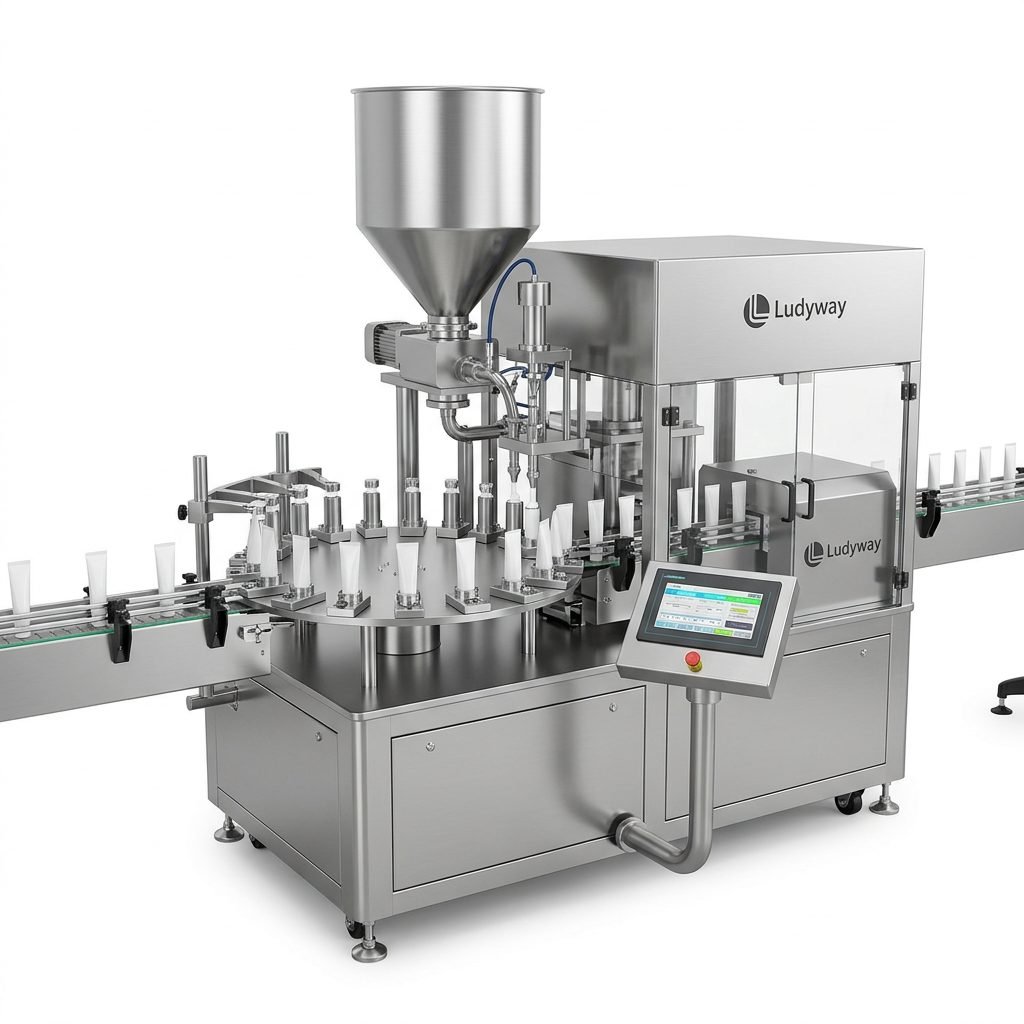
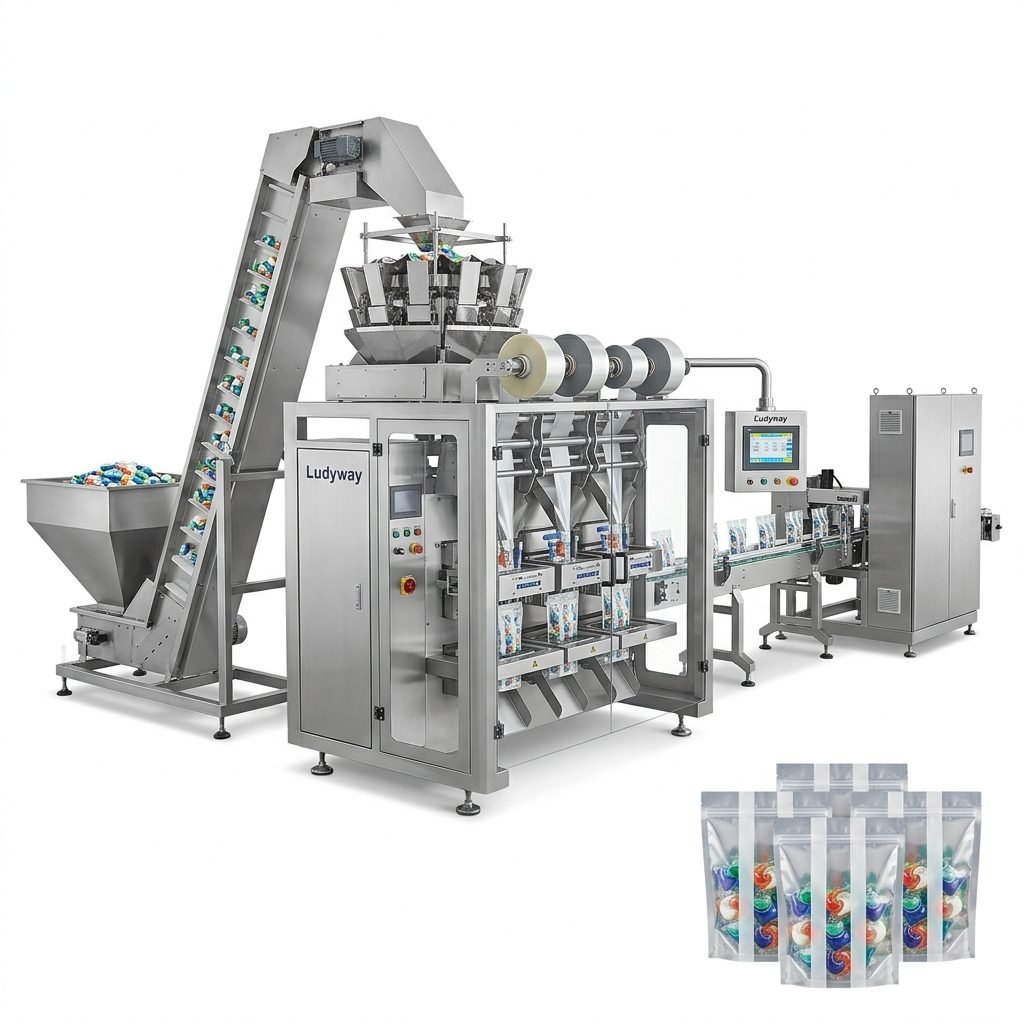
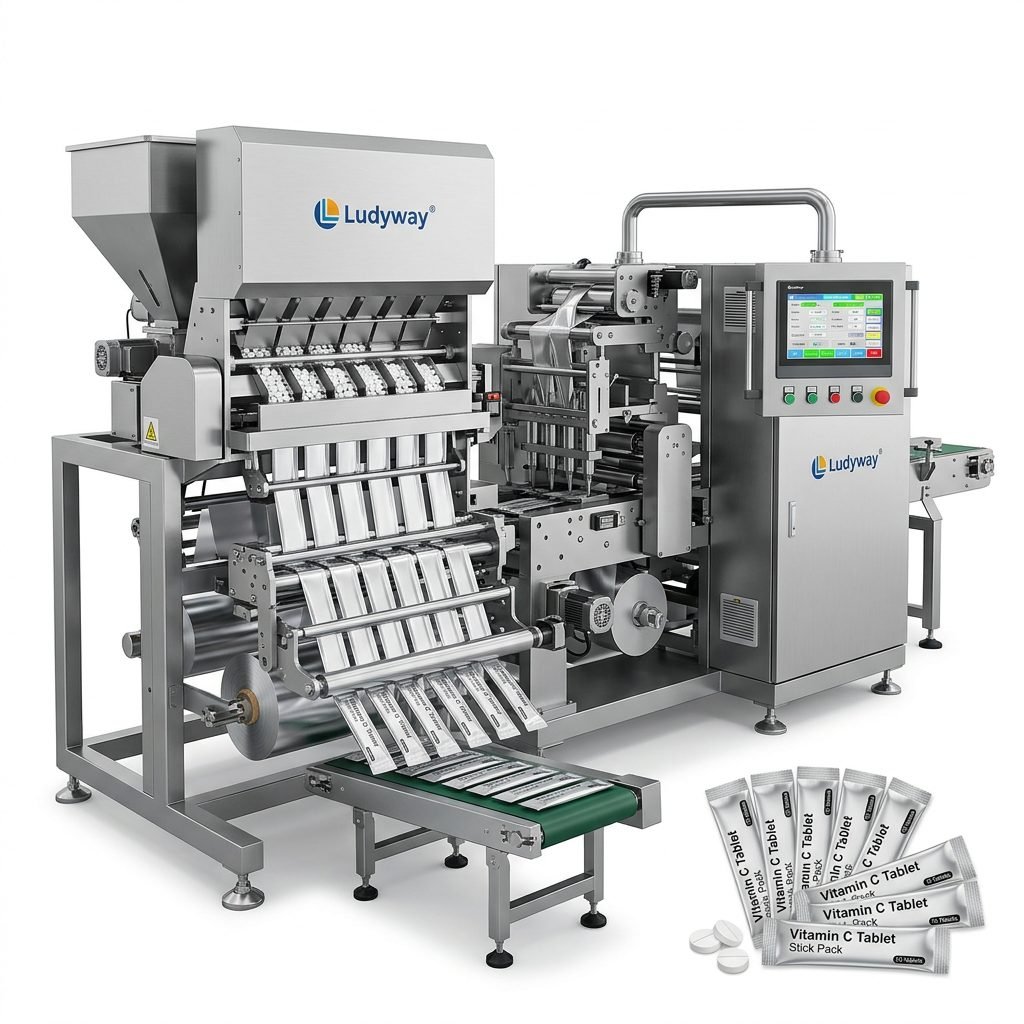
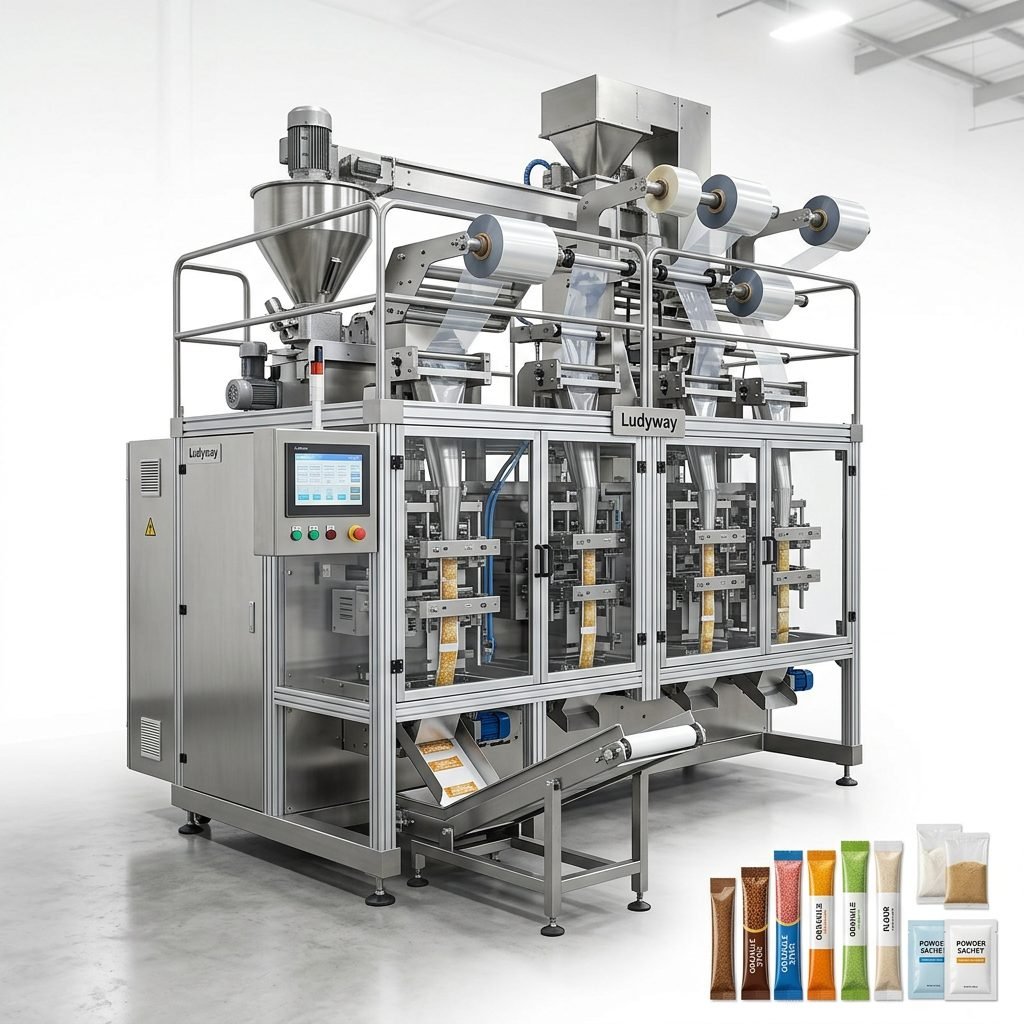
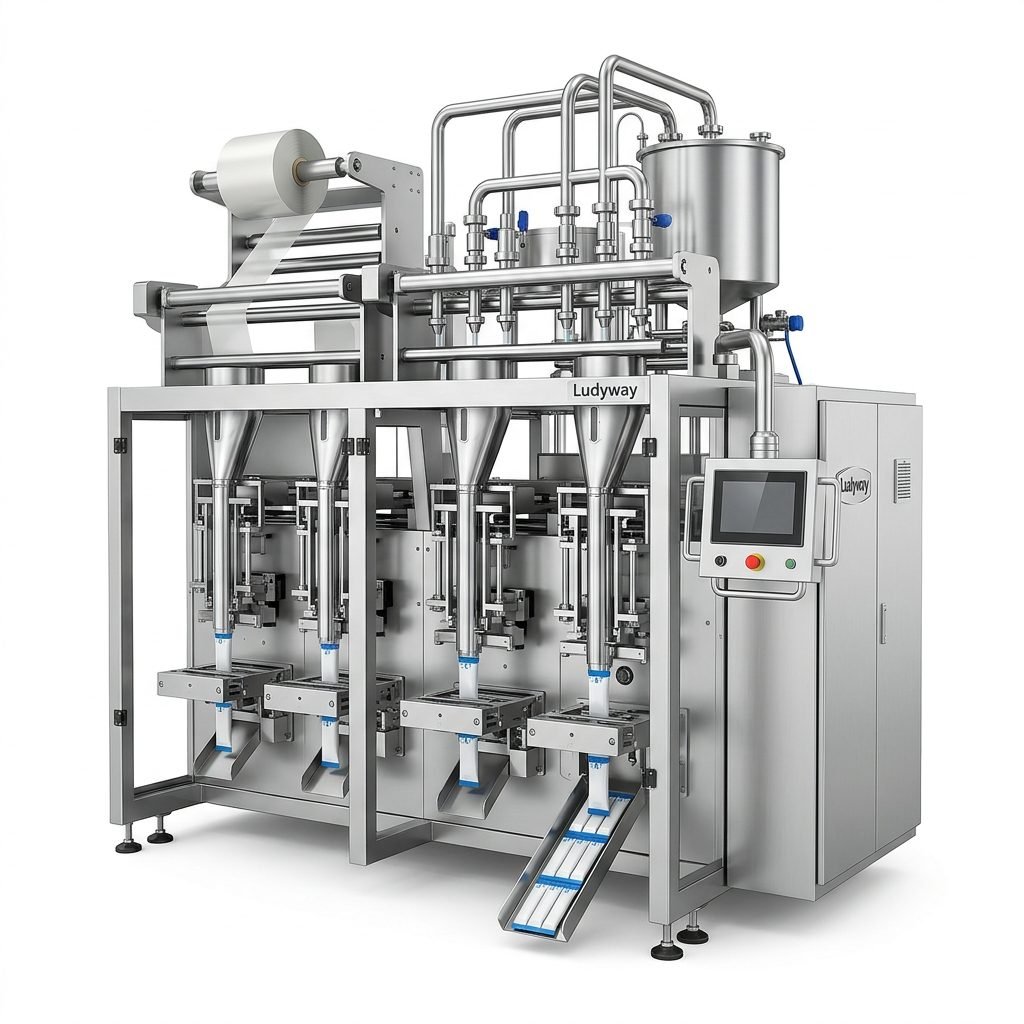
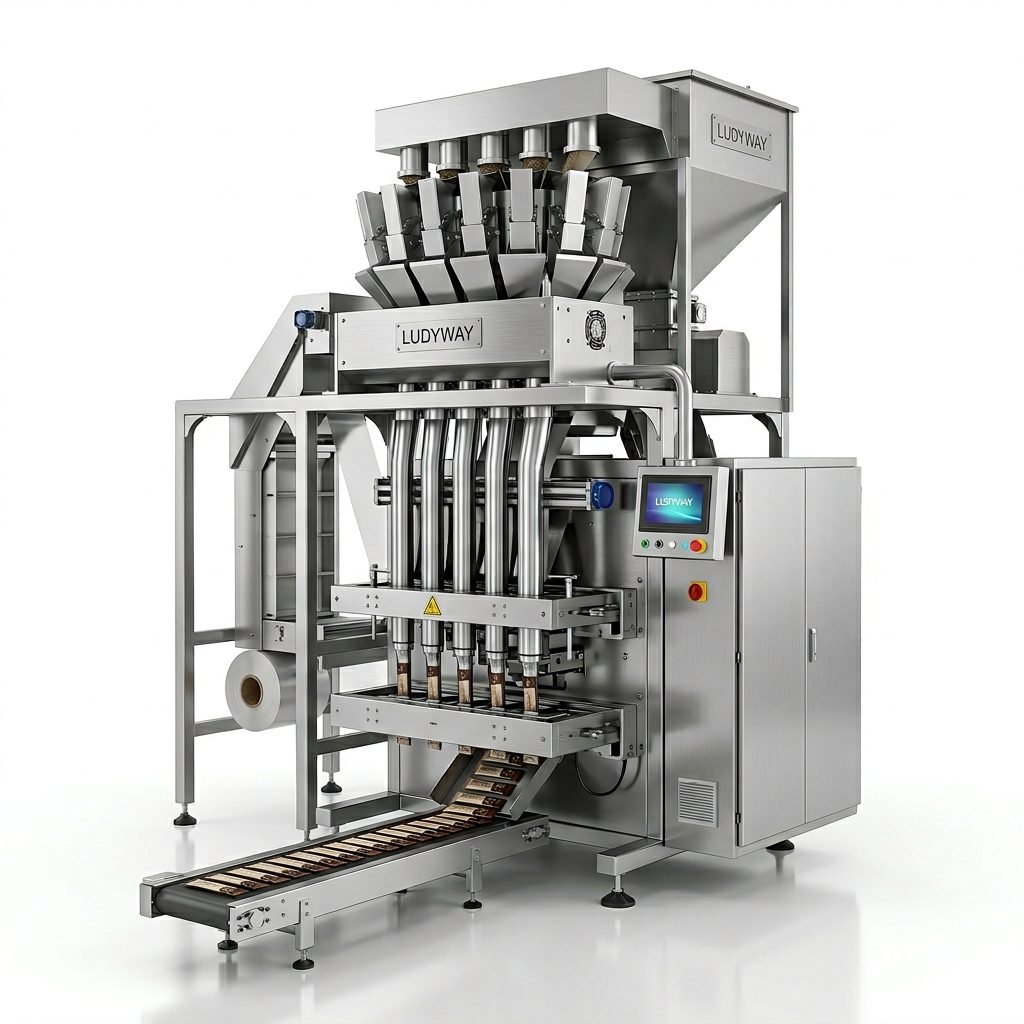
In today’s fast-paced industrial landscape, achieving optimal production efficiency is paramount. The cornerstone of this efficiency often lies in the packaging phase, where speed, accuracy, and reliability directly impact throughput, cost, and product quality. High-performance packaging machinery is no longer a luxury but a critical investment for manufacturers aiming to stay competitive and meet evolving market demands.
The Core Components of High-Performance Packaging Systems
Modern high-performance packaging solutions are integrated systems designed for seamless operation. They typically encompass several key components working in unison.
1. Precision Weighing and Filling Modules
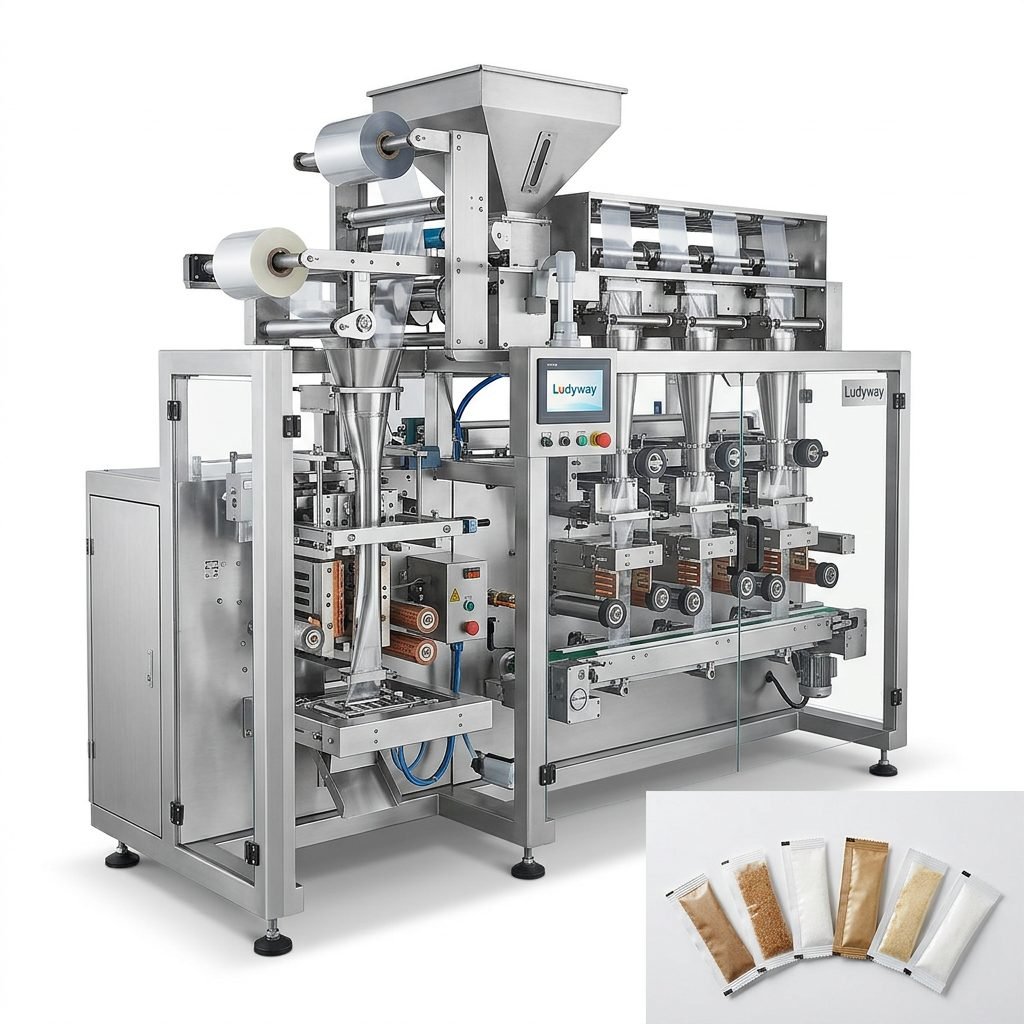
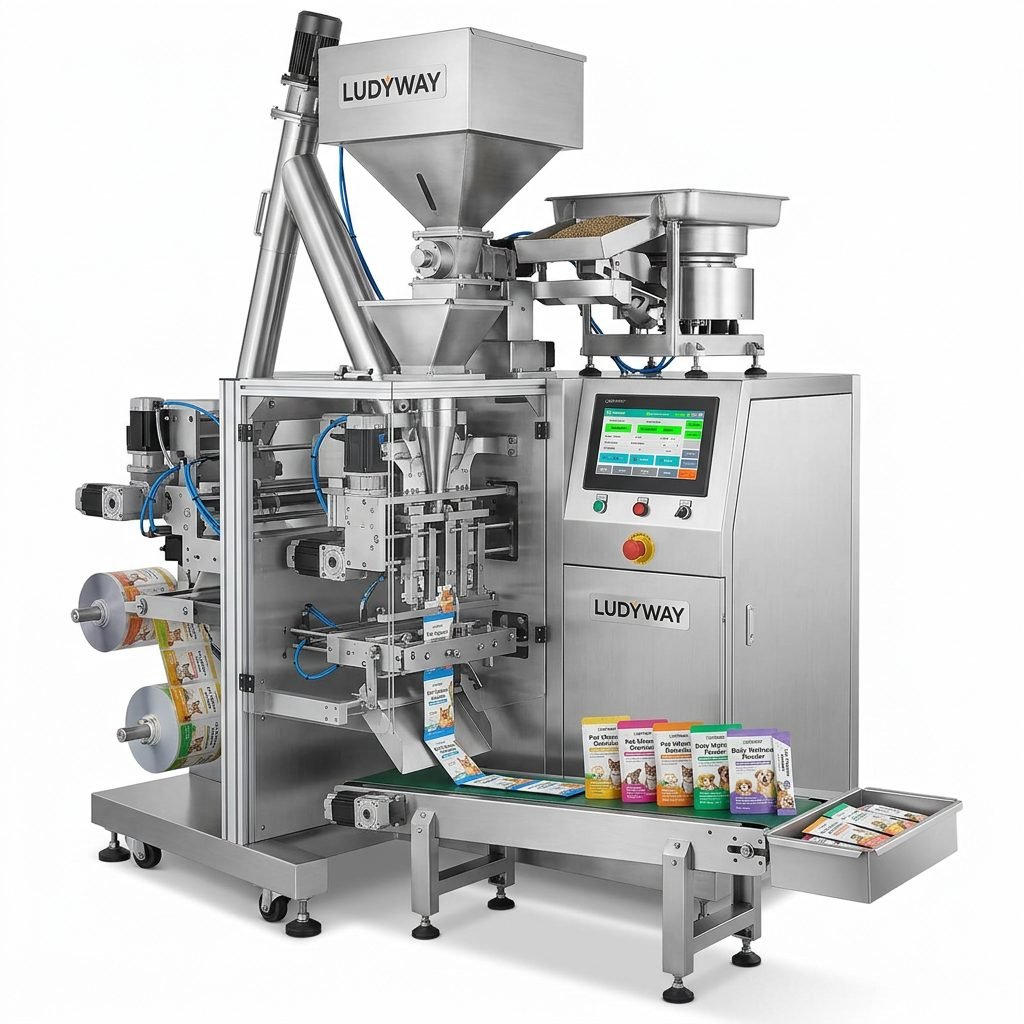
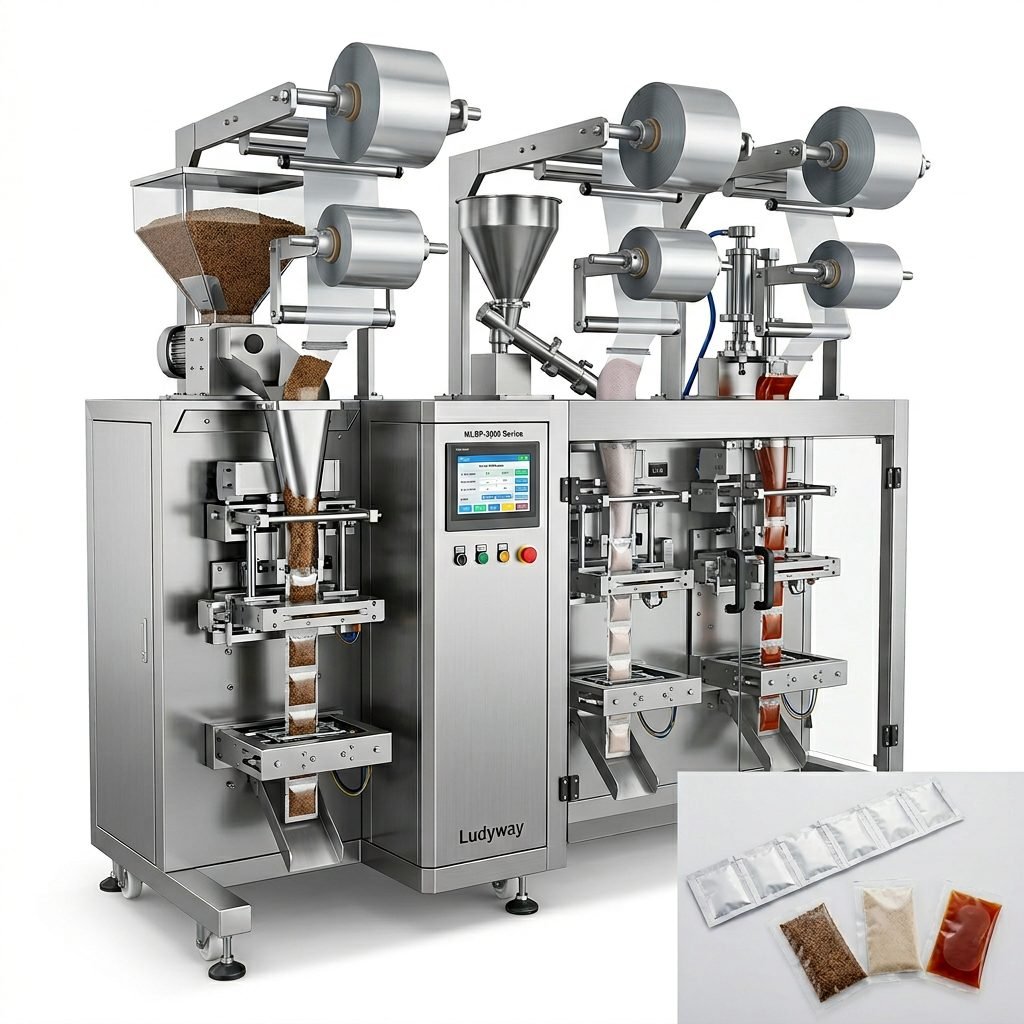
At the heart of any packaging line is the filling system. Advanced machinery utilizes multi-head weighers, auger fillers, or liquid pumps that deliver unparalleled accuracy down to fractions of a gram. This precision minimizes product giveaway, ensuring compliance with strict net content regulations and significantly reducing material waste over time.
2. High-Speed Forming, Sealing, and Cutting
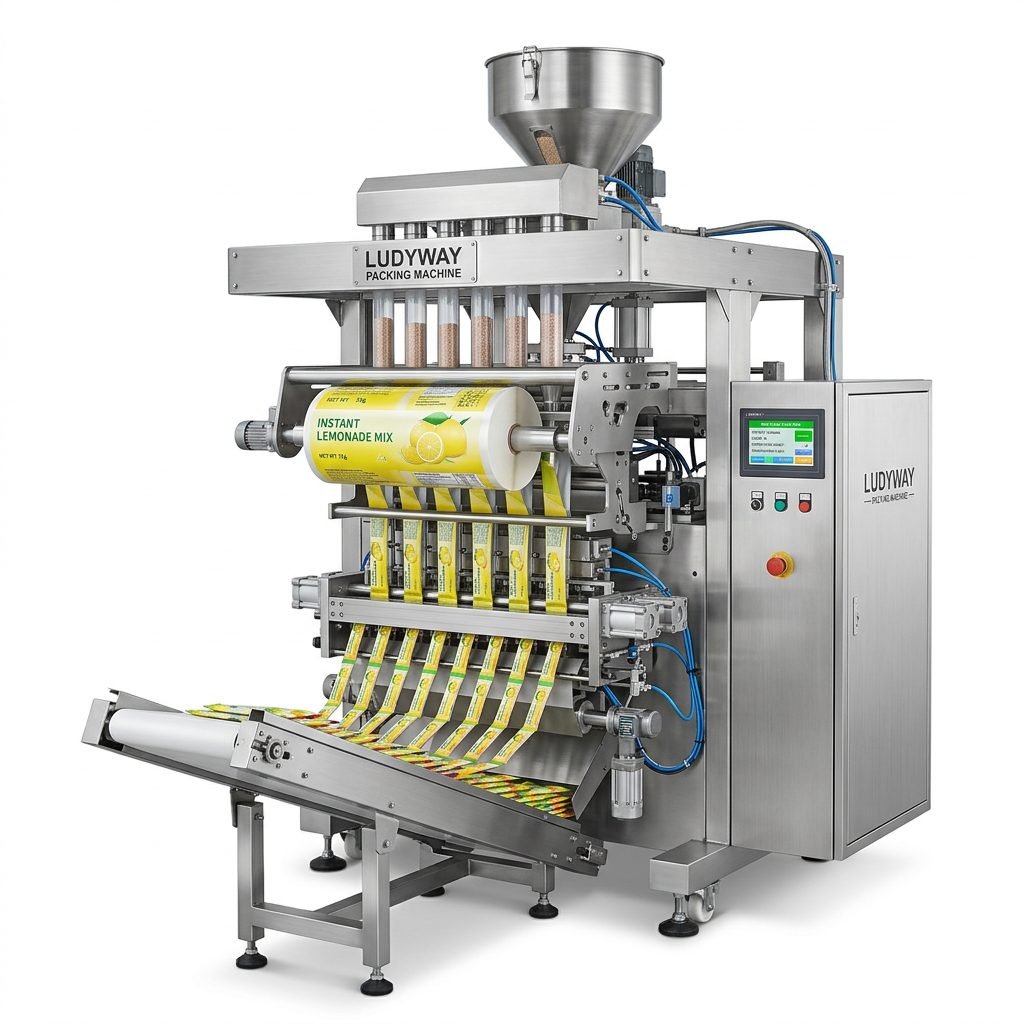
Performance is measured in packages per minute (PPM). Contemporary machines feature robust servo-driven mechanisms for forming packages from roll film, creating airtight seals, and executing clean cuts. This ensures not only high-speed output but also package integrity, which is crucial for product shelf life and consumer safety.
3. Integrated Automation and Robotics
True high-performance is achieved through connectivity. Automated cartoning, case packing, and palletizing systems linked directly to the primary packaging machine create a continuous flow. Robotic arms handle delicate or irregularly shaped products with precision, further reducing manual intervention and boosting overall line efficiency.
Key Benefits for Industrial Production
Investing in advanced packaging technology yields a substantial return on investment across multiple facets of production.
Maximized Operational Efficiency
High-speed machinery dramatically increases output rates, allowing manufacturers to meet larger orders and tighter deadlines. Quick changeover features, often facilitated by recipe storage on user-friendly HMI (Human-Machine Interface) screens, minimize downtime when switching between products or package sizes, enhancing overall equipment effectiveness (OEE).
Enhanced Product Quality and Consistency
Automated systems eliminate human error in filling and sealing. Every package is uniform in weight, appearance, and seal strength. This consistency protects the product from contamination and spoilage, reinforces brand reputation for quality, and reduces customer complaints and returns.
Significant Reduction in Operational Costs
While the initial investment may be significant, the long-term savings are compelling. Reduced labor requirements, lower material waste from precise filling, and decreased energy consumption through efficient servo motors all contribute to a lower cost per unit produced. Furthermore, reliable machinery minimizes costly unplanned maintenance and production halts.
Unmatched Flexibility and Scalability
Modern packaging machines are designed for adaptability. They can handle a wide range of materials, from traditional plastics to sustainable compostable films, and can be configured for various package styles like stick packs, sachets, or pouches. This flexibility allows businesses to easily diversify their product lines or adapt to new market trends without needing entirely new equipment.
Applications Across Critical Industries
The demand for efficient packaging cuts across numerous sectors, each with its unique requirements.
Food & Beverage Industry
From packaging spices, instant coffee, and soup mixes to portion-controlled condiments, high-speed sachet and stick pack machines ensure freshness, accurate dosing, and appealing presentation. They are essential for meeting the high-volume, hygiene-critical standards of food production. For businesses looking to enter or expand in this sector, understanding the right packaging machinery solutions is the first step.
Pharmaceutical & Nutraceutical Industry
Here, precision and compliance are non-negotiable. Packaging machinery for powders, granules, and tablets must operate in controlled environments, often with dust extraction and comply with GMP (Good Manufacturing Practice) standards. Accuracy in filling single-dose sachets or blister packs is vital for patient safety and dosage efficacy.
Chemical & Agrochemical Industry
Packaging detergents, fertilizers, or pesticides requires robust equipment capable of handling sometimes abrasive or corrosive materials. Reliable sealing is critical to prevent leaks and ensure safe transport and storage, protecting both the product and the end-user.
Choosing the Right Partner for Your Packaging Needs
Selecting high-performance machinery is as much about the technology as it is about the supplier. A partner with deep industry experience can provide more than just a machine; they offer a comprehensive production solution.
Look for a provider with a proven track record, demonstrated by years of operation and a diverse portfolio of successful projects. For instance, a company with over a decade of specialization, like Ludyway Packing Machine, brings accumulated expertise in tailoring solutions for food, pharma, and chemical sectors. Their journey from a focused engineering team to an international supplier underscores a commitment to growth through innovation and practical application, which is crucial for long-term partnership.
Furthermore, assess their support ecosystem. Do they offer thorough training, readily available spare parts, and responsive technical service? Can they provide a complete turnkey line, integrating different machines into a cohesive, high-performance unit? The ability to offer custom automation based on specific production challenges is a hallmark of a true solutions partner, a principle often emphasized in a company’s history and development philosophy.
Conclusion
High-performance packaging machinery is the engine of efficient industrial production. It drives speed, ensures quality, reduces waste, and provides the flexibility needed in a dynamic global market. By investing in advanced, reliable systems and partnering with an experienced and supportive equipment provider, manufacturers can secure a significant competitive advantage, future-proof their operations, and achieve new levels of productivity and profitability.
Frequently Asked Questions (FAQs)
1. What is the typical ROI (Return on Investment) period for high-performance packaging machinery?
The payback period varies based on production volume, labor costs, and material savings. However, many operations see a full return on investment within 12 to 24 months due to increased output, reduced waste, and lower labor expenses.
2. Can new packaging machines be integrated with my existing production line?
Yes, most reputable suppliers design machinery with integration in mind. They can often retrofit or interface new packaging units with existing conveyors, upstream processing equipment, or downstream cartoning systems to create a unified line.
3. How important is after-sales service and technical support?
Extremely important. Reliable technical support, readily available spare parts, and operator training are critical for maximizing uptime and ensuring the long-term performance and longevity of your equipment investment.
4. What are the key trends in packaging machinery technology?
Major trends include the integration of Industrial Internet of Things (IIoT) for predictive maintenance and data analytics, increased use of servo motors for energy efficiency, and designs that accommodate sustainable, recyclable, or compostable packaging materials.
5. How do I determine the right packaging speed (PPM) for my needs?
Analyze your current and projected future production volumes. A good rule is to choose a machine that can handle your peak demands with some capacity to spare for growth, without over-investing in excessive speed you won’t utilize.