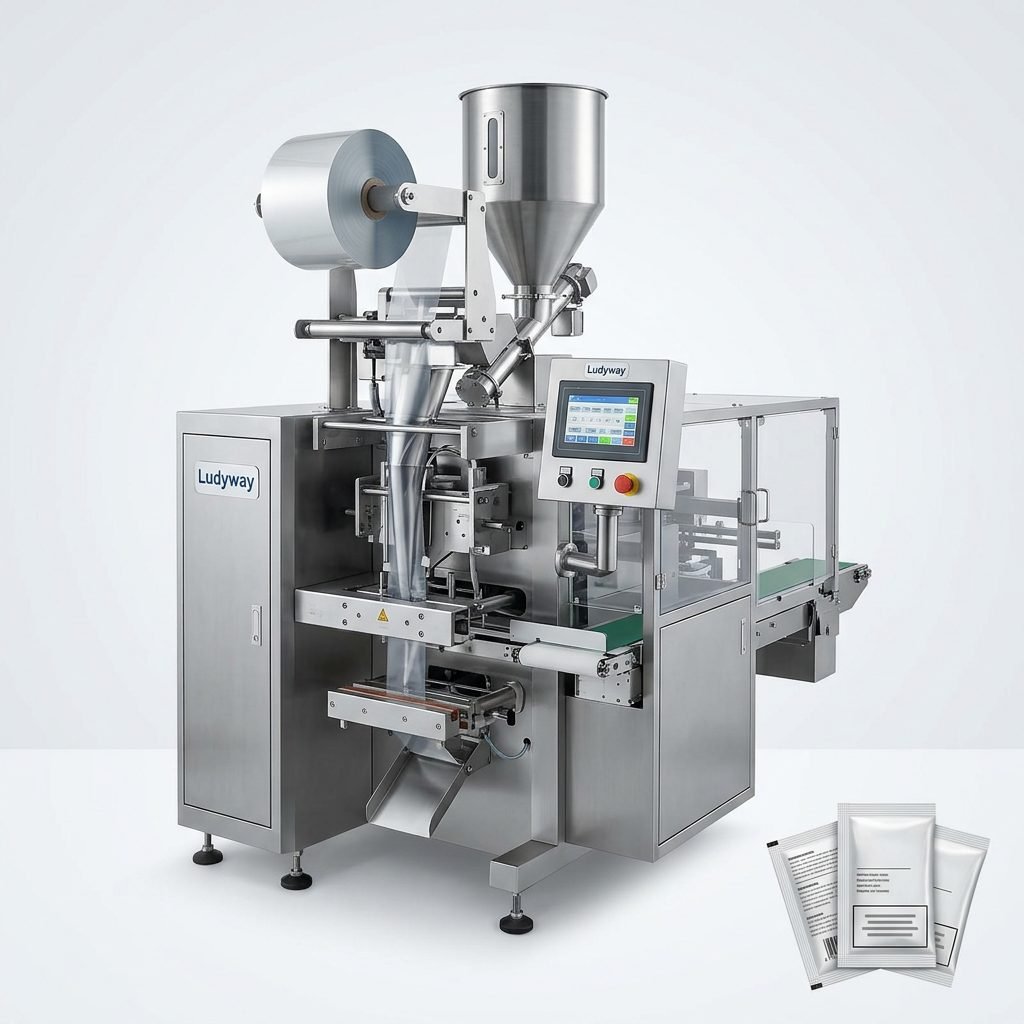
In the dynamic and demanding world of modern manufacturing, particularly within the Southern United States, efficiency, reliability, and adaptability are not just goals—they are necessities for survival and growth. The region’s rich culinary heritage, booming beverage industry, and diverse industrial sectors demand packaging solutions that can keep pace with high-volume production while maintaining impeccable quality and hygiene standards. This is where high-efficiency Southern packaging machinery steps in, offering tailored solutions that meet the specific challenges of food, beverage, and industrial applications.
The Southern Manufacturing Landscape: A Unique Set of Demands
The South’s industrial identity is deeply intertwined with its culture. From the fast-paced production of barbecue sauces and seasonings to the bottling of sweet teas and craft beverages, there is an expectation for machinery that is as robust and enduring as the region’s traditions. Furthermore, industrial applications, such as packaging for agricultural chemicals, construction materials, or automotive parts, require equipment that can handle abrasive, corrosive, or heavy-duty products with unwavering consistency.
Key Takeaway: Southern manufacturers prioritize machinery that combines high-speed operation with minimal downtime, ensuring that production lines for time-sensitive goods like fresh food or seasonal products run smoothly from start to finish.
Core Solutions for the Food & Beverage Sector
Food safety and presentation are paramount. Advanced packaging systems designed for this sector must address several critical needs:
1. Versatile Form-Fill-Seal (FFS) Technology
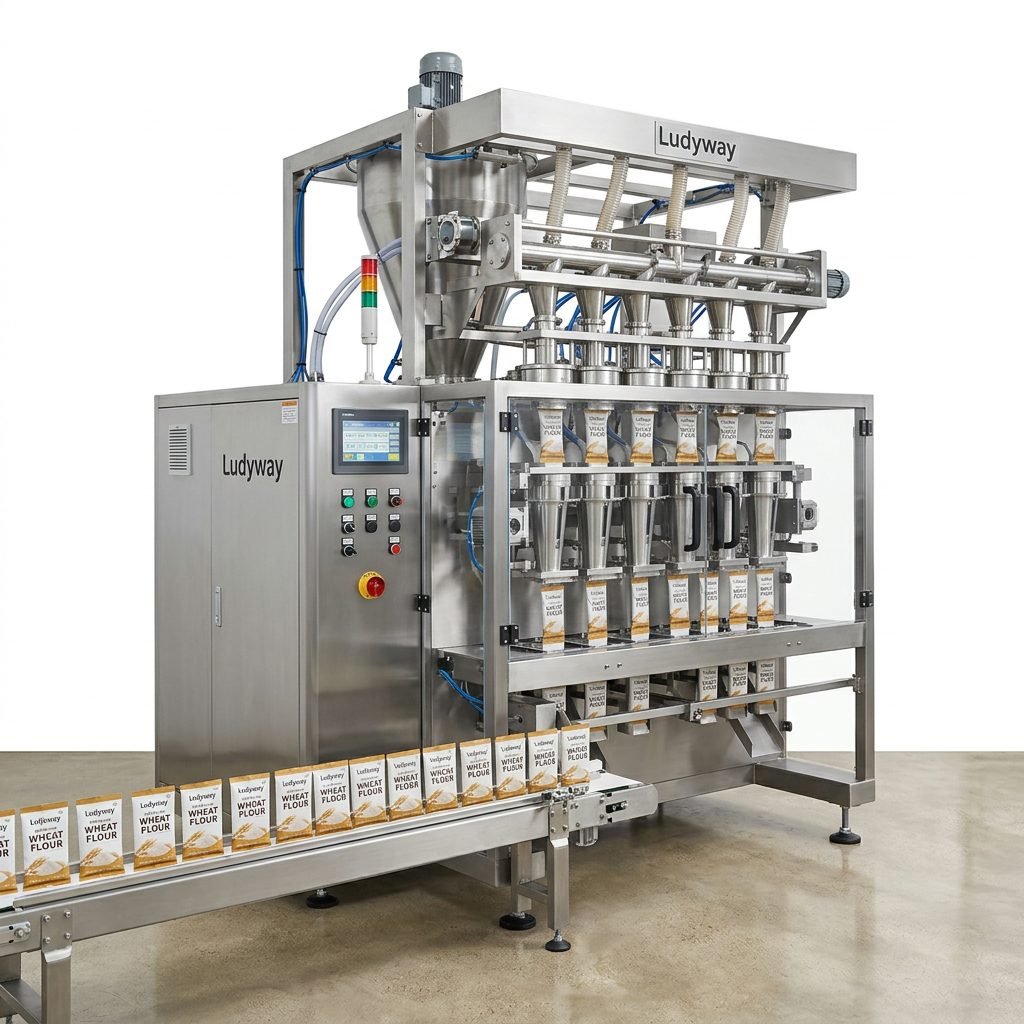
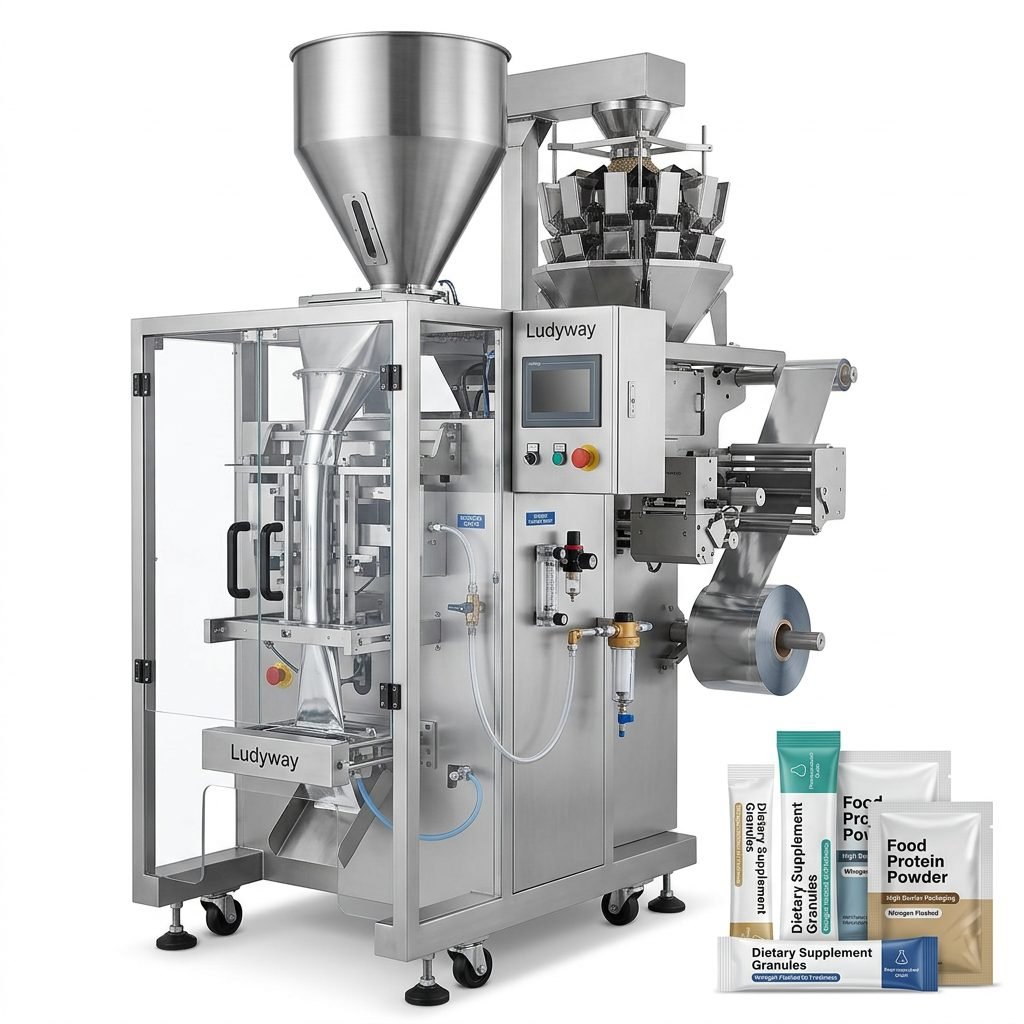
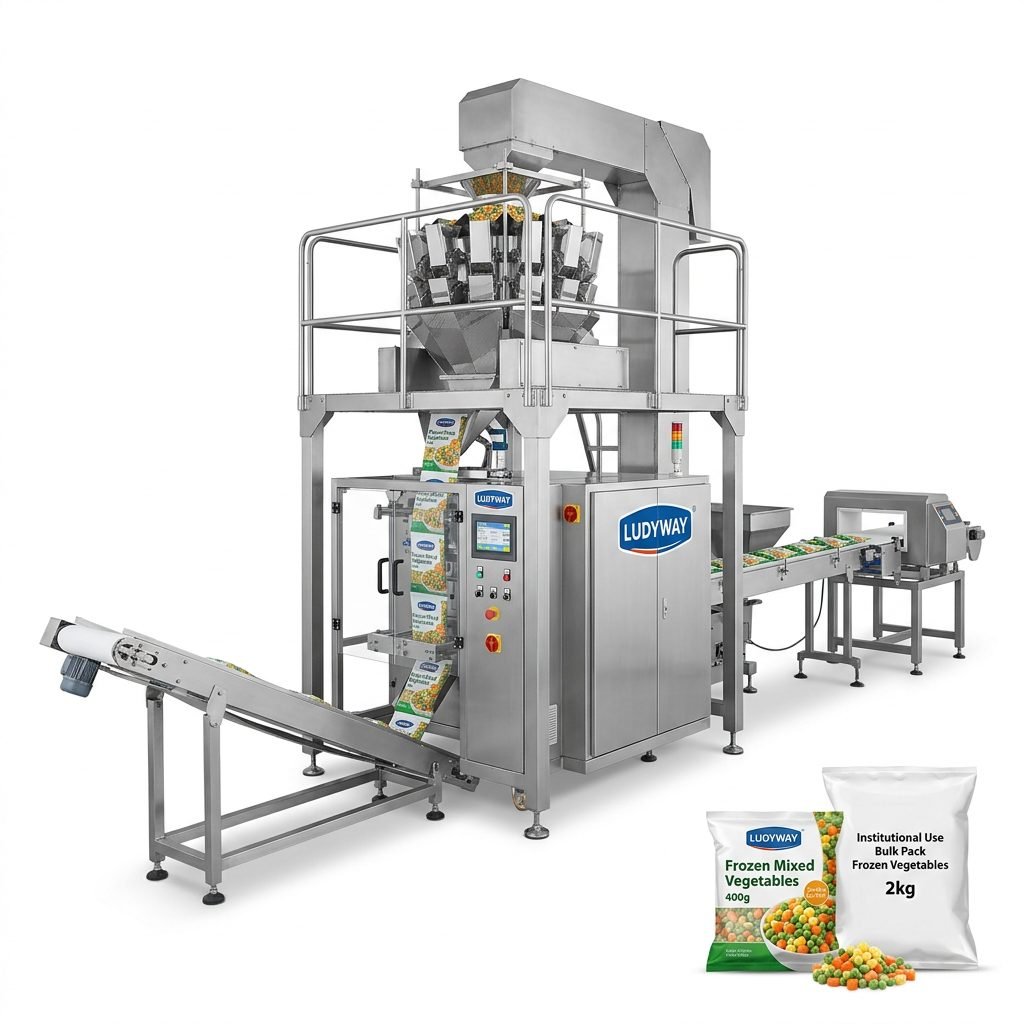
Modern vertical and horizontal form-fill-seal machines are the workhorses of food packaging. They are exceptionally adaptable, capable of creating bags, pouches, or sachets from a roll of film, precisely measuring the product—be it granules, powders, or liquids—and sealing it with airtight integrity. This technology is ideal for packaging everything from spice blends and instant gravy mixes to liquid drink concentrates and condiments.
2. Specialized Liquid & Viscous Product Packaging
The South’s love for sauces, syrups, oils, and beverages requires precision liquid filling. High-efficiency piston fillers, gravity fillers, and volumetric cup fillers ensure accurate fill volumes without drips or spills, crucial for maintaining product consistency and reducing waste. For viscous products like honey, molasses, or industrial lubricants, specialized pumps and nozzles are employed to maintain a clean and efficient filling process.
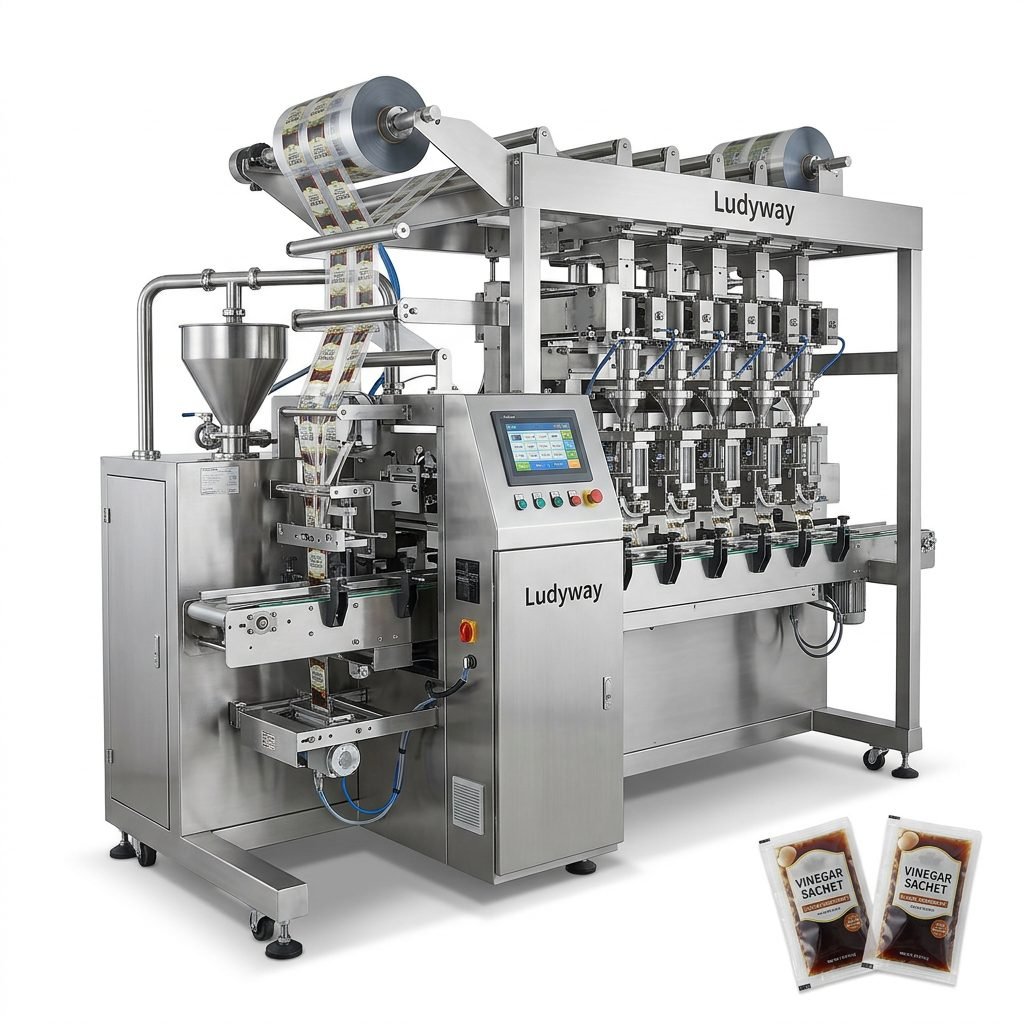
3. Stick Pack and Multi-Lane Sachet Systems
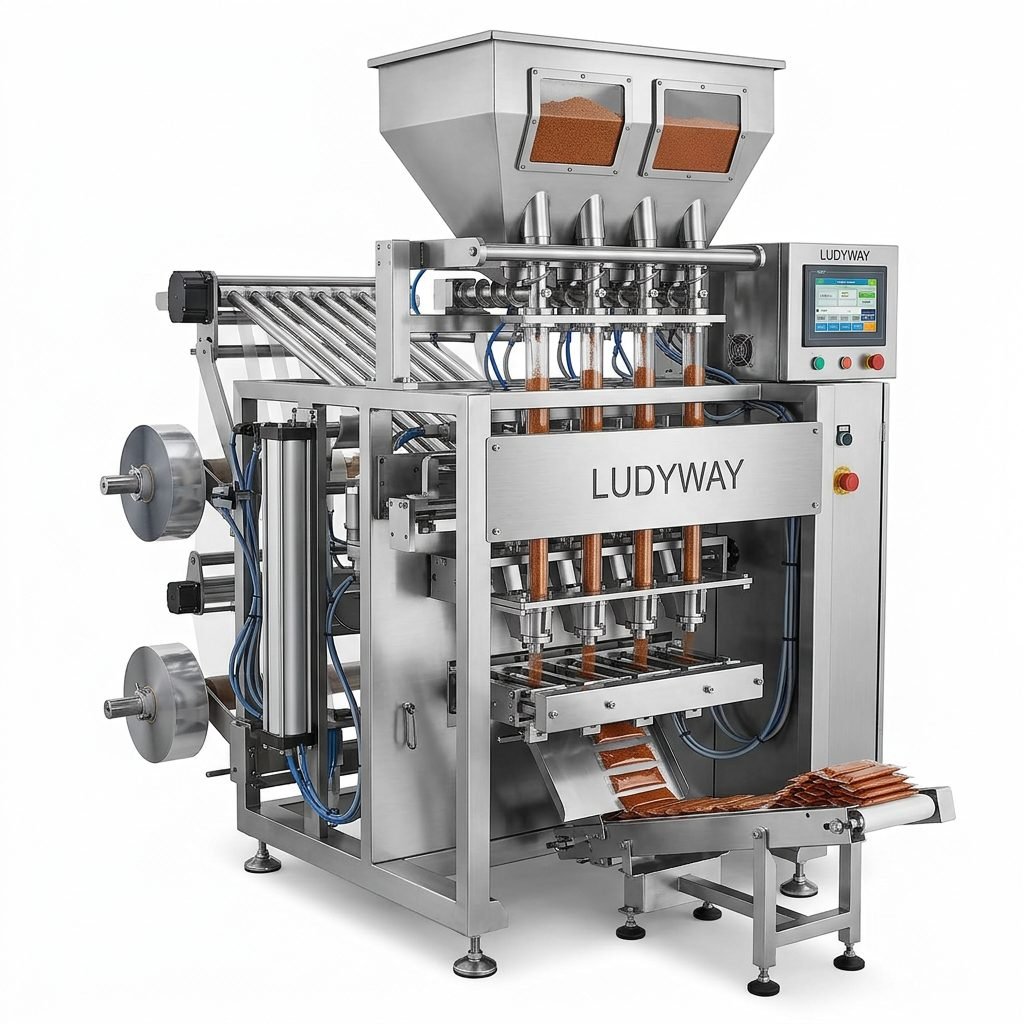
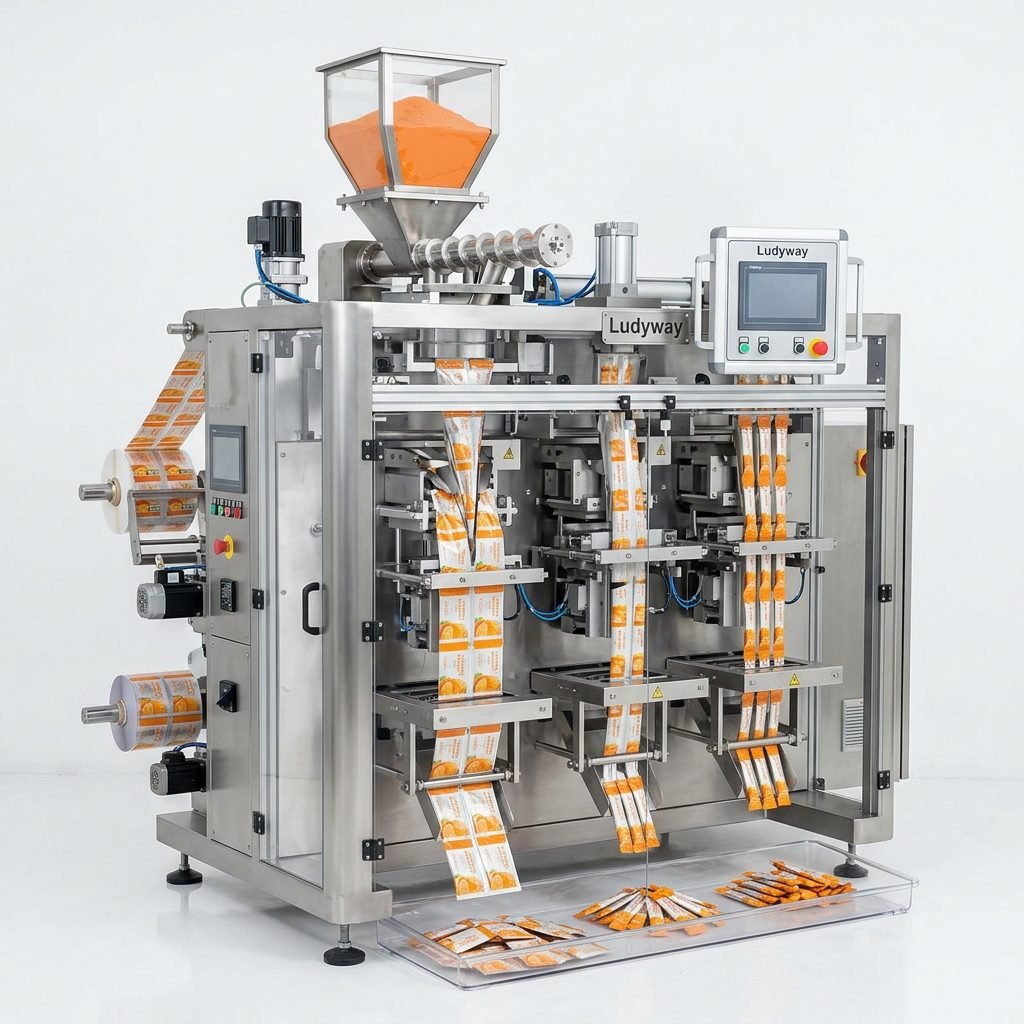
For single-serve convenience—a growing trend in both foodservice and retail—stick pack and multi-lane sachet machines offer unparalleled speed and efficiency. These systems can package dozens of portions per minute, perfect for coffee creamers, drink mixes, sugar, or pharmaceutical powders. Their compact, portion-controlled output aligns perfectly with on-the-go Southern lifestyles.
Did You Know?
Many leading packaging machinery providers, such as Ludyway Machinery, offer turnkey production line solutions. This means they don’t just supply a machine; they integrate filling, capping, labeling, and cartoning systems into a seamless, automated line, significantly boosting overall plant efficiency.
Robust Packaging for Industrial Applications
Industrial packaging needs are defined by durability, safety, and often, the ability to handle challenging materials. Solutions here are engineered for strength and reliability.
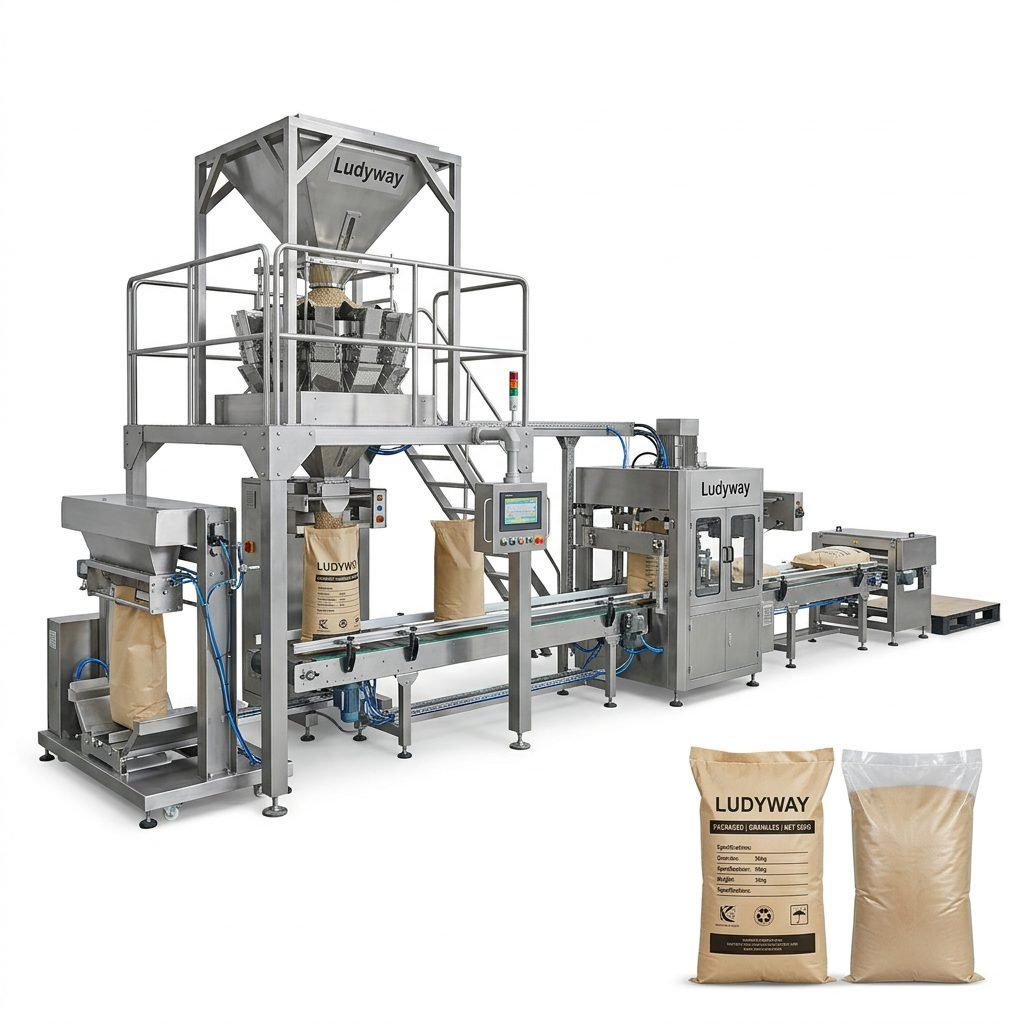
1. Heavy-Duty Bagging and Pouch Packaging
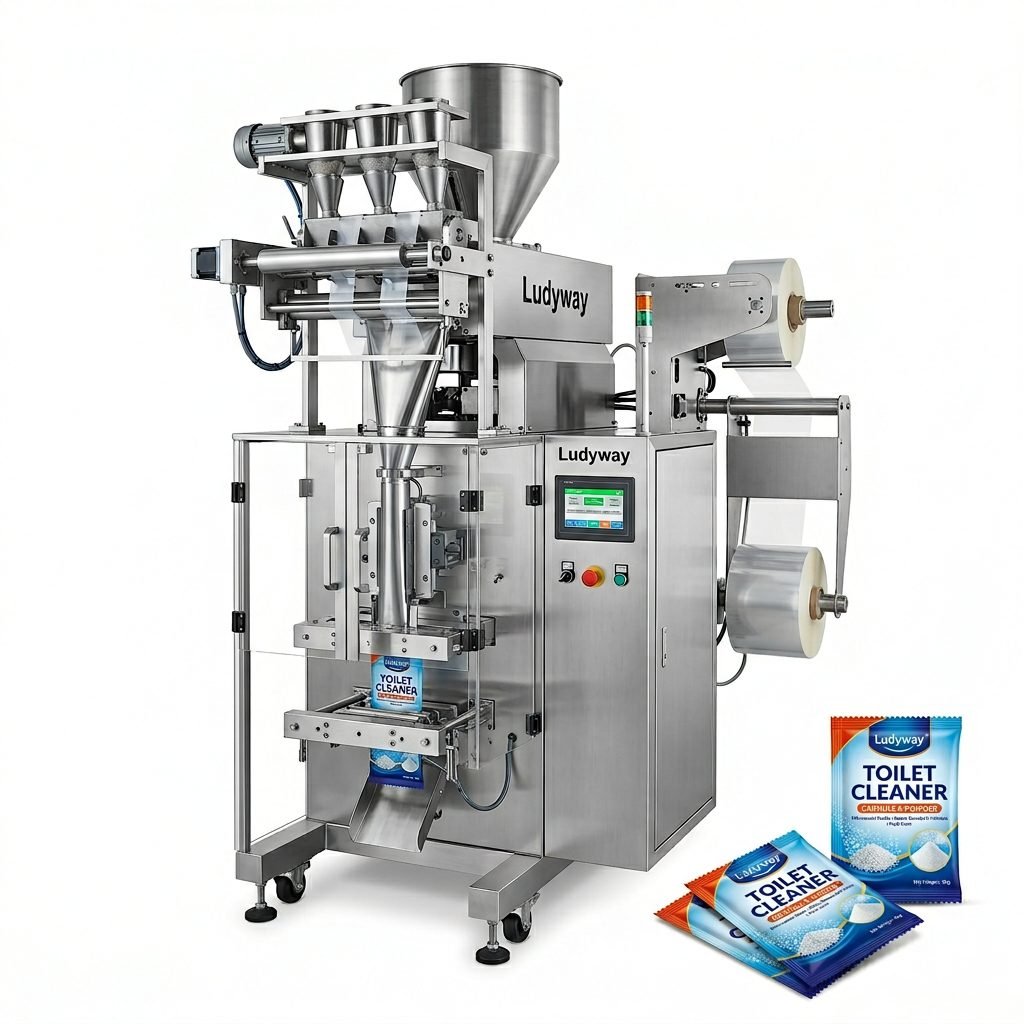
For products like fertilizer, cement additives, or metal parts, heavy-duty vertical form-fill-seal machines use reinforced films to create strong, stable bags. These systems often include features like dust extraction, de-aeration (removing air from powdered products), and check-weighers to ensure every bag meets precise weight regulations.
2. Bulk Container & Drum Filling
Industrial chemicals, oils, and food ingredients often ship in large containers. Automated drum and IBC (Intermediate Bulk Container) filling stations provide precise, safe, and efficient filling, minimizing exposure to hazardous materials and reducing manual labor. These systems are critical for maintaining workplace safety and regulatory compliance.
Investing in the right machinery goes beyond the initial purchase. It’s about forming a partnership with a supplier who understands your long-term operational goals. A provider with deep industry experience, like the team behind Ludyway Packaging Machinery, brings invaluable expertise. They can recommend the optimal machine configuration, provide comprehensive training, and ensure access to genuine spare parts and responsive technical support, maximizing your return on investment and minimizing lifecycle costs.
Driving Sustainability Through Smart Packaging
Efficiency today also means environmental responsibility. Modern high-efficiency packaging machinery contributes to sustainability goals in several ways:
- Material Reduction: Precise dosing and advanced sealing technologies minimize film and material waste.
- Energy Efficiency: Newer servo-driven motors consume less power than traditional mechanical drives.
- Product Integrity: Superior seals and packaging reduce product spoilage and waste in the supply chain.
By choosing machinery designed for material optimization and lower energy consumption, Southern manufacturers can enhance their brand’s environmental profile while improving their bottom line.
Conclusion: The Competitive Edge of Tailored Efficiency
For food, beverage, and industrial producers across the South, high-efficiency packaging machinery is a strategic asset. It’s the key to meeting the region’s specific production rhythms, quality expectations, and market demands. From preserving the flavor and freshness of local food specialties to ensuring the safe handling of industrial goods, the right packaging solution enhances productivity, ensures consistency, and builds brand trust. By partnering with experienced providers who offer reliable equipment and full project support, manufacturers can secure a durable competitive advantage in an ever-evolving marketplace.
Frequently Asked Questions (FAQs)
1. What types of products are best suited for vertical form-fill-seal (VFFS) machines?
VFFS machines are incredibly versatile and are ideal for packaging free-flowing granular products (like coffee, rice, nuts), powders (spices, protein powder, detergent), and certain liquids and pastes (sauces, lubricants) into bags, pouches, or pillow packs.
2. How can packaging machinery improve our production line’s overall efficiency (OEE)?
High-efficiency machinery improves OEE by increasing speed (Performance), reducing changeover times and unplanned stoppages (Availability), and enhancing accuracy to minimize product giveaway and rework (Quality). Automated systems also reduce reliance on manual labor.
3. We produce small batches of multiple products. Is automated packaging feasible for us?
Yes. Many modern machines feature quick-changeover systems, with recipe storage that allows operators to switch between product packaging formats, sizes, and weights in minutes, making short runs economical and efficient.
4. What should we look for in a packaging machinery supplier?
Prioritize suppliers with proven experience in your specific industry, a strong track record of reliability, availability of local technical support and spare parts, and the ability to provide comprehensive training and after-sales service.
5. Can these machines handle sustainable or biodegradable packaging films?
Many contemporary machines can be adapted to run monomaterials and biodegradable films. It is crucial to discuss your specific film specifications with the machinery provider during the selection process to ensure compatibility with sealing jaws and film handling systems.