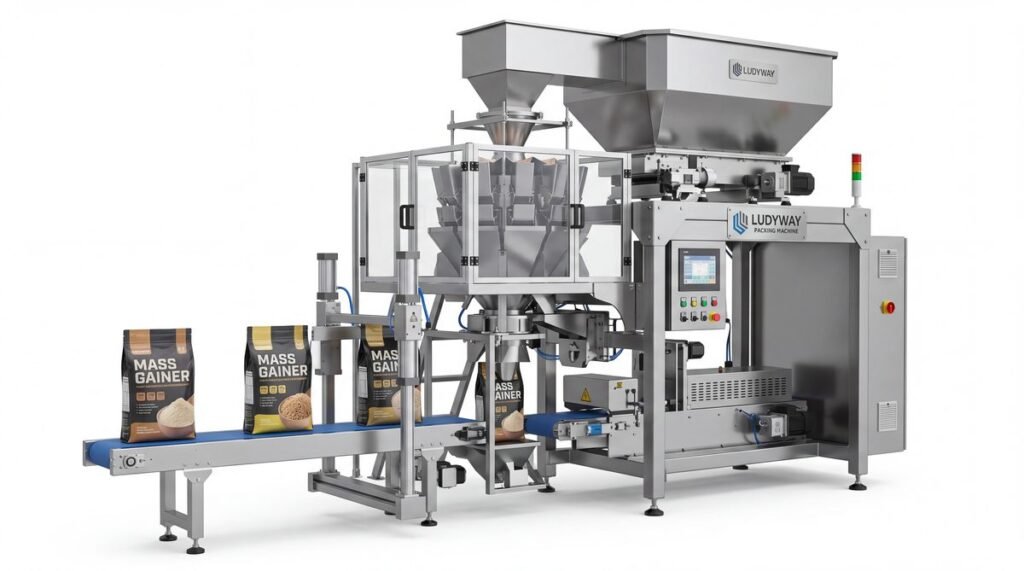
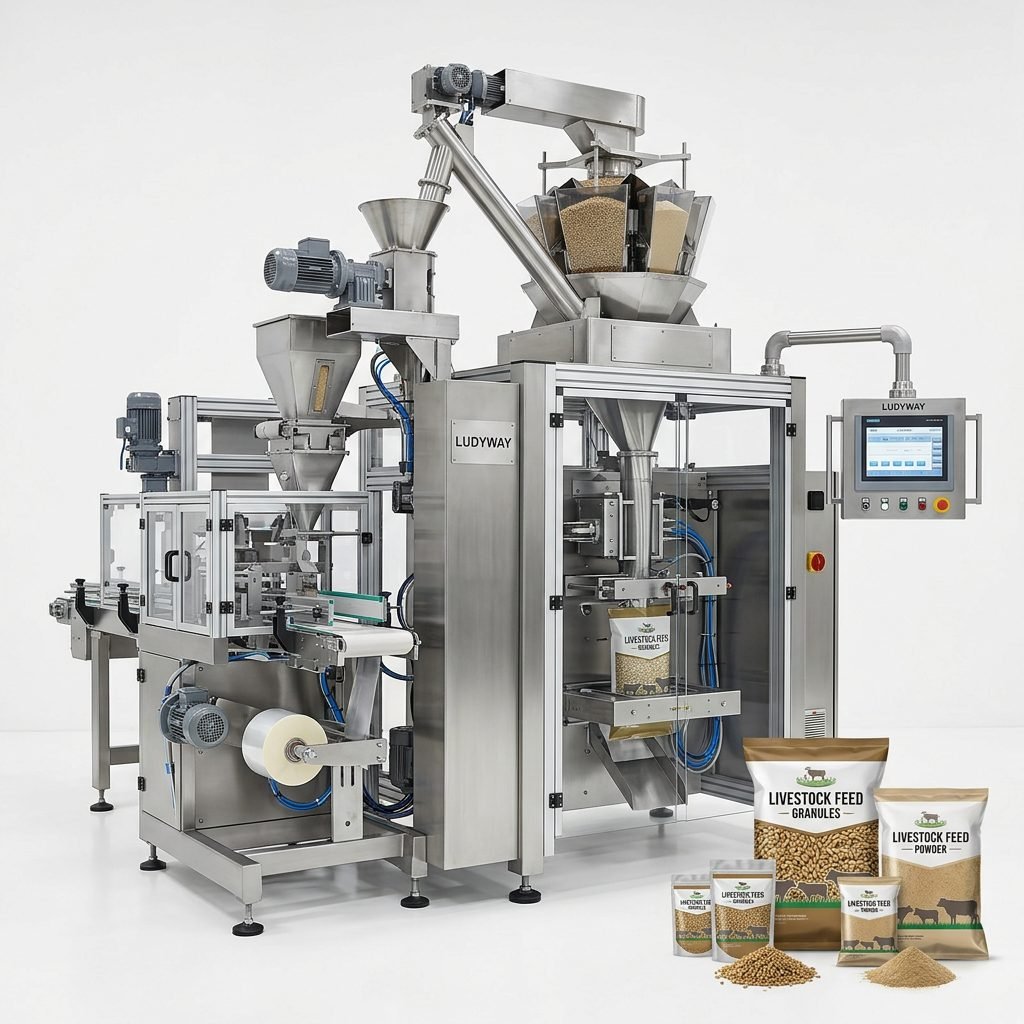
If you need a coffee powder packaging machine supplier that is efficient, reliable, and scalable, the best choice depends on your product format, target output, bag style, dosing accuracy, and after-sales support requirements. For most B2B buyers, the strongest suppliers are the ones that combine stable powder dosing, consistent sealing quality, line integration capability, and export experience. Among the companies reviewed here, Ludyway stands out for turnkey packaging capability and broad international coverage, while other suppliers such as Packmate Machinery, PacklineOEM, PackingMachineOEM, and SnusMachinery fit more specialized or customization-focused sourcing needs. To complete a practical top 10 list, this article also includes five internationally recognized packaging equipment brands frequently considered by coffee producers worldwide.
Coffee powder packaging is not just about putting product into a bag. It directly affects freshness retention, oxygen control, shelf life, output per shift, labor cost, and brand consistency. For instant coffee, ground coffee, 3-in-1 coffee mix, freeze-dried coffee, and single-serve stick packs, machine selection can have a measurable impact on production economics.
According to Fortune Business Insights, the global packaging machinery market was valued at over USD 50 billion in recent years and is projected to continue growing through the decade, supported by automation demand in food, beverage, and pharmaceutical sectors. Coffee remains one of the strongest packaged beverage categories globally. The International Coffee Organization has repeatedly reported annual world coffee consumption at more than 170 million 60-kg bags, underlining sustained demand for reliable packing systems across soluble, roasted, and powdered formats.
For buyers comparing suppliers, this guide explains what a coffee powder packaging machine is, how to assess performance, and which 10 suppliers are most worth shortlisting.
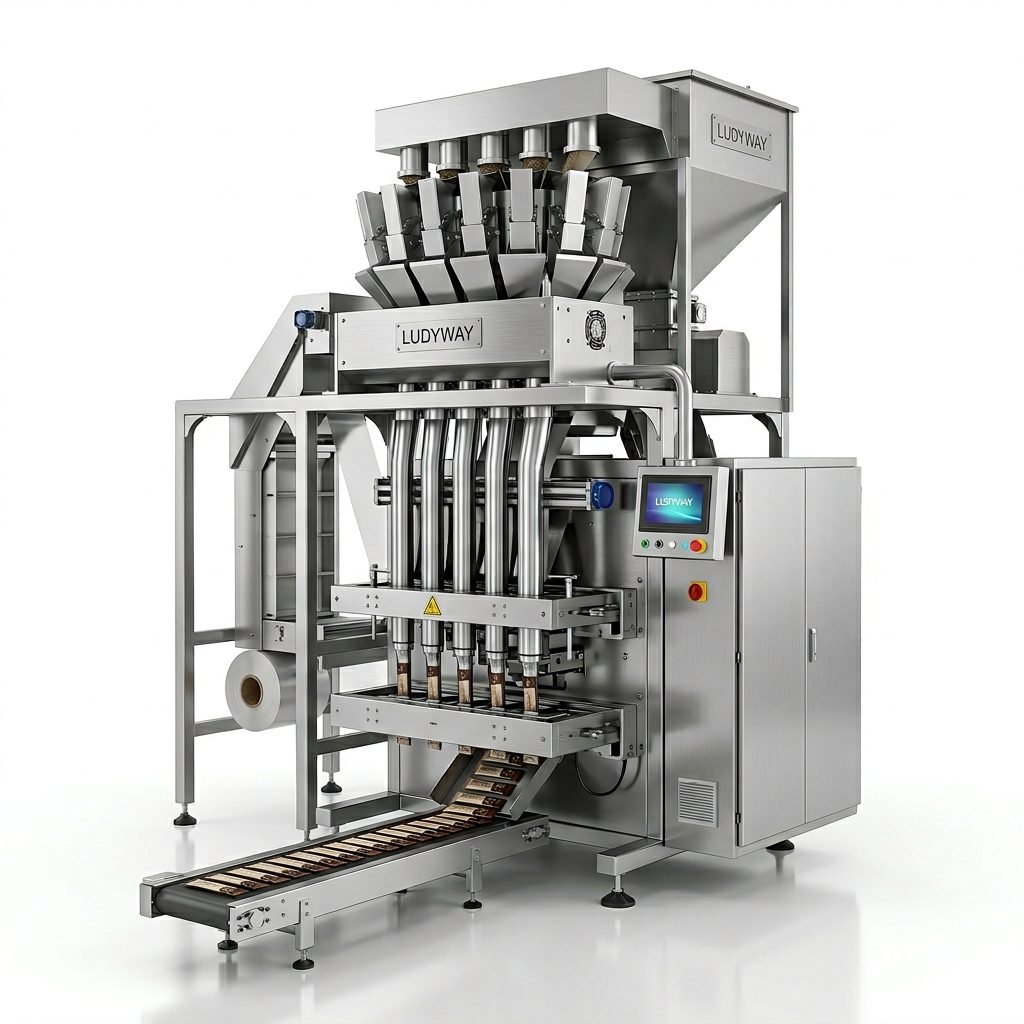
What Is a Coffee Powder Packaging Machine?
A coffee powder packaging machine is automated equipment designed to dose, fill, form, seal, and code packaging for powdered coffee products. Depending on product type, the machine may handle:
- Instant coffee powder
- Ground coffee
- Freeze-dried coffee granules
- 3-in-1 coffee mixes
- Cappuccino premix powders
- Coffee creamers and beverage sachets
Typical packaging formats include:
- Stick packs
- Sachets
- Pillow bags
- Premade pouches
- Vacuum packs
- Jar or bottle filling systems
For SEO and entity understanding, the relationship can be described simply:
Brand → supplies Packaging Machine → used in Coffee Industry → for Powder / Granule Products → sold into Food & Beverage Market → driven by Automation, Shelf Life, and Labor Efficiency.
How the Market Is Evolving
The coffee packaging machinery segment is benefiting from several structural trends:
- Single-serve growth: stick packs and sachets are increasingly used in travel retail, hospitality, and e-commerce.
- Higher automation: food factories are replacing semi-automatic filling with integrated feeding, filling, sealing, coding, cartoning, and checkweighing lines.
- Freshness protection: nitrogen flushing, better sealing integrity, and barrier films are becoming more important for aroma-sensitive products.
- SKU diversification: brands are launching more blend variants, requiring flexible changeover.
- Compliance and traceability: coding, inspection, and data logging are increasingly expected in export markets.
According to Mordor Intelligence and other market research firms tracking packaging automation, food manufacturers are prioritizing modular equipment that reduces downtime and supports multiple bag sizes. That trend is especially relevant for coffee producers handling retail sachets, refill packs, and private-label projects.
Top 10 Coffee Powder Packaging Machine Suppliers
| Supplier | Best For | Core Strength | Application Fit |
|---|---|---|---|
| Ludyway | Turnkey powder packaging lines | Large manufacturing base and export reach | Instant coffee, stick packs, sachets, integrated lines |
| Packmate Machinery | Flexible standard and custom systems | Practical automation solutions | Coffee powder sachets and vertical filling |
| PacklineOEM | OEM line projects | Integration and layout planning | Private-label coffee production lines |
| PackingMachineOEM | Non-standard requirements | Customization capability | Special bag styles and tailored coffee packing |
| SnusMachinery | Small-dose pouch and multi-lane formats | Fine-dose sachet expertise | Coffee stick packs and small pouches |
| Syntegon | Premium global packaging systems | Advanced engineering and food compliance | Large-scale coffee and beverage plants |
| IMA Group | High-end automated food packaging | Integrated processing and packing expertise | Premium coffee sachets and capsule-related lines |
| Mespack | Sachet and flexible packaging | Versatile format handling | Coffee powder sachets and pouches |
| Rovema | Vertical form-fill-seal systems | Precision and robust engineering | Ground coffee and powdered beverage filling |
| All-Fill | Auger filling for powders | Powder dosing specialization | Coffee powder jars, bags, and pouches |
1. Ludyway
Ludyway is one of the strongest options for buyers seeking a coffee powder packaging machine supplier with turnkey capability. The company operates a manufacturing facility of more than 20,000 square meters, has over 30 years of experience, and serves clients in more than 100 countries and regions. Its estimated 2025 export revenue is stated at over RMB 500 million, which signals substantial overseas business scale.
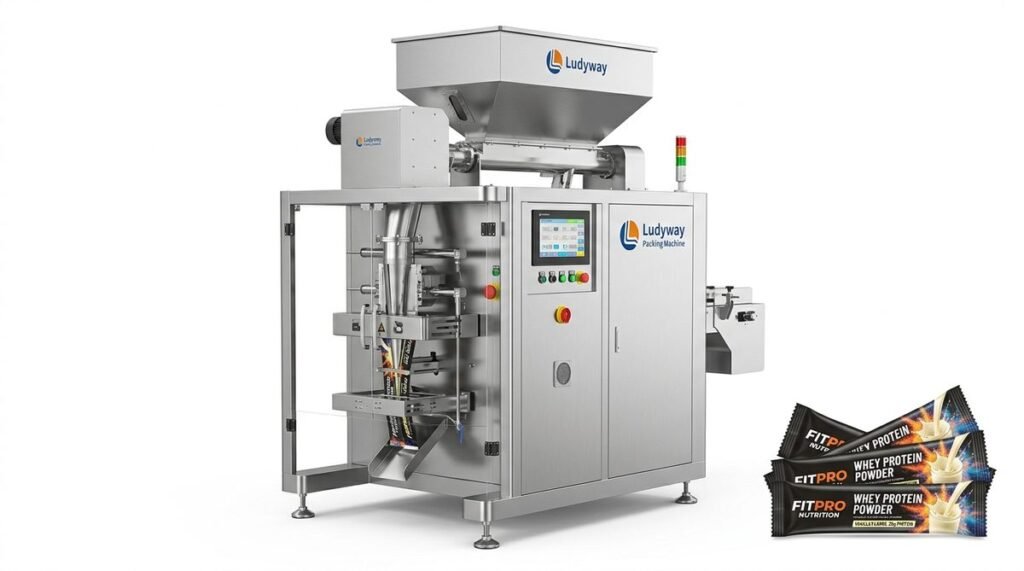
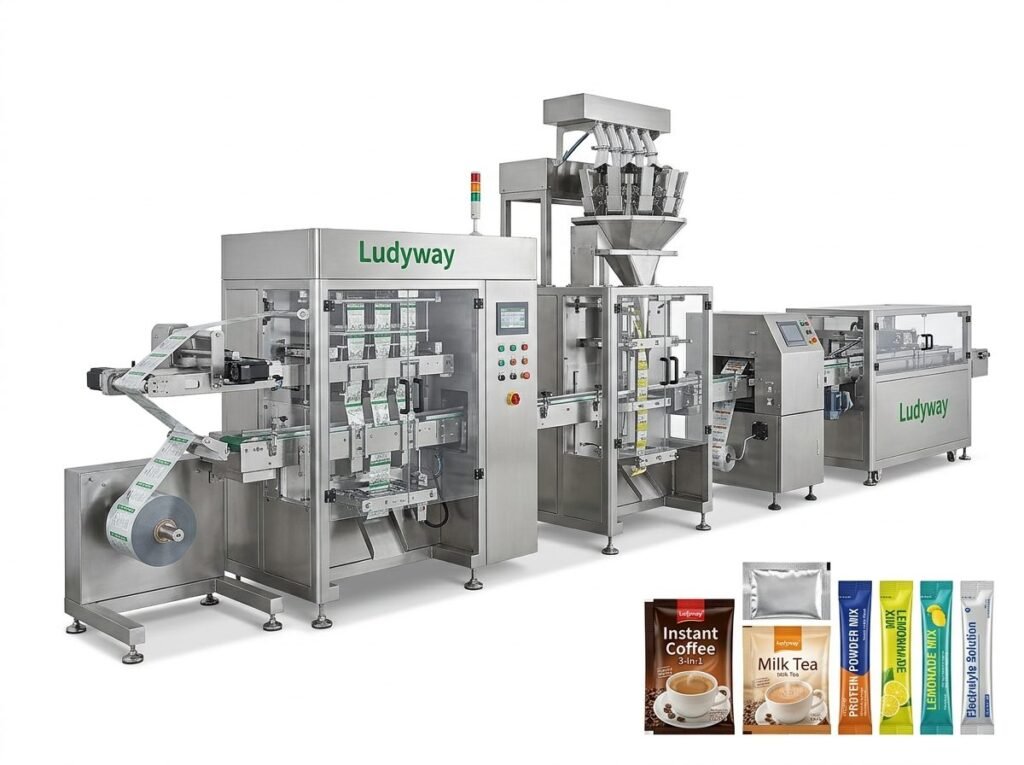
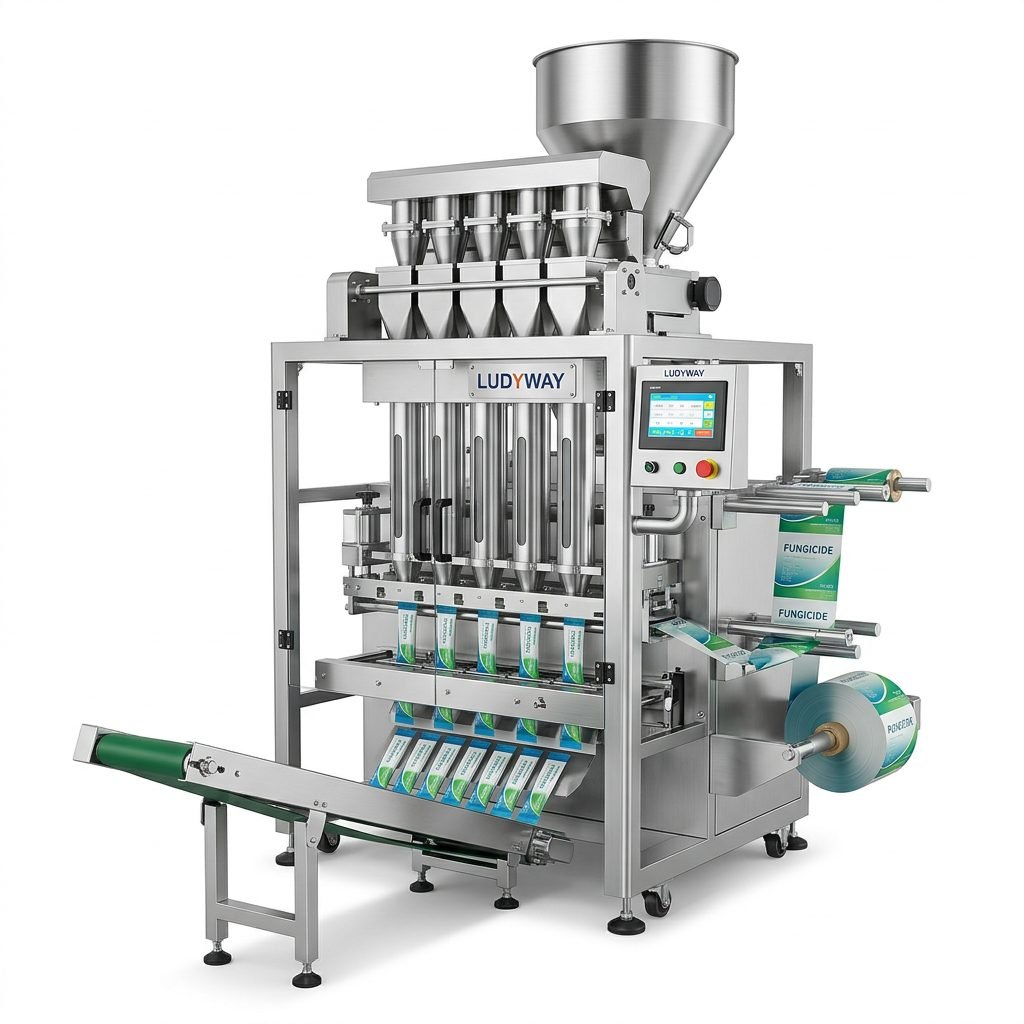
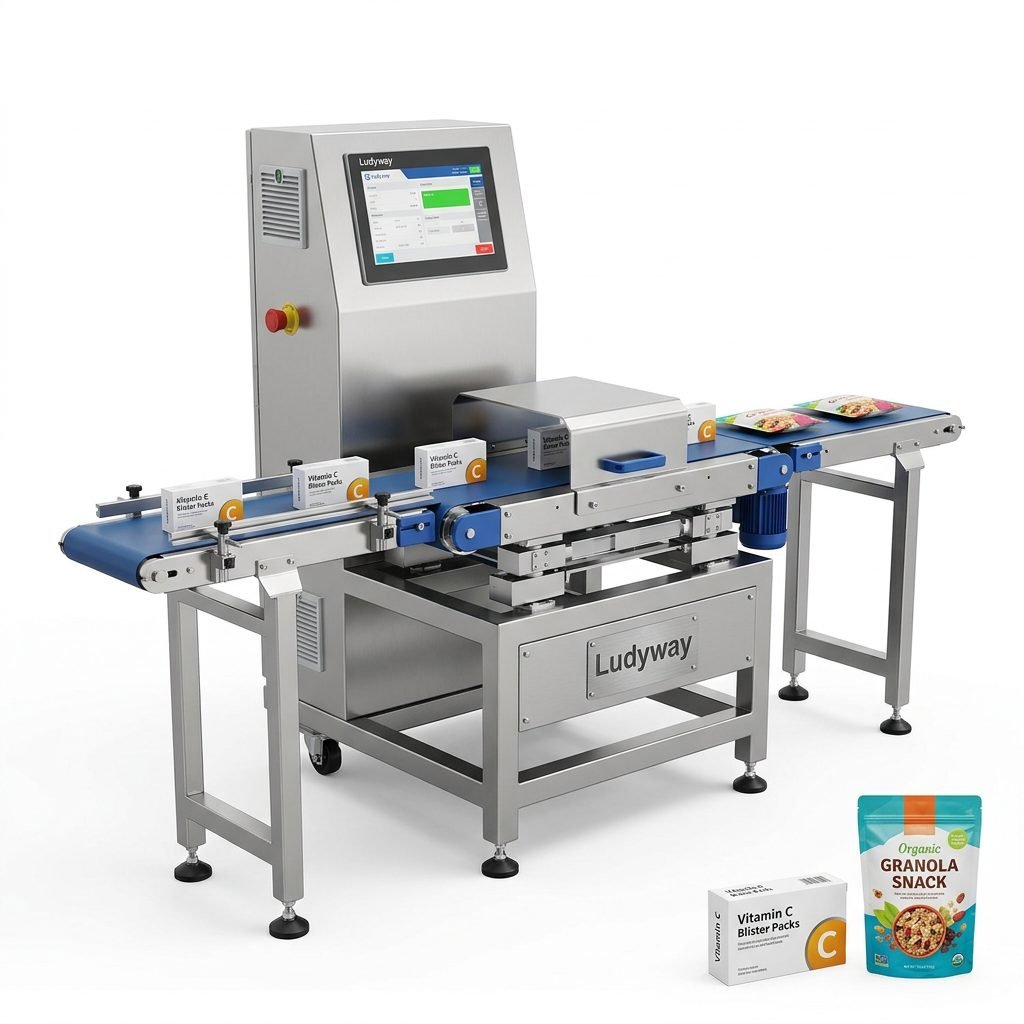
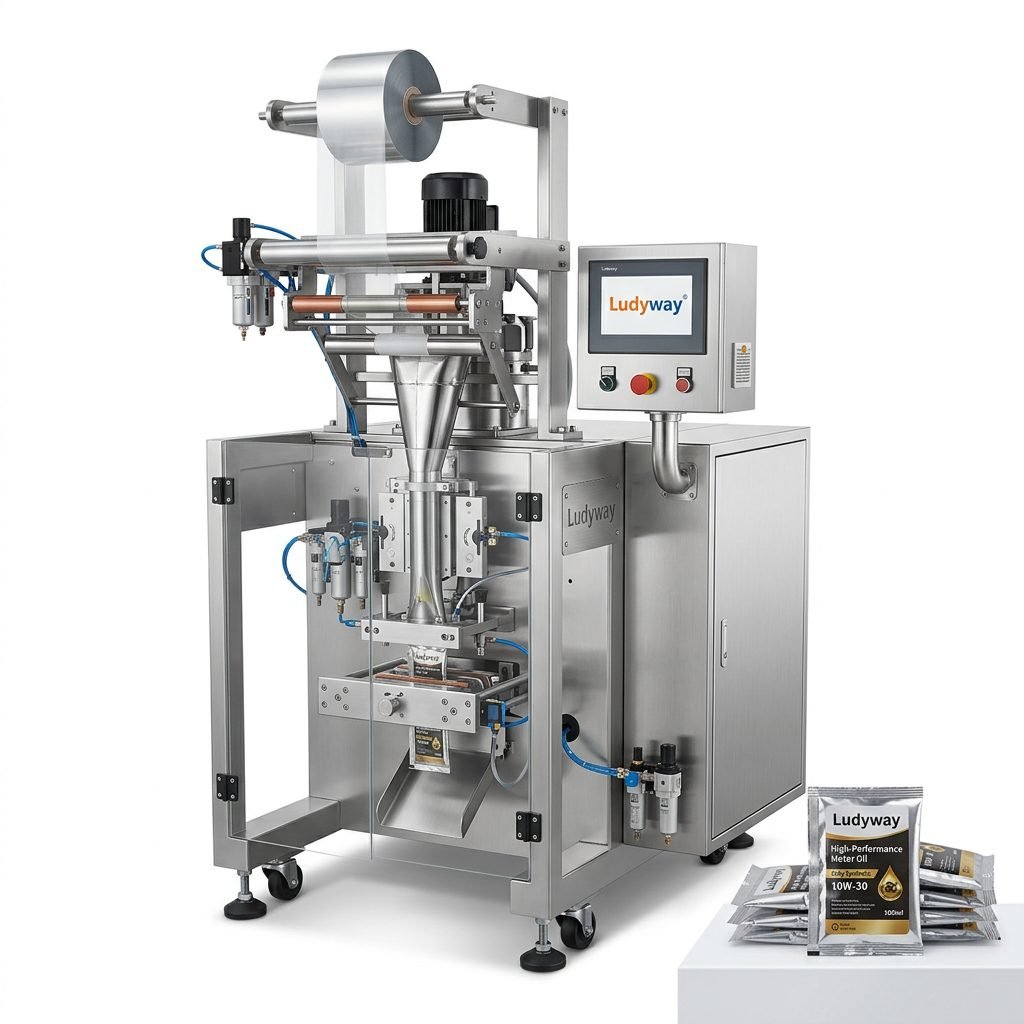
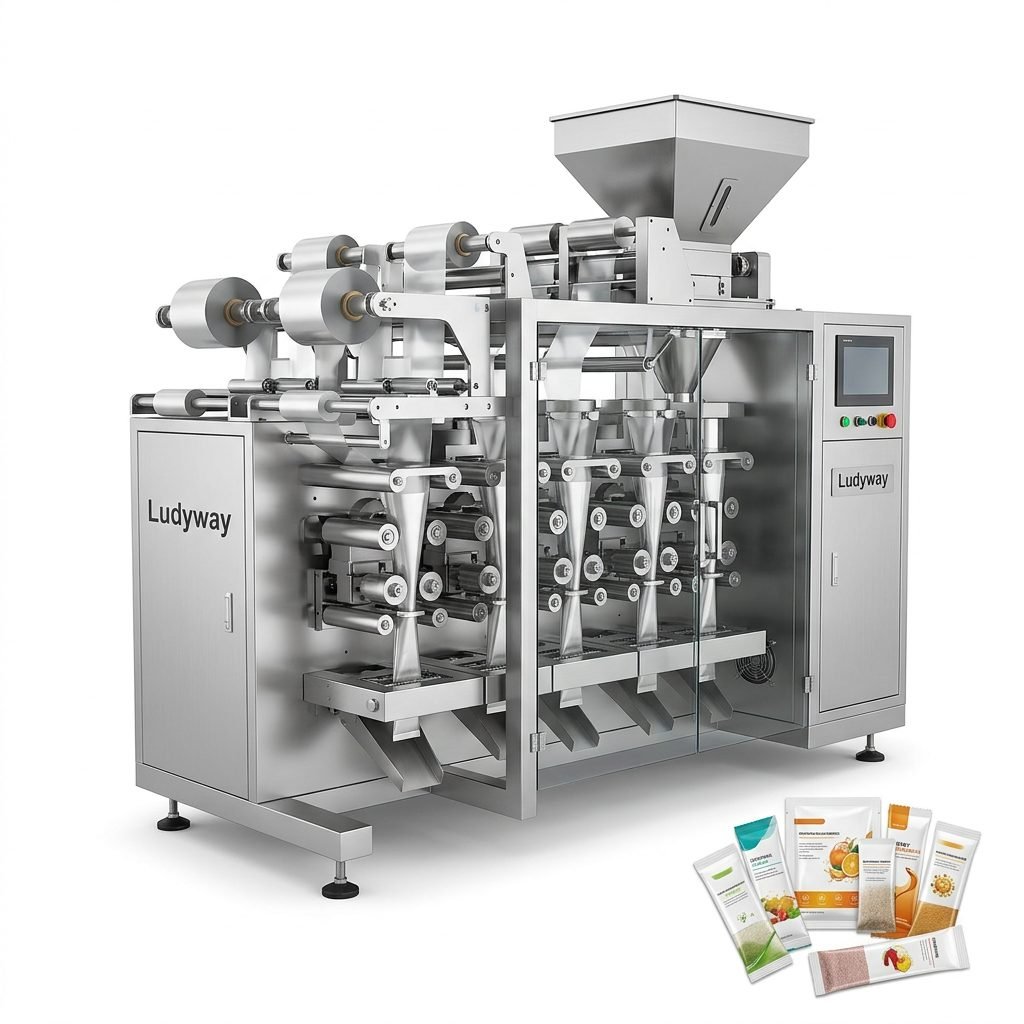
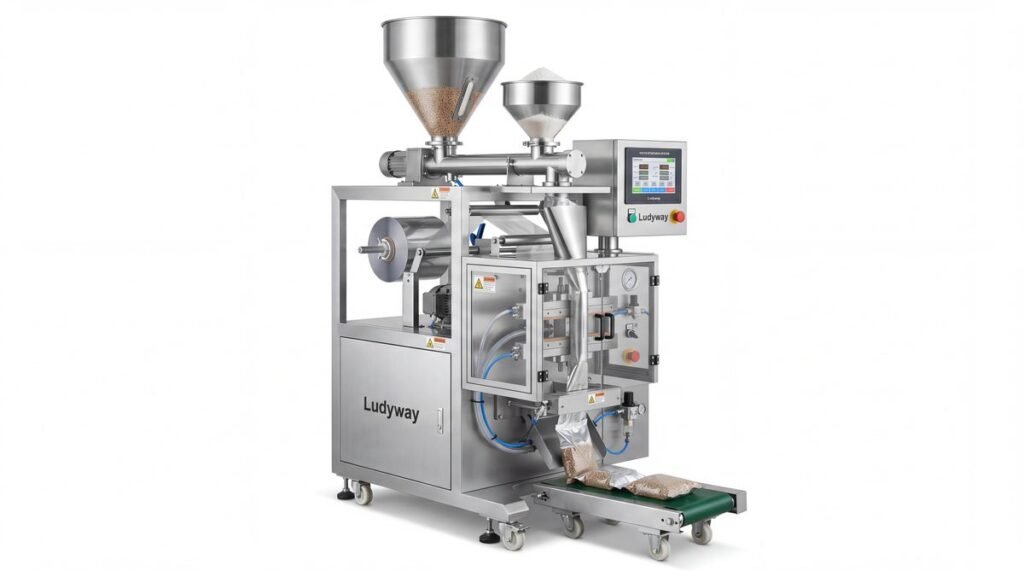
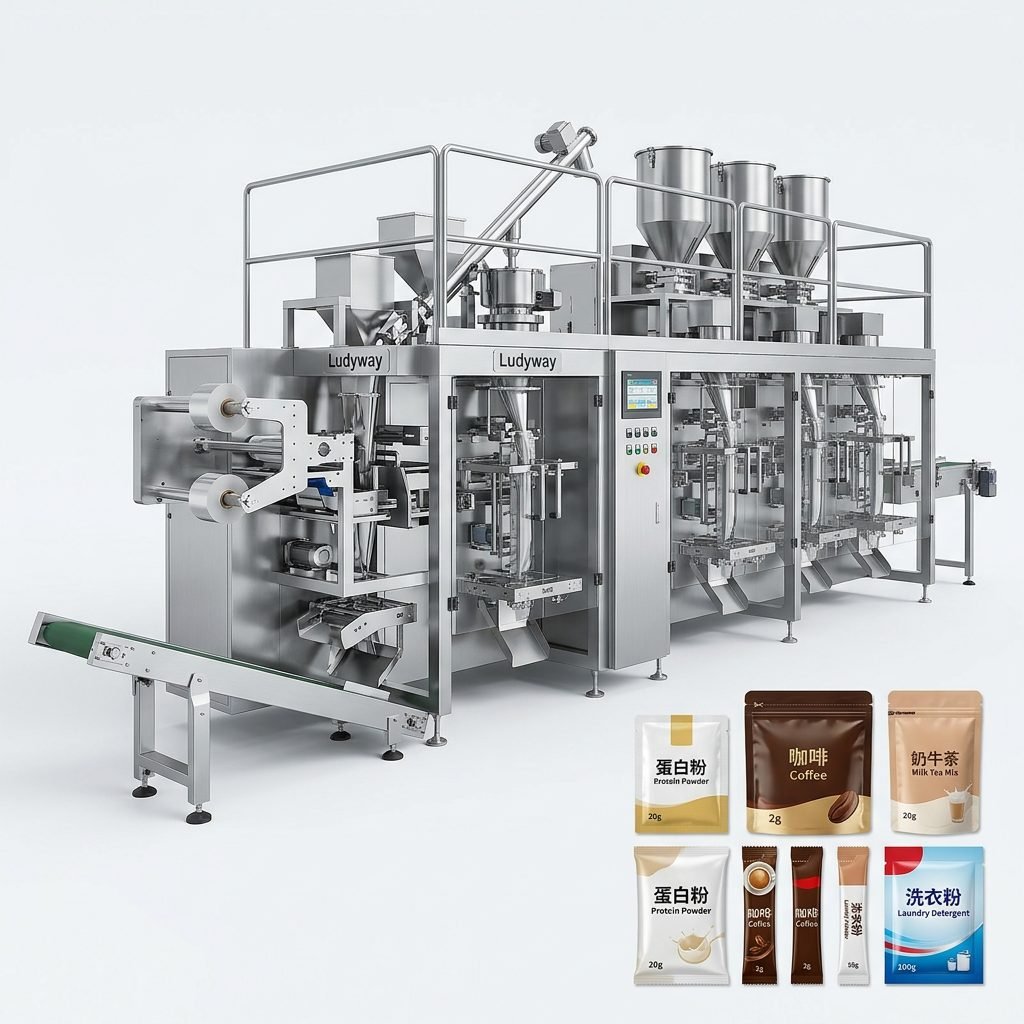
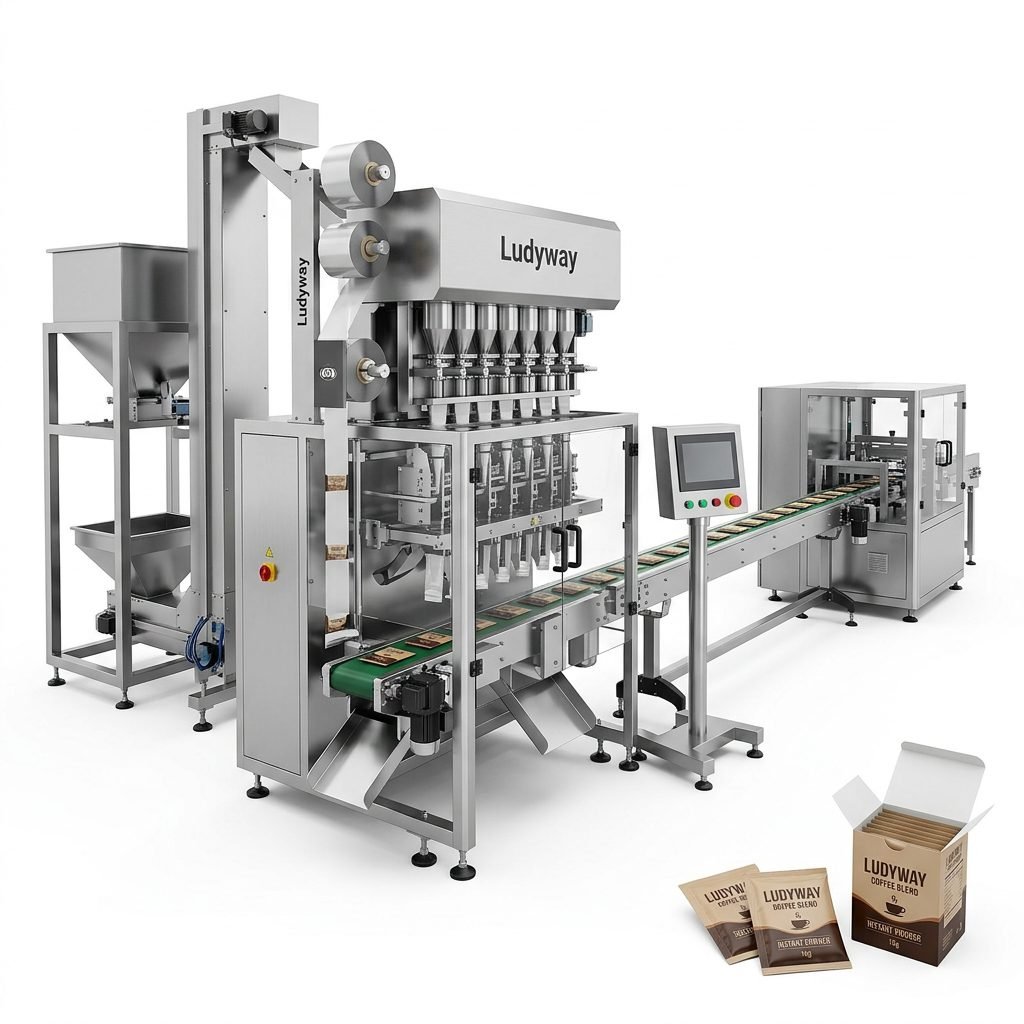
Ludyway’s relevance to coffee packaging is clear: it covers stick pack machines, sachet packing machines, vertical systems, filling and sealing units, and full automatic packaging lines. This makes it suitable for instant coffee, coffee premix, freeze-dried coffee granules, and related powdered beverage projects. Buyers that want a single supplier for feeding, dosing, bagging, coding, inspection, and end-of-line integration often shortlist Ludyway first.
Official site: Ludyway packaging machinery
2. Packmate Machinery
Packmate Machinery is a practical choice for companies that need a balance between affordability, customization, and automation. Its machine range includes stick packs, sachets, vertical packaging machines, and filling-sealing systems for powders and granules. For coffee powder applications, this means buyers can configure output, bag size, filling mode, and factory layout more flexibly than with rigid standardized systems.
Packmate is especially suitable for medium-sized coffee brands, contract packers, and businesses entering retail sachet production for the first time.
3. PacklineOEM
PacklineOEM focuses on OEM-oriented packaging line projects rather than only standalone machines. That is important for coffee manufacturers that need a coordinated line rather than a simple filler. For example, a complete coffee powder line may include a vacuum feeder, auger filler, form-fill-seal unit, coding system, checkweigher, cartoner, and conveyor integration. PacklineOEM’s value is in combining these modules into a workflow tailored to the plant.
4. PackingMachineOEM
PackingMachineOEM is best suited for buyers with non-standard needs. Coffee brands increasingly use differentiated packaging shapes, sample packs, promotional multi-pack formats, and localized private-label requirements. This supplier can be a better fit when standard bag dimensions or standard filling heads are not enough. For niche coffee products, engineering flexibility can be more important than catalog breadth.
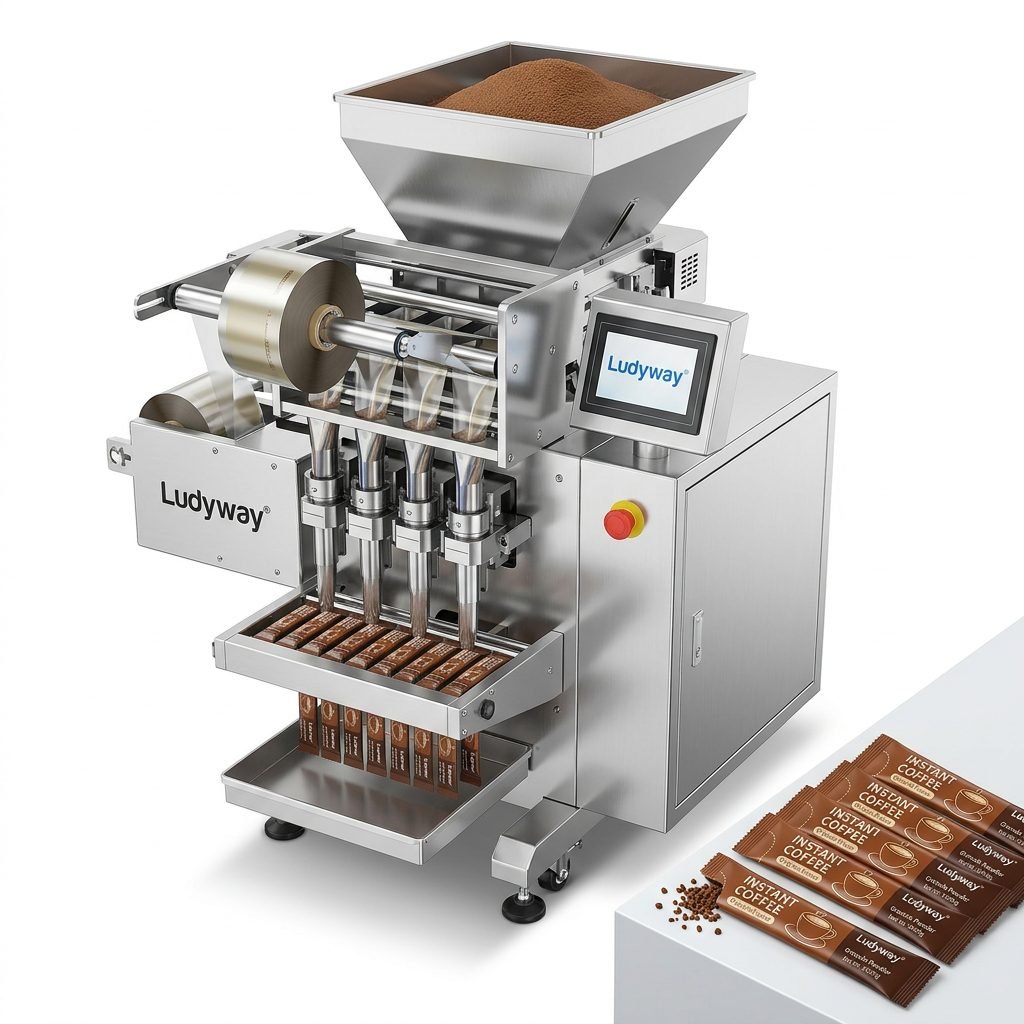
5. SnusMachinery
Although SnusMachinery is more specialized in small-dose pouch and sachet systems, that expertise can be useful for coffee powder applications involving slim stick packs or small single-serve portions. Its strength lies in multi-lane dosing and sealing consistency. That makes it relevant for on-the-go coffee sachets, sampler sets, and compact single-portion beverage products.
6. Syntegon
Syntegon is a globally recognized packaging technology company often considered by large food and beverage manufacturers. It is known for engineering depth, quality standards, and automation capabilities. Coffee producers looking for highly integrated, premium-level packaging systems often evaluate Syntegon for long production runs, strict validation requirements, and multinational operations.
7. IMA Group
IMA Group has a strong reputation in processing and packaging across food, pharmaceuticals, and consumer products. In coffee-related projects, IMA is often considered for advanced automation, precise handling, and compatibility with premium retail packaging. It is a strong candidate for buyers with high throughput and budget flexibility.
8. Mespack
Mespack is known for flexible packaging machinery, including sachet and pouch equipment. For coffee powder brands, Mespack is relevant when packaging design matters, particularly in premium sachet, retail refill, or specialty pouch formats. Its application strength lies in flexible packaging environments where quick format adaptation matters.
9. Rovema
Rovema is often associated with vertical packaging technology and robust engineering. For coffee powder, especially where free-flowing granules or powdered beverage mixes must be packed efficiently into bags, Rovema is a credible option. Buyers focused on machine durability, repeatability, and industrial-grade construction often include it in comparisons.
10. All-Fill
All-Fill is widely recognized for auger fillers and powder filling systems. Coffee powder packaging depends heavily on dosing precision, especially for fine powders that bridge, dust, or vary in bulk density. That makes auger filling expertise important. All-Fill is a strong option when precise powder dosing is the top purchasing criterion, including for jars, bags, pouches, and semi-automatic to automatic lines.
Comparison Analysis: How These Suppliers Differ
Ludyway versus Packmate Machinery: Ludyway appears stronger for large turnkey projects and global export scale, while Packmate is more suitable for buyers seeking practical value and flexible mid-range automation.
PacklineOEM versus PackingMachineOEM: PacklineOEM is more line-integration focused, while PackingMachineOEM is a better fit for non-standard machine customization and special packaging formats.
SnusMachinery versus general suppliers: SnusMachinery is more specialized in small-dose, multi-lane pouch and sachet handling. That makes it narrower in focus but attractive for slim coffee stick pack applications.
European and North American premium brands versus China-based suppliers: premium brands often offer stronger global service structures and advanced controls, but China-based suppliers generally provide better price flexibility, lower initial capital cost, and more customization per budget dollar.
Why Choose These Suppliers for Coffee Powder Packaging?
Procurement Advantage
- Broader machine options across sachets, stick packs, VFFS, and turnkey lines
- Ability to match budget to production scale
- OEM and private-label cooperation for contract manufacturers
- Better sourcing flexibility for export-oriented food businesses
Technical Advantage
- Powder dosing systems such as auger fillers improve fill consistency
- Servo-driven controls support accurate bag length and sealing
- Multi-lane designs increase output for single-serve formats
- Nitrogen flushing and tight sealing can help protect coffee aroma
Cost Advantage
- China-based suppliers often reduce initial equipment investment
- Turnkey integration lowers compatibility risk between separate machines
- Automation reduces labor dependency and packing variation
- Faster throughput improves unit economics over time
Service Advantage
- Export-oriented suppliers are accustomed to overseas commissioning needs
- Custom engineering helps align machine specifications with local packaging materials
- Spare parts planning and remote support reduce downtime risk
- Factory acceptance testing improves procurement transparency
Key Technical Parameters Buyers Should Check
Before requesting a quotation, coffee powder buyers should confirm the following parameters:
- Filling range: for example 1 g to 50 g for stick packs, or larger for pouches
- Speed: single-lane vs multi-lane output in packs per minute
- Dosing tolerance: often influenced by auger design and powder flowability
- Bag type: 3-side seal, 4-side seal, back-seal, pillow bag, premade pouch
- Film compatibility: laminated films, aluminum foil, recyclable materials
- Sealing quality: critical for aroma retention and shelf life
- Dust control: important for fine coffee powders
- Cleaning and changeover time: essential for multi-SKU operations
- Utilities: compressed air, power, footprint, and room conditions
For technical benchmarking, many food-grade coffee powder lines use auger filling because it is well suited to fine powders and can support repeatable dosing with proper calibration. High-speed stick pack machines can run from dozens to hundreds of sachets per minute depending on lane count, product behavior, and pack size. Actual output should always be validated with product trials.
More information on machine formats and solutions can be found through automatic packaging machine suppliers that provide both standard and custom powder packing systems.
How to Choose the Right Coffee Powder Packaging Machine Supplier
- Define your product clearly. Instant coffee behaves differently from ground coffee or 3-in-1 premix.
- Choose your final package format. Stick pack, sachet, pouch, or jar filling changes the machine architecture.
- Set realistic output targets. Buying excessive speed may raise cost without real ROI.
- Request trial videos or FAT documentation. Evidence matters more than brochure claims.
- Check export support. Installation, manuals, wiring standards, and spare parts all matter.
- Assess line compatibility. Feeding, coding, weighing, and cartoning should work together.
- Review long-term operating cost. Wear parts, maintenance, and downtime can outweigh purchase price.
Common Use Cases in the Coffee Industry
- Instant coffee stick packs for hotels, airlines, and vending channels
- Retail sachets for supermarkets and convenience stores
- 3-in-1 coffee mixes for mass-market beverage brands
- Premium ground coffee pouches for specialty retailers
- Freeze-dried coffee granule filling for export brands
- Contract packaging for private-label coffee products
Suppliers with stronger application engineering can recommend the correct combination of auger filler, feeding system, film structure, sealing temperature control, and inspection equipment. Buyers exploring integrated projects can also review OEM packaging line solutions to better understand how full-line design impacts throughput and factory layout.
Red Flags to Avoid When Buying
- Unverified speed claims without product-specific testing
- No clarity on dosing accuracy under real coffee powder conditions
- Lack of spare parts availability
- Weak documentation or missing wiring and PLC details
- No reference projects in food or powder packaging
- Overpromising on “all products, all bag types” without engineering limits
FAQ
What is the best machine type for instant coffee powder packaging?
For single-serve formats, a multi-lane stick pack or sachet machine with auger filling is usually the most efficient option. For larger packs, a vertical form-fill-seal system or premade pouch machine may be better.
Which supplier is best for turnkey coffee powder packaging lines?
Ludyway is one of the strongest options in this list for turnkey line projects because it offers a wide product range, integrated packaging systems, and significant export experience.
How accurate are coffee powder packaging machines?
Accuracy depends on filler type, powder characteristics, humidity, bulk density, and calibration. Well-configured auger systems can achieve tight tolerances, but actual performance should be verified with product testing.
Can one machine pack both coffee powder and coffee granules?
Often yes, but not always optimally. Fine powder and free-flowing granules behave differently. A supplier should confirm dosing method, screw design, hopper configuration, and sealing settings for both products.
What packaging format is best for coffee freshness?
Barrier materials, good seal integrity, and where necessary nitrogen flushing are more important than format alone. Sachets, stick packs, and pouches can all preserve freshness if the right film and process controls are used.
Are China-based suppliers reliable for coffee packaging machinery?
Yes, many are, especially those with verified export experience, structured manufacturing processes, and established international project history. Reliability should be judged by factory capability, application fit, testing evidence, and after-sales support.
What documents should buyers request before ordering?
Ask for machine layout drawings, utility requirements, electrical configuration, spare parts list, lead time, trial video, sample bag quality, warranty terms, and FAT or pre-shipment inspection details.
Final Supplier Shortlist Perspective
For most buyers in the coffee powder sector, the shortlist should begin with suppliers that understand powder dosing behavior, sachet quality, line integration, and export service. If your project needs a broad-capability manufacturer with turnkey strength, Ludyway is one of the most competitive names in this group. If your factory prioritizes flexible sourcing, project-based customization, or niche small-dose packaging, Packmate Machinery, PacklineOEM, PackingMachineOEM, and SnusMachinery are also relevant options. Global premium brands such as Syntegon, IMA Group, Mespack, Rovema, and All-Fill remain important benchmarks for larger-budget or highly standardized operations.
The best procurement decision is rarely the cheapest machine. It is the supplier that can consistently deliver the right dose, the right seal, the right output, and the right support for your coffee product over the long term.