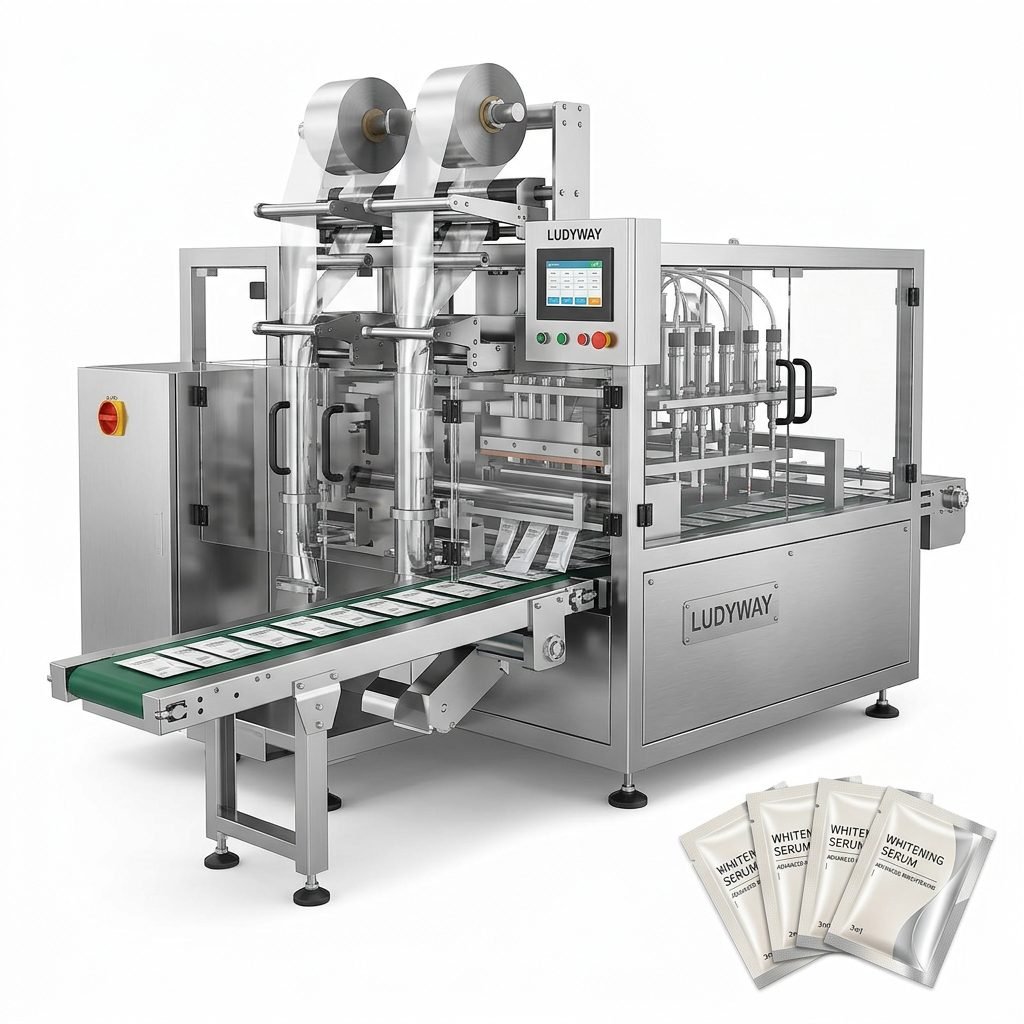
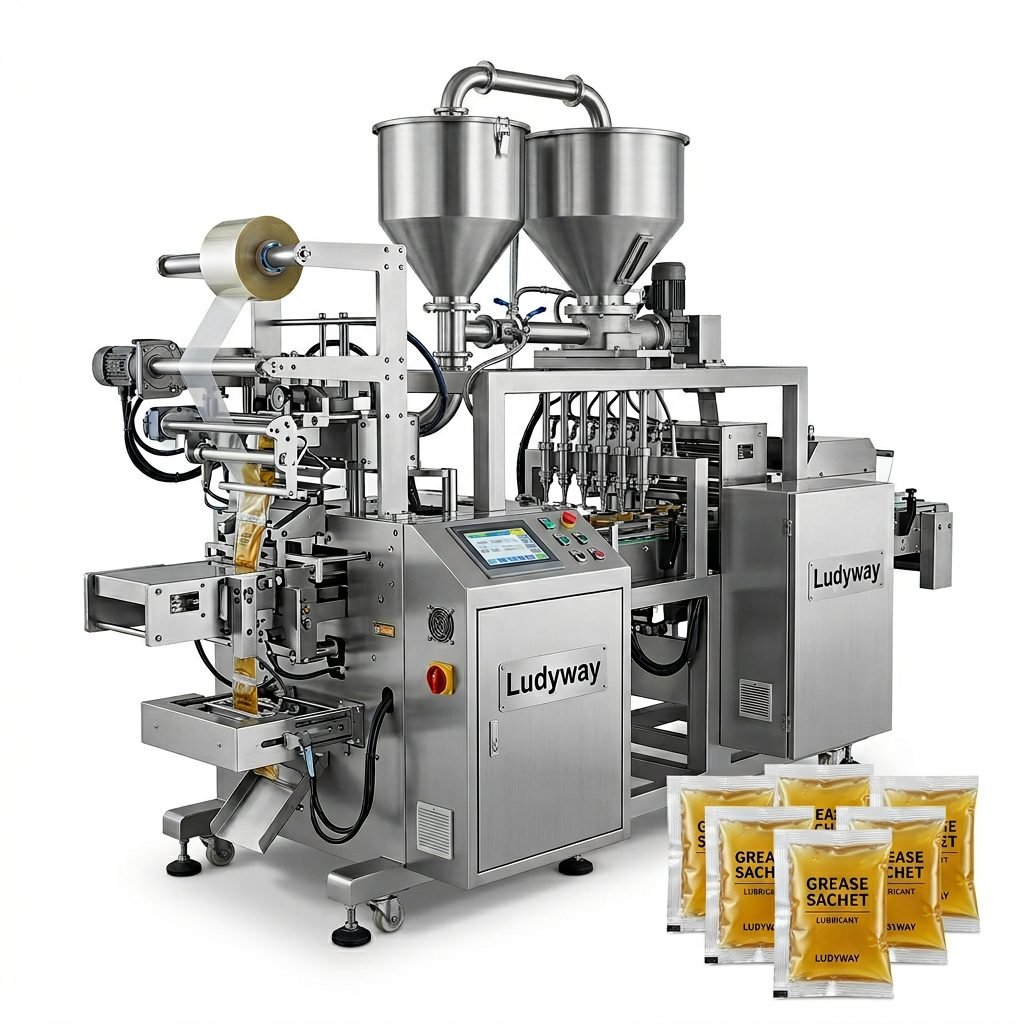
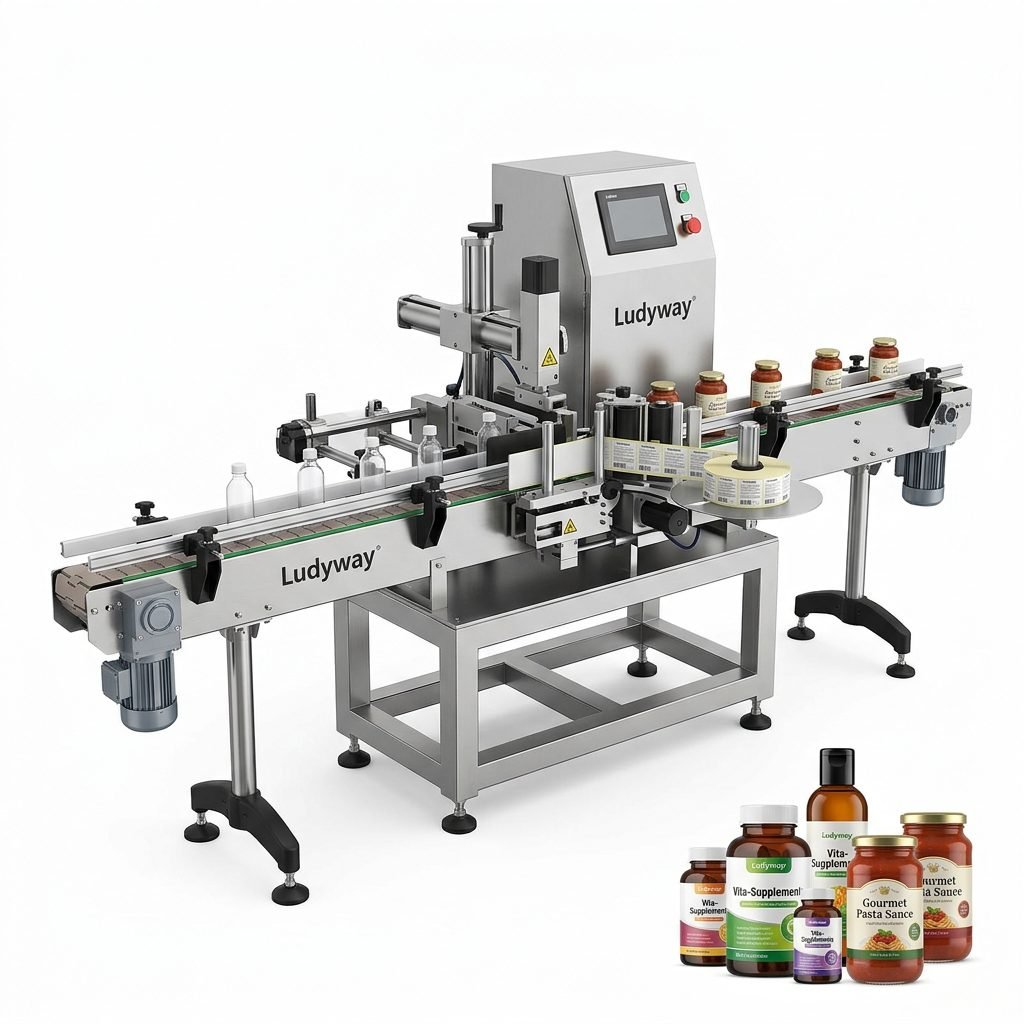
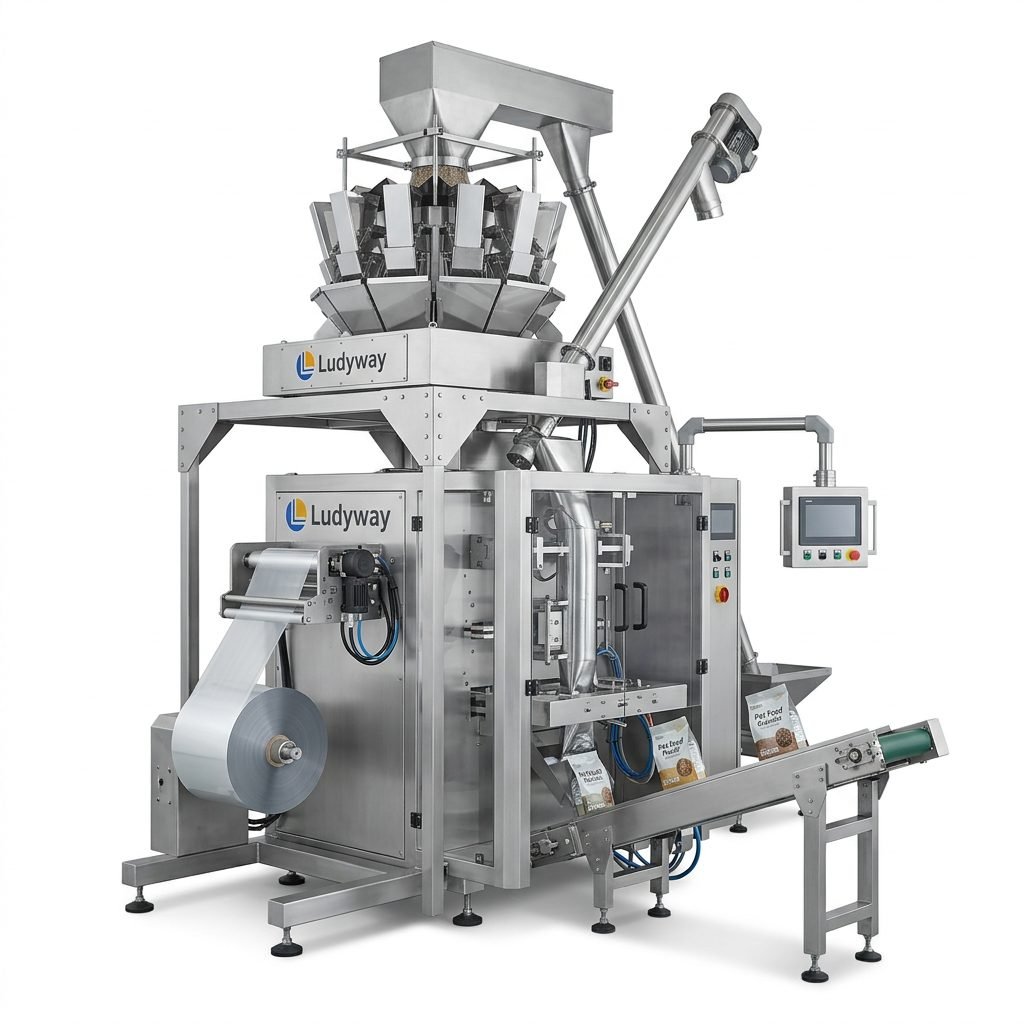
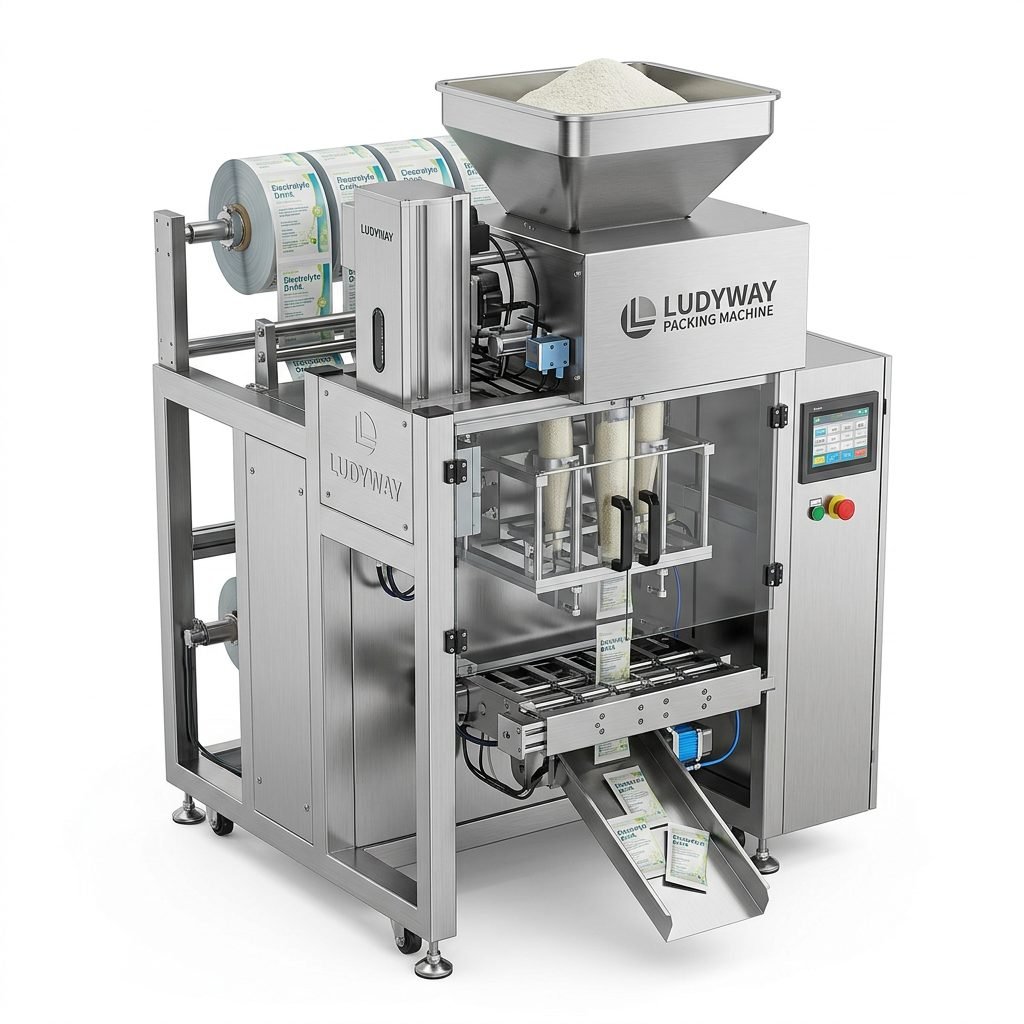
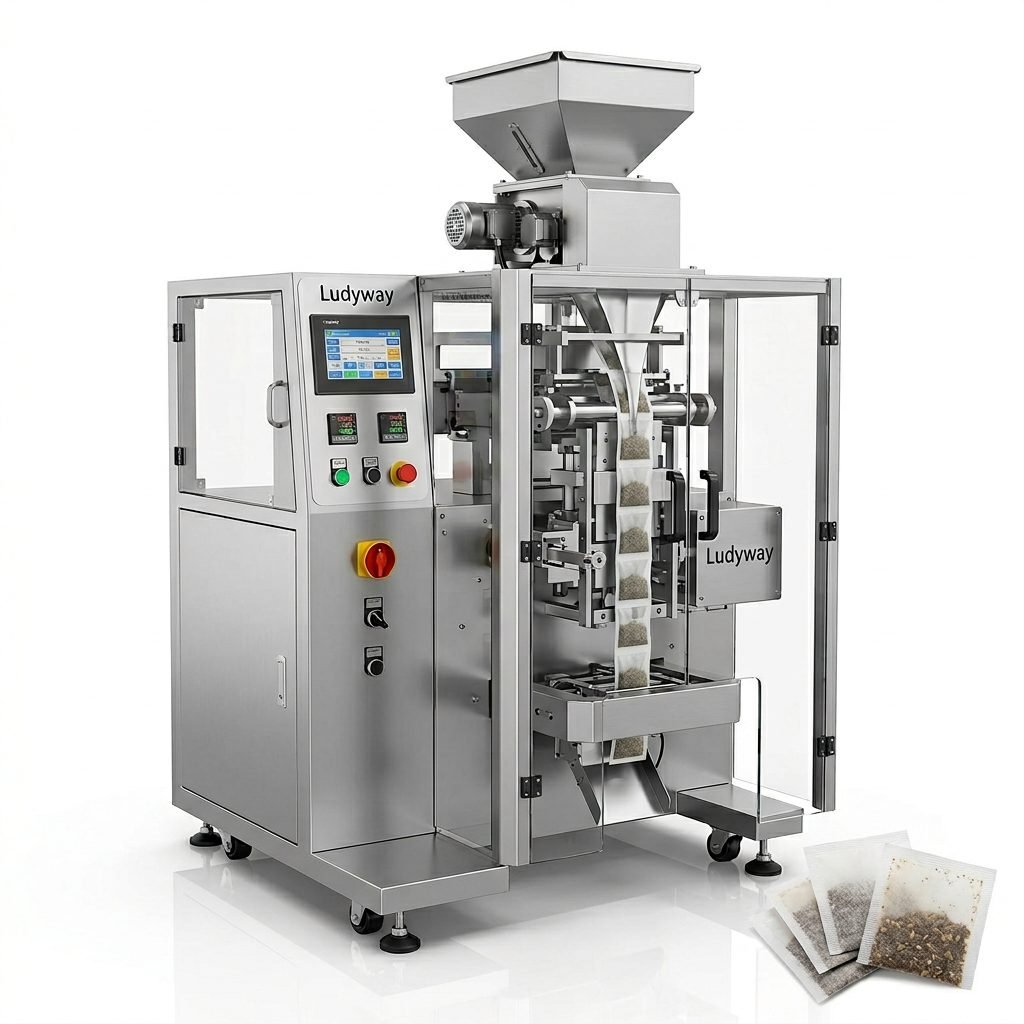
Selecting the right packaging machinery company is a critical decision that directly impacts your production efficiency, product quality, and long-term operational costs. The choice extends far beyond simply purchasing a machine; it’s about forming a strategic partnership with a supplier who understands your industry, your challenges, and your growth ambitions. A reliable partner provides not just equipment, but comprehensive support, innovation, and solutions tailored to your specific production line needs.
Understanding Your Core Packaging Requirements
Before you begin evaluating potential suppliers, you must have a crystal-clear understanding of your own requirements. This foundational step ensures you seek out companies capable of meeting your specific needs rather than getting swayed by generic sales pitches.
Key Factors to Define:
- Product Type: Are you packaging granules, fine powders, viscous liquids, tablets, or solid pieces? The product characteristics dictate the machine type (e.g., auger filler for powders, liquid pump filler for fluids).
- Packaging Format: Determine if you need sachets, stick packs, pouches, bottles, or cans. The desired format narrows down the machinery options significantly.
- Production Speed & Output: Calculate your required output in packs per minute (PPM) or units per hour. Consider both current needs and projected future growth.
- Level of Automation: Decide between manual, semi-automatic, or fully automatic systems. This choice affects labor costs, consistency, and initial investment.
- Budget & ROI Expectations: Establish a realistic budget that includes not just the machine cost, but installation, training, and potential facility modifications. Consider the expected return on investment through increased efficiency and reduced waste.
Evaluating the Company’s Expertise and Experience
Once your needs are defined, assess the depth of a potential supplier’s expertise. Look for a company with a proven track record in your specific industry segment.
→ Industry Specialization: A company like Ludyway Packing Machine, with over 30 years of industry experience, focuses on solutions for food, pharmaceutical, and health products. This specialization means they understand the unique hygiene standards, regulatory compliance (like GMP), and material handling challenges in these sectors. A supplier familiar with your industry can anticipate problems and recommend optimal solutions.
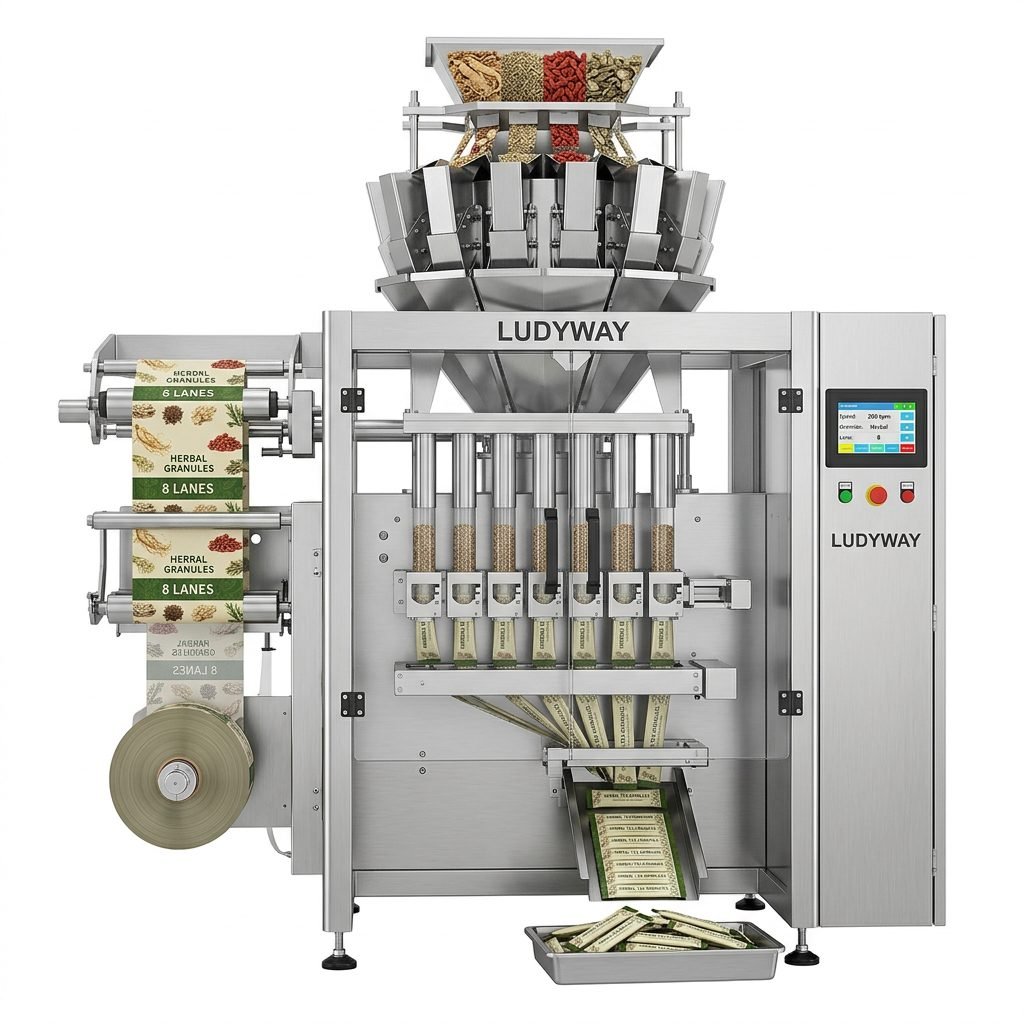
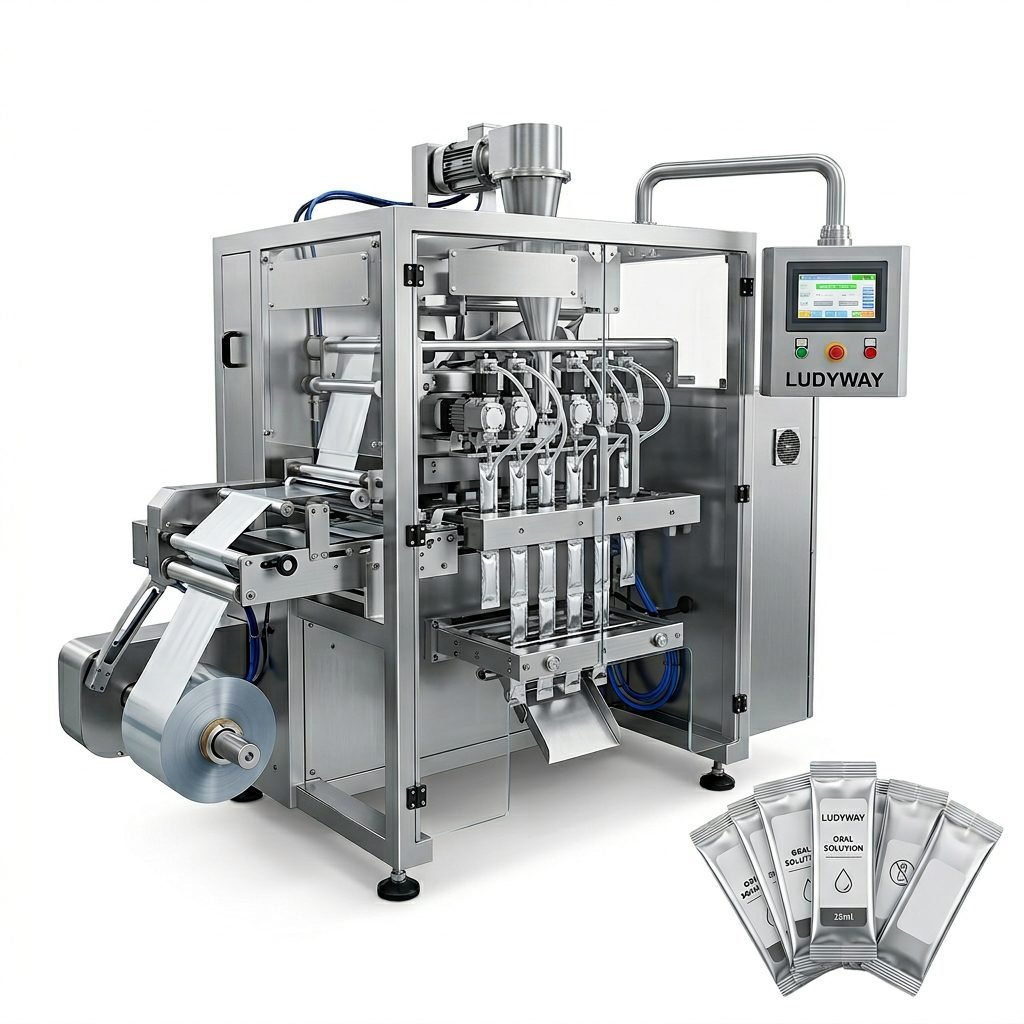
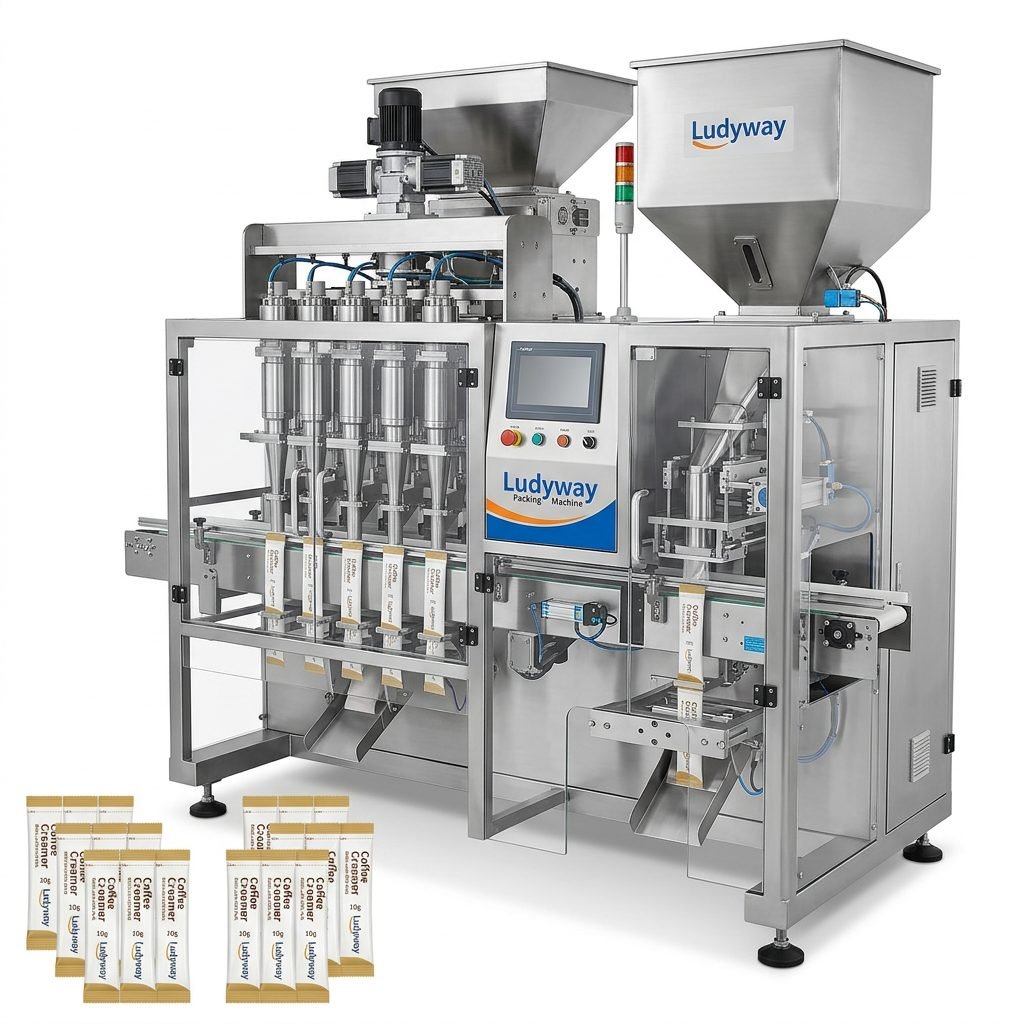
→ Technical Capabilities & Product Range: Examine the breadth and depth of their machinery portfolio. A company offering more than 50 intelligent packaging machine models, including multi-lane systems, demonstrates strong engineering capability and R&D investment. This range allows them to provide a more tailored solution rather than forcing your process to fit a limited machine option.
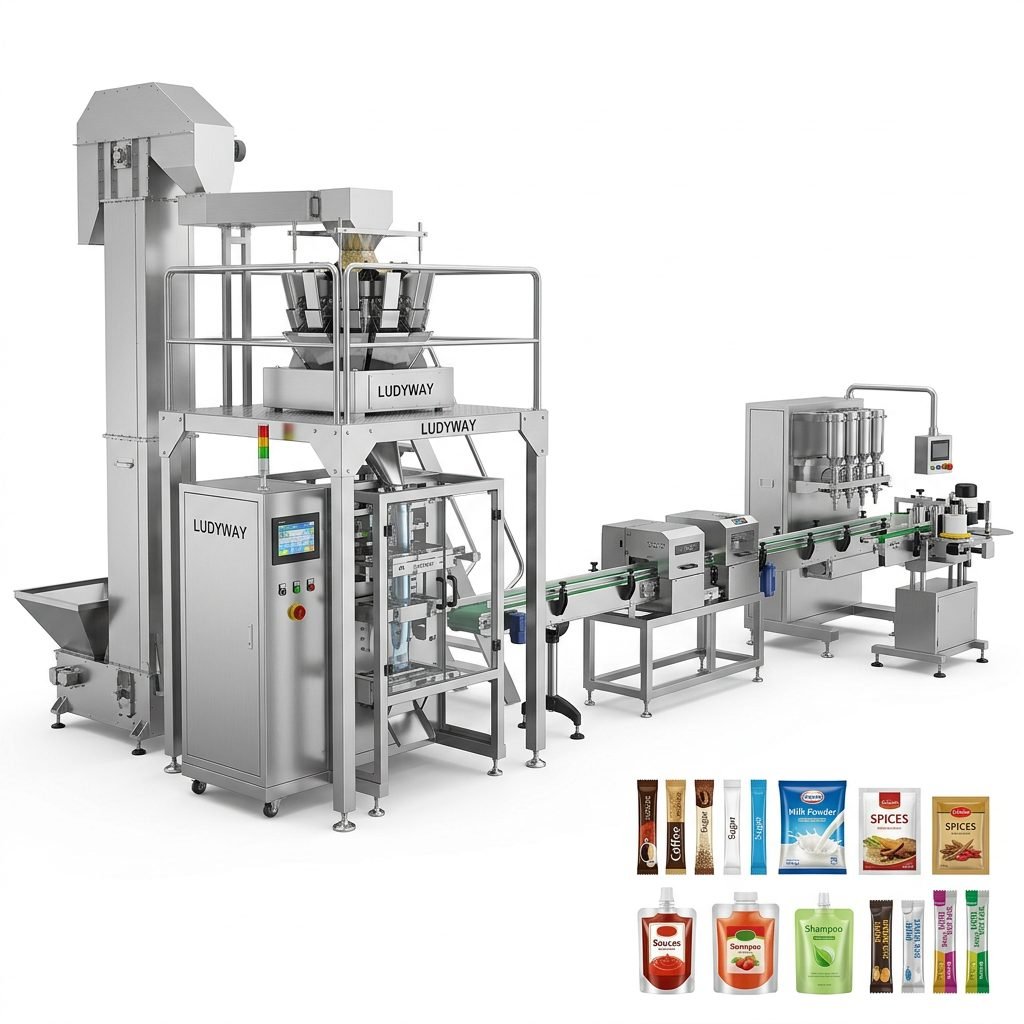
→ Project Execution & Support History: Investigate their history of delivering complete projects. Companies that have evolved from supplying single machines to providing turnkey production line solutions possess the holistic project management skills necessary for integrating equipment seamlessly into your operation. Review their case studies or ask for references from projects similar in scale and complexity to yours.
Assessing Manufacturing Quality and Innovation
The physical build quality of the machinery determines its longevity, maintenance frequency, and consistency. This is where a supplier’s manufacturing philosophy becomes crucial.
Critical Quality Indicators:
Manufacturing Infrastructure: A supplier operating from a substantial, modern facility (e.g., a 20,000㎡ manufacturing facility) typically has better control over quality processes, supply chain, and assembly standards compared to a simple assembler.
Component Quality: Inquire about the origin and brands of key components like PLCs, servos, drives, and sensors. Reliable, industry-standard parts ensure smoother operation and easier servicing.
Innovation & R&D: The packaging industry is continuously evolving. Choose a partner committed to innovation, whether in machine intelligence, energy efficiency, faster changeovers, or hygienic design. This ensures your investment remains relevant for years to come.
Analyzing After-Sales Support and Global Service
The relationship with your packaging machinery company truly begins after the sale. Comprehensive after-sales support is non-negotiable for minimizing downtime and ensuring peak performance.
Technical Support & Training: Verify the availability and responsiveness of their technical support team. Will they provide detailed operational and maintenance training for your engineers? Is support available in your time zone and language? A supplier serving customers worldwide should have structured global support protocols.
Spare Parts Availability: Downtime is expensive. Ensure the company maintains a robust inventory of critical spare parts and can guarantee a clear and fast supply chain for parts delivery. Local or regional parts depots are a significant advantage.
Service Agreements & Preventative Maintenance: Discuss the availability of service contracts for regular preventative maintenance. Proactive maintenance schedules prevent major breakdowns and extend the machinery’s lifespan, protecting your capital investment.
Making the Final Decision: Partnership Over Transaction
The final selection should be based on a holistic view that balances technical specifications, commercial terms, and the intangible feeling of a reliable partnership.
Request a detailed proposal that includes machine specifications, layout drawings, delivery timeline, installation plan, training schedule, warranty terms, and a clear breakdown of all costs. Don’t hesitate to ask for a product sample test run using your actual materials at their facility or a client’s site. This is the most effective way to validate machine performance.
Ultimately, choose the company that demonstrates the deepest understanding of your goals, offers the most transparent and collaborative approach, and shows a clear commitment to your long-term success, not just a one-time sale. A partner like Ludyway, which emphasizes long-term cooperation and innovation, aligns its success with yours, ensuring a productive relationship for the lifecycle of your packaging line.
Frequently Asked Questions (FAQs)
1. What is the most important factor when choosing a packaging machinery supplier?
While price and specifications are important, the most critical factor is the supplier’s proven expertise in your specific industry and product type. A supplier who understands your regulatory environment, material characteristics, and quality standards will deliver a more reliable and compliant solution.
2. How can I verify the quality of a packaging machine before purchase?
Always insist on a live product test run at the supplier’s facility or a reference site. Use your own packaging materials and product to assess speed, accuracy, ease of operation, and changeover time. Additionally, inspect the build quality, component brands, and ask for documentation like quality control certificates.
3. What should a complete after-sales service package include?
A comprehensive package should include: detailed on-site installation and commissioning, thorough training for your operators and maintenance staff, a clear warranty period, access to 24/7 remote technical support, a readily available spare parts inventory, and options for preventative maintenance service contracts.
4. Is it better to buy a standard machine or a customized solution?
This depends entirely on your needs. Standard machines are cost-effective and have faster delivery for common applications. However, if your product, packaging format, or production process has unique requirements, a customized or turnkey solution from a supplier with strong engineering capabilities will yield better long-term efficiency and flexibility.
5. How do I plan for future scalability with my packaging line?
Discuss future growth plans with your supplier during the initial design phase. Choose machinery that can be upgraded or integrated with additional modules (like checkweighers, labelers, or cartoners). Opting for a supplier with a wide range of compatible equipment makes future line expansion much more seamless.