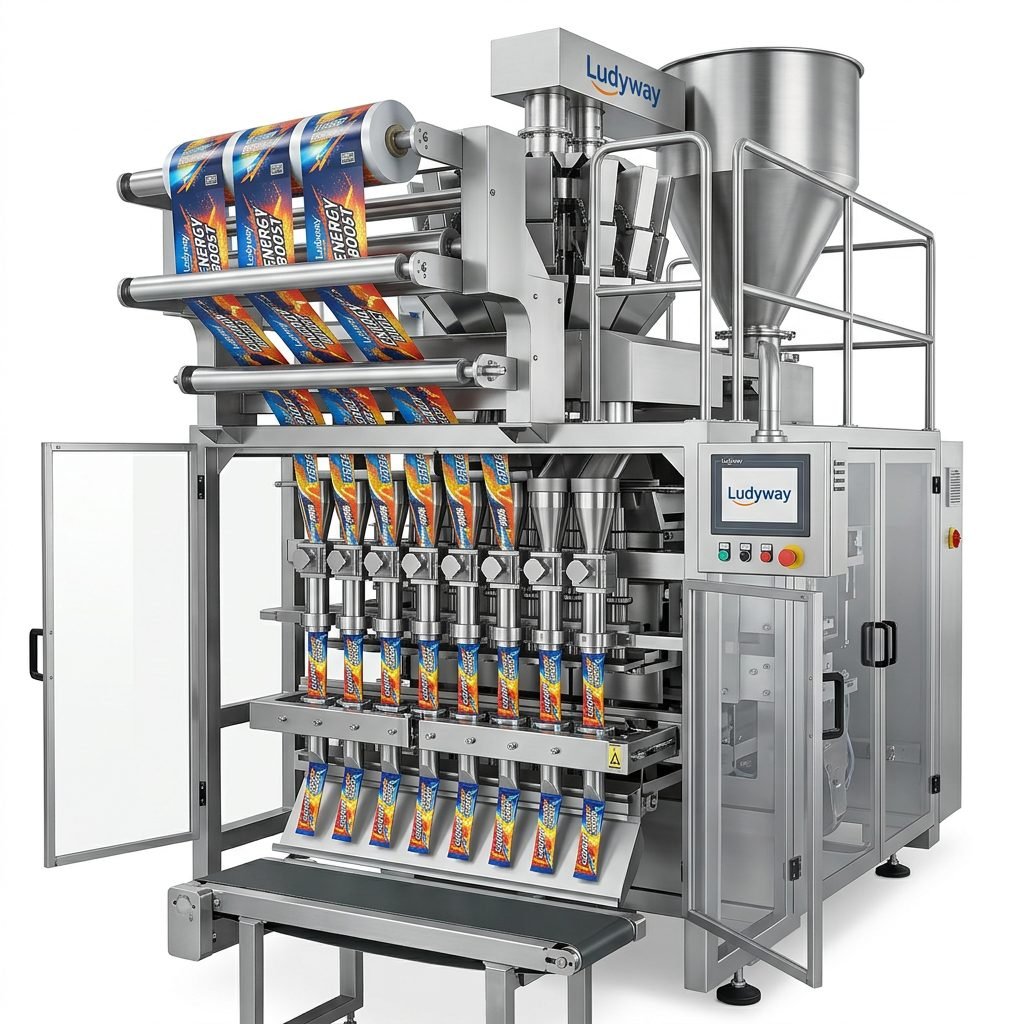
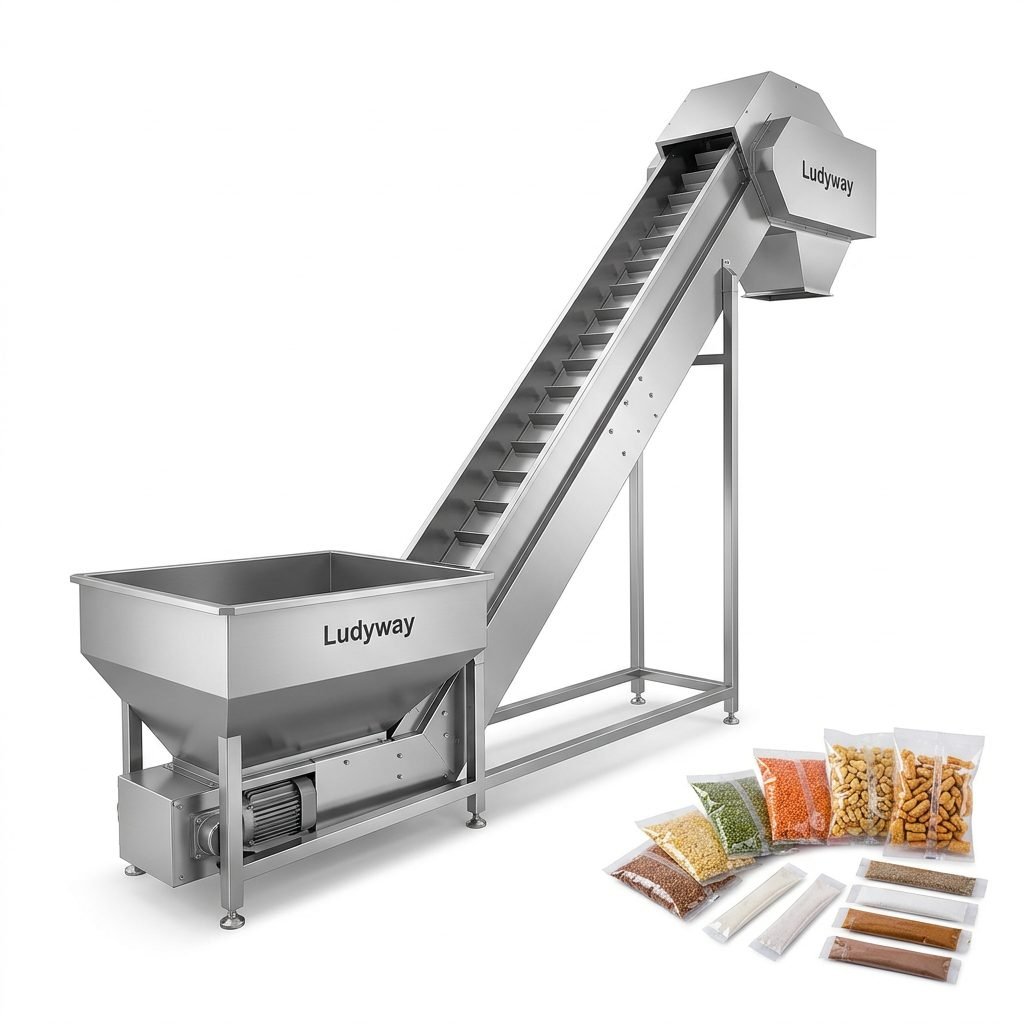
Maintaining your packaging machinery is not just a routine task; it’s a critical investment in your production line’s longevity, efficiency, and safety. A well-executed maintenance program minimizes costly downtime, ensures consistent product quality, and protects your significant capital investment. This comprehensive guide delves into the essential aspects of packaging machinery maintenance services, providing a clear roadmap for understanding costs, establishing effective schedules, and selecting the right service provider for your operational needs.
Understanding Maintenance Service Costs
The cost of packaging machinery maintenance is rarely a single, fixed number. It’s a variable investment influenced by several key factors. Understanding these will help you budget effectively and avoid unexpected expenses.
Key Factors Influencing Maintenance Pricing
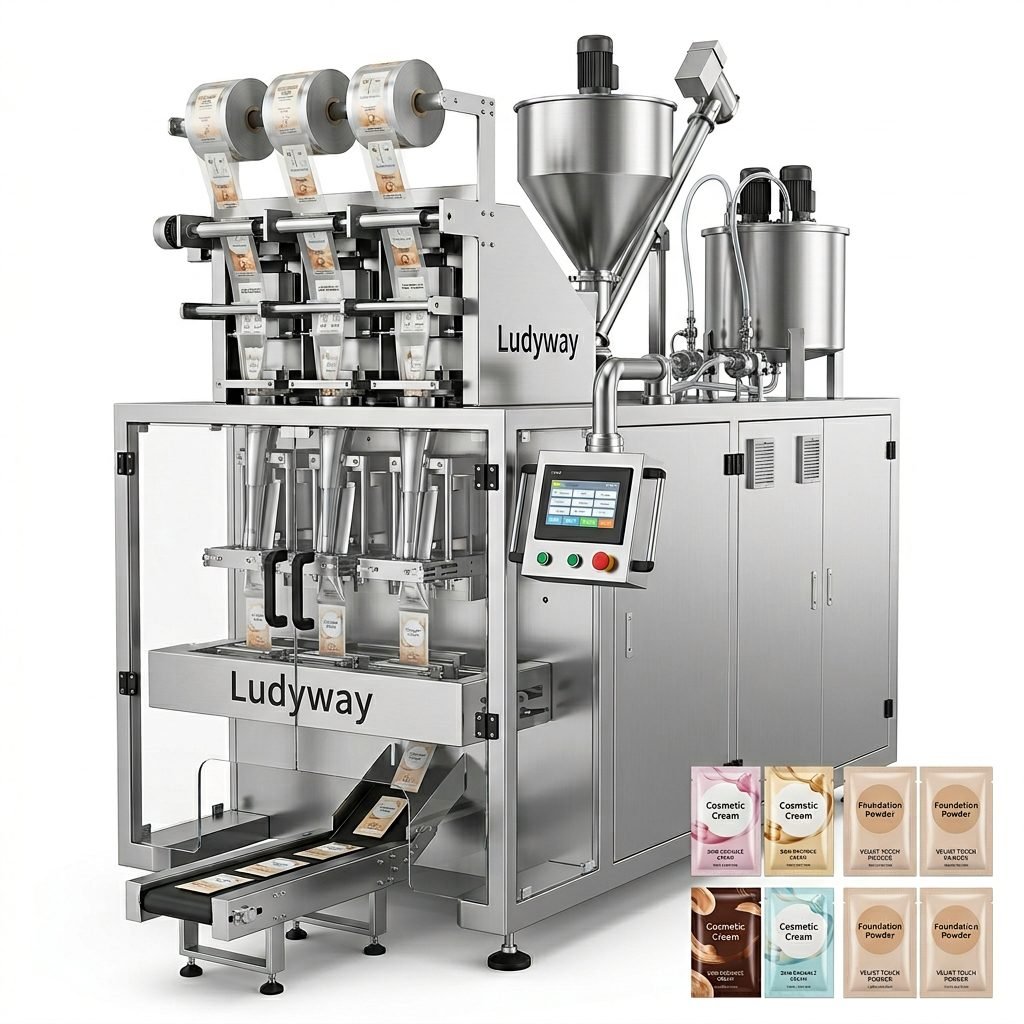
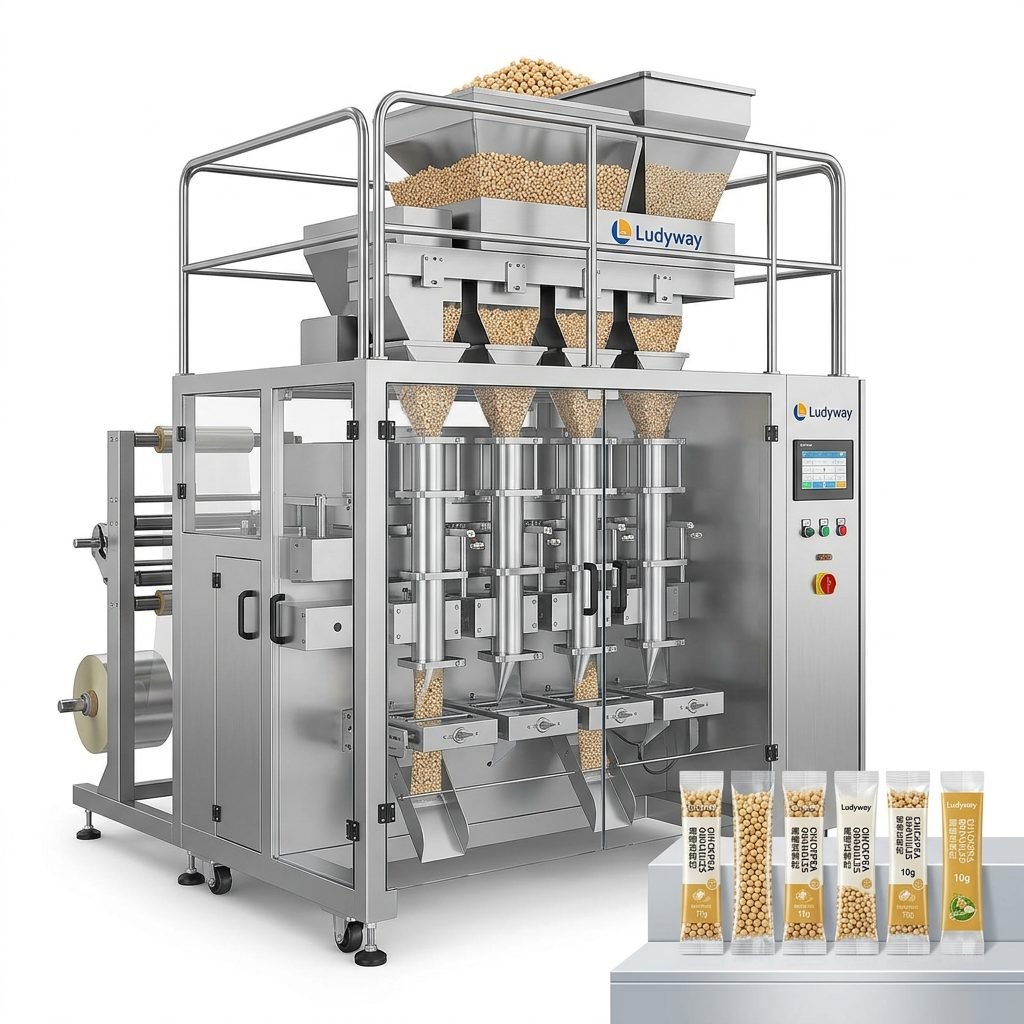
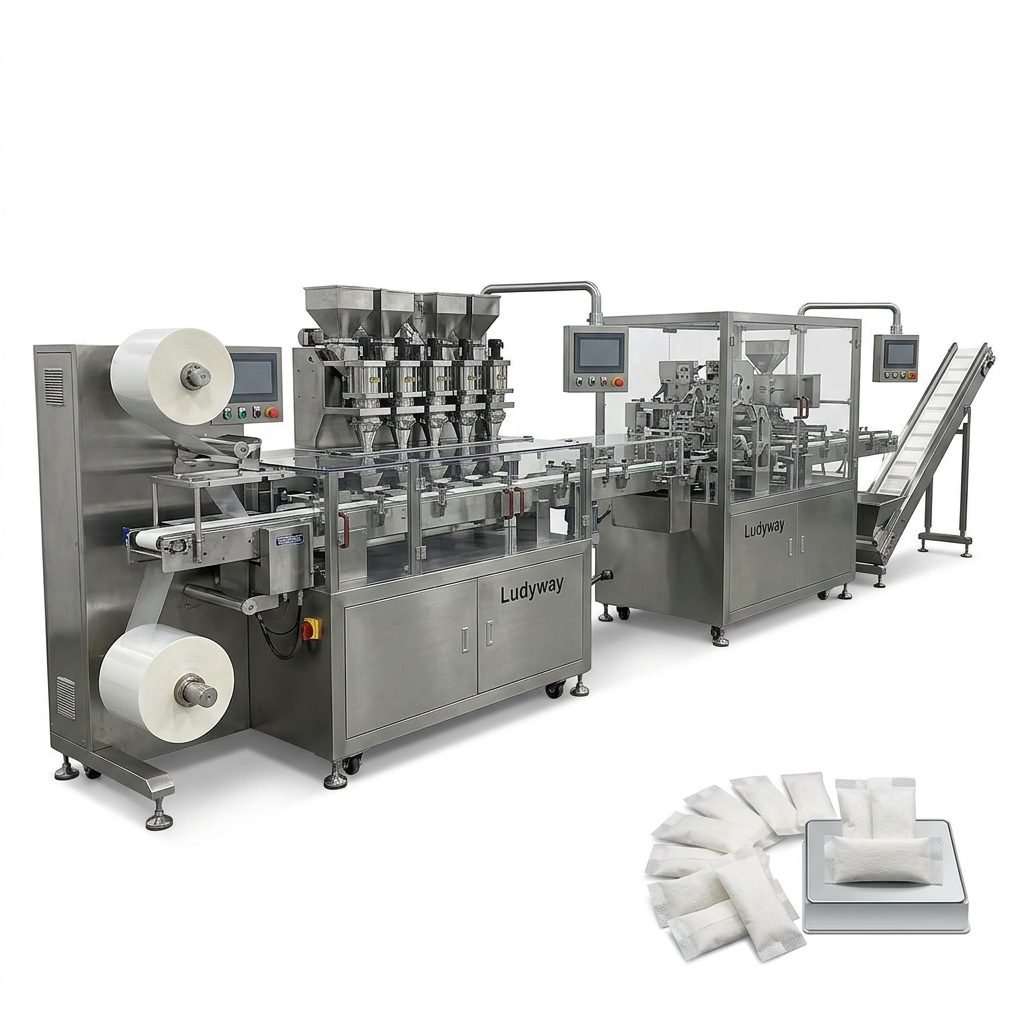
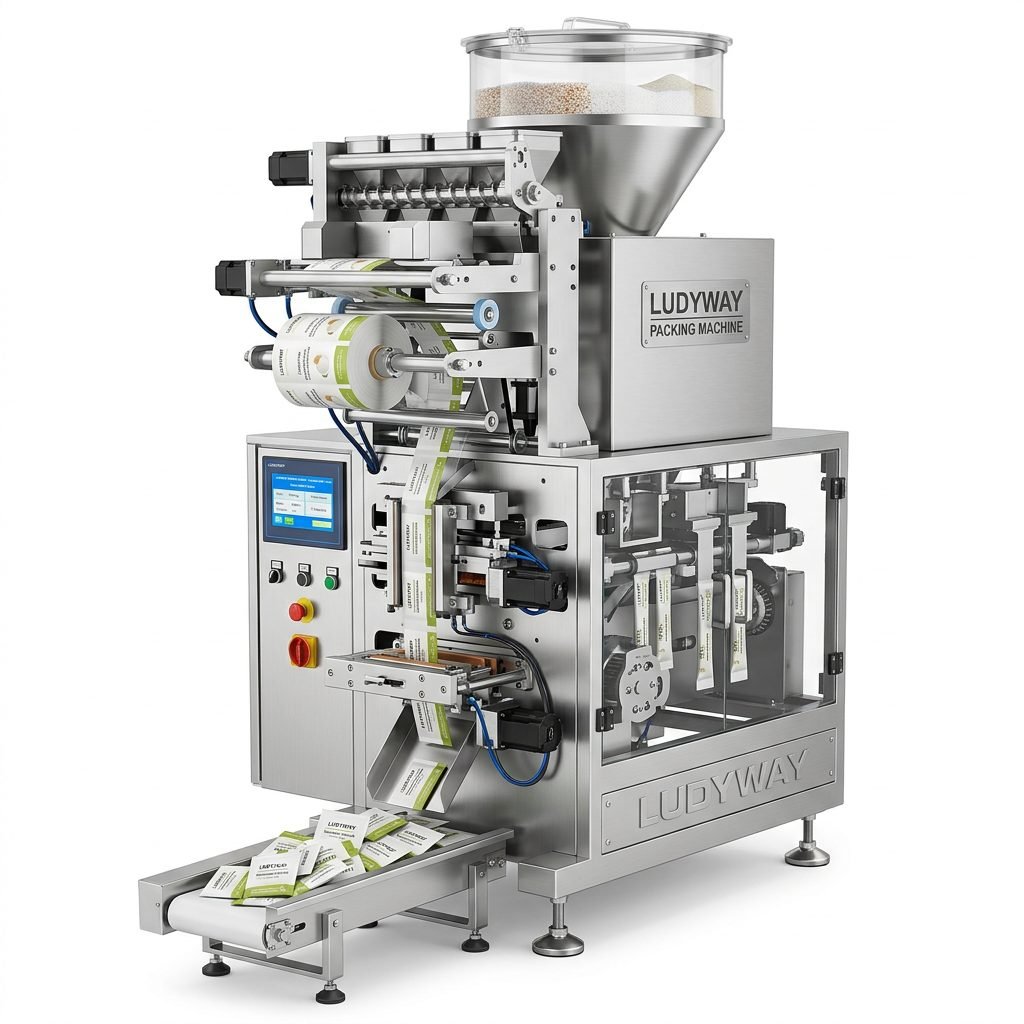
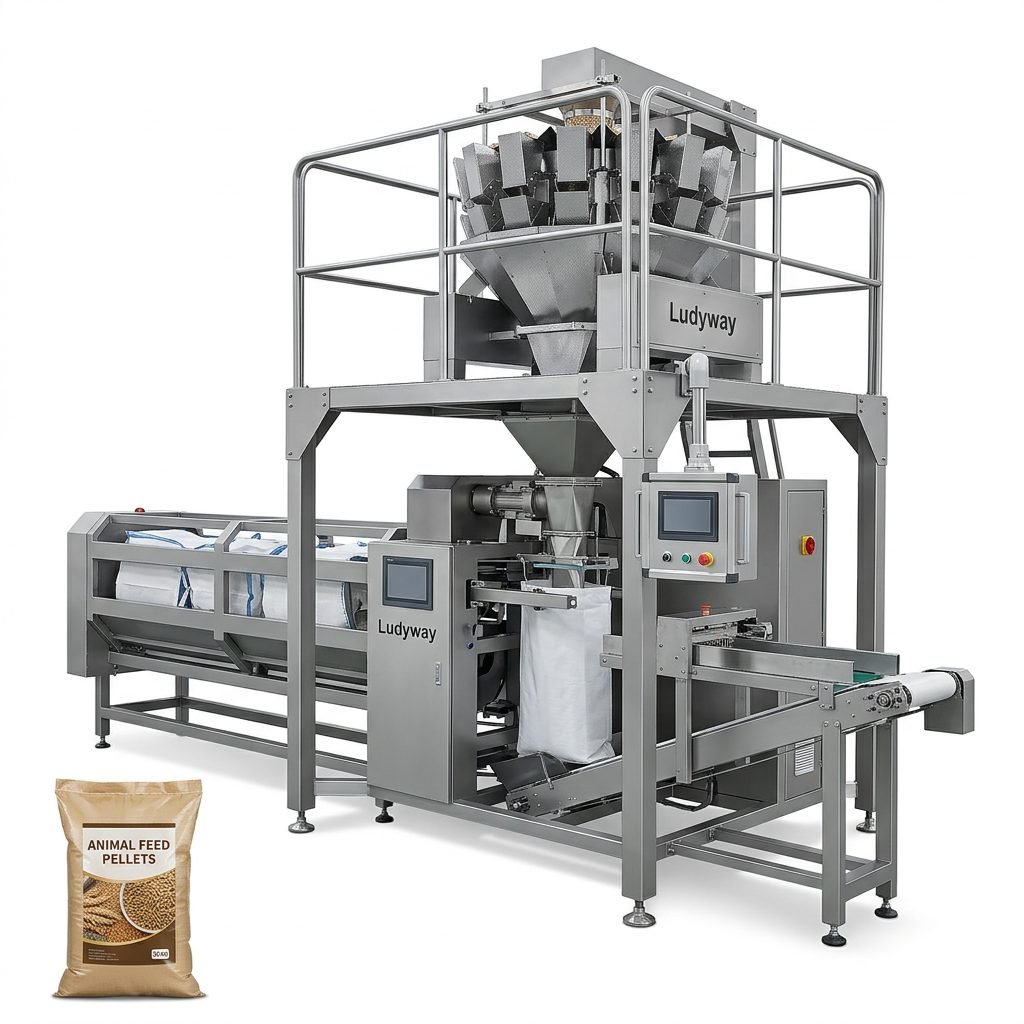
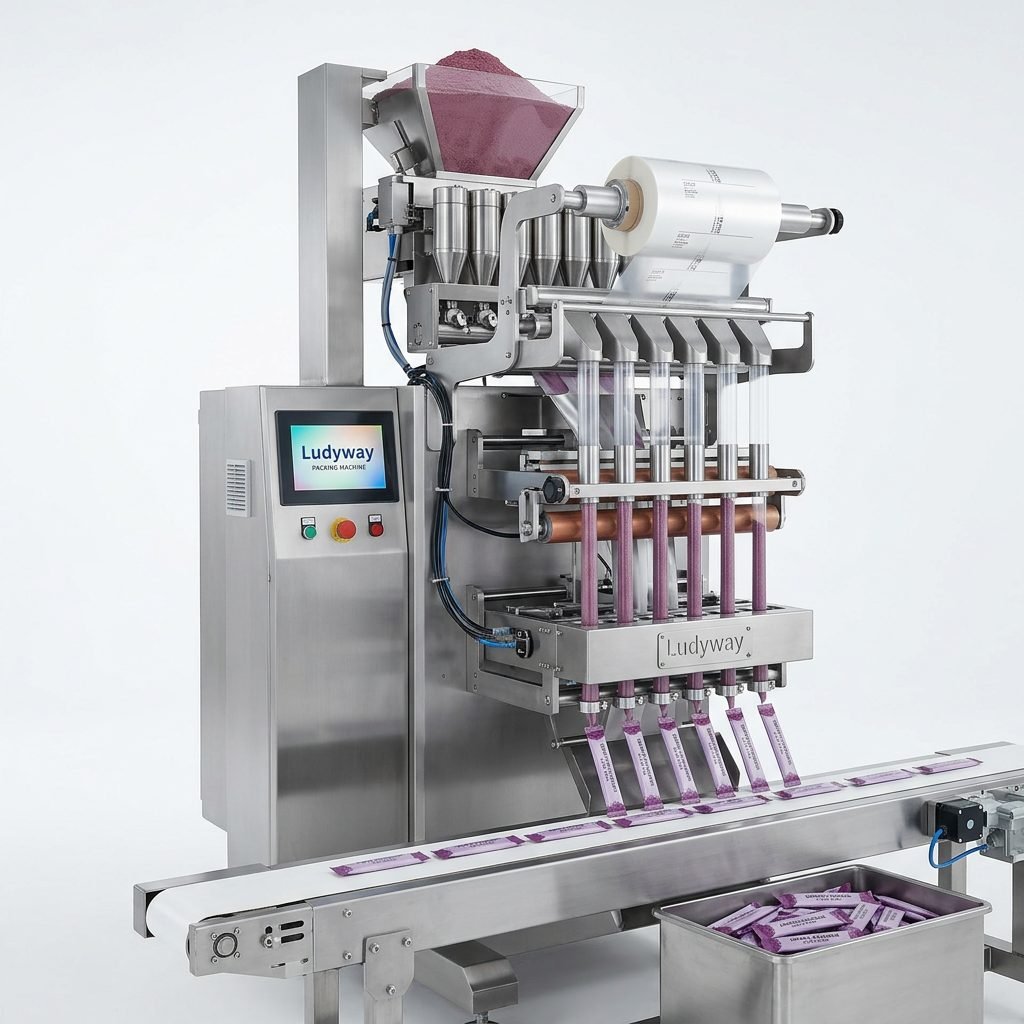
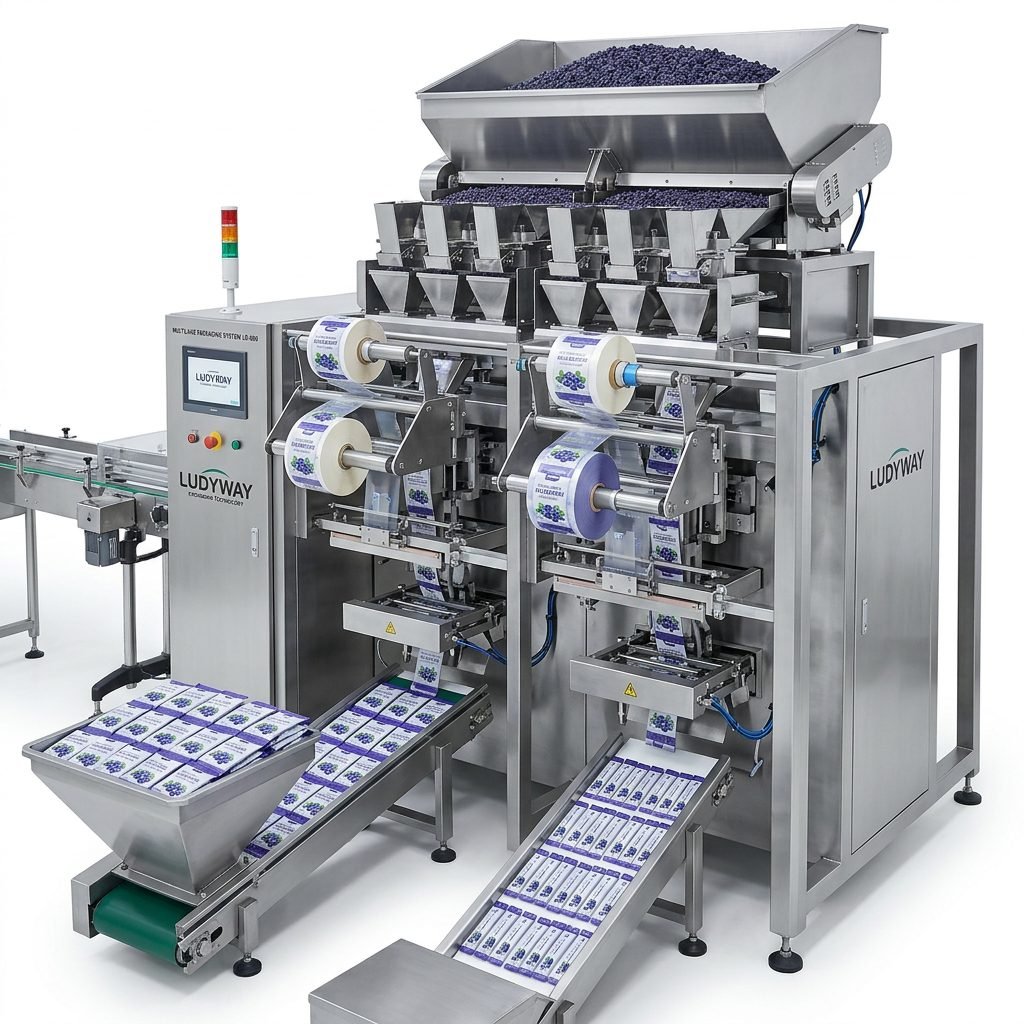
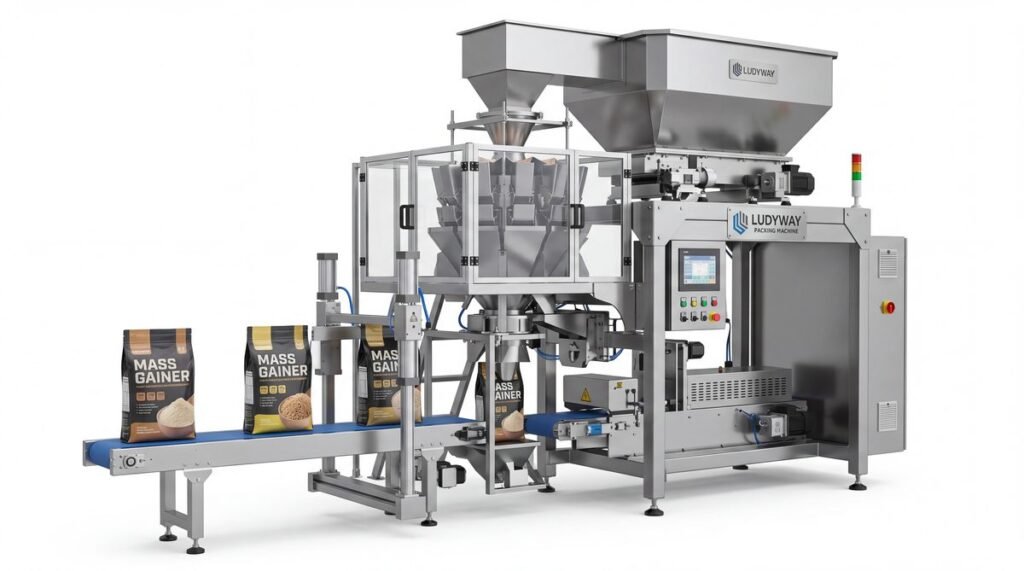
Machine Type & Complexity: A simple vertical form-fill-seal (VFFS) machine will have different maintenance needs and costs compared to a complex multi-lane stick pack machine or a fully integrated robotic palletizing system. More complex machinery often requires specialized technicians and more expensive spare parts.
Service Agreement Type: Costs vary significantly between a basic time-and-materials model (pay-as-you-go) and a comprehensive Preventive Maintenance Contract. Contracts typically offer predictable annual costs and include scheduled visits, parts discounts, and priority service.
Required Parts & Labor: The age and brand of your machine affect part availability and price. Labor rates depend on the provider’s expertise, travel distance, and the urgency of the service call (standard vs. emergency rates).
Frequency of Service: How often your machine runs (single shift vs. 24/7) and the products it packages (abrasive powders, corrosive liquids) directly impact how frequently maintenance is needed, influencing overall cost.
Typical Cost Structures
Providers generally offer several pricing models:
- Time & Materials (T&M): You pay for the technician’s hourly rate plus the cost of any parts used. This offers flexibility but can lead to unpredictable expenses for major repairs.
- Preventive Maintenance (PM) Contract: A fixed annual or semi-annual fee covers scheduled inspections, basic adjustments, and often includes discounts on parts and labor for repairs outside the PM scope. This model promotes budget predictability.
- Full-Service Contract: The most comprehensive option, covering all planned maintenance, repairs, and parts (excluding consumables like belts or seals). It offers maximum operational predictability but at a higher upfront cost.
Building an Effective Maintenance Schedule
A proactive maintenance schedule is the cornerstone of reliable operation. Moving from reactive “fix-it-when-it-breaks” to a structured plan is crucial.
Core Components of a Maintenance Schedule
An effective schedule incorporates multiple tiers of service:
Daily/Operator Checks
Performed by line operators at shift start/end. Includes visual inspection for leaks, unusual noises, cleaning of sensors and sealing jaws, and checking lubrication levels. Proper operator training from your provider is key here.
Weekly/Monthly Preventive Maintenance
Conducted by trained maintenance staff. Tasks include tightening bolts and fasteners, inspecting and replacing worn seals or gaskets, verifying mechanical timing, and calibrating weighing or filling systems.
Semi-Annual/Annual Comprehensive Service
Typically performed by the OEM or a certified technician. This is a deep dive involving major component inspection (gearboxes, motors, drives), software updates, safety system validation, and performance optimization to restore the machine to near-original specifications.
Selecting the Right Maintenance Provider
Choosing a service partner is a strategic decision. The right provider acts as an extension of your team, ensuring peak performance.
Critical Selection Criteria
Technical Expertise & Specialization: Does the provider have proven experience with your specific machine brand and model? For specialized equipment like multi-lane sachet machines, expertise from a provider like Ludyway Machinery, with deep industry knowledge, is invaluable.
Availability of Genuine Parts: Ensure they have access to OEM or high-quality compatible parts. Using incorrect parts can void warranties and cause further damage.
Response Time & Service Level Agreements (SLAs): Clarify guaranteed response times for emergency breakdowns. A provider with a global support network can offer faster local service.
Proactive Communication & Reporting: The best providers offer detailed service reports, parts usage forecasts, and recommendations for performance improvement after each visit.
Questions to Ask Potential Providers
- Can you provide references from clients with similar machinery?
- What is your typical process for diagnosing a complex machine fault?
- Do you offer remote diagnostics and support via connected technology?
- How do you handle training for our in-house maintenance staff?
- What are the specific terms and coverage details of your proposed service contract?
Maximizing Your Maintenance Investment
To get the most value, integrate maintenance into your overall operational culture.
Keep Detailed Machine Logs: Document every service activity, part replacement, and minor adjustment. This history is priceless for troubleshooting recurring issues and planning capital expenditures.
Invest in Operator Training: Empower your operators to perform basic checks and identify early warning signs. A knowledgeable operator is your first line of defense against major failures.
Leverage Technology: Explore providers that offer IoT-enabled monitoring for predictive maintenance, which can alert you to anomalies before they cause a stoppage. Understanding a provider’s innovation history can indicate their capability here.
Review and Adapt: Regularly review your maintenance schedule’s effectiveness with your provider. Production demands change, and your maintenance plan should evolve accordingly.
Frequently Asked Questions (FAQs)
1. How often should packaging machinery be professionally serviced?
The frequency depends on usage. For machinery running 16-24 hours daily, a comprehensive professional service every 6 months is recommended. For single-shift operations, an annual service may suffice. Always follow the OEM’s guidelines as a minimum standard.
2. Is a preventive maintenance contract worth the cost?
In almost all cases, yes. A PM contract transforms maintenance from an unpredictable expense into a predictable, budgetable cost. It ensures regular care, often includes parts discounts, and typically provides priority service, reducing the risk and duration of unplanned downtime.
3. Can I perform maintenance myself to save money?
Daily operator checks and basic cleaning are essential and should be done in-house. However, complex mechanical adjustments, electrical troubleshooting, and software calibration should be left to certified technicians to avoid safety risks, warranty issues, or inadvertently causing more expensive damage.
4. What are the most common signs my machine needs immediate service?
Key warning signs include: a sudden increase in product waste or giveaway, inconsistent seal integrity, unusual vibrations or loud noises, a decline in production speed, and frequent error codes or unexplained stoppages. Address these promptly.
5. How do I choose between the OEM and a third-party service provider?
OEMs offer deep brand-specific expertise and guaranteed genuine parts but may be more expensive. A reputable third-party provider with specific experience on your machine type can offer comparable service at a competitive rate, often with greater flexibility. Evaluate their certifications, parts sources, and client testimonials carefully.