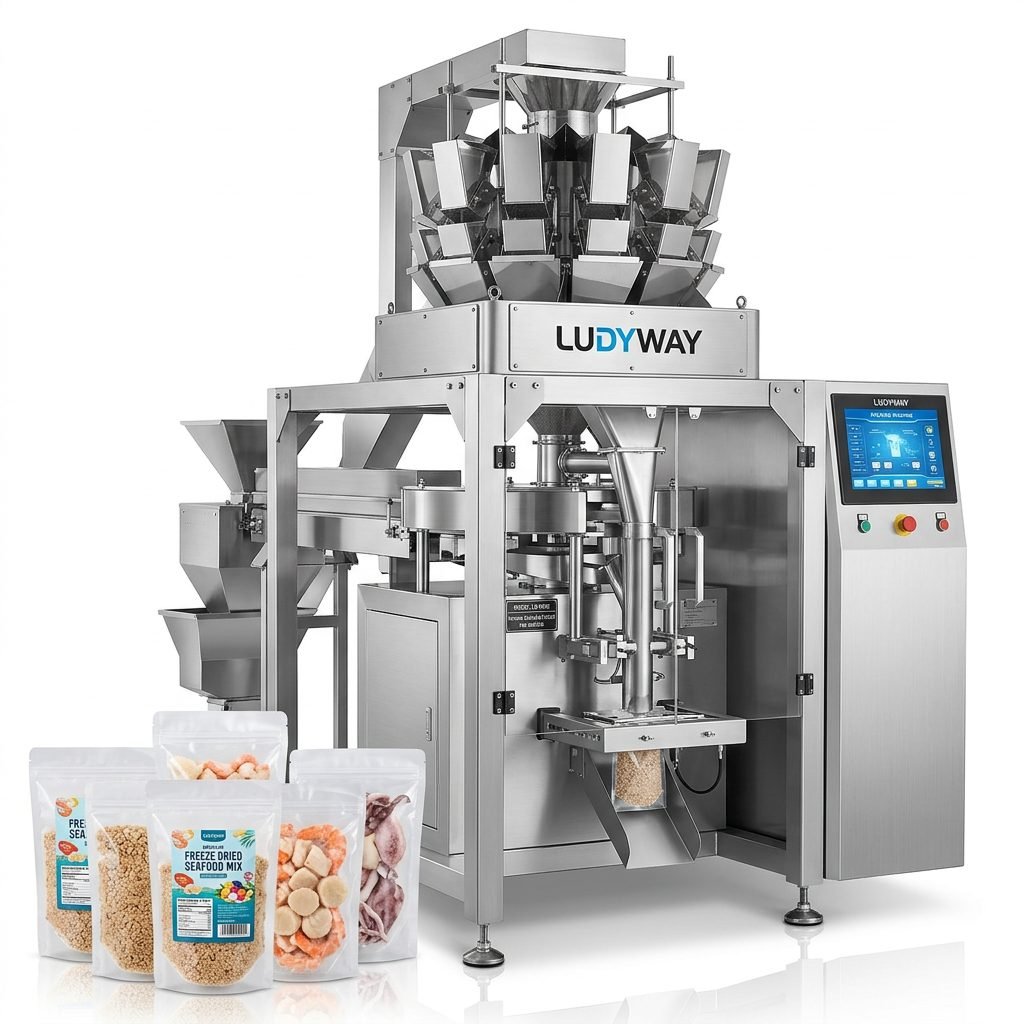
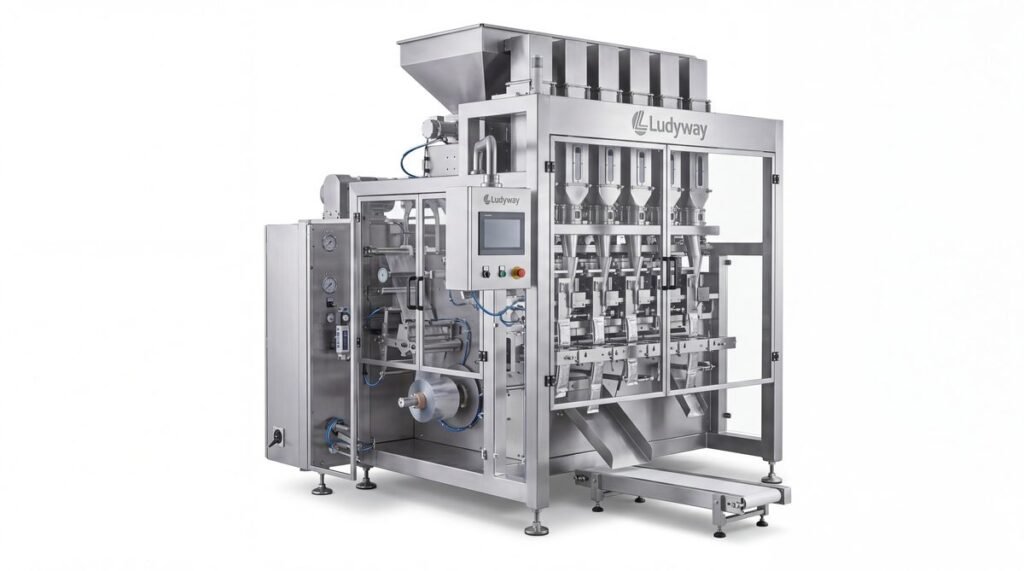
In today’s fast-paced manufacturing landscape, efficiency and cost control are paramount. For businesses in sectors like food, pharmaceuticals, and health products, the packaging process is a critical juncture where bottlenecks can form and expenses can spiral. This is where smart packaging machinery and automated packing solutions step in, transforming operations from a necessary cost center into a strategic asset for growth.
The Core of Smart Packaging: Beyond Basic Automation
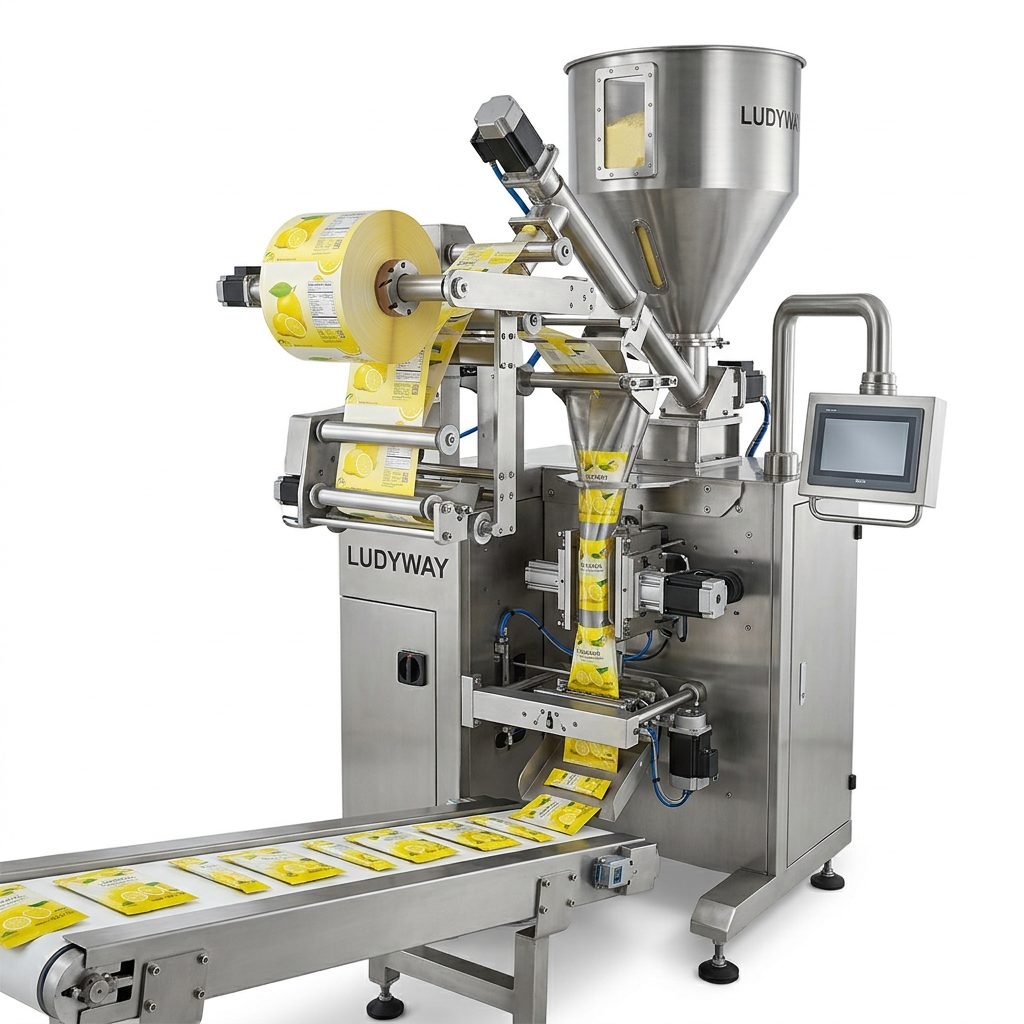
Smart packaging machinery represents the evolution from simple mechanization to intelligent, connected systems. These solutions integrate advanced sensors, programmable logic controllers (PLCs), and often Industrial Internet of Things (IIoT) capabilities to create a seamless, data-driven packaging line.
The primary goal is to create a system that not only performs tasks but also optimizes, self-corrects, and provides actionable insights. This intelligence is what separates modern automated packing solutions from their predecessors.
Key Technologies Driving the Change
Several technologies converge to make smart packaging a reality:
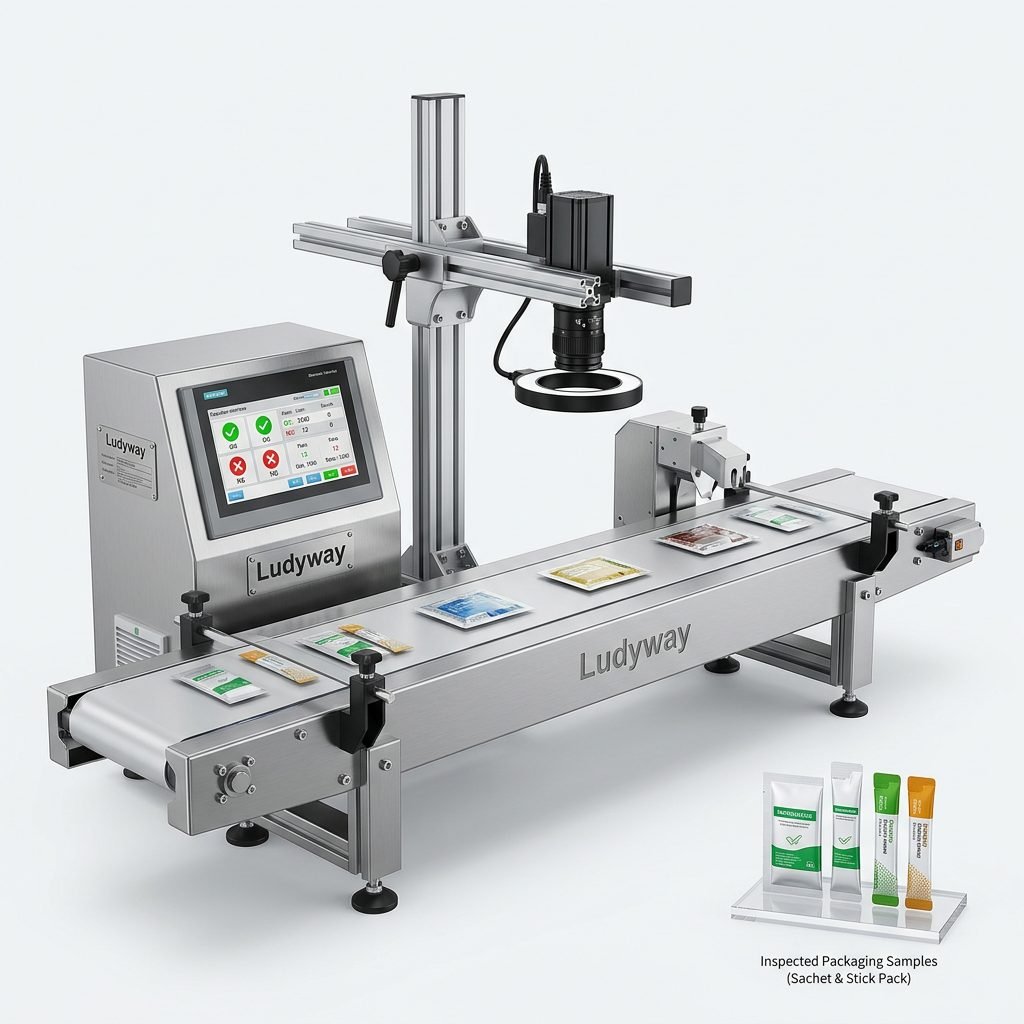
- Vision Inspection Systems: High-speed cameras ensure every package meets quality standards for seal integrity, label placement, and fill level, drastically reducing waste and recalls.
- Servo-Driven Motion Control: Provides unparalleled precision in film feeding, cutting, and sealing, leading to less material usage and higher machine speeds.
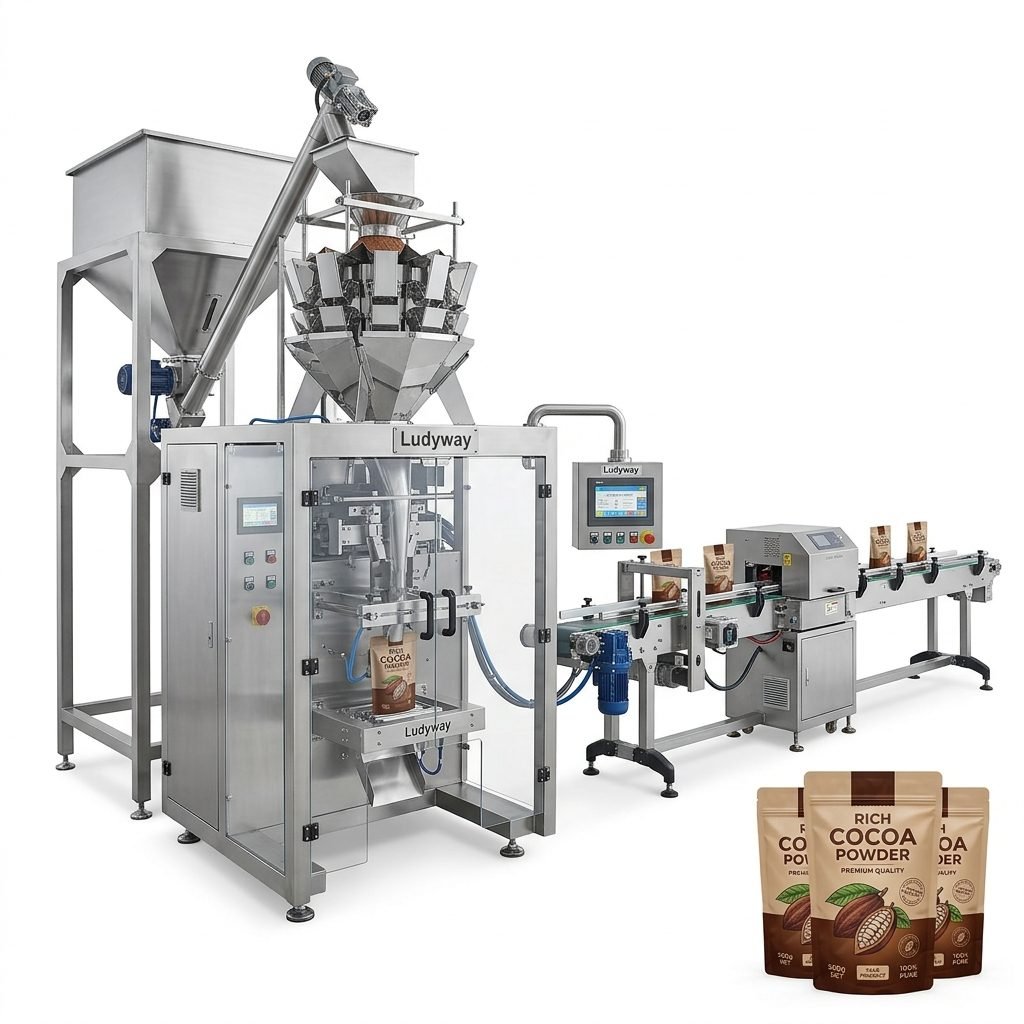
- Integrated Weighing & Dosing: Advanced multi-head weighers and volumetric fillers ensure exact product amounts, maximizing yield and complying with strict net content regulations.
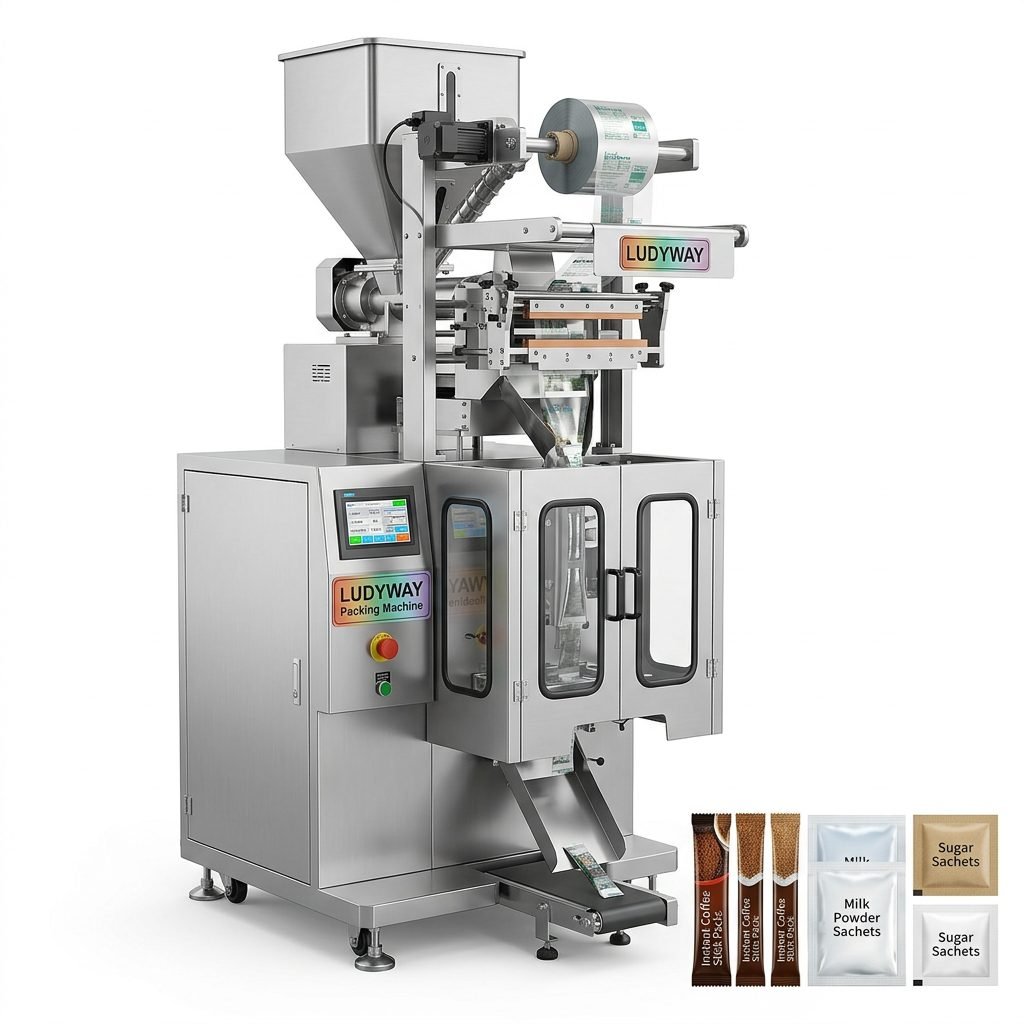
- Human-Machine Interfaces (HMIs) & Data Logging: User-friendly touchscreens allow for quick changeovers and provide real-time data on Overall Equipment Effectiveness (OEE), production counts, and downtime reasons.
Direct Path to Improved Efficiency
The efficiency gains from implementing automated packing solutions are multi-faceted and significant.
1. Dramatically Increased Production Speed
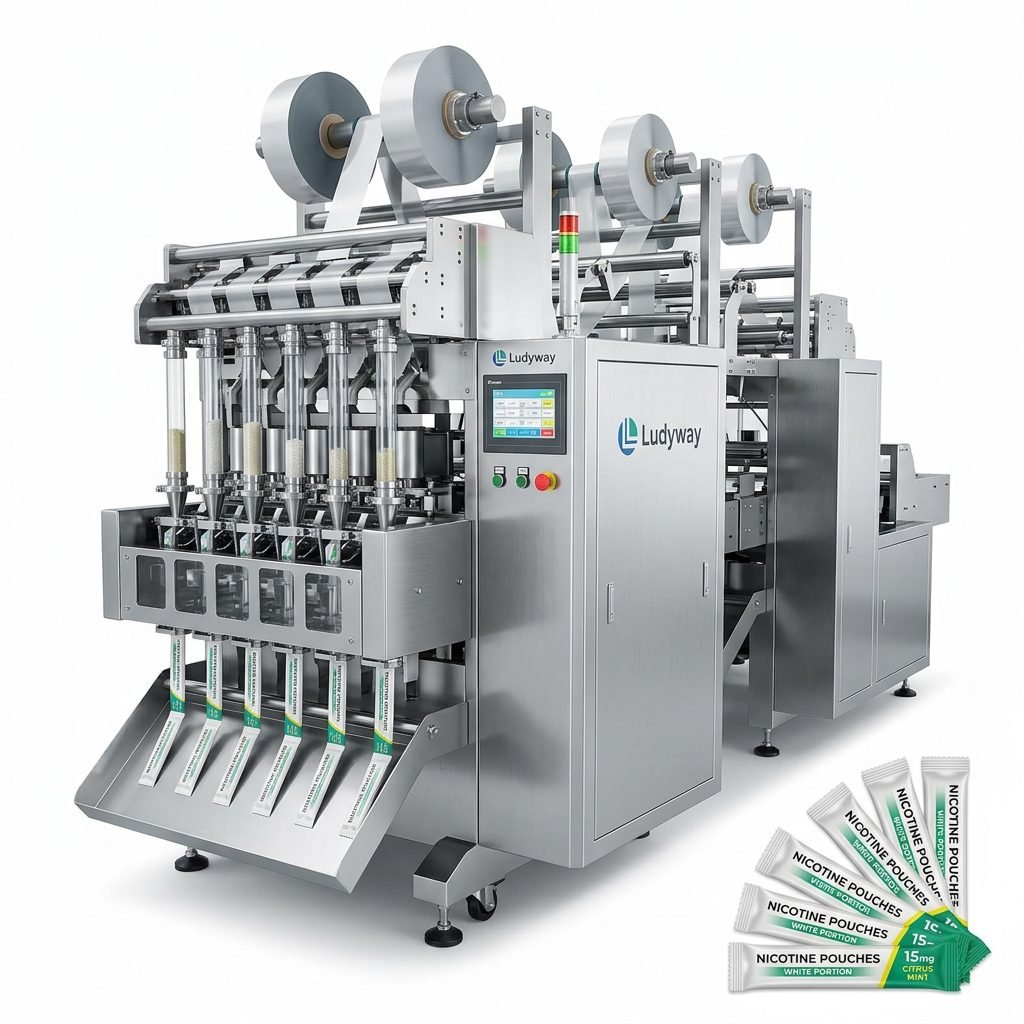
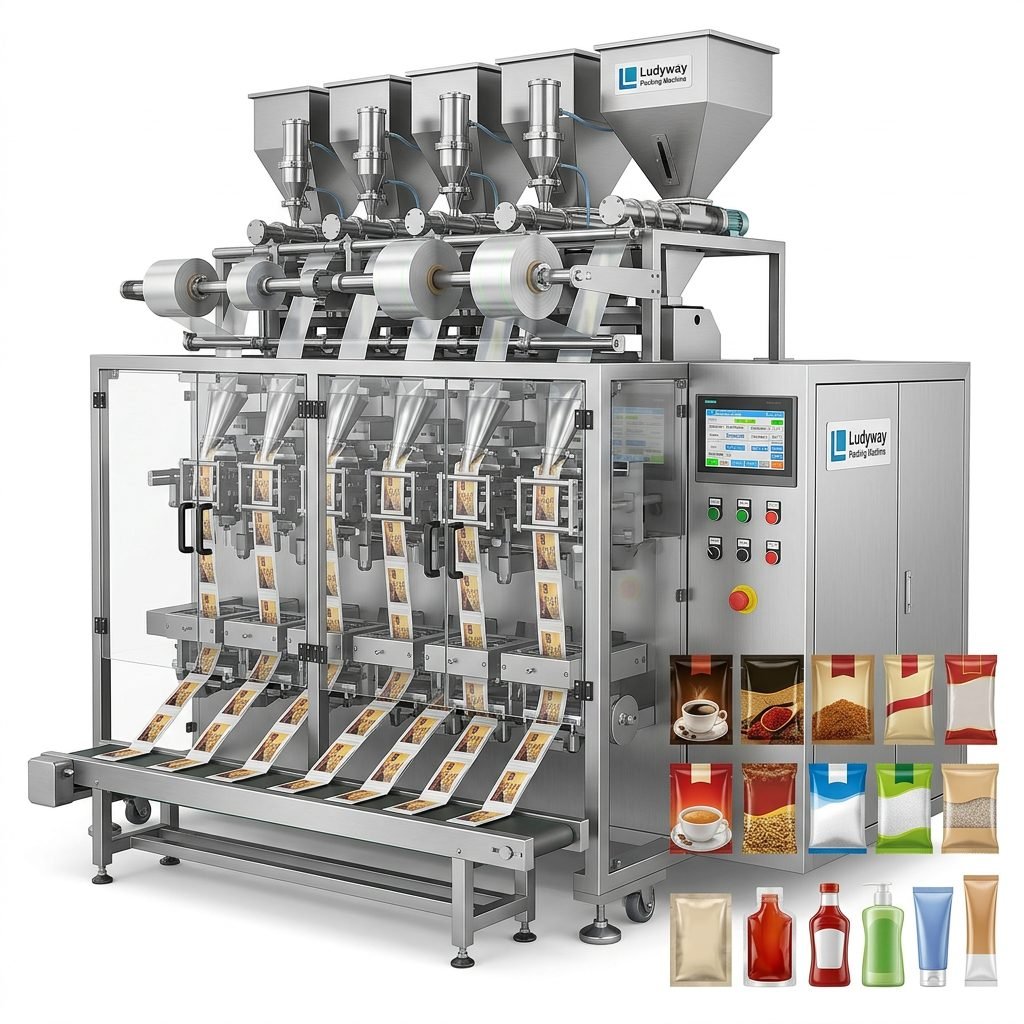
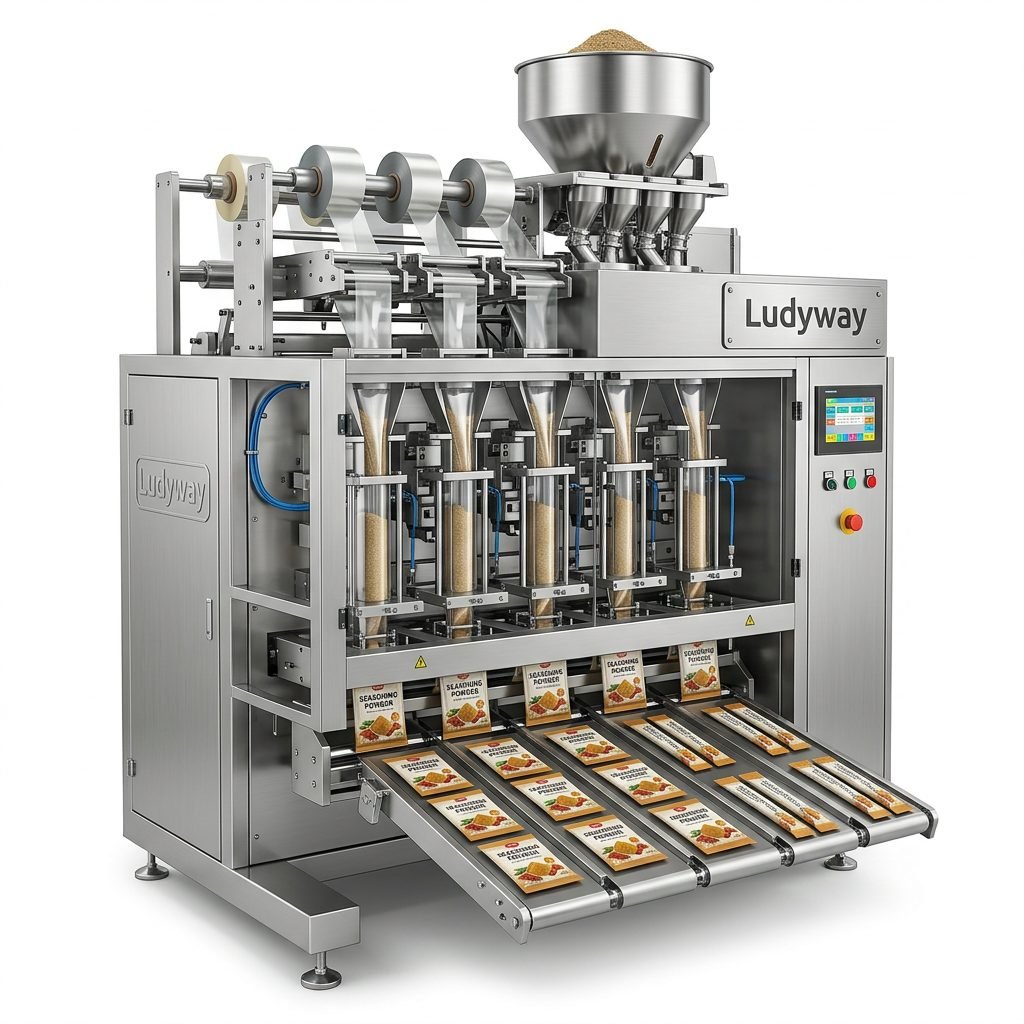
Automated systems operate continuously at optimized speeds, far exceeding manual or semi-automatic methods. Machines like high-speed multi-lane stick pack or sachet machines can produce hundreds of units per minute, ensuring production targets are met with ease.
2. Minimized Downtime and Changeovers
Smart machines feature quick-change tooling and recipe storage on HMIs. Switching between different product packages can be done in minutes instead of hours, maximizing productive run time. Predictive maintenance alerts, based on machine data, also prevent unexpected breakdowns.
3. Enhanced Labor Allocation
Automation handles repetitive, physically demanding tasks. This allows your skilled workforce to be redeployed to more valuable roles such as quality control supervision, machine maintenance, and process engineering, improving overall operational intelligence.
For companies like Ludyway Packing Machine, which offers over 50 models of intelligent packaging systems, providing solutions that boost line efficiency is a core mission, backed by decades of engineering expertise in the field.
Substantial Cost Reduction: A Tangible ROI
While the upfront investment in automated packaging machinery is a consideration, the long-term cost savings create a compelling return on investment (ROI).
1. Significant Material Savings
Precision control directly reduces film, pouch, and label waste. Exact sealing and cutting mean less overfilling and fewer rejected packages. Over a year, the savings on packaging materials alone can be substantial.
2. Lower Labor Costs per Unit
Although high-skilled technicians are still needed, the total labor required per thousand units produced plummets. This reduces long-term payroll expenses and mitigates challenges associated with labor shortages.
3. Reduced Product Giveaway and Waste
Advanced filling systems ensure accuracy to within fractions of a gram. This eliminates “giveaway”—the costly practice of overfilling to avoid underweight penalties—saving vast amounts of product over time.
4. Decreased Costs from Errors and Recalls
Automated systems with integrated checkweighers and vision systems catch errors in real-time. This prevents non-compliant or faulty products from reaching the market, avoiding the enormous costs associated with recalls, brand damage, and regulatory fines.
Exploring the right packaging machinery solutions with an expert partner is crucial to accurately projecting these savings for your specific operation.
Building a Future-Proof Packaging Line
Investing in smart packaging is an investment in scalability and flexibility. Modern systems are designed to integrate with upstream and downstream equipment, forming a cohesive, turnkey production line. This modularity allows businesses to start with a core solution and add capabilities—like robotic palletizing or advanced track-and-trace serialization—as needs grow.
The data generated by these intelligent machines is perhaps their most underutilized asset. Analyzing production trends, downtime causes, and quality metrics enables continuous improvement (Kaizen), driving further efficiencies and cost reductions long after installation.
Providers with a global service footprint, such as those with international packaging business experience, ensure that support and spare parts are available wherever your production is located, protecting your investment.
Conclusion: A Strategic Imperative
The transition to smart packaging machinery and automated solutions is no longer a luxury for large corporations; it is a strategic imperative for manufacturers of all sizes aiming to compete. The dual benefits of radically improved efficiency and significant, sustained cost reduction deliver a clear competitive edge. By minimizing waste, maximizing throughput, and empowering a skilled workforce, these technologies lay the foundation for resilient, profitable, and scalable growth in an increasingly demanding market.
Frequently Asked Questions (FAQs)
1. What is the typical payback period for an automated packaging machine investment?
The payback period varies based on machine type, production volume, and labor costs. However, many operations see a full return on investment within 12 to 24 months through savings in labor, materials, waste reduction, and increased output.
2. Can automated packaging systems handle small batch production or frequent product changeovers?
Yes, modern smart machines are designed for flexibility. Features like digital recipe storage, quick-change tooling, and servo-driven adjustments make changeovers fast and efficient, making them viable even for small to medium batch production runs.
3. How do I ensure the packaging machine integrates with my existing production line?
Reputable suppliers offer comprehensive engineering support. They will assess your current line layout, product specs, and desired output to recommend a compatible system and handle the integration, often providing a complete turnkey solution to ensure seamless operation.
4. What kind of maintenance do these intelligent machines require?
While more reliable and self-diagnosing than older machines, they require scheduled preventive maintenance. This typically involves regular cleaning, lubrication, and inspection of wear parts. Most suppliers offer training and detailed maintenance schedules to keep your line running optimally.
5. Are automated packaging solutions suitable for fragile or irregularly shaped products?
Absolutely. There are specialized automated solutions, such as gentle handling pick-and-place robots, custom-designed cartoners, or padded bag systems, engineered specifically to package delicate, non-uniform, or high-value products without damage.