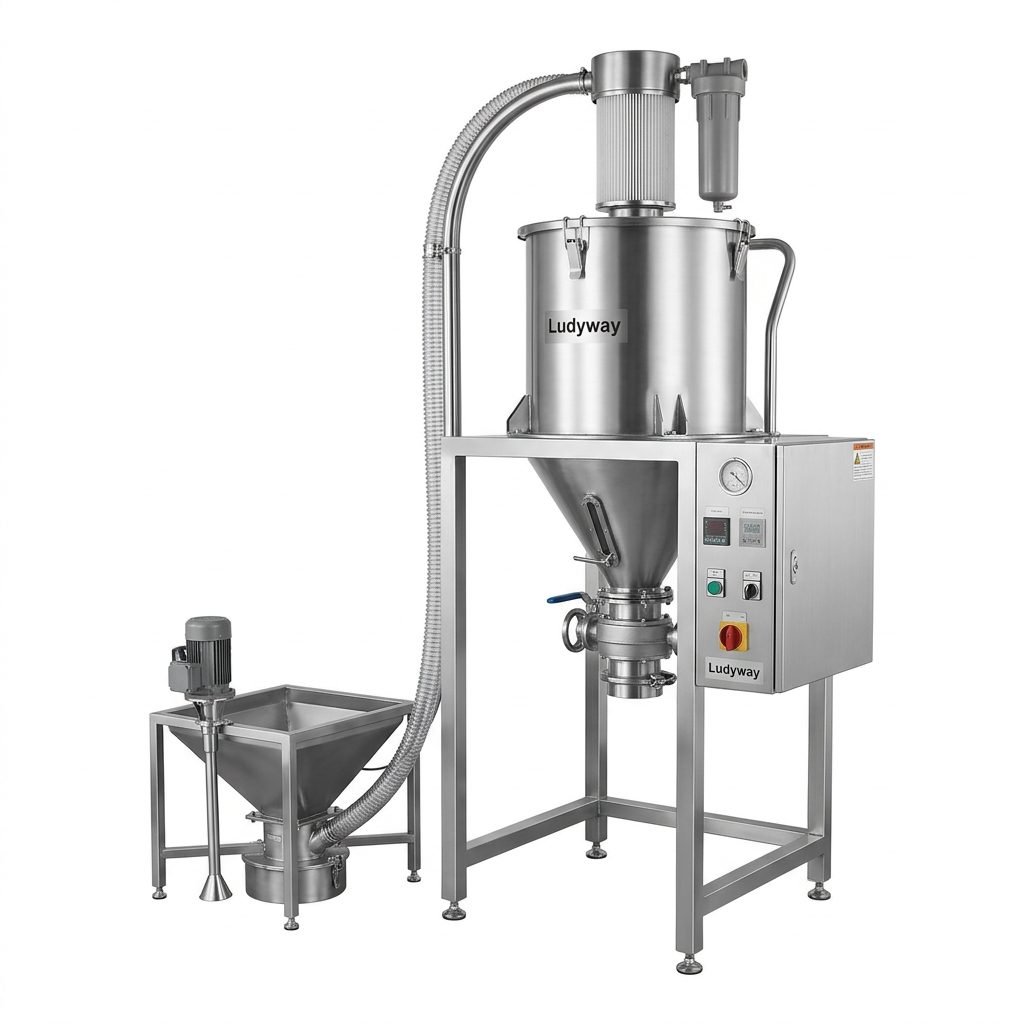
Selecting the right Elmach blister packing machine is one of the most important equipment decisions for pharmaceutical manufacturers, nutraceutical producers, and medical device companies. A well-chosen blister packaging system directly impacts production efficiency, product protection, and regulatory compliance. This comprehensive guide walks you through the essential factors to evaluate before making your investment.
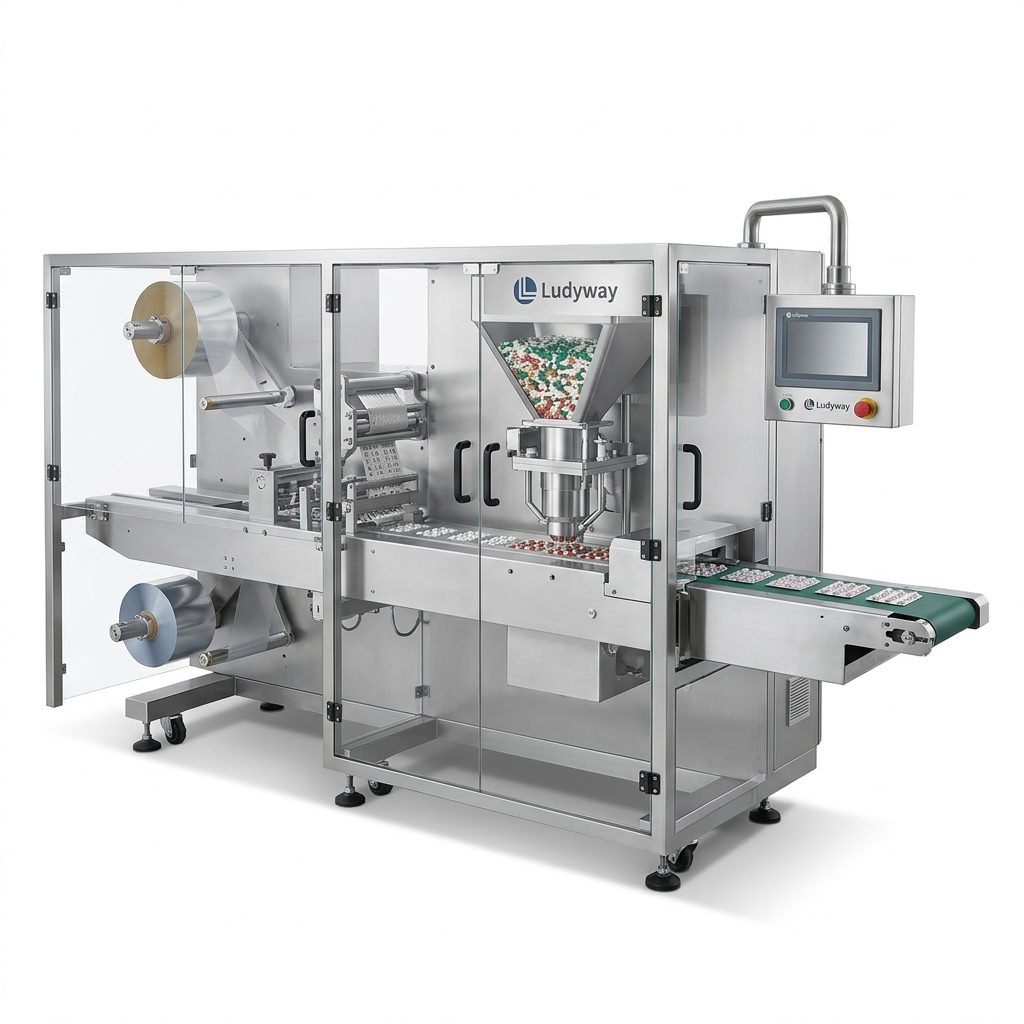
Understanding Blister Packaging Machine Types
Before evaluating specific Elmach models, it is critical to understand the primary categories of blister packaging equipment available on the market. Each type serves different production requirements and product characteristics.
Continuous Motion vs. Intermittent Motion
Continuous motion machines maintain constant web movement throughout the forming, filling, and sealing process, delivering higher output speeds ideal for large-scale production. Intermittent motion machines operate in a stop-and-go cycle, offering greater precision for smaller batches and products requiring careful handling. Your choice depends heavily on production volume and product fragility.
Forming Technologies: Thermoforming vs. Cold Forming
Elmach blister machines typically offer two forming methods. Thermoforming uses heat to shape plastic film and is suitable for most solid-dose products. Cold forming employs aluminum-based laminates pressed into shape at room temperature, providing a superior moisture and oxygen barrier for highly sensitive pharmaceuticals. According to ISO 11607 guidelines, material selection must align with the product’s stability requirements.
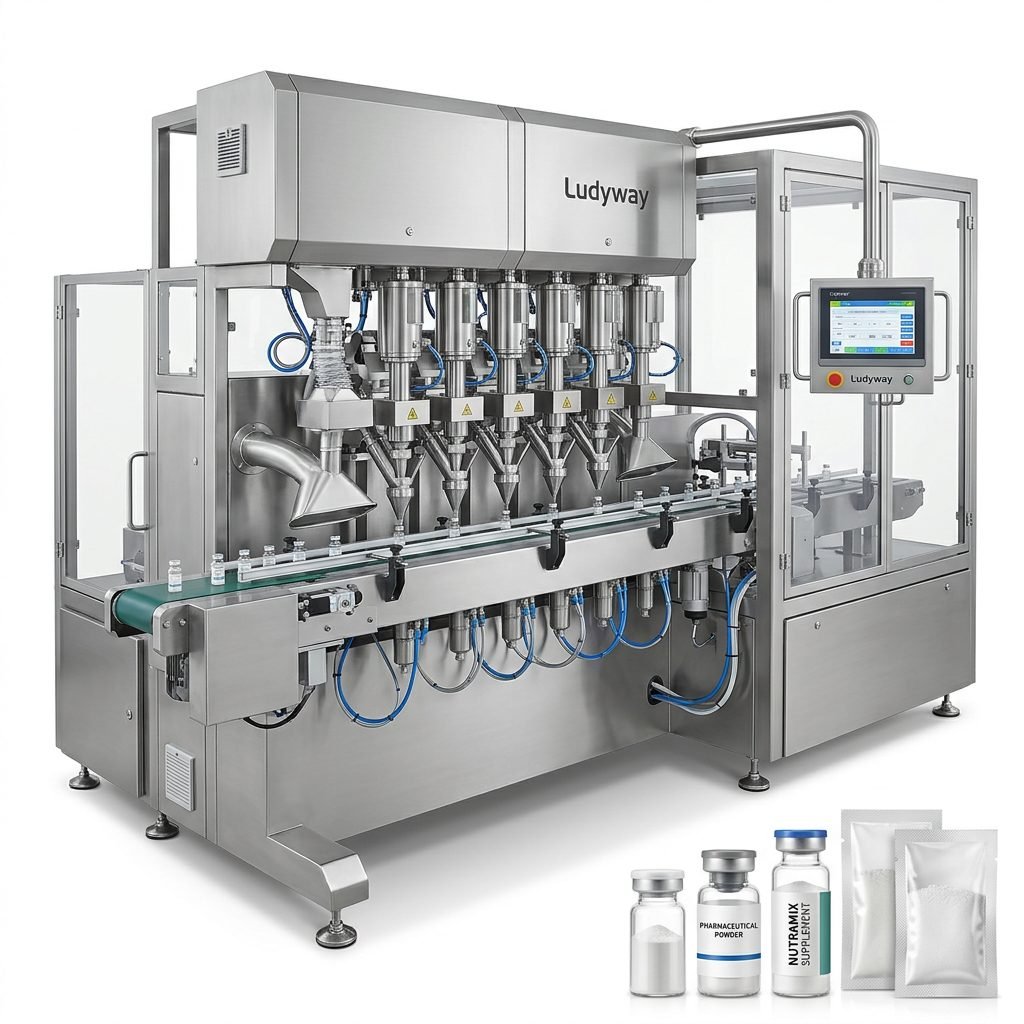
Key Factors to Evaluate When Choosing an Elmach Blister Packing Machine
1. Product Characteristics and Compatibility
The physical and chemical properties of your product directly determine machine configuration. Tablet size, shape, and friability affect feeding system design. Capsules require gentle handling mechanisms. For moisture-sensitive formulations, the machine must support desiccant integration and hermetic sealing capabilities. Always conduct product trials before finalizing specifications.
2. Production Speed and Output Requirements
Elmach offers models ranging from 60 to over 600 blisters per minute. Calculate your current and projected production demands over at least a 3-to-5-year horizon. Investing in slightly higher capacity than current needs often proves more cost-effective than upgrading later. Refer to PMMI industry benchmarks for production efficiency standards.
3. Packaging Material Compatibility
Your choice of forming film, lidding material, and backing substrates must be fully compatible with the machine’s sealing temperature range, pressure settings, and tooling design. Common materials include PVC, PVDC, PP, PE, aluminum, and various multi-layer laminates. The Flexible Packaging Association provides extensive material selection guidance for pharmaceutical applications.
4. Automation and Integration Capabilities
Modern Elmach systems can integrate with upstream feeding systems, downstream cartoning machines, serialization modules, and track-and-trace solutions. Evaluate whether you need a standalone blister machine or a fully integrated blister packaging line. FDA packaging requirements increasingly emphasize serialization and traceability features for pharmaceutical products.
Technical Specifications Comparison
The following table summarizes critical technical parameters to compare across different Elmach blister machine configurations:
| Specification Parameter | Why It Matters | Typical Range |
|---|---|---|
| Forming Area Dimensions | Determines blister card size and cavity arrangement | 120×180 mm to 300×400 mm |
| Forming Depth | Affects maximum product height accommodation | 10 mm to 35 mm |
| Cycle Speed | Directly impacts hourly throughput | 15-60 cycles/min |
| Sealing Temperature Range | Must match lidding material activation temperature | 120°C to 250°C |
| Tooling Changeover Time | Critical for multi-product production lines | 15-45 minutes |
| Power Consumption | Long-term operational cost factor | 3-12 kW |
Regulatory Compliance and Quality Standards
Pharmaceutical blister packaging must comply with stringent GMP (Good Manufacturing Practice) requirements. Your Elmach machine should support 21 CFR Part 211 compliance for finished pharmaceuticals and ISO 15378 for primary packaging materials. Key validation considerations include:
- IQ/OQ/PQ documentation availability from the manufacturer
- Seal integrity testing and leak detection systems
- Cleanroom compatibility (ISO Class 7 or better)
- Material traceability and batch recording capabilities
- Compliance with ISO 11607-2 validation requirements for sterile barrier systems
Evaluating Supplier Capabilities
Beyond machine specifications, supplier reliability and support infrastructure are equally important. Assess potential suppliers on these criteria:
After-Sales Support and Service
Verify the availability of local technical support, spare parts inventory, and response times for emergency service. A blister machine is a long-term investment, and downtime directly impacts revenue. Leading manufacturers maintain regional service hubs and offer comprehensive training programs for operators and maintenance personnel.
Customization and Engineering Expertise
Standard machines rarely meet every production requirement perfectly. Look for suppliers with in-house engineering capabilities who can customize feeding systems, tooling configurations, and automation levels. Companies like Ludyway Machinery, a China-based packaging machinery manufacturer with over 30 years of experience, combine manufacturing expertise with engineering capabilities to deliver customized blister packaging solutions tailored to specific product and production requirements.
Installation and Commissioning Support
Professional installation, commissioning, and operator training ensure your blister packing line achieves optimal performance from day one. Confirm that the supplier provides comprehensive on-site support and detailed documentation.
Total Cost of Ownership Considerations
The purchase price is only one component of the total cost of ownership (TCO). Evaluate these ongoing cost factors over the machine’s expected lifespan of 10-15 years:
- Consumable costs: forming film, lidding material, and sealing components
- Energy efficiency: power consumption per thousand blisters produced
- Maintenance expenses: preventive maintenance schedules and spare parts pricing
- Tooling replacement: forming and sealing tool life expectancy
- Operator training: initial and ongoing training investment
- Downtime costs: estimated production loss during repairs or maintenance
Future-Proofing Your Investment
The pharmaceutical packaging landscape continues to evolve with increasing regulatory requirements, sustainability pressures, and digital transformation. When selecting an Elmach blister machine, consider:
- Serialization readiness for compliance with FDA DSCSA requirements
- Industry 4.0 connectivity for real-time production monitoring and OEE tracking
- Sustainable material compatibility for recyclable mono-materials and reduced plastic usage
- Modular design that allows future upgrades without complete machine replacement
- Alignment with EU packaging waste regulations and emerging circular economy requirements
Making the Final Decision
Choosing the right Elmach blister packing machine requires balancing technical specifications, regulatory compliance, supplier reliability, and total cost of ownership. Start by clearly defining your product requirements, production volumes, and quality standards. Request detailed proposals from multiple suppliers, conduct on-site demonstrations when possible, and thoroughly review validation documentation and service agreements before finalizing your purchase.
A well-informed decision today will deliver reliable, compliant, and efficient blister packaging operations for years to come. For additional industry data, consult the PMMI Business Intelligence Library for the latest packaging machinery market research and technology trends.