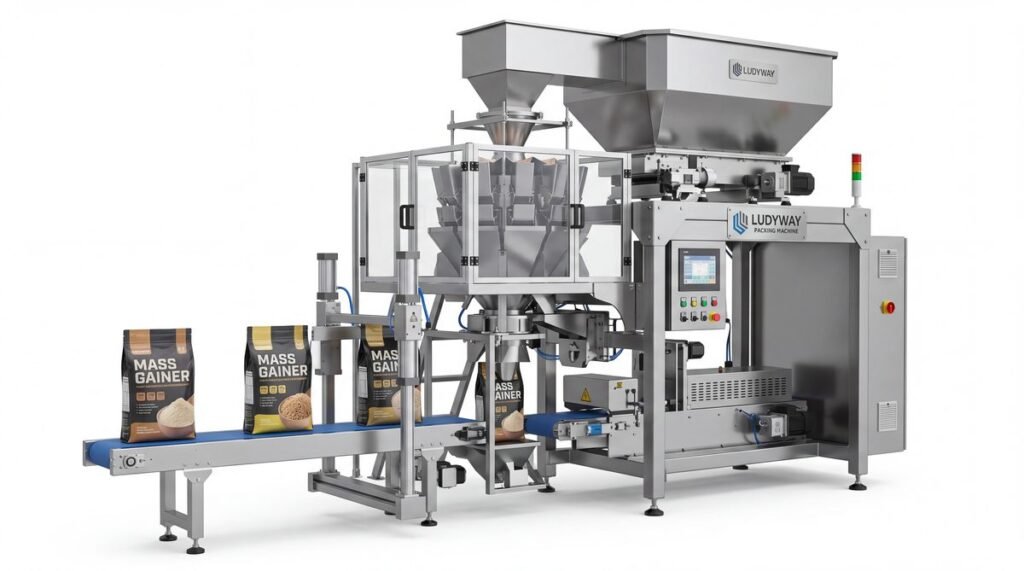
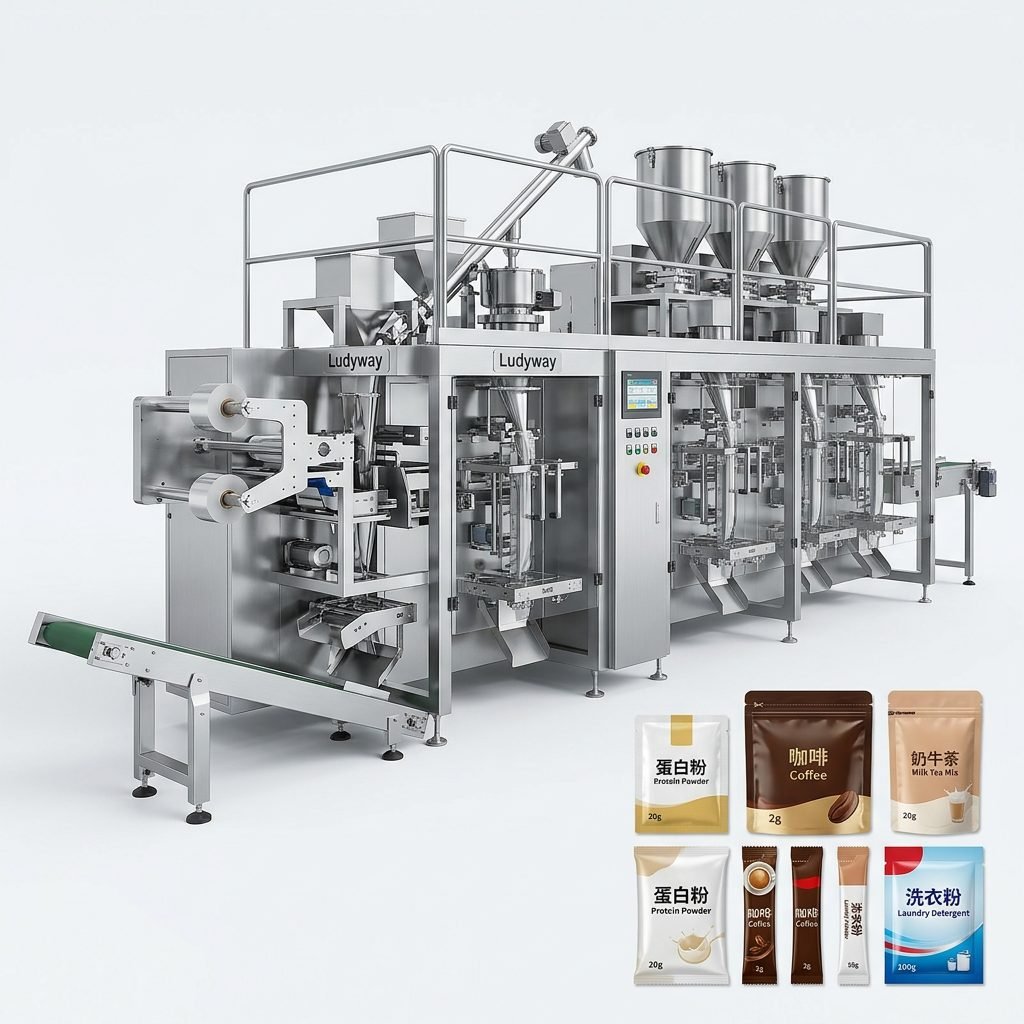
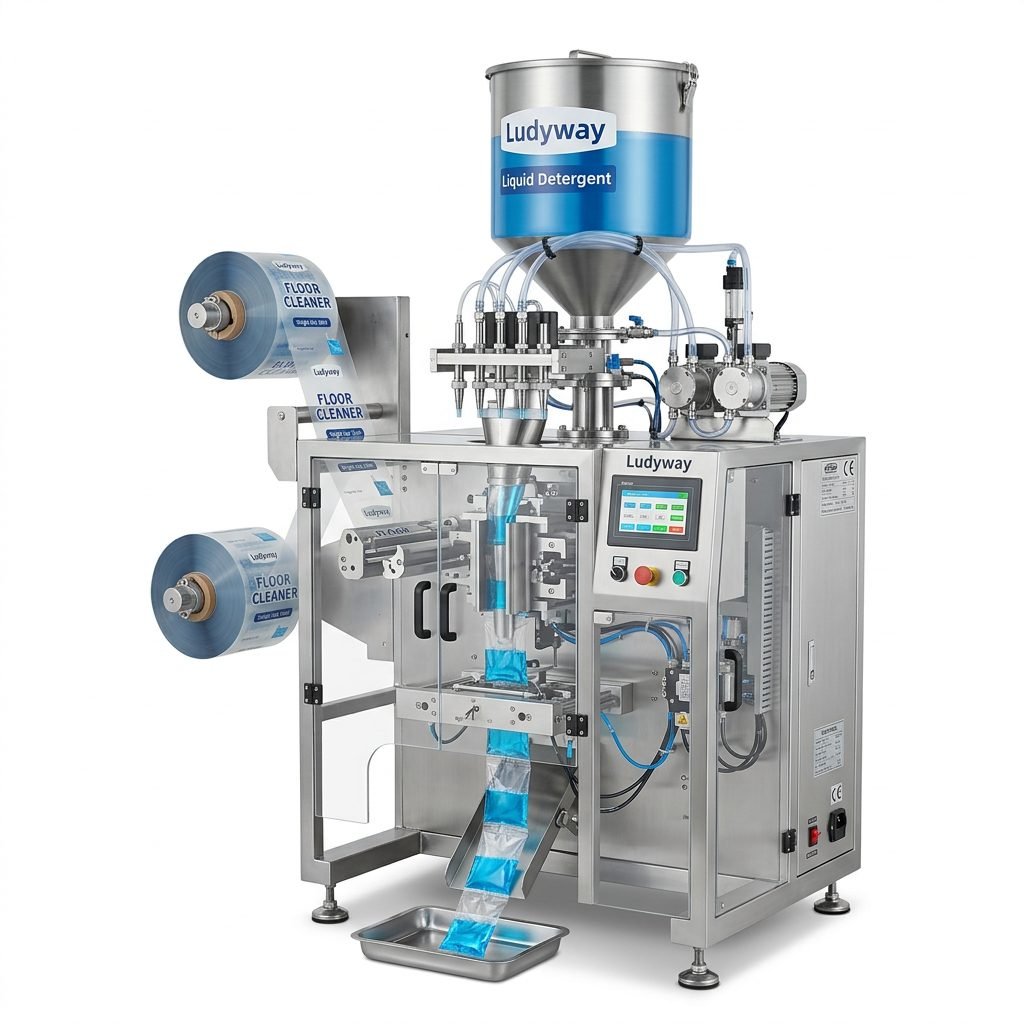
In the fast-paced world of cosmetics manufacturing, the final presentation of a product is often as critical as the formula itself. Cosmetic packaging machinery is the unsung hero behind the sleek bottles, elegant jars, and convenient sachets that line store shelves. This complete guide delves into the various types of machinery, their key features, and provides a strategic framework for selecting the right system to elevate your production line, enhance brand appeal, and ensure operational efficiency.
Understanding the Core Types of Cosmetic Packaging Machinery
The landscape of cosmetic packaging equipment is diverse, each type designed for specific container forms, product viscosities, and production volumes. Understanding these categories is the first step toward an informed investment.
1. Liquid Filling Machines
These are the workhorses for products like serums, toners, lotions, and shampoos. They range from simple semi-automatic piston fillers for startups to fully automated rotary filling lines for high-volume production. Key variations include:
- Gravity Fillers: Ideal for free-flowing, thin liquids.
- Piston Fillers: Excellent for creams, gels, and thicker formulations, offering high accuracy.
- Pump Fillers: Suitable for foams and products that are sensitive to agitation.
2. Capping and Sealing Machines
Once filled, containers must be securely closed. This category includes:
- Snap Cappers: For press-on caps.
- Spindle Cappers: For screw-on caps, with torque control to prevent over-tightening.
- Induction Sealers: Apply an airtight, tamper-evident foil liner under plastic caps, crucial for product integrity.
3. Tube Filling and Sealing Machines
Essential for products like facial creams, masks, and gels packaged in plastic, laminate, or metal tubes. These machines typically integrate filling, folding, and crimping or heat-sealing in one process.
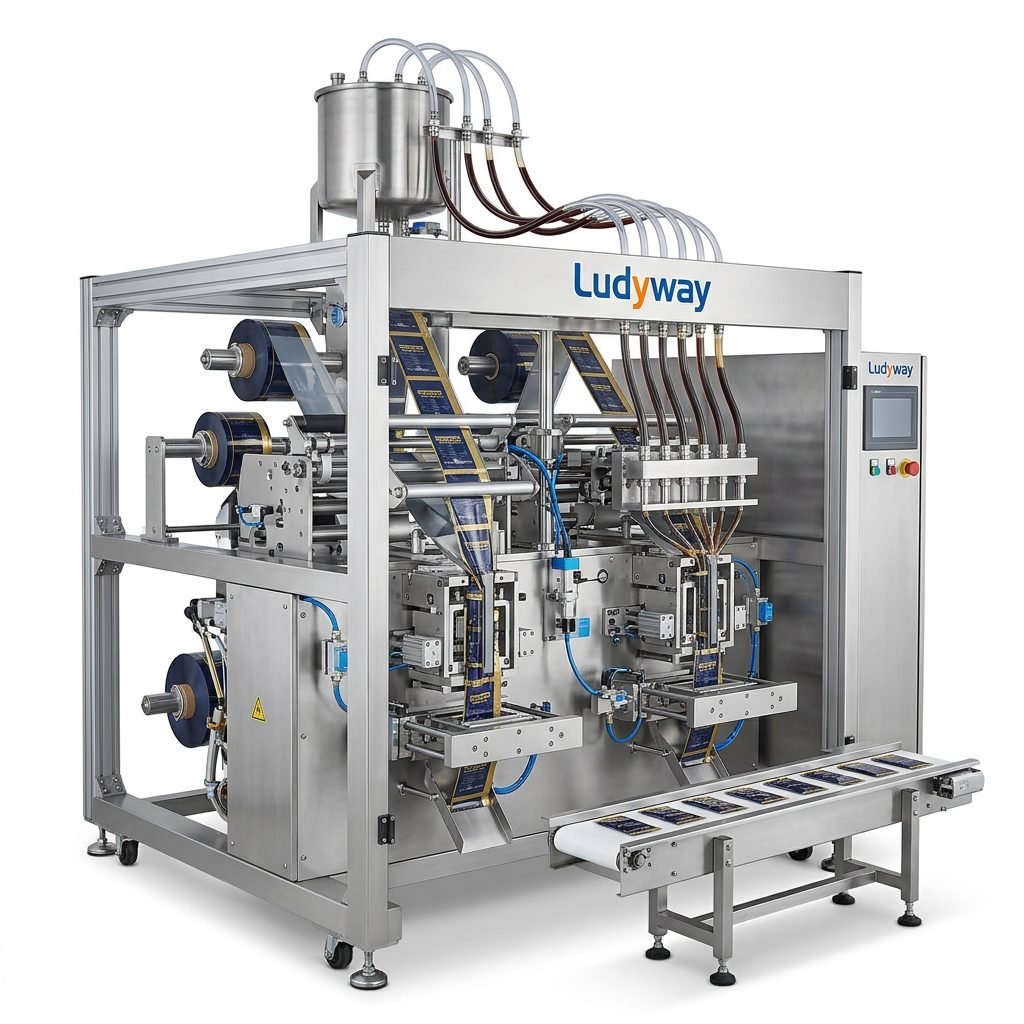
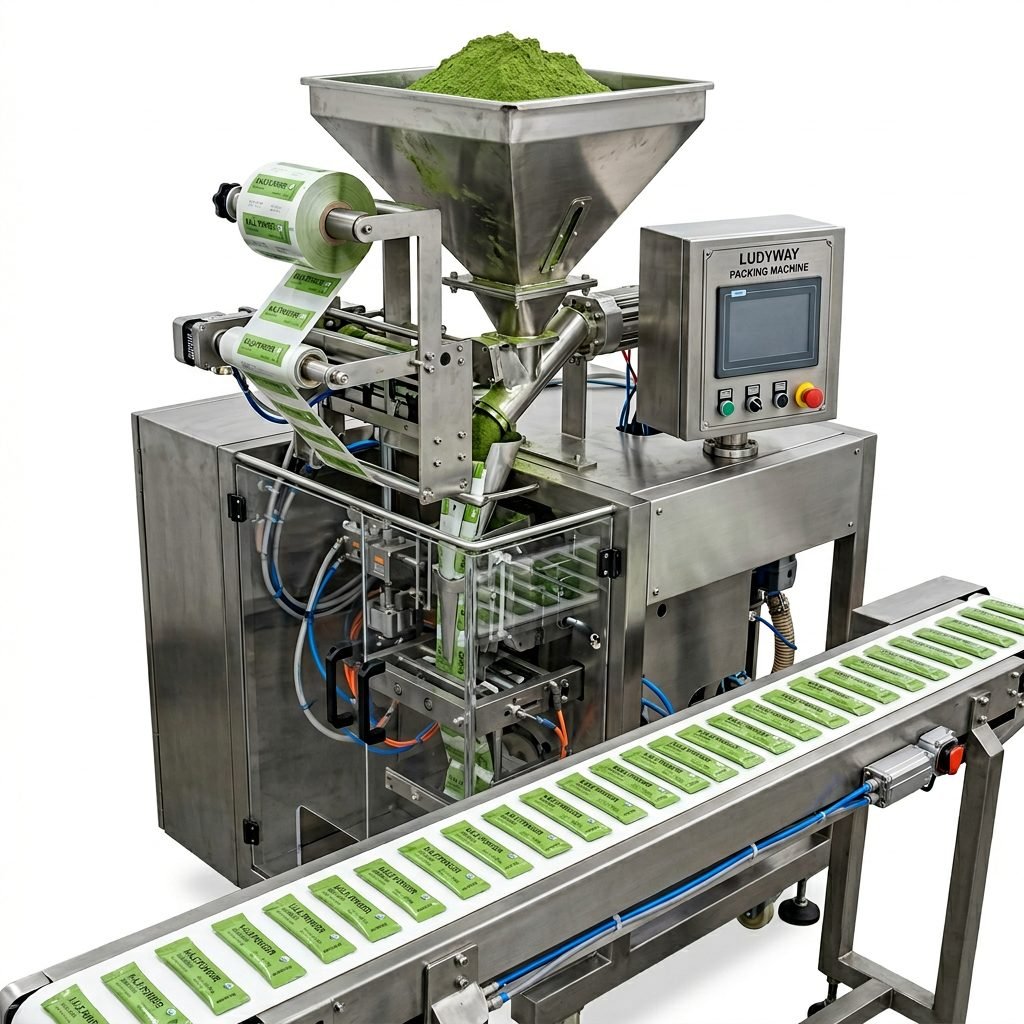
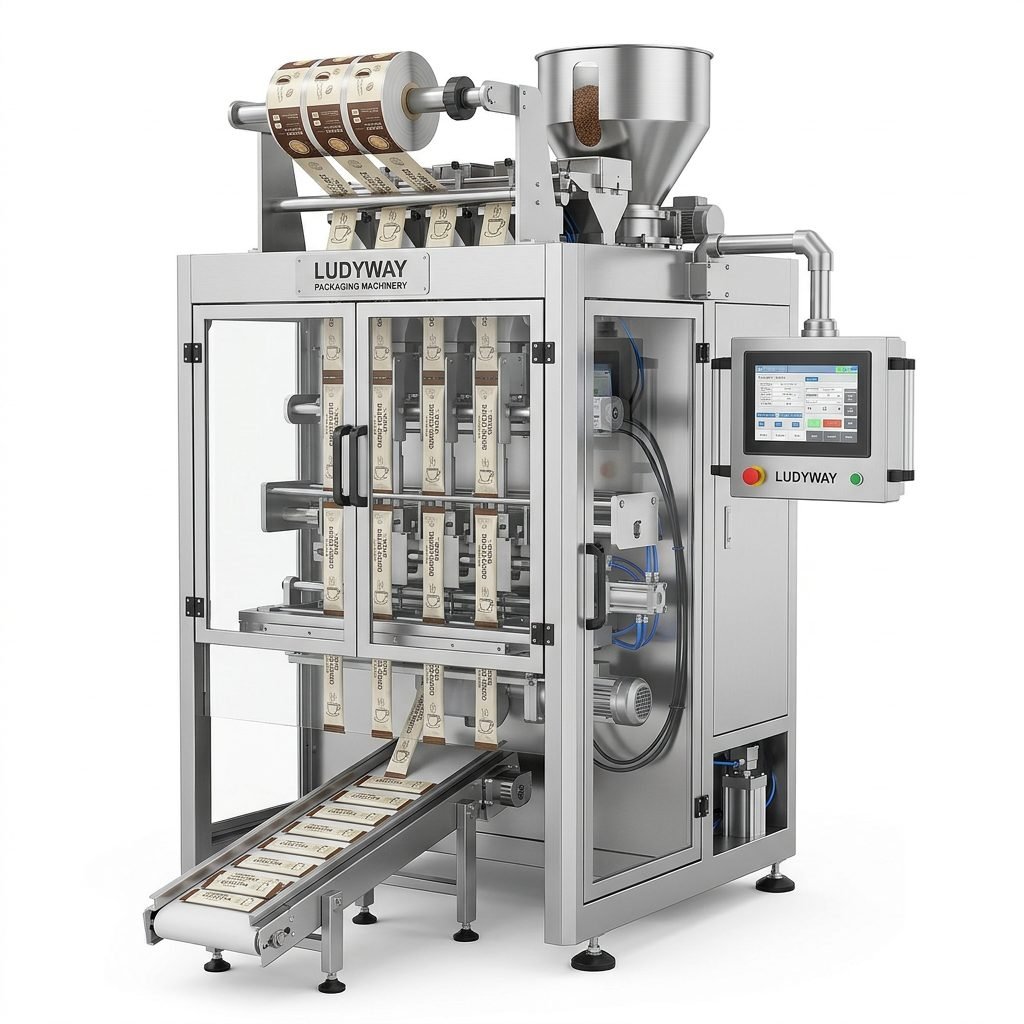
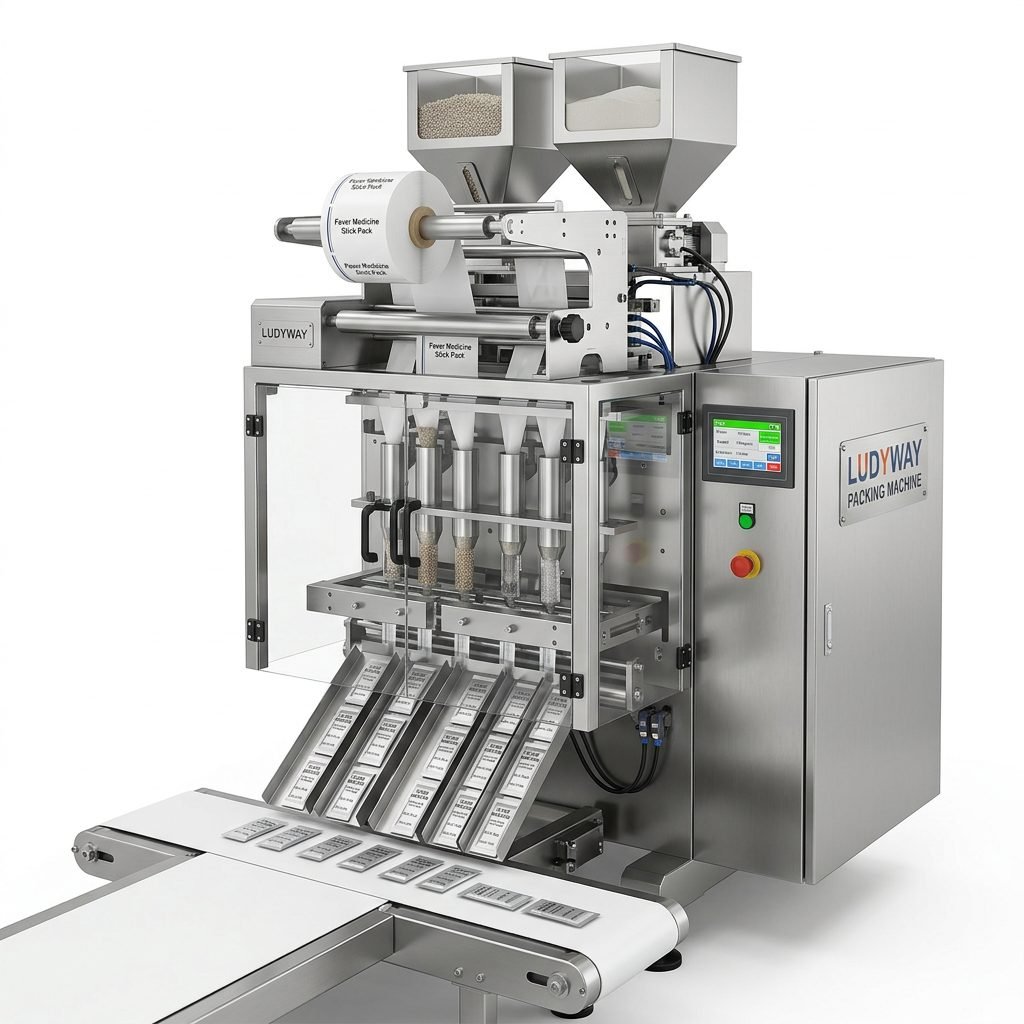
4. Stick Pack and Sachet Packaging Machines
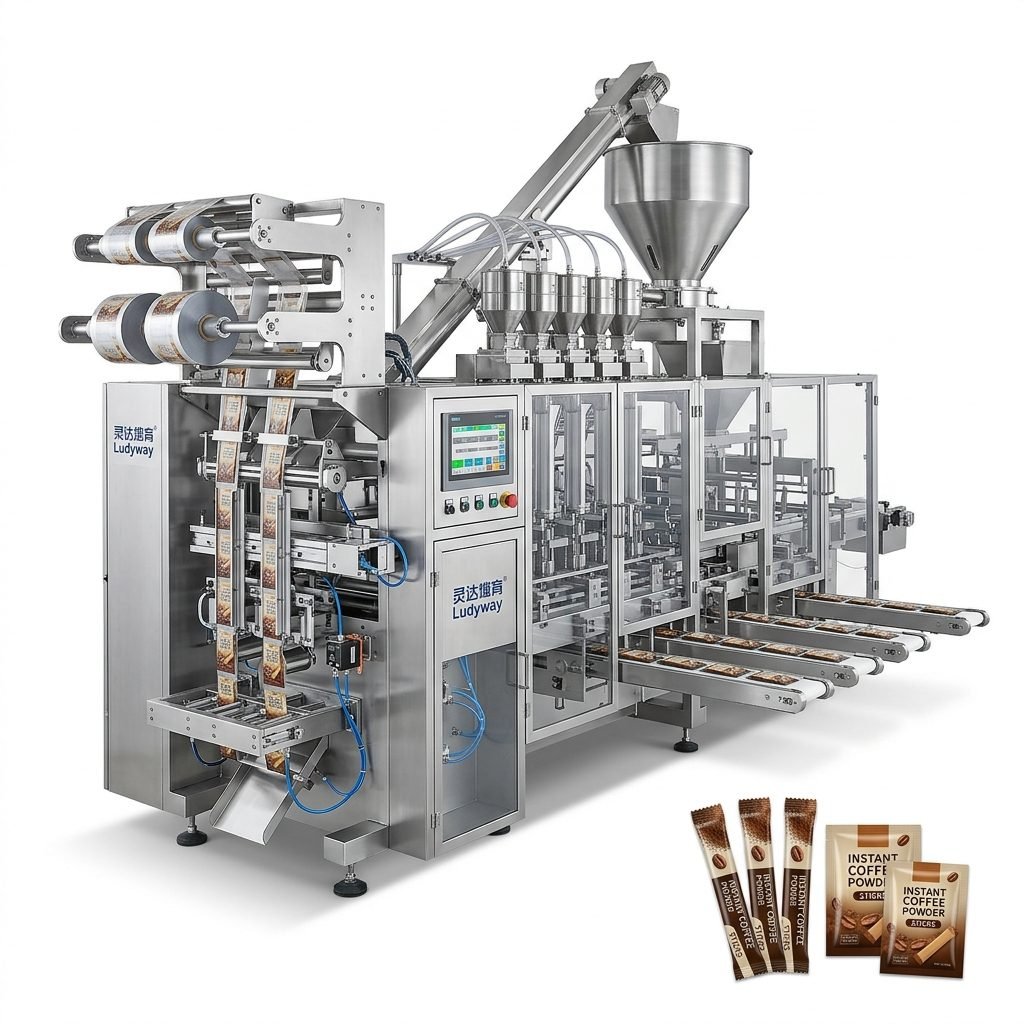
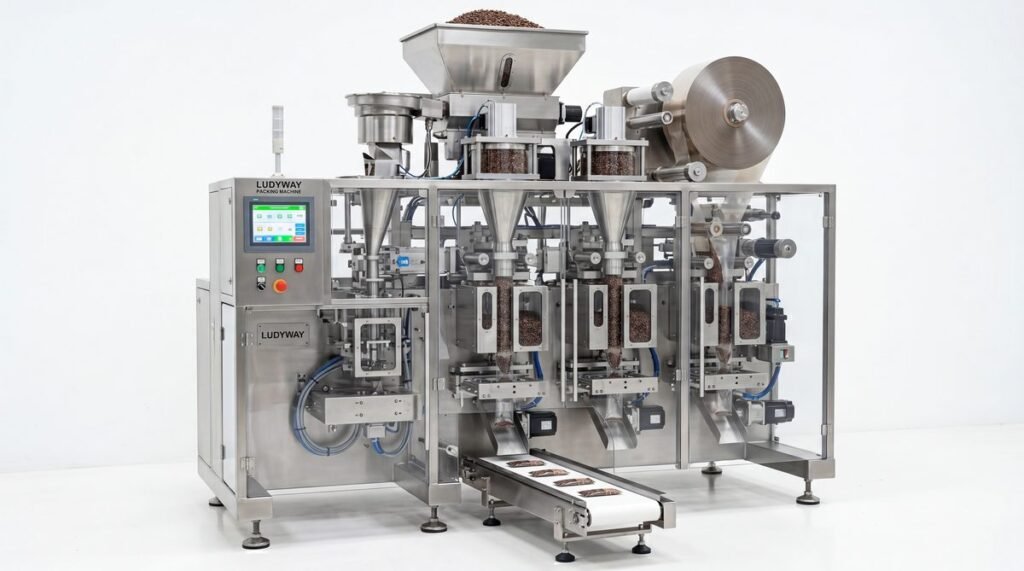
Gaining immense popularity for single-use samples, travel kits, and portion-controlled products like shampoos, conditioners, and powders. Machines like the multi-lane stick pack machine allow for high-speed production of small, sealed pouches.
5. Powder Filling Machines
Used for loose powders, blush, eyeshadow pigments, and foundation compacts. Auger fillers are most common, using a rotating screw to dispense precise amounts of powder into containers.
6. Labeling and Coding Systems
These are not strictly packaging but are integral to the line. They apply primary labels, barcodes, batch numbers, and expiry dates with precision, ensuring compliance and traceability.
Essential Features to Evaluate in a Packaging System
Beyond the basic type, several features determine a machine’s suitability, longevity, and return on investment.
Accuracy and Precision
Consistent fill volume or weight is non-negotiable. Overfilling wastes expensive cosmetic ingredients, while underfilling leads to regulatory and customer satisfaction issues. Look for machines with high-precision servo motors and advanced control systems.
Speed and Production Capacity
Measured in containers per minute (CPM), this must align with your current and projected output. A high-speed sachet packaging machine might be vital for a contract manufacturer but overkill for a small artisan brand.
Flexibility and Changeover Ease
The ability to quickly switch between different container sizes, shapes, or products (from a serum to a lotion) minimizes downtime. Tool-less changeovers are a significant advantage for brands with diverse SKUs.
Hygienic Design and Material Compatibility
Machinery should be easy to clean, with stainless steel contact parts and designs that prevent product entrapment. It must also be compatible with your product’s chemical properties (e.g., abrasive, acidic, or viscous).
Automation and Integration Level
From semi-automatic (one operation at a time) to fully automated turnkey production lines with robotic loaders and conveyors, the level of automation impacts labor costs and throughput.
Durability and Build Quality
Invest in robust machinery built with quality components. This reduces maintenance frequency, ensures consistent performance, and extends the equipment’s operational life, protecting your capital investment.
A Step-by-Step Guide to Choosing the Right System
Selecting the ideal cosmetic packaging machinery is a strategic decision. Follow this framework to navigate the process.
Step 1: Conduct a Thorough Needs Analysis
Define your core requirements with precision:
📍 Product Profile: Viscosity, abrasiveness, sensitivity to air/light.
📍 Container Details: Type (bottle, jar, tube, sachet), material, size range, opening size.
📍 Production Goals: Required output (units per shift/day), future growth projections.
📍 Floor Space & Utilities: Available factory space, power (voltage), and compressed air requirements.
Step 2: Set a Realistic Budget
Consider the Total Cost of Ownership (TCO), not just the purchase price. Factor in installation, training, maintenance, spare parts, and potential costs for future upgrades or modifications.
Step 3: Research and Shortlist Reputable Suppliers
Look for manufacturers or brands with proven industry experience, like Ludyway Machinery, which brings over a decade of specialization in packaging solutions. Evaluate their:
✅ Portfolio and machine range.
✅ Technical support and after-sales service network.
✅ Client testimonials and case studies, especially within the cosmetics sector.
Step 4: Request Demos and Product Samples
Never buy based on specifications alone. Arrange to run your actual product and containers on the shortlisted machines. This is the only way to verify fill accuracy, speed, and compatibility firsthand.
Step 5: Evaluate Support and Service Terms
Reliable machinery needs reliable support. Scrutinize the warranty period, availability of spare parts, training programs for your operators, and the supplier’s responsiveness for technical queries.
Step 6: Plan for Integration and Future-Proofing
Consider how the new machine will integrate with your existing line. Also, assess its scalability. Can it handle a 20% increase in speed? Can it be easily modified for a new container shape? Choosing a flexible system from a partner committed to long-term cooperation and innovation safeguards your investment.
Frequently Asked Questions (FAQs)
Q1: What is the typical lead time for receiving a new packaging machine?
Lead times vary significantly based on the machine’s complexity and customization. A standard model might ship in 4-8 weeks, while a fully custom, automated line could take 3-6 months. Always confirm timelines with your supplier during the quotation process.
Q2: Can one machine handle multiple product types (e.g., liquids and creams)?
Some machines offer high flexibility with quick-change parts. For instance, a piston filler with interchangeable cylinders and nozzles can often handle a range of viscosities. However, switching between fundamentally different formats (like bottles to sachets) typically requires different, dedicated machines or significant modular changes.
Q3: How important is after-sales service, and what should I look for?
Extremely important. Downtime is lost revenue. Look for suppliers who offer comprehensive training, clear manuals, readily available spare parts, and accessible technical support—whether remotely via phone/software or through a local service engineer. A partner with a global service network is a major advantage.
Q4: What are the key trends in cosmetic packaging machinery?
Current trends include a strong push toward sustainability (machines that handle recycled materials or reduce packaging waste), greater connectivity (IoT-enabled machines for predictive maintenance and data analytics), and increased demand for flexibility to accommodate the fast-paced launches common in the cosmetics industry.
Q5: Is it better to buy a single machine or a complete integrated line?
This depends entirely on your scale and operational maturity. A single machine is suitable for startups or low-volume production. An integrated turnkey production line, where filling, capping, labeling, and inspection are seamlessly connected, maximizes efficiency, reduces manual handling, and is essential for medium to high-volume manufacturers aiming for consistent, high-quality output.