In today’s fast-paced industrial landscape, achieving operational efficiency is paramount. For businesses involved in manufacturing, processing, and distribution, the packaging line is often a critical bottleneck or a significant opportunity for optimization. High-efficiency union packaging solutions represent a holistic approach that integrates advanced machinery with compatible, high-performance materials to create seamless, productive, and reliable packaging processes. This synergy between equipment and consumables is not just a luxury but a necessity for industrial businesses aiming to scale, reduce waste, and meet stringent market demands.
The Core Concept: Union of Machinery and Materials
Traditionally, machinery selection and material sourcing were often separate decisions, leading to compatibility issues, suboptimal performance, and increased downtime. High-efficiency union packaging flips this model. It advocates for a synchronized strategy where the packaging machine and the packaging materials are selected and engineered to work in perfect harmony. This union ensures maximum speed, precision, and reliability, minimizing jams, misfeeds, and product waste.
Key Benefits of an Integrated Approach:
- → Maximized Uptime: Perfect material compatibility reduces machine stoppages for adjustments and clearing jams.
- → Enhanced Product Integrity: Materials with the correct barrier properties, strength, and sealability protect products effectively when paired with the precise sealing mechanisms of the machine.
- → Reduced Total Cost of Ownership (TCO): While initial investment might be considered, the long-term savings from less material waste, lower energy consumption, and reduced maintenance are substantial.
- → Scalability and Flexibility: A unified system is easier to scale or adapt to new product lines or packaging formats with minimal re-engineering.
Intelligent Packaging Machinery: The Engine of Efficiency
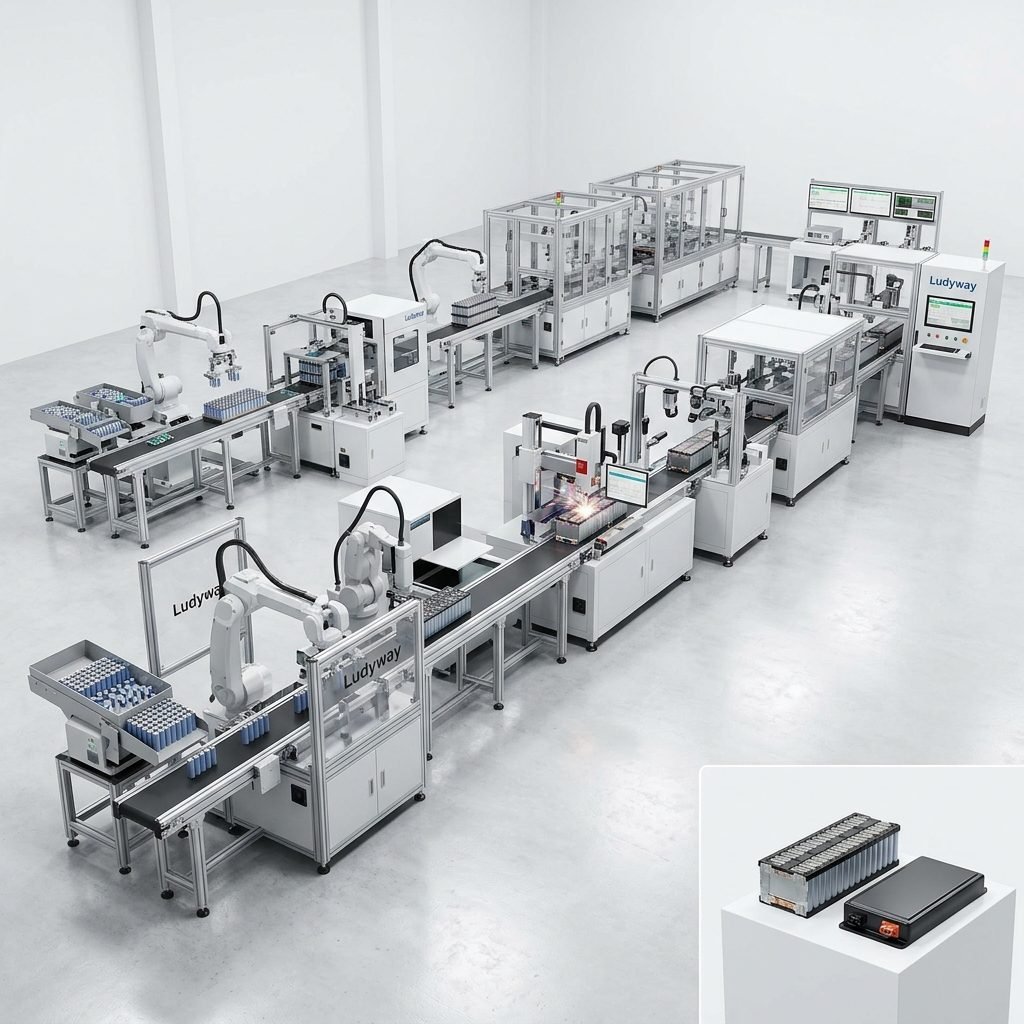
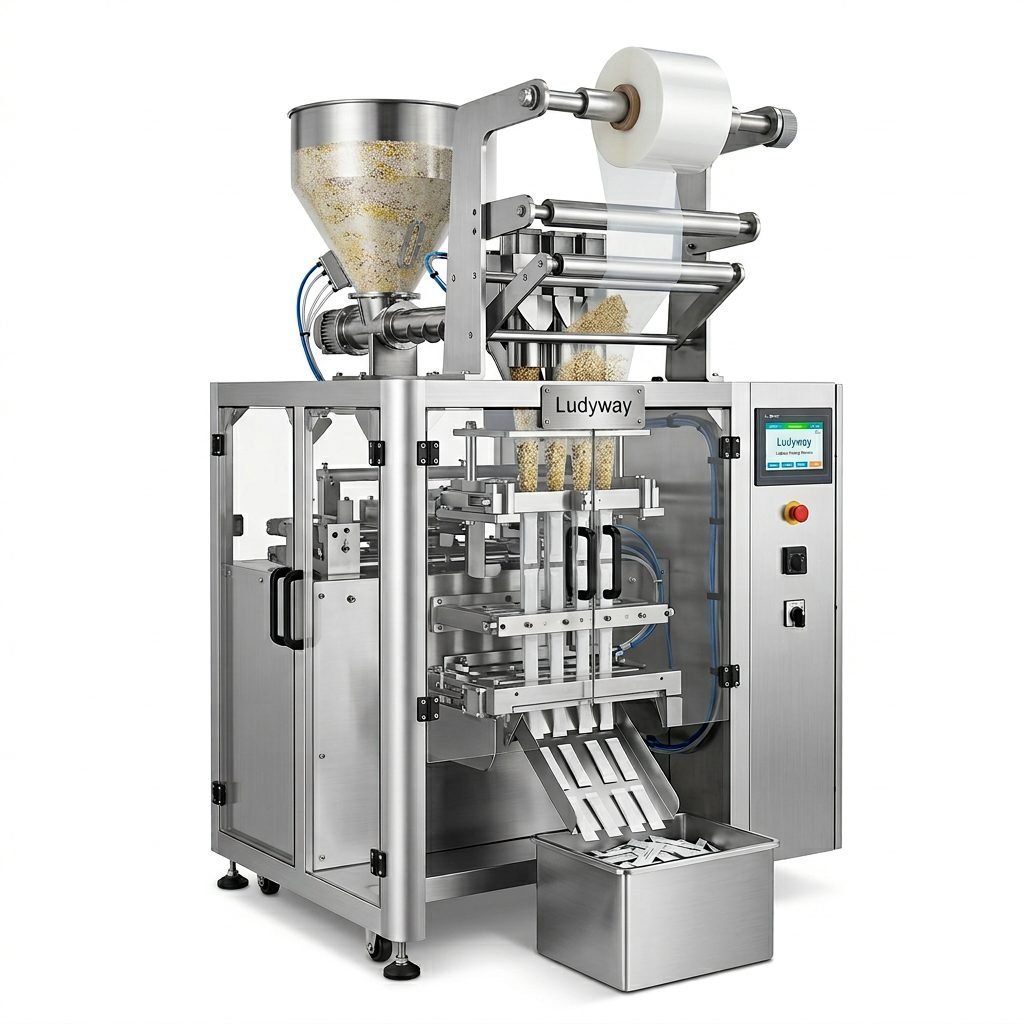
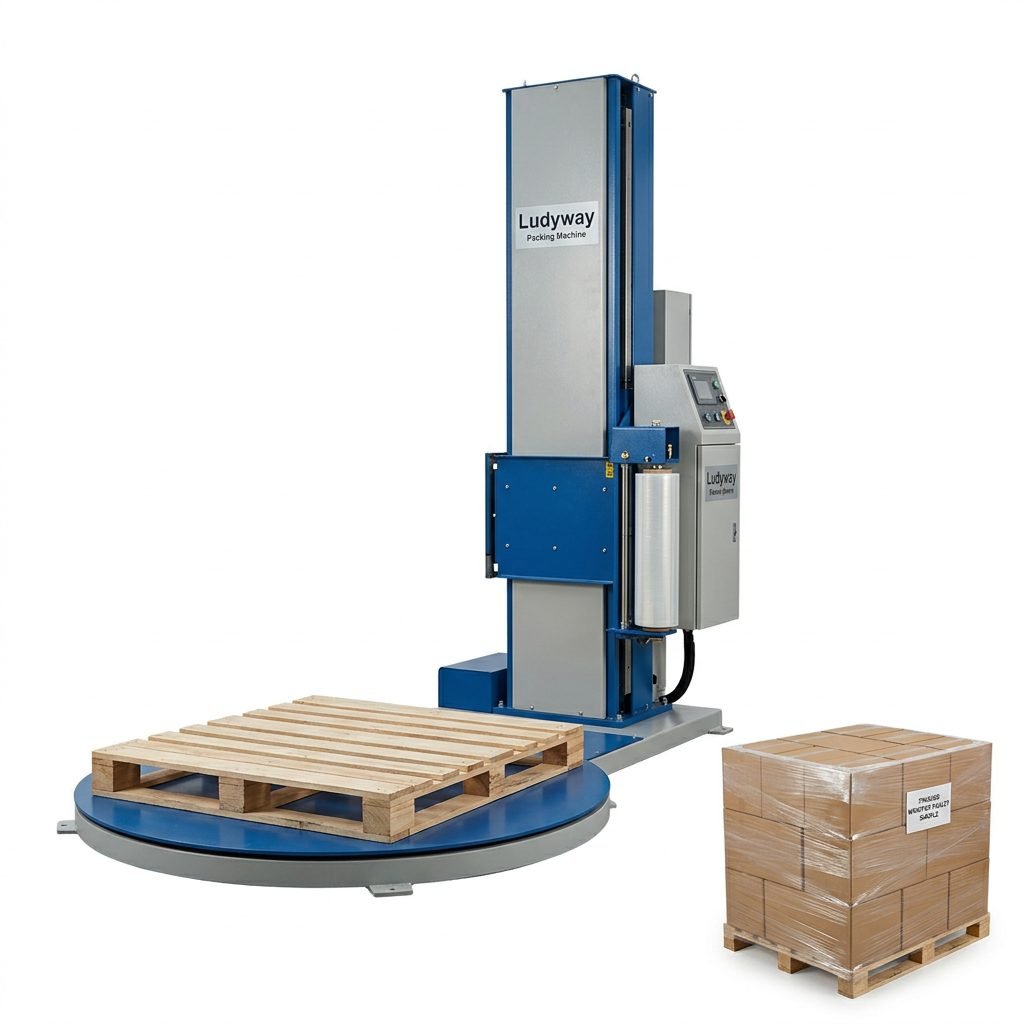
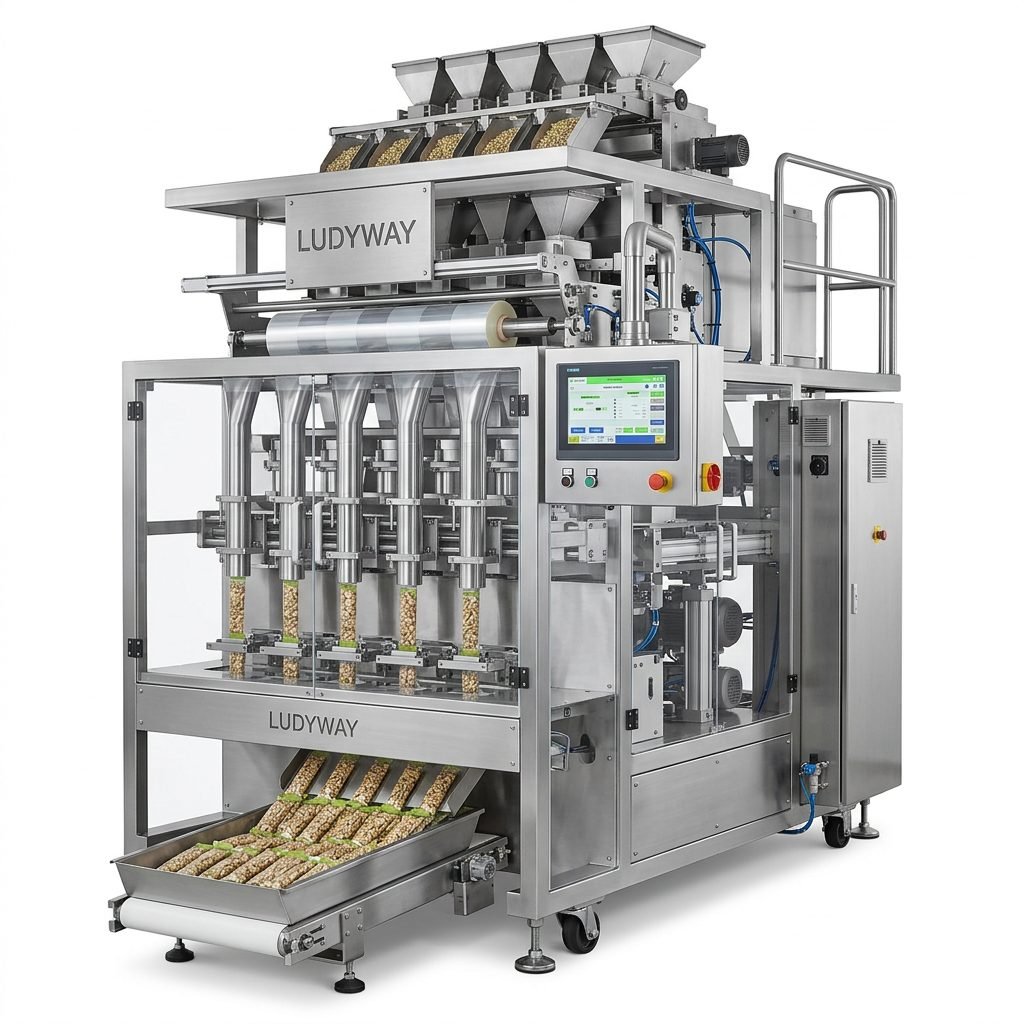
The machinery component of this union has evolved dramatically. Modern high-efficiency packaging systems are characterized by intelligence, flexibility, and robust construction. Brands like Ludyway Machinery exemplify this evolution, offering over 50 models of intelligent packaging machines. These systems go beyond simple automation.
Advanced Features of Modern Packaging Equipment:
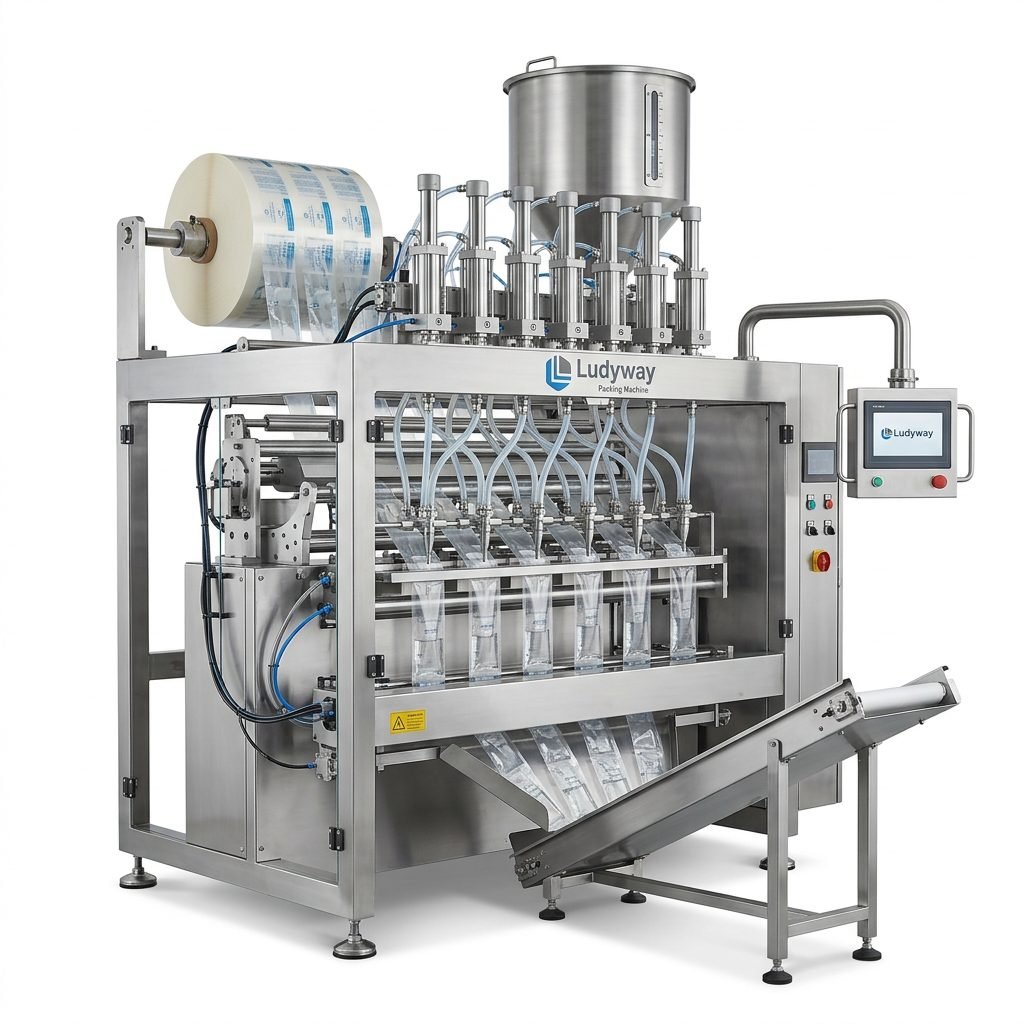
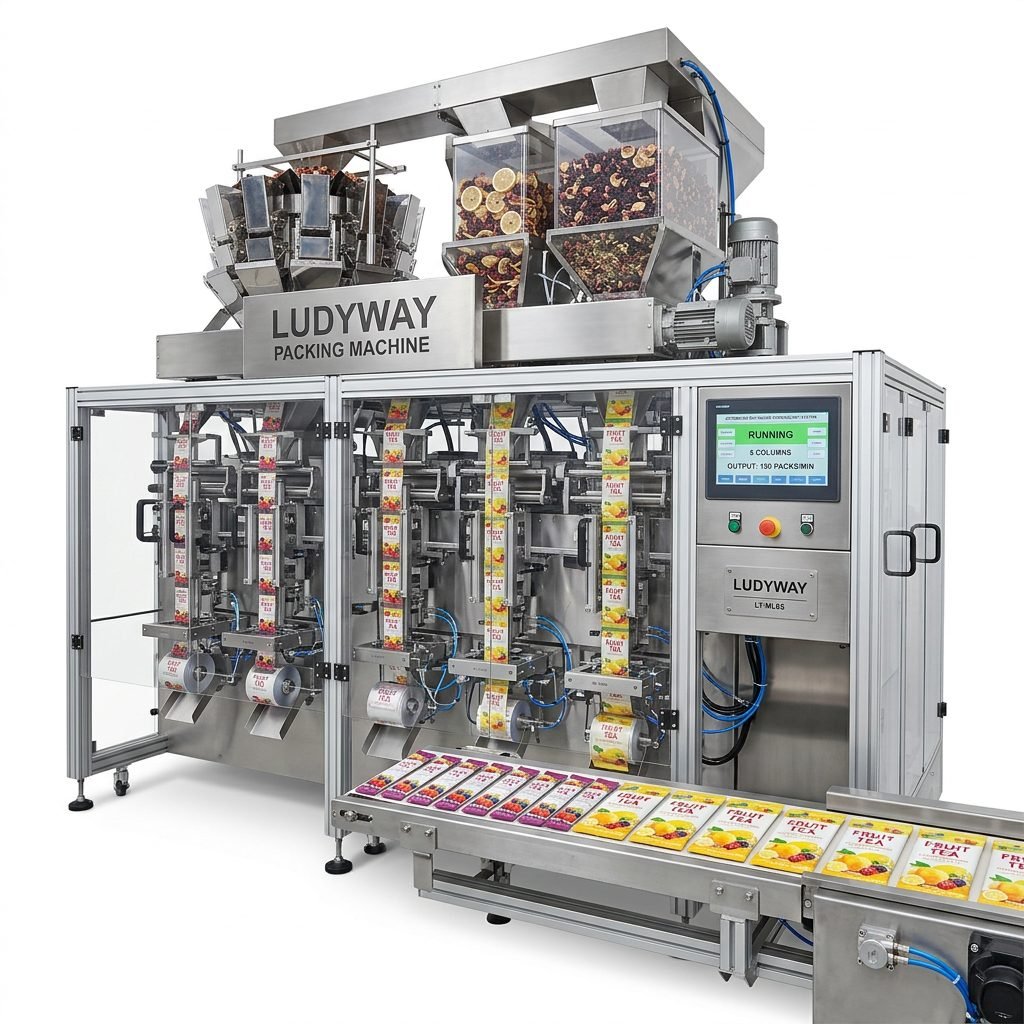
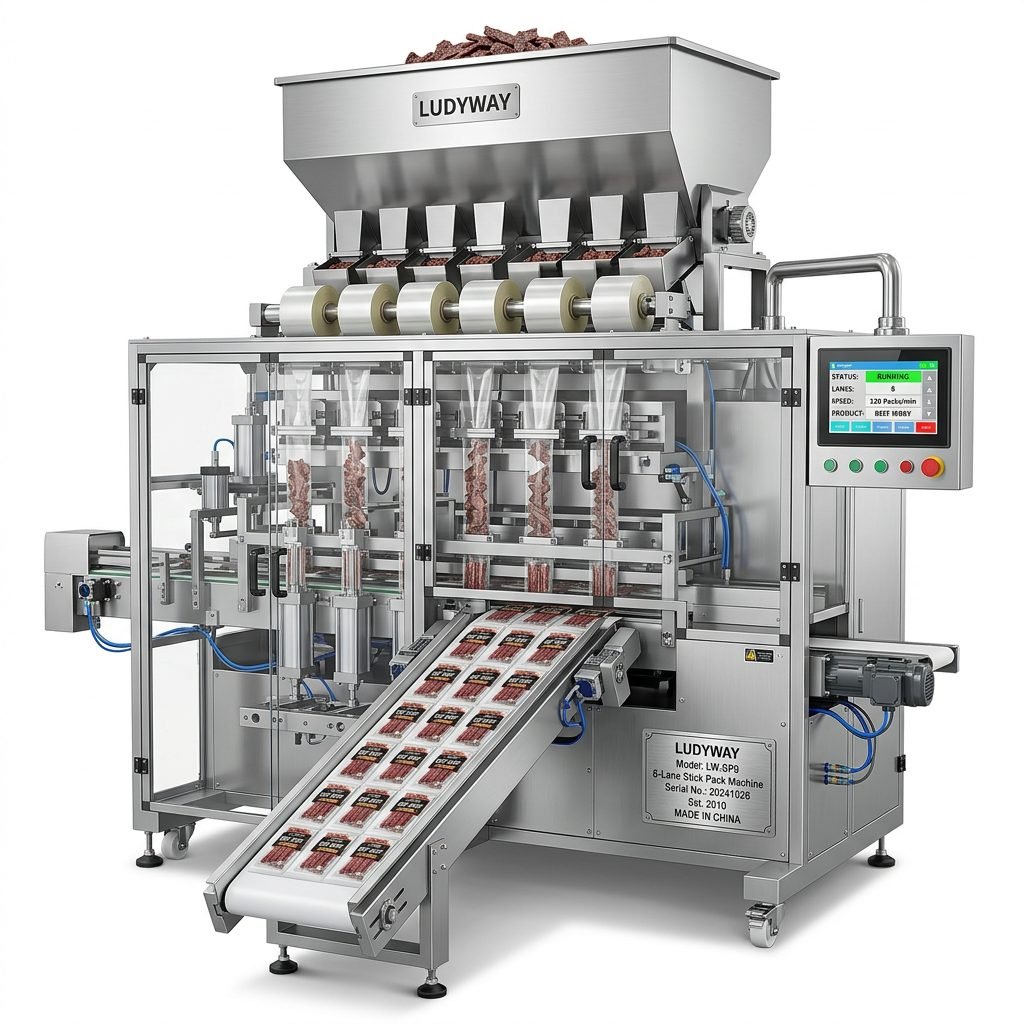
Multi-Lane and High-Speed Operation: Machines capable of running multiple lanes simultaneously, such as multi-lane stick pack or sachet machines, dramatically increase output without a proportional increase in floor space or operator attention.
Precision Dosing and Filling: Utilizing advanced servo technology and weight-check systems, these machines ensure exact fill weights for granules, powders, and liquids, crucial for cost control and regulatory compliance in industries like pharmaceuticals and premium foods.
User-Friendly HMI (Human-Machine Interface): Intuitive touchscreen controls allow for quick changeovers, recipe storage, and real-time monitoring of production parameters like speed, output, and error logs.
Quick Changeover Capabilities: Modular designs enable rapid switching between different packaging formats or bag sizes, which is vital for businesses running short batches or multiple SKUs.
High-Performance Packaging Materials: The Perfect Partner
The best machinery can only perform as well as the materials it processes. The “materials solutions” side of the equation involves providing films, laminates, pouches, and other substrates that are engineered for performance.
Critical Material Properties for Industrial Union:
Consistent Gauge and Tensile Strength: Uniform material thickness and strength are non-negotiable for smooth machine feeding, reliable forming, and preventing breaks at high speeds.
Excellent Sealability: Materials must have consistent sealing layers that bond perfectly with the machine’s heat seal jaws, creating strong, hermetic seals that protect product freshness and prevent leaks.
Barrier Performance: Whether it’s moisture, oxygen, light, or aroma, the material must provide the specific barrier required for the product’s shelf life, a key consideration for food and pharmaceutical packaging.
Machine-Specific Optimization: Truly union-focused suppliers offer materials that are pre-tested and sometimes pre-configured (e.g., pre-applied tear notches, precise roll dimensions) for specific machine models to guarantee performance.
Tailored Solutions for Key Industrial Sectors
The application of high-efficiency union packaging varies by industry, each with unique challenges.
Food & Beverage Industry
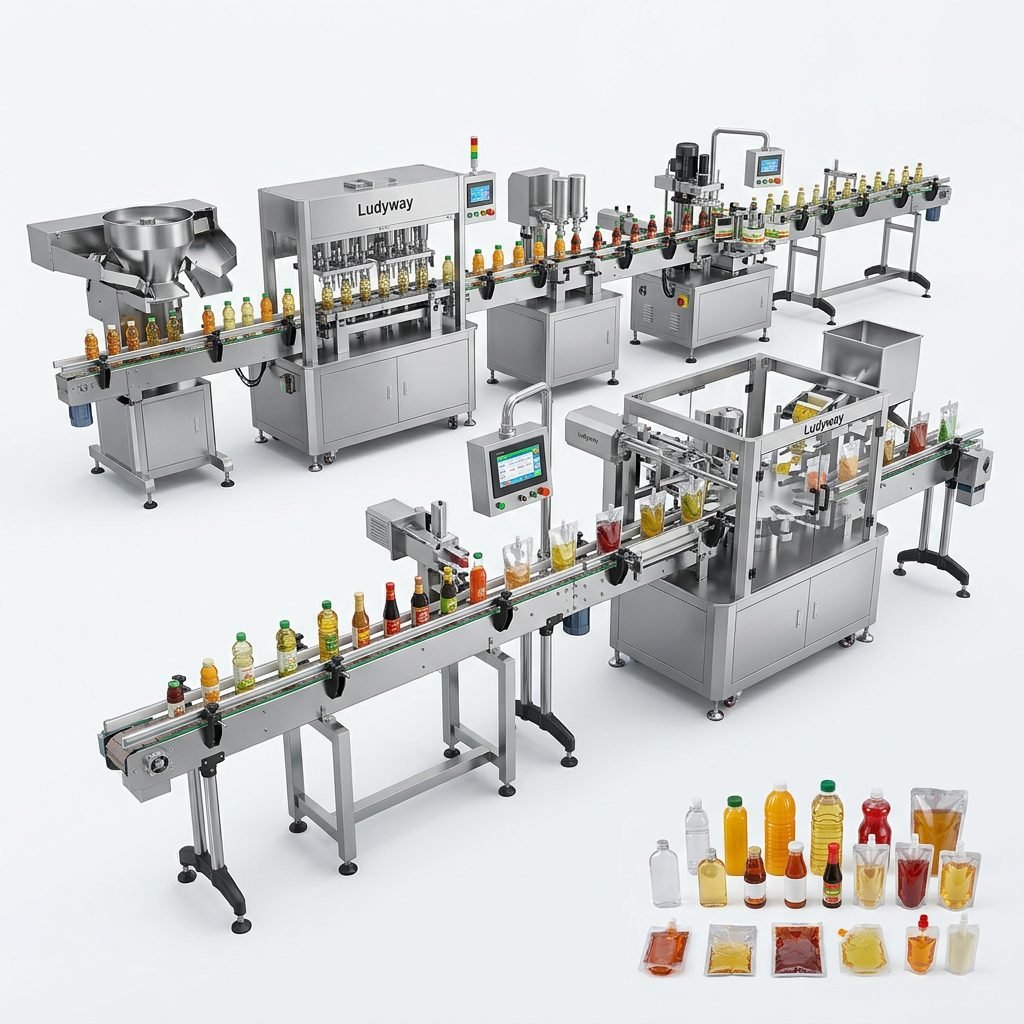
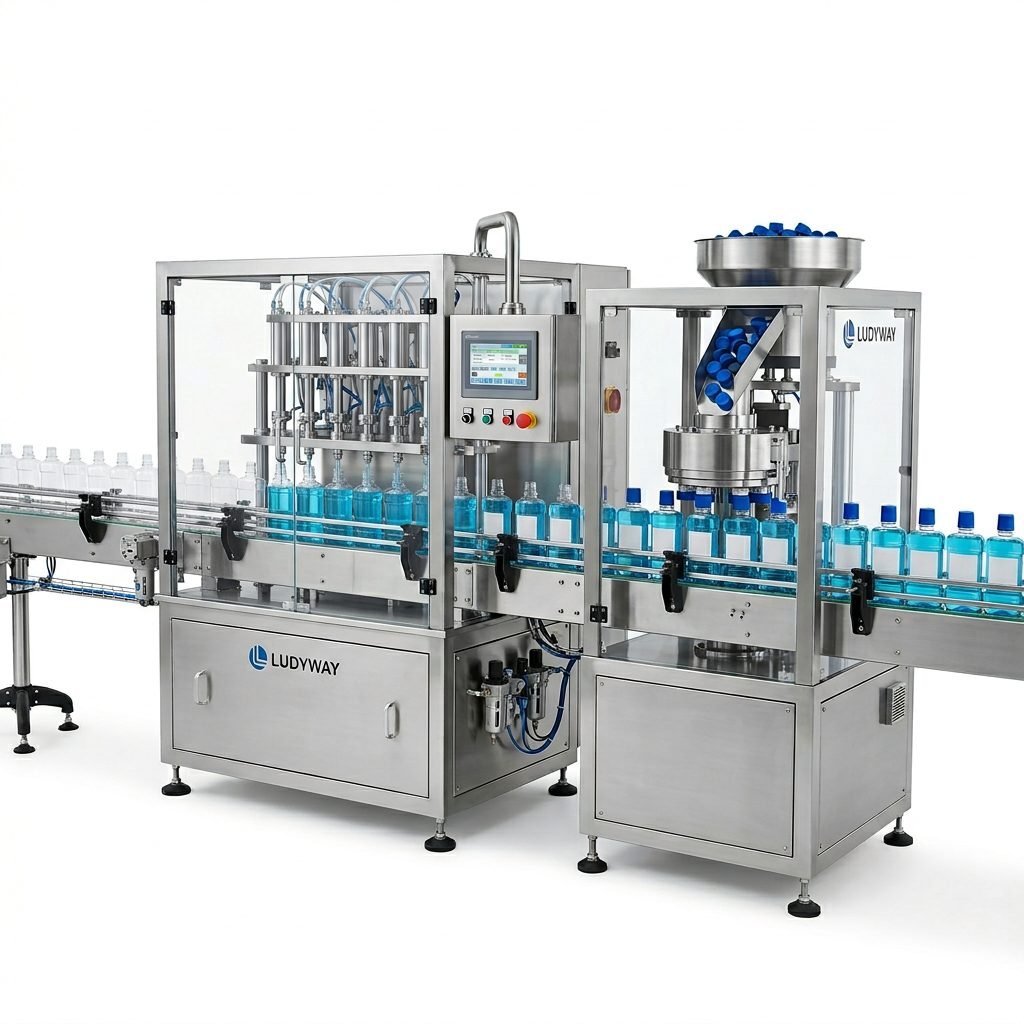
Here, speed, hygiene, and preservation are critical. Union solutions involve vertical form-fill-seal (VFFS) machines paired with high-barrier laminates for snacks, or liquid filling machines with sterile-grade pouches for sauces and beverages. The focus is on maintaining flavor, preventing contamination, and achieving eye-catching retail presentation at high volumes.
Pharmaceutical & Healthcare Industry
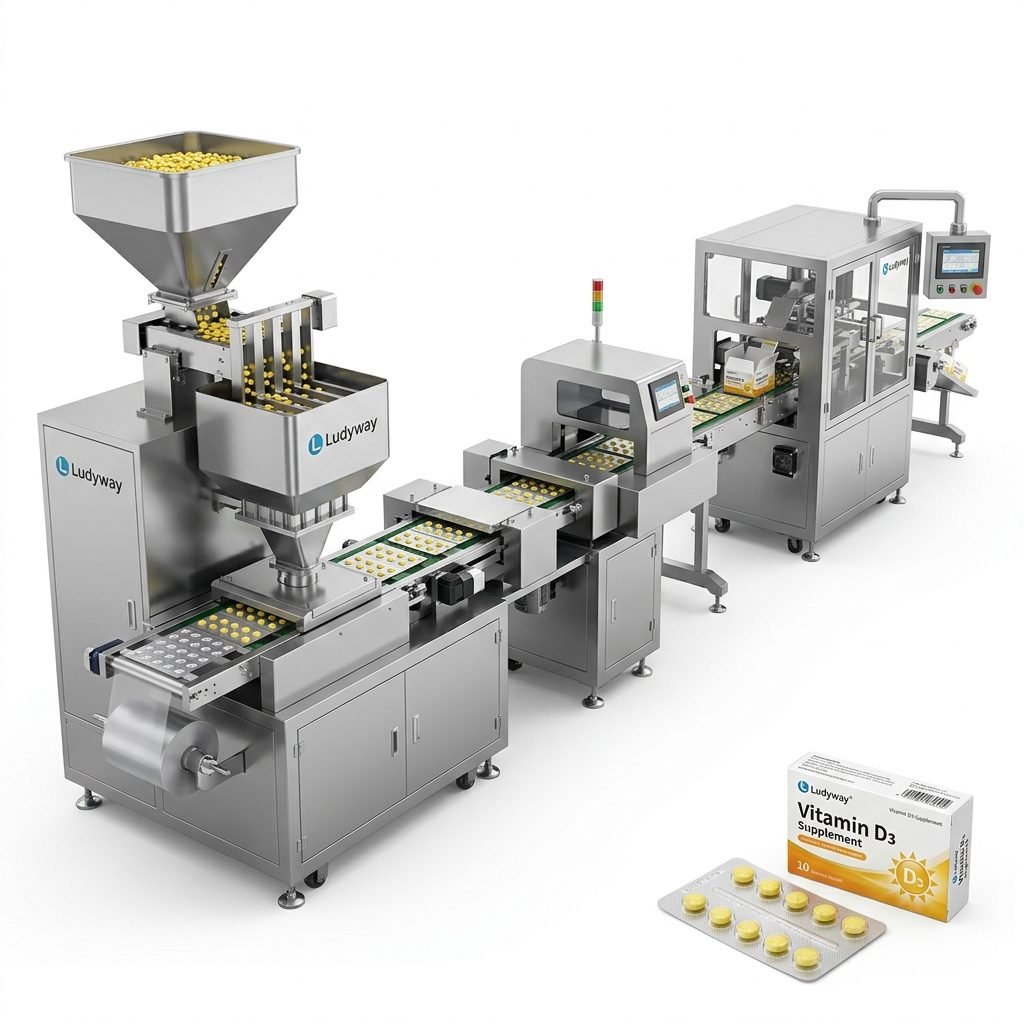
Precision, sterility, and compliance dominate. Solutions often include stick pack machines for powder supplements or single-dose pharmaceuticals, using medical-grade films that offer moisture and light barriers. The machinery must support clean-room operation standards and provide impeccable accuracy in dosing, a core strength of providers with deep industry experience in pharmaceutical packaging.
Chemical & Industrial Products
Durability and safety are paramount. Packaging for detergents, agrochemicals, or industrial powders requires robust laminated films with strong seals to prevent leakage and withstand handling. The union here ensures that filling systems can handle abrasive or corrosive products reliably with minimal particulate generation or corrosion.
Implementing a Union Packaging Strategy
Transitioning to a high-efficiency union system requires a strategic partnership. It begins with a thorough analysis of your current process, product characteristics, and output goals. A competent solutions provider will not just sell a machine but will audit your needs, recommend the optimal machine-material combination, and support the integration.
This includes comprehensive training for operators and maintenance staff, ensuring they understand the symbiotic relationship between the equipment and the consumables. Furthermore, a reliable supply chain for the specified materials is crucial to maintain the efficiency gains long-term. Partnering with a provider that offers turnkey production solutions can streamline this entire process, from design and installation to ongoing material supply and technical support.
Conclusion: The Competitive Edge
For industrial businesses, investing in high-efficiency union packaging machinery and materials solutions is an investment in resilience, competitiveness, and growth. It transforms packaging from a necessary cost center into a streamlined, value-adding component of the production line. By ensuring machinery and materials act as one cohesive unit, businesses can achieve unprecedented levels of productivity, product quality, and operational cost savings. In a global market where efficiency and reliability define success, such a union is not just an operational improvement—it’s a strategic imperative.
Frequently Asked Questions (FAQs)
1. What is the main advantage of a “union” approach over buying machinery and materials separately?
The primary advantage is guaranteed compatibility and optimized performance. Separately sourced components may work, but not at their peak potential, leading to more downtime, waste, and higher long-term costs. A union approach ensures both are engineered to work together seamlessly from day one.
2. Can existing packaging machinery be integrated into a high-efficiency union solution?
Yes, often it can. A professional audit can determine if your current machine can be optimized with specific, high-performance materials or if retrofits/upgrades are possible. However, for maximum gains, a new, purpose-built system is typically recommended.
5. How do I choose the right partner for a union packaging solution?
Look for a provider with proven industry experience, a broad portfolio of machinery, strong material science expertise, and the capability to deliver complete turnkey solutions. They should offer robust after-sales support, training, and a reliable supply chain for consumables.