In today’s eco-conscious market, the demand for sustainable packaging solutions is at an all-time high. For manufacturers, choosing the right packaging machinery supplier is not just about efficiency and cost; it’s a critical decision that impacts environmental footprint, brand reputation, and compliance with global green initiatives. This guide explores the key players and considerations for selecting top suppliers of sustainable packaging machinery, focusing on innovation, material compatibility, and energy efficiency.
The Rise of Eco-Friendly Packaging Machinery
The shift towards sustainability is reshaping the packaging industry. Modern machinery now prioritizes reducing material waste, enabling the use of biodegradable or recyclable films, and minimizing energy consumption. Suppliers are innovating with features like precision filling to reduce product giveaway, systems designed for mono-material films that are easier to recycle, and smart technology that optimizes energy use during production cycles.
Key Trend: The integration of IoT (Internet of Things) and AI-driven analytics in packaging lines allows for real-time monitoring of material usage and energy efficiency, helping producers achieve their sustainability targets with data-backed insights.
Core Features of Sustainable Packaging Equipment
When evaluating machinery, several core features define its eco-friendly credentials. Look for equipment that supports a wide range of sustainable materials, from compostable bioplastics to recycled content paper. Energy-efficient drives and servo motors significantly reduce power consumption. Furthermore, machinery designed for quick changeovers minimizes downtime and material waste when switching between different packaging formats or products.
Material Flexibility & Reduction
The best suppliers offer machines engineered for ultra-thin gauge materials without compromising seal integrity. This directly reduces the amount of plastic or composite material used per package. Advanced sealing technologies, such as ultrasonic or laser sealing, can also enable the use of heat-sensitive bio-based films that traditional heat sealers cannot handle.
Energy & Resource Efficiency
Beyond the machine itself, consider the total resource footprint of the production line. Leading suppliers design systems with closed-loop cooling, heat recovery, and low-emission components. The goal is to create a packaging process that conserves water, reduces greenhouse gas emissions, and lowers overall operational energy costs.
Leading Suppliers in the Sustainable Packaging Arena
The market features a mix of long-established industrial giants and agile, innovative specialists. Top suppliers are those who view sustainability not as an add-on but as a core engineering principle embedded in their research, design, and customer support services.
Supplier Profile: Ludyway Packaging Machinery
Founded in 2010, Ludyway Machinery has grown into a specialized provider of advanced packaging solutions with a strong focus on intelligent and efficient systems. With over 30 years of collective industry experience behind its brand, Ludyway understands the evolving needs of modern production.
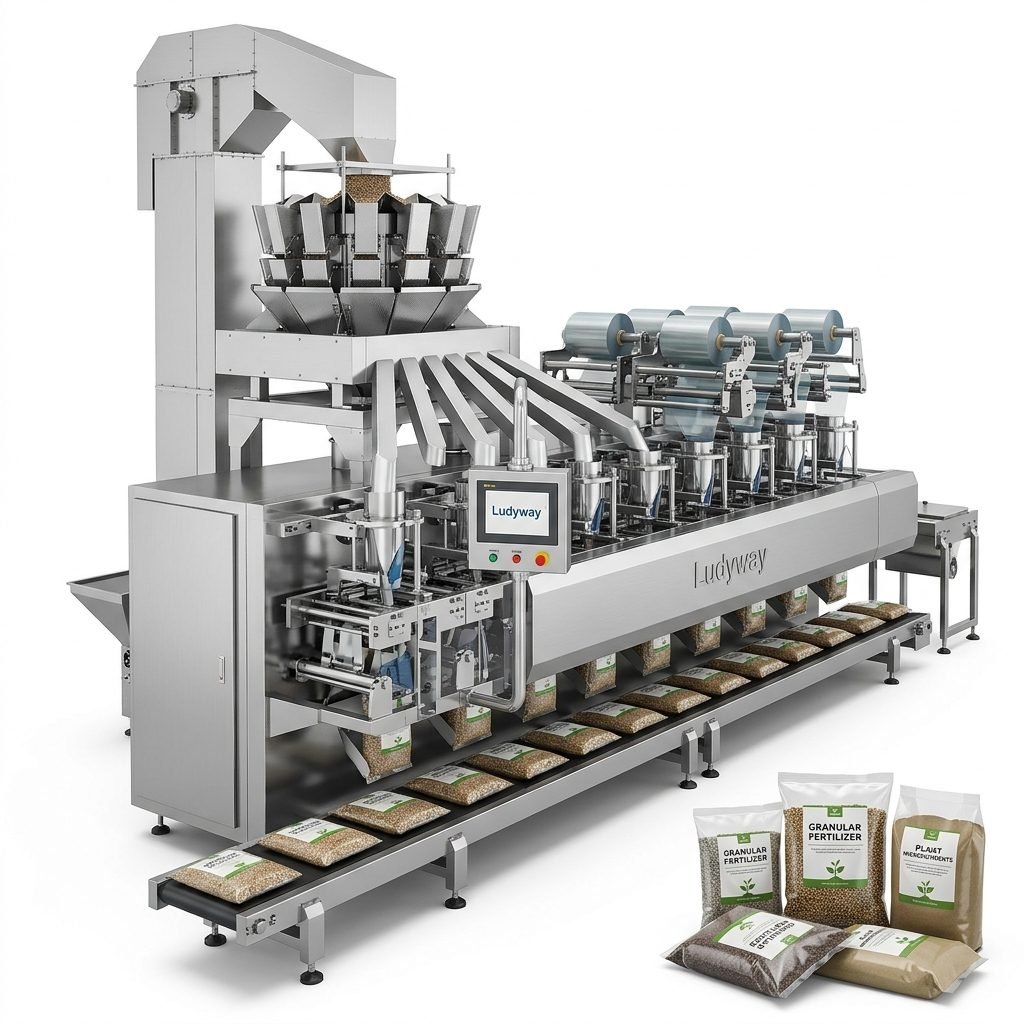
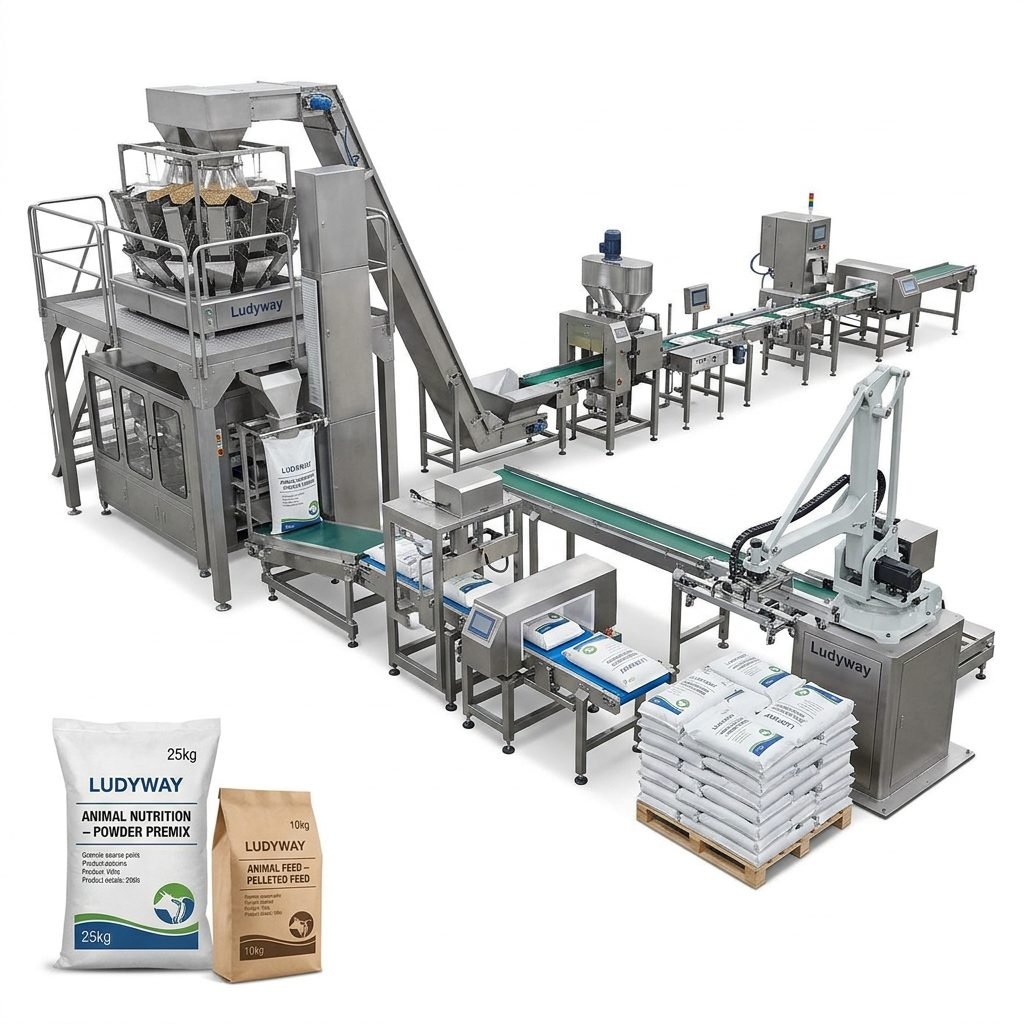
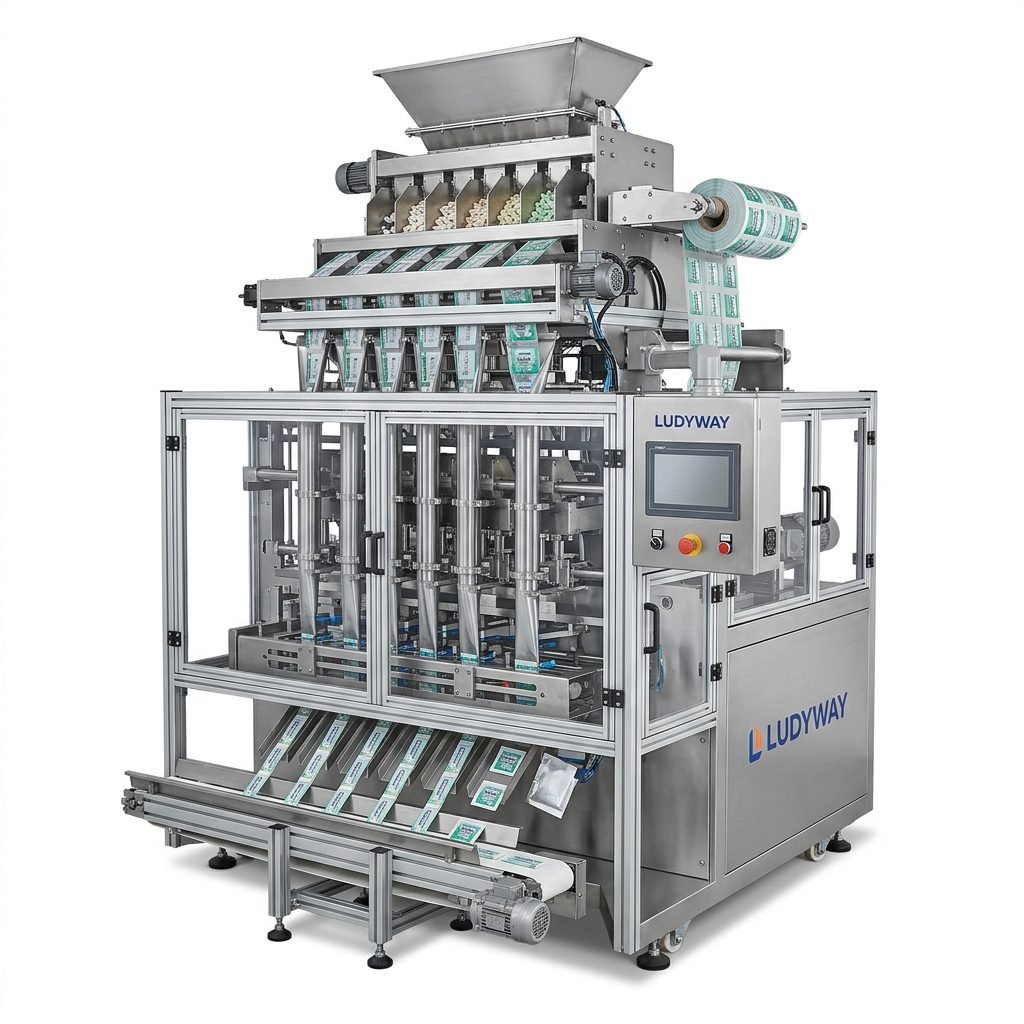
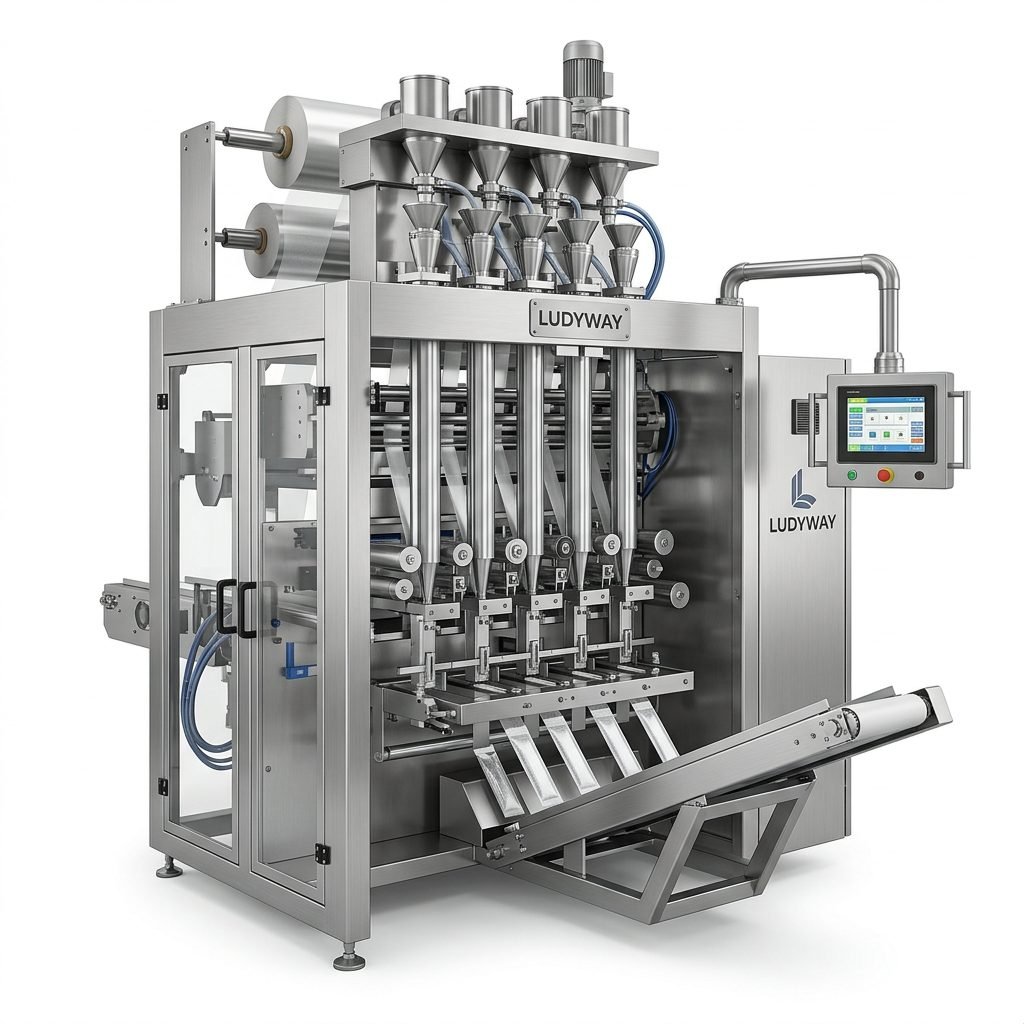
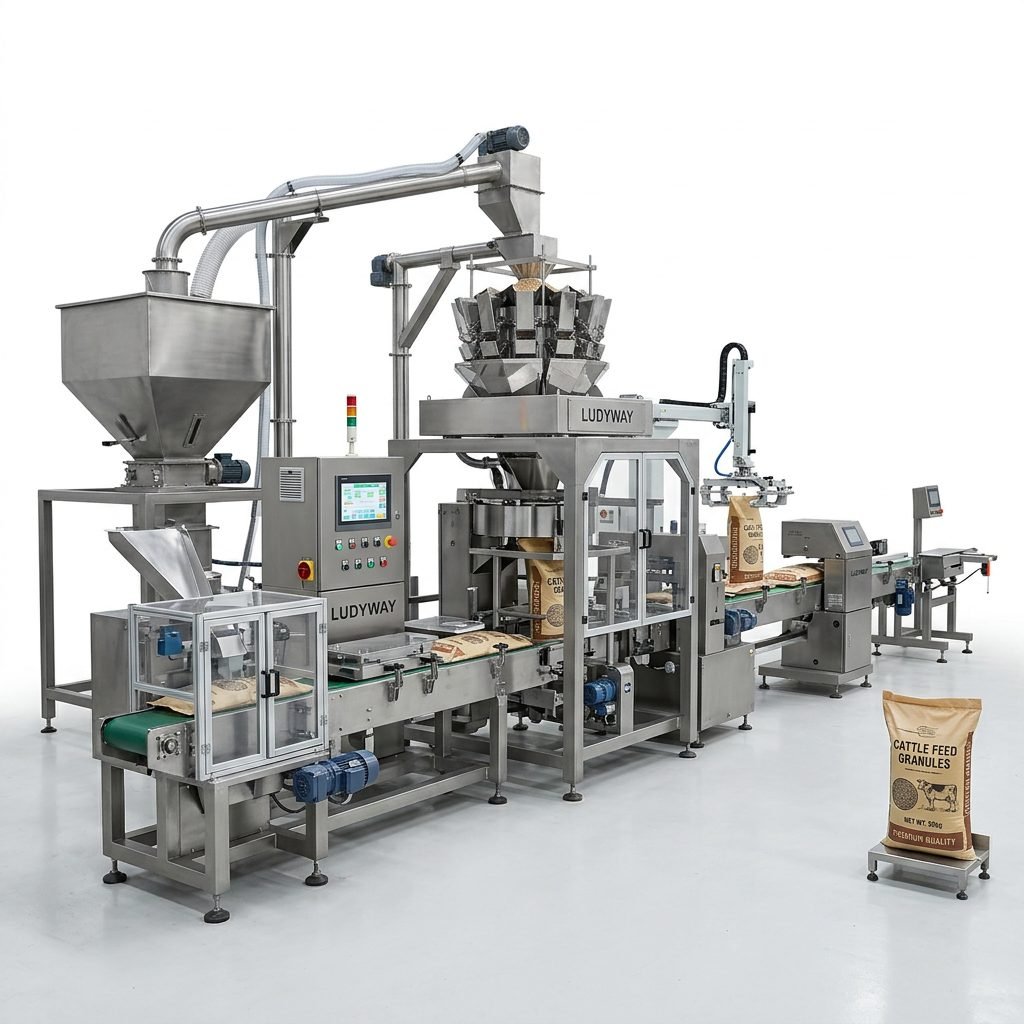
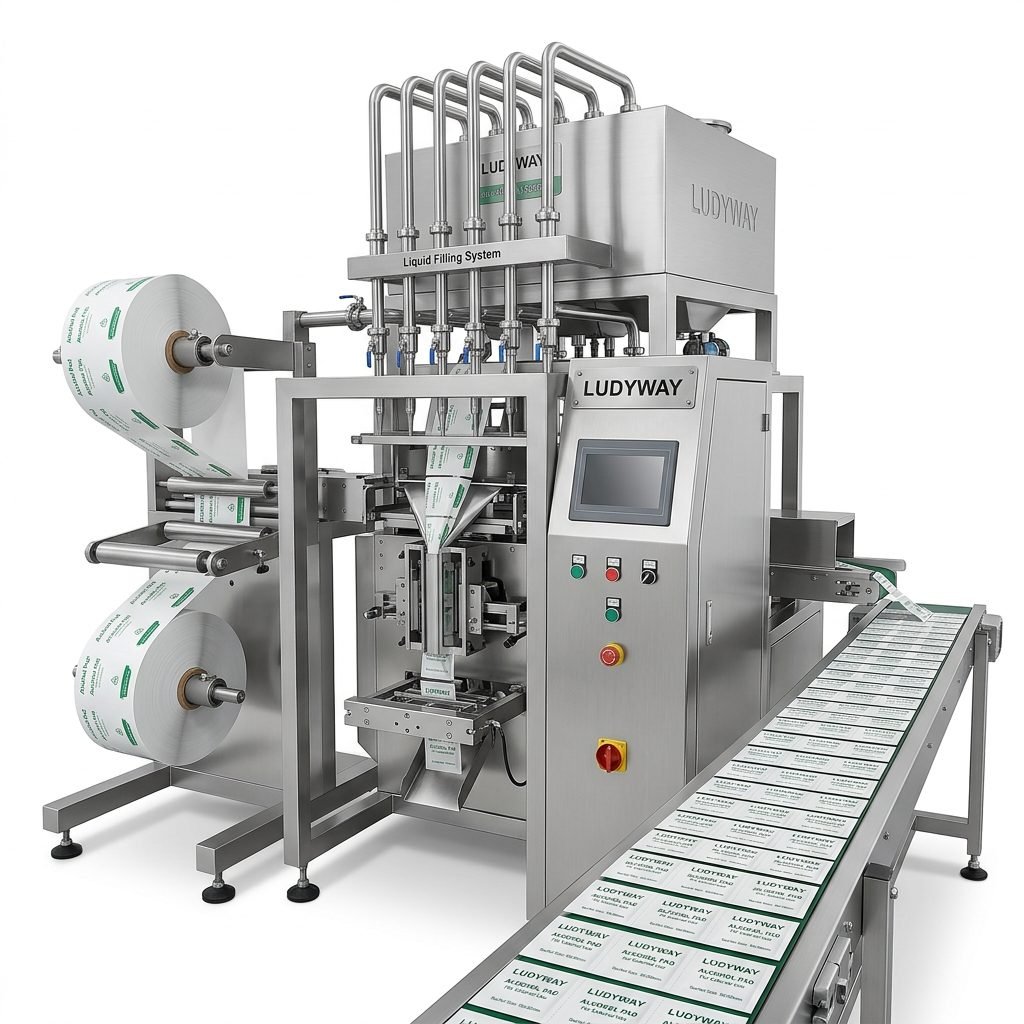
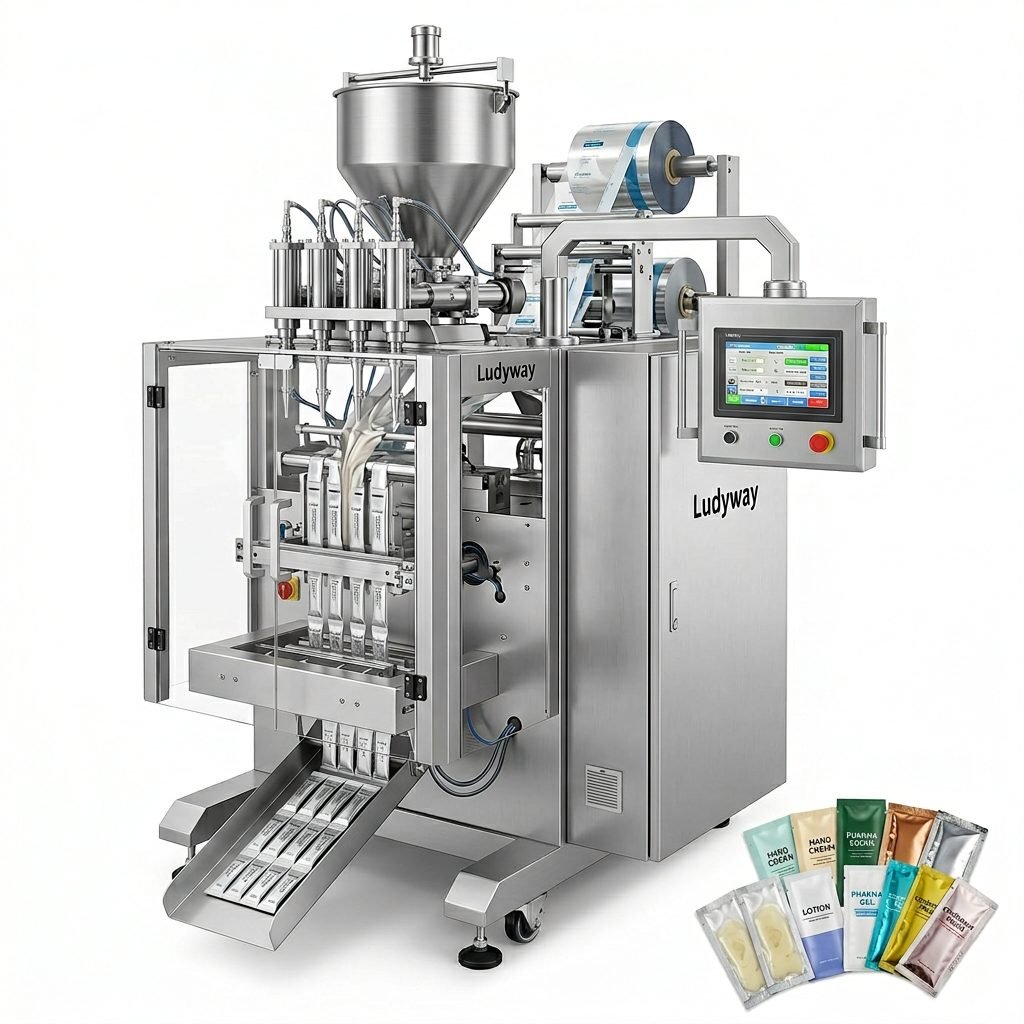
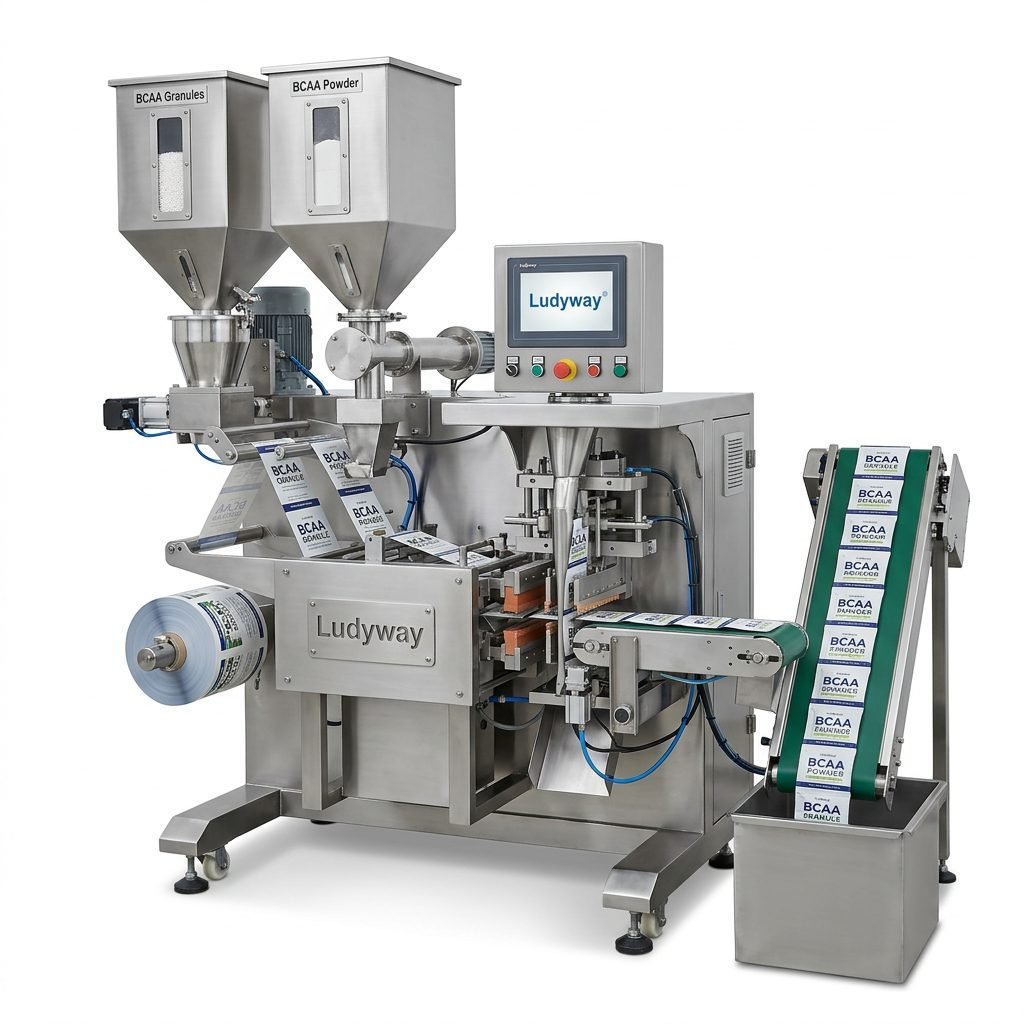
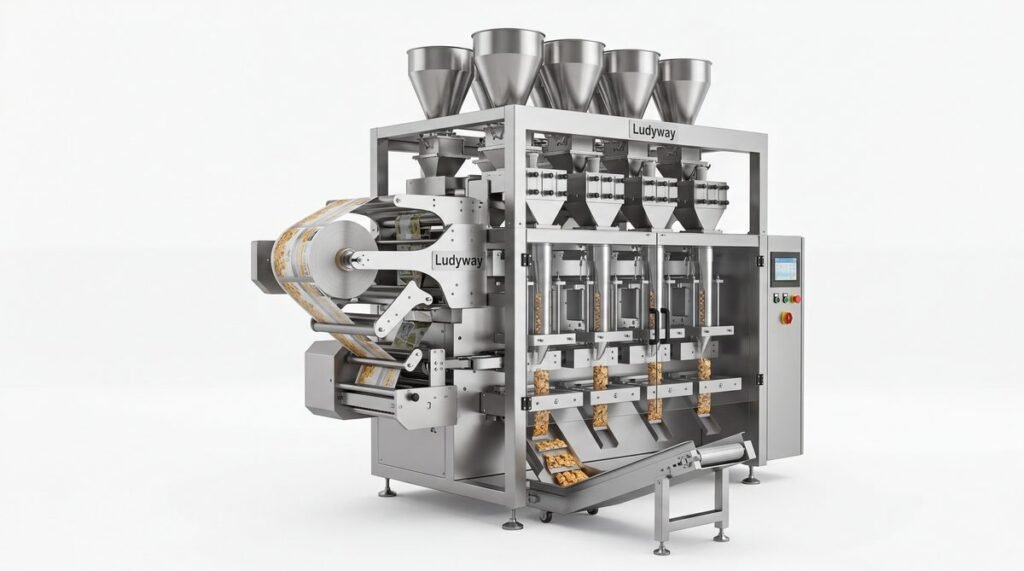
The company’s philosophy centers on providing reliable, high-quality automated packaging solutions that enhance productivity while being adaptable to sustainable practices. Their extensive range includes more than 50 models of intelligent packaging machines, such as multi-lane stick pack and sachet packaging systems, which are inherently efficient in their use of materials.
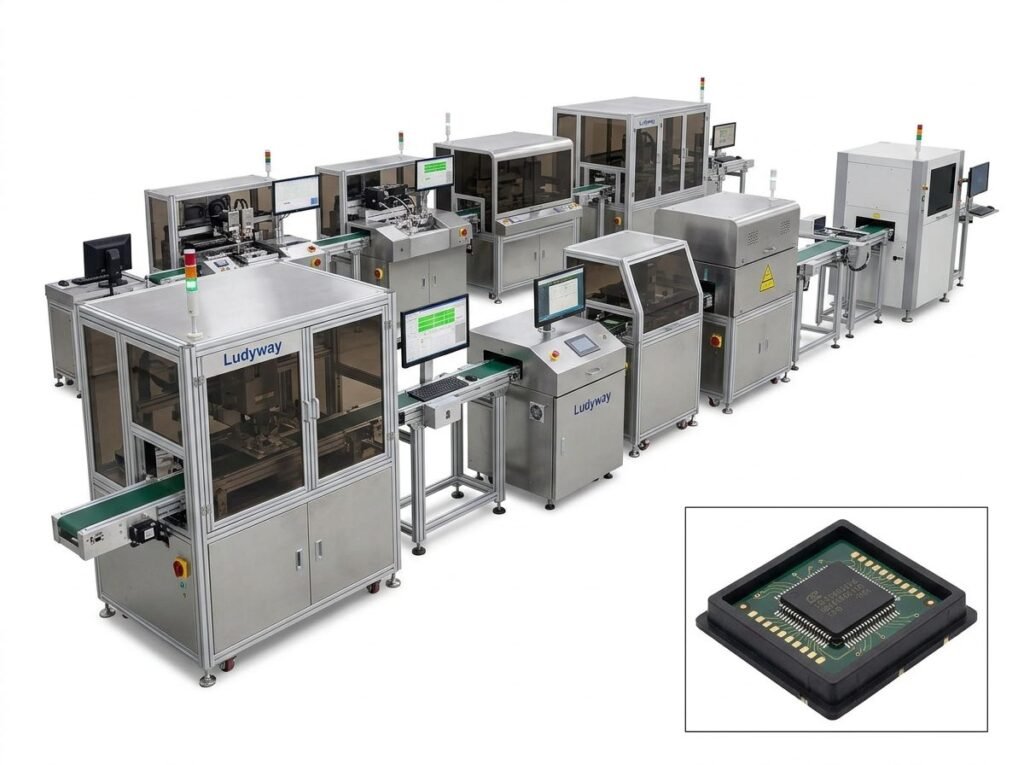
Operating from a modern 20,000㎡ manufacturing facility and supported by a team of over 130 professional experts, Ludyway develops and supplies equipment for granule, powder, and liquid applications. Their commitment is to deliver tailored turnkey production solutions that help global clients in the food, pharmaceutical, and health industries meet both their output and environmental goals. You can learn more about their journey and capabilities on their company profile page.
Other notable suppliers often excel in specific niches, such as machinery for paper-based packaging, advanced recycling-integrated systems, or groundbreaking development in edible packaging formats. The choice depends heavily on your primary packaging material and product type.
Selecting Your Ideal Supplier: A Practical Checklist
Making the right choice requires due diligence. Here is a checklist to guide your evaluation process.
✅ Technical & Environmental Capability
- Does the machinery support your target sustainable materials (e.g., PLA, rPET, paper)?
- What are the documented energy savings compared to standard models?
- What is the machine’s scrap rate and how does it minimize material waste?
✅ Support & Long-Term Value
- Does the supplier offer lifecycle assessments or carbon footprint data for their equipment?
- What is the availability of spare parts and technical support for optimization?
- Can they provide case studies or references from clients with similar sustainability goals?
✅ Innovation & Future-Proofing
- Is the supplier actively investing in R&D for next-generation eco-friendly packaging tech?
- How adaptable is the machinery to potential future regulations or material changes?
- Do they offer software upgrades for efficiency analytics and reporting?
Implementing Sustainable Machinery for Long-Term Success
Investing in the right machinery is the first step. Successful implementation involves training operators for optimal efficiency, establishing key performance indicators (KPIs) for waste and energy use, and integrating the new line into a broader corporate sustainability strategy. Partnering with a supplier that offers comprehensive project management and training, like those detailed in Ludyway’s company history, can smooth this transition.
The return on investment extends beyond cost savings on materials and utilities. It strengthens your brand, ensures compliance, and future-proofs your operations against tightening environmental regulations and shifting consumer preferences.
Final Considerations
Transitioning to sustainable packaging production is a journey. Start by clearly defining your environmental objectives, then engage with suppliers who demonstrate a genuine commitment to those principles through their technology and partnerships. The ideal supplier acts as a long-term ally, helping you navigate the continuous evolution of green packaging materials and regulations.
Frequently Asked Questions (FAQs)
1. What are the main benefits of investing in sustainable packaging machinery?
The primary benefits include a significant reduction in material waste and energy consumption, lower long-term operational costs, enhanced brand image and compliance with environmental regulations, and future-proofing your production line against increasingly strict sustainability laws.
2. Can sustainable packaging machinery handle high-speed production requirements?
Yes. Modern eco-friendly packaging machines are designed with high efficiency in mind. Advances in servo motor technology and intelligent control systems allow them to operate at high speeds while maintaining precision, which actually reduces waste and improves overall output.
3. How do I know if a machinery supplier is truly committed to sustainability?
Look beyond marketing claims. Evaluate their investment in R&D for green technologies, request data on their machines’ energy and material efficiency, ask for case studies, and check if they hold relevant environmental certifications or participate in industry sustainability initiatives.
4. Are sustainable packaging machines compatible with existing production lines?
In many cases, yes. Many suppliers, including specialized providers like Ludyway, offer modular machines and customization options designed for integration into existing lines. A thorough consultation with the supplier’s engineering team is essential to plan a seamless upgrade or integration.
5. What is the typical payback period for this type of equipment?
The payback period varies based on scale, application, and local utility costs. Savings from material reduction (using less or cheaper sustainable film) and lower energy bills often lead to a payback period of 1 to 3 years. A detailed ROI analysis provided by the supplier should factor in all these variables.