In the fast-paced world of industrial and food production, efficiency, reliability, and precision are non-negotiable. The right packaging equipment is not just a machine on the factory floor; it is the critical backbone that ensures product integrity, maximizes throughput, and safeguards brand reputation. High-performance packaging solutions bridge the gap between raw production and market-ready goods, handling everything from delicate food powders to robust industrial components with speed and consistency.
The Critical Role of Advanced Packaging in Modern Manufacturing
Today’s competitive landscape demands more than just basic containment. Packaging systems must be intelligent, adaptable, and seamlessly integrated into broader production lines. For food producers, this means equipment that meets stringent hygiene standards, preserves freshness, and allows for flexible portion control. In industrial sectors, it requires robust machinery capable of handling diverse materials—from granules and powders to liquids and small parts—while ensuring accuracy and minimizing waste.
A high-performance packaging system is characterized by its automation capabilities, precision dosing, user-friendly controls, and durability. It transforms packaging from a cost center into a value-adding process that enhances productivity and product quality.
Key Challenges Addressed by Superior Packaging Equipment
Manufacturers face several persistent challenges that only advanced equipment can solve:
- ✓ Productivity Bottlenecks: Manual or semi-automatic processes cannot keep up with high-volume demands, creating slowdowns.
- ✓ Inconsistency and Waste: Inaccurate filling leads to product giveaway, underfills, and quality control failures.
- ✓ Flexibility Limitations: Rigid machinery struggles with quick changeovers between different product types, package sizes, or materials.
- ✓ Hygiene and Contamination Risks: Especially critical in food and pharmaceuticals, where sanitation is paramount.
- ✓ High Operational Costs: From excessive labor requirements to frequent downtime for maintenance and repairs.
Core Solutions for Food Production Packaging
The food industry presents unique demands where packaging directly impacts shelf life, safety, and consumer appeal. High-performance solutions here are engineered for cleanliness, accuracy, and versatility.
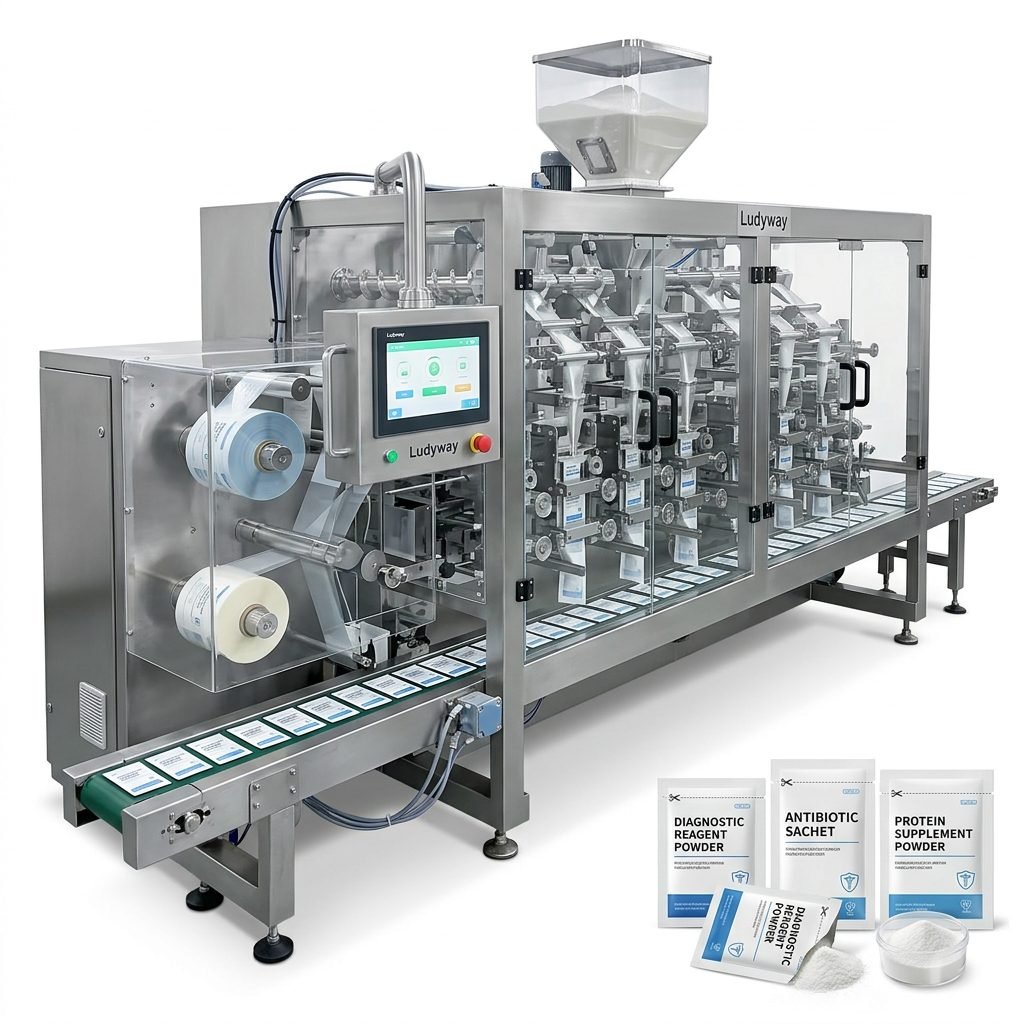
Stick Pack & Sachet Packaging Machines
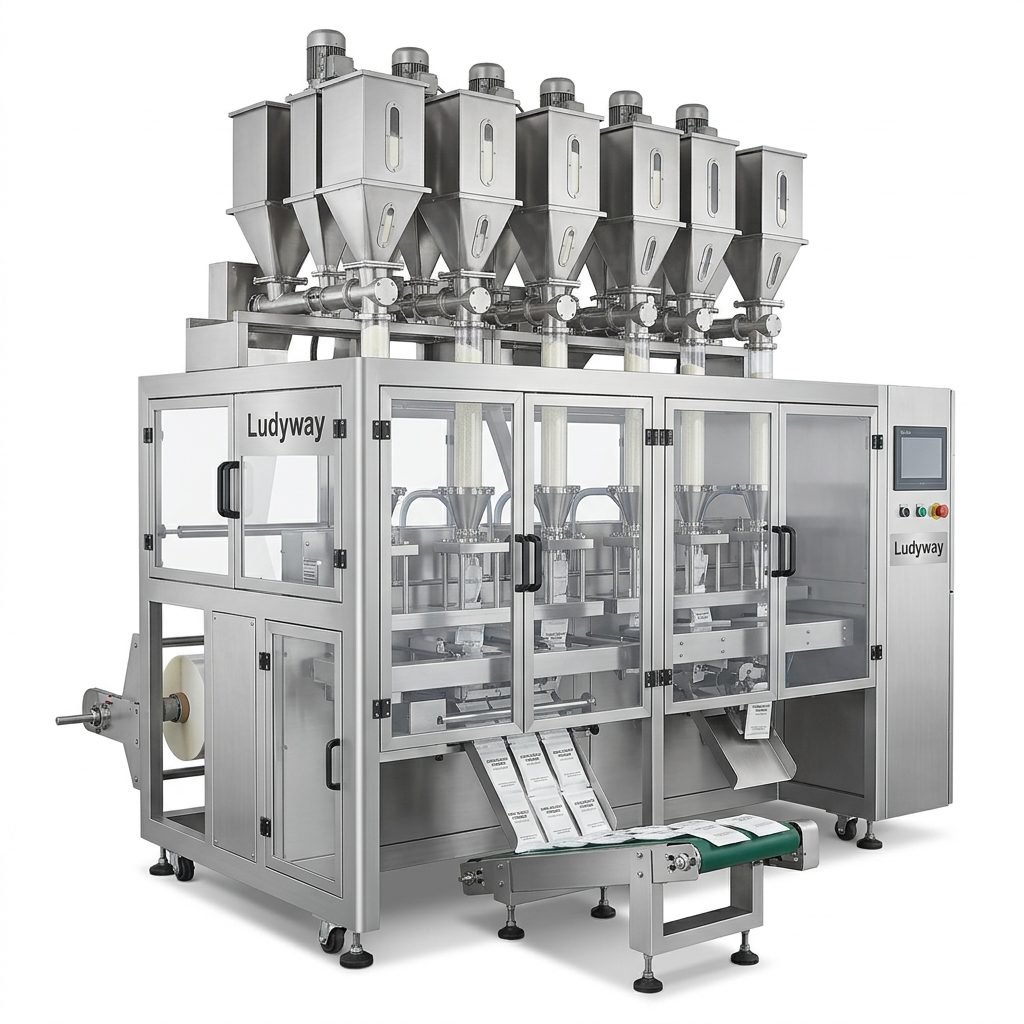
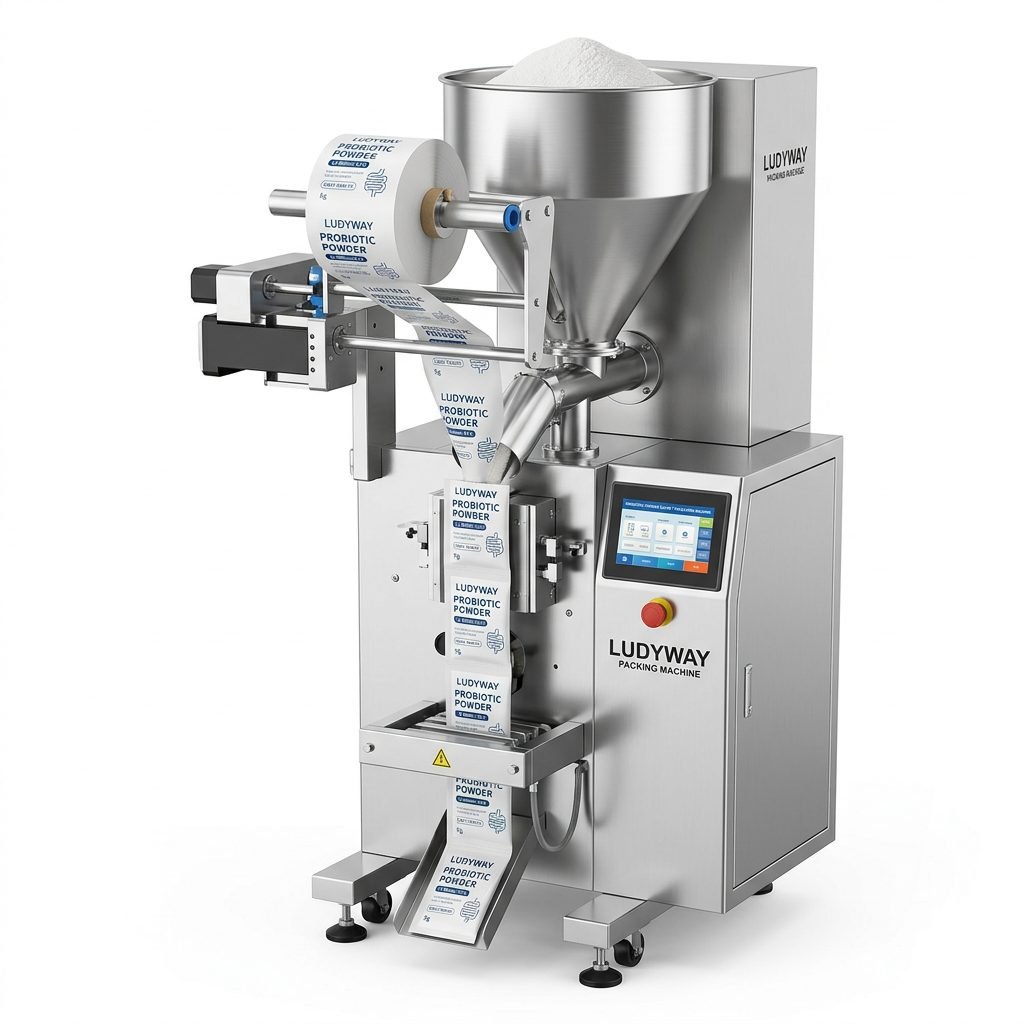
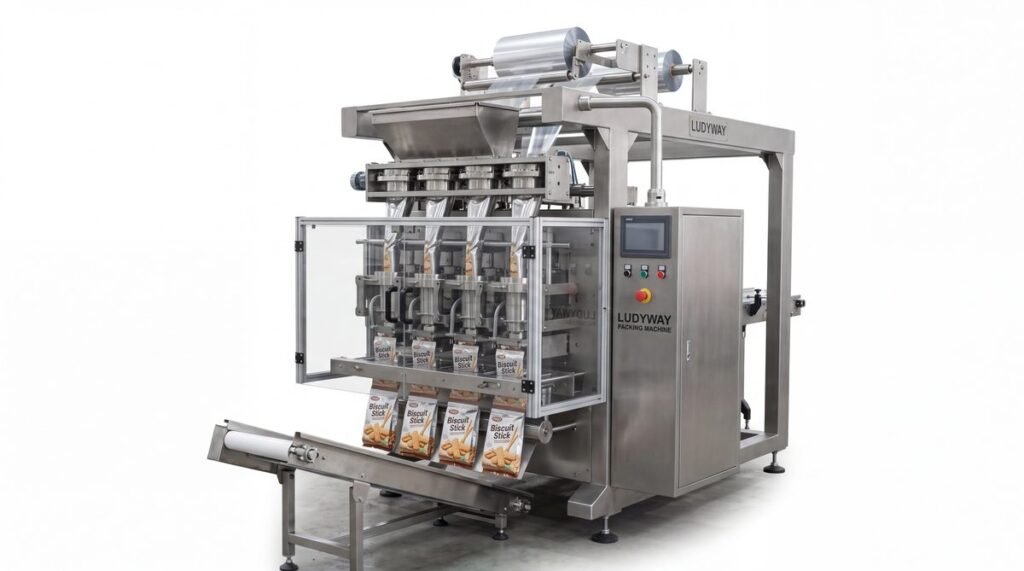
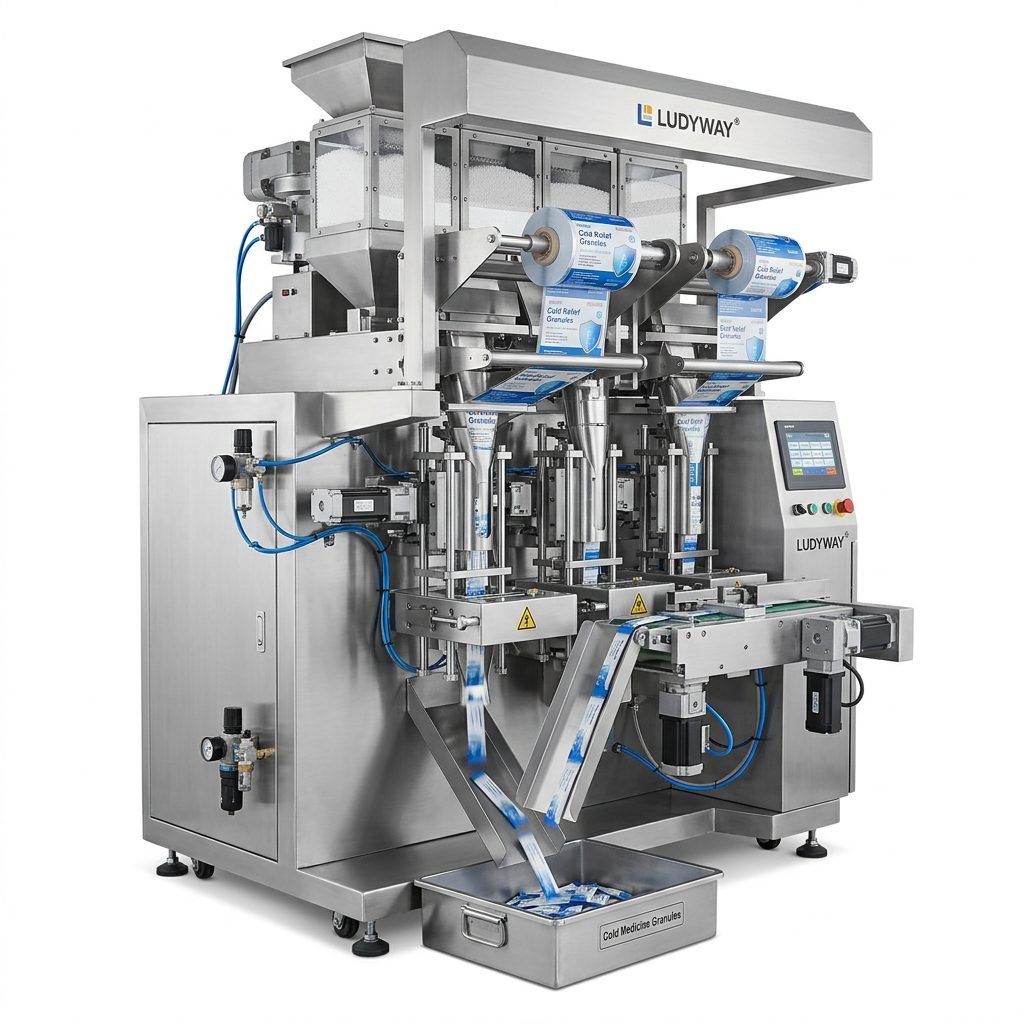
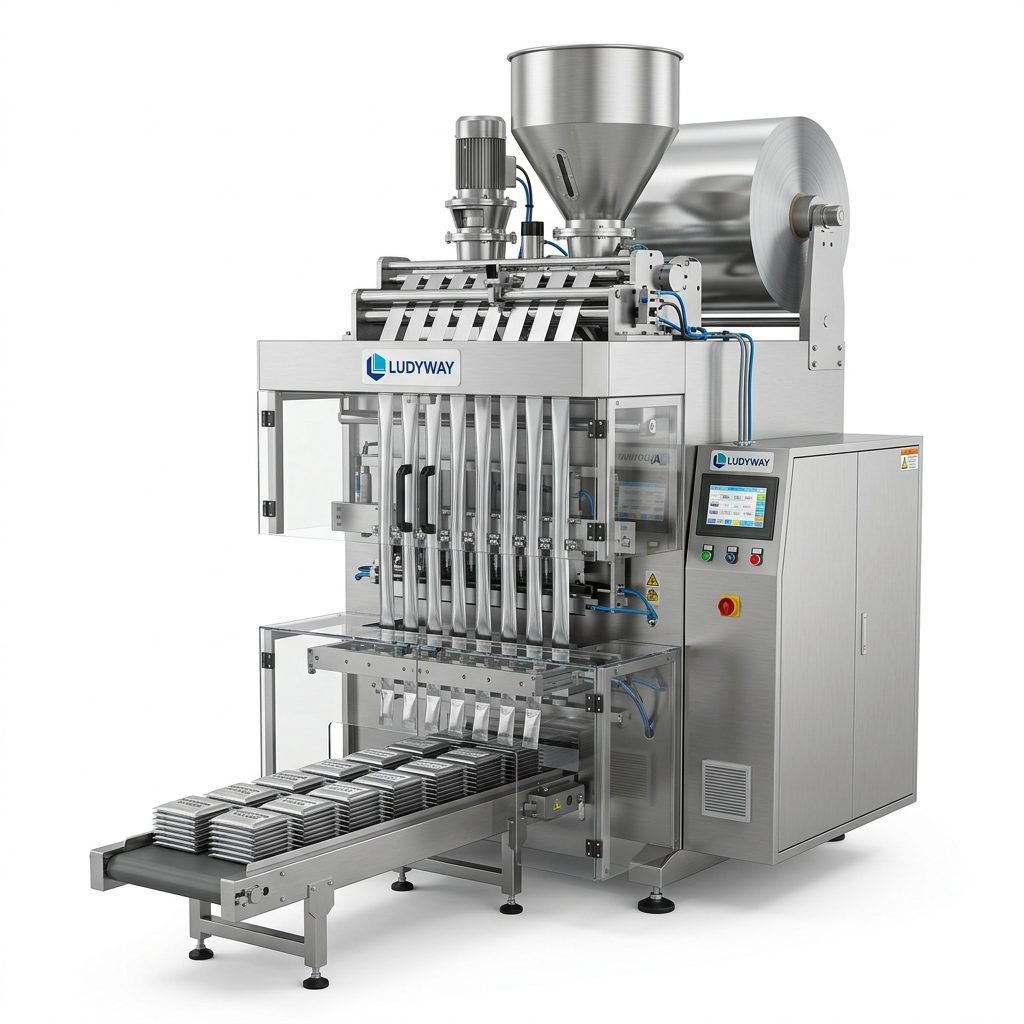
Ideal for single-serve portions of powders, granules, liquids, and pastes—such as instant coffee, drink mixes, sauces, and condiments. Modern machines offer multi-lane operation for exceptional output speeds. Features like auger filling systems with servo drives ensure precise weight control, while all-stainless-steel construction facilitates easy cleaning and meets food-grade requirements.
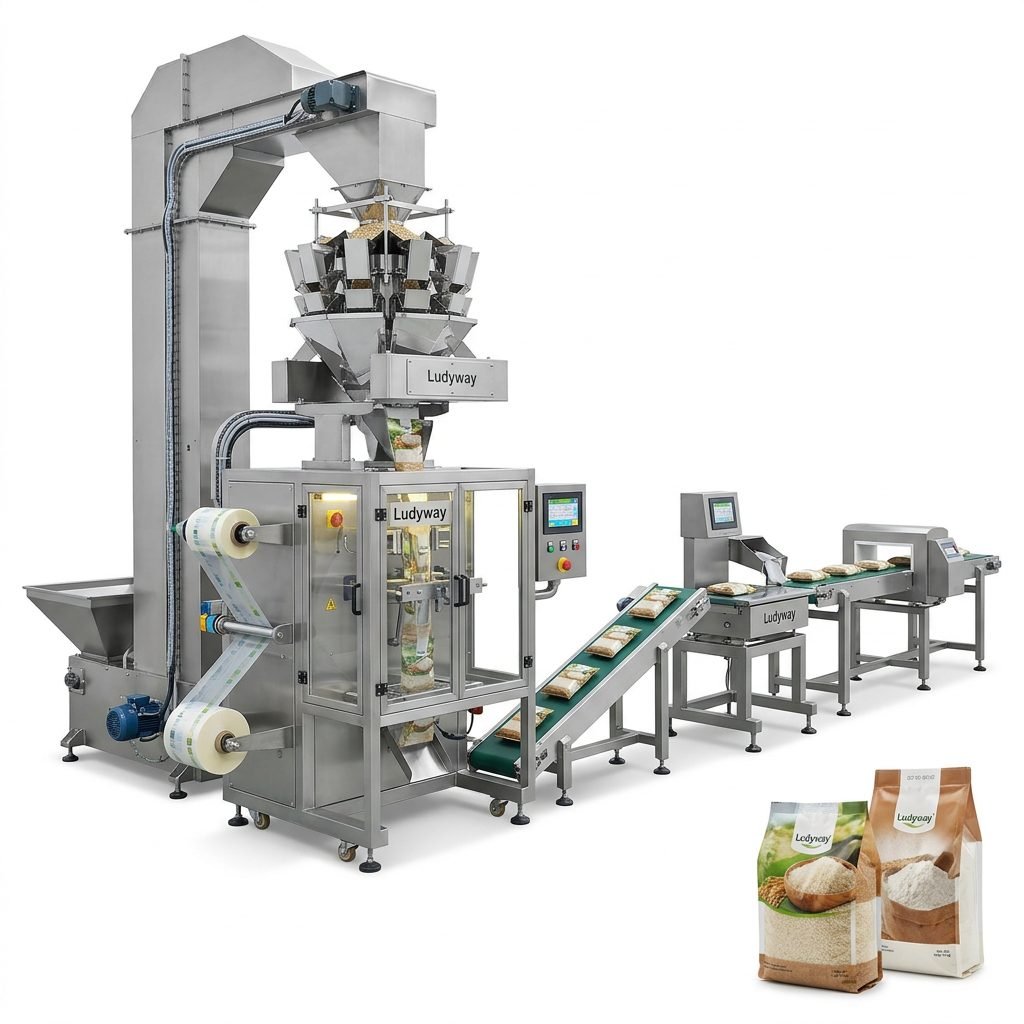
Granule and Powder Packaging Systems
Handling products like sugar, spices, protein powder, and instant soup mixes requires equipment that combats dust, prevents bridging, and delivers consistent fills. Advanced weighing and volumetric cup filling technologies are key. Look for systems with integrated checkweighers and nitrogen flushing capabilities to extend product freshness by displacing oxygen within the package.
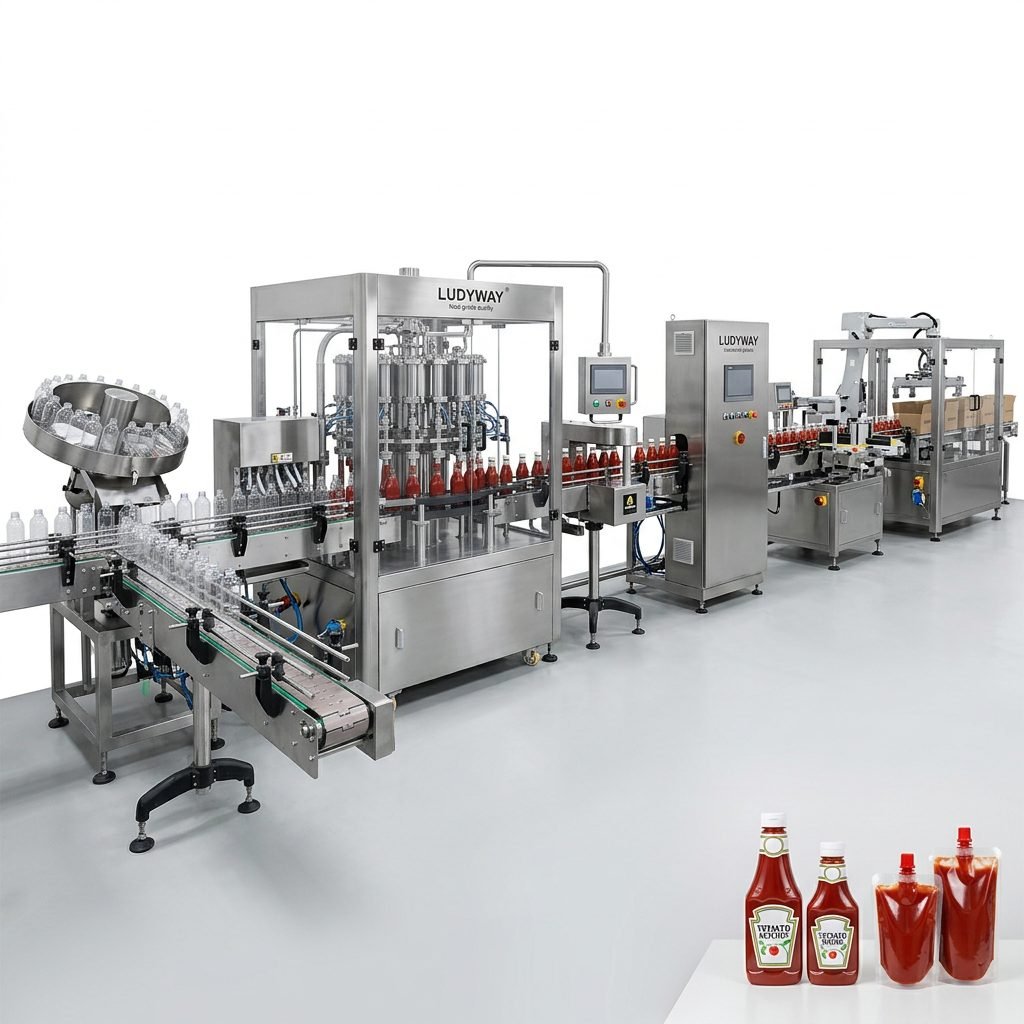
Liquid and Viscous Product Fillers
From oils and sauces to shampoos and creams, liquid filling demands zero leakage and high accuracy. Piston filler and pump-based systems provide the solution, capable of handling a wide range of viscosities. Sanitary design with CIP (Clean-in-Place) options is often essential for food and beverage applications to maintain strict hygiene protocols.
Essential Solutions for Industrial Production Packaging
Industrial components, chemicals, hardware, and agricultural products require robust, reliable packaging that protects during storage and transport.
Multi-Functional Form-Fill-Seal (FFS) Machines
These versatile workhorses form packaging from a roll of film, fill the product, and seal it in one continuous operation. They are highly efficient for packaging a vast array of non-food items like screws, bolts, small electronic parts, and chemical additives. The ability to quickly adjust pouch size and sealing parameters makes them invaluable for batch production runs.
Automated Bagging and Cartoning Systems
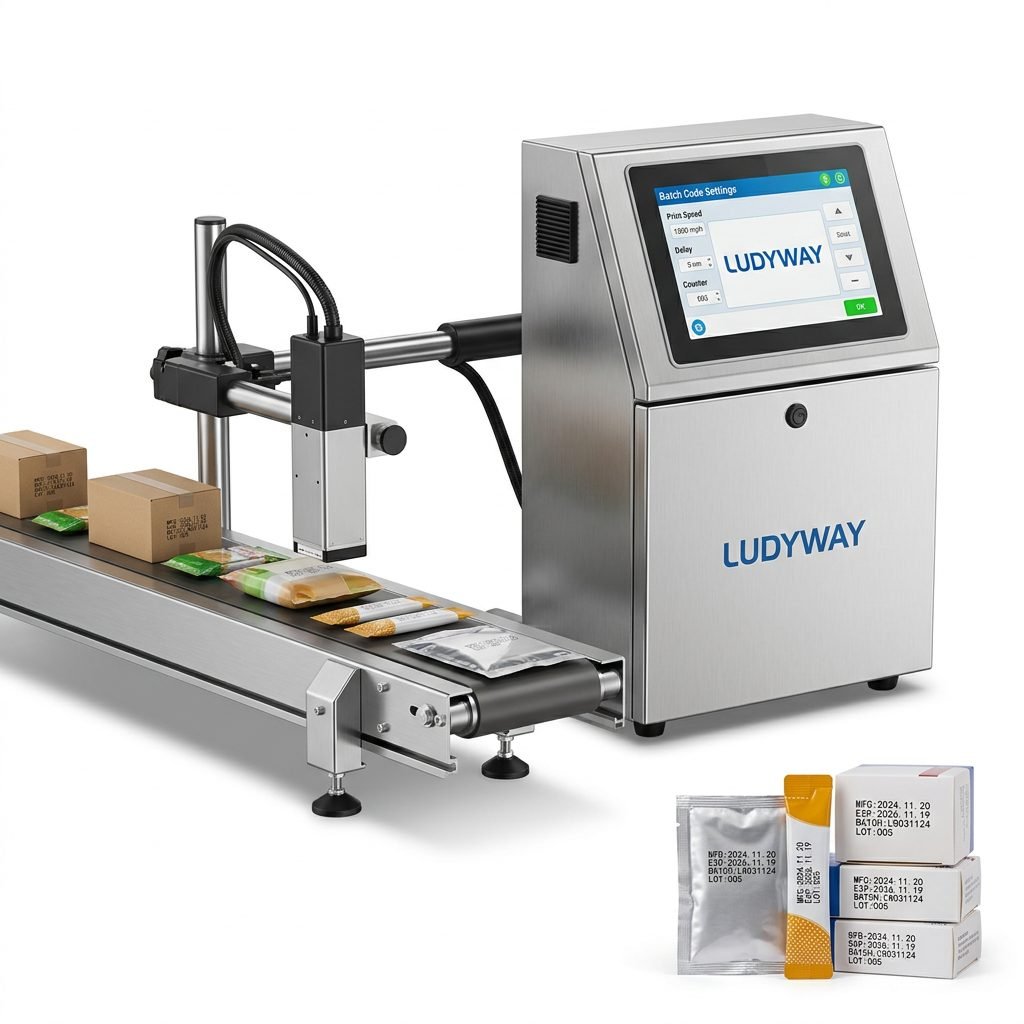
For larger quantities or bulk items, automated baggers and cartoners streamline the final packaging stage. These systems can integrate with upstream production, automatically feeding, opening, filling, and closing bags or boxes. This significantly reduces labor, increases line speed, and ensures uniform, professional-looking packaged goods ready for palletizing.
Choosing the Right Partner for Your Packaging Needs
Selecting equipment is only half the battle; choosing the right supplier is equally critical. A partner with deep industry experience, like Ludyway Machinery, brings more than just hardware to the table. They offer:
→ Customized Engineering: The ability to tailor machine configuration, speeds, and functions to your specific product and line layout.
→ Turnkey Project Management: From initial consultation and factory layout planning to installation, training, and after-sales support.
→ Proven Reliability: Machinery backed by decades of application knowledge, ensuring it is built to perform in real-world production environments day in and day out.
With over 30 years of industry experience and a portfolio of more than 50 intelligent packaging machine models, a seasoned provider understands the nuances of different markets and applications. They can guide you toward the optimal balance of performance, cost, and future-proofing for your operation. Exploring their full range of packaging solutions is a recommended first step.
The Future: Smart, Connected Packaging Lines
The next frontier in high-performance packaging is Industry 4.0 integration. The most advanced equipment now comes equipped with IoT sensors, touch-screen HMIs, and data output capabilities. This allows for real-time monitoring of production metrics like OEE (Overall Equipment Effectiveness), predictive maintenance alerts, and seamless data integration into factory-wide MES (Manufacturing Execution Systems). Investing in such smart machinery today prepares your facility for the data-driven, highly efficient factory of tomorrow.
Conclusion: Packaging as a Strategic Advantage
Ultimately, high-performance packaging equipment is a strategic investment that drives tangible ROI through increased output, reduced waste, lower labor costs, and enhanced product quality. Whether you are packaging gourmet spices or industrial abrasives, the principles remain the same: precision, reliability, flexibility, and hygiene. By partnering with an expert provider and selecting the right packaging equipment solutions, manufacturers can transform their packaging operations from a necessary cost into a powerful competitive advantage that supports sustainable growth and market leadership.
Frequently Asked Questions (FAQs)
1. What factors are most important when selecting packaging equipment for food production?
The paramount factors are hygiene (materials must be food-grade, often stainless steel, and easy to clean), accuracy (precise filling to avoid giveaways and meet label claims), speed (to match production line throughput), and flexibility (to handle different product formats and package sizes with quick changeovers). Compliance with regional food safety regulations is also mandatory.
2. Can one machine handle both powder and granular products effectively?
Many modern machines are designed with this versatility in mind. The key is the filling system. A high-quality auger filler with interchangeable screws and tools can often handle both free-flowing granules and fine, aerated powders by precisely controlling the rotation and pitch. Always consult with the equipment supplier with your specific product samples for testing.
3. How does automated packaging equipment improve ROI?
ROI is achieved through multiple channels: a drastic reduction in manual labor costs, a significant increase in packaging speed and line output, minimized product waste from overfilling or spills, improved consistency leading to fewer customer complaints, and lower long-term maintenance costs due to higher machine reliability compared to older, less robust equipment.
4. What kind of support should I expect from a packaging machinery supplier?
Comprehensive support is crucial. Expect detailed pre-sales consultation and product testing, professional installation and commissioning, thorough operator and maintenance training, ready availability of spare parts, and responsive technical support for troubleshooting. A strong supplier will offer service contracts and be a long-term partner for your production needs.
5. Are high-performance packaging machines difficult to maintain?
Not when designed and built with serviceability in mind. Top-tier equipment features easy access to key components, tool-less change parts where possible, and intuitive diagnostic systems. Regular preventative maintenance—as outlined in the manufacturer’s manual—is straightforward and prevents major downtime. The simplicity of maintenance is a key differentiator when evaluating machinery options.