Selecting the right commercial food packaging machine is a critical decision for any food producer, impacting efficiency, product quality, and operational costs. This comprehensive guide explores the various types of packaging machines, their key features, and provides a detailed framework to help you make the best choice for your specific production needs.
Understanding the Core Types of Commercial Food Packaging Machines
The food industry utilizes a diverse range of packaging machinery, each designed for specific product forms and packaging styles. Knowing the primary categories is the first step in the selection process.
1. Vertical Form-Fill-Seal (VFFS) Machines
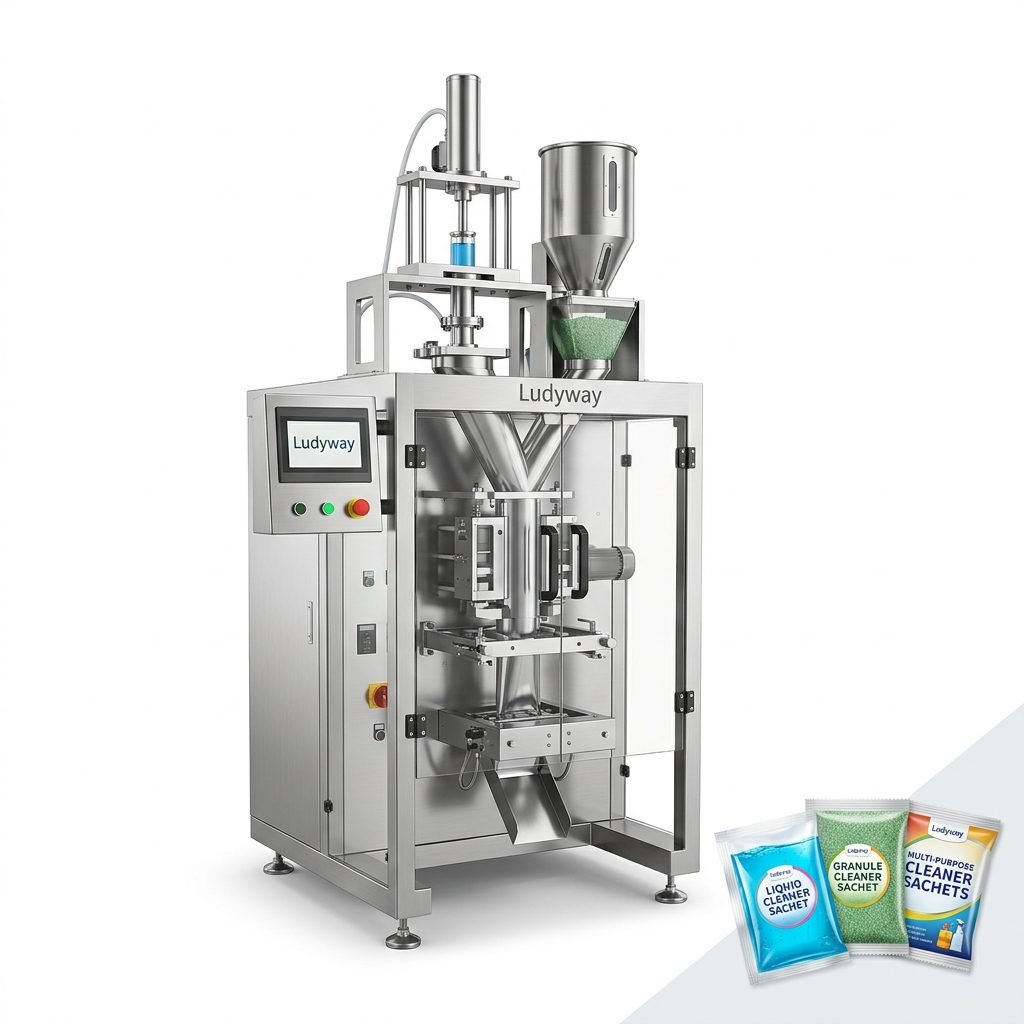
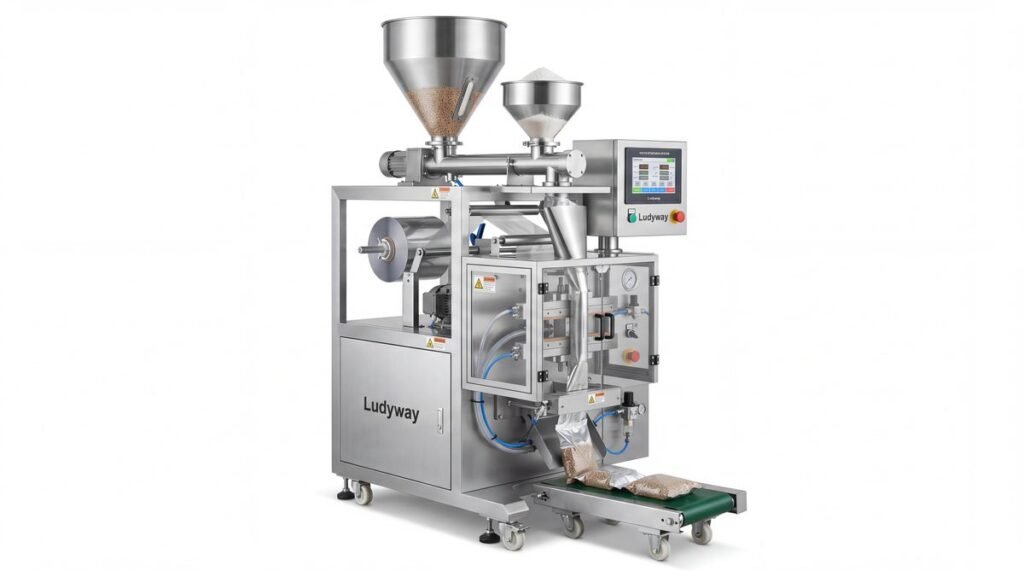
These are among the most versatile and commonly used machines. They form a bag from a roll of film, fill it with product, and then seal it—all in a continuous vertical motion. They are ideal for packaging granules, powders, snacks, and liquids into pillow bags or gusseted bags.
2. Horizontal Form-Fill-Seal (HFFS) Machines
HFFS machines form packages horizontally and are typically used for more rigid structures or when placing multiple items into a single pack. They are excellent for biscuits, candy bars, and frozen foods, often creating trays with lidding film.
3. Stick Pack and Sachet Packaging Machines
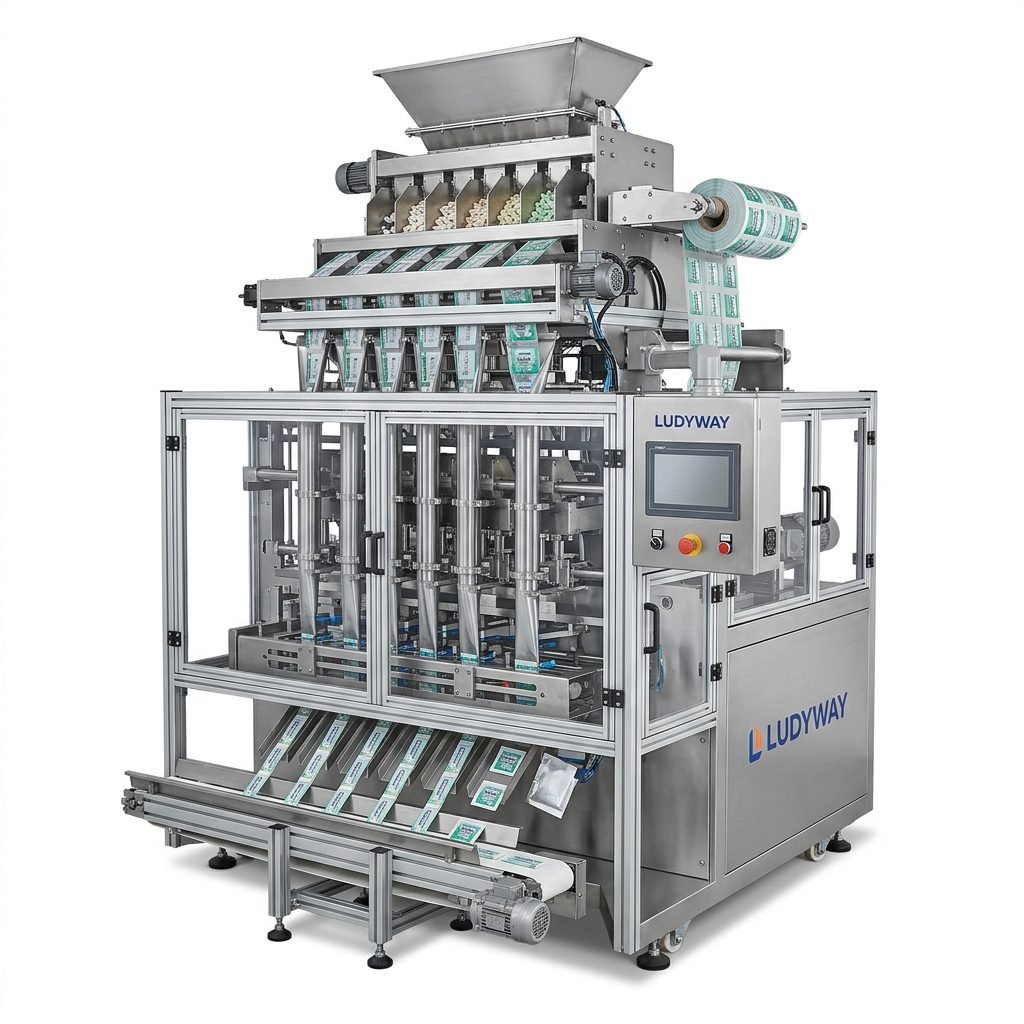
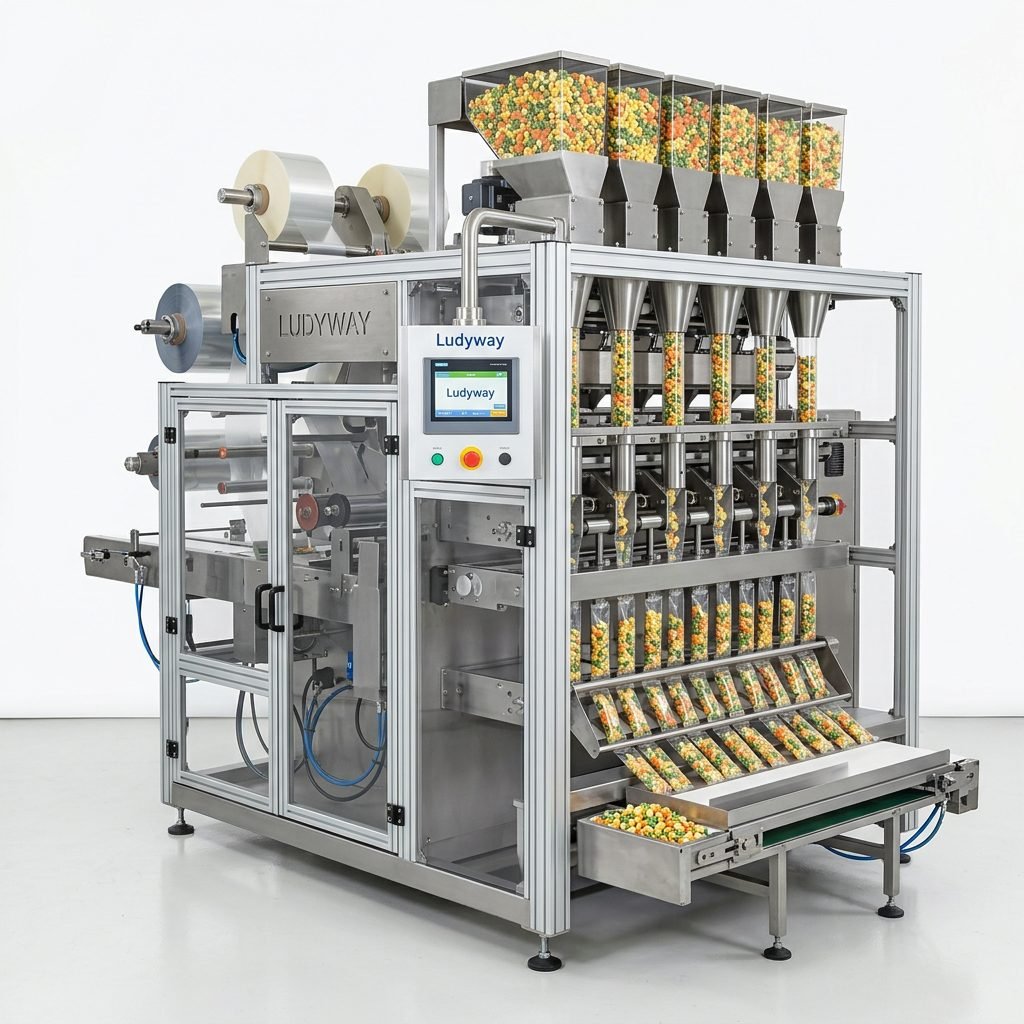
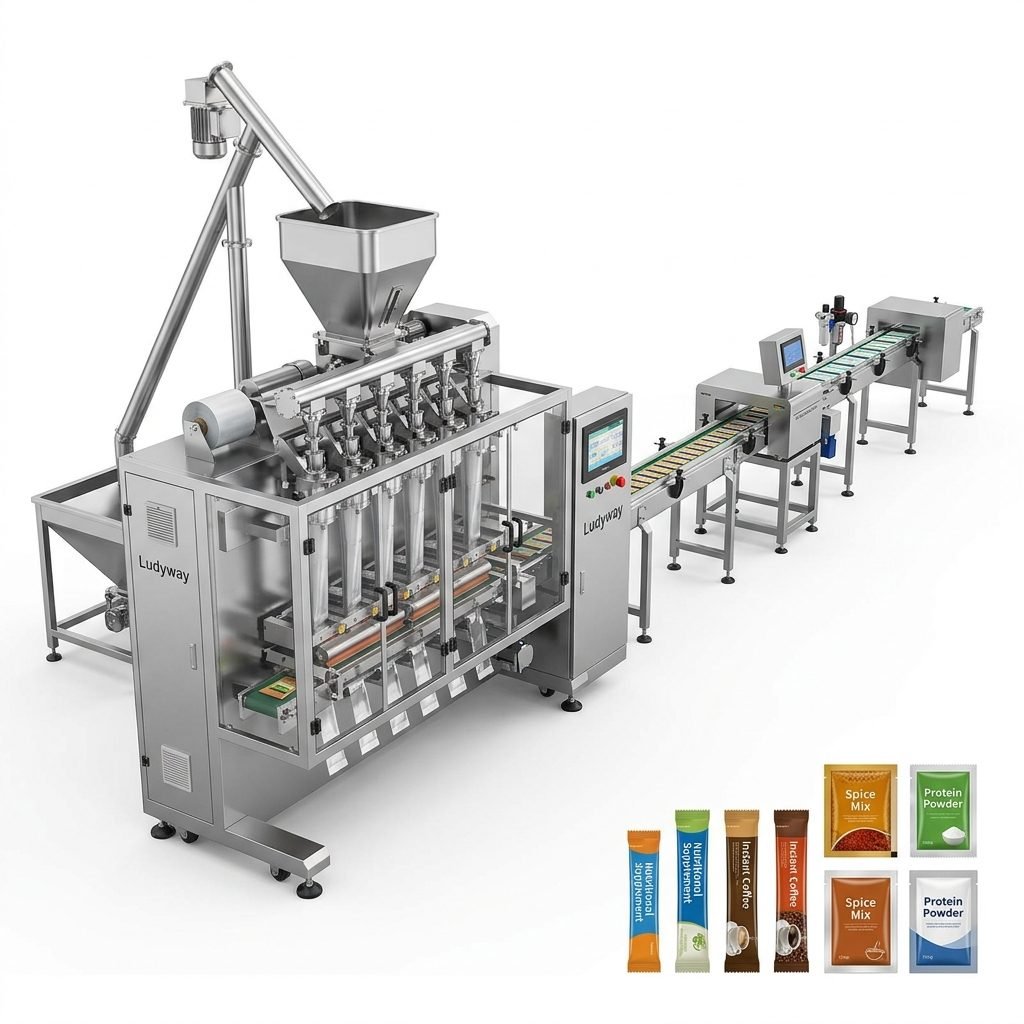
Designed for single-serve portions, these machines create small, elongated stick packs or flat sachets. They are perfect for coffee, sugar, condiments, sauces, and pharmaceutical powders. Multi-lane versions significantly boost output for high-volume production.
Key Advantage:
Machines like the multi-lane stick pack systems offered by industry leaders can dramatically increase production speed and efficiency for portion-control products, making them a smart investment for businesses scaling up.
4. Liquid & Piston Filling Machines
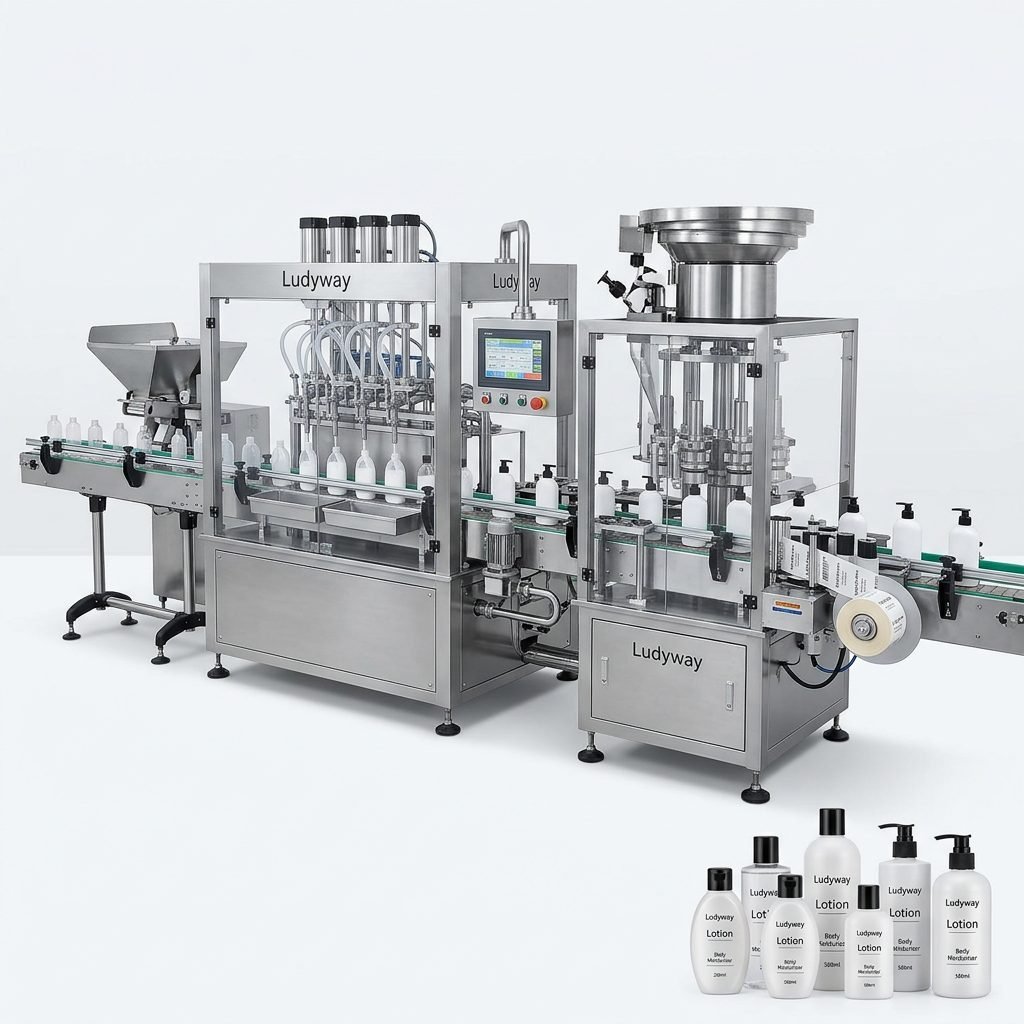
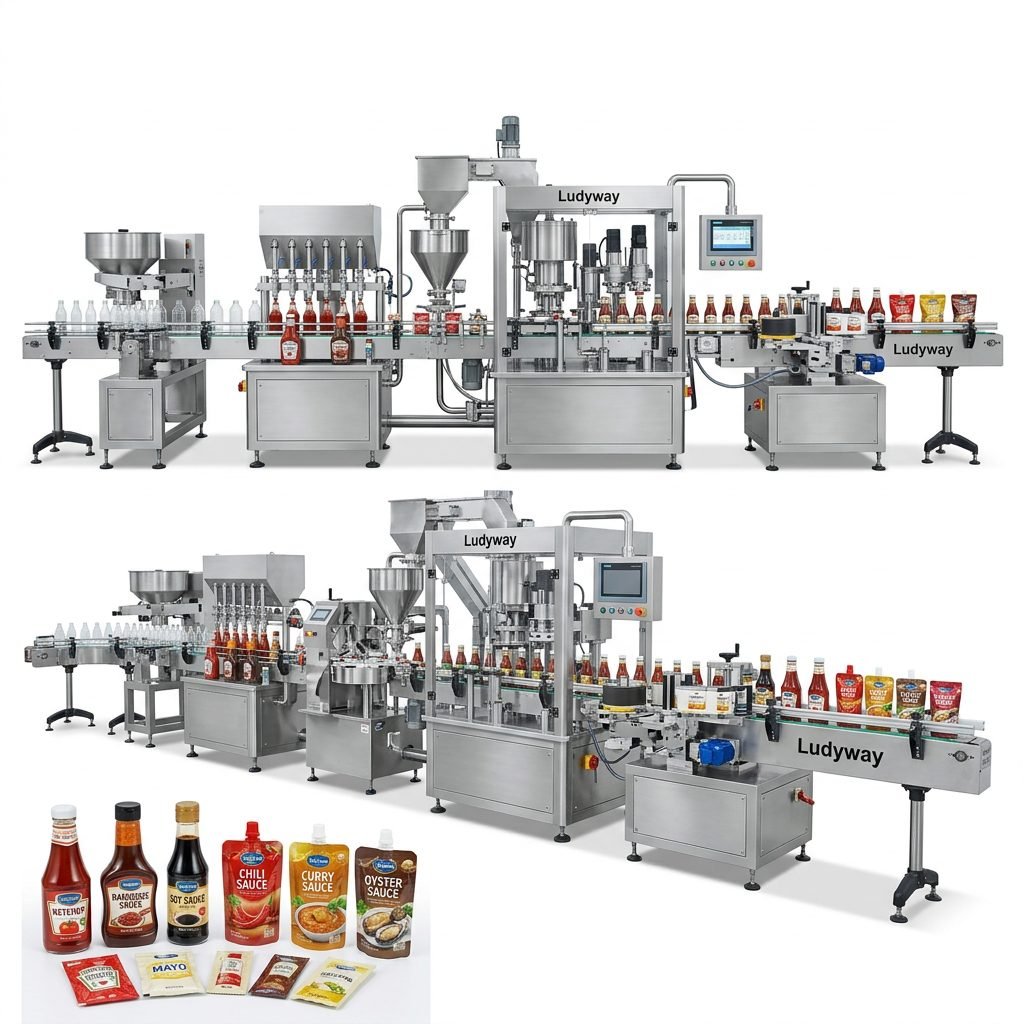
These machines are specialized for filling liquids, pastes, and viscous products into bottles, jars, or pouches. They use precise piston mechanisms to ensure accurate fill volumes, crucial for products like cooking oils, sauces, dairy products, and cosmetics.
5. Thermoforming Machines
This advanced technology involves heating a plastic sheet and forming it into cavities (trays or blisters), filling them with product, and sealing with a lidding film. It’s widely used for fresh produce, cheese slices, and ready-to-eat meals where product visibility and extended shelf-life are important.
Essential Features and Technological Considerations
Beyond the basic type, several features define a machine’s capability, reliability, and suitability for your operation.
Automation Level and Integration
Modern machines range from semi-automatic to fully automated lines integrated with robotics, vision inspection systems, and central PLC controls. Higher automation reduces labor costs, minimizes human error, and ensures consistent quality.
Speed and Production Capacity
Measured in packages per minute (PPM), the machine’s speed must align with your current and projected output. Consider not just peak speed but also sustainable operational speed with minimal downtime.
Flexibility and Changeover
Can the machine handle different package sizes and materials quickly? Look for features like tool-less changeover, recipe storage in the HMI, and adjustable sealing jaws. This reduces waste and downtime when switching products.
Hygienic Design and Construction
Food-grade stainless steel (e.g., 304 or 316) contact parts, easy-clean surfaces, and protection against dust and moisture ingress (IP ratings) are non-negotiable for food safety and compliance with standards like FDA or EU regulations.
Control System and User Interface
A user-friendly, multilingual Human-Machine Interface (HMI) allows for easy operation, monitoring, and troubleshooting. Advanced diagnostics and remote support capabilities are valuable for maintaining uptime.
🔍 Pro Tip: The Value of Experience
Choosing a supplier with decades of industry experience means you benefit from accumulated knowledge in solving real-world packaging challenges. They are more likely to provide reliable, field-tested machinery and insightful guidance tailored to your application.
A Step-by-Step Guide on How to Choose the Right Machine
Making an informed decision requires a systematic evaluation of your product, business, and operational environment.
Step 1: Analyze Your Product Characteristics
- Physical Form: Is it a powder, granule, liquid, solid, or semi-solid?
- Flowability & Sensitivity: Does it bridge or cake? Is it heat-sensitive or abrasive?
- Fill Weight & Accuracy: What is the target weight, and what tolerance is acceptable?
Step 2: Define Your Packaging Specifications
- Packaging Material: Laminated film, foil, paper, or biodegradable alternatives?
- Package Style & Size: Pouch, stick pack, sachet, bottle? What are the dimensions?
- Seal Type: Pillow seal, gusset, 3-side or 4-side seal?
Step 3: Evaluate Your Production Requirements
Calculate your required output (packages per shift/day). Factor in future growth to avoid under-specifying. Determine the available factory space, utilities (power, compressed air), and the skill level of your operators.
Step 4: Assess Supplier Credentials and Support
Investigate the manufacturer’s reputation, engineering capabilities, and after-sales service network. Do they offer installation, training, and readily available spare parts? Can they provide a complete turnkey production solution if needed? A supplier with a strong track record in your specific industry (e.g., food, pharmaceutical) is preferable.
Step 5: Consider Total Cost of Ownership (TCO)
Look beyond the initial purchase price. Consider long-term costs like energy consumption, maintenance, spare parts, changeover time, and potential yield loss. A slightly higher upfront investment in a more efficient, reliable machine often leads to lower TCO.
Step 6: Request a Product Test
Always insist on a live production test using your actual product and packaging materials. This is the only way to verify performance, speed, and seal quality before purchase.
Frequently Asked Questions (FAQs)
Q1: What is the main difference between VFFS and HFFS machines?
A: The primary difference is the orientation of package formation. VFFS machines work vertically and are best for free-flowing products going into bags. HFFS machines work horizontally and are better suited for arranging and packaging solid items or creating tray-and-lid packages.
Q2: How important is after-sales service when buying a packaging machine?
A: It is critically important. Reliable technical support, readily available spare parts, and comprehensive operator training are essential for minimizing downtime and ensuring the long-term productivity and return on your investment.
Q3: Can one machine handle multiple different products?
A: Many machines offer flexibility, but the degree varies. Key factors are the similarity in product form (e.g., all powders) and the ease of changeover for different package sizes. Machines designed for quick, tool-less changeovers offer the greatest flexibility for multi-product lines.
Q4: What are the key maintenance requirements for a food packaging machine?
A: Regular daily cleaning, lubrication of moving parts as per the manual, inspection and replacement of wear parts like sealing jaws, cutting blades, and filler nozzles, and periodic calibration of weighing or filling systems are fundamental to maintaining performance and hygiene.
Q5: Where can I find a reliable supplier of commercial food packaging machines?
A: Look for established brands with proven industry experience and a global service footprint. Companies like Ludyway Packing Machine, which specializes in intelligent packaging solutions for food and pharmaceuticals, offer a wide range of over 50 machine models and are known for providing customized turnkey solutions and reliable support to customers worldwide. Evaluating their company history and project portfolio can provide strong indicators of their capability and reliability.