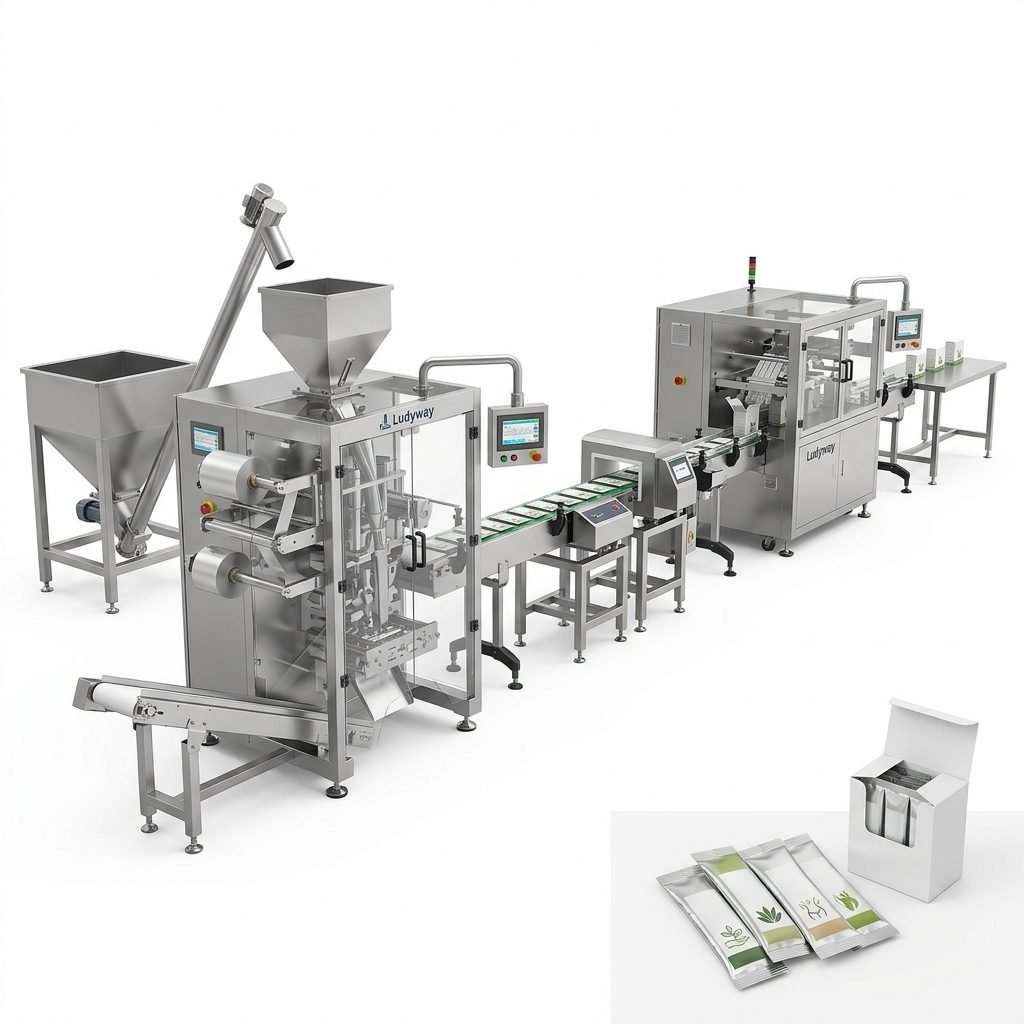
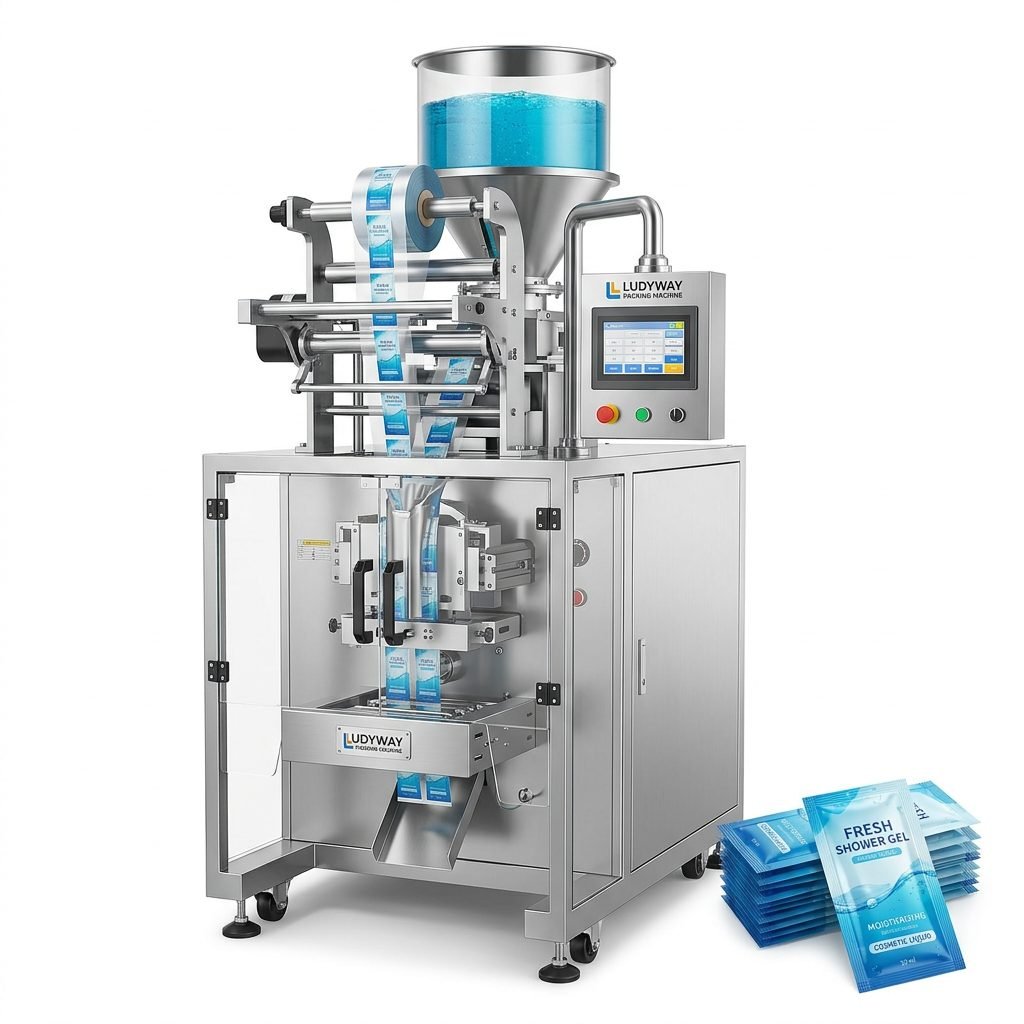
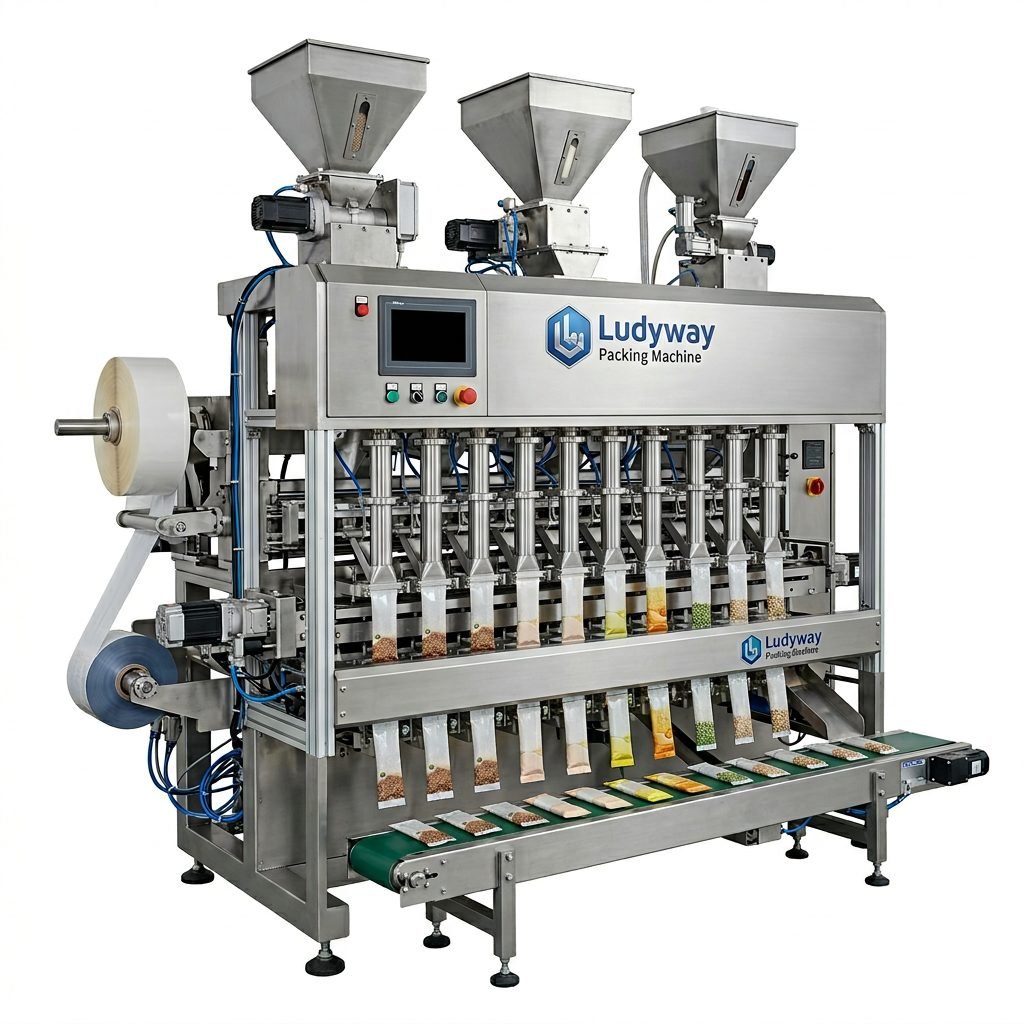
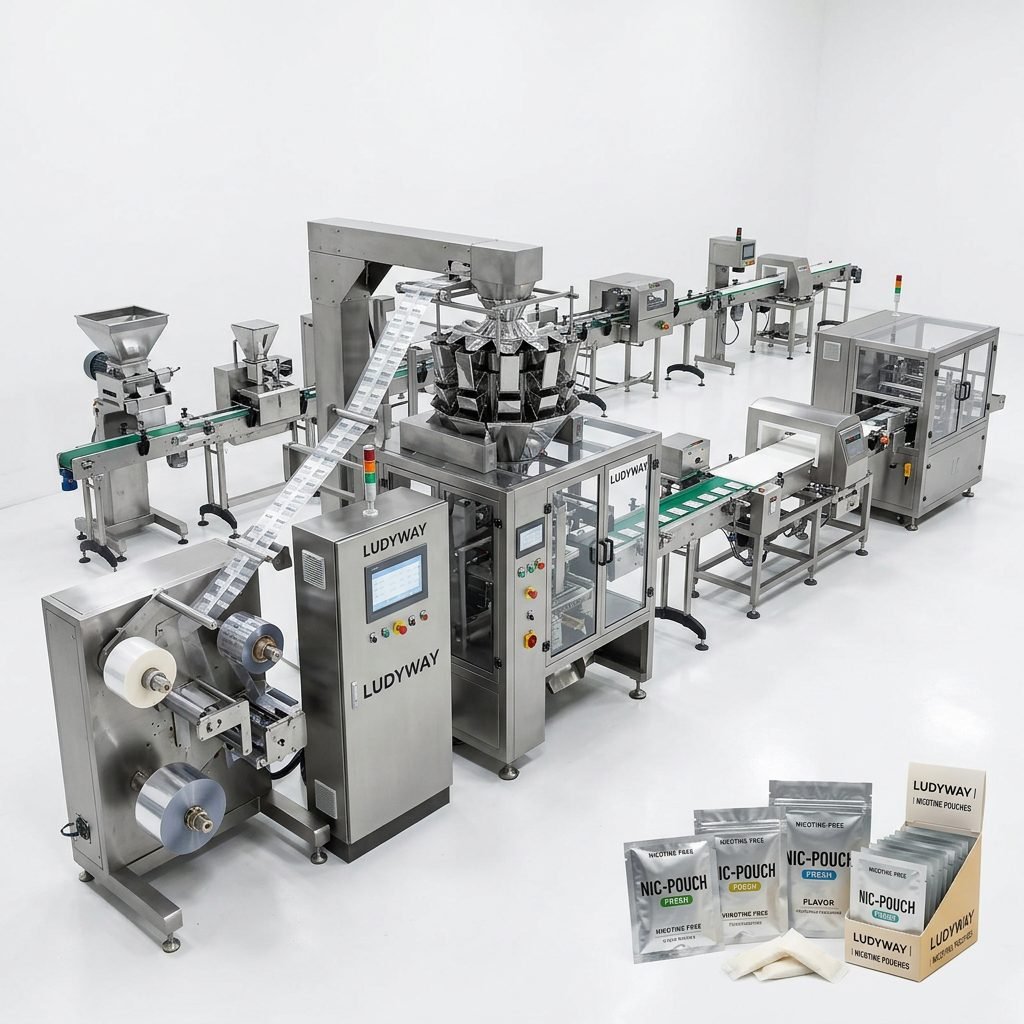
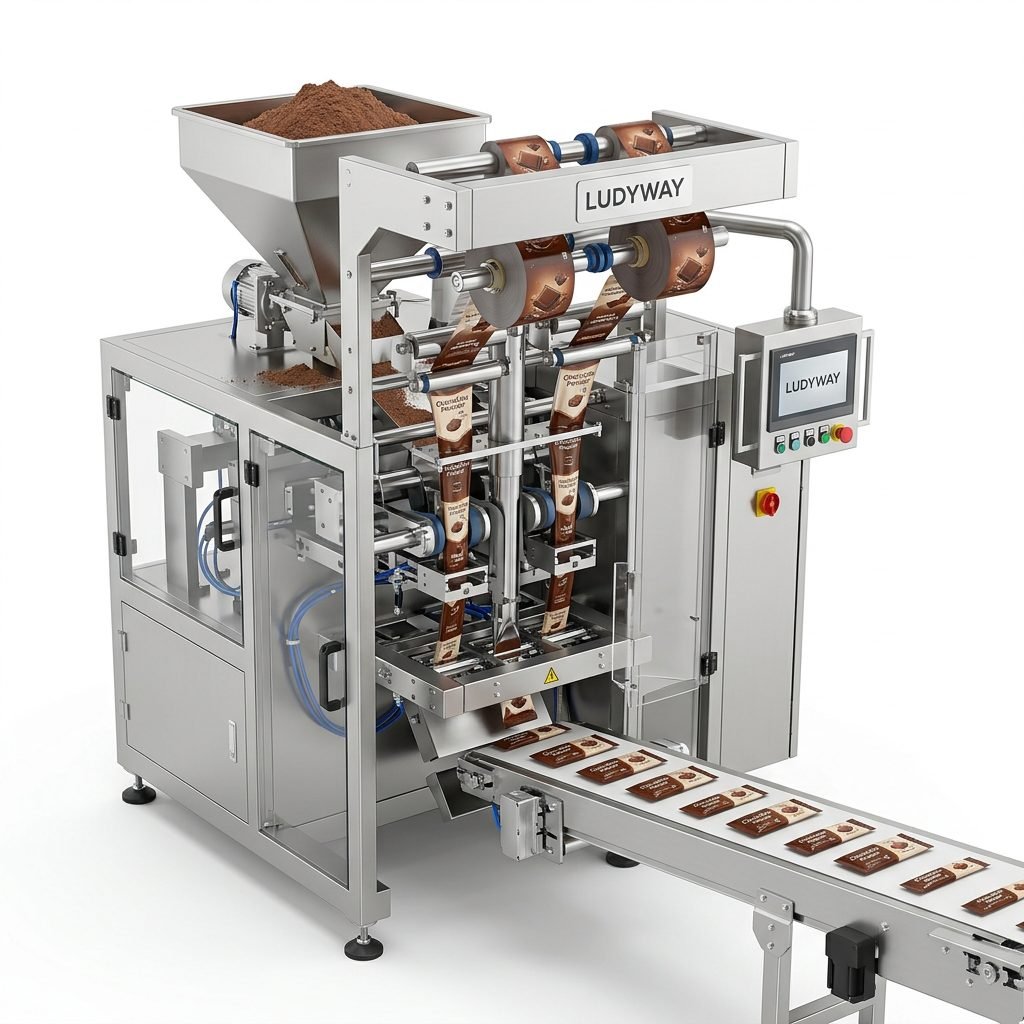
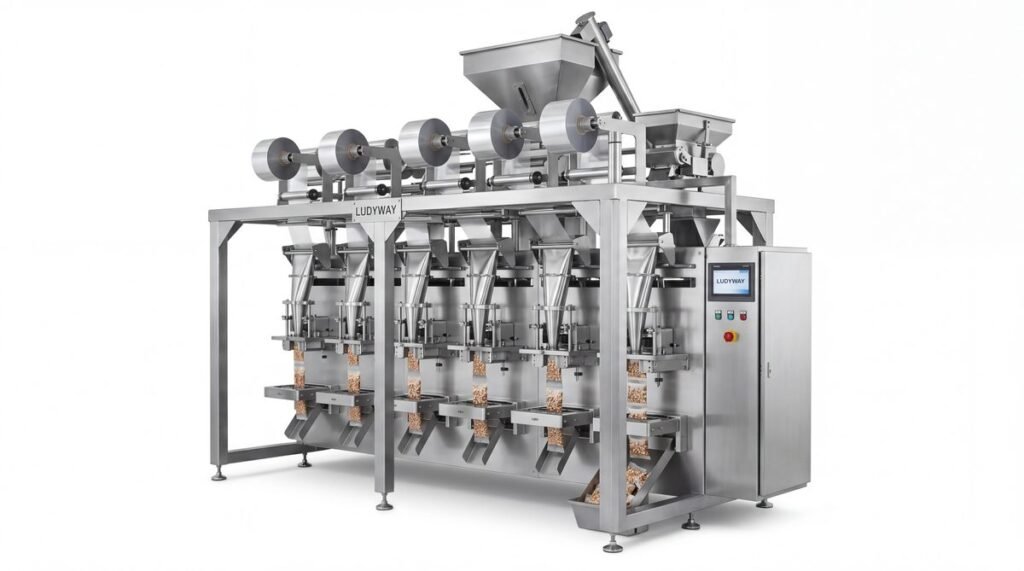
Selecting the right cement packaging equipment is a critical decision for any plant manager or operations director. The efficiency, reliability, and cost-effectiveness of your packaging line directly impact productivity, product quality, and overall profitability. With various systems available, from traditional valve baggers to advanced robotic palletizers, understanding the options is the first step toward optimizing your operation.
Primary Types of Cement Packaging Equipment
The cement industry relies on robust machinery designed to handle abrasive materials at high volumes. The main categories include:
1. Valve Bag Packers
These are the workhorses of the industry, filling cement through a valve in the bag. They are known for high-speed operation and minimal dust emission when equipped with proper dust collection systems.
Key Insight: Modern valve packers often feature touch-screen PLC controls and automatic bag placers, significantly reducing manual labor and improving filling accuracy.
2. Open Mouth Bag Packers
Ideal for heavier bags or specific bag types, these machines fill through the top of an open bag before sewing or heat-sealing it shut.
3. Bulk Loading Systems
For tanker trucks or railcars, these systems involve large-scale silos and loading spouts designed for rapid, dust-controlled transfer of cement in bulk quantities.
4. Bag Handling & Palletizing Systems
This downstream equipment is crucial for line efficiency. It includes conveyors, bag flatteners, and robotic or conventional palletizers that stack bags onto pallets for shipping. Investing in an integrated bag handling system can dramatically improve end-of-line logistics.
Essential Features of Modern Packaging Systems
Today’s equipment goes beyond basic filling. Key features to evaluate include:
- Weighing Accuracy: High-precision load cells and multi-stage filling systems (e.g., gross/net weigh) ensure each bag meets exact weight specifications, reducing giveaway and compliance risk.
- Dust Containment: Integrated dust hoods, suction ports, and filter systems are non-negotiable for maintaining a clean plant environment and protecting worker health.
- Automation & Control: A user-friendly Human-Machine Interface (HMI) allows for easy recipe changes, production monitoring, and diagnostics. Connectivity for data logging (OEE, downtime tracking) is increasingly important.
- Durability & Maintenance: Look for wear-resistant materials (e.g., ceramic-lined feed screws, hardened steel parts) in high-abrasion areas and designs that allow for easy access to routine maintenance points.
How to Choose the Right System for Your Plant
A strategic selection process involves assessing both your current and future needs. Follow this framework:
Step 1: Analyze Your Production Requirements
Define your key parameters: required bags per hour, bag weight range (e.g., 25kg, 50lb), and bag types (paper, polywoven, valve style). Consider future capacity expansion—can the system be upgraded?
Step 2: Evaluate Plant Layout and Space
The equipment footprint must fit your available space while allowing safe operator access and material flow. Consider the entire line from bag feeding to pallet dispatch. A reliable supplier can often provide detailed layout planning as part of their service.
Step 3: Prioritize Operational Efficiency
Calculate the total cost of ownership. A slightly higher initial investment in a more automated, energy-efficient machine with lower maintenance needs often yields a faster ROI through reduced labor, less waste, and higher uptime.
⚠️ Critical Consideration: After-Sales Support
The quality of technical support, availability of spare parts, and provider’s training capabilities are as important as the machine itself. Ensure your supplier has a proven track record, like the extensive experience highlighted in our company history, to ensure long-term reliability.
Step 4: Consider Integration and Future-Proofing
Will the new equipment integrate smoothly with your existing conveyors and palletizers? Does it offer the digital connectivity needed for Industry 4.0 data collection and analysis? Choosing a modular or scalable system provides flexibility.
Frequently Asked Questions (FAQs)
What is the typical lifespan of a cement packing machine?
With proper maintenance and operation, a high-quality cement packing machine can have a lifespan of 15 to 20 years or more. Critical factors include the abrasiveness of the product, regularity of preventive maintenance, and the quality of wear parts used during repairs.
How can we minimize dust during the packaging process?
Minimizing dust requires a combination of machine design and ancillary equipment. Opt for packers with effective built-in dust extraction ports and pair them with a dedicated industrial dust collector. Properly maintaining bag seals and spout attachments is also crucial for containment.
Is robotic palletizing worth the investment for a cement plant?
For medium to high-volume plants, robotic palletizers often provide an excellent return on investment. They offer greater flexibility in pallet patterns, reduce repetitive strain injuries associated with manual stacking, and can operate continuously in harsh, dusty environments with minimal downtime.
Can one machine handle different bag sizes?
Most modern packers are designed to be quick-change for different bag sizes within a range. This is typically achieved through adjustable spouts, bag clamps, and programmable settings on the HMI. Always verify the machine’s specified range with your supplier.
What are the most common maintenance issues?
The most frequent issues relate to wear from abrasive cement: worn feed screws or impellers, deteriorating seals, and dust build-up in moving parts. A consistent preventive maintenance schedule for cleaning, lubrication, and inspection of these components is the best way to prevent unplanned downtime.