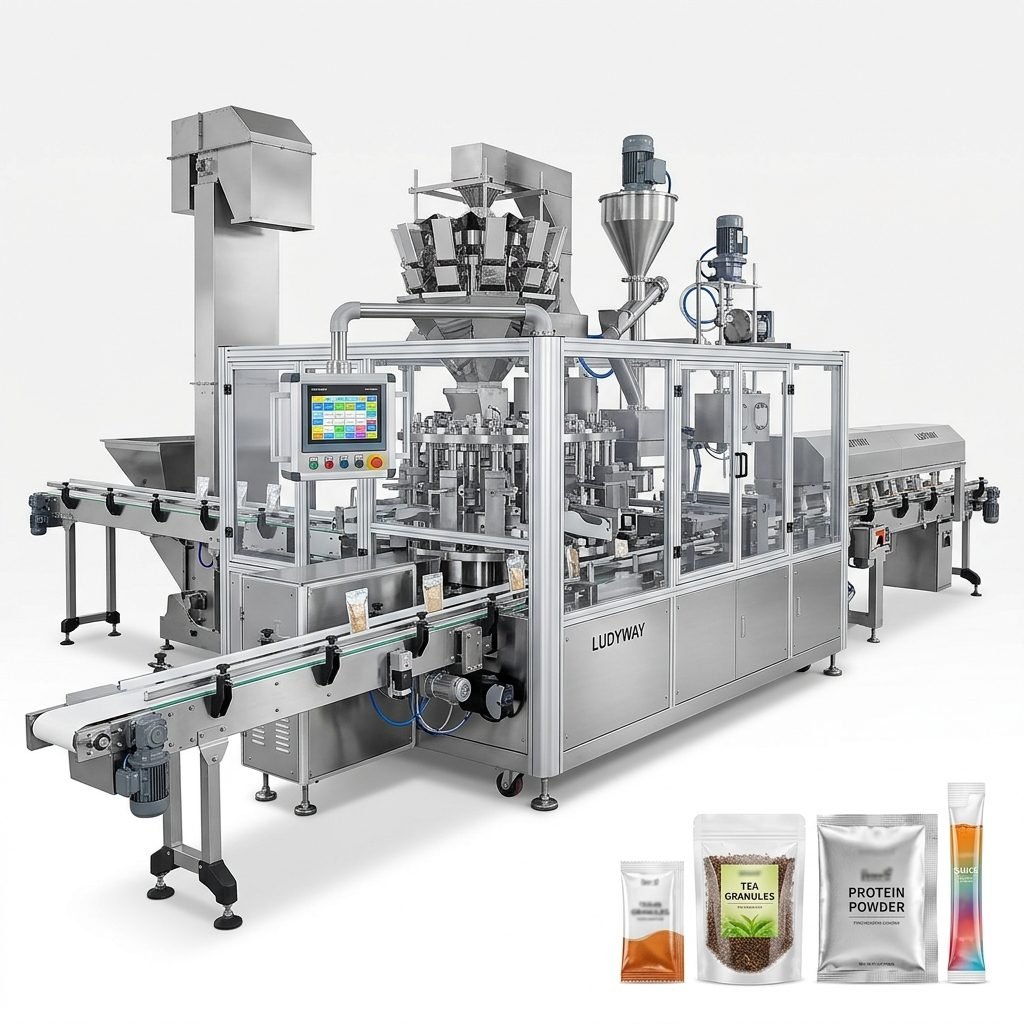
Choosing the right date printer for packaging machines is not just about adding a production date to a bag, pouch, carton, or bottle. It directly affects traceability, compliance, brand image, line efficiency, and after-sales maintenance costs. Whether you package food, pharmaceuticals, cosmetics, chemicals, or daily-use products, the right coding system helps ensure every pack leaves your line with clear, durable, and accurate information.
In modern production, date printing may also include batch numbers, expiry dates, manufacturing dates, QR codes, barcodes, lot codes, and shift information. Because packaging materials and production speeds vary widely, there is no single coding technology that fits every application. The best solution depends on your packaging format, print content, environment, and throughput goals.
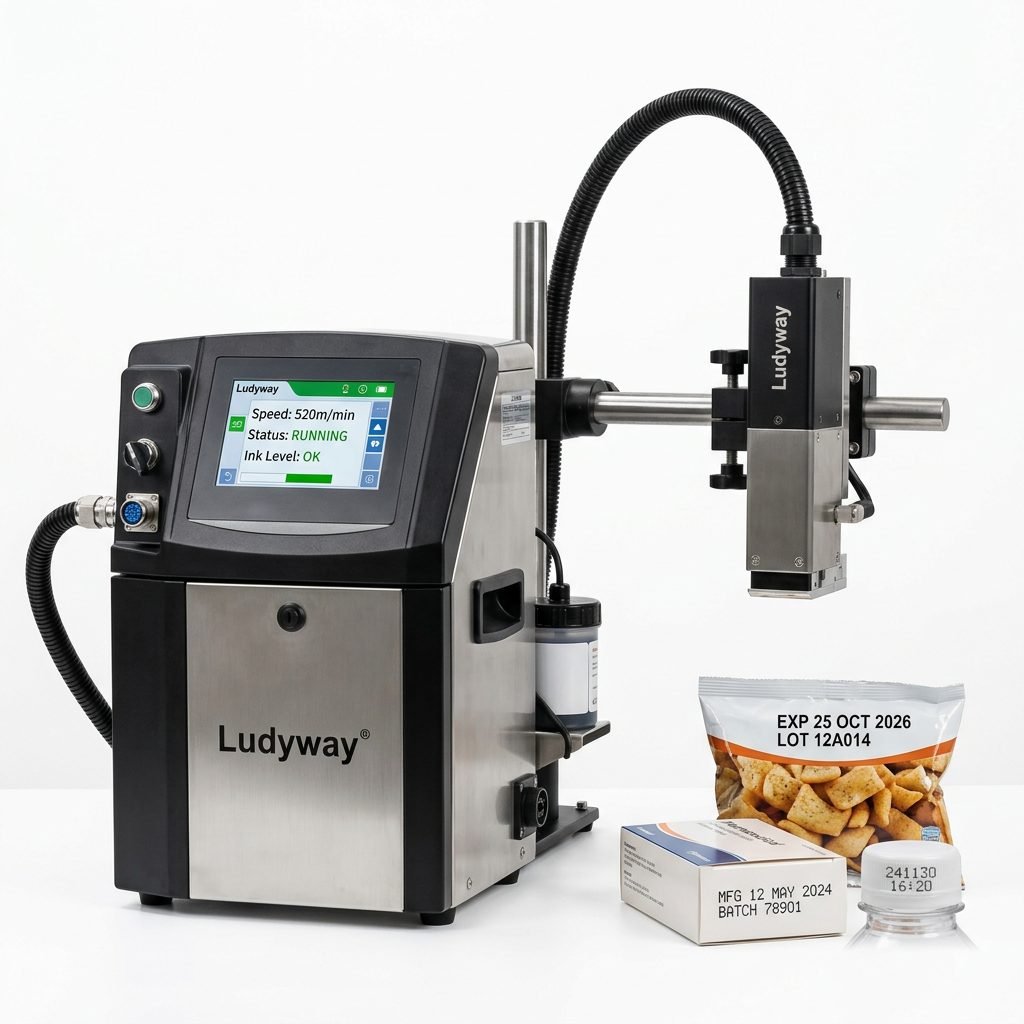
Why date printing matters in packaging operations
A coding system is often treated as a small accessory on the line, but it plays a critical role in daily operations. If the print is missing, blurred, smudged, or incorrect, entire batches may be rejected or recalled. For highly regulated sectors such as food and pharmaceuticals, poor coding can create serious legal and commercial risks.
- Traceability: Supports recalls, quality audits, and inventory rotation.
- Regulatory compliance: Meets labeling requirements for production and expiry information.
- Brand protection: Clean coding improves pack appearance and customer trust.
- Operational control: Makes it easier to manage shifts, lines, and batches.
- Supply chain efficiency: Helps distributors and retailers handle products correctly.
Main types of date printers used on packaging machines
Different coding technologies are designed for different substrates and production environments. Understanding their strengths and limits is the first step in selecting the best system.
1. Thermal Transfer Overprinter (TTO)
TTO printers are widely used on flexible packaging films such as pouches, sachets, stick packs, and flow-wrap materials. They use a ribbon to transfer ink onto the film surface with high print quality.
- Best for flexible film packaging
- Excellent for dates, lot numbers, text, and simple barcodes
- Clean and sharp print results
- Low solvent handling compared with ink-based systems
2. Continuous Inkjet (CIJ)
CIJ printers are versatile and fast. They are commonly installed on bottle, can, pouch, carton, and tray lines, especially where the package shape changes often or the line runs at high speed.
- Suitable for curved, uneven, or moving surfaces
- Performs well in high-speed environments
- Prints on plastic, glass, metal, paper, and some films
- Ideal for simple alphanumeric coding
3. Thermal Inkjet (TIJ)
TIJ systems are compact and easy to maintain. They are often selected for cartons, labels, sleeves, and semi-porous or porous surfaces where clean, high-resolution print is required.
- Sharp print quality
- Easy cartridge replacement
- Good for small and medium-speed applications
- Works well for text, barcodes, and QR codes
4. Laser coding machines
Laser coders create permanent marks by altering the material surface. They are often used when brands want high durability, low consumable use, and minimal smudge risk.
- No ink or ribbon consumables
- Permanent, high-contrast coding on suitable materials
- Excellent for long-term cost control in high-volume production
- Needs compatibility with packaging material and safety guarding
5. Hot stamp and embossing coders
These traditional systems are still used in some packaging lines for simple date and batch coding. They can be cost-effective but are usually less flexible than modern digital coders.
How to choose the best coding solution
The best date printer should match your line technically and commercially. Instead of buying based on price alone, evaluate the total production impact.
Packaging material comes first
Your packaging substrate largely determines what coding technology will work best.
| Packaging Material | Recommended Printer Type | Why It Fits |
|---|---|---|
| Flexible film, sachets, stick packs | TTO | Sharp print on moving film with good readability |
| Bottles, jars, cans | CIJ or Laser | Handles high speed and non-flat surfaces |
| Cartons, paper boxes, labels | TIJ or Laser | High resolution for text, codes, and graphics |
| Foil laminates or coated film | TTO or selected Laser | Depends on adhesion and surface response |
| Plastic pouches and rigid plastic packs | CIJ, TIJ, or Laser | Selection depends on speed and required permanence |
Consider the print content
A simple expiry date is easier to print than a variable QR code. Before selecting a system, define exactly what you need on the pack:
- Production date and expiry date
- Batch or lot number
- Time and shift code
- Barcode or QR code
- Multi-line text or multilingual information
If you need higher-resolution codes for scanning, TIJ, TTO, or laser may be more suitable than basic coding systems.
Match the printer to line speed
A date printer should never become the bottleneck of your packaging line. High-speed production often requires stable printing at consistent intervals, especially on multi-lane sachet or stick pack machines. If your line runs continuously and output is high, choose a coding system proven for industrial speed and duty cycle.
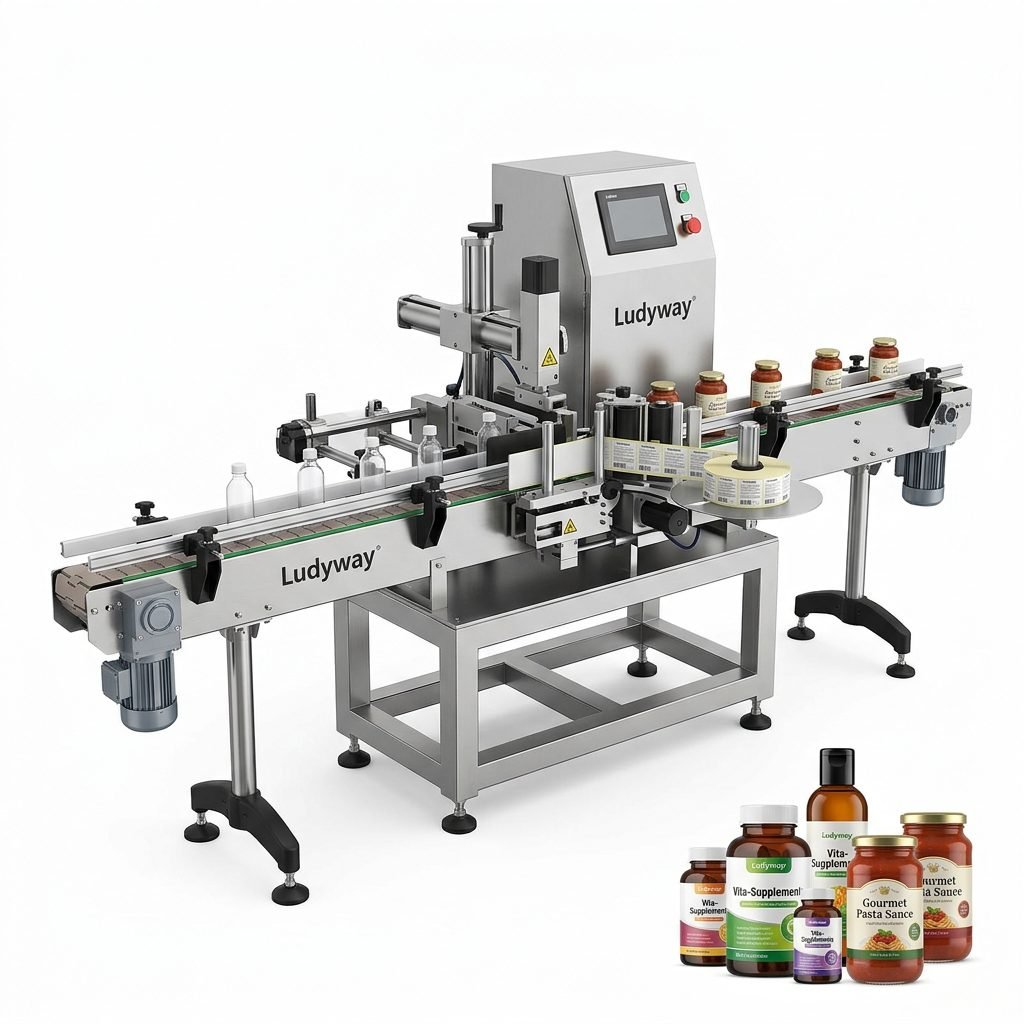
Check environmental conditions
Production environments vary significantly. Food factories may have washdown zones, powder dust, humidity, or temperature changes. Chemical and pharmaceutical facilities may require higher hygiene standards or solvent control. Make sure the coding system matches the actual operating conditions.
- Dusty powder room
- Wet or humid production area
- Cold-chain packaging zone
- High-temperature sealing area
- Cleanroom or GMP-related environment
Evaluate consumables and maintenance
Some printers have a lower purchase price but higher long-term running costs. Others cost more upfront but reduce downtime and consumable changes. Compare the total cost of ownership, including:
- Ink, solvent, or ribbon cost
- Printhead life
- Cleaning frequency
- Planned maintenance intervals
- Operator training requirements
- Spare parts availability
Think about integration with your packaging machine
The date printer should fit mechanically and electronically with your packaging equipment. Poor integration can cause print position errors, signal mismatch, film tracking issues, or operator inconvenience.
Ask whether the printer can integrate with:
- Vertical form fill seal machines
- Premade pouch machines
- Flow wrappers
- Bottle filling lines
- Cartoning and labeling systems
- Inspection and reject devices
Best date printer by packaging application
For sachet and stick pack packaging
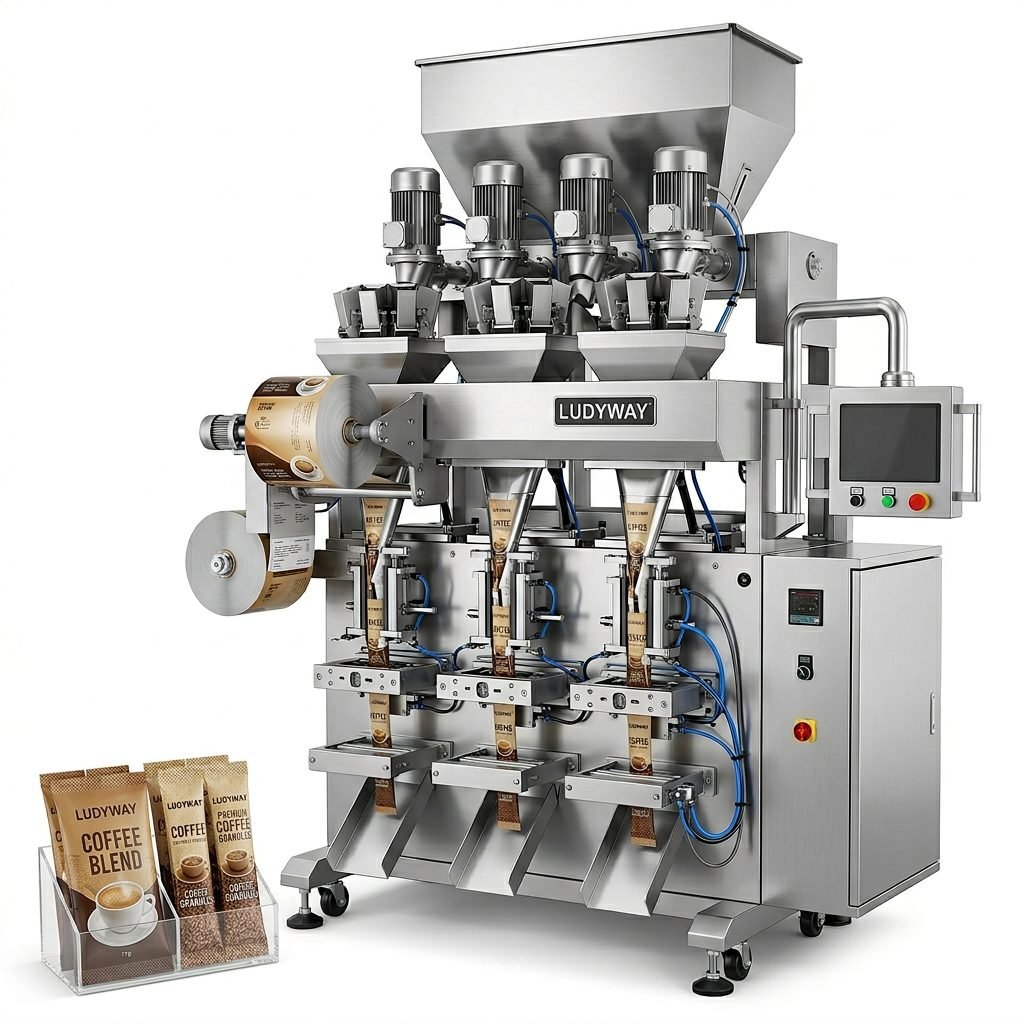
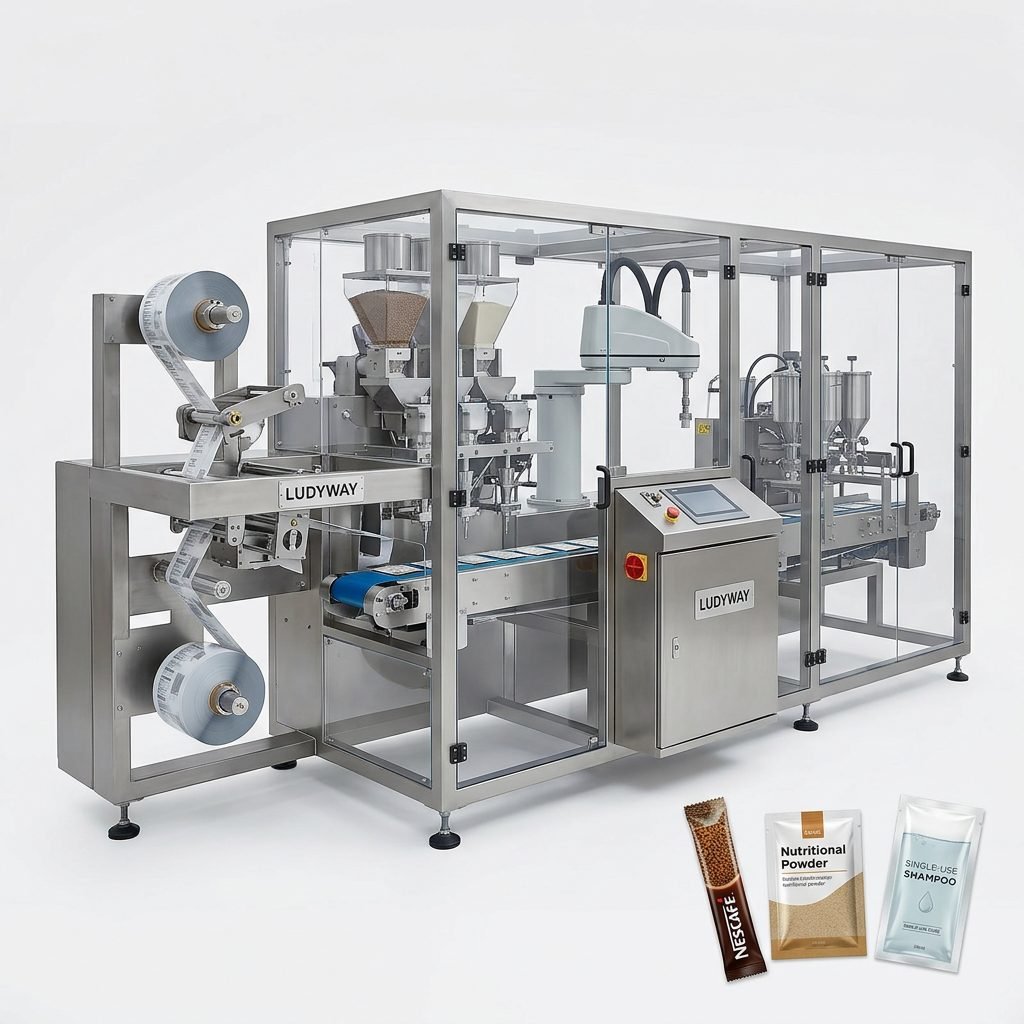
TTO is usually the preferred option because it delivers crisp print on flexible films and integrates well with intermittent or continuous motion machines. This is especially useful in food powder, health supplement, pharmaceutical granule, and cosmetic sachet applications.
For bottles and rigid containers
CIJ remains a strong choice for curved surfaces and fast-moving conveyor lines. Laser can also be effective if the bottle material produces a legible mark and permanent coding is required.
For cartons and outer boxes
TIJ and laser are both good options. They provide better print resolution for barcodes, text blocks, and traceability codes often required on secondary packaging.
For pharmaceutical packaging
Print quality, data accuracy, and validation are critical. The ideal solution often depends on whether you are coding sachets, blister packs, labels, cartons, or bottles. In many cases, systems with reliable message management and integration with inspection devices are preferred.
Common mistakes buyers should avoid
- Choosing the cheapest printer without reviewing consumable costs
- Ignoring packaging material compatibility
- Underestimating print speed requirements
- Selecting a system with poor local or remote technical support
- Forgetting future needs such as QR codes or serialization
- Not testing print durability after sealing, handling, or transport
Questions to ask before buying
| Question | Why It Matters |
|---|---|
| What packaging materials do I use? | Determines print adhesion and coding method |
| What is my actual line speed? | Prevents coding failure at high output |
| Do I need text only or also barcodes/QR codes? | Affects print resolution and software selection |
| How much downtime can I accept? | Influences maintenance and consumable strategy |
| Do I need permanent coding? | May favor laser over ink-based methods |
| Can the coder integrate with my existing machine? | Ensures stable triggering and print placement |
Why integration support is as important as the printer itself
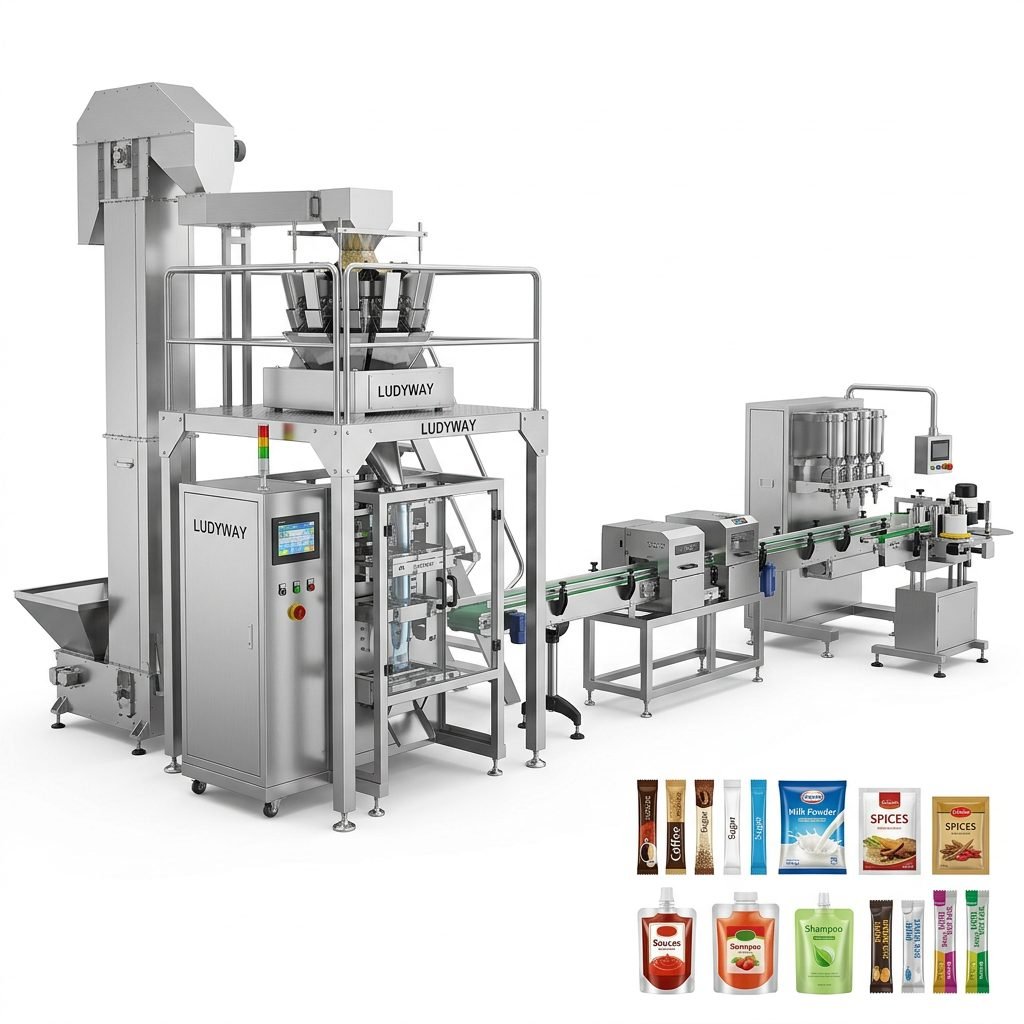
In many factories, the real challenge is not buying the coding unit but ensuring it works smoothly with the packaging machine, film feed, conveyor, control system, and product changeover process. A well-integrated coding solution reduces setup time, avoids missed prints, and keeps the line running with fewer interruptions.
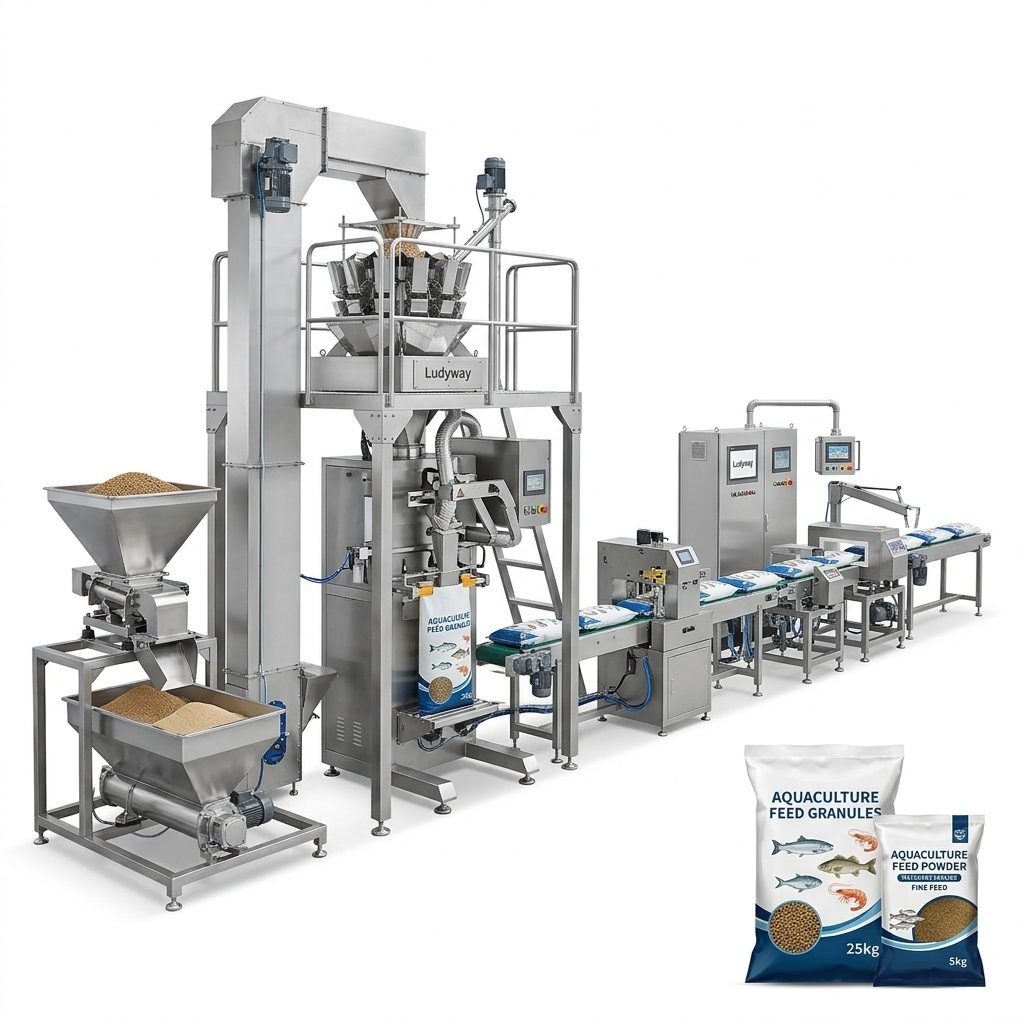
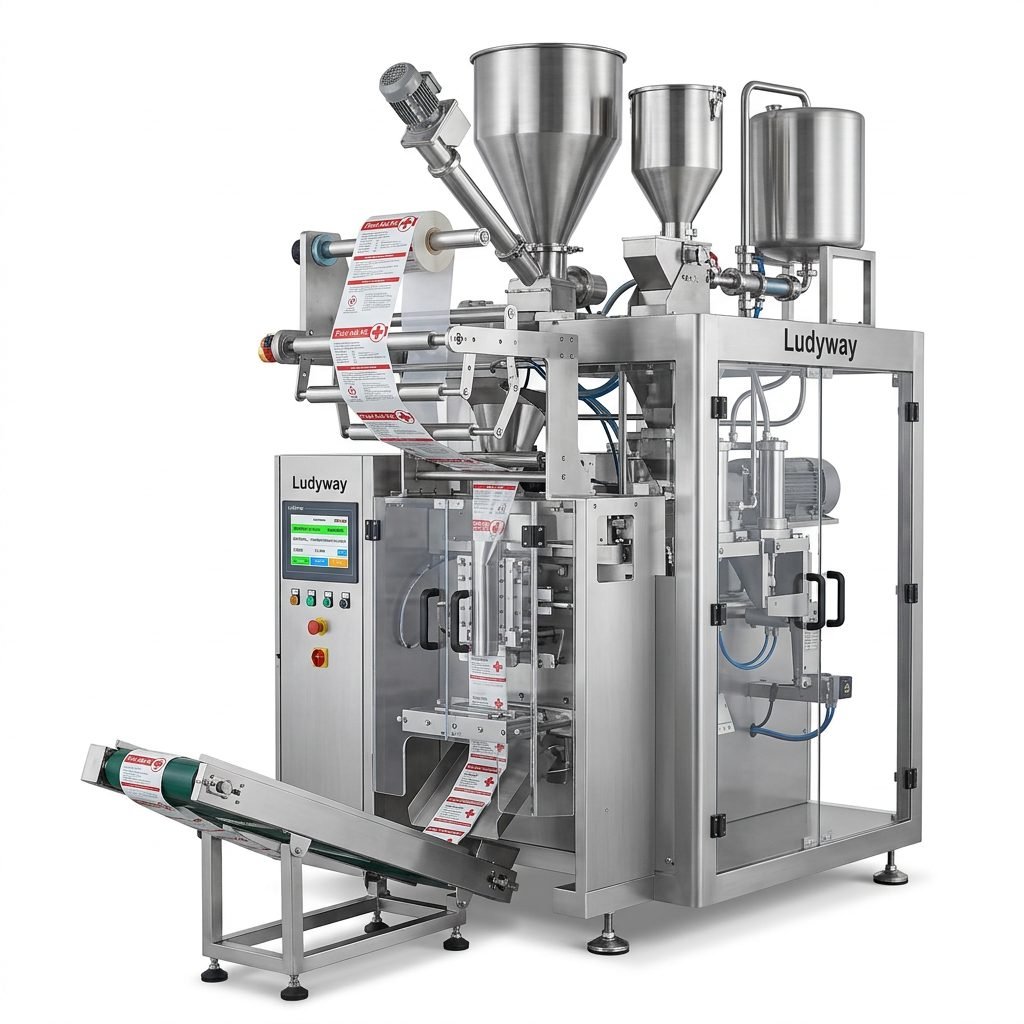
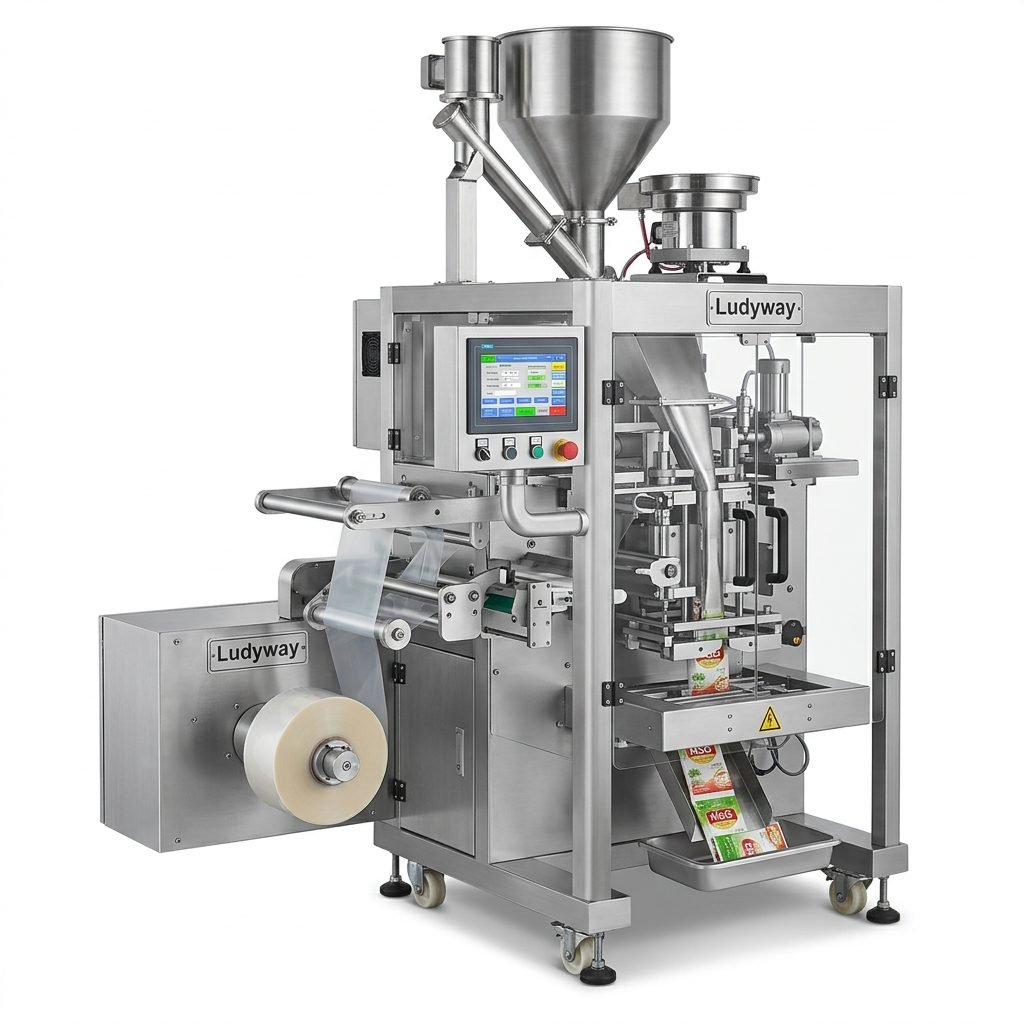
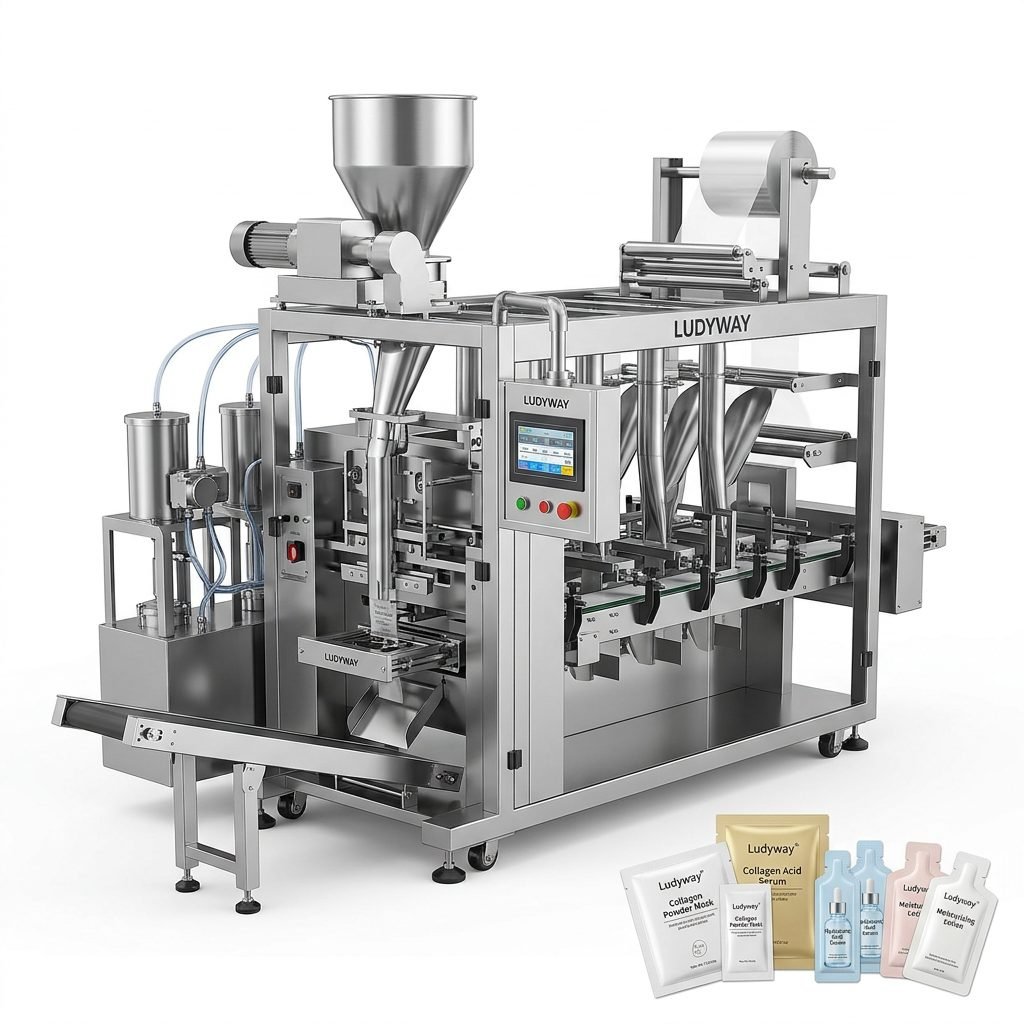
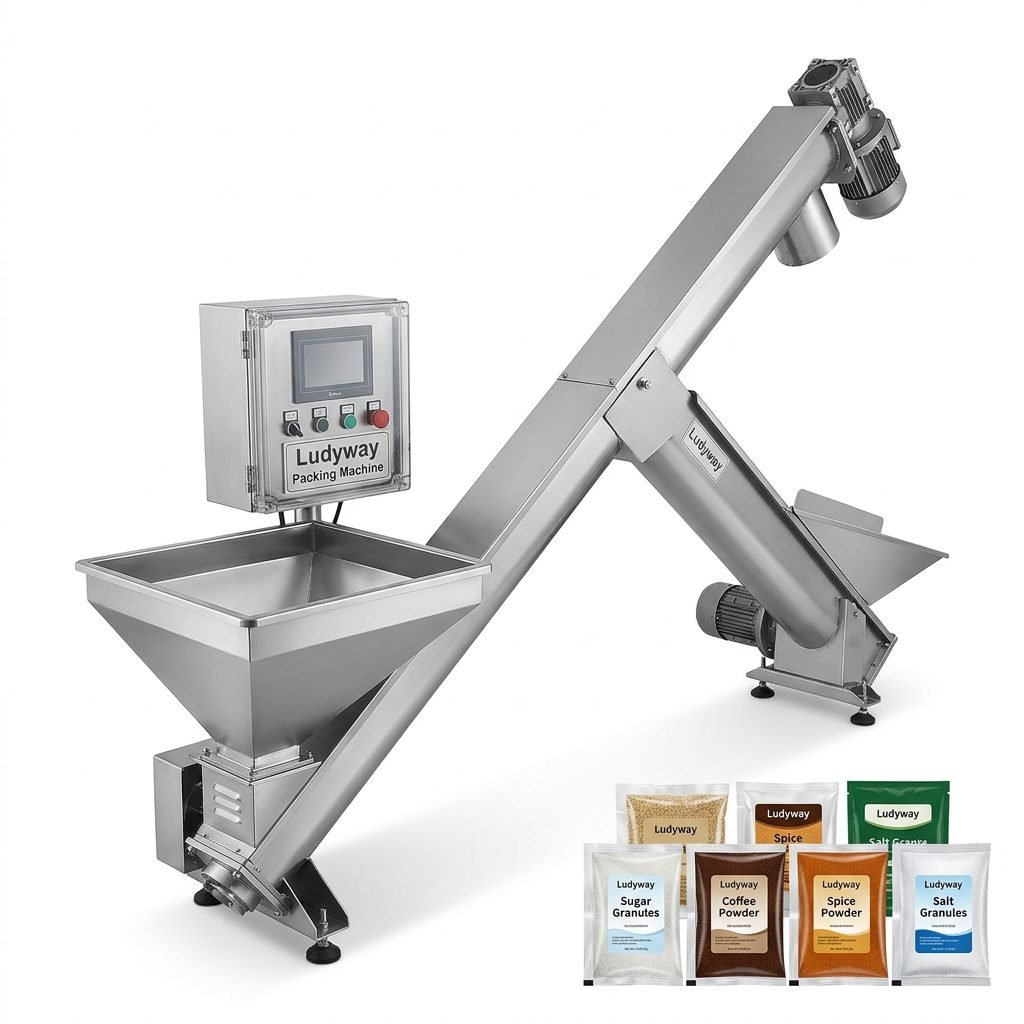
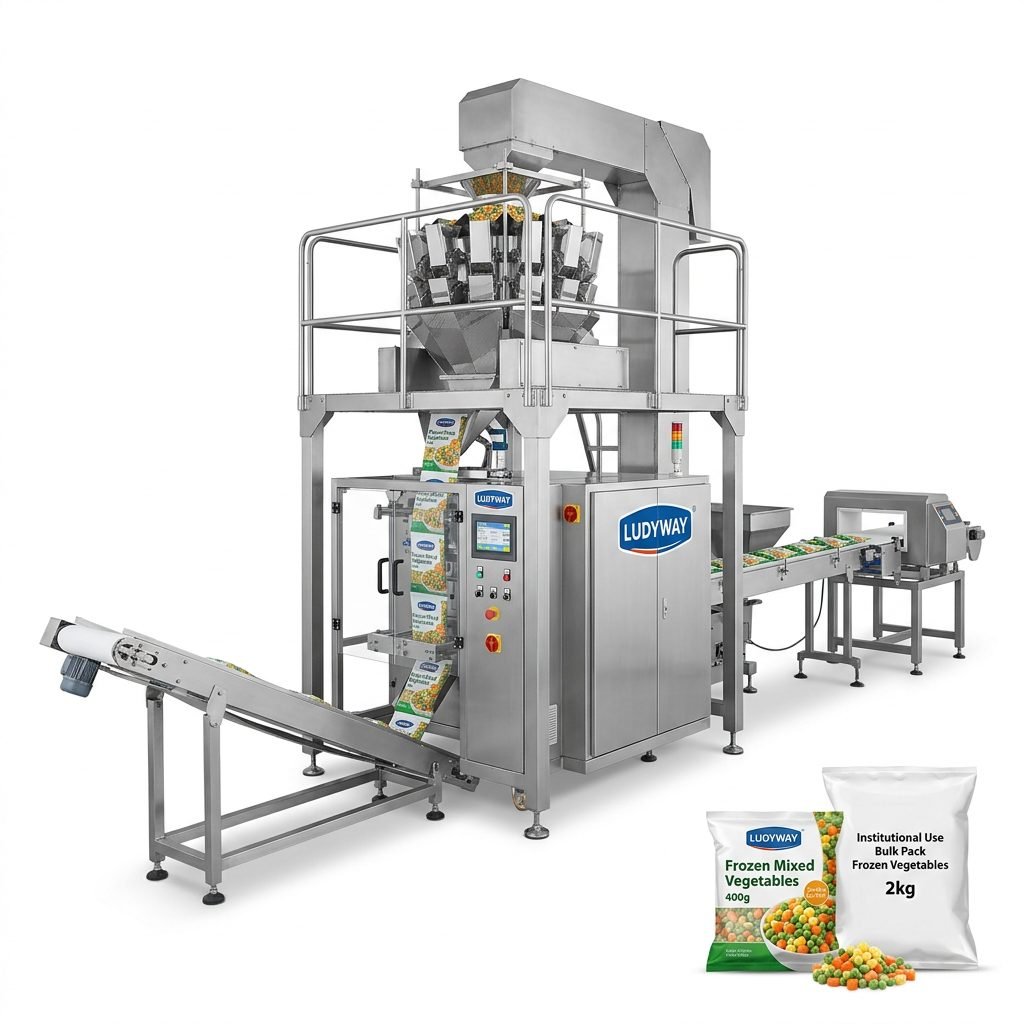
For companies planning a new line or upgrading an existing one, working with an experienced packaging machinery supplier can simplify this process. Ludyway packaging machine manufacturer provides a broad range of packaging equipment and turnkey line solutions for food, pharmaceutical, health supplement, cosmetic, and related industries, which can help buyers evaluate coding compatibility alongside the main packaging system.
Recommended selection approach
If you want the most practical way to choose a date printer, follow this order:
- Define your packaging type — sachet, pouch, bottle, carton, jar, or bag.
- Identify the substrate — film, foil, paper, plastic, glass, or metal.
- Confirm print content — date only or advanced coding.
- Review production speed — including future capacity expansion.
- Assess working environment — dust, humidity, washdown, temperature.
- Compare total operating cost — not just machine price.
- Request real sample testing on your packaging materials.
- Check integration and service support before final purchase.
Final decision guide
If your business uses flexible film packaging, TTO is often the first technology to evaluate. If you need versatile coding across many package shapes at high speed, CIJ is often preferred. If you want clean, high-resolution printing on cartons and labels, TIJ can be a smart option. If you prioritize permanent marks and lower consumable dependence, laser coding may be the best long-term investment.
The best date printer for packaging machines is the one that fits your material, speed, print requirements, and maintenance expectations. A careful selection process helps reduce downtime, improve code quality, and protect your product compliance from day one.