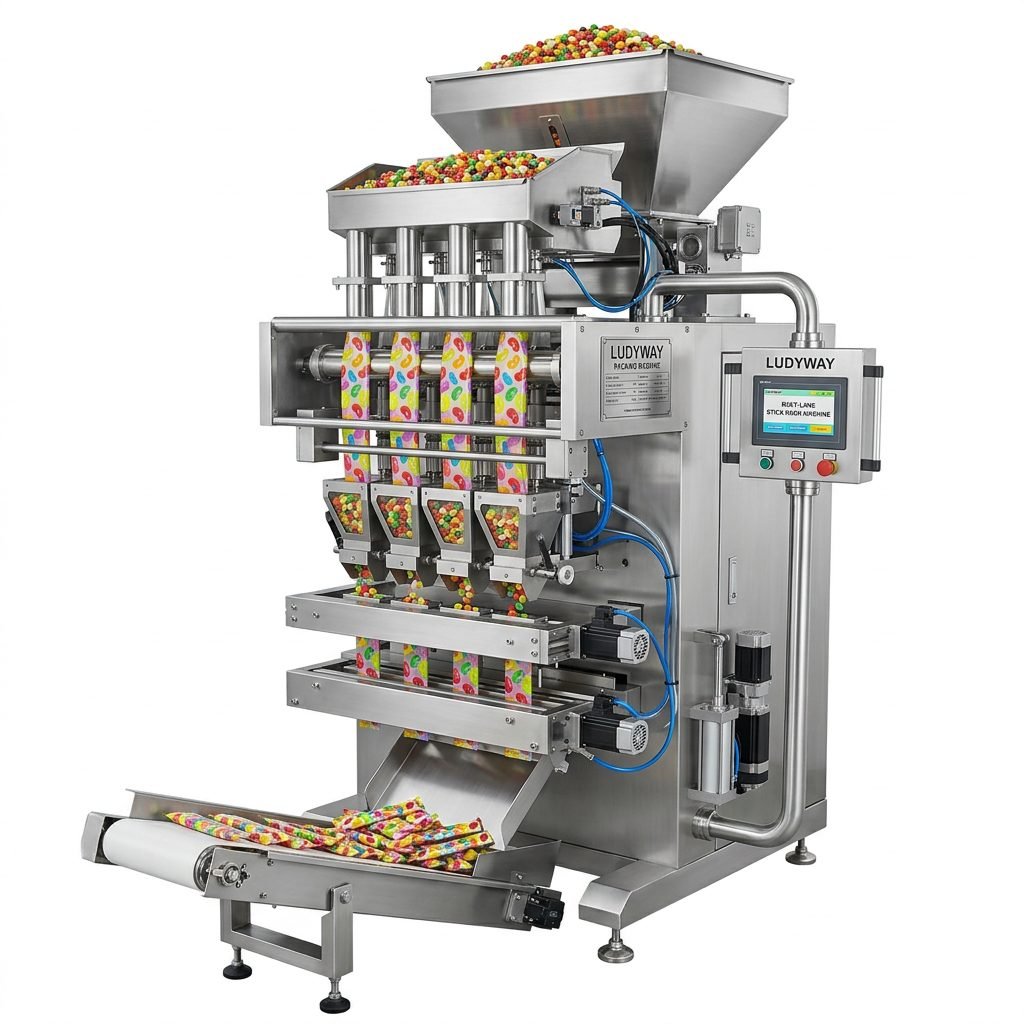
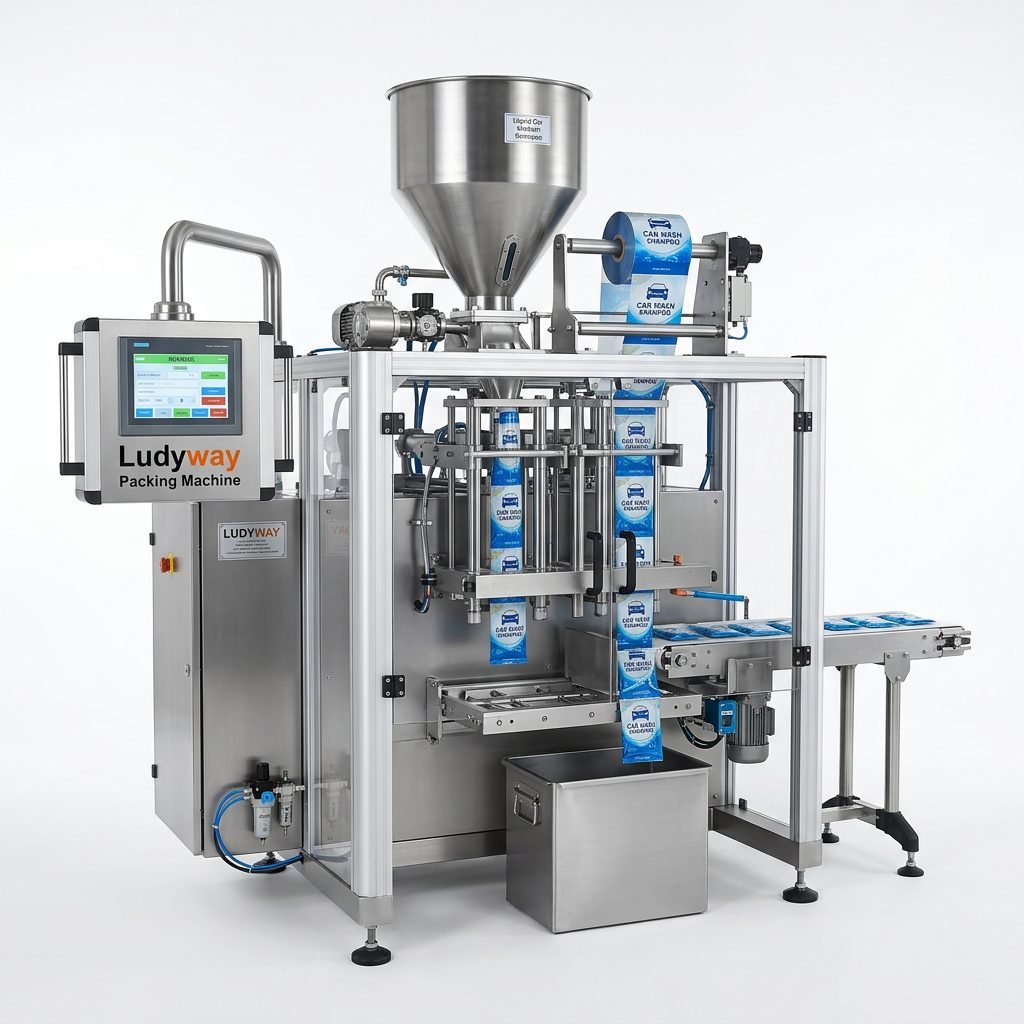
Selecting the right packaging equipment is a critical decision for any food manufacturing operation. The choice directly impacts production efficiency, product safety, shelf life, and overall brand perception in the market. With a vast array of machinery available, navigating the options can be complex. This guide explores the top types of food manufacturing packaging equipment and provides a structured framework to help you choose the system that perfectly aligns with your specific operational needs and goals.
Primary Categories of Food Packaging Equipment
Food packaging machinery can be broadly classified based on the form of the product and the type of package it creates. Understanding these categories is the first step toward a sound investment.
1. Filling and Sealing Machines
This is the core of most packaging lines, involving the accurate dispensing of product into a container followed by a hermetic seal.
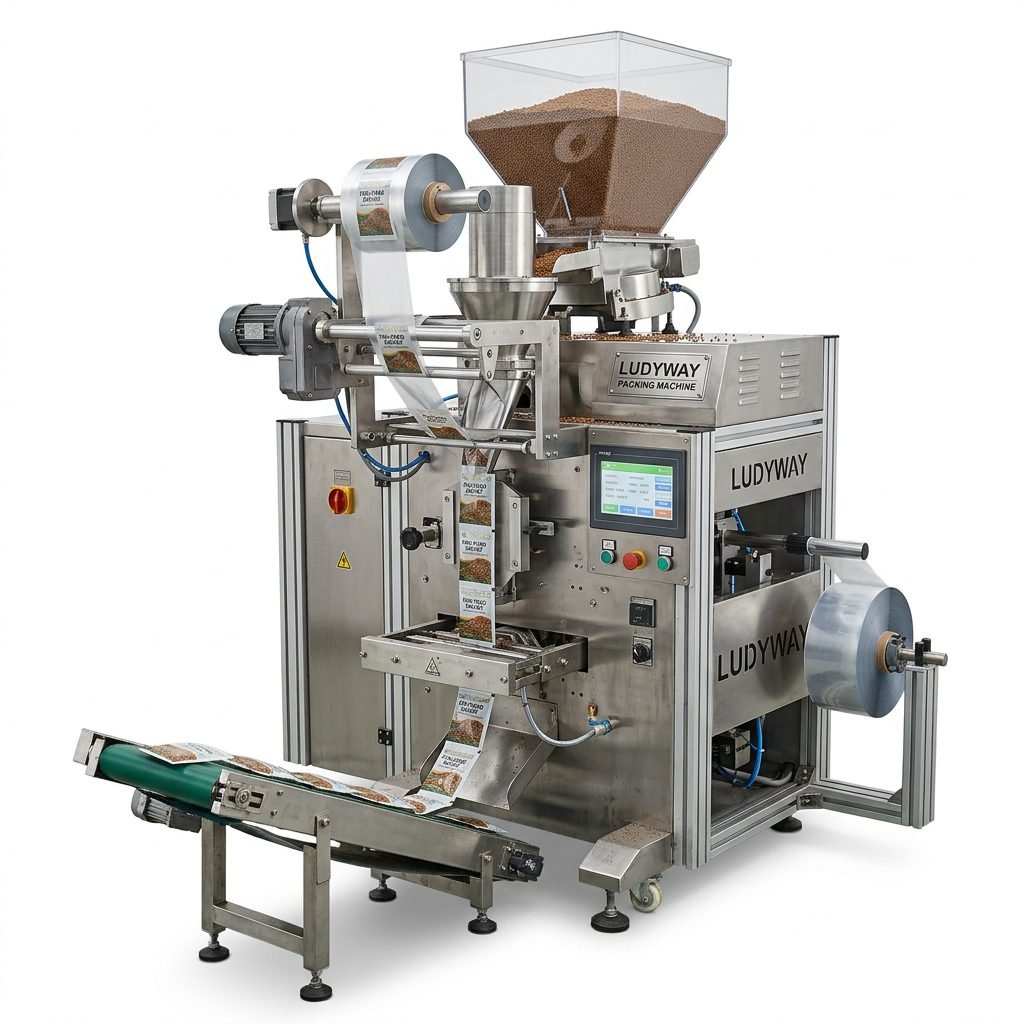
Volumetric Fillers: Ideal for free-flowing granules, powders, or chopped solids. They use cups, augers, or pumps to measure a consistent volume of product. Accuracy can vary with product density.
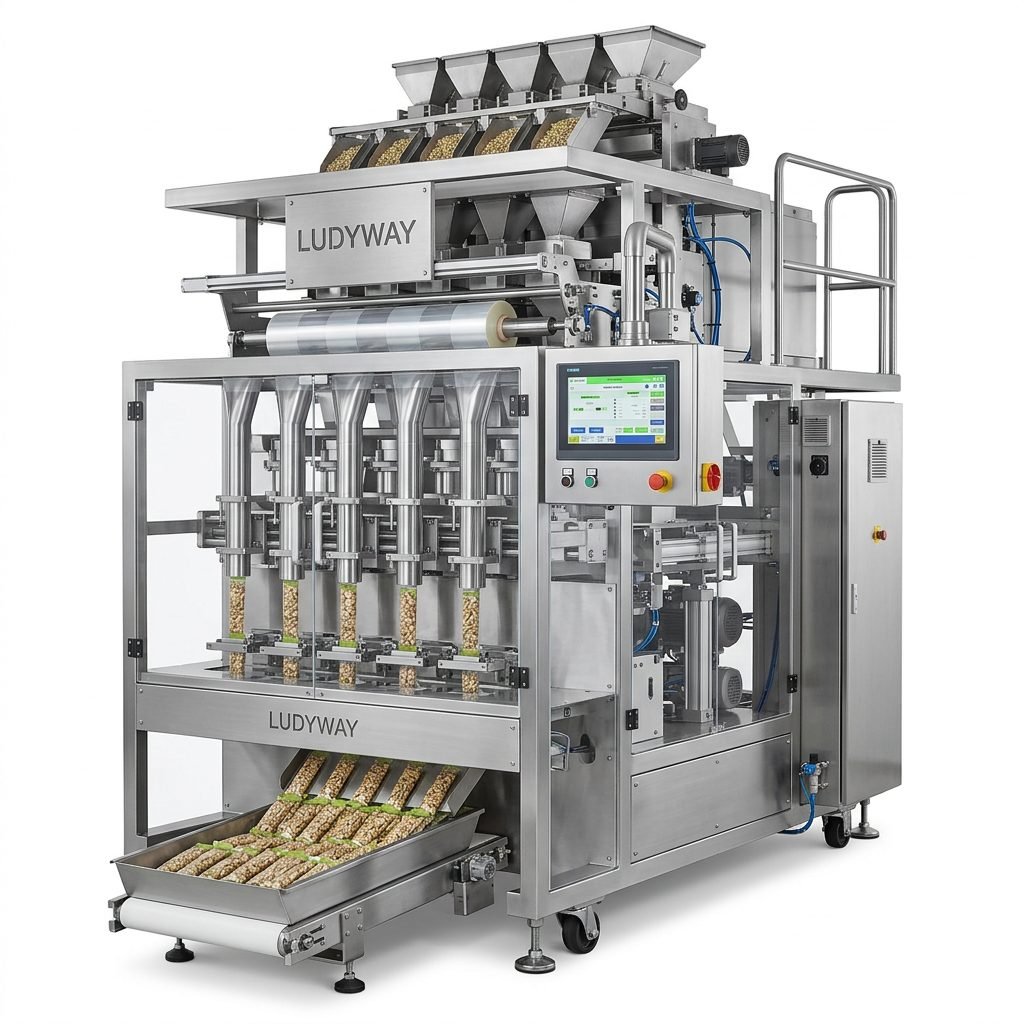
Weighing Fillers (Net Weighers): Provide the highest precision by weighing each portion before filling. Essential for high-value products or where strict weight regulations apply, such as in premium snack foods or nutritional supplements.
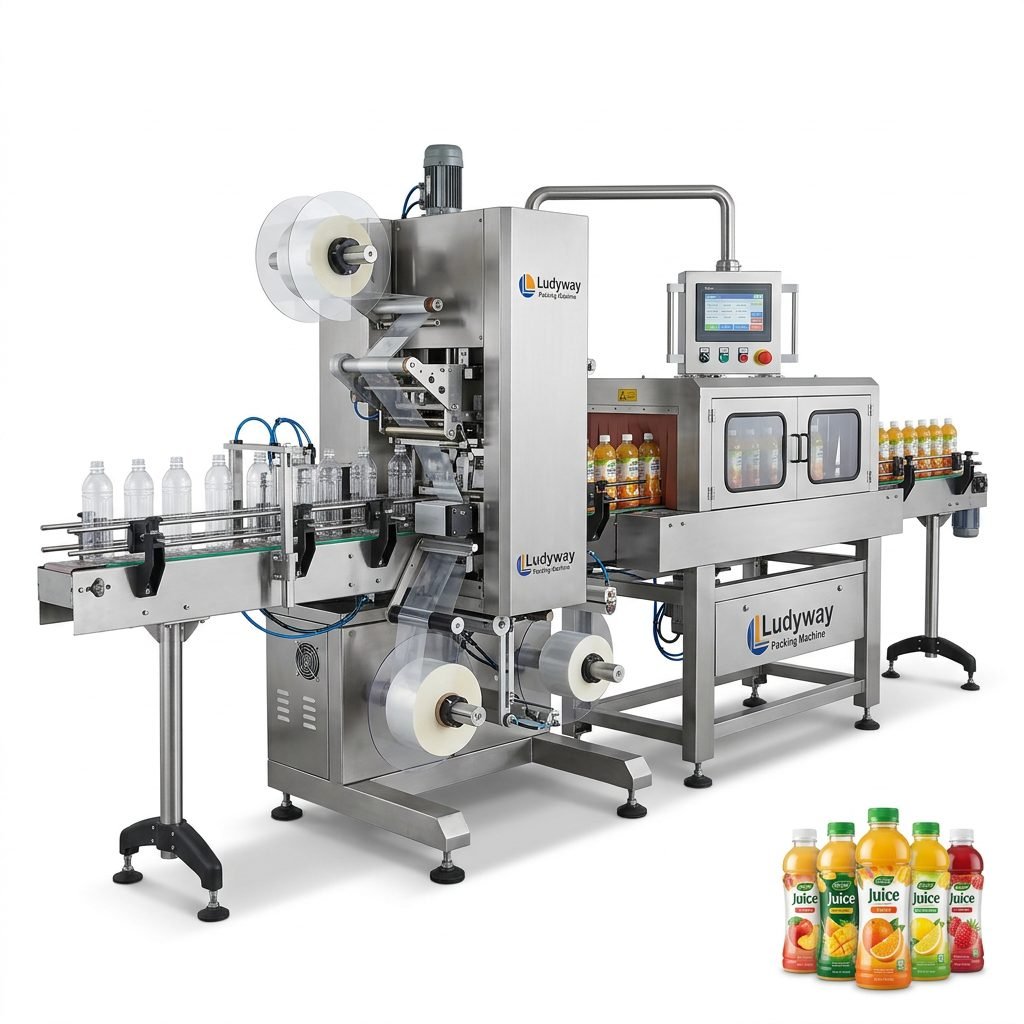
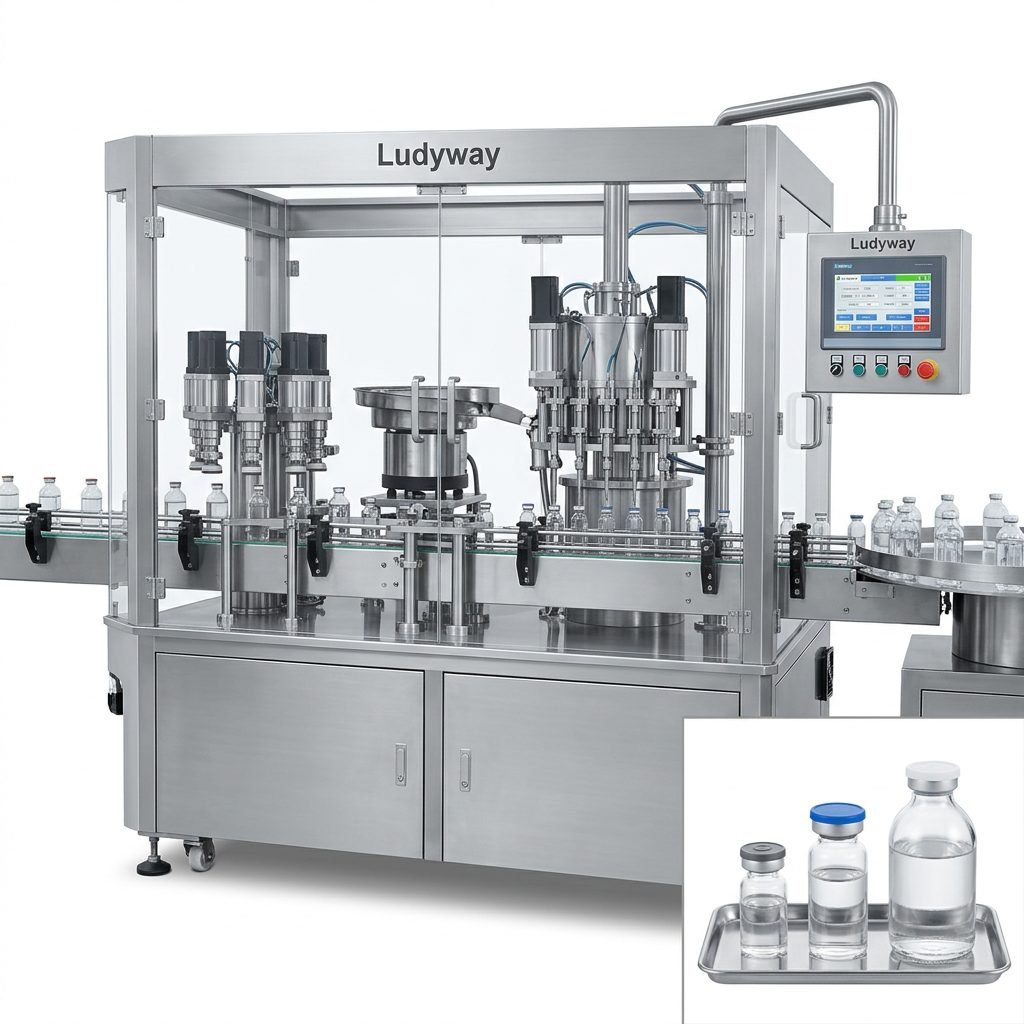
Liquid Fillers: Include piston, gravity, and vacuum fillers for sauces, oils, dairy, and beverages. Choice depends on viscosity, foaming tendency, and filling speed required.
2. Form-Fill-Seal (FFS) Machines
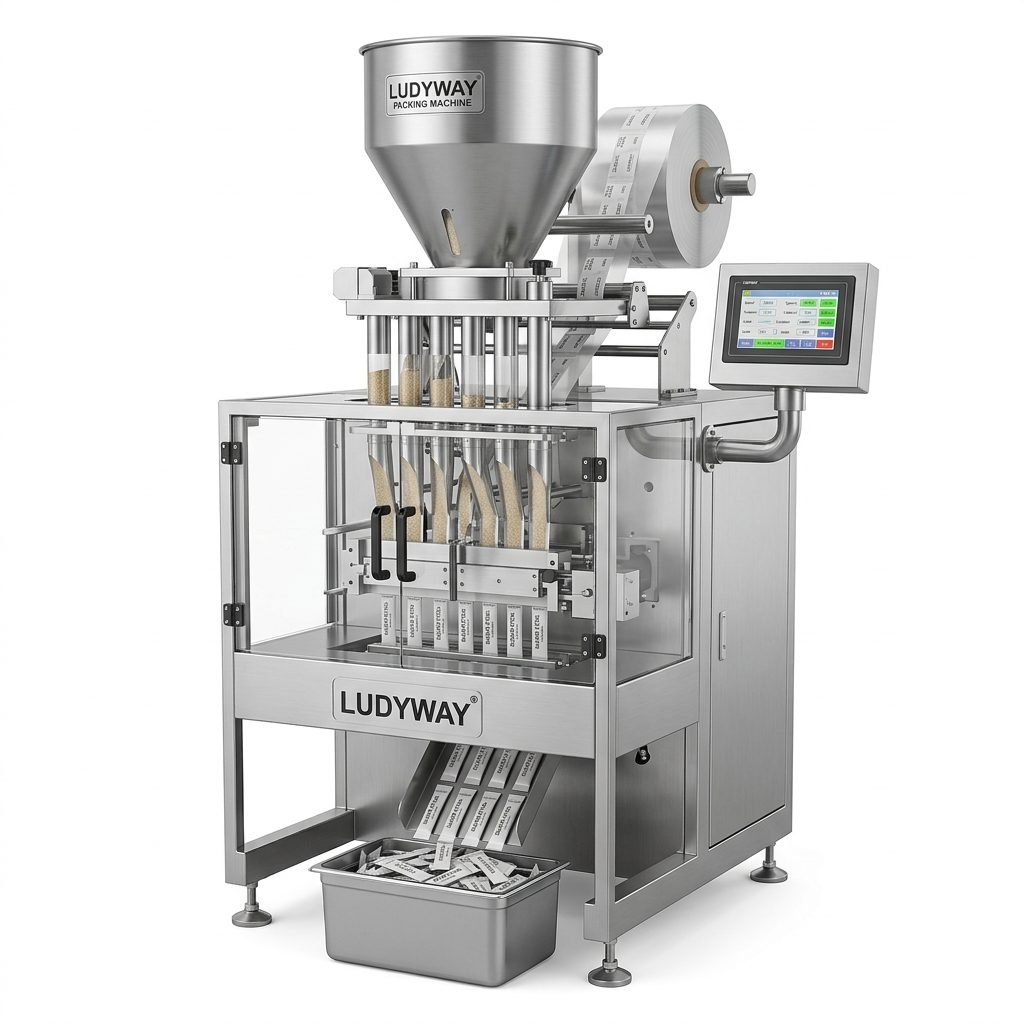
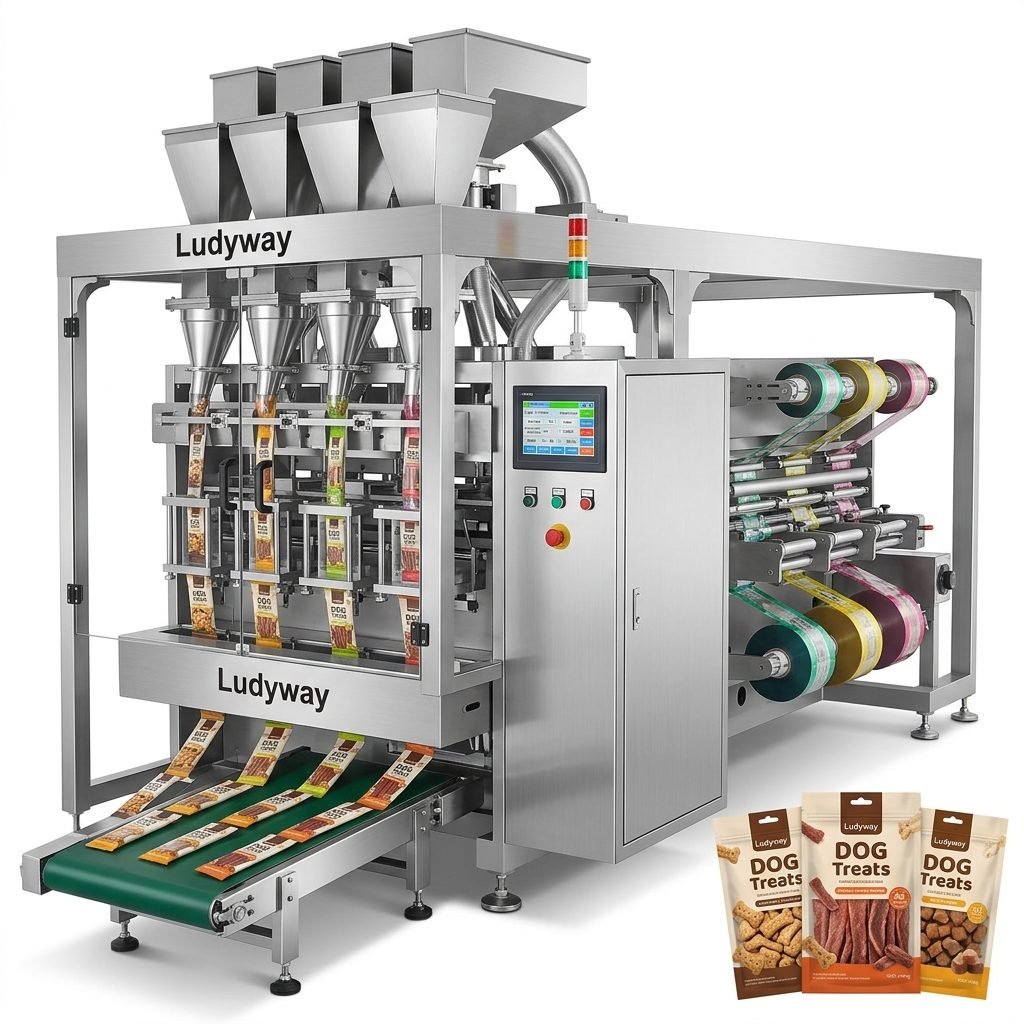
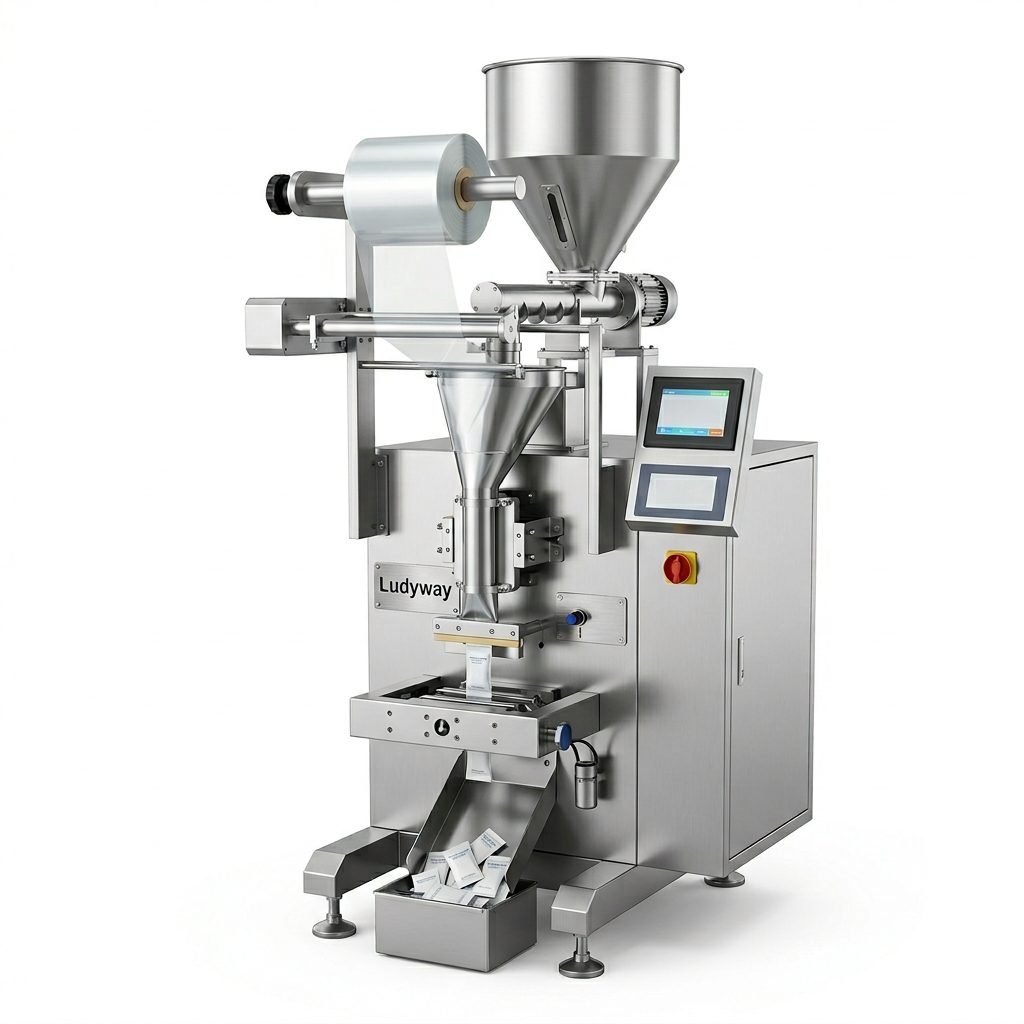
FFS machines are highly automated systems that form the package from a roll of film, fill it with product, and seal it—all in one continuous process. They are extremely efficient and reduce packaging material inventory.
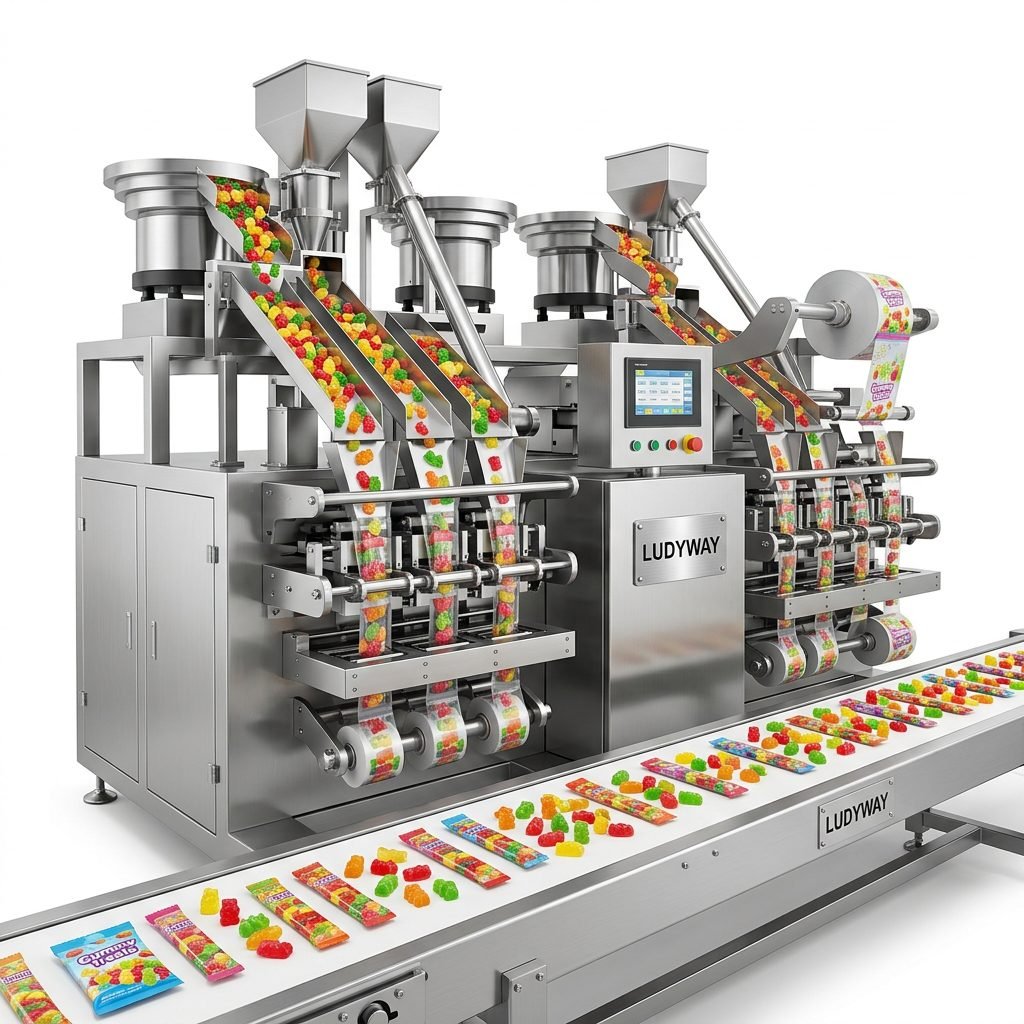
Vertical Form-Fill-Seal (VFFS): The most common type for packaging powders, granules, liquids, and small solids into bags or pouches. Product is dropped vertically into the forming tube. Perfect for items like coffee, sugar, frozen vegetables, and single-serve condiments.
Horizontal Form-Fill-Seal (HFFS): Forms pouches horizontally, often used for more complex products that need to be placed, not poured, such as cookies, candy bars, or medical devices. Excellent for attractive retail-ready packaging.
3. Cartoning and Case Packing Equipment
This equipment handles the secondary packaging stage, placing primary packages into cartons or cases for distribution.
Automatic Cartoners:
Erect folded cartons, insert the product (e.g., pouches, bottles, tubes), and close them via tuck, glue, or hot melt. They can include leaflet inserters for pharmaceuticals or instructions.
Case Packers and Palletizers:
Automatically load sealed cartons or primary packages into shipping cases. Robotic or pneumatic palletizers then stack cases onto pallets for stable transport, drastically reducing manual labor.
4. Specialized Processing & Packaging Lines
Some products require integrated processing before final packaging.
Thermoforming Machines: Heat a plastic sheet to form cavities, fill them with product (like yogurt, cheese slices, or fresh meat), and seal with a lidding film. Creates a strong, tamper-evident package with excellent product visibility.
Aseptic Packaging Systems: Sterilize both the product and the packaging material separately before filling in a sterile environment. This allows perishable products like milk, soup, or juice to be stored for months without refrigeration, revolutionizing global food logistics.
How to Choose the Right Packaging System: A Step-by-Step Guide
Making the correct choice requires a thorough analysis of your product, production goals, and facility constraints.
Step 1: Define Your Product and Packaging Specifications
Every decision flows from your product’s characteristics.
- Product Form: Is it a liquid, viscous paste, powder, granule, solid, or a combination? This dictates the filling technology.
- Product Sensitivity: Does it require protection from oxygen, moisture, or light? This determines barrier film properties and whether gas flushing (nitrogen) is needed.
- Package Type & Size: Decide on pouches, sticks, bottles, cans, or trays. Define the weight/volume range and any plans for future multi-packs or variety packs.
Step 2: Analyze Your Production Requirements
Match the machine’s capability to your business output.
→ Required Output Speed (Units/Minute/Hour): Calculate based on your current and projected sales volume. Don’t just buy for peak demand; consider efficiency at average run speeds.
→ Changeover Frequency: If you run many different SKUs (flavors, sizes), prioritize equipment with quick-change parts and recipe memory to minimize downtime.
→ Line Integration: Will the new machine need to connect to existing upstream (mixers) or downstream (cartoners) equipment? Compatibility is key for automation.
Step 3: Evaluate Key Machine and Supplier Factors
Look beyond the brochure specifications to long-term performance and support.
Build Quality and Hygiene: The machine should be constructed from food-grade materials (e.g., 304/316 stainless steel) with easy-to-clean, sanitary designs to meet global food safety standards like FDA, EHEDG, or GMP.
Automation and Control Level: Modern machines offer PLC touchscreen controls with data tracking (OEE, output, downtime). Consider if you need IoT connectivity for predictive maintenance and production monitoring.
Supplier Reputation and Support: Choose a supplier with proven expertise in your product category. Assess their after-sales service, availability of spare parts, training programs, and technical support responsiveness. A reliable partner like Ludyway ensures your line remains productive for years.
Step 4: Consider Total Cost of Ownership (TCO)
The purchase price is just the beginning. A holistic TCO analysis includes:
- Initial machine cost and installation.
- Cost of consumables (films, seals) and their waste rate.
- Energy and utility consumption (air, water).
- Expected maintenance costs and spare part pricing.
- Labor requirements for operation and changeovers.
A slightly more expensive but robust and efficient machine often has a lower TCO than a cheaper, less reliable alternative.
Frequently Asked Questions (FAQs)
What is the main difference between VFFS and HFFS machines?
VFFS machines are typically used for free-flowing products that can be poured (granules, powders, liquids) and create bags that are filled from the top. HFFS machines are better for non-free-flowing or delicate items that must be placed (biscuits, bars, hardware) and often create more complex, flat-laying pouches with superior graphics.
How important is machine flexibility for a growing business?
Extremely important. Investing in equipment that can handle a range of package sizes and materials with quick changeovers allows you to respond to market trends, launch new products faster, and reduce capital expenditure on additional dedicated lines in the future.
Can one machine handle different product types, like powders and liquids?
Generally, no. The filling mechanism is highly specific to product form. A powder filler uses an auger, while a liquid filler uses a piston or pump. Some machines can be reconfigured with different filling heads, but this is a significant changeover. It’s often more effective to have dedicated lines or choose a modular system designed for such flexibility from the start.
What are the key hygiene certifications to look for in food packaging equipment?
Key standards include USDA (for meat/poultry), FDA compliance for food contact surfaces, 3-A Sanitary Standards for dairy, and EHEDG (European Hygienic Engineering & Design Group) guidelines. These ensure the machine is designed to be cleanable and prevent product contamination.
How do I justify the investment in automated packaging equipment?
Justification comes from calculating ROI based on: increased output speed, reduced labor costs, lower material waste (from improved accuracy), improved product consistency and safety (reducing recall risk), and the ability to scale production without linearly increasing labor. A detailed productivity analysis comparing current manual/semi-auto costs to the proposed automated line will provide the financial rationale.