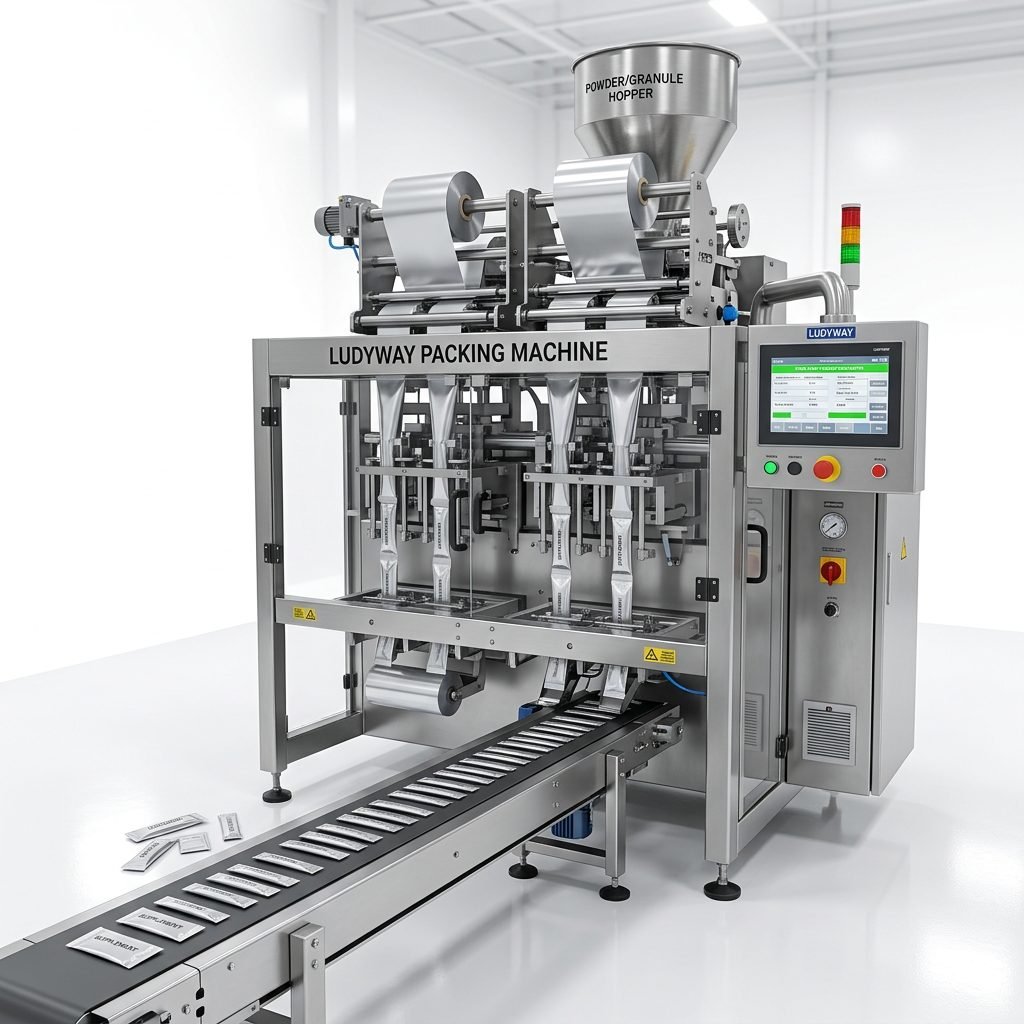
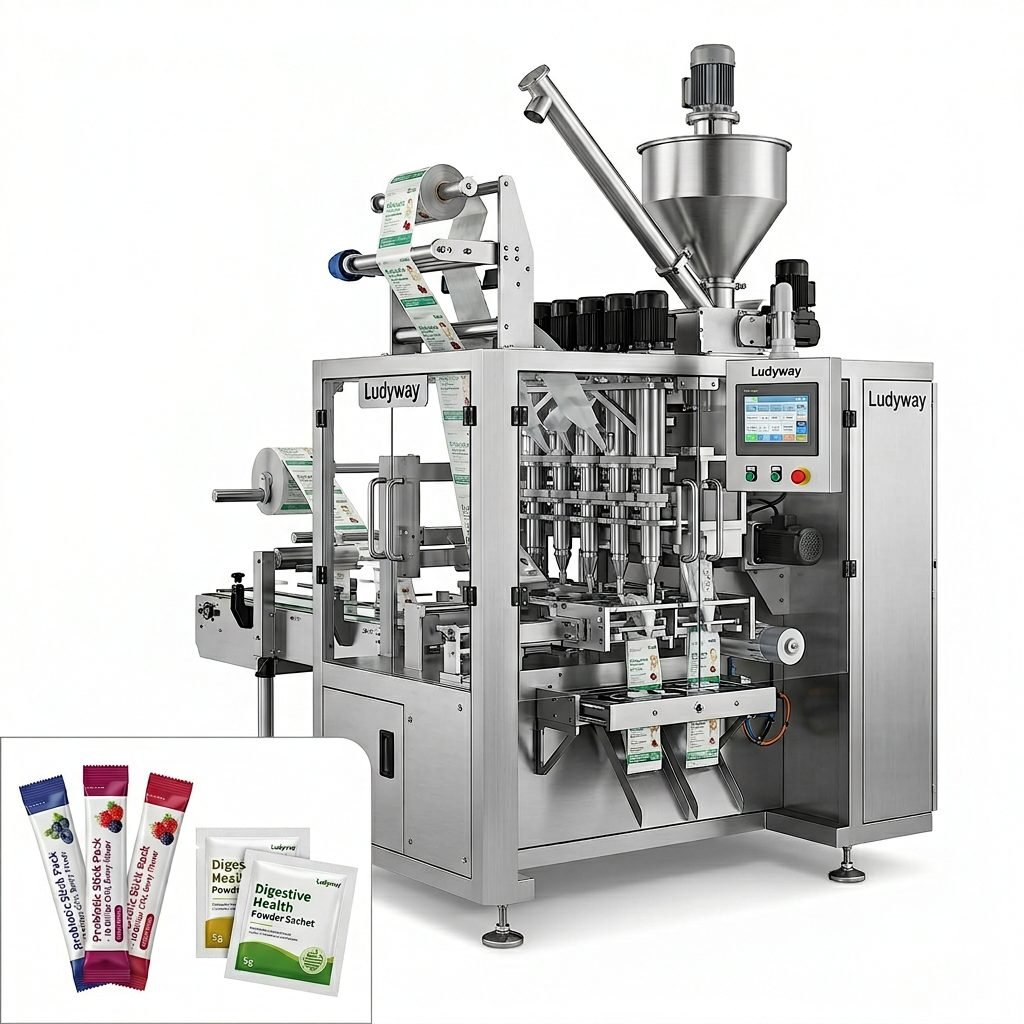
In today’s fast-paced manufacturing environment, efficiency is paramount. High-speed packaging equipment stands as a critical component in production lines across industries like food, pharmaceuticals, and health products. These systems not only accelerate output but also enhance precision, consistency, and overall operational reliability. For businesses looking to scale, understanding the available types, their distinct benefits, and the criteria for selection is the first step toward a transformative upgrade.
Core Types of High-Speed Packaging Systems
The landscape of high-speed packaging is diverse, with systems engineered for specific product forms and production volumes. Choosing the right type is foundational to achieving your efficiency goals.
Vertical Form-Fill-Seal (VFFS) Machines
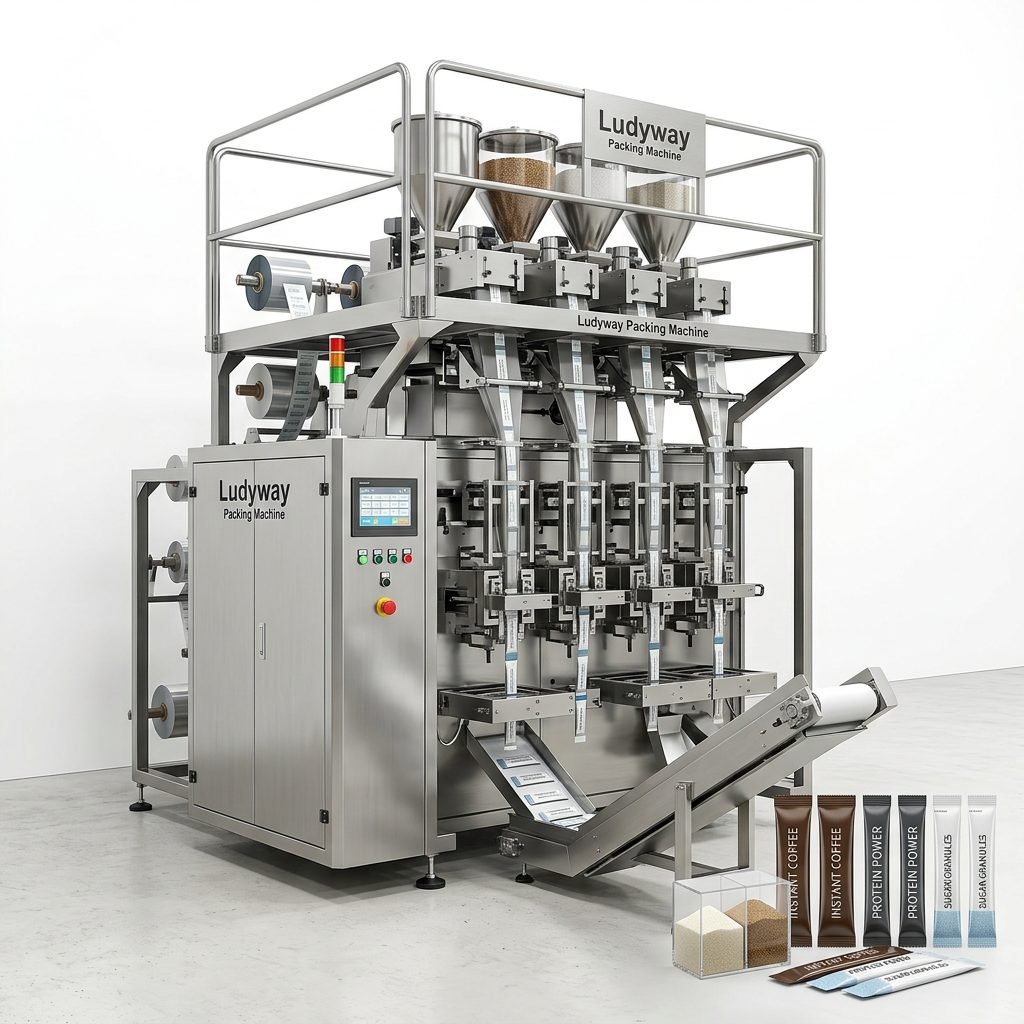
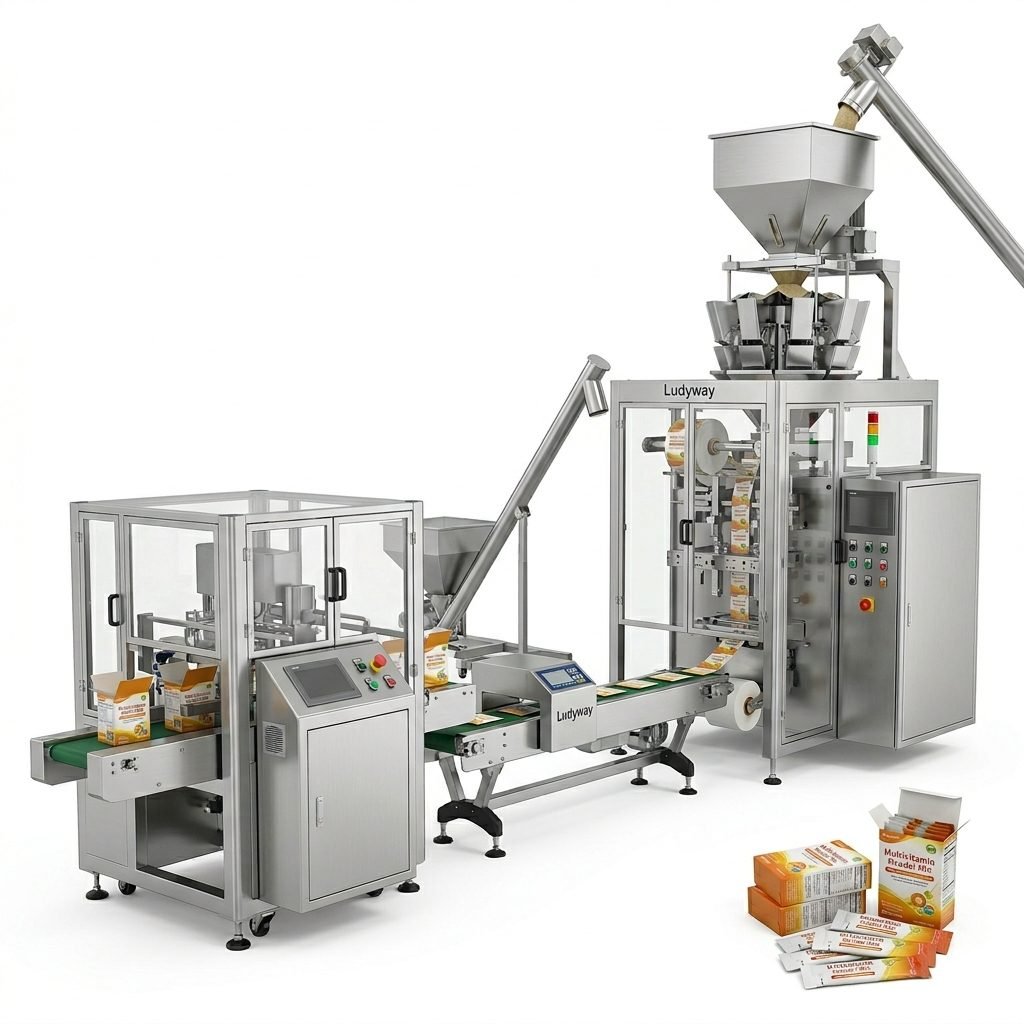
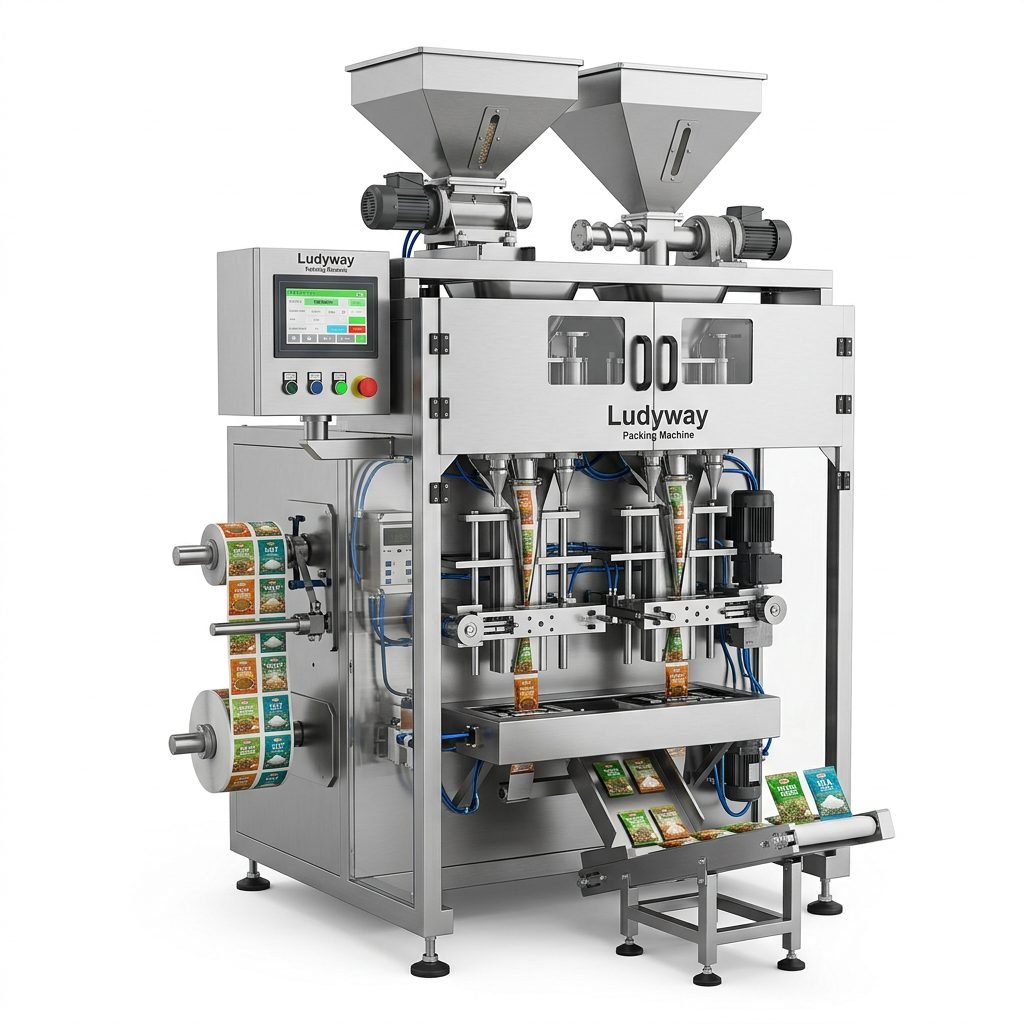
These are among the most versatile and widely used systems. VFFS machines form bags from a roll of film, fill them with product, and seal them in a continuous vertical motion. They excel at handling granules, powders, and small solid items like snacks or hardware components. Modern VFFS units can achieve impressive speeds, often exceeding 100 bags per minute, making them a staple for high-volume production of single-serve items.
Horizontal Form-Fill-Seal (HFFS) Machines
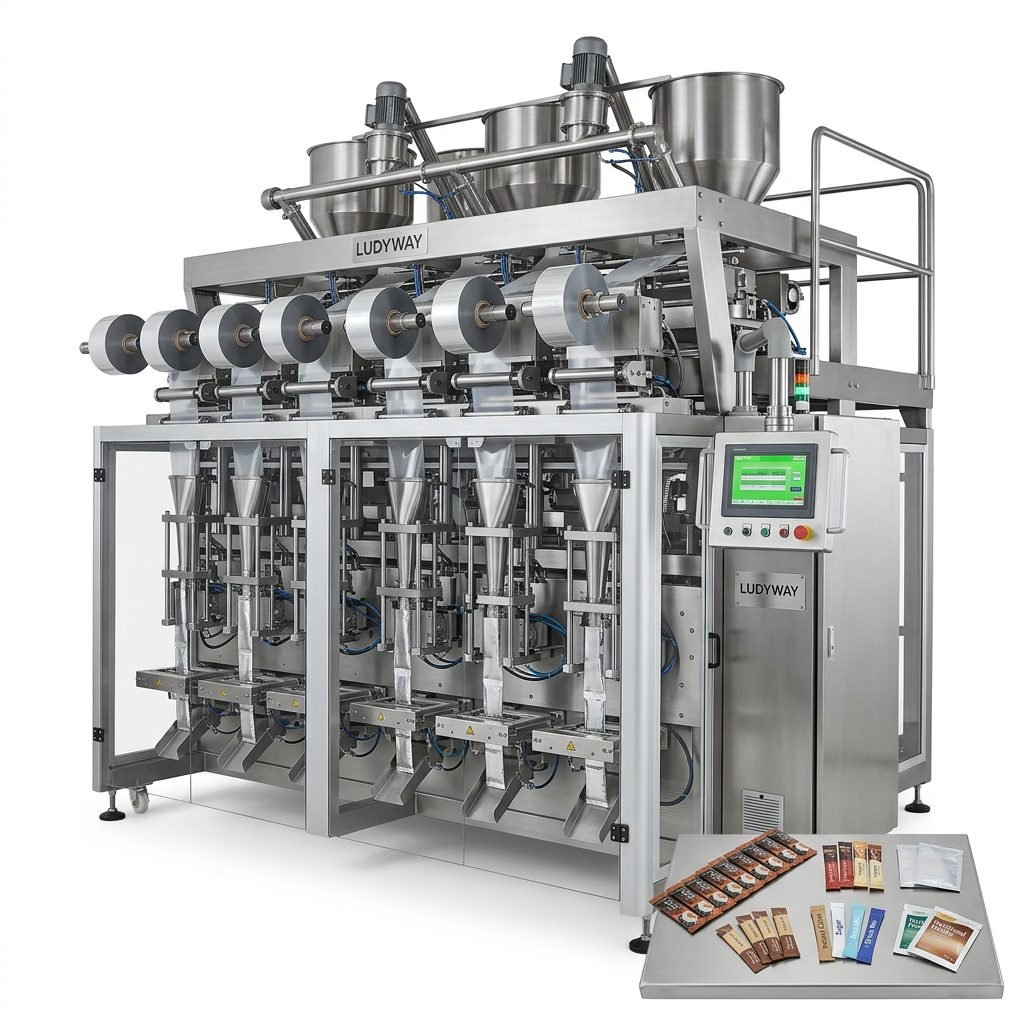
Ideal for more rigid or delicate structures, HFFS machines form pouches horizontally. This method is perfect for creating stick packs and sachets for products like instant drink mixes, condiments, or pharmaceutical powders. Their design allows for precise dosing and elegant packaging formats, which are crucial for brand presentation in consumer goods.
Multi-Lane and Multi-Head Weighers
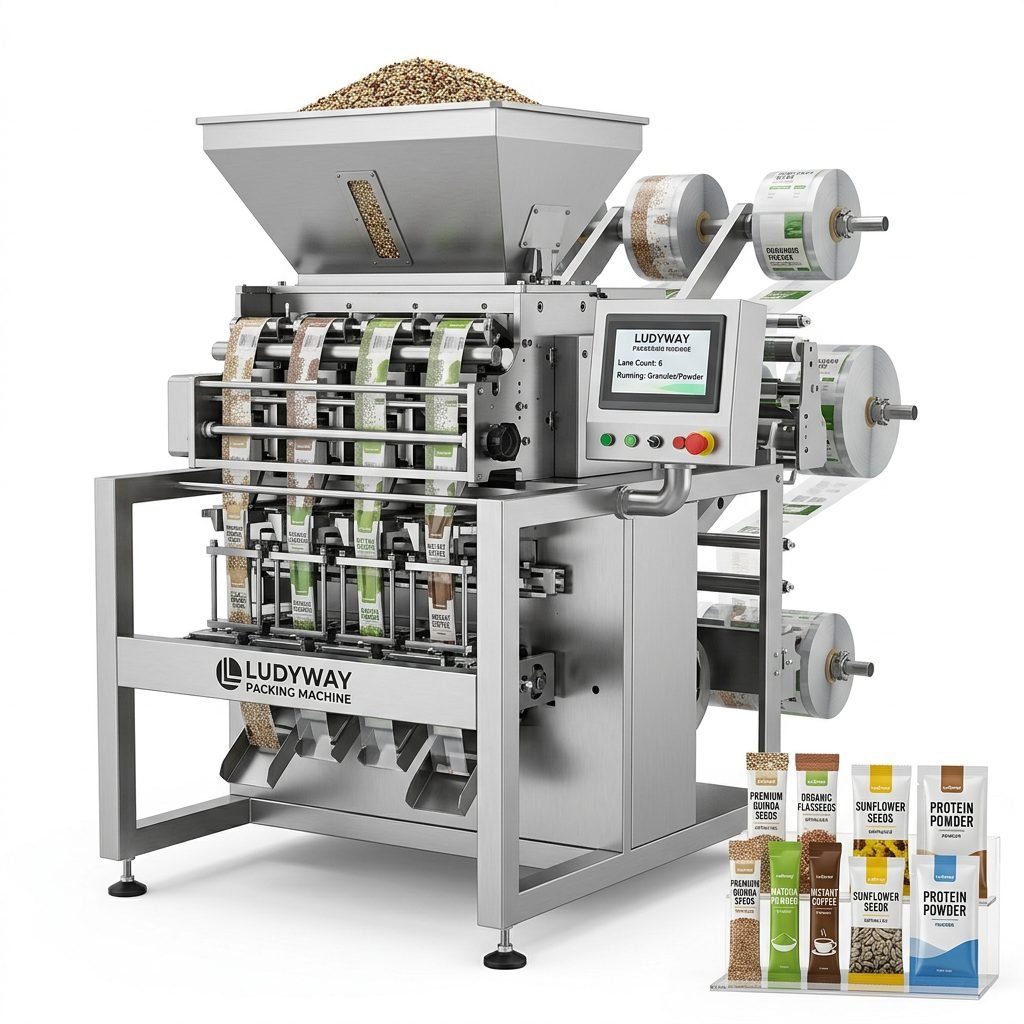
For ultimate speed in combination with accuracy, multi-lane systems are the answer. These machines utilize multiple weighing heads and packaging lanes operating in parallel. While one lane is filling and sealing, others are in various stages of the cycle, creating a non-stop flow. This technology is essential for products like frozen vegetables, nuts, or candy, where throughput demands can reach several hundred packages per minute.
Liquid & Paste Filling Lines
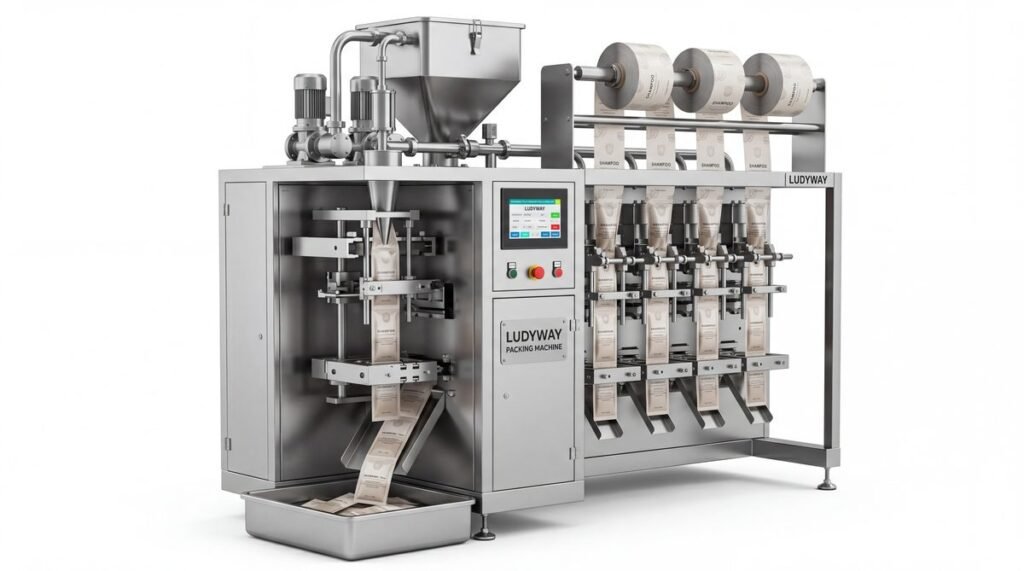
High-speed isn’t limited to dry goods. Automated lines for liquids, pastes, and creams integrate filling, capping, and labeling into one synchronized process. Utilizing technologies like piston fillers or flow meters, these systems ensure volumetric precision and hygiene, critical for the food, cosmetic, and pharmaceutical sectors.
Key Takeaway:
The choice between VFFS, HFFS, multi-lane, or liquid filling systems hinges on your product’s physical form (solid, powder, liquid) and the desired package style (bag, sachet, stick pack). A consultation with a packaging expert can help map your product to the optimal technology.
Tangible Benefits of Upgrading to High-Speed Equipment
Investing in high-speed packaging goes beyond mere speed. It delivers a compound return on investment through multiple operational channels.
Dramatically Increased Throughput: The most obvious benefit is the ability to produce more units per hour. This directly translates to higher sales capacity and the ability to meet large order demands or capitalize on market opportunities without becoming a production bottleneck.
Enhanced Product Consistency and Quality: Automated systems minimize human error. Every package receives the exact same amount of product, is sealed with identical pressure and temperature, and is presented uniformly. This reduces giveaway (overfilling), prevents underfilling, and ensures every product that leaves your facility meets your quality standards.
Significant Labor and Cost Savings: While the initial investment is higher, high-speed automation reduces reliance on manual labor for repetitive tasks. This lowers long-term labor costs, minimizes packaging material waste through precision, and frees your skilled workforce to focus on supervision, quality control, and maintenance.
Improved Safety and Hygiene: Automated systems create a more controlled environment. In industries like food and pharmaceuticals, reducing direct human contact with the product is a major hygiene advantage. It also enhances worker safety by handling tasks that could be repetitive strain risks.
Greater Flexibility and Scalability: Many modern high-speed machines are designed for quick changeovers. With pre-set recipes and tooling swaps, you can run different products or package sizes on the same line with minimal downtime. This agility allows you to respond to changing market trends and scale production up or down efficiently.
How to Choose the Right System for Your Operation
Selecting a high-speed packaging system is a strategic decision. A methodical approach ensures the equipment aligns with your current needs and future growth.
1. Conduct a Thorough Product and Material Analysis
Start with the product itself. Define its characteristics: Is it free-flowing, sticky, abrasive, or fragile? What is its density? Also, analyze your packaging materials—film type, thickness, and barrier properties. The machine must be compatible with both to run smoothly. For instance, a granule packaging machine is engineered for products like rice or seeds, while a powder packaging machine needs features to prevent dust and ensure clean seals.
2. Define Your Output and Speed Requirements
Be specific about your production goals. Calculate your required output in packages per minute/hour/shift. Consider not just today’s volume but projected growth for the next 3-5 years. It’s often wiser to invest in a system with 20-30% more capacity than you currently need to accommodate future expansion without another major capital outlay.
3. Evaluate Integration and Footprint
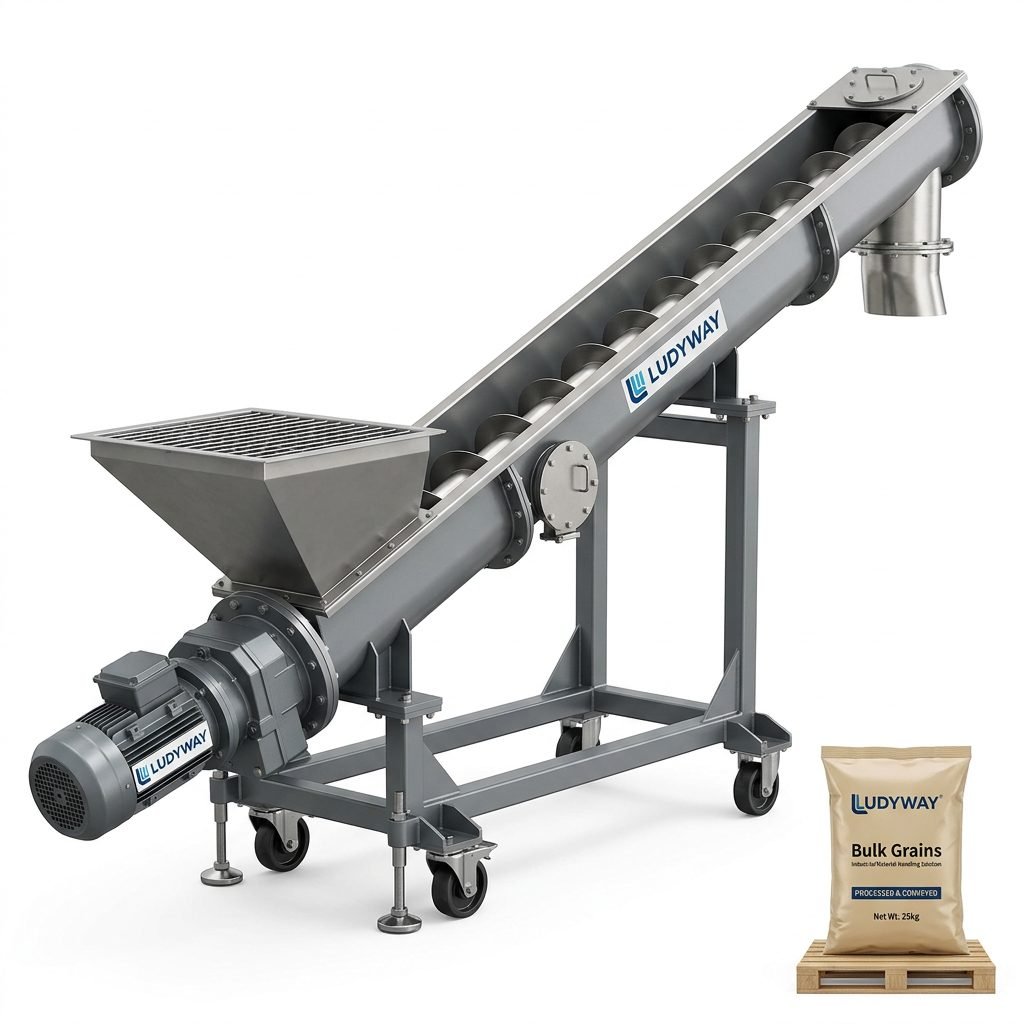
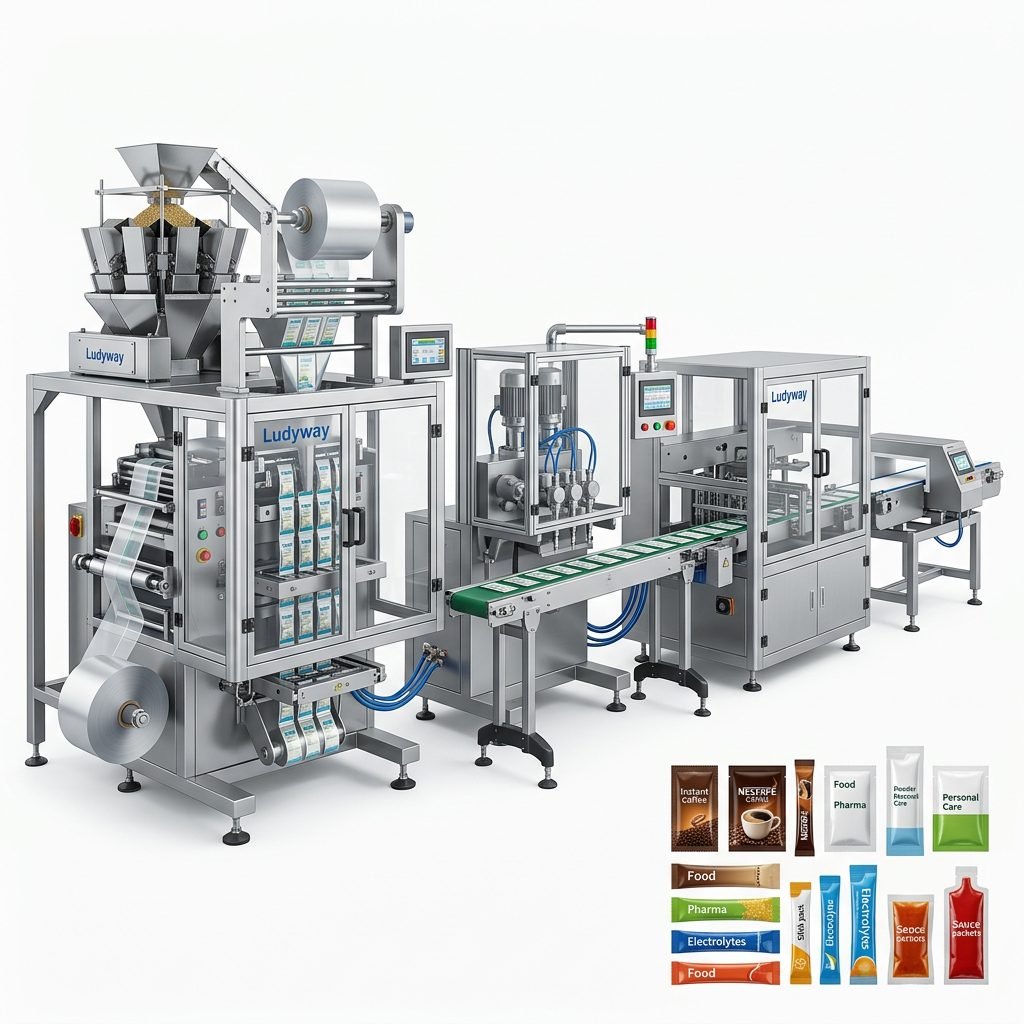
The machine must fit into your existing production flow. Assess the available floor space (footprint) and how the system will integrate with upstream equipment (like mixers or conveyors) and downstream systems (like cartoners or palletizers). A turnkey production solution from a single supplier can simplify integration and ensure all components communicate seamlessly.
4. Prioritize Ease of Use and Maintenance
Look for systems with user-friendly interfaces (often touchscreen HMIs), clear diagnostic tools, and accessible service points. Easy maintenance and quick changeover capabilities are crucial for maximizing uptime. Ask potential suppliers about their training programs and the availability of spare parts.
5. Assess Supplier Expertise and Support
The machine is only as good as the company behind it. Choose a supplier with proven experience, like Ludyway Machinery, which brings over 30 years of industry knowledge. Evaluate their engineering support, service network, and willingness to provide references. A reliable partner will offer comprehensive support from installation and training to ongoing technical assistance, ensuring your investment is protected.
Pro Tip: Request a Product Test
Never buy based on specifications alone. The most reliable way to verify a machine’s suitability is to send your actual product and packaging materials to the supplier for a live test run. This demonstrates the system’s performance, speed, and package quality under real conditions.
Conclusion
High-speed packaging equipment is a strategic investment that drives productivity, quality, and profitability. By carefully analyzing your product needs, output goals, and operational constraints, you can select a system that becomes a cornerstone of your manufacturing success. Partnering with an experienced provider ensures you gain not just a machine, but a long-term solution tailored to your business’s evolution.
Frequently Asked Questions (FAQs)
What is the typical ROI period for high-speed packaging equipment?
The return on investment varies based on labor savings, increased output, and material waste reduction. Many operations see a full ROI within 1 to 3 years. A detailed cost-benefit analysis with your supplier can provide a more accurate projection for your specific case.
Can one machine handle multiple different products?
Yes, many high-speed systems are designed for flexibility. Machines with quick-change tooling and digital recipe storage can switch between different products and package sizes efficiently, minimizing downtime and maximizing line utilization.
How important is after-sales service when choosing a supplier?
Extremely important. The quality and responsiveness of technical support, availability of spare parts, and training directly impact your machine’s uptime and longevity. A supplier with a strong global service network, like those offering packaging solutions for worldwide customers, is a valuable asset.
What are the key maintenance requirements for these machines?
Regular maintenance typically includes daily cleaning, lubrication of moving parts as specified, inspection of seals and wear parts (like jaws), and calibration of weighing systems. Following the manufacturer’s preventative maintenance schedule is crucial for consistent performance.
Are high-speed systems suitable for small to medium-sized businesses (SMBs)?
Absolutely. The market offers scalable solutions. While a 20-lane weigher might be overkill, a compact, moderately high-speed VFFS or sachet machine can be a perfect fit for an SMB looking to automate, improve quality, and grow capacity without the footprint of a massive line.