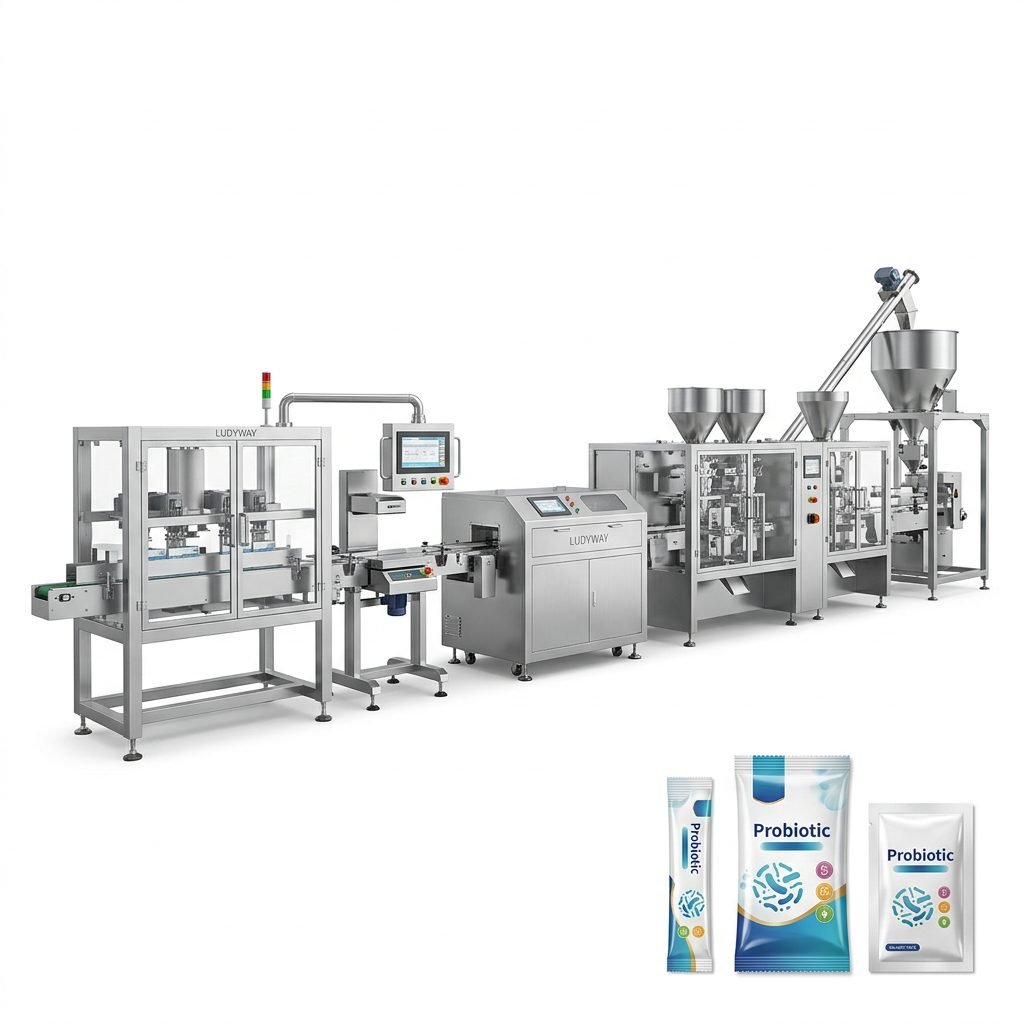
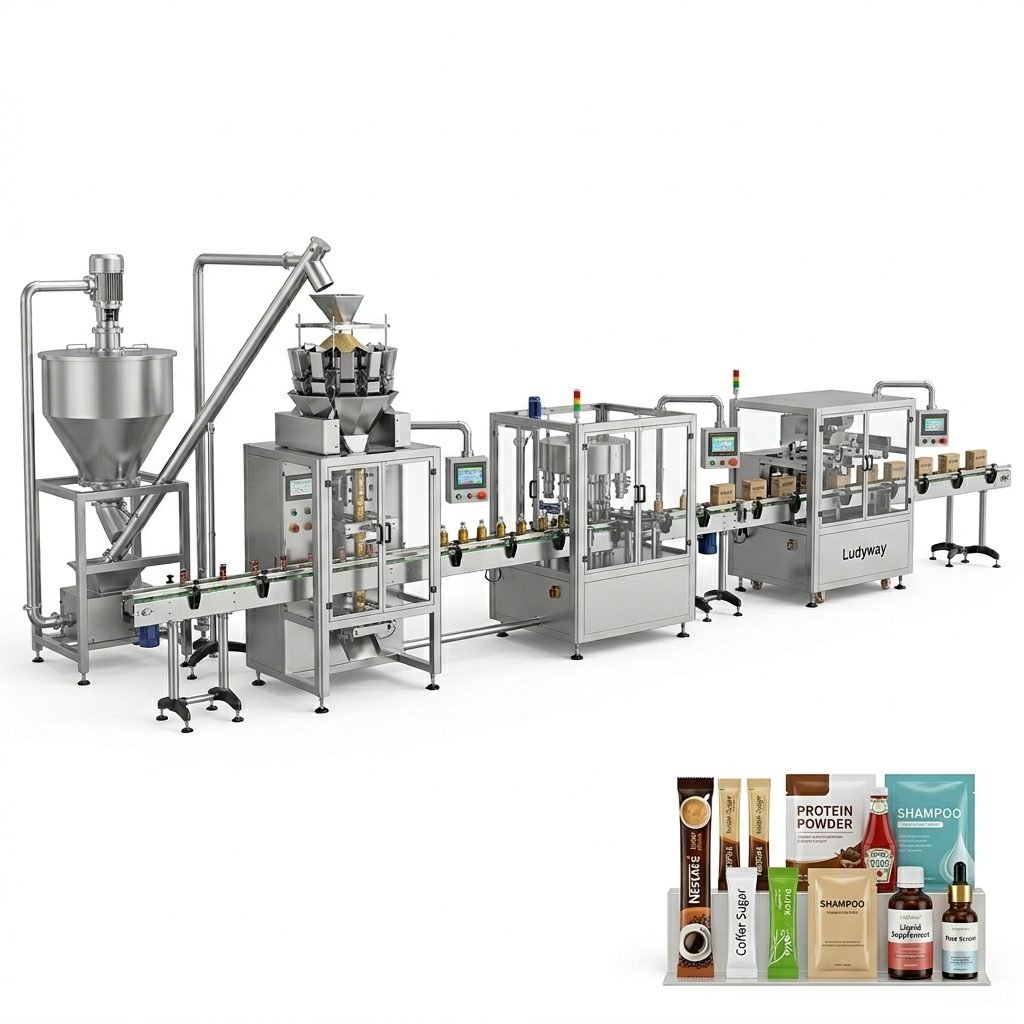
Selecting the right dry powder packing machine is one of the most critical purchasing decisions for manufacturers in the food, pharmaceutical, chemical, and nutraceutical industries. The wrong choice can lead to inaccurate fills, excessive dust, material waste, and costly downtime. This comprehensive guide walks you through every factor you need to evaluate before investing in a powder packaging system that matches your production goals.
Understanding Your Dry Powder Product Characteristics
Before comparing machine specifications, you must thoroughly analyze the physical properties of your powder. These characteristics directly determine which dosing system, hopper design, and sealing technology will work reliably. Key properties to evaluate include:
- Flowability: Free-flowing powders like granulated sugar behave very differently from cohesive powders like protein powder or cocoa. Flowability affects how the product moves through the hopper and into the filling system.
- Particle size distribution: Fine powders with particles below 100 microns often create dust during filling, requiring specialized dust extraction systems. Coarse granules are generally easier to handle.
- Bulk density: Products with varying bulk density require different volumetric or gravimetric dosing approaches to achieve consistent fill weights.
- Moisture sensitivity: Hygroscopic powders that absorb moisture from the air may need nitrogen flushing or dehumidified packaging environments.
- Temperature sensitivity: Heat-sensitive products may limit the types of sealing technologies that can be used without degrading the product.
According to PMMI packaging industry data, inconsistent powder characterization is one of the leading causes of filling accuracy issues in automated packaging lines. Taking the time to document your product’s physical properties will save significant troubleshooting later.
Key Machine Configurations for Dry Powder Packaging
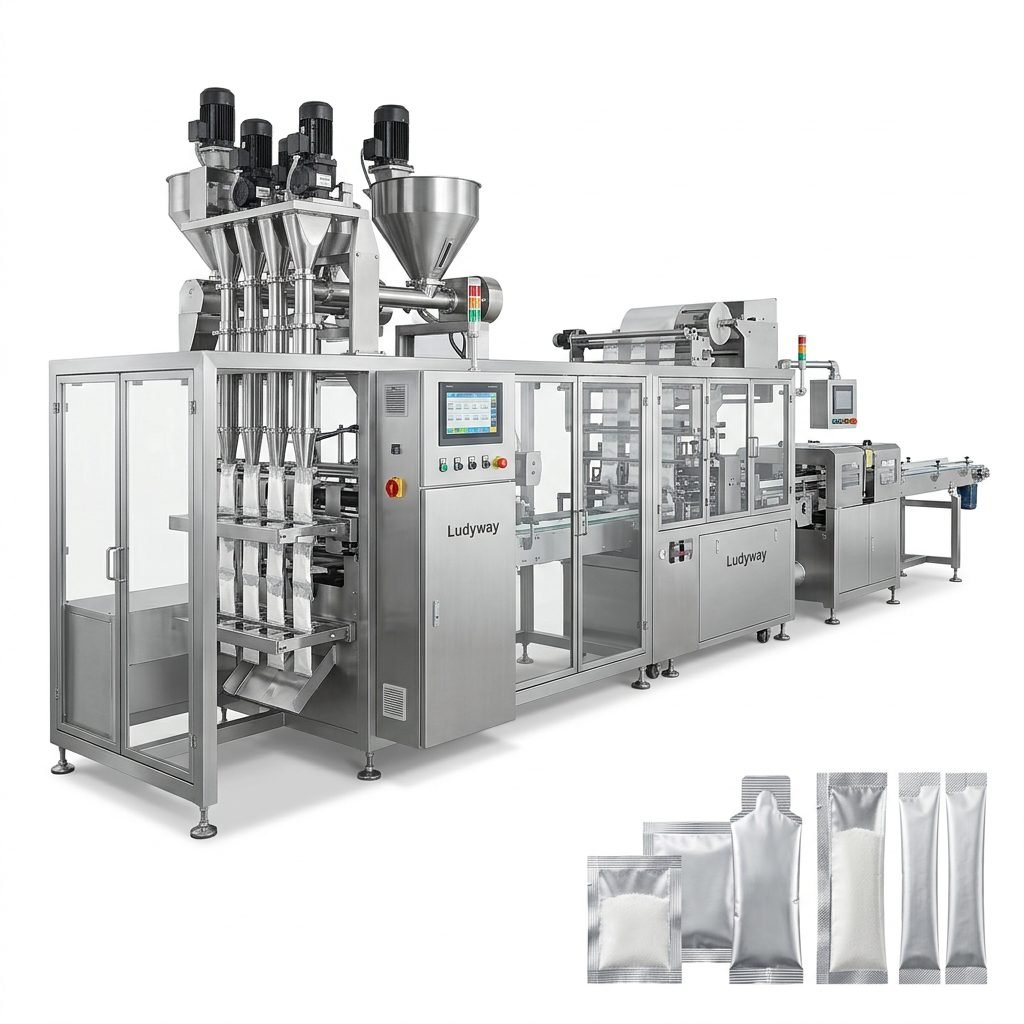
Modern dry powder packaging equipment comes in several distinct configurations, each optimized for different production environments and packaging formats. The most common options include:
| Machine Type | Best For | Typical Speed Range |
|---|---|---|
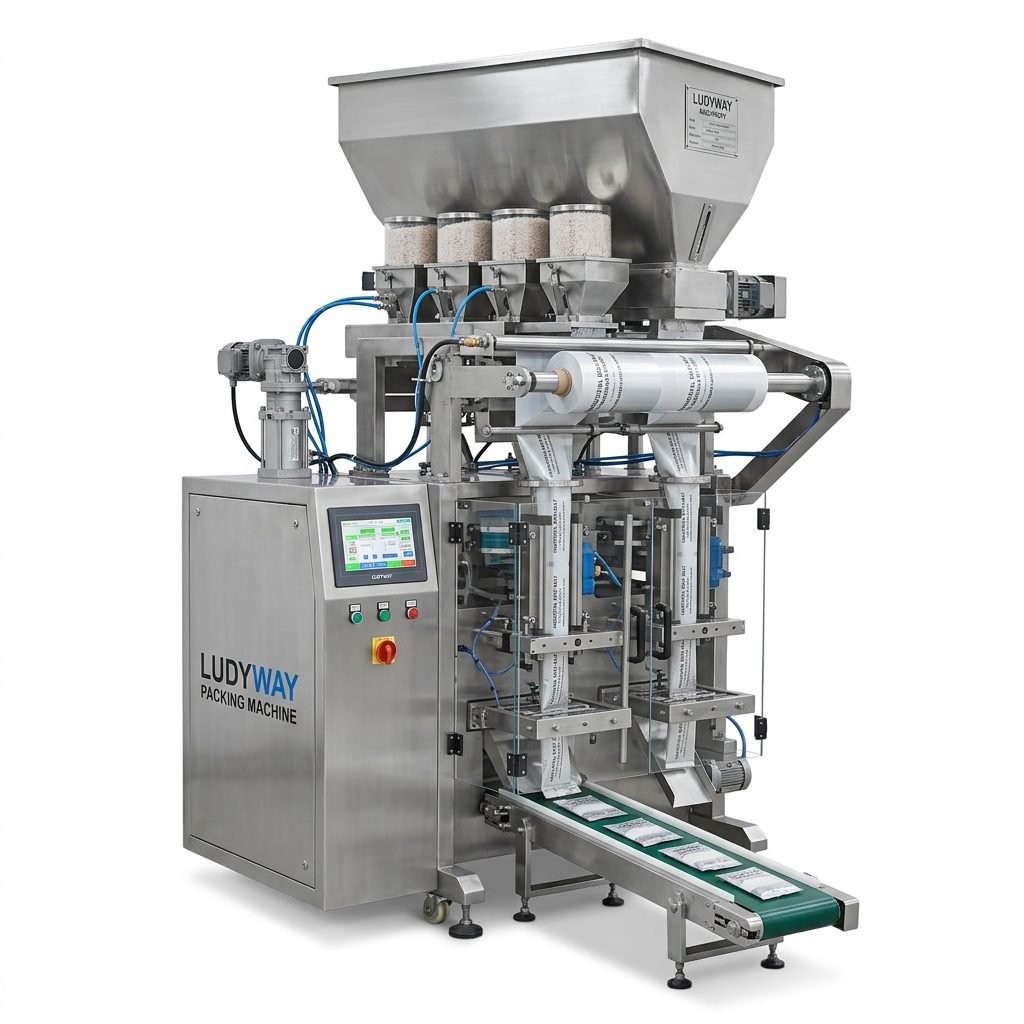
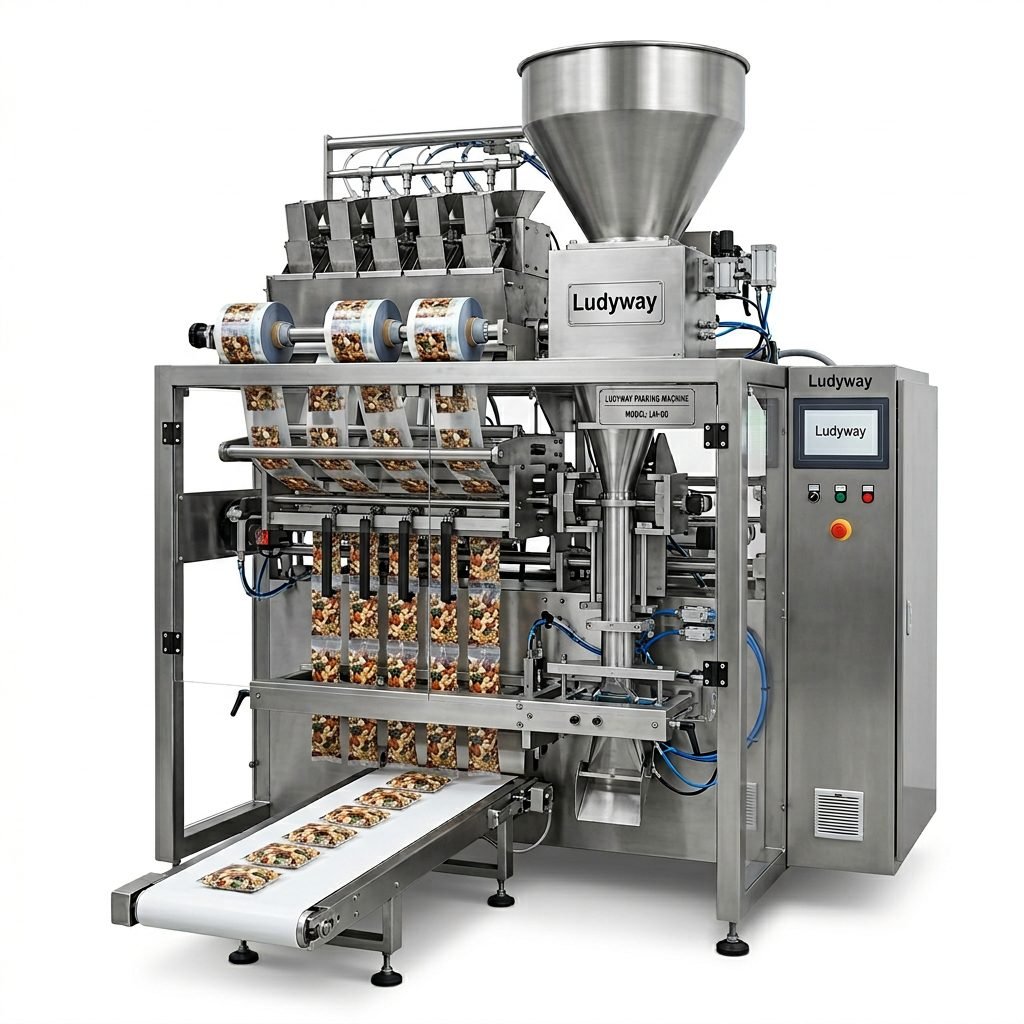
| Single-Lane Vertical Form Fill Seal (VFFS) | Small to medium production volumes; flexibility across SKUs | 30-80 packs per minute |
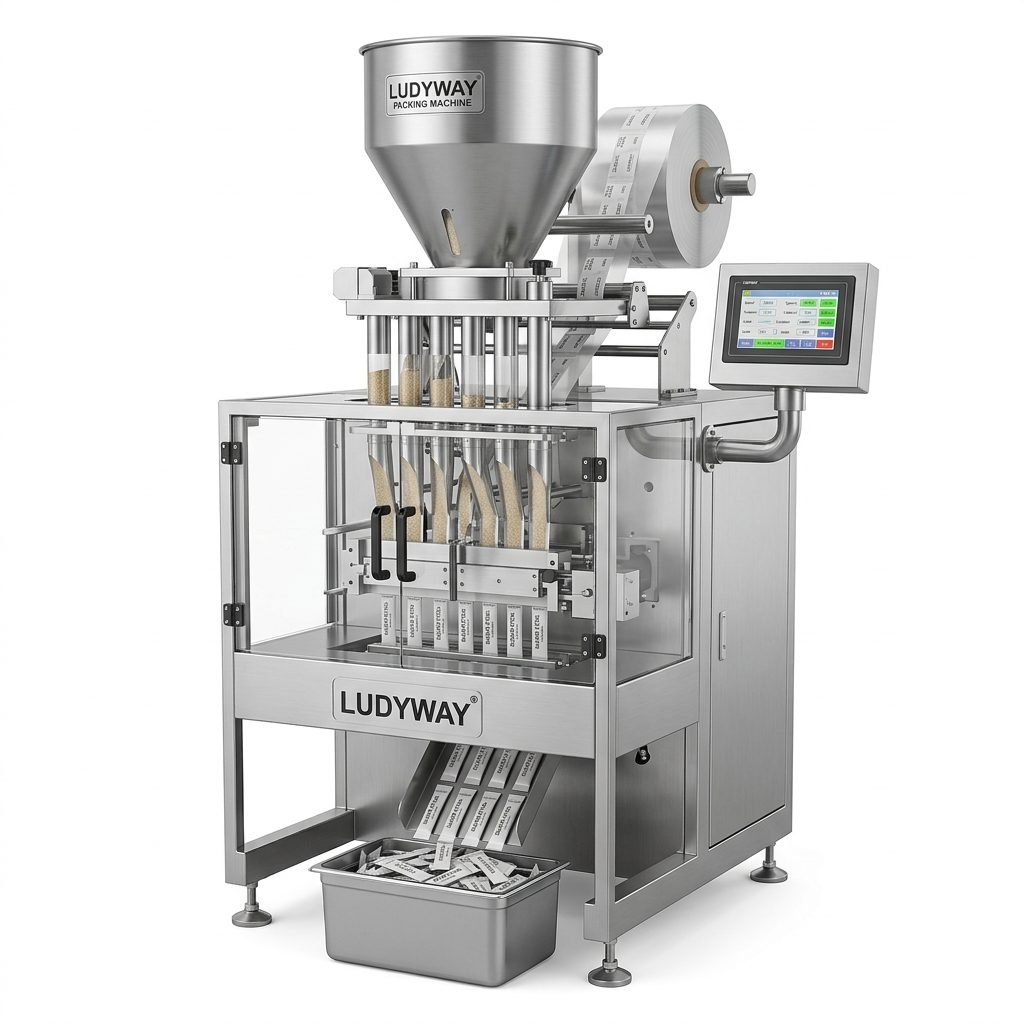
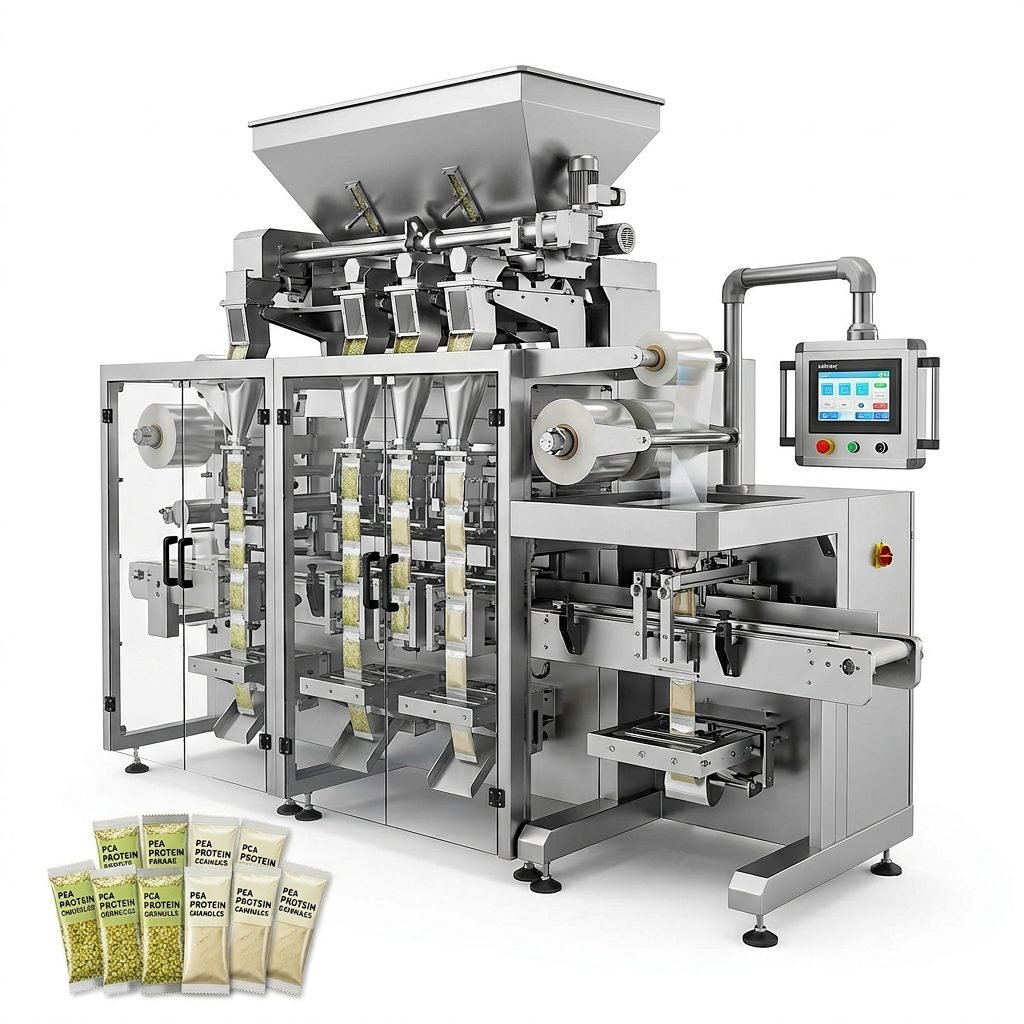
| Multi-Lane Stick Pack Machine | High-volume single-serve sachets and stick packs | 200-600+ packs per minute |
| Pre-Made Pouch Filling Machine | Premium packaging; larger bag formats; gusseted pouches | 40-120 packs per minute |
| Auger Filler System | Non-free-flowing powders; precise dosing requirements | Varies by configuration |
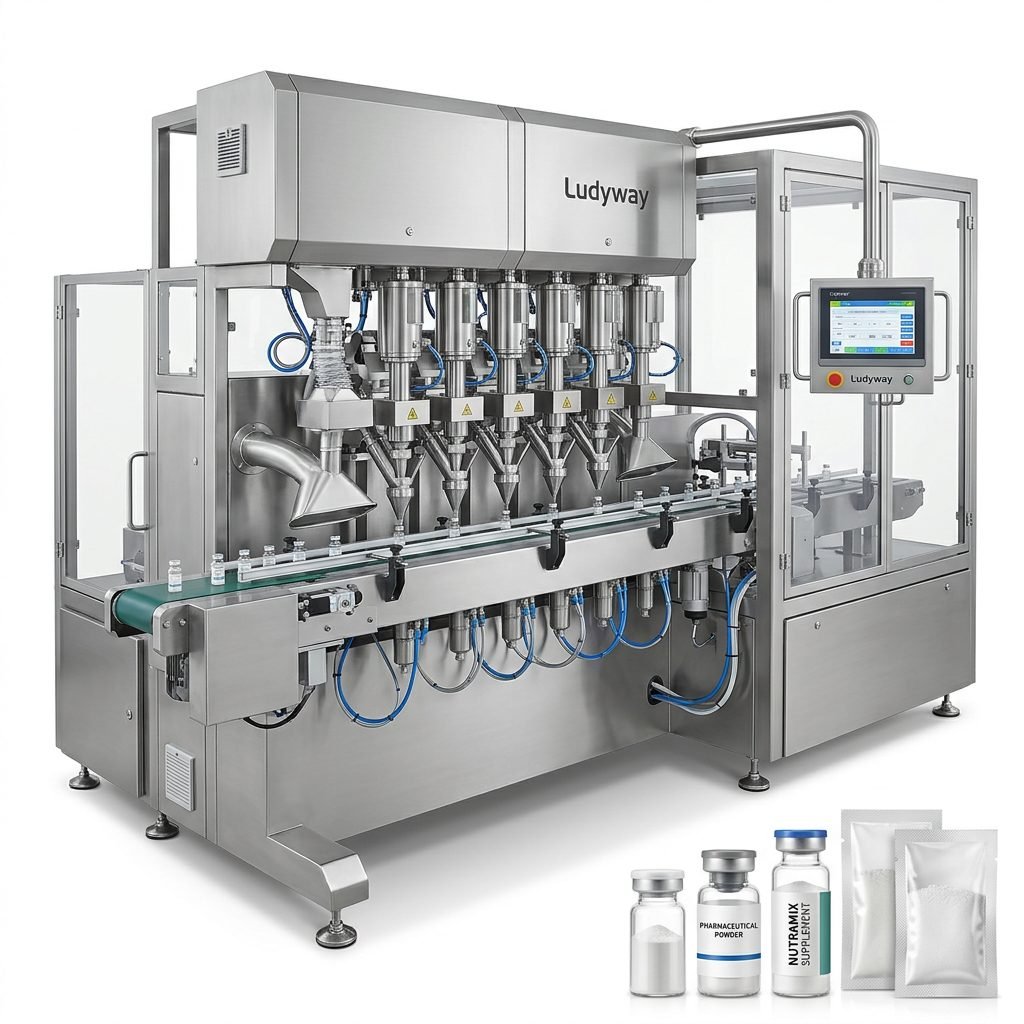
Filling and Dosing Technology
The heart of any dry powder packing machine is its filling system. Selecting the wrong dosing technology can lead to chronic weight inaccuracies and excessive product giveaway. The main technologies include:
- Volumetric cup fillers: Best for free-flowing powders with consistent bulk density. Simple, reliable, and cost-effective for products like sugar or salt.
- Auger fillers: Ideal for non-free-flowing, fine, or dusty powders. The rotating screw provides precise volumetric dosing for products like flour, protein powder, and pharmaceutical powders.
- Net weight fillers: Uses load cells to weigh each fill. Provides the highest accuracy for high-value products where minimizing giveaway is critical.
- Combination weighers: Multi-head weighers that combine individual weighments for extremely fast and accurate filling of free-flowing granules.
Packaging Material and Seal Integrity
Your choice of packaging film must be compatible with both your product and the machine’s sealing system. Seal integrity is non-negotiable for powder products, as poor seals lead to leakage, contamination, and customer complaints. Consider these factors:
- Film structures like PET/AL/PE provide excellent barrier properties for moisture-sensitive powders but require precise heat sealing parameters.
- Cold sealing options may be necessary for heat-sensitive products, though they typically add cost and complexity.
- Zipper and resealable closure options are increasingly popular for larger-format powder pouches in consumer markets.
Industry resources from the Flexible Packaging Association provide detailed guidance on selecting appropriate packaging materials for different powder applications.
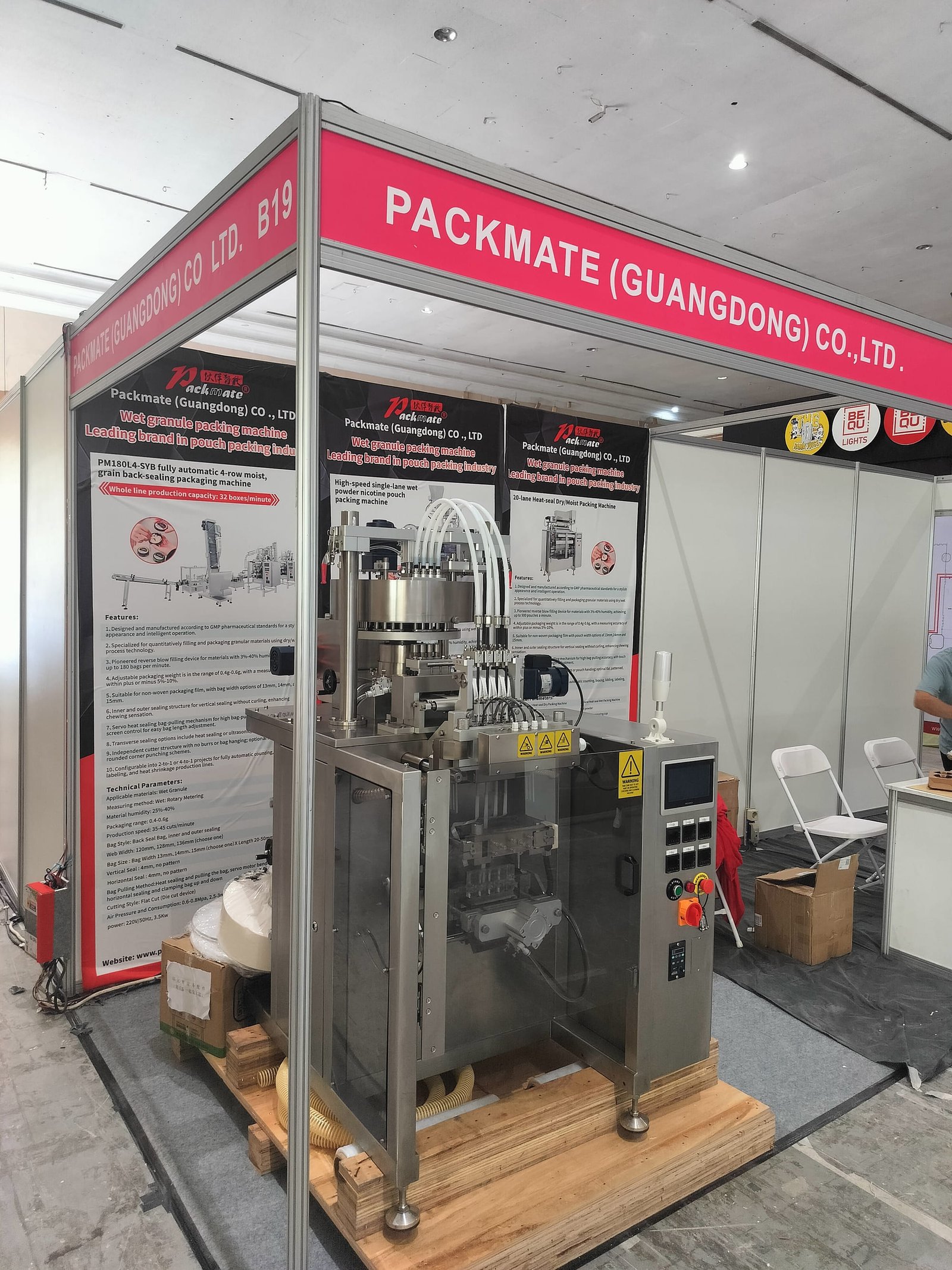
Production Speed and Automation Level
Matching machine speed to your actual production requirements is essential. Over-specifying speed increases capital cost unnecessarily, while under-specifying creates bottlenecks. Consider not just your current output needs but your projected growth over 3-5 years. Additionally, evaluate the level of automation that makes sense for your operation:
- Semi-automatic machines require manual product feeding but automate the filling and sealing process.
- Fully automatic systems integrate product feeding, dosing, filling, sealing, coding, and discharge.
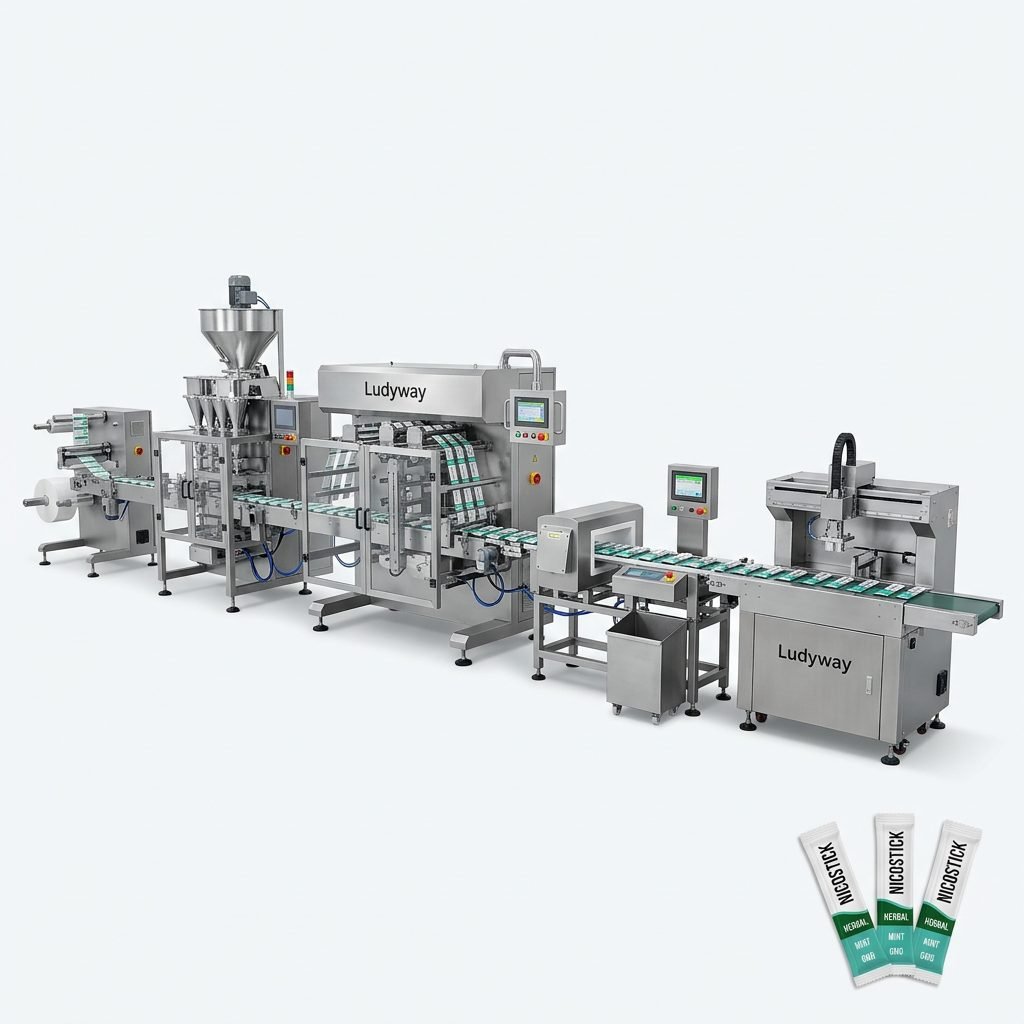
- Complete turnkey lines add upstream and downstream equipment including conveyors, checkweighers, metal detectors, cartoning, and palletizing systems.
Industry Compliance and Quality Standards
Depending on your industry and target markets, your packaging machinery may need to comply with specific regulatory standards. The FDA requirements for food contact packaging are particularly stringent for food and pharmaceutical applications. Key compliance considerations include:
- GMP compliance for pharmaceutical and nutraceutical packaging operations
- CE marking requirements for machines destined for the European market
- UL certification for electrical systems in North American installations
- ISO 11607 standards for terminally sterilized medical device packaging
- Washdown and sanitary design requirements for food-grade applications
Always verify that your machine supplier can provide the necessary compliance documentation and certifications for your target markets before finalizing a purchase.
Budget, ROI, and Long-Term Considerations
The purchase price of a dry powder packing machine is only one component of the total cost of ownership. A comprehensive ROI analysis should account for:
- Installation, commissioning, and operator training costs
- Ongoing maintenance requirements and spare parts availability
- Changeover time between different products and packaging formats
- Energy consumption and utility requirements
- Expected machine lifespan and depreciation
- Technical support availability and response times
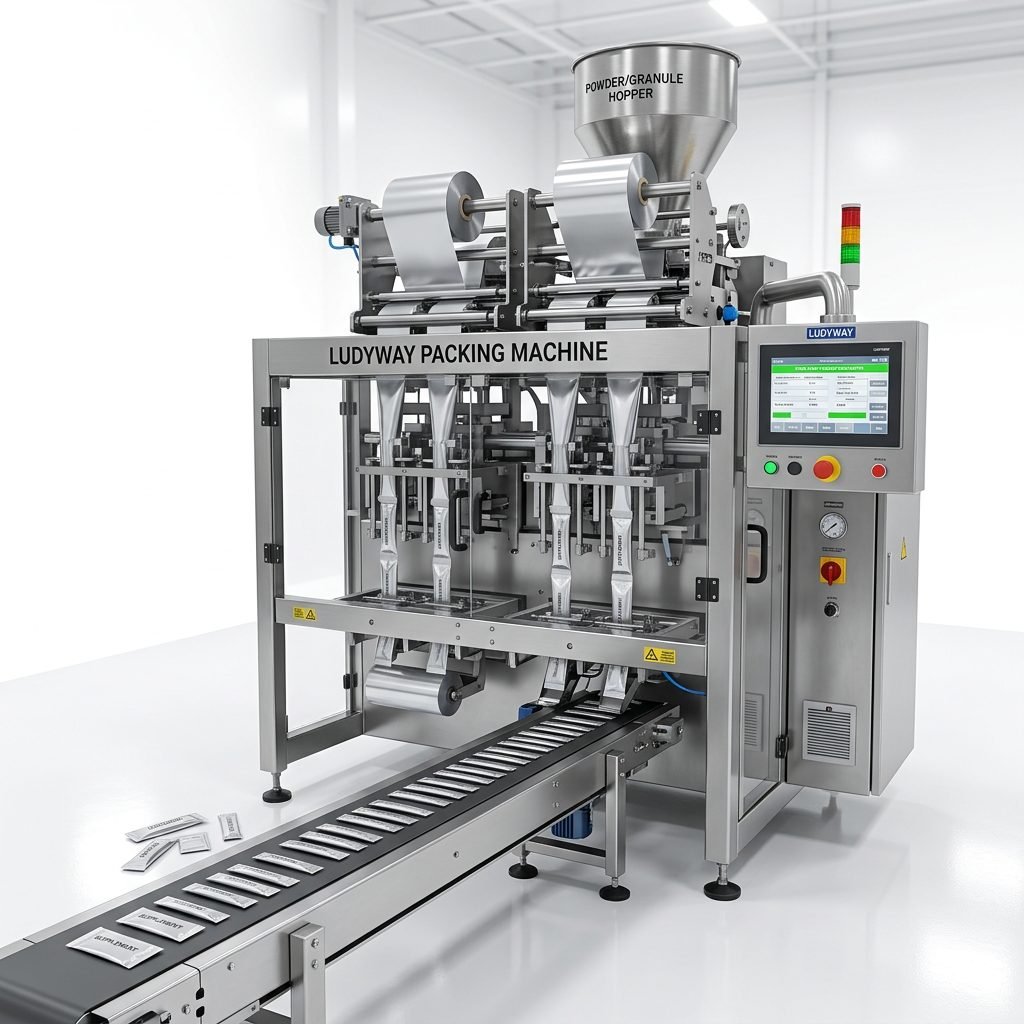
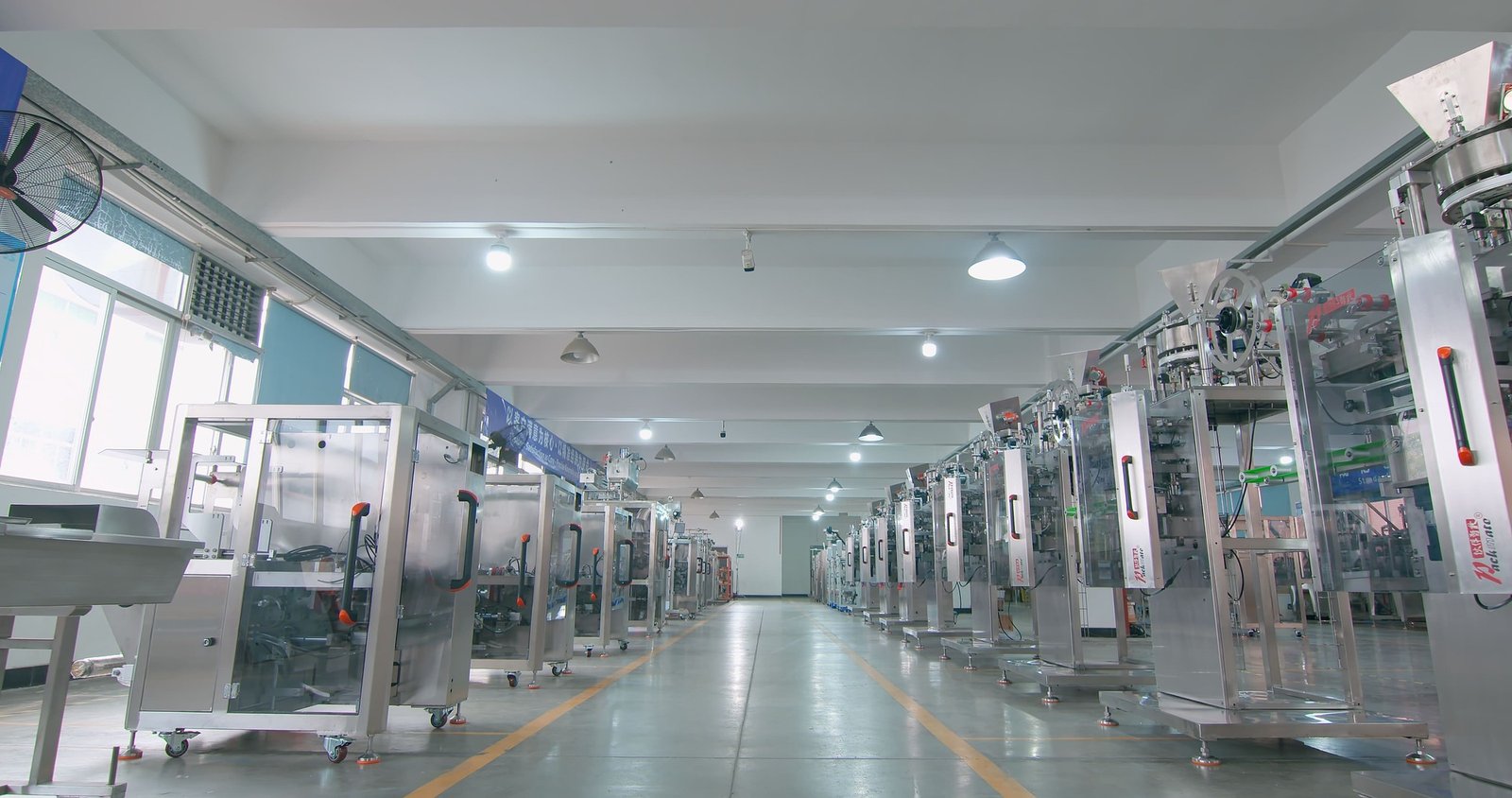
Working with a supplier that offers comprehensive after-sales support can significantly reduce long-term operational costs. Ludyway Machinery, a China-based packaging machinery manufacturer with more than 30 years of experience and a 20,000-square-meter manufacturing facility, provides integrated packaging solutions across food, pharmaceutical, chemical, and nutraceutical industries. The company serves customers in more than 100 countries and is expected to achieve export revenue of more than RMB 500 million (approximately US$69 million) in 2025, with plans to surpass RMB 1 billion (approximately US$138 million) in 2026.
Making the Final Decision
Before making your final purchasing decision, create a structured evaluation matrix that compares potential machines across these critical dimensions:
- Compatibility with your specific powder characteristics
- Filling accuracy and consistency under production conditions
- Build quality and long-term reliability track record
- Supplier engineering capabilities and customization options
- Warranty terms and after-sales service commitments
- Total cost of ownership over the expected machine lifespan
Whenever possible, request product samples to be run on the actual machine under consideration. Observing your specific powder being packaged provides invaluable insight into real-world performance that specification sheets alone cannot convey. For additional guidance, the PMMI State of the Industry reports offer valuable benchmarks for packaging machinery performance and trends across different sectors.
Selecting the right dry powder packaging machine requires balancing technical requirements, budget constraints, and long-term production goals. By systematically evaluating each factor outlined in this guide, you can make an informed investment that supports your manufacturing operations for years to come.