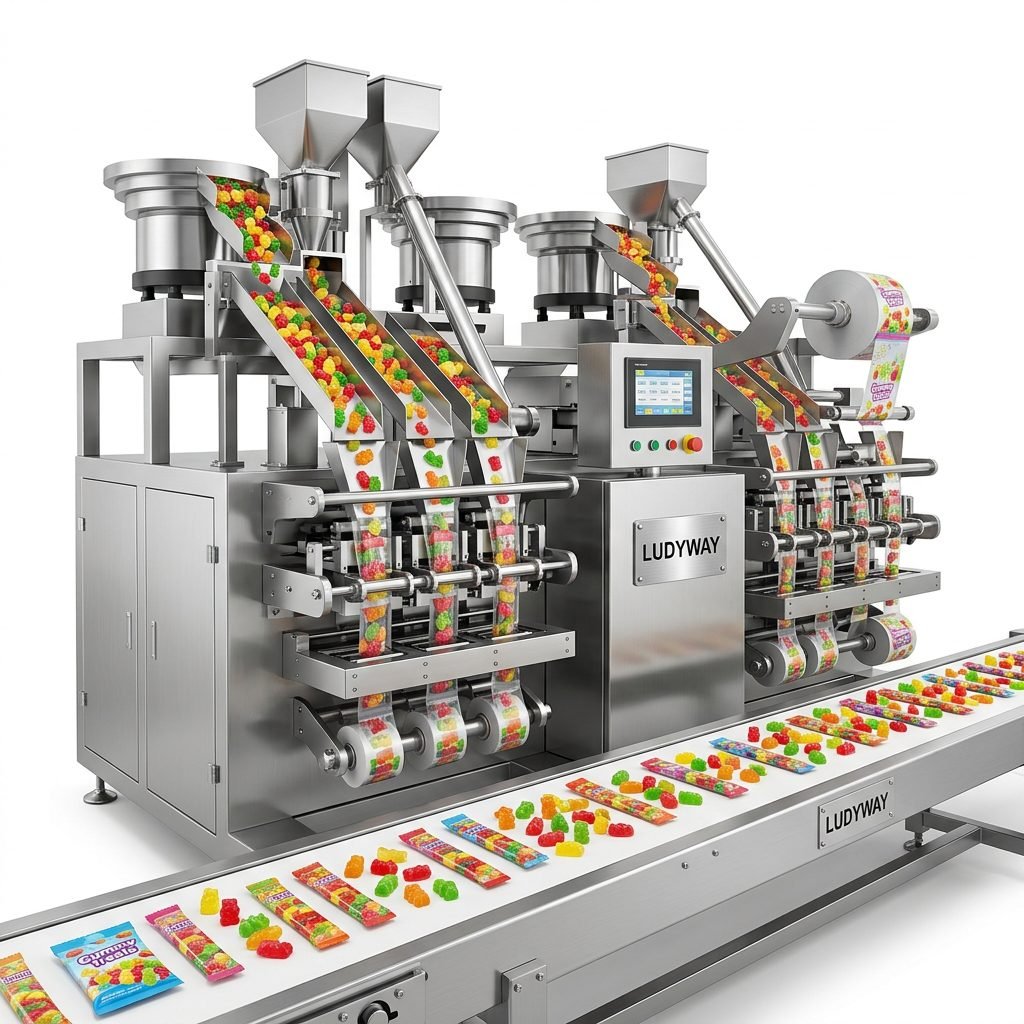
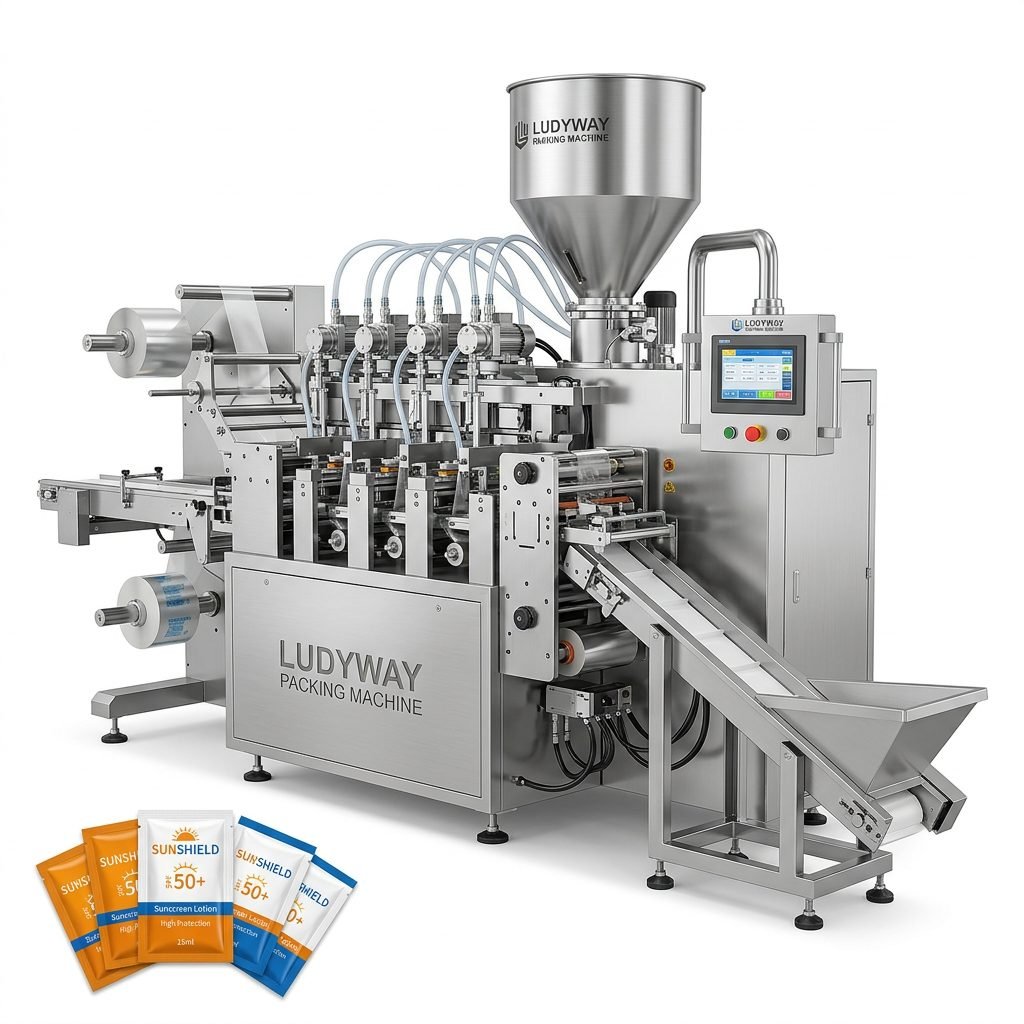
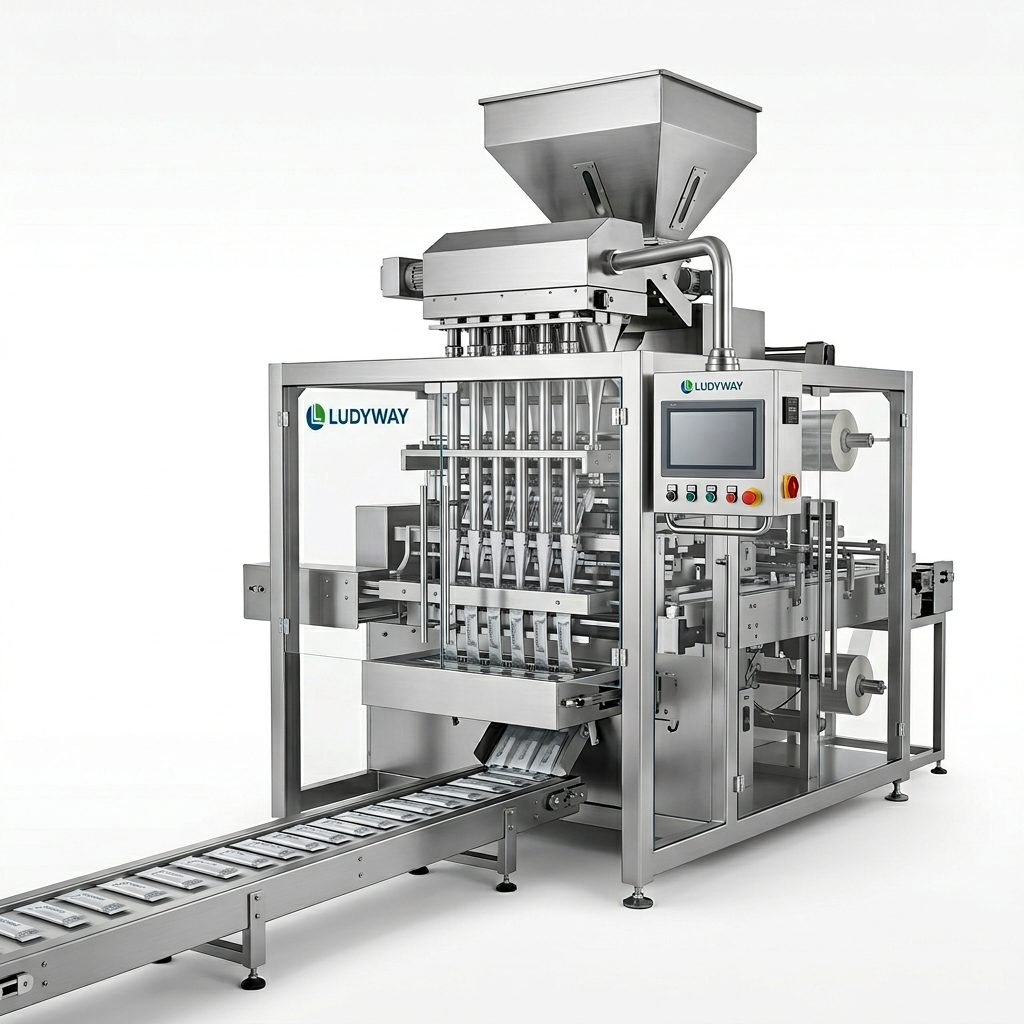
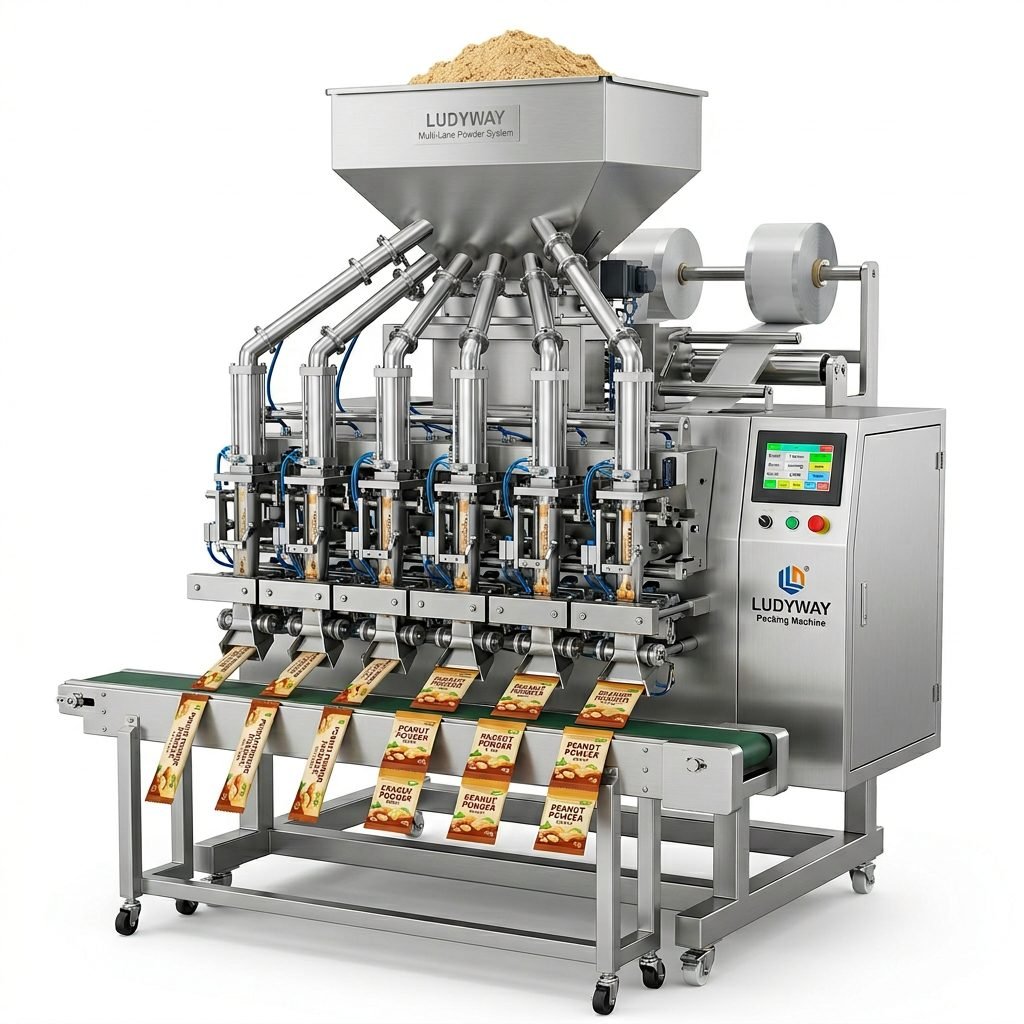
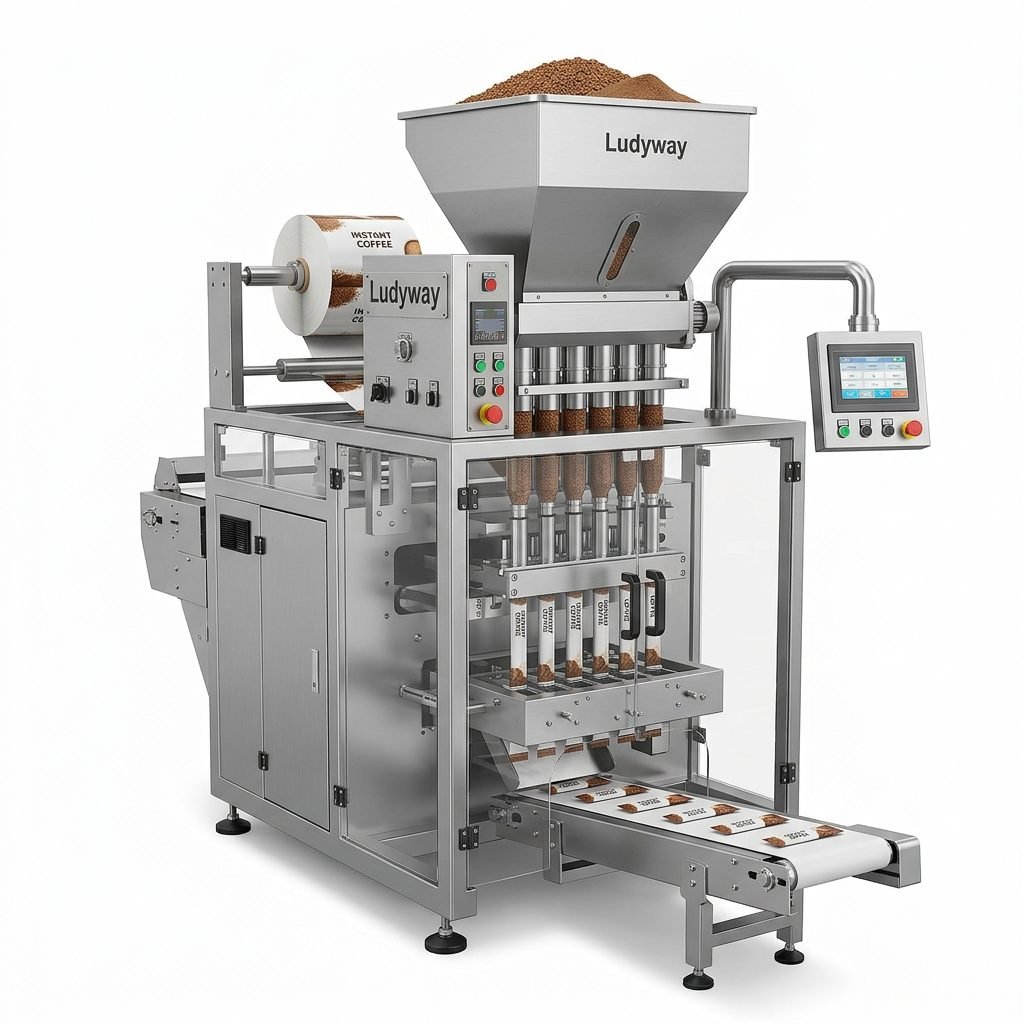
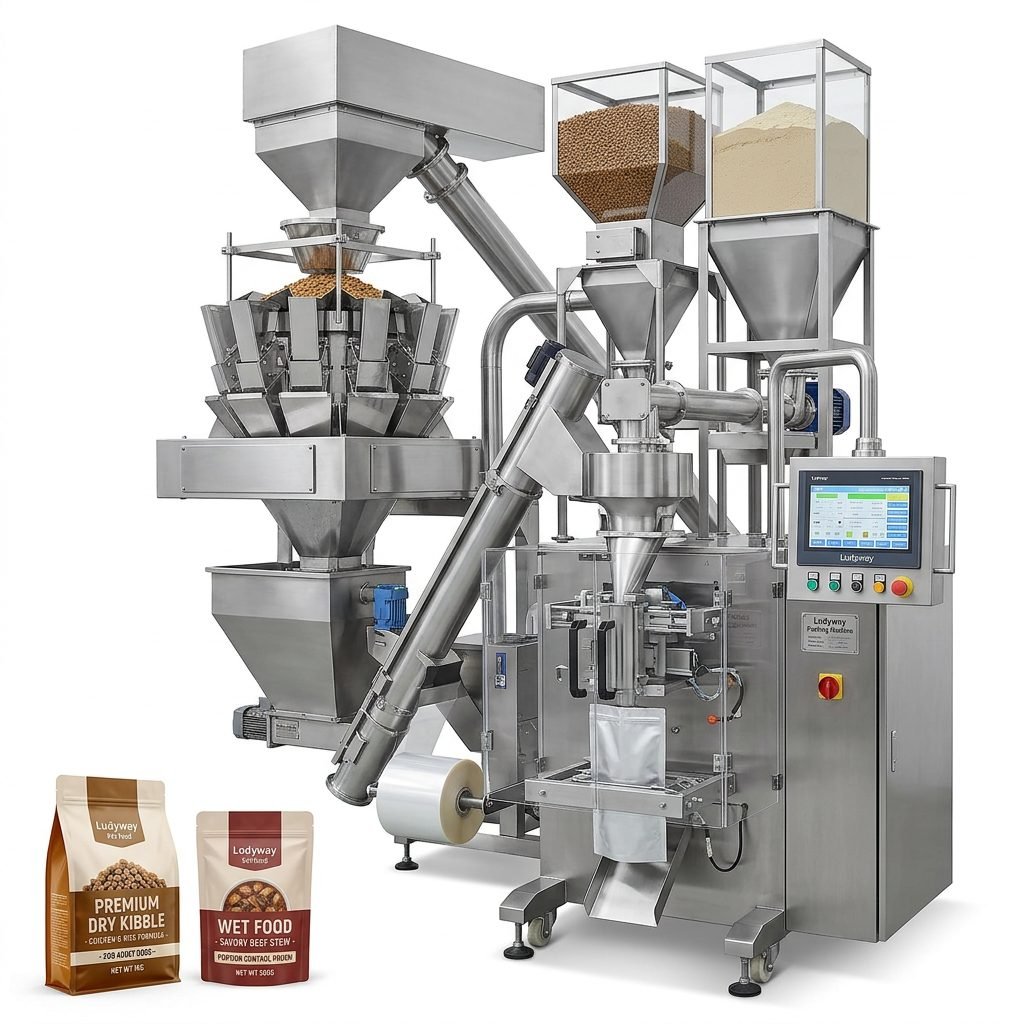
In the competitive landscape of modern manufacturing, selecting the right horizontal packaging equipment is a critical decision that directly impacts your production output, product quality, and overall operational efficiency. This comprehensive sales guide is designed to navigate you through the key considerations for choosing the perfect machine, understanding the factors that influence pricing, and implementing strategies to maximize your production line’s performance.
Understanding Horizontal Packaging Equipment
Horizontal form-fill-seal (HFFS) machines are the workhorses of the packaging industry, particularly for products like snacks, confectionery, hardware, and pharmaceuticals. They create pouches from a roll of flat film, fill them with product, and seal them in a continuous, high-speed process. The primary advantage lies in their versatility and speed, capable of handling a wide range of pouch styles, including pillow packs, gusseted bags, and packs with unique seals.
Key Takeaway:
Unlike vertical machines, horizontal systems typically handle products that are already formed or portioned, making them ideal for automating the final packaging stage of production lines.
Core Components and Their Role
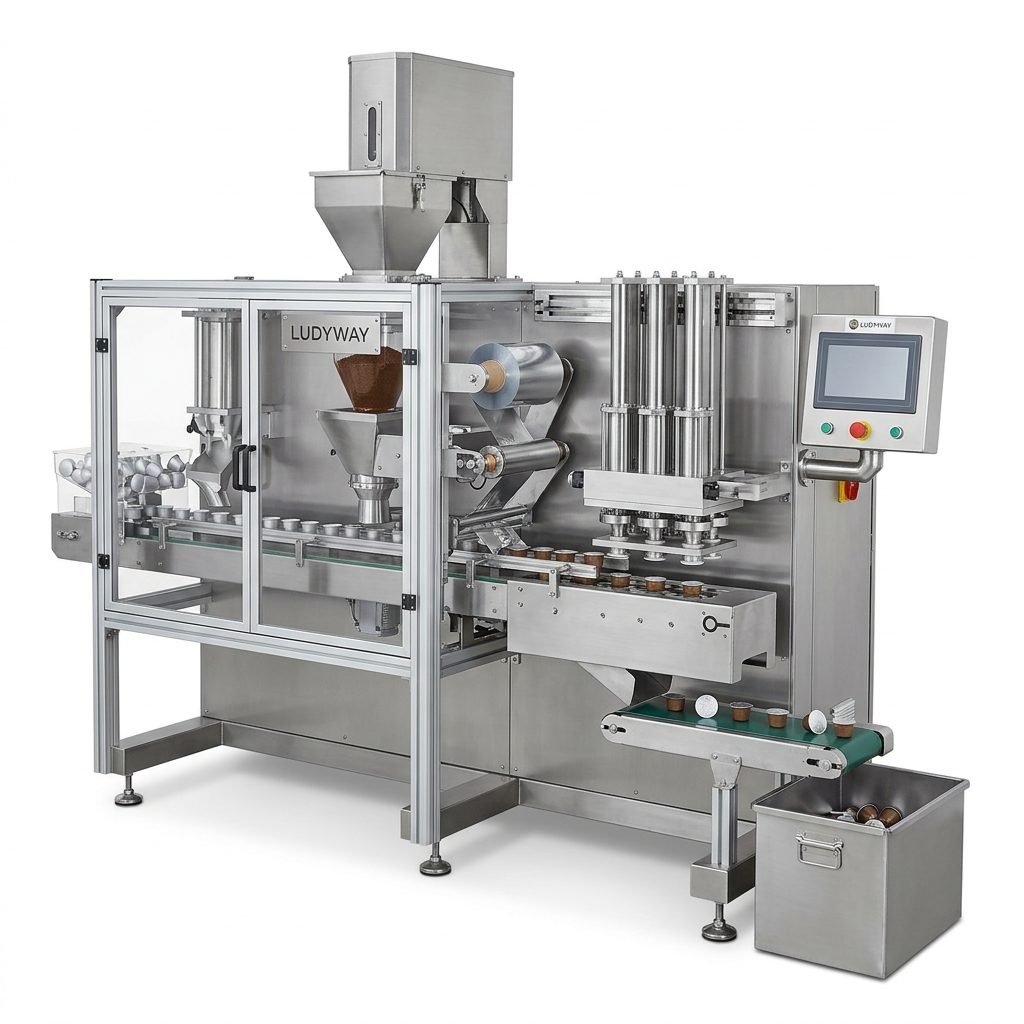
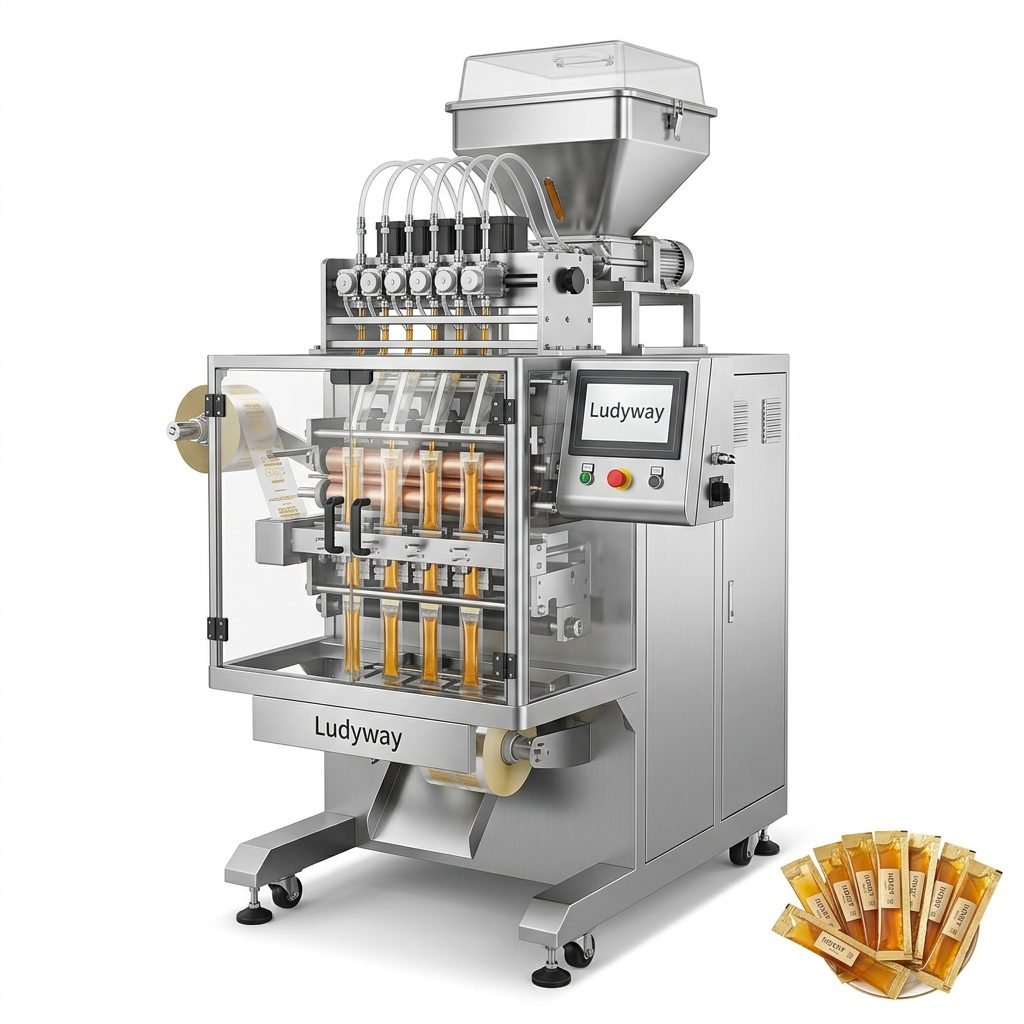
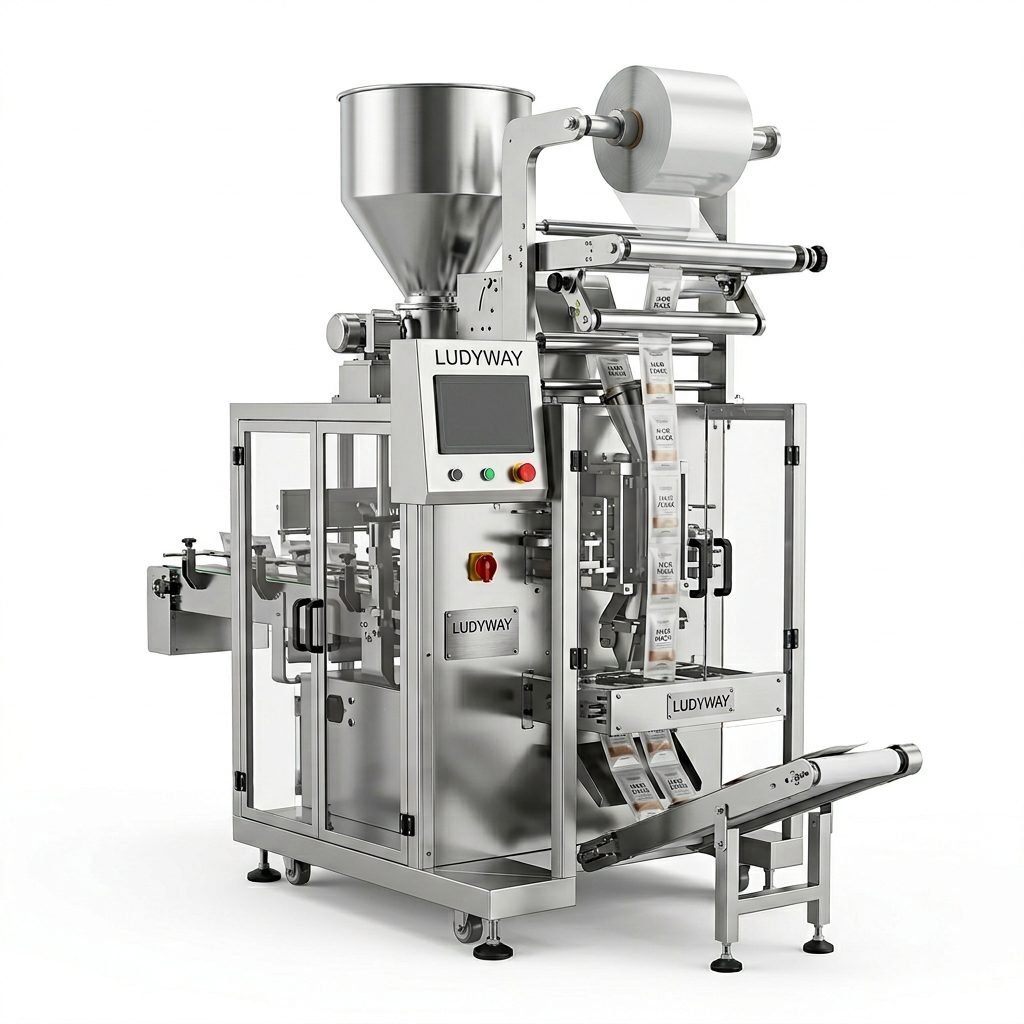
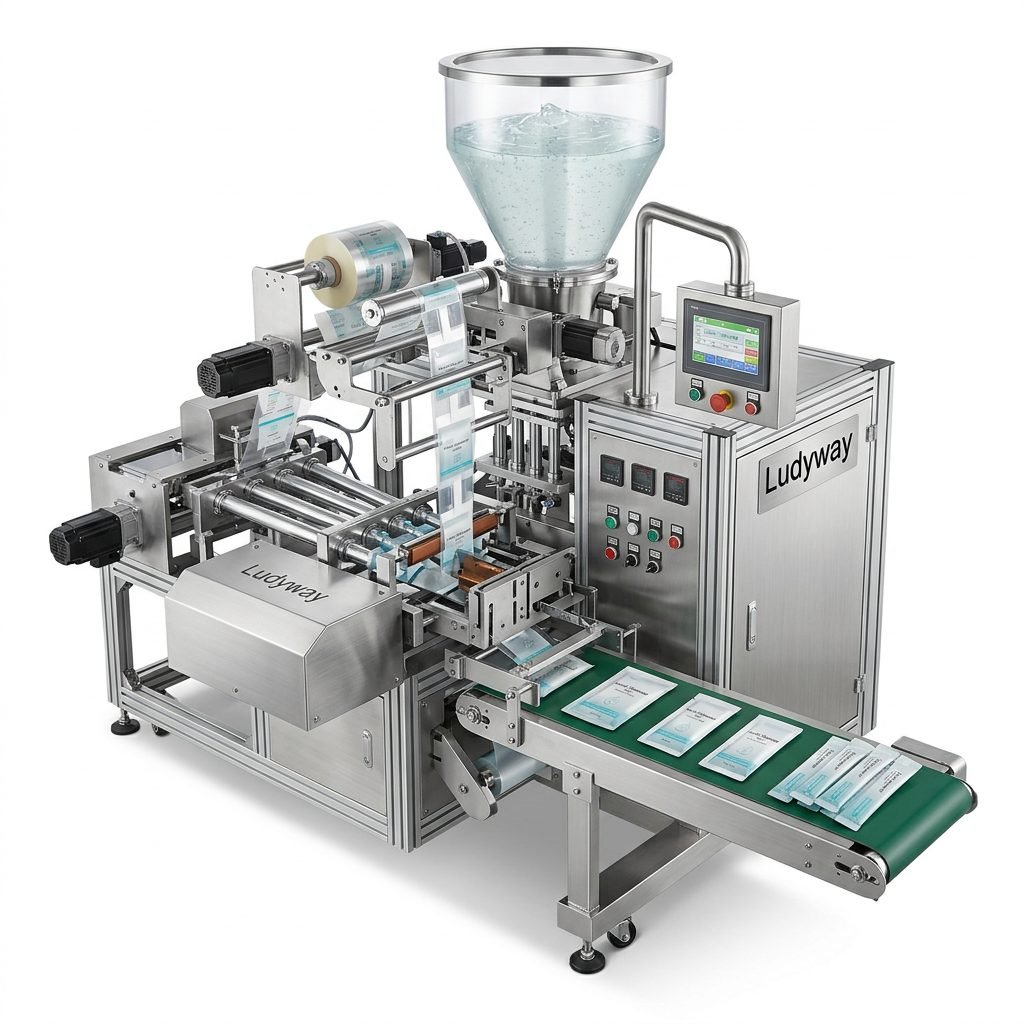
A standard horizontal packaging machine consists of several integrated systems:
- Film Unwind & Guide System: Precisely feeds the packaging material.
- Forming Section: Shapes the flat film into a tube around the filling tube.
- Filling System: Accurately doses the product into the formed film tube. This can be volumetric, auger, weigh-scale, or count-based.
- Sealing Jaws: Create the longitudinal and cross seals, determining pouch integrity and appearance.
- Control System (PLC/HMI): The brain of the machine, managing all functions and parameters.
How to Choose the Right Machine: A Step-by-Step Guide
Selecting equipment is not just about the machine itself, but about how it fits into your entire operation.
Step 1: Define Your Product and Packaging Specifications
This is the foundation of your search. Be precise about:
- Product Characteristics: Is it a powder, granule, liquid, solid, or irregular item? What is its density, flowability, and abrasiveness?
- Pouch Requirements: Desired dimensions (length, width), film type (monolayer, laminate, barrier properties), and seal type (fin seal, lap seal).
- Production Speed: Target output in pouches per minute (PPM). Always factor in future growth.
Step 2: Evaluate Machine Features and Technology
Look beyond the basic specs to features that enhance reliability and ease of use.
Servo-Driven vs. Mechanical: Servo motors offer superior precision, flexibility (easy changeover via HMI), quieter operation, and energy savings. They are the standard for modern, high-performance machines.
Changeover Ease: How quickly can you switch between different pouch sizes or products? Look for machines with tool-less adjustments and recipe storage on the HMI.
HMI & Connectivity: A user-friendly, graphical interface is crucial for operators. Connectivity for Industry 4.0 (data collection, OEE tracking) is a valuable future-proofing feature.
Step 3: Assess Build Quality and Supplier Support
The machine’s construction and the supplier behind it are as important as its features.
- Frame and Components: A rigid, heavy-gauge frame ensures stability at high speeds. Check the quality of critical parts like sealing jaws, gears, and guides.
- Supplier Expertise: Choose a partner with proven experience in your specific industry (e.g., food, pharmaceutical). They should understand your regulatory and hygiene needs.
- Service & Parts Network: Ensure prompt technical support, availability of spare parts, and comprehensive training are offered. A reliable partner like Ludyway Packing Machine provides peace of mind for long-term operation.
Decoding the Price of Horizontal Packaging Machines
Pricing can vary widely, from tens of thousands to several hundred thousand dollars. Understanding what drives cost helps you budget effectively.
Primary Cost Factors
- Automation Level & Speed: High-speed, fully servo-driven machines command a premium over basic mechanical models.
- Filling Technology: Integrated precision weigh scales or liquid piston fillers are more costly than simple volumetric cups.
- Materials of Construction: Machines for food or pharmaceutical use often require stainless steel contact parts, raising the price.
- Customization: Special features like nitrogen flushing, date coders, checkweighers, or custom infeed conveyors add to the cost.
Total Cost of Ownership (TCO) vs. Initial Price
A cheaper machine may have a higher TCO. Consider:
Energy Consumption: Servo machines are often more energy-efficient.
Film Waste: Precise servo control can reduce film misalignment and waste.
Downtime & Maintenance: A robustly built machine from a reputable supplier minimizes costly production stops.
Investing in quality from an experienced provider like Ludyway Machinery often yields a lower TCO and faster ROI through sustained, efficient production.
Boosting Your Production Efficiency
Owning the right machine is the first step; optimizing its integration and operation is the key to unlocking maximum value.
Optimizing the Packaging Line Integration
The packaging machine should not be an island. Ensure seamless integration with upstream (product feeders, accumulators) and downstream (cartoners, case packers) equipment. Proper synchronization eliminates bottlenecks and maximizes the throughput of the entire line.
Leveraging Data and Preventive Maintenance
Use the machine’s data capabilities to track performance metrics like OEE (Overall Equipment Effectiveness), downtime reasons, and speed losses. Implement a scheduled preventive maintenance program based on the manufacturer’s guidelines. Regularly cleaning and inspecting seals, filters, and moving parts prevents unexpected failures.
Training and Standard Operating Procedures (SOPs)
Well-trained operators are your greatest efficiency asset. Develop clear SOPs for machine operation, changeover, cleaning, and basic troubleshooting. This ensures consistency, reduces errors, and empowers your team to handle minor issues quickly.
Pro Tip for Continuous Improvement
Regularly review your packaging materials with your supplier. Advances in film technology can sometimes allow for downgauging (using thinner, stronger film), which reduces material cost and can potentially allow for higher machine speeds, creating a direct boost to efficiency and profitability.
Frequently Asked Questions (FAQs)
What is the typical lifespan of a horizontal packaging machine?
With proper maintenance and care, a well-built horizontal packaging machine from a quality manufacturer can last 15 to 20 years or more. The key factors are build quality, adherence to maintenance schedules, and the operating environment.
How difficult is it to change over a machine to a different pouch size?
Difficulty varies greatly. Modern servo-driven machines often feature tool-less changeover where pouch dimensions are entered via the HMI, and the machine automatically adjusts. Mechanical machines may require manual adjustment of cams and parts, taking significantly more time and skill.
Can one machine handle both powders and granules?
Many machines can, but the filling system is critical. A machine equipped with a versatile auger filler or a combination weigh scale can often handle both, though some adjustments and potentially different filler attachments may be required for optimal performance with each product type.
What kind of maintenance is required daily?
Daily maintenance typically involves cleaning product contact areas to prevent cross-contamination, checking and cleaning sealing jaws, verifying film tracking, and performing a general visual inspection for loose parts or wear. Always follow the specific checklist provided by your machine supplier.
Is it better to buy a standalone machine or a complete turnkey line?
This depends on your project scope and expertise. A standalone machine is suitable if you are replacing an existing unit or have strong in-house engineering. A turnkey solution, where a single supplier like Ludyway designs, integrates, and commissions the entire line, ensures compatibility, reduces project risk, and provides a single point of support, often leading to faster startup and optimal performance.