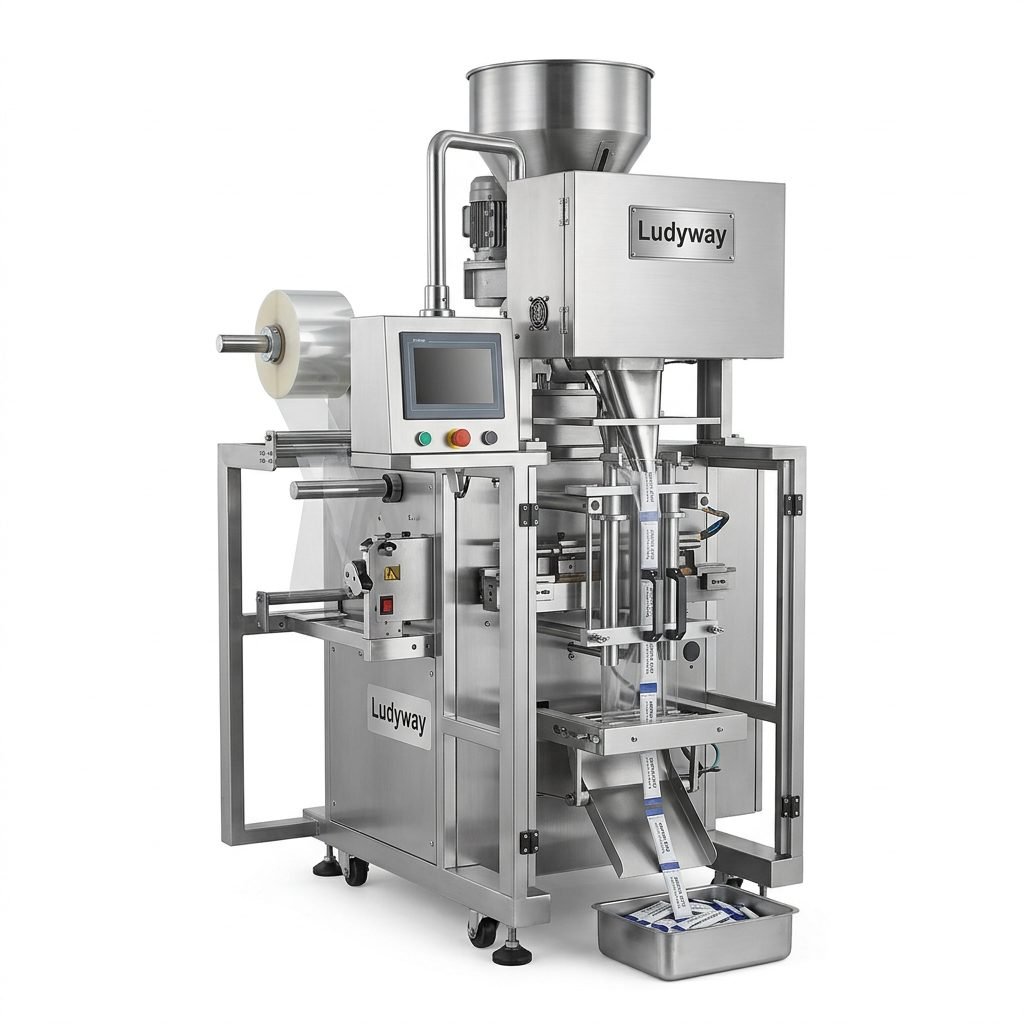
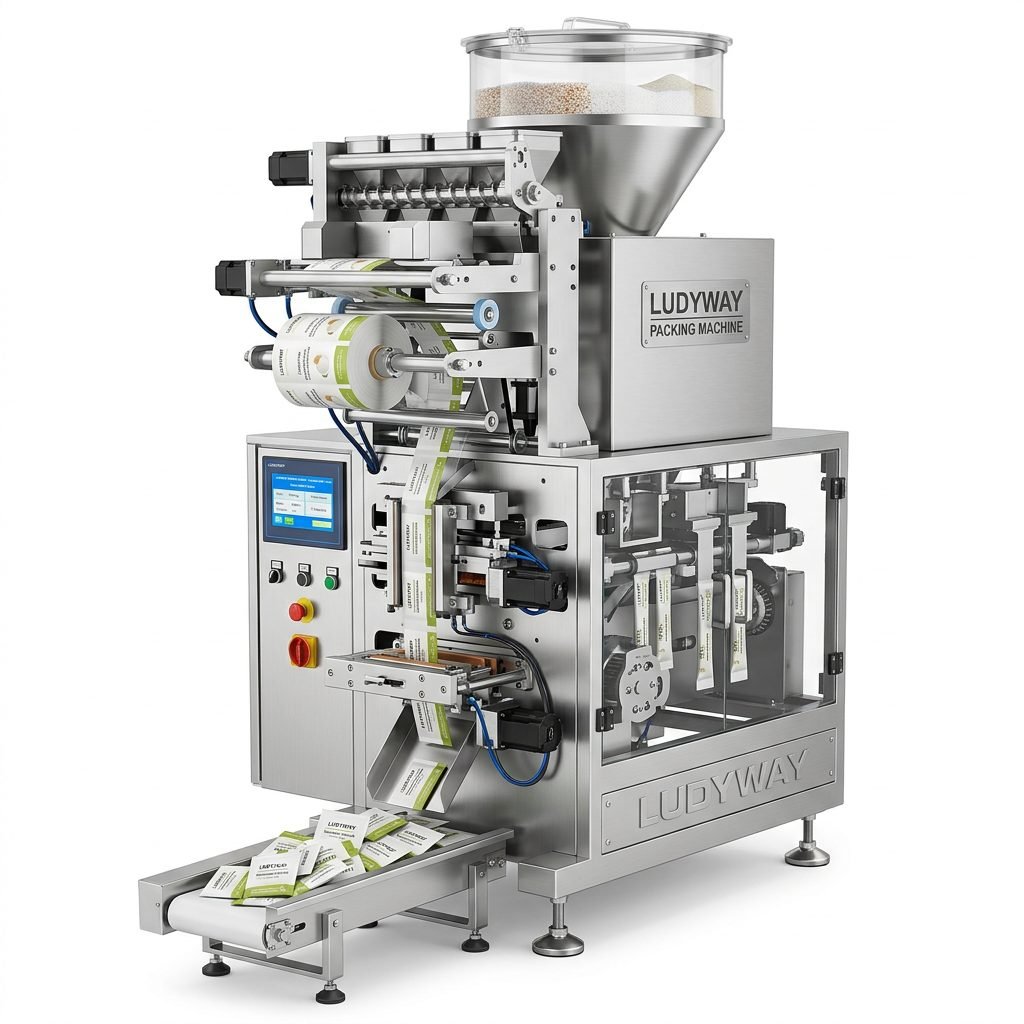
Selecting the right packaging machine manufacturer is a critical decision for any business in Slovakia looking to enhance its production line, improve efficiency, and ensure product quality. The Slovak market, with its strong manufacturing base in sectors like automotive, food processing, pharmaceuticals, and consumer goods, demands reliable, high-performance, and cost-effective packaging solutions. For Slovak companies, this choice often involves balancing advanced technology with practical support and service within the European region.
Understanding Your Packaging Needs in the Slovak Context
Before you begin your search for a manufacturer, it’s essential to have a clear understanding of your specific requirements. Slovak industries often deal with specific product types, from automotive components requiring precise, protective packaging to food producers needing hygienic, high-speed filling lines for sauces, powders, or granules. Consider the following:
Product Type: Are you packaging granules (like coffee, nuts, or feed), powders (spices, pharmaceuticals, milk powder), liquids (sauces, oils, chemicals), or pre-formed pouches? The physical properties of your product dictate the machine type.
Production Volume & Speed: Evaluate your current and projected output. Do you need a high-speed multi-lane stick pack machine for mass-market consumer goods, or a more flexible, lower-volume system for specialty products or pilot batches?
Packaging Format: Define your desired final package—stick packs, sachets, pouches, or bottles. Each format requires different machine technologies, such as vertical form-fill-seal (VFFS) or horizontal flow wrapping.
Budget and ROI: Determine your investment capacity. While initial cost is important, consider the total cost of ownership, including maintenance, energy consumption, and potential for future upgrades. A slightly higher upfront investment in a robust, efficient machine from a reputable manufacturer like Ludyway can lead to significant long-term savings and a faster return on investment.

Key Factors When Evaluating a Manufacturer
Once your needs are clear, use these criteria to assess potential suppliers. This is where the experience and global reach of a manufacturer become crucial.
1. Technical Expertise and Industry Experience
Look for a manufacturer with a proven track record in your specific industry. A company with over 30 years of experience, like Ludyway, has likely encountered and solved a vast array of packaging challenges. They understand the nuances of packaging food-grade materials, meeting pharmaceutical GMP standards, or handling abrasive industrial chemicals. This deep knowledge translates into machines that are not just functional but optimized for real-world production environments.
2. Range of Machinery and Customization Capability
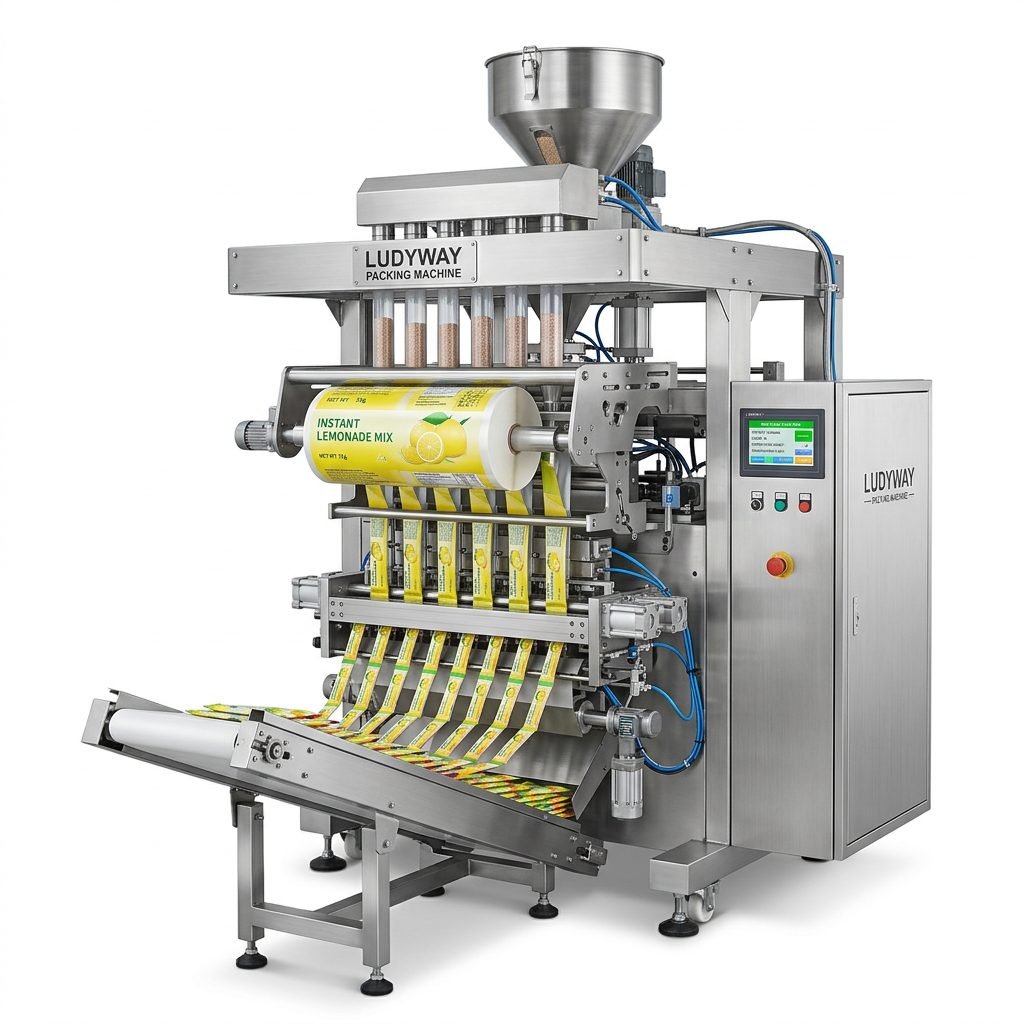
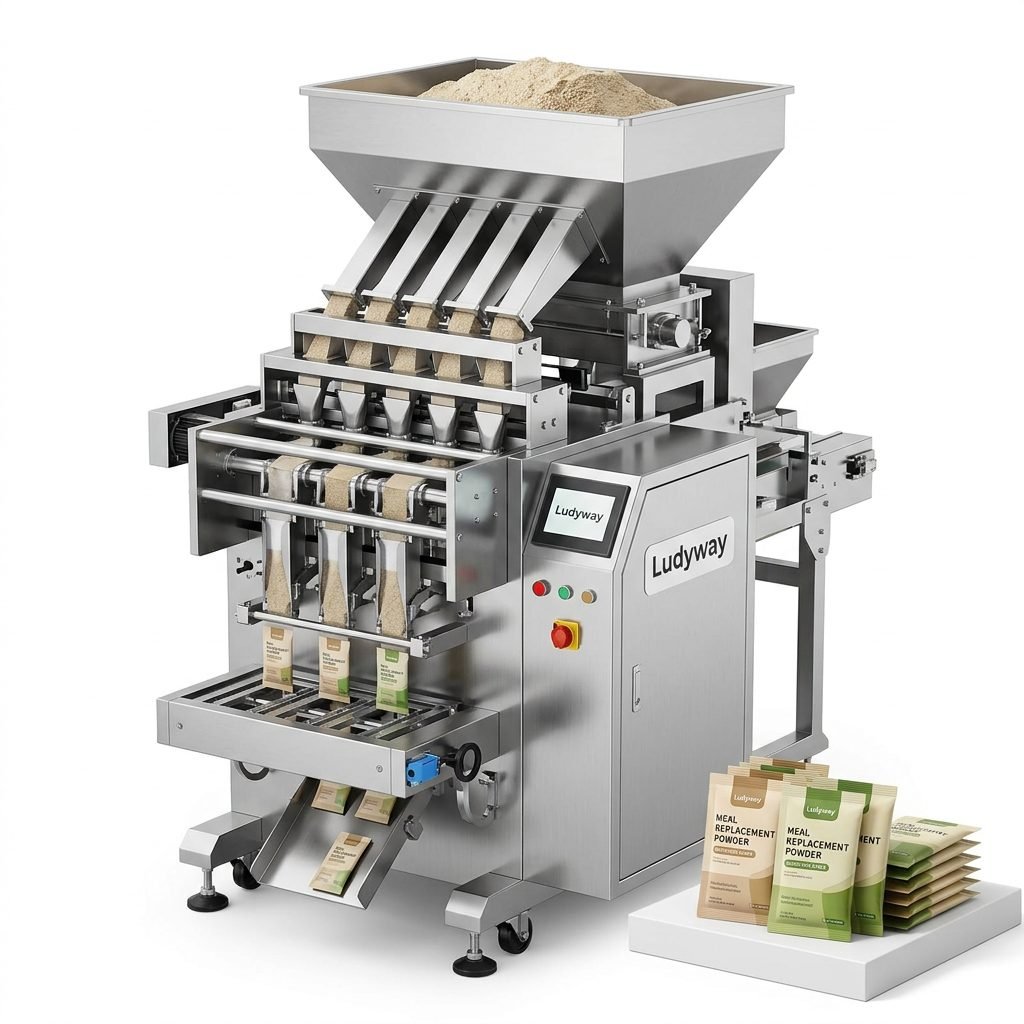
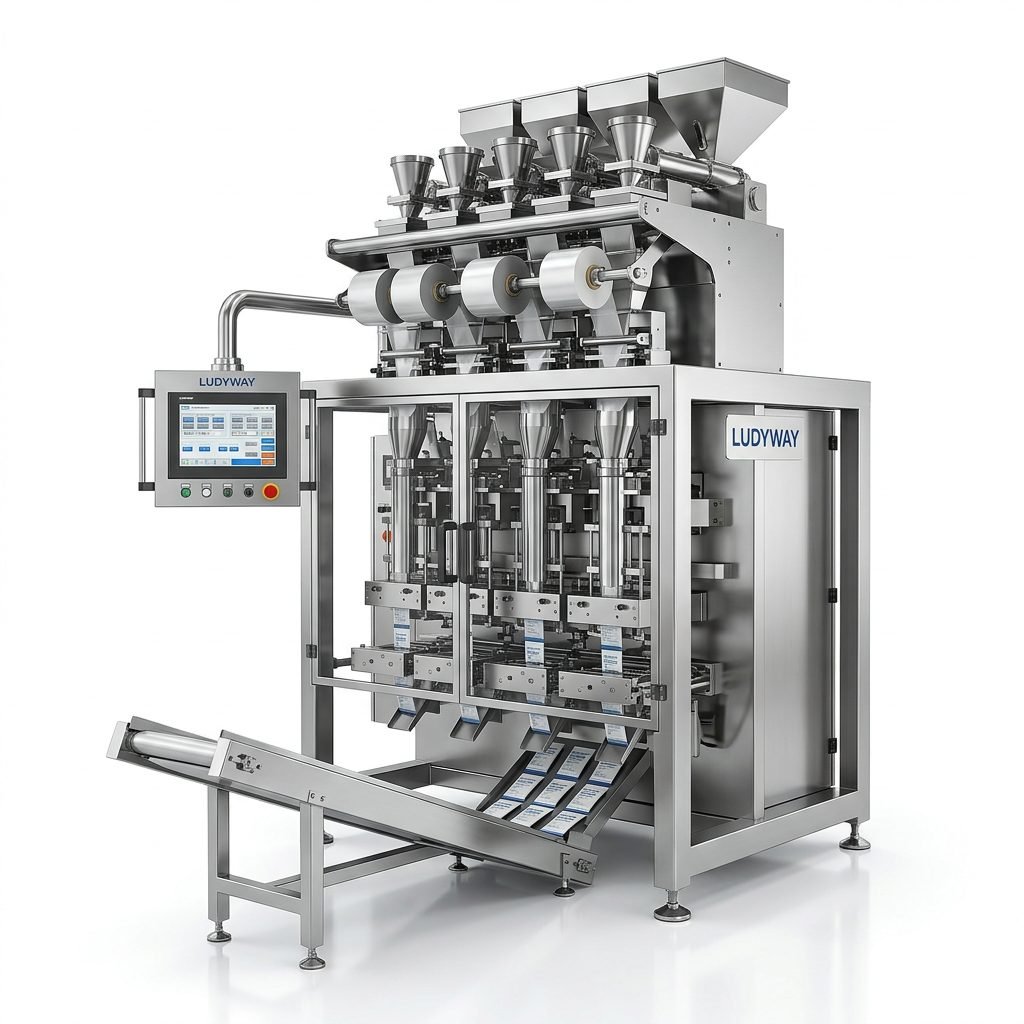
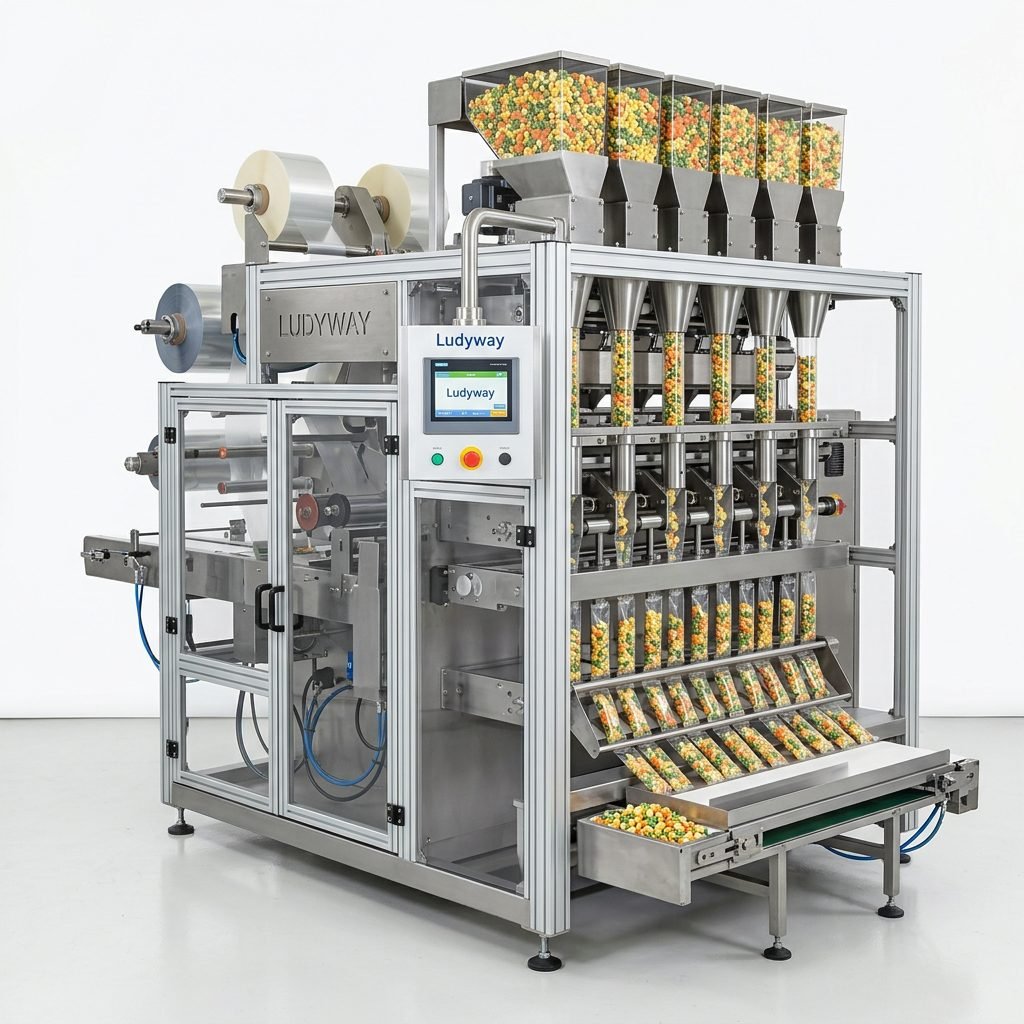
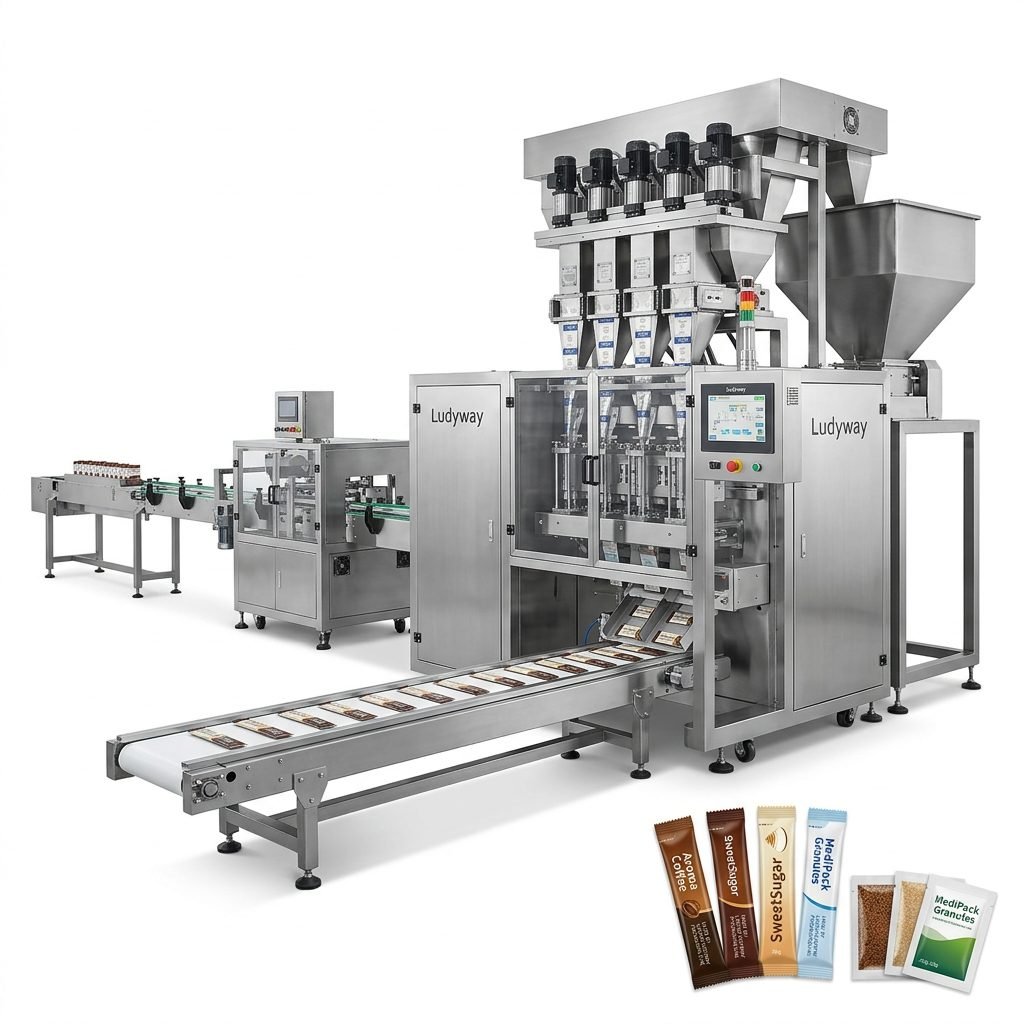
No two production lines are identical. The ideal manufacturer should offer a broad portfolio—from single machines to complete turnkey lines—and the engineering capability to customize them. Whether you need a standard multi-lane stick pack machine for coffee or a fully integrated line for nicotine pouches, the ability to tailor the solution is key. Manufacturers like Packmate Machinery and PackingMachineOEM also emphasize their capacity for custom, non-standard solutions, which is vital for businesses with unique product shapes or complex filling requirements.

3. Manufacturing Quality and Technology
The build quality of the machine directly impacts its longevity, reliability, and precision. Inquire about the manufacturing facility, the materials used (e.g., food-grade stainless steel), and the level of automation and control systems (e.g., PLC with HMI touchscreen). A modern facility, like Ludyway’s 20,000㎡ plant, equipped with advanced CNC machinery, is a strong indicator of a commitment to quality and precision engineering.
4. After-Sales Support and Local Service
This is perhaps the most critical factor for Slovak buyers. A machine is a long-term investment. Ensure the manufacturer provides comprehensive support:
- Installation & Commissioning: Will they send engineers to set up the line and train your operators?
- Technical Support & Spare Parts: Is there a responsive, multilingual support team? How quickly can critical spare parts be delivered to Slovakia or within the EU?
- Warranty: What is covered and for how long?
Companies that serve a global clientele, like Ludyway (over 100 countries), are typically well-structured to provide remote support and have established logistics for parts delivery worldwide, which is a significant advantage for Slovak companies.

5. Compliance and Certifications
For export-oriented Slovak companies, compliance with international standards is non-negotiable. The machinery must meet relevant EU safety directives (CE marking) and, for food or pharmaceutical applications, be constructed with hygienic design principles. Reputable manufacturers will have their machines certified and can provide documentation to prove compliance, easing your own regulatory burdens.
6. Evaluating Total Cost of Ownership (TCO)
Look beyond the initial purchase price. Consider:
- Energy Efficiency: Modern servo-driven machines consume less power.
- Material Waste: High-precision dosing systems minimize product giveaway.
- Maintenance Costs: Robustly built machines with accessible components reduce downtime and repair costs.
- Operational Labor: Highly automated lines reduce manual intervention.
A manufacturer that offers a cost-effective solution focusing on low TCO will be a more valuable partner than one offering the cheapest upfront price.
The Slovak Buyer’s Guide: A Step-by-Step Process
Follow this practical guide to navigate the selection process effectively.
Step 1: Shortlist Specialized Manufacturers
Focus on manufacturers with expertise in your product category. For example, if you produce health supplements, look at companies like Ludyway, which has extensive experience with granule and powder packaging for the health industry. For specialized applications like snus or nicotine pouches, a niche expert like SnusMachinery might be highly relevant.
Step 2: Request Detailed Proposals and References
Contact your shortlisted manufacturers with a detailed project brief. A serious supplier will ask many questions to understand your needs fully. Request a formal quotation that includes machine specifications, delivery time, payment terms, and support details. Crucially, ask for customer references, preferably from other European companies. Speaking to an existing client in Poland, the Czech Republic, or Germany can provide invaluable insights into the manufacturer’s reliability and service.

Step 3: Arrange a Factory Visit or Live Demo
If possible, visit the manufacturer’s facility. For Slovak businesses, visiting a Chinese manufacturer like Ludyway, PacklineOEM, or others is a significant step. It allows you to assess their manufacturing capabilities, quality control processes, and company scale firsthand. Alternatively, request a live video demonstration where you can see a machine similar to your requirement running with a product comparable to yours. This tests the machine’s performance and the company’s transparency.
Step 4: Scrutinize the Contract and Support Agreement
Before finalizing, review the sales contract meticulously. Pay special attention to:
- Warranty terms and scope.
- Details of installation and training services.
- Spare parts pricing and availability.
- Responsibilities for shipping, customs clearance (Incoterms), and VAT in Slovakia.
Clarify all responsibilities to avoid unexpected costs or delays.
Step 5: Plan for Installation and Beyond
Work with the manufacturer to prepare your facility for the new machine (power requirements, floor space, compressed air). Schedule the installation and operator training. Establish clear communication channels with the supplier’s technical support team for a smooth start-up and ongoing partnership.

Why Consider a Global Partner Like Ludyway for Your Slovak Operations?
While local European suppliers offer proximity, leading global manufacturers from China provide a compelling combination of advanced technology, extensive experience, and competitive value. For Slovak companies aiming to compete both domestically and in export markets, this global partnership can be strategic.
Ludyway, as one of China’s largest manufacturers, brings over three decades of focused expertise. With a portfolio of over 50 intelligent machine models, they offer solutions for virtually any granular, powder, liquid, or pouch application. Their strength lies in providing complete turnkey production lines—not just individual machines—ensuring all components work in harmony for maximum efficiency. Their service to over 100 countries demonstrates an ability to support international clients with professional project management, reliable equipment, and accessible technical support, making them a viable and valuable partner for ambitious Slovak businesses.
Frequently Asked Questions (FAQs)
Q1: What are the main advantages of choosing a Chinese packaging machine manufacturer for a company in Slovakia?
A: The primary advantages are often cost-effectiveness without sacrificing quality, access to a very wide range of machinery and customization options, and extensive experience in high-volume, automated production. Leading Chinese manufacturers like Ludyway are accustomed to meeting international standards (CE, etc.) and have established global logistics and support networks to serve European clients effectively.
Q2: How can I ensure the machine will comply with EU safety and hygiene regulations?
A: Always specify that you require CE certification and, if applicable, machinery built according to EHEDG or other relevant hygienic design guidelines. Reputable manufacturers will provide all necessary certification documents. It is also advisable to involve a local technical consultant in Slovakia to review the machine specifications before purchase.
Q3: What is the typical lead time for a custom packaging line from an overseas manufacturer?
A: Lead times vary based on complexity. For a standard machine, it might be 30-60 days. For a fully customized turnkey line, it can range from 90 to 150 days. Clear communication and detailed project planning with the manufacturer from the outset are key to managing timelines.
Q4: Who handles customs clearance and import duties when shipping machinery to Slovakia?
A: This is defined by the agreed Incoterms in your contract. Commonly, for exports from China, terms like CIF (Cost, Insurance, and Freight) to a main EU port or DAP (Delivered at Place) to your Slovak facility are used. The supplier typically handles export formalities and main freight, while the Slovak buyer is responsible for EU import clearance, duties, and final delivery. Always clarify these responsibilities upfront.
Q5: What kind of after-sales support can I realistically expect from an overseas supplier?
A: A professional supplier will offer comprehensive support: remote troubleshooting via video call, detailed manuals and schematics, online parts ordering, and expedited shipping for critical spares. For major issues, they should be prepared to send service engineers. Before purchasing, confirm the warranty period (often 12-18 months), the response time for support queries, and the availability of commonly used spare parts within Europe to minimize downtime.