In the fast-paced world of manufacturing and product distribution, efficient and reliable packaging is not just a final step—it’s a critical component of brand identity, product protection, and operational success. Matrix packaging equipment represents a sophisticated, modular approach to packaging automation, designed to handle diverse product forms with precision and speed. This article delves into the various types of matrix packaging systems, their wide-ranging applications, and provides a comprehensive guide on selecting the right system for your specific operational needs.
Understanding Matrix Packaging Systems
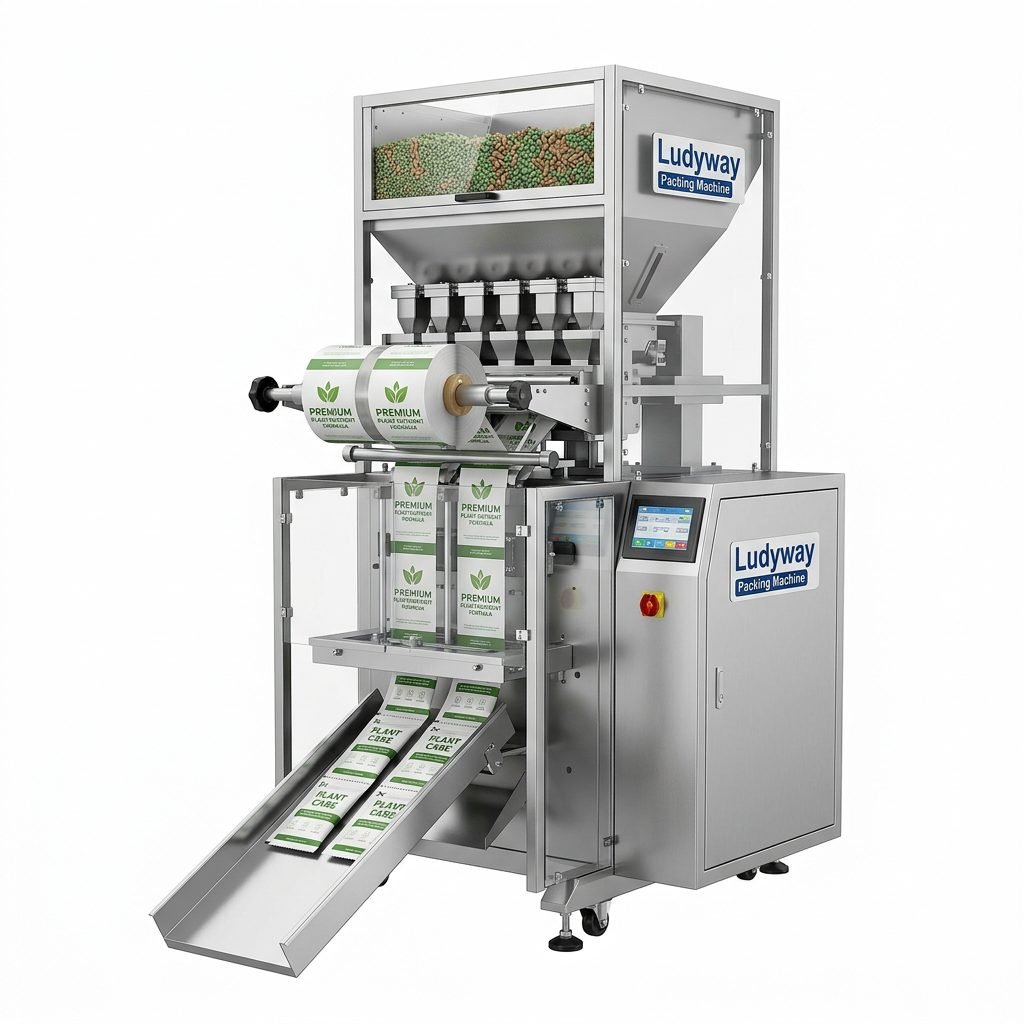
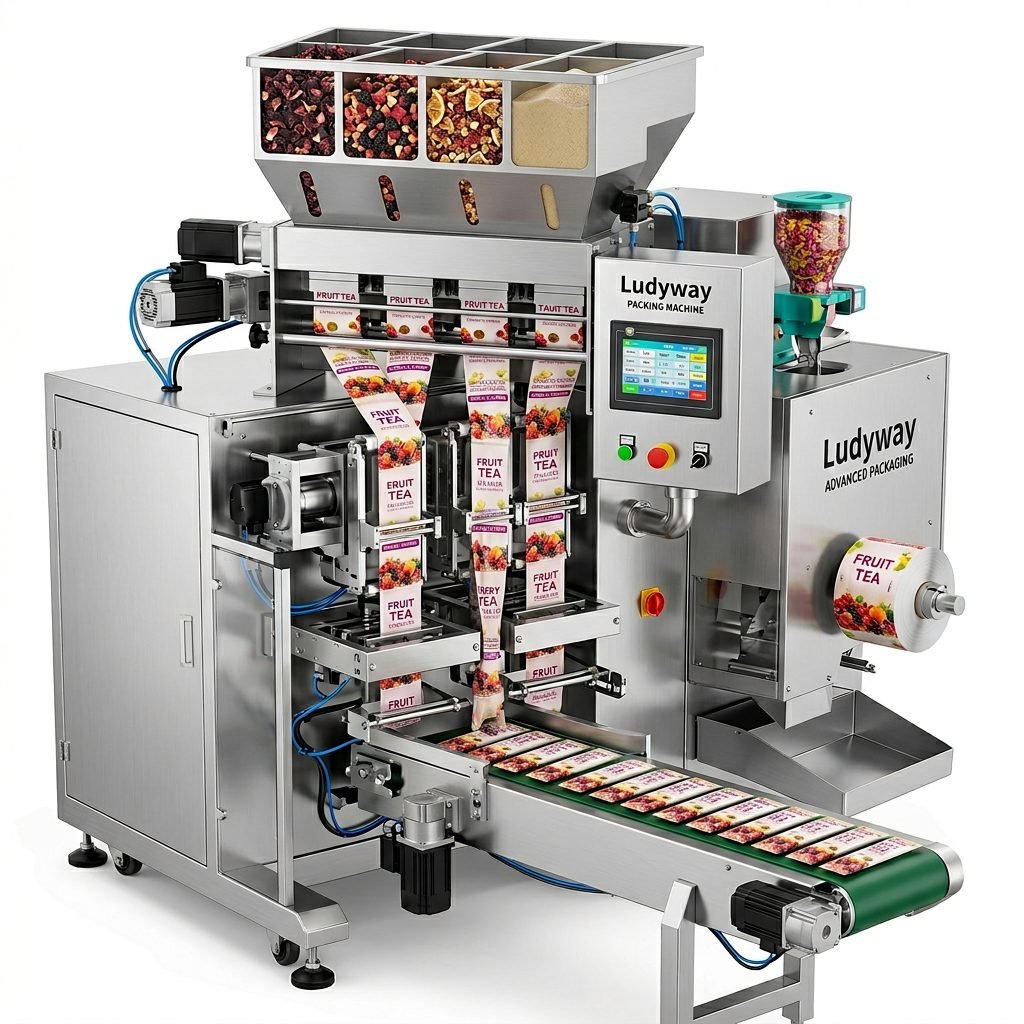
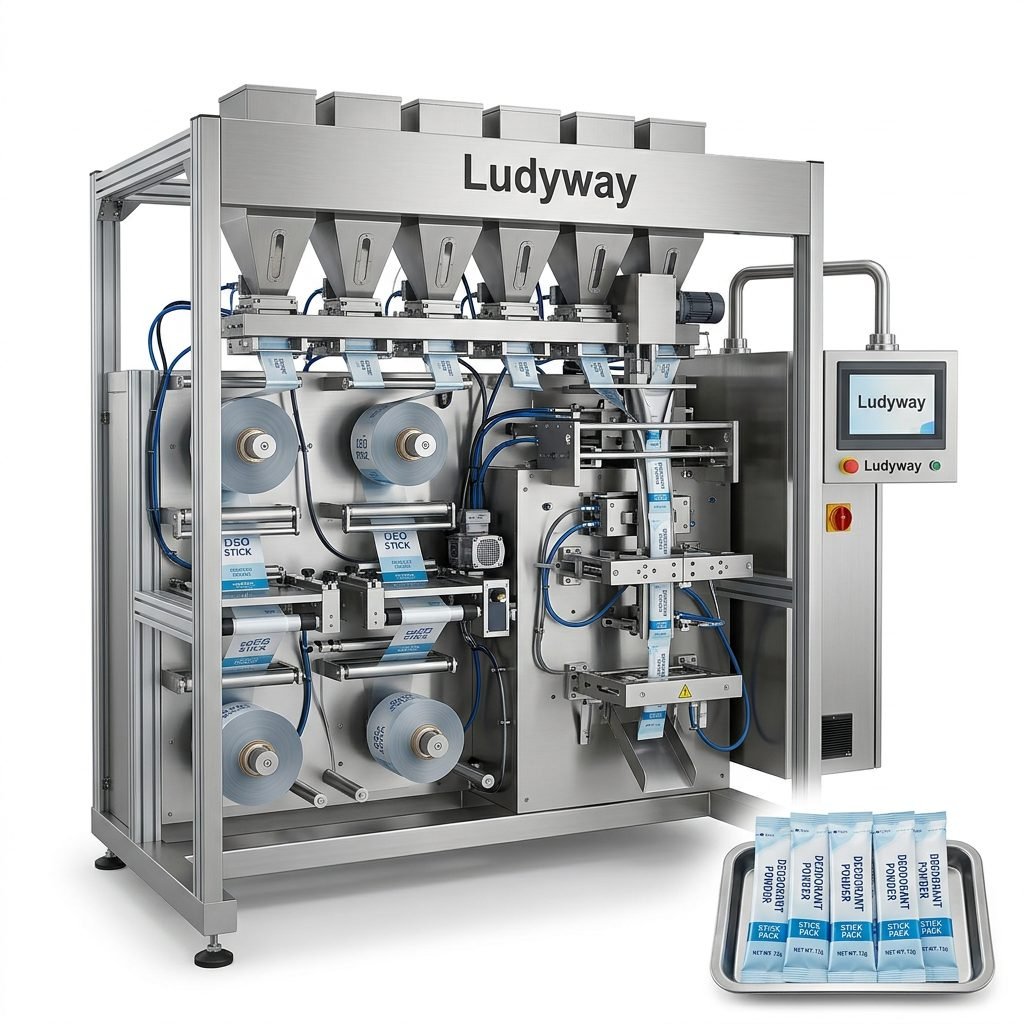
At its core, a matrix packaging system is an automated solution designed to form, fill, and seal individual pouches or sachets from a continuous roll of packaging film. The term “matrix” often refers to the arrangement of multiple packaging lanes operating in parallel, significantly boosting output. These systems are celebrated for their versatility, capable of packaging granules, powders, liquids, and semi-solids into various pouch styles like stick packs, sachets, and four-side-seal pouches.
Key Advantage: The primary strength of a matrix system lies in its high-speed, multi-lane production. Instead of a single packaging line, these machines run several lanes simultaneously, multiplying throughput without a proportional increase in floor space. This makes them ideal for high-volume production environments.
Core Components of a Typical System
A standard matrix packaging machine integrates several key modules:
- Film Unwinding & Forming Unit: Pre-printed or plain laminate film is fed and shaped into a tube.
- Multi-Lane Dosing System: The heart of the matrix. Product is accurately measured and dispensed into each parallel lane via auger fillers, liquid pumps, or volumetric cups.
- Vertical Form-Fill-Seal (VFFS) Mechanism: Each lane independently forms the pouch, fills it with product, and seals it.
- Control System: A centralized PLC (Programmable Logic Controller) and HMI (Human-Machine Interface) synchronize all operations, allowing for quick changeovers and parameter adjustments.
Primary Types of Matrix Packaging Equipment
Matrix systems are categorized based on their primary application and the type of product they are engineered to handle.
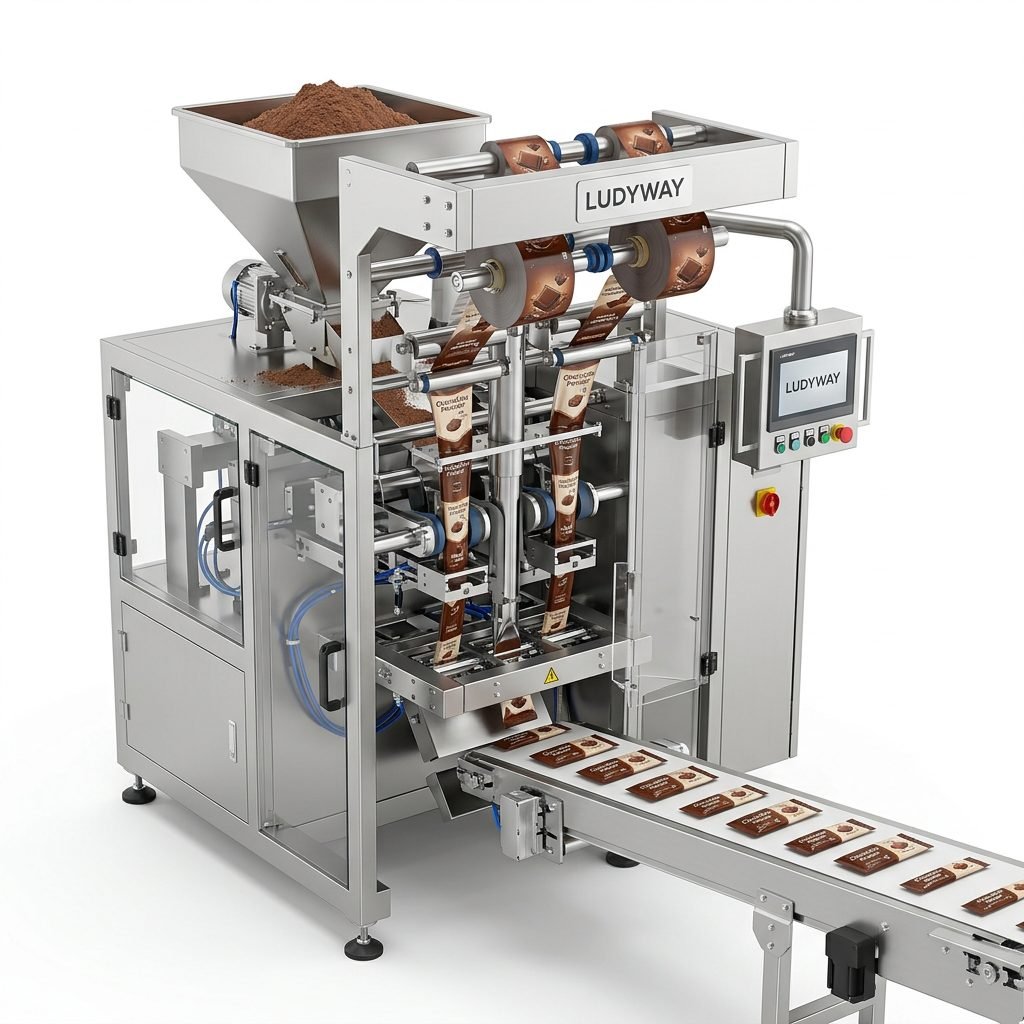
1. Granule & Powder Matrix Packers
These are the most common types, designed for free-flowing products like instant coffee, sugar, protein powder, spices, and medicinal granules. They utilize precision auger fillers for each lane, ensuring weight accuracy and minimizing product giveaway. Advanced models feature integrated checkweighers and feedback systems for real-time correction.
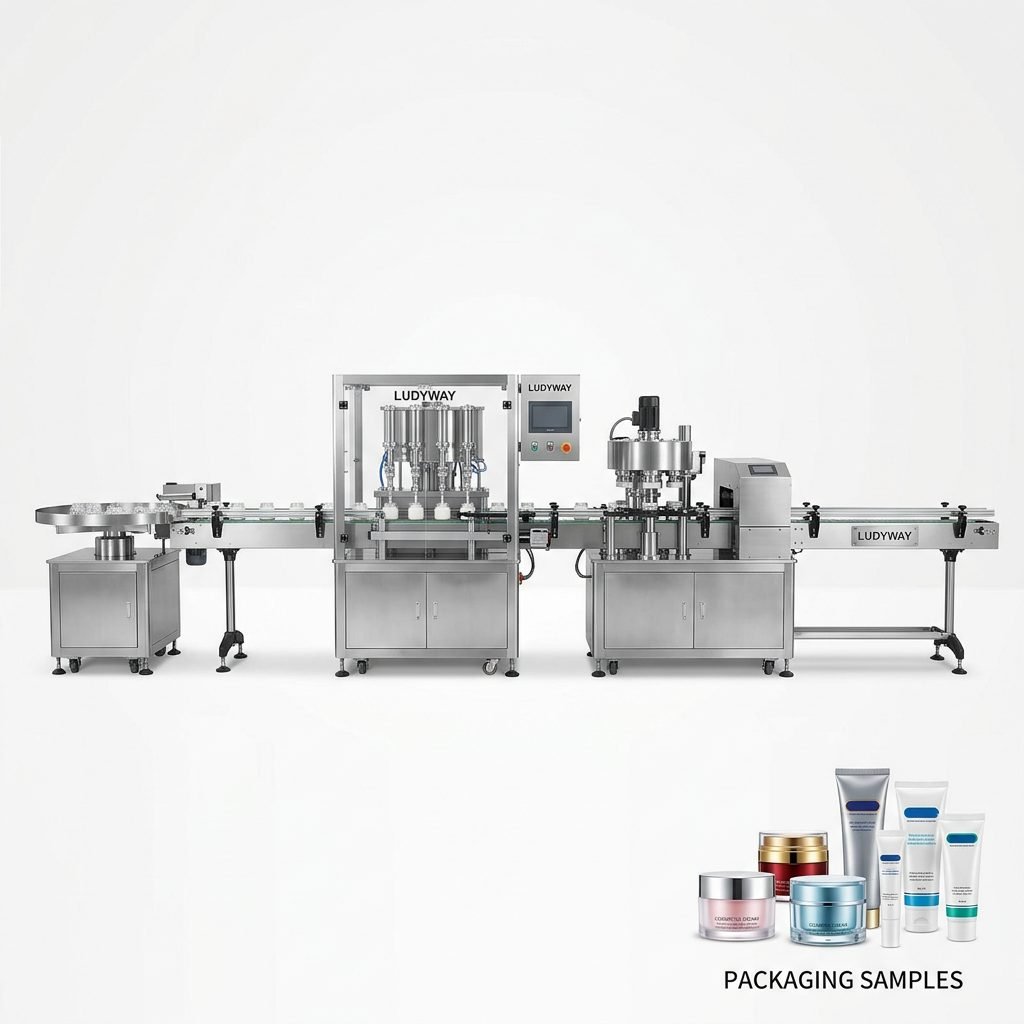
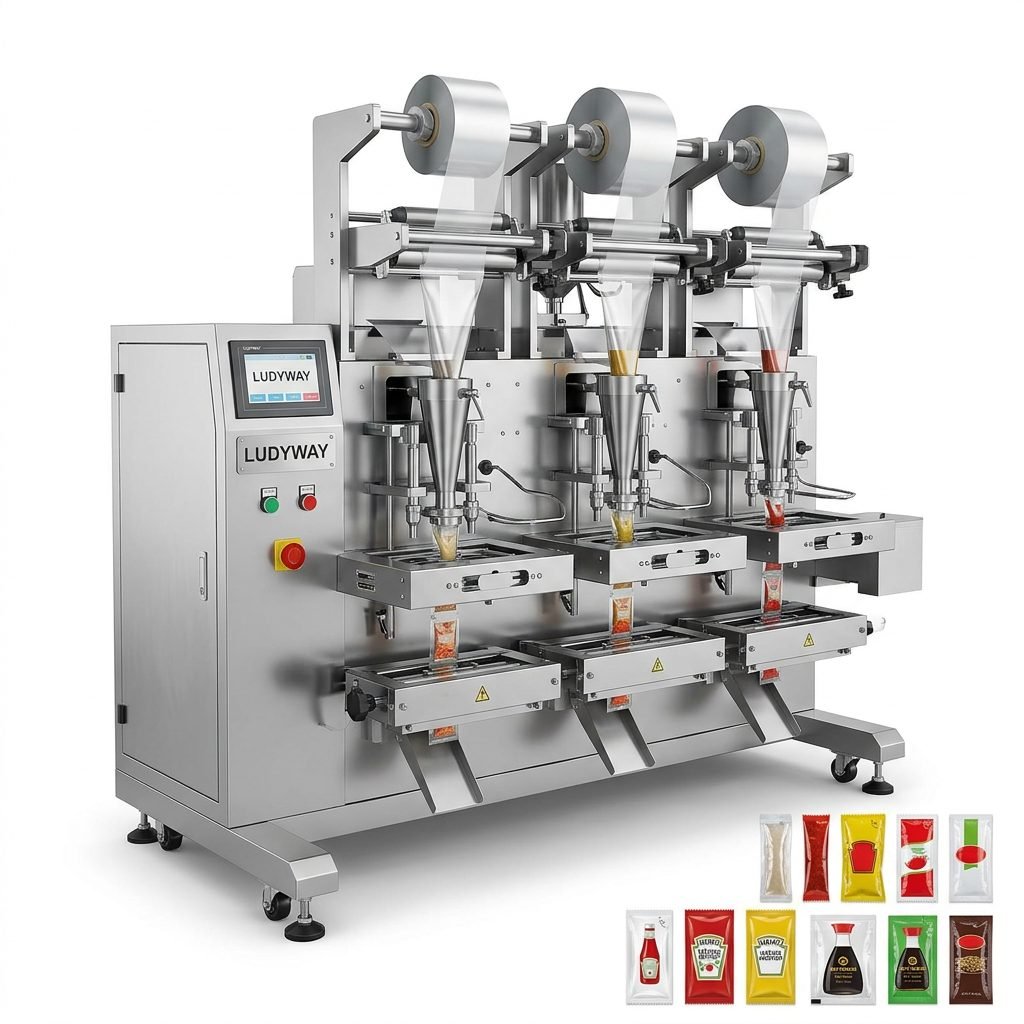
2. Liquid & Paste Matrix Fillers
Engineered for viscous products such as sauces, condiments, shampoo sachets, lubricants, and liquid supplements. They employ piston pumps or timed-flow fillers. A critical feature is the no-drip nozzle system, which ensures clean sealing and prevents cross-contamination between lanes, maintaining hygiene and product integrity.
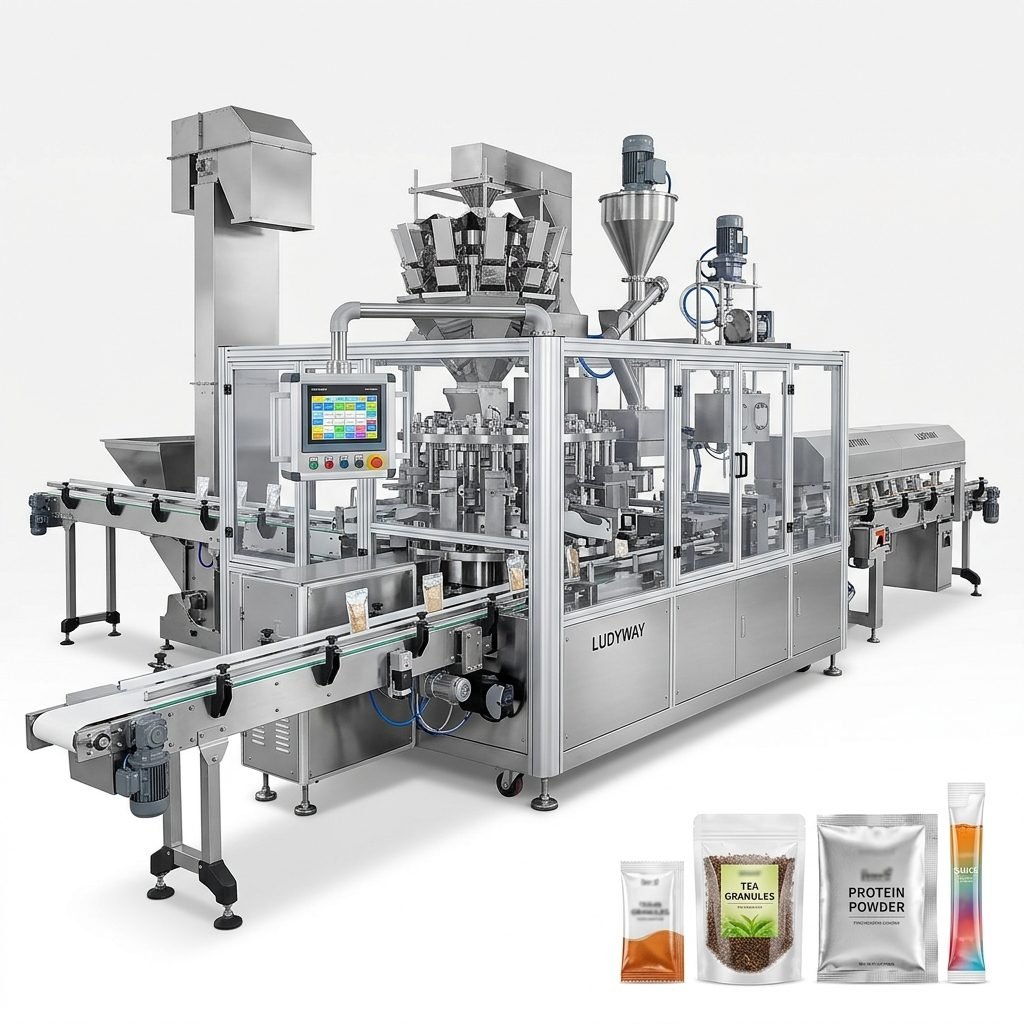
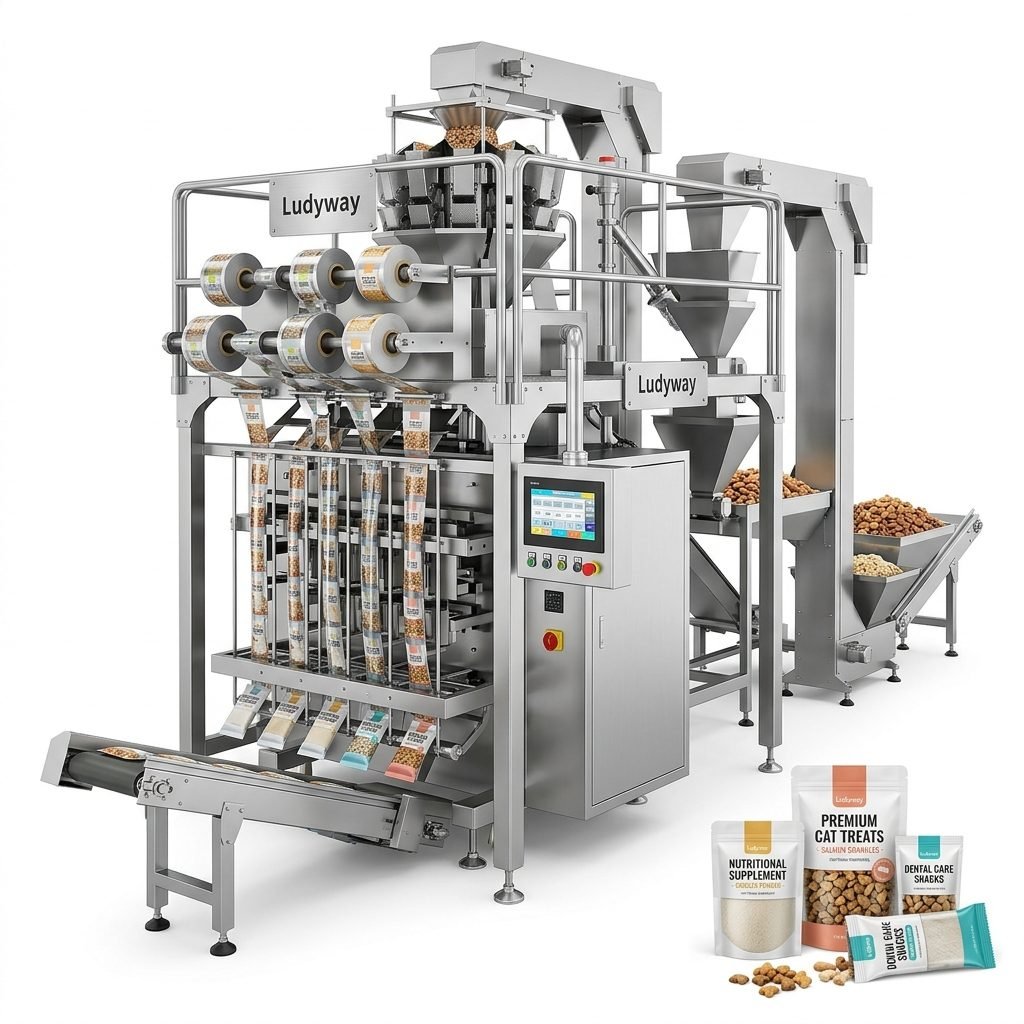
3. Multi-Head Weighing Matrix Systems
For products requiring high-speed, precise combination weighing (like snacks, nuts, or hardware items), these systems integrate multi-head weighers that distribute product to multiple VFFS lanes. This represents the pinnacle of speed and accuracy for combination-weighted goods.
Industry Application Spotlight
Matrix packaging machines are ubiquitous across consumer goods industries:
- Food & Beverage: Single-serve coffee sticks, sugar sachets, sauce packets, drink mixes, and powdered milk.
- Pharmaceutical & Nutraceutical: Powdered electrolyte sticks, vitamin sachets, OTC medicine powders, and effervescent granules.
- Personal Care & Chemicals: Shampoo and conditioner sachets, lotion packets, detergent doses, and lubricant packs.
Their ability to create convenient, portable, and hygienic single-use packages drives demand in markets worldwide, adapting to local preferences for on-the-go consumption.
How to Choose the Right Matrix Packaging System
Selecting the optimal system is a strategic decision. Here is a step-by-step framework to guide your evaluation.
Step 1: Analyze Your Product Characteristics
This is the foundational step. The product’s physical form dictates the core technology of the machine.
- Flowability: Is it a free-flowing powder, a cohesive granule, or a viscous liquid? This determines the filler type (auger vs. piston pump).
- Hygroscopicity/Abrasiveness: Some powders may clump or are abrasive, requiring specific hopper designs and auger materials.
- Required Accuracy: Pharmaceutical applications often need ±1% accuracy or better, demanding higher-precision dosing systems.
Step 2: Define Your Output & Speed Requirements
Calculate your required pouches-per-minute (PPM) based on current and projected demand. Remember, a 10-lane machine will typically produce 10x the output of a single lane at the same cycle speed. Ensure the machine’s maximum speed has a 15-20% buffer above your target to accommodate future growth and peak periods.
Step 3: Consider Packaging Materials & Pouch Specifications
The machine must be compatible with your chosen laminate film (e.g., PET/AL/PE, PET/MPET/PE). Specify:
- Pouch dimensions (width, length).
- Seal type (fin seal, pillow seal, 4-side seal).
- Need for gas flushing or vacuum for product preservation.
Step 4: Evaluate Automation & Integration Needs
Consider the machine’s place in your production line.
✔ Key Integration Points: Does it need to connect to an upstream mixer or feeder? Should it include downstream equipment like a cartoner, case packer, or vision inspection system? Choosing a supplier like Ludyway Packing Machine that offers turnkey solutions can streamline this integration, ensuring all components work harmoniously.
Step 5: Assess Supplier Capability and Support
The machine is a long-term investment. The supplier’s reputation is paramount.
- Experience & Customization: Look for a supplier with proven experience in your industry and the ability to customize solutions. With over 30 years of industry experience, suppliers like Ludyway understand diverse application challenges.
- Technical Support & Spare Parts: Ensure robust after-sales service, training, and readily available spare parts. A global service network is crucial for international operations.
- Manufacturing Quality: Investigate the supplier’s production facilities. A modern, sizable facility (e.g., 20,000㎡) often correlates with better quality control and production capacity.
For a deeper understanding of what a reliable partner offers, you can explore their company profile and history.
Conclusion
Investing in a matrix packaging system is a significant step toward achieving higher efficiency, consistency, and scalability in your packaging operations. By meticulously analyzing your product, output goals, and integration requirements, and by partnering with a credible and experienced equipment provider, you can implement a system that delivers a strong return on investment. The modular and high-speed nature of matrix packaging makes it a future-proof choice for brands looking to thrive in competitive, fast-moving consumer markets. For insights into implementing such advanced solutions, reviewing a supplier’s approach to professional packaging expertise can be highly valuable.
Frequently Asked Questions (FAQs)
What is the main difference between a single-tube and a matrix packaging machine?
The core difference is in the number of parallel packaging lanes. A single-tube machine has one lane, producing one pouch at a time. A matrix machine has multiple lanes (e.g., 4, 6, 8, 10, or more) operating simultaneously from a single film web and control system, dramatically increasing output for the same floor space.
Can one matrix machine handle different types of products (e.g., powder and granules)?
While a machine is typically optimized for a product type (e.g., powders via augers), many models are designed for flexibility. By changing the dosing system (e.g., swapping augers for liquid pumps) and adjusting parameters, some machines can handle a range of products. However, significant changeovers may require downtime and technical adjustment.
How important is weight accuracy in matrix packaging, and how is it controlled?
Weight accuracy is critical for cost control (reducing giveaway) and regulatory compliance (especially in food and pharma). High-end matrix systems achieve this through servo-driven augers with high-resolution encoders, integrated checkweighers that provide feedback for automatic correction, and sophisticated software that monitors and adjusts each lane independently.
What are the key maintenance requirements for a matrix packer?
Regular maintenance is essential for longevity and consistent performance. Key tasks include daily cleaning of product contact parts (hoppers, augers, funnels), lubrication of moving parts as per the manual, inspection and cleaning of sealing jaws, and periodic calibration of the weighing/dosing system. A good supplier will provide a comprehensive maintenance schedule and training.
What level of operator training is typically required?
Modern matrix machines with user-friendly HMIs require basic mechanical aptitude and computer literacy. Operators need training on routine operation, film loading, simple changeovers for pouch size, basic troubleshooting (e.g., film jams, seal alarms), and safety procedures. Training is usually provided by the equipment supplier during installation.