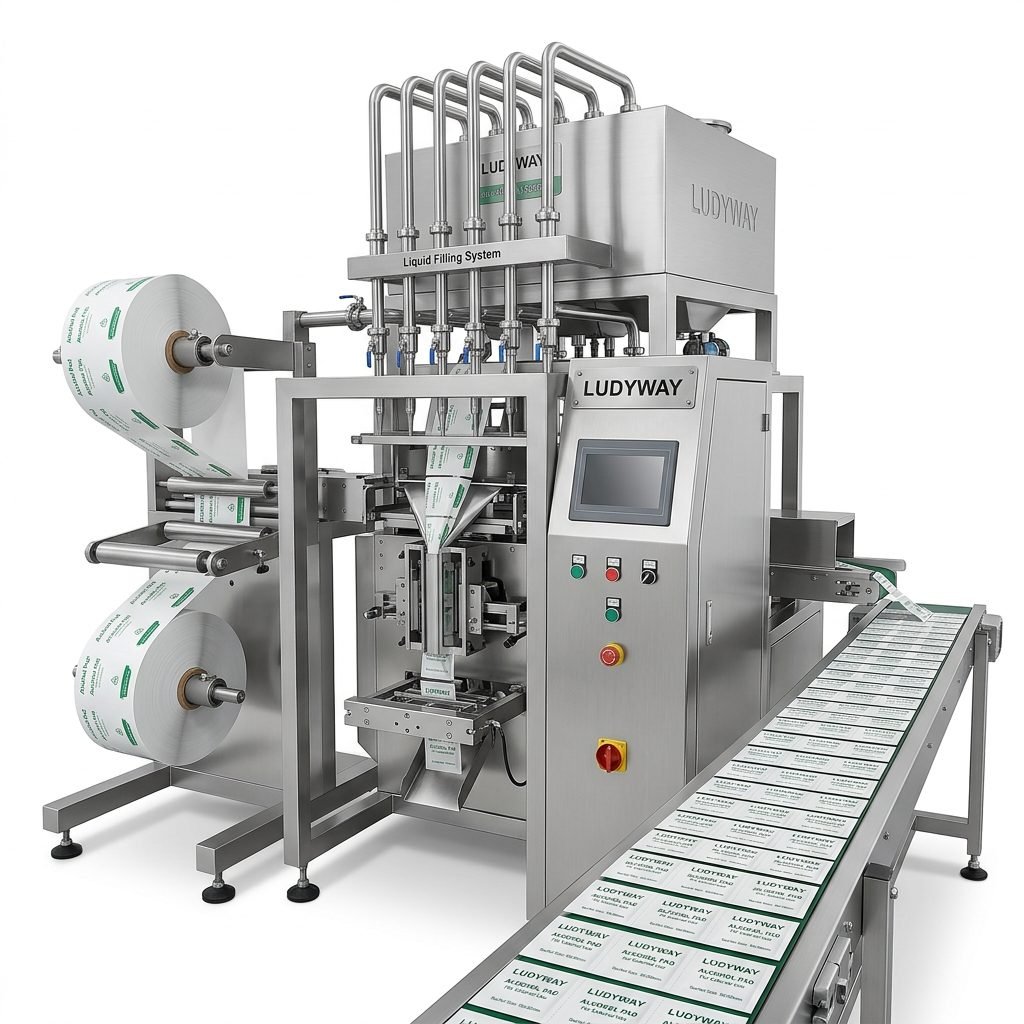
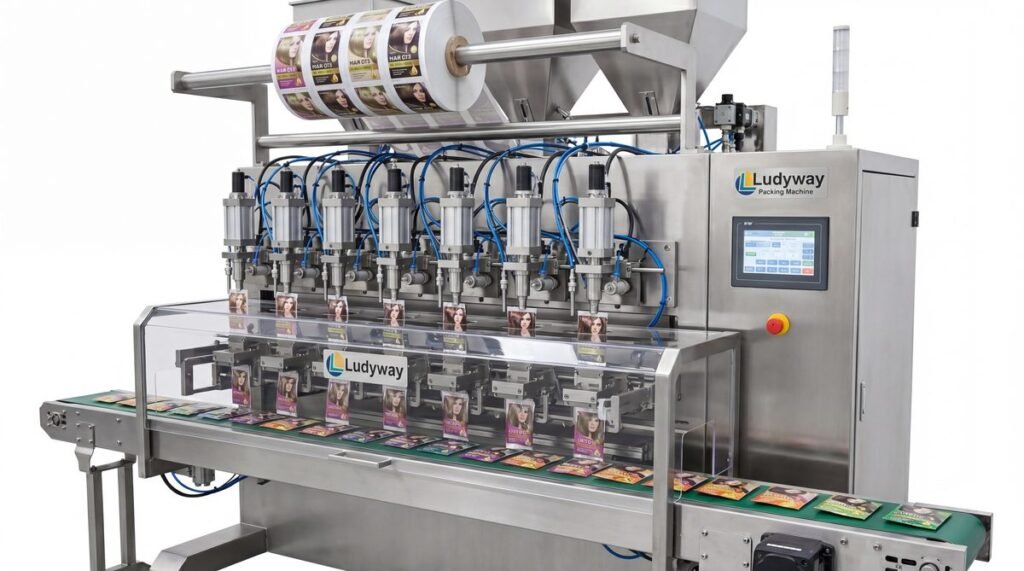
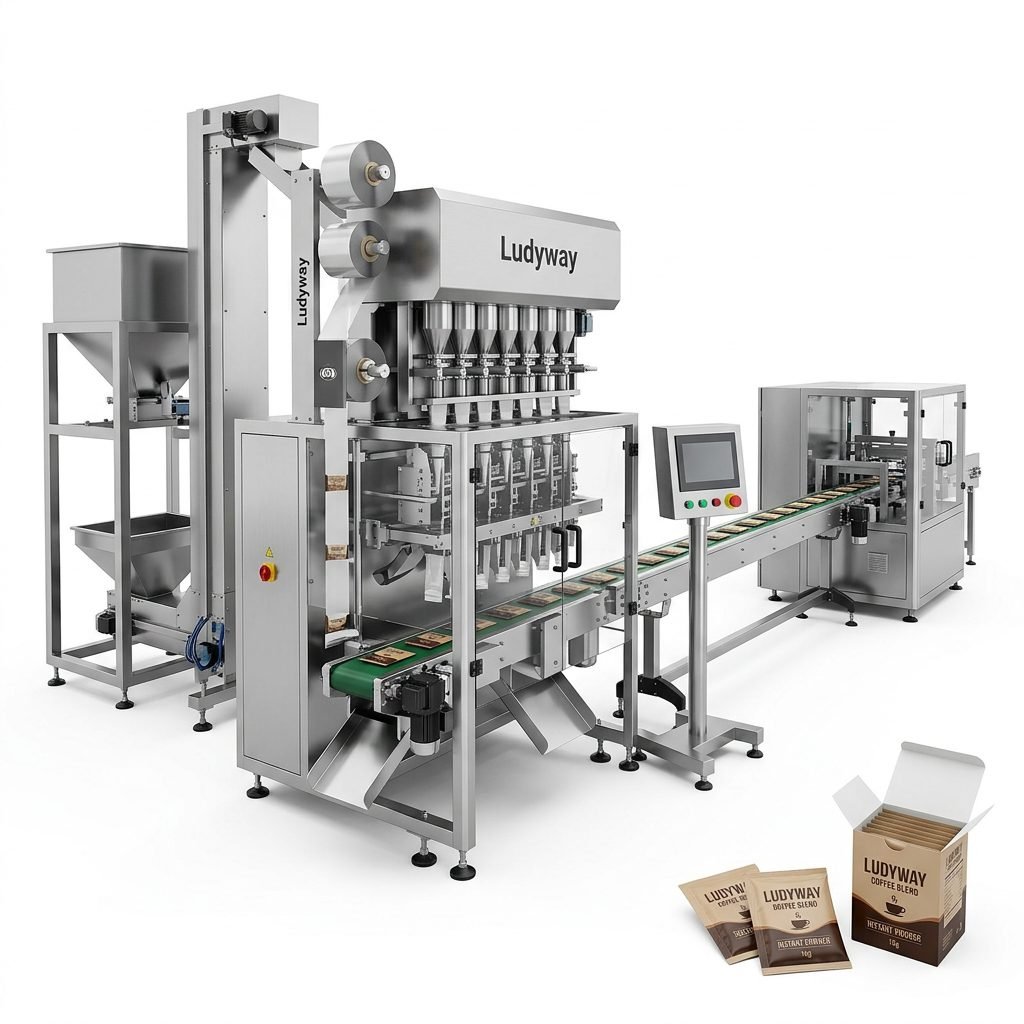
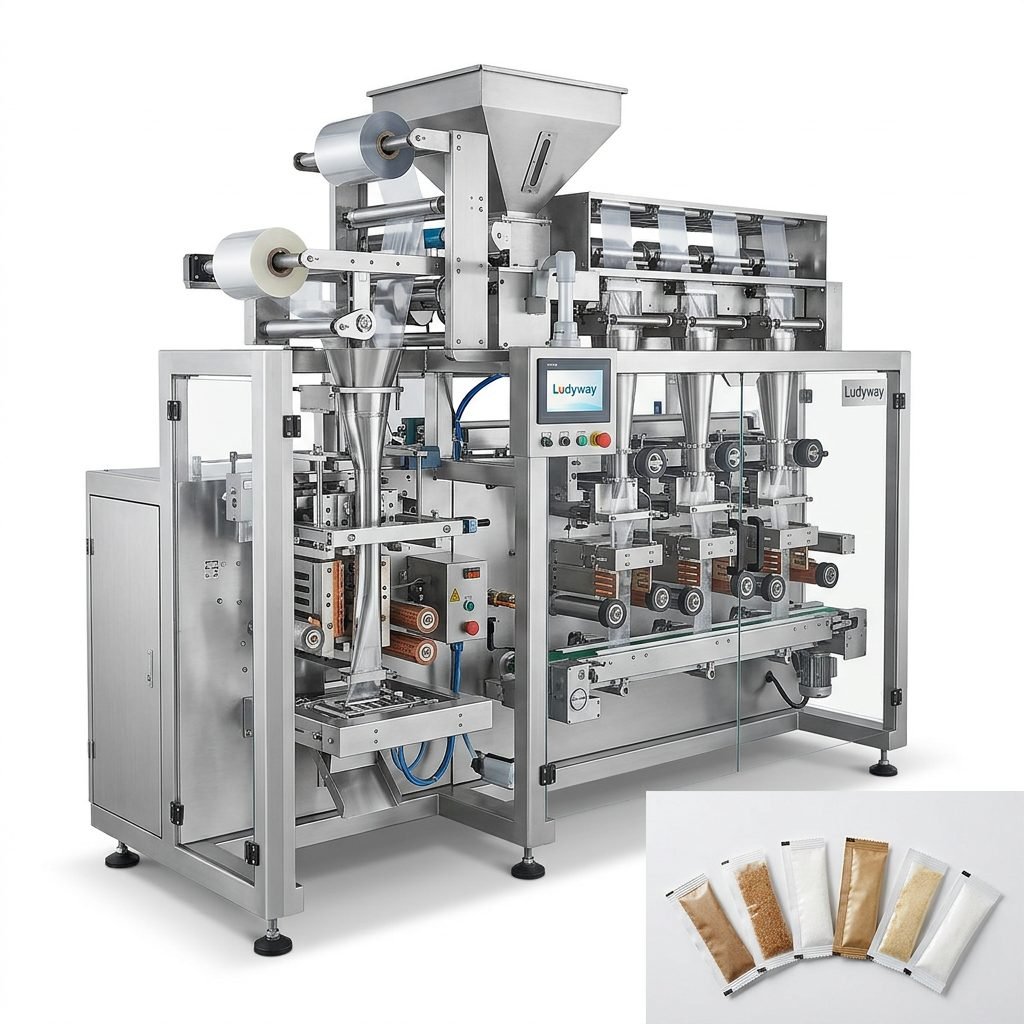
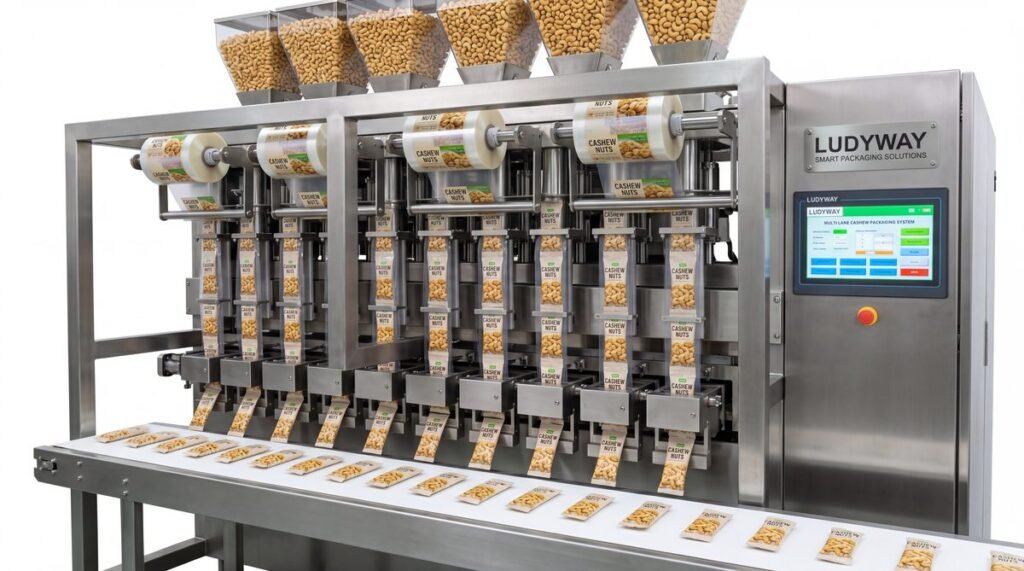
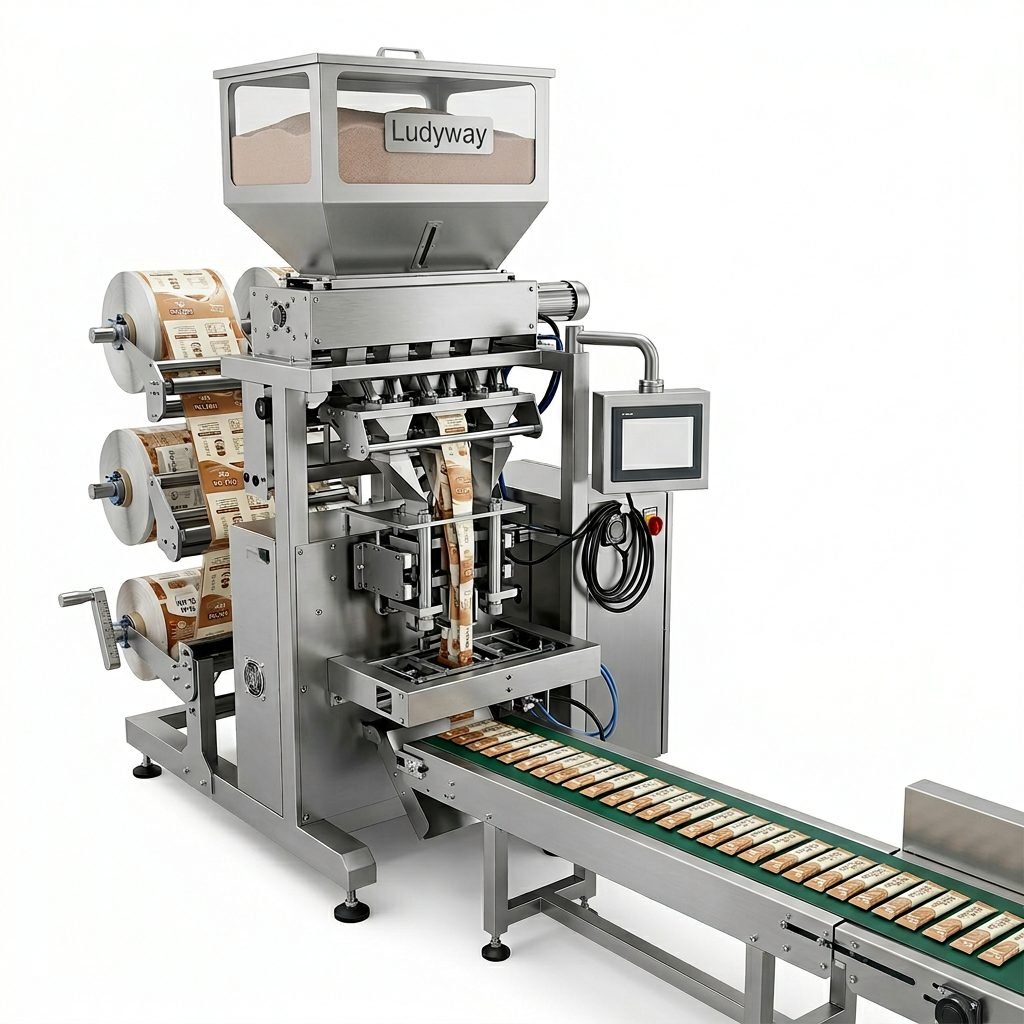
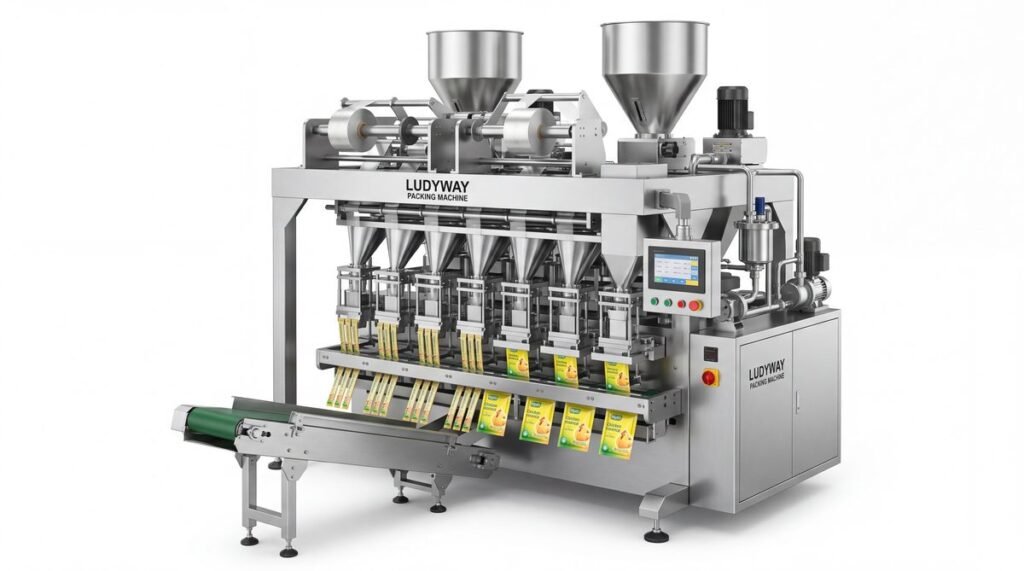
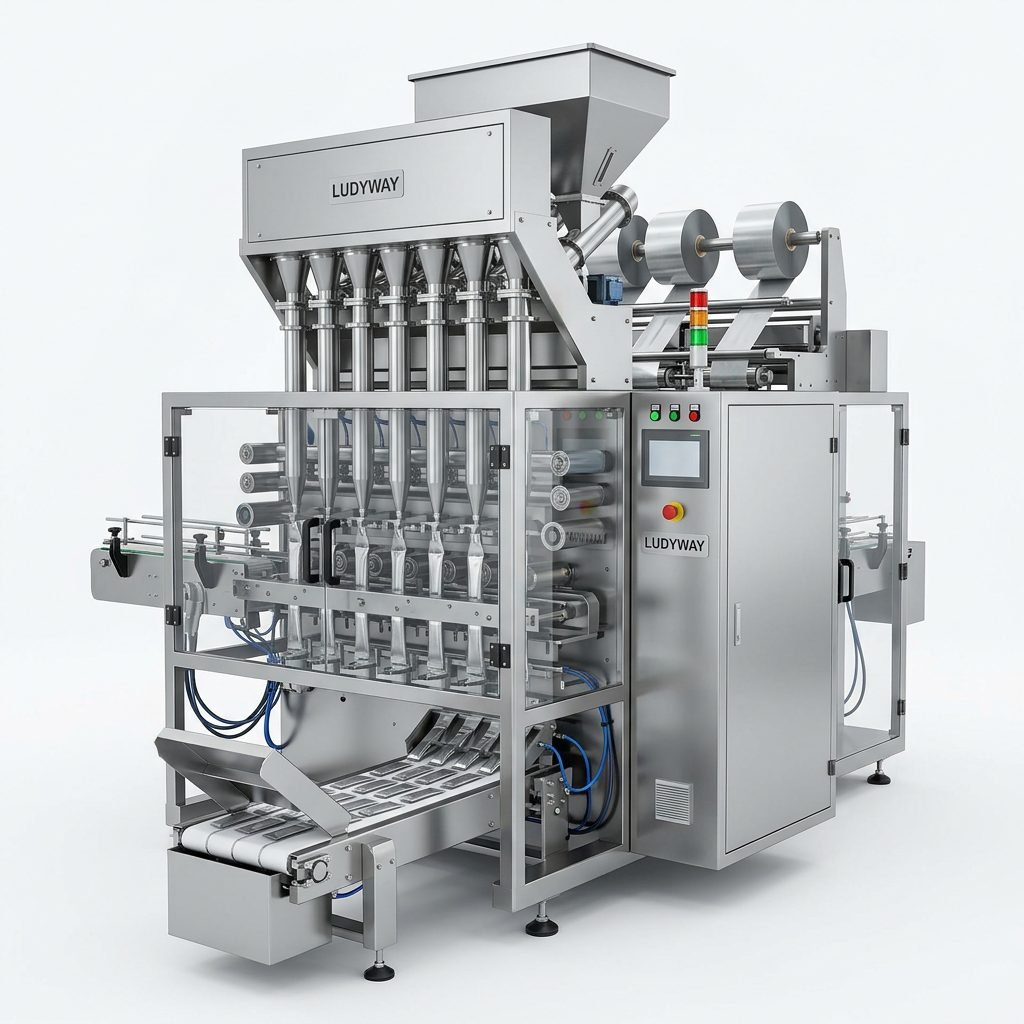
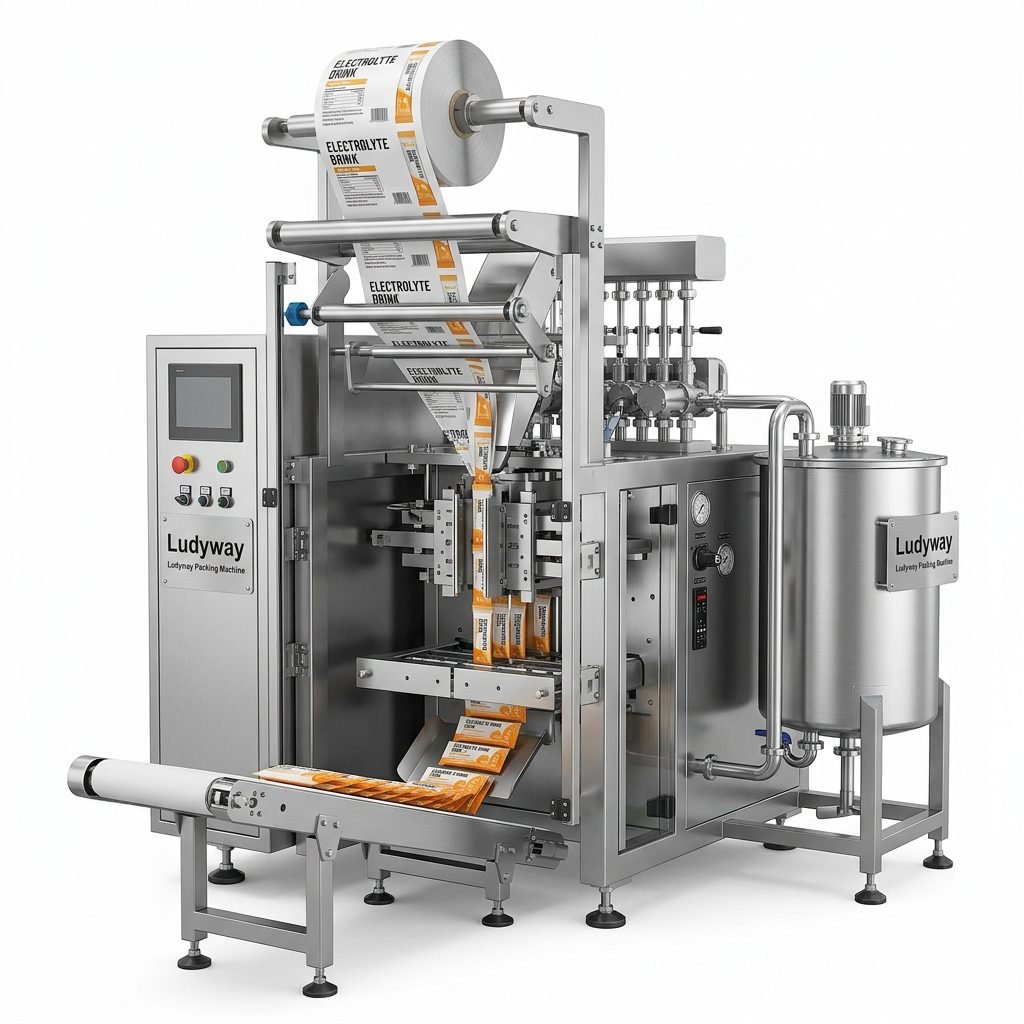
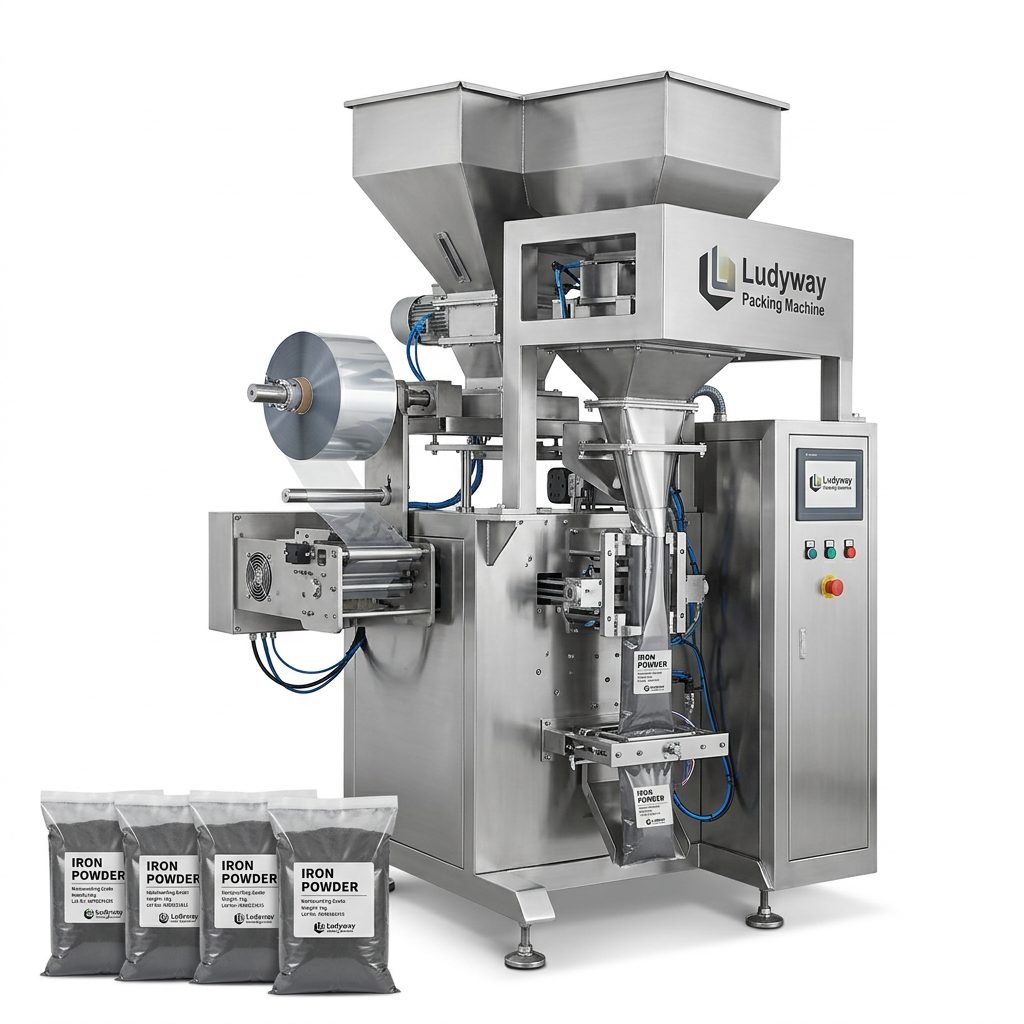
In the fast-paced world of industrial manufacturing, efficiency and precision are paramount. For industries dealing with hardware components, particularly fasteners and screws, managing vast quantities of small items presents a unique logistical challenge. The manual processes of counting, weighing, and bagging are not only time-consuming but also prone to errors, leading to inventory discrepancies and customer dissatisfaction. This is where the innovation of hardware packaging machines comes into play, revolutionizing the way these essential components are handled, packaged, and distributed.
The Critical Need for Automated Packaging in Hardware Industries
The hardware sector, encompassing construction, automotive, electronics, and DIY retail, relies heavily on the consistent supply of screws, bolts, nuts, and other fasteners. These items are often sold in specific counts or weights. Traditional manual packaging is inefficient for high-volume orders. An automatic hardware packaging machine addresses this by integrating three core functions: automatic weighing, precise counting, and high-speed bagging. This trifecta of automation ensures that every package meets the exact specified quantity or weight, enhancing operational throughput and accuracy.
Core Advantages of Automated Fastener Packaging
Unmatched Speed and Productivity: These machines can process thousands of pieces per hour, far surpassing manual capabilities. This speed is crucial for meeting large-scale order deadlines and maintaining smooth production flow.
Extreme Precision and Reduced Error: By utilizing advanced sensors and weighing systems, the machines eliminate human counting errors. This ensures every bag contains the exact number of screws, critical for B2B transactions and retail consumer trust.
Significant Labor and Cost Savings: Automation reduces dependency on large manual labor teams for packaging, lowering long-term operational costs and minimizing risks associated with repetitive manual tasks.
Enhanced Flexibility and Customization: Modern machines can be programmed for different bag sizes, counts (e.g., 100, 500, 1000 pieces), and weights. They can handle a variety of fastener types, from small electronic screws to larger construction bolts.
Deep Dive into Machine Functionality: Weighing, Counting, and Bagging
The process within an automated packaging line is a seamless symphony of mechanical and electronic components.
1. The Precision of Automatic Weighing Systems
For fasteners sold by weight, high-accuracy load cells or electronic scales are integrated. Bulk fasteners are fed into a weighing hopper. The system weighs the contents to a pre-set target (e.g., 1kg, 5lbs). Once the target weight is achieved, a signal triggers the discharge of the batch into the bagging pathway. This method is ideal for bulk industrial sales where exact weight is more critical than exact count.
2. The Accuracy of High-Speed Counting Mechanisms
Counting is the most common requirement for retail packaging. Technologies used include:
➤ Vibratory Feeders with Optical Sensors: Parts are aligned and singulated on a vibrating tray. An optical sensor counts each piece as it passes a specific point.
➤ Rotary Disc Counters: Fasteners fall into precisely sized pockets on a rotating disc. Each full rotation corresponds to a known count, offering very high speed.
➤ Advanced Image Recognition Systems: Cameras and software identify and count parts even in a slightly scattered feed, providing flexibility for non-uniform items.
The counted batch is then channeled directly to the bagging unit.
3. The Efficiency of Integrated Bagging Solutions
Once the correct quantity or weight is assembled, the bagging station takes over. This involves:
➤ Bag Forming and Opening: The machine forms a bag from a roll of flat packaging film (polyethylene, polypropylene) or picks and opens pre-made bags.
➤ Product Insertion: The batch of fasteners is funneled into the open bag.
➤ Sealing and Closing: The bag is sealed using heat sealing, ultrasonic sealing, or adhesive. Options include zipper seals for reusable bags.
➤ Labeling and Discharge: The sealed bag can be automatically labeled with product information, count/weight, and barcodes before being discharged onto a conveyor or collection bin.
Choosing the Right Machine for Your Fastener Packaging Needs
Selecting an optimal packaging solution requires evaluating several key factors specific to your operation.
Key Selection Criteria
Product Characteristics: Consider the size, shape, and material of your fasteners. Machines are configured for different size ranges and can handle metallic, plastic, or coated parts.
Required Output Speed (Packages/Hour): Match the machine’s maximum speed with your production volume demands. High-speed multi-lane machines are available for massive outputs.
Packaging Specifications: Define your bag type (roll film vs. pre-made), bag size, and sealing method. Ensure the machine is compatible.
Level of Automation Integration: Decide if you need a standalone bagger or a fully integrated line with upstream feeding (from bulk bins) and downstream handling (case packing).
Budget and ROI Considerations: Evaluate the investment against the savings in labor, reduced errors, and increased capacity. A professional supplier can help calculate the long-term return.
Partnering with an experienced manufacturer like Ludyway Machinery is crucial. With deep industry knowledge, they can recommend the best model, whether it’s a dedicated counting machine or a combined weighing-counting system, and provide vital technical support and customization options.
The Future of Fastener Packaging: Trends and Innovations
The evolution of packaging technology continues. Future trends for hardware packaging machines include greater integration with IoT (Internet of Things) for real-time production data monitoring, more sophisticated AI-powered vision systems for handling mixed or complex fastener batches, and increased focus on sustainable packaging materials. Machines will become smarter, more connected, and more adaptable to the changing demands of global supply chains.
Conclusion: Investing in Precision and Efficiency
An automatic hardware packaging machine for fasteners and screws is not merely a piece of equipment; it is a strategic investment in operational excellence. It transforms a chaotic, error-prone, and costly process into a streamlined, precise, and profitable operation. By ensuring every bag contains exactly what it promises, these machines build trust with customers and strengthen the brand’s reputation for quality and reliability. In a competitive market, the automation of weighing, counting, and bagging is a decisive step towards future-proofing your hardware packaging and distribution business.
Frequently Asked Questions (FAQs)
1. What types of fasteners can these machines handle?
Modern automatic packaging machines are highly versatile. They can handle a wide range, including small screws for electronics, standard wood screws, nuts, bolts, washers, and even specialty fasteners like anchors. The key is to configure the feeding and counting mechanism (vibratory tray, disc size, sensor settings) to match the specific size and shape of your product.
2. How accurate are the counting and weighing functions?
Accuracy is a primary benefit. Counting accuracy typically exceeds 99.9% for uniform items, thanks to high-precision optical sensors or mechanical counting discs. Weighing accuracy depends on the scale system but is generally within ±1 gram for standard industrial load cells. This high accuracy eliminates giveaway and short-count issues.
3. Can the machine print labels or apply barcodes to the bags?
Yes, many models offer integrated labeling solutions. This can be a simple date/batch code printer or a more advanced system that prints variable data, including product description, count/weight, and barcodes (UPC, QR codes). The labeling unit is often positioned just before or after the sealing stage.
4. What is the typical output speed of such a machine?
Output speeds vary greatly based on machine type and configuration. Single-lane counting baggers can produce 30-60 bags per minute. High-speed multi-lane systems, where multiple counting heads feed into a central bagger, can achieve outputs of 120+ bags per minute. The required speed should be matched to your overall production volume.
5. How do I integrate this machine into my existing production line?
Professional suppliers provide integration support. The machine needs a bulk product feed, which can be from a hopper, conveyor, or directly from a preceding manufacturing step. The output (sealed bags) can be discharged onto a conveyor leading to a manual collection point or an automated case packer. Electrical and control system integration is also provided to ensure smooth operation within your line.