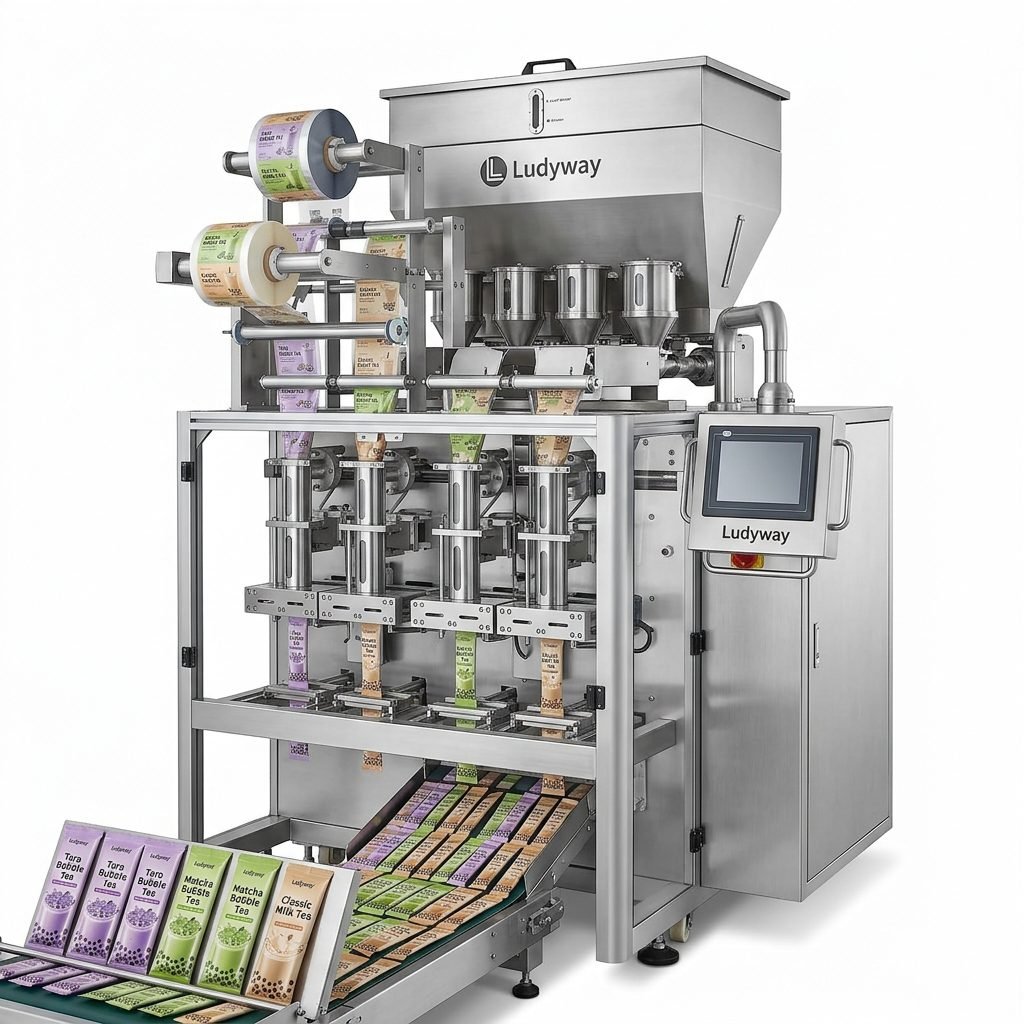
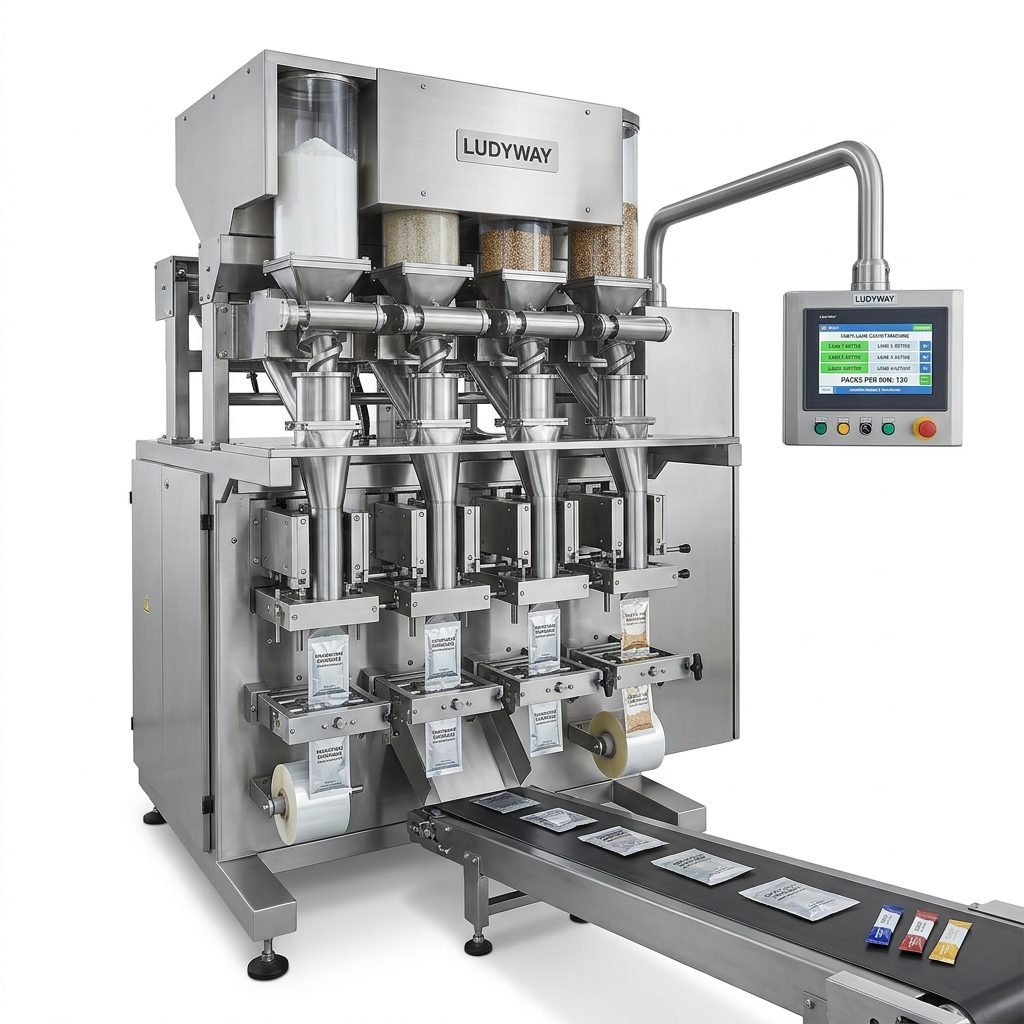
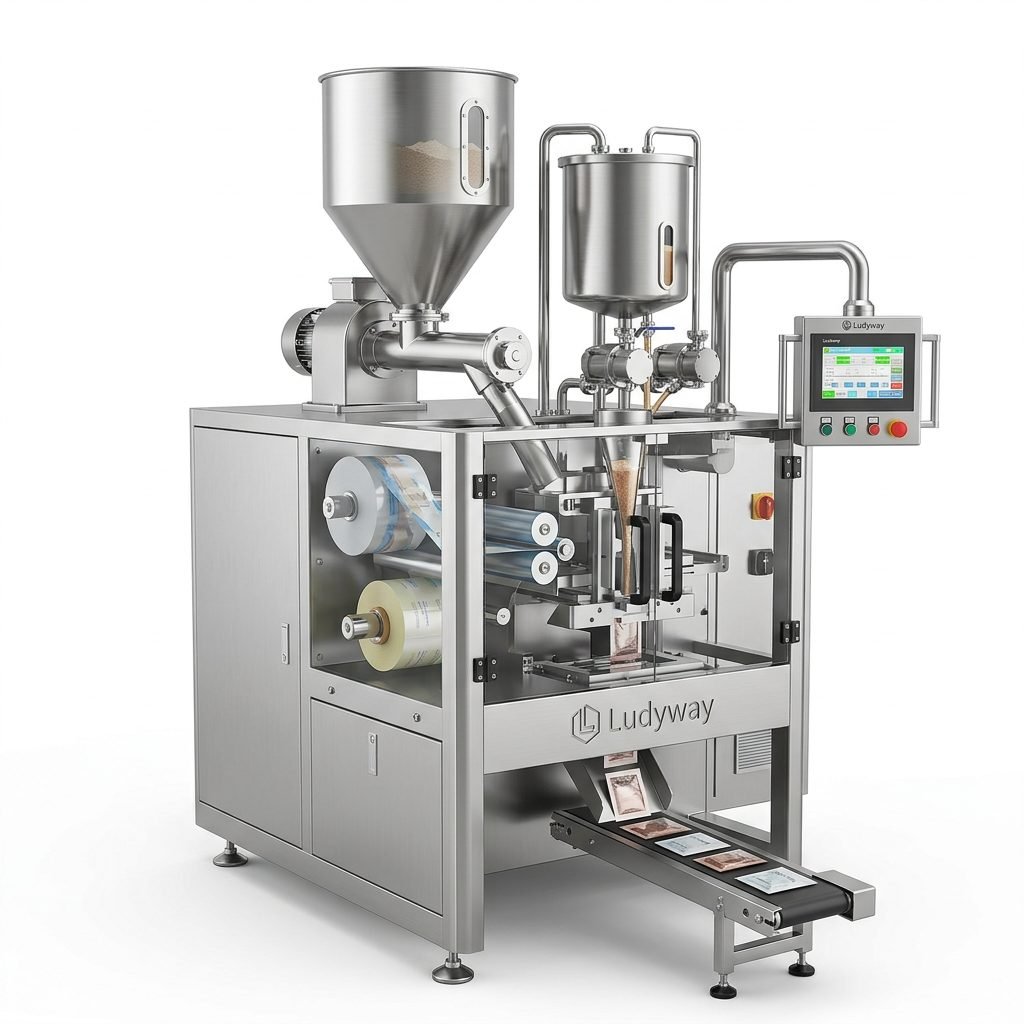
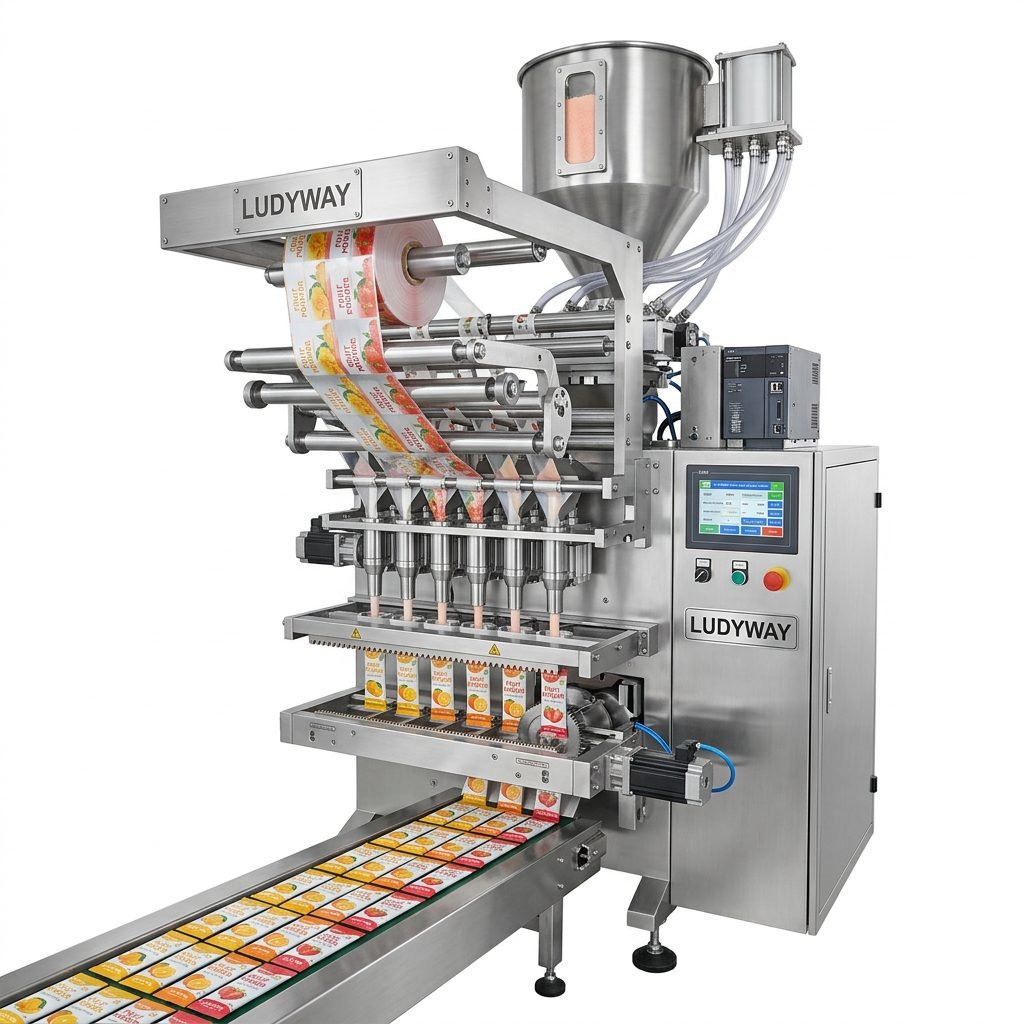
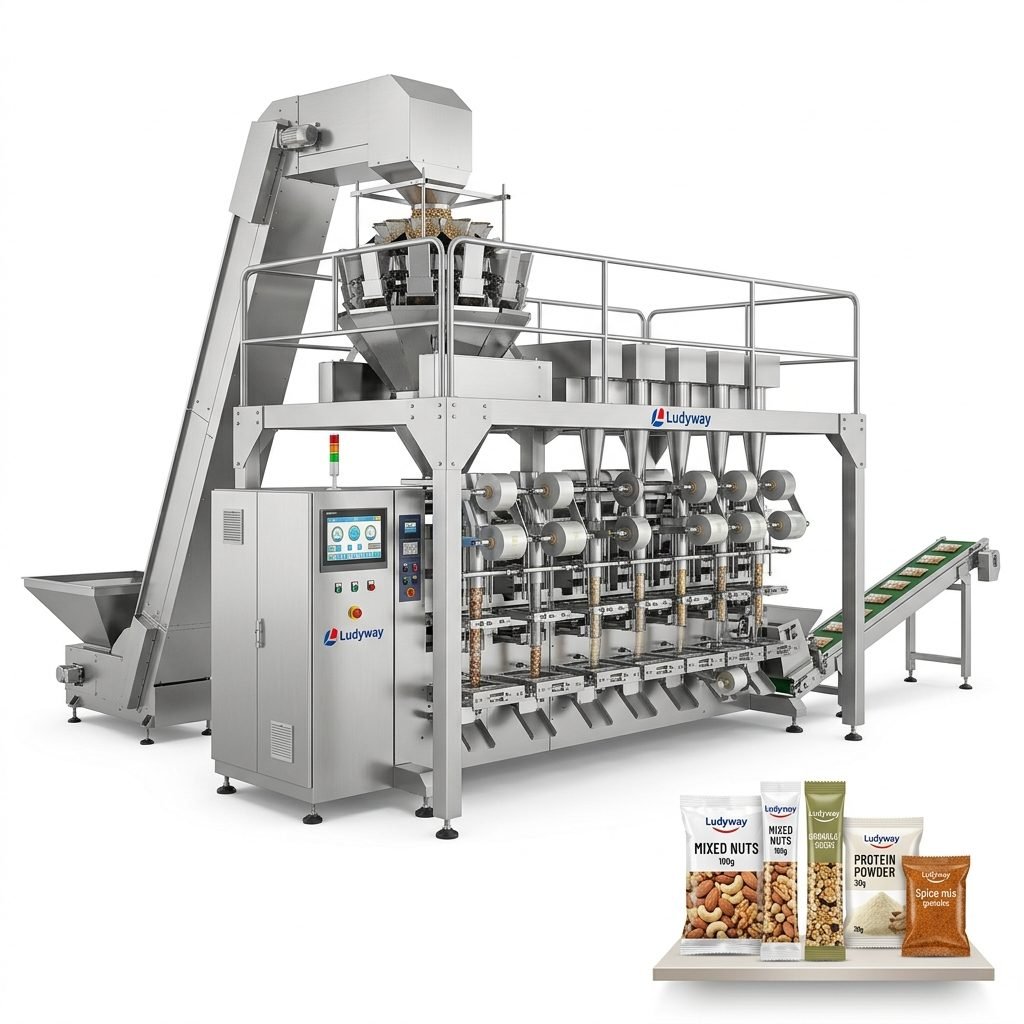
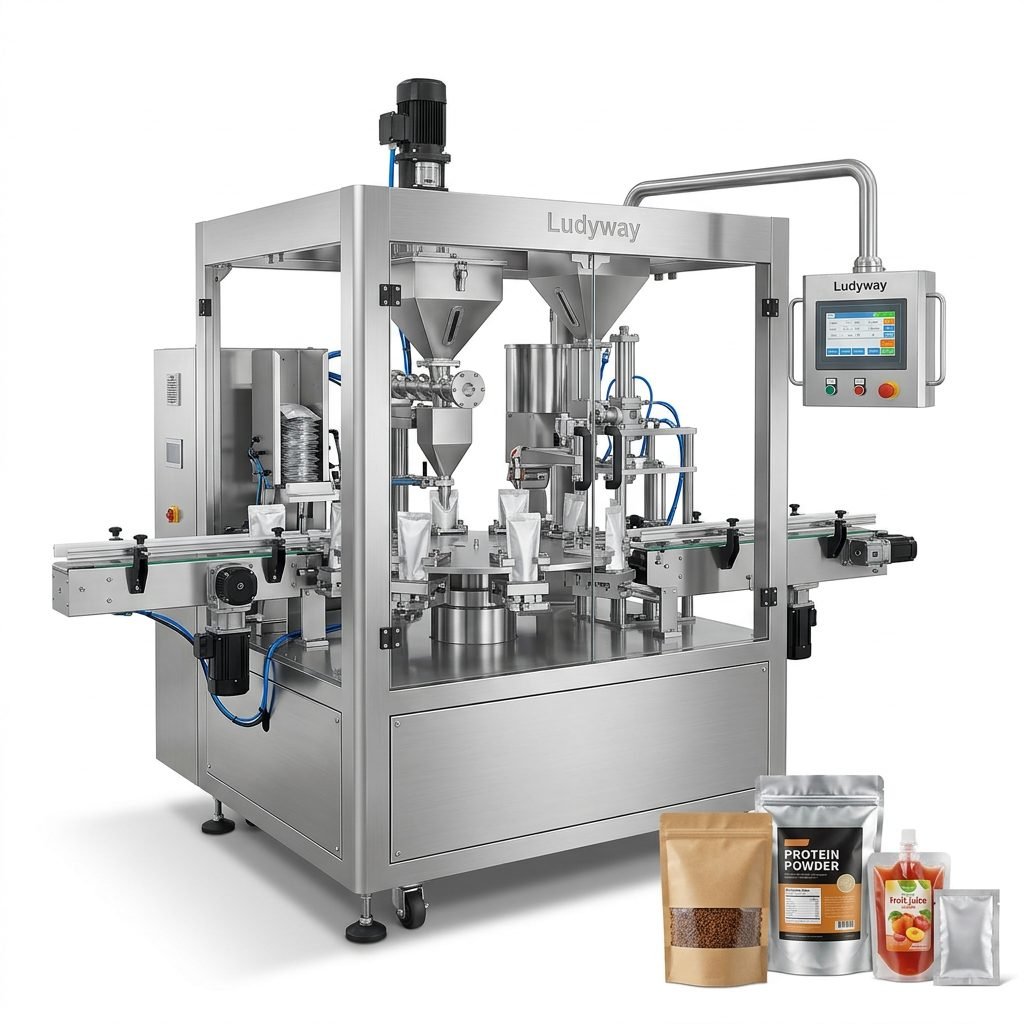
In today’s fast‑paced manufacturing landscape, achieving high‑speed, reliable, and consistent packaging is a critical competitive advantage. For automated production lines, the choice of packaging equipment directly impacts throughput, product quality, and overall operational efficiency. High‑efficiency MMC (Multi‑Module Configuration) packaging equipment represents a significant leap forward, offering modular, scalable, and intelligent solutions designed to integrate seamlessly into modern automated environments.
What is High‑Efficiency MMC Packaging Equipment?
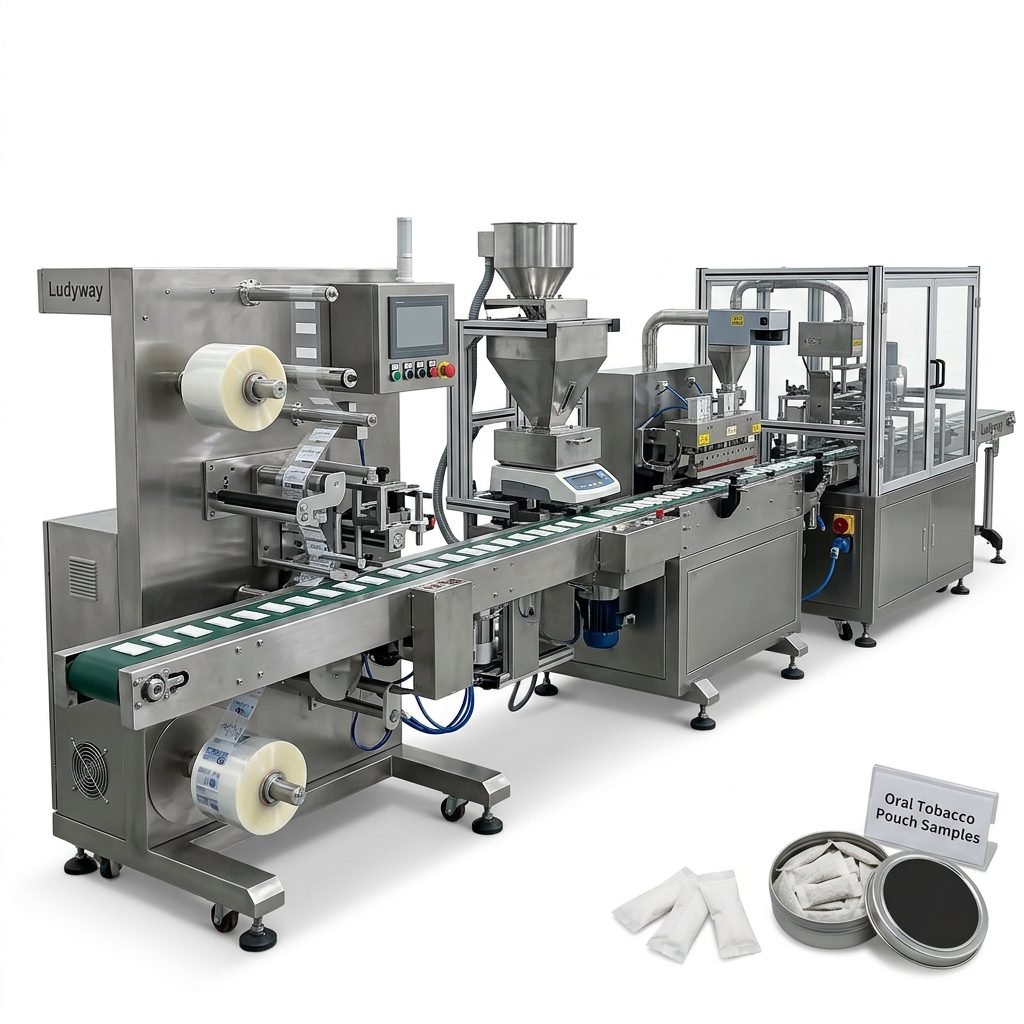
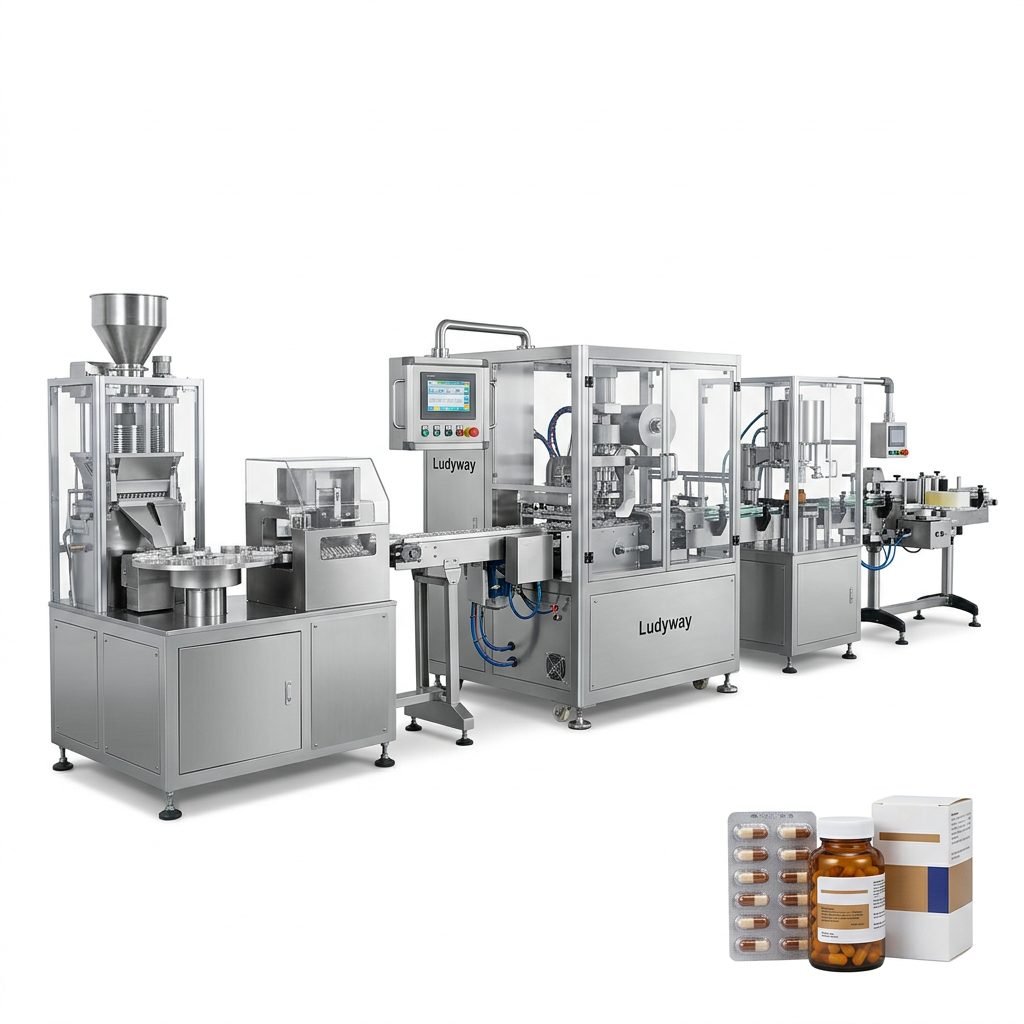
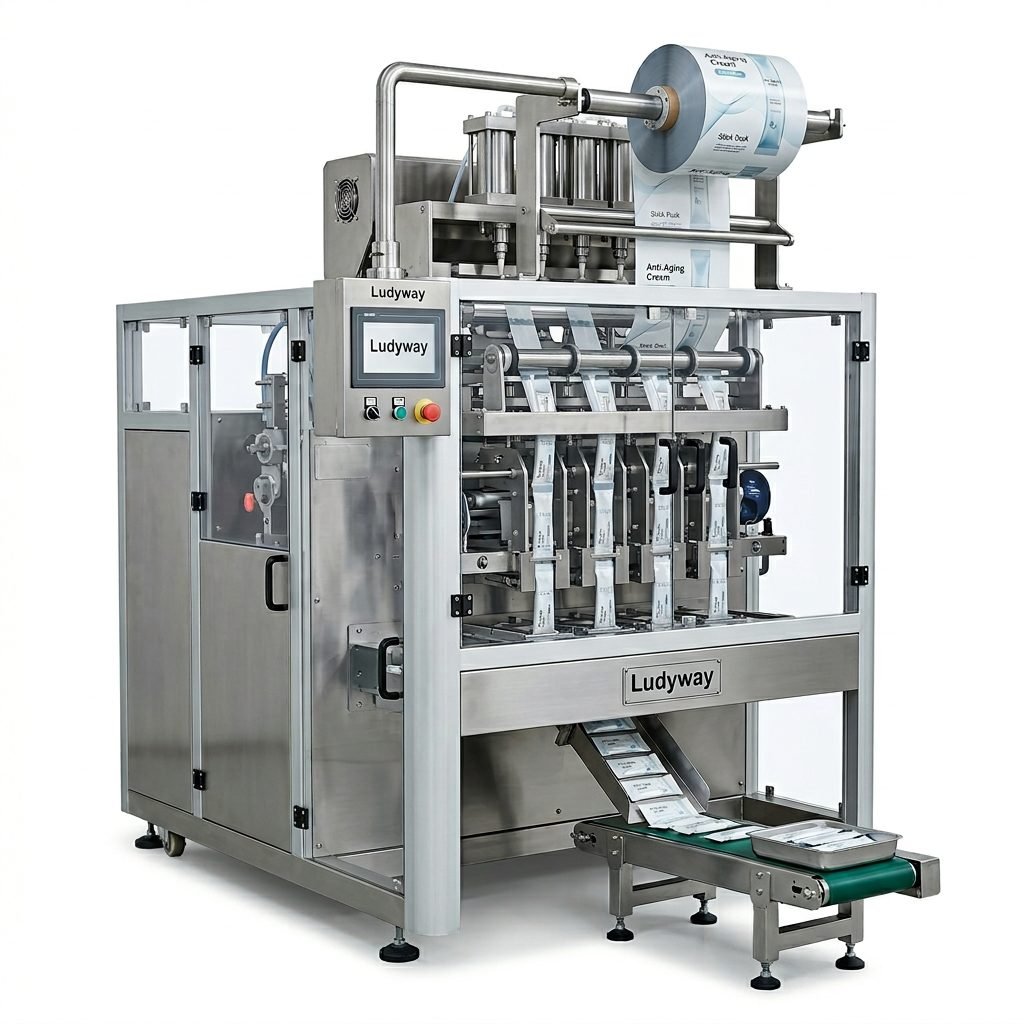
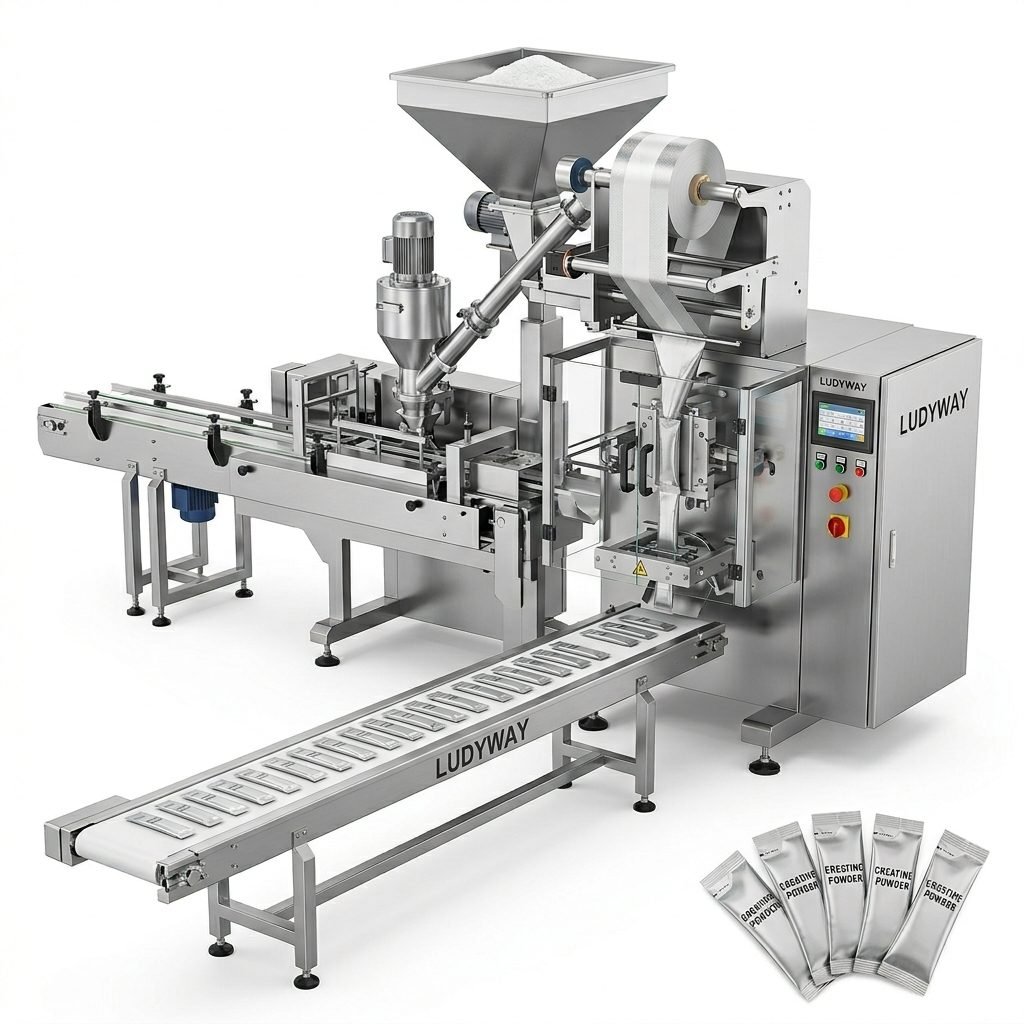
MMC packaging equipment refers to a system built on a modular architecture. Instead of a single, fixed‑function machine, it comprises interchangeable modules—such as feeding, weighing, filling, sealing, and coding units—that can be configured and combined to match specific product and production requirements. This “plug‑and‑produce” philosophy allows for unprecedented flexibility.
Core Advantages of the MMC Approach:
- Rapid Changeover: Switch between product formats (e.g., sachets, stick packs) by swapping or reconfiguring modules, minimizing downtime.
- Scalability: Easily expand line capacity or add new functions (like vision inspection) by integrating additional modules.
- High Uptime: Isolate and service a single module without halting the entire production line.
- Precision & Consistency: Each dedicated module is optimized for its specific task, ensuring superior accuracy in dosing, sealing, and finishing.
Key Applications in Automated Production Lines
High‑efficiency MMC systems are particularly transformative in industries where hygiene, precision, and speed are non‑negotiable.
Food & Beverage Industry
From single‑serve condiment sachets to premium coffee stick packs, MMC equipment handles a vast range of products—powders, granules, liquids, and pastes. The ability to maintain sterile conditions and provide gas flushing modules for modified atmosphere packaging (MAP) is crucial for extending shelf life.
Pharmaceutical & Nutraceutical Industry
Compliance with strict regulations (e.g., cGMP) is paramount. MMC systems support this with modules for precision micro‑dosing, lot‑number printing, and 100% check‑weighing, ensuring every unit dose is accurate and traceable.
Daily Chemicals & Agrochemicals
Packaging single‑use detergents, shampoos, or plant nutrients requires robust handling of various viscosities and aggressive chemistries. Corrosion‑resistant modules and precise liquid filling heads make MMC an ideal solution.
Integrating MMC Solutions into Your Automated Line
Successful integration goes beyond simply installing a machine. It involves a holistic view of the production workflow.
Integration Checklist for Optimal Performance:
- Upstream Compatibility: Ensure seamless connection with your existing mixers, conveyors, or product feeders. The MMC infeed module must synchronize perfectly.
- Control System Unification: The MMC equipment should integrate with your central SCADA or MES for real‑time monitoring, data collection, and OEE (Overall Equipment Effectiveness) tracking.
- Downstream Handling: Coordinate with cartoning, case‑packing, or palletizing robots. The output speed and orientation must be aligned.
- Validation & Training: Conduct thorough FAT (Factory Acceptance Testing) and SAT (Site Acceptance Testing). Comprehensive operator and maintenance training is essential for long‑term success.
Partnering with an experienced provider like Ludyway Machinery can streamline this process. With over 30 years of industry experience, they offer not just equipment but complete turnkey solutions, from initial line design to after‑sales support, ensuring a smooth transition to high‑efficiency automated packaging.
The Role of Industry 4.0 and Smart Features
Modern high‑efficiency MMC equipment is the physical gateway to a smart factory. Embedded IoT sensors collect data on machine health, production speed, and maintenance needs. Predictive analytics can forecast component wear, while remote diagnostics allow experts to troubleshoot issues virtually, reducing mean time to repair (MTTR). These features transform packaging from a cost center into a source of valuable operational intelligence.
Future‑Proofing Your Investment
The modular nature of MMC equipment inherently future‑proofs your production line. As market demands shift or new technologies emerge, you can upgrade specific modules instead of replacing the entire system. This adaptability protects your capital investment and ensures your packaging line remains competitive for years to come.
Conclusion
High‑efficiency MMC packaging equipment is more than just machinery; it is a strategic enabler for automated production lines. By delivering unmatched flexibility, precision, and scalability, it empowers manufacturers to respond swiftly to market changes, maintain impeccable quality standards, and maximize production uptime. For businesses aiming to thrive in an automated future, investing in a well‑integrated MMC packaging solution is a decisive step toward greater productivity and profitability.
Frequently Asked Questions (FAQs)
1. What is the main difference between traditional packaging machines and MMC equipment?
Traditional machines are often monolithic with fixed functions. MMC (Multi‑Module Configuration) equipment is built from independent, interchangeable modules (filling, sealing, coding, etc.) that can be combined and reconfigured for different products, offering far greater flexibility and easier maintenance.
2. How does MMC equipment improve overall line efficiency (OEE)?
It boosts OEE by minimizing changeover time, allowing parallel processing, and enabling module‑specific maintenance without full line stoppages. Advanced models with IoT connectivity provide real‑time data for predictive maintenance, further reducing unplanned downtime.
3. Can MMC systems handle small‑batch or customized production runs cost‑effectively?
Yes, this is a key strength. The quick‑change modules allow for rapid switchovers between product formats, making small batches economically viable. This supports trends like personalization and just‑in‑time manufacturing. Explore flexible packaging solutions to learn more.
4. What level of technical support is required to operate an MMC packaging line?
While highly automated, proper training for operators and maintenance staff is crucial. Reputable suppliers like Ludyway Machinery provide comprehensive training, detailed manuals, and remote support to ensure smooth operation and high uptime.
5. Are MMC packaging solutions suitable for sterile or cleanroom environments?
Absolutely. Specific modules can be designed with sanitary construction (e.g., stainless steel, CIP/SIP capabilities) and integrated into isolators or cleanrooms. This is essential for the pharmaceutical, medical, and high‑care food sectors. Discover hygienic design options for sensitive products.