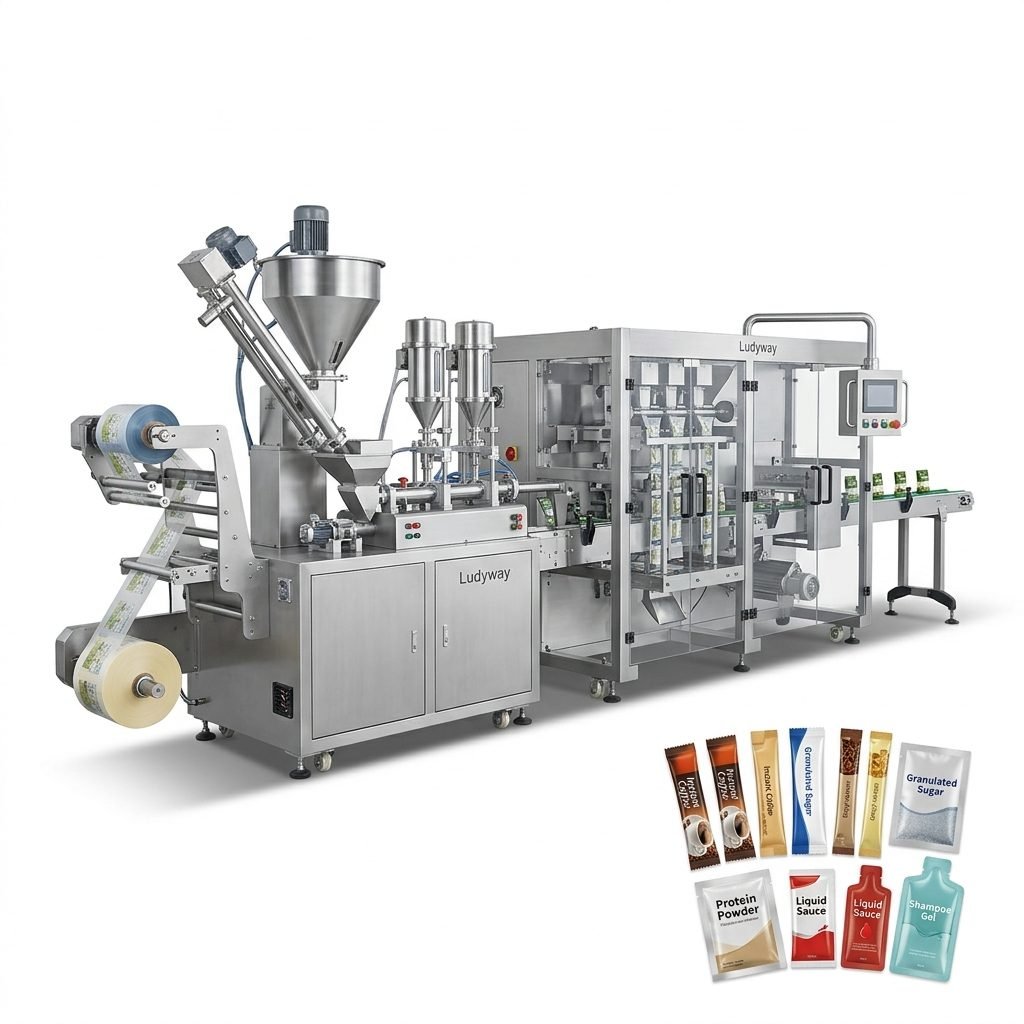
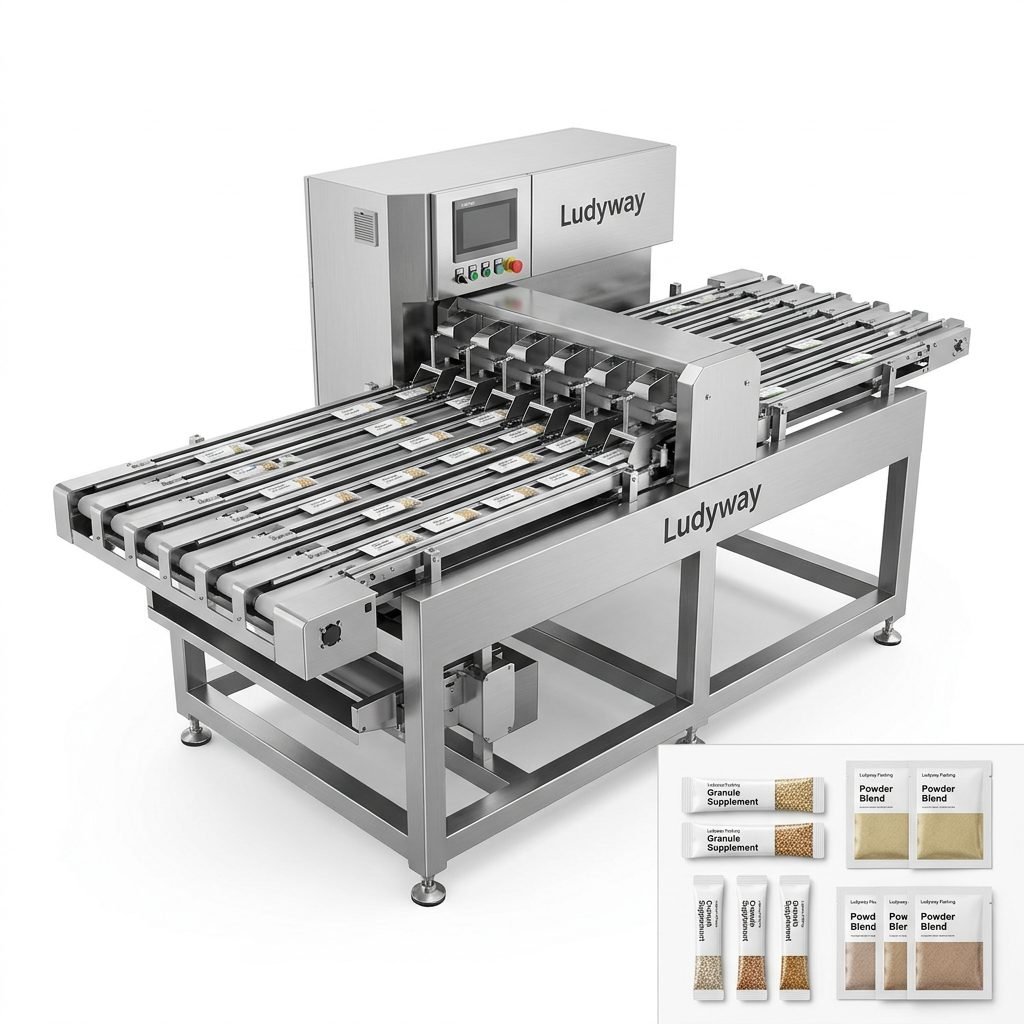
Selecting the right replacement parts for your packaging equipment is a critical decision that impacts production efficiency, product quality, and overall operational costs. The market is filled with numerous suppliers, making the choice of a reliable partner for components like augers, seals, heating elements, and film feed systems a complex task. A poor selection can lead to frequent downtime, inconsistent packaging, and increased long-term expenses.
Key Factors in Evaluating Packaging Parts Suppliers
Before committing to a supplier, a thorough evaluation based on several core criteria is essential. This due diligence separates truly reliable partners from the rest.
1. Technical Expertise and Product Knowledge
A top-tier supplier’s team should possess deep technical knowledge. They must understand the intricate mechanics of various packaging machines—from vertical form-fill-seal (VFFS) systems to liquid fillers—and how different components interact. This expertise allows them to provide accurate part identification and recommend the optimal component for your specific machine model and application, whether it’s for abrasive powders or sensitive food products.
Pro Tip: Ask potential suppliers detailed technical questions about a challenging component in your line. Their ability to explain material compatibility, wear patterns, and performance specifications is a strong indicator of their expertise.
2. Quality Assurance and Material Standards
Component quality is non-negotiable. Reliable suppliers enforce rigorous quality control protocols. Inquire about their material sourcing—for instance, whether stainless steel parts are food-grade or medical-grade—and their manufacturing tolerances. Certifications like ISO 9001 are a positive sign. High-quality parts ensure longer service life, consistent performance, and compliance with industry regulations, which is paramount in sectors like pharmaceuticals and food packaging.
3. Availability, Inventory, and Lead Times
Production halts are costly. A dependable supplier maintains a comprehensive inventory of common and critical spare parts to support swift order fulfillment. Assess their stock levels and typical lead times for both standard and custom parts. Suppliers with global logistics networks can be invaluable for international operations, ensuring you receive critical components without excessive delay.
4. After-Sales Support and Service
The relationship with a supplier doesn’t end at the point of sale. Evaluate their technical support accessibility, warranty policies, and return procedures. Suppliers who offer detailed installation guides, troubleshooting assistance, and proactive communication regarding part updates or obsolescence add tremendous value and minimize your operational risk.
The Consequences of Choosing the Wrong Supplier
Opting for a supplier based solely on price can lead to significant hidden costs and operational headaches.
- Increased Downtime: Inferior parts fail more frequently, leading to unplanned machine stops and lost production.
- Compromised Product Integrity: Poorly machined seals or inaccurate dosing parts can cause leaks, short fills, or packaging failures, resulting in waste and potential customer complaints.
- Higher Total Cost of Ownership (TCO): While the initial price may be lower, the costs of frequent replacements, labor for changes, and lost production quickly surpass the investment in a quality part.
- Safety Risks: Substandard electrical or mechanical components can pose safety hazards to operators and the production environment.
Building a Partnership with a Specialist Provider
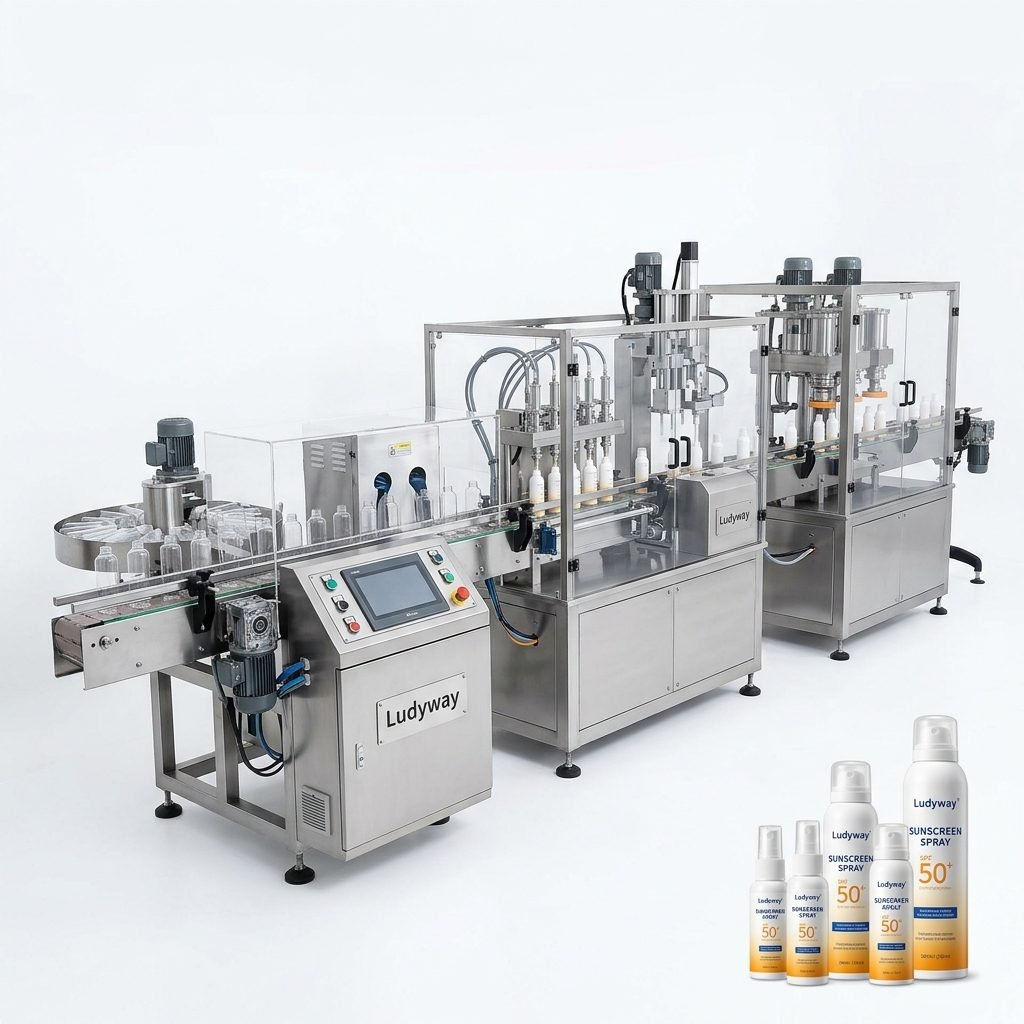
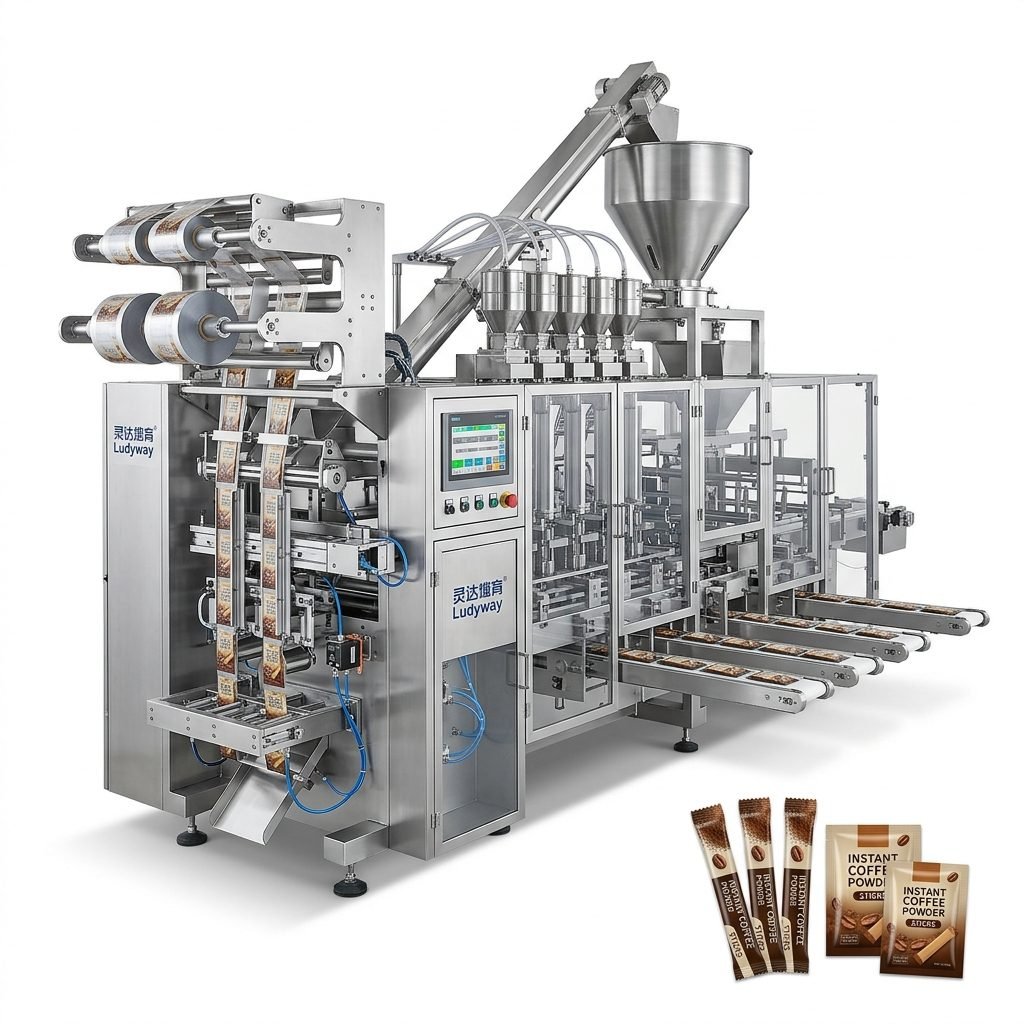
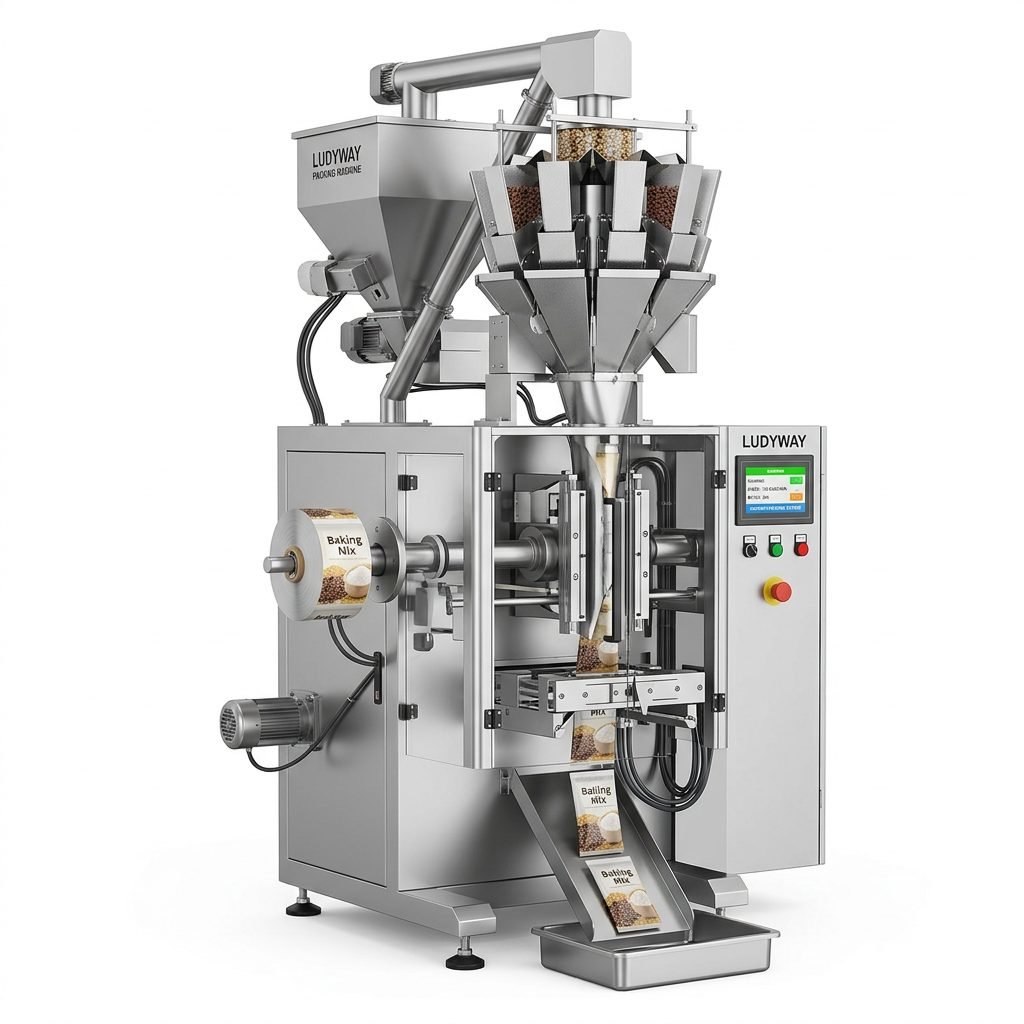
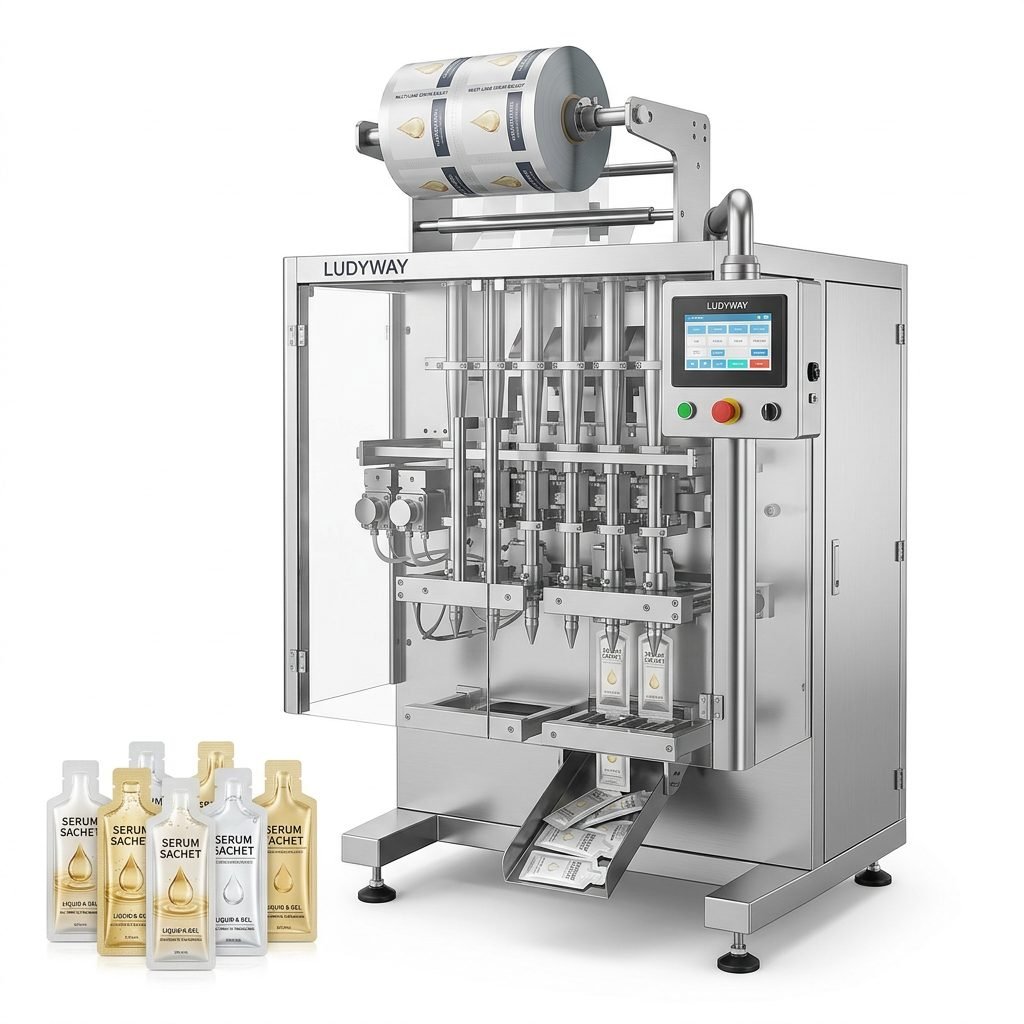
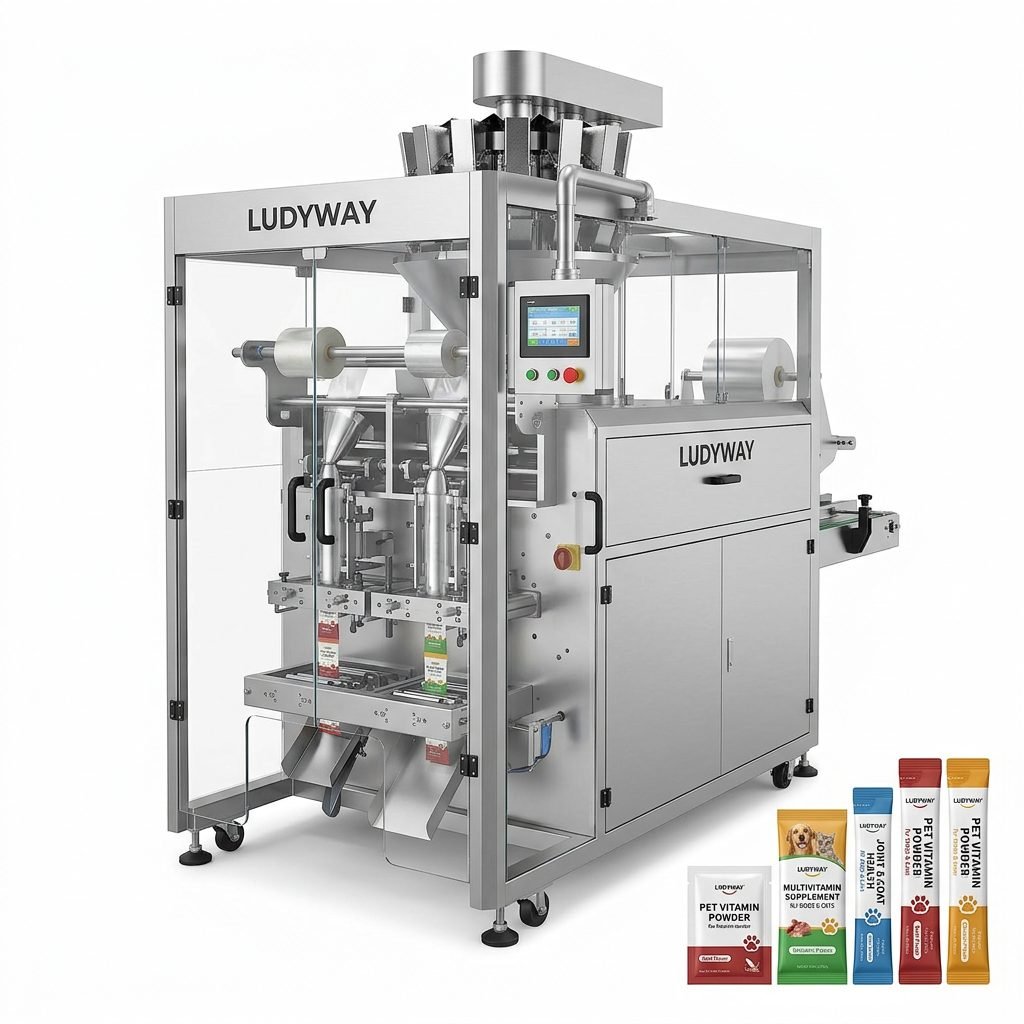
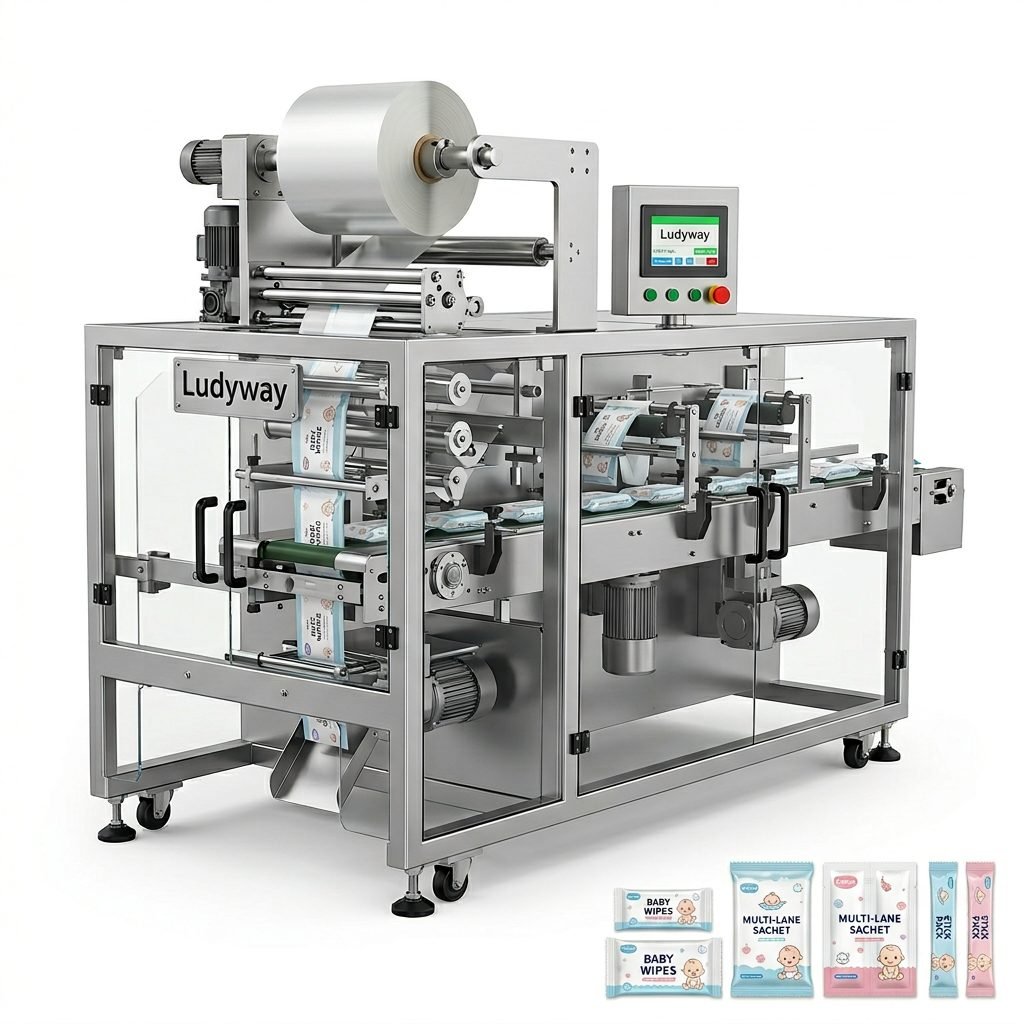
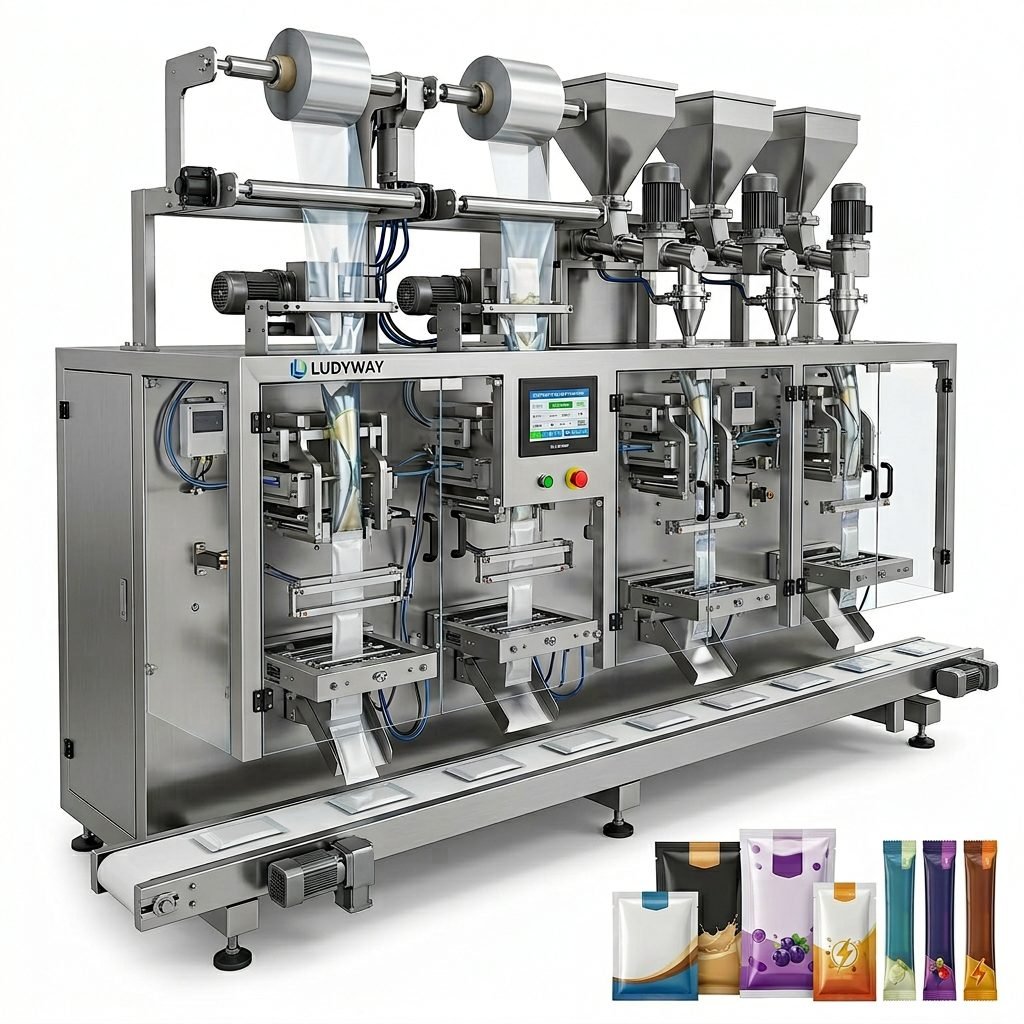
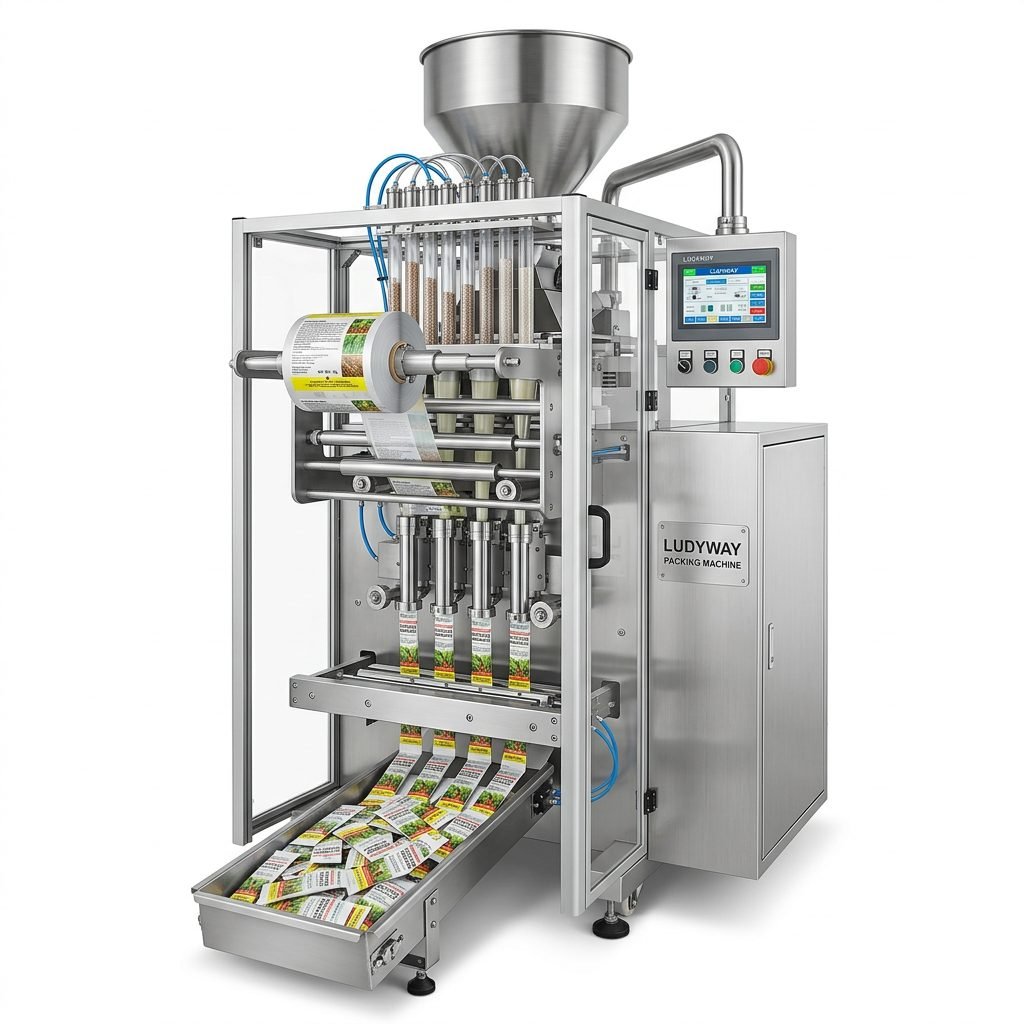
For complex packaging lines, partnering with a specialist provider like Ludyway Packing Machine offers distinct advantages. With over 30 years of industry experience, such partners bring more than just parts; they provide solutions. Their deep understanding of complete packaging systems—from granule and powder to liquid applications—enables them to see how a single component affects the entire line’s performance.
These specialists often support their parts supply with strong engineering capabilities, allowing for customization when standard parts are not a perfect fit. They are committed to long-term cooperation, acting as an extension of your maintenance team by offering proactive advice on part lifecycle management and preventive maintenance schedules to optimize your equipment’s uptime.
Checklist for Your Next Parts Order
Use this list to vet potential suppliers:
✅ Can they provide technical drawings or specifications for the part?
✅ Do they offer a clear warranty and support policy?
✅ What is their average lead time for emergency orders?
✅ Can they provide references from clients in a similar industry?
✅ Do their components meet relevant industry safety and material standards?
Conclusion: Quality as an Investment
Choosing reliable packaging equipment parts suppliers is a strategic decision that directly influences your bottom line. By prioritizing technical expertise, proven quality, robust supply chains, and dedicated support over the lowest initial price, you invest in sustained productivity and product excellence. Partnering with experienced specialists ensures your packaging operations run smoothly, efficiently, and reliably for years to come.
Frequently Asked Questions (FAQs)
1. How can I verify the quality of packaging parts before purchasing?
Request material certifications (e.g., for stainless steel grades), ask for sample parts to inspect finish and tolerances, and check for independent quality certifications like ISO standards from the supplier. Reputable suppliers like professional packaging experts are transparent about their quality processes.
2. Are OEM parts always better than compatible replacement parts?
Not necessarily. While OEM parts guarantee a perfect fit, high-quality compatible parts from reputable specialists often meet or exceed OEM specifications at a better value. The key is the supplier’s expertise and quality controls, not just the origin of the part.
3. What should I do if a replacement part fails repeatedly?
Chronic failure often indicates a deeper issue, such as a mismatched part for the application, an underlying machine problem, or poor part quality. Consult with a technical specialist to diagnose the root cause—it could be material wear, machine misalignment, or needing a customized component solution.
4. How do I manage spare parts inventory cost-effectively?
Work with your supplier to identify critical vs. non-critical parts. Keep a minimal stock of high-failure-rate critical components and rely on your supplier’s reliable lead times for others. Implementing a preventive maintenance schedule can also predict part needs more accurately.
5. Why is supplier experience in my specific industry important?
Different industries have unique challenges. A supplier experienced in food packaging understands hygiene and washdown requirements, while one in pharmaceuticals knows GMP compliance. This experience ensures the parts they recommend are suitable for your operational and regulatory environment.