In the fast-paced world of industrial manufacturing, efficiency, reliability, and precision are non-negotiable. For businesses seeking to streamline their packing processes, partnering with a top automatic hardware packaging machine manufacturer is the cornerstone of success. These manufacturers provide the technological backbone for efficient industrial packing solutions, enabling companies to meet high-volume demands while maintaining stringent quality standards. The right equipment can transform a production line, reducing labor costs, minimizing material waste, and ensuring consistent, secure packaging for a vast array of hardware components—from small screws and nails to larger tools and fittings.
The Critical Role of Automated Packaging in Modern Industry
The shift from manual to automated packaging is a strategic imperative for hardware suppliers and distributors. Manual packing is not only slow and labor-intensive but also prone to errors like incorrect counts or insecure sealing, which can lead to product damage and customer dissatisfaction. An automatic hardware packaging machine eliminates these variables. It performs tasks such as counting, weighing, filling, sealing, and labeling with unwavering accuracy and speed. This automation is crucial for just-in-time inventory systems and for businesses scaling up to meet global market demands, where packaging consistency directly impacts brand reputation and logistical efficiency.
Key Benefits of Automation:
→ Unmatched Speed & Throughput: Machines can package hundreds, even thousands, of units per hour, far surpassing manual capabilities.
→ Precision and Consistency: Every bag, box, or blister pack is identical, ensuring product count and presentation are perfect.
→ Significant Cost Reduction: Lowers long-term operational costs by reducing labor needs and minimizing packaging material waste.
→ Enhanced Worker Safety: Automates repetitive and potentially strenuous tasks, creating a safer work environment.
What Defines a Top Manufacturer in This Space?
Not all manufacturers are created equal. A leading automatic hardware packaging machine manufacturer distinguishes itself through a blend of engineering excellence, robust support, and deep industry understanding. Here are the hallmarks to look for:
1. Proven Engineering Expertise and Innovation
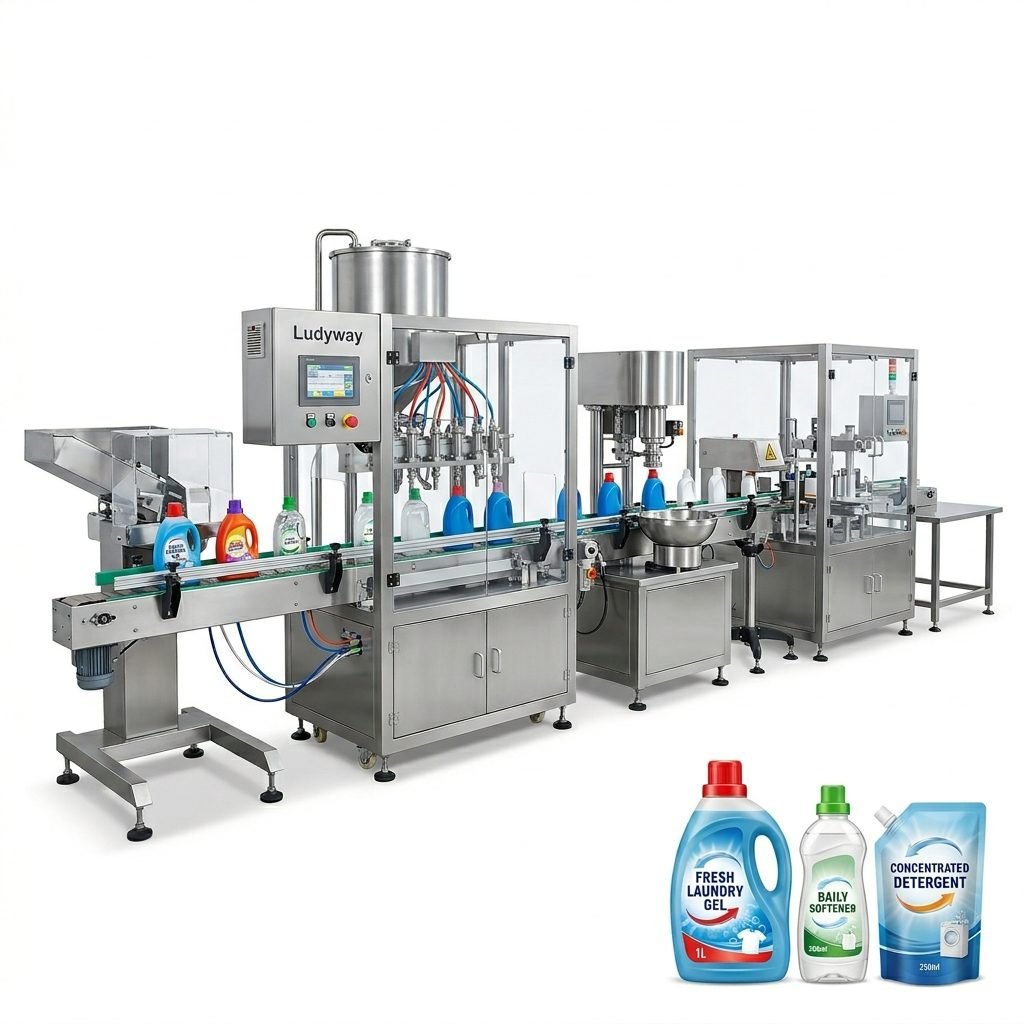
The core of a top manufacturer lies in its R&D and engineering capabilities. Companies like Ludyway Machinery, with decades of focused experience, invest heavily in developing intelligent, adaptable machines. They integrate advanced servo motors, precision sensors, and user-friendly PLC (Programmable Logic Controller) interfaces. This focus on innovation results in equipment that can handle diverse hardware shapes and sizes, from tiny electronic components to heavy-duty fasteners, with quick changeover times between product runs.
2. Comprehensive and Customizable Product Range
A one-size-fits-all approach doesn’t work in hardware packaging. Top manufacturers offer a portfolio of over 50 machine models to address specific needs. This includes:
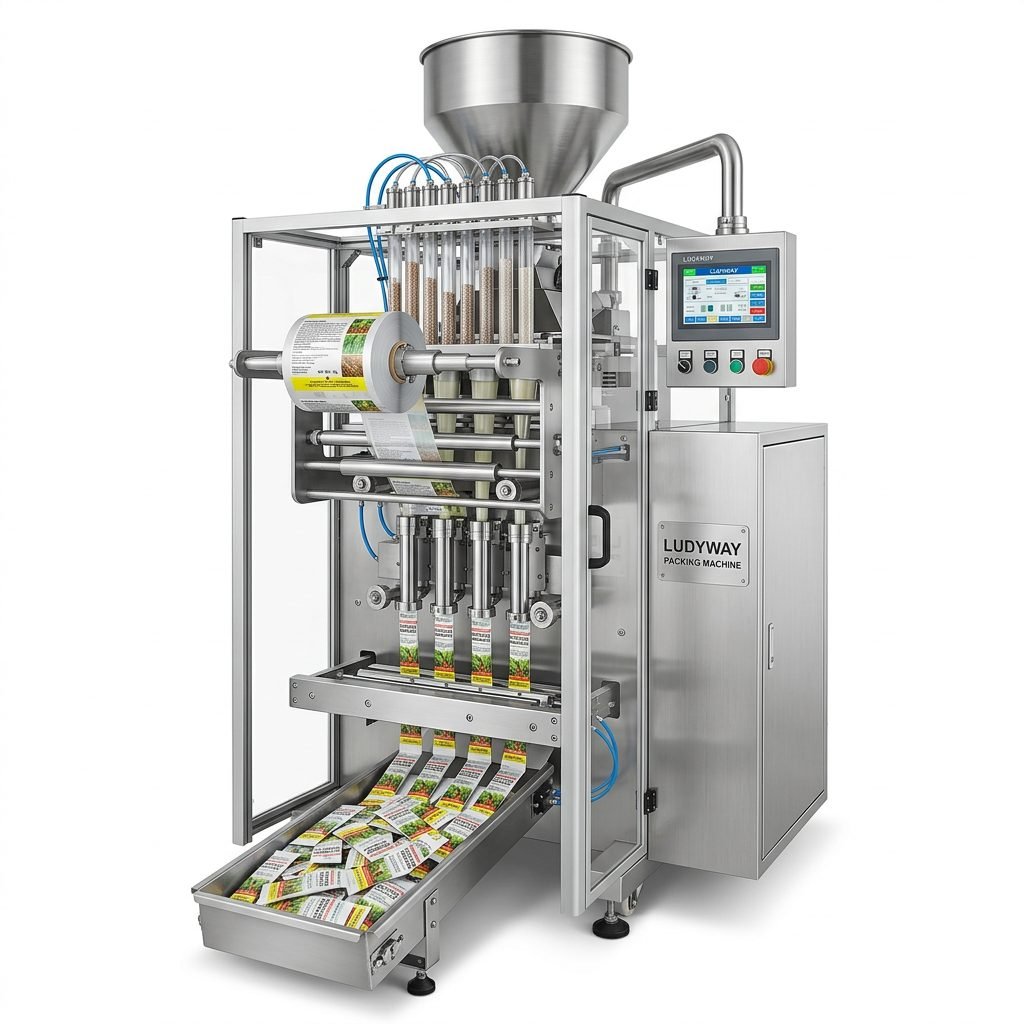
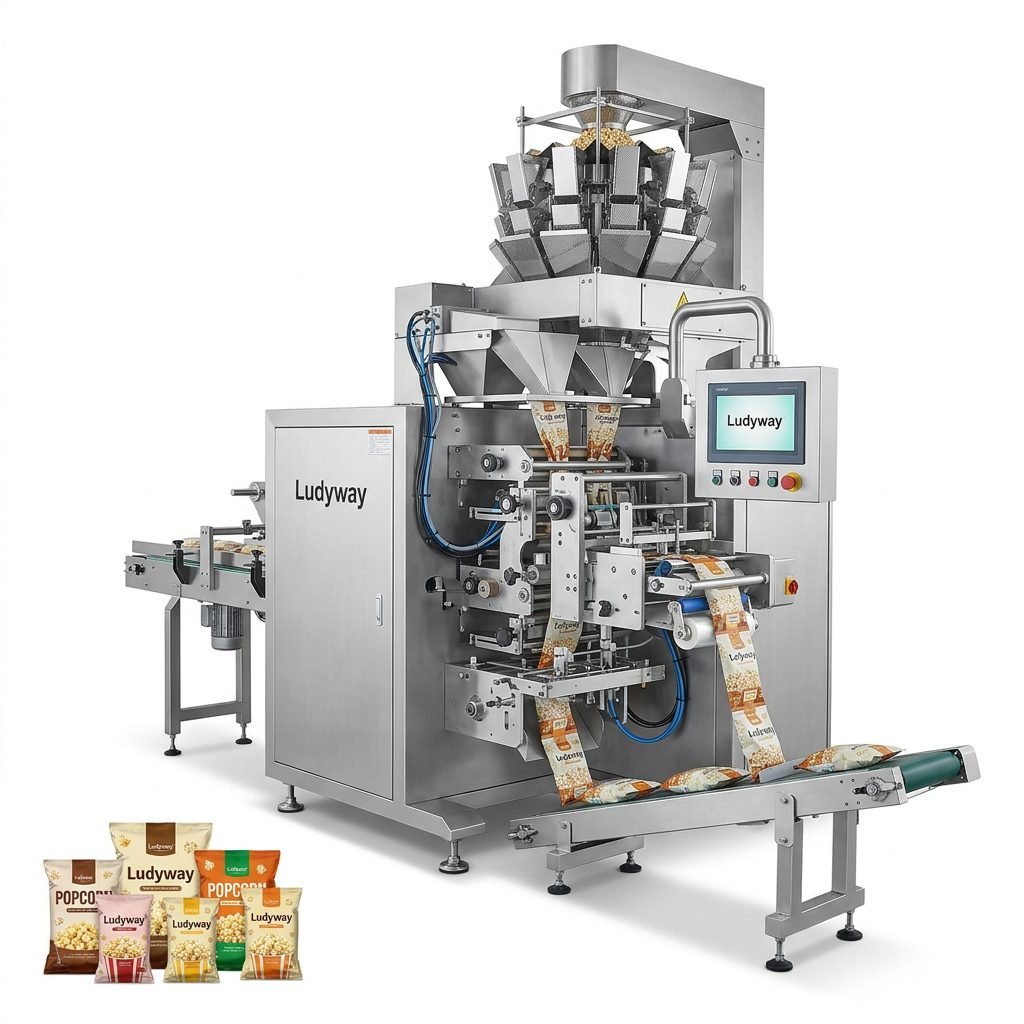
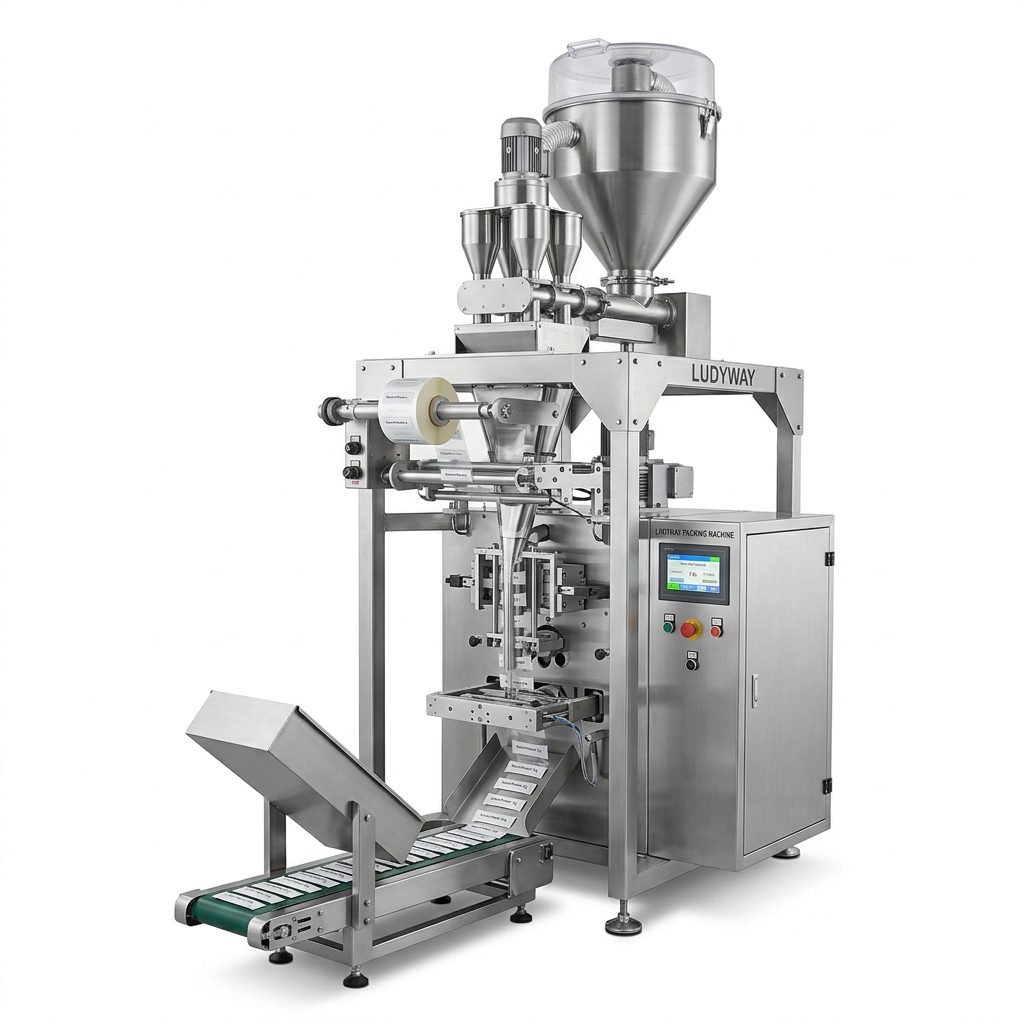
- Vertical Form-Fill-Seal (VFFS) Machines: Ideal for packaging loose hardware like nails, bolts, and washers into durable plastic bags or pouches.
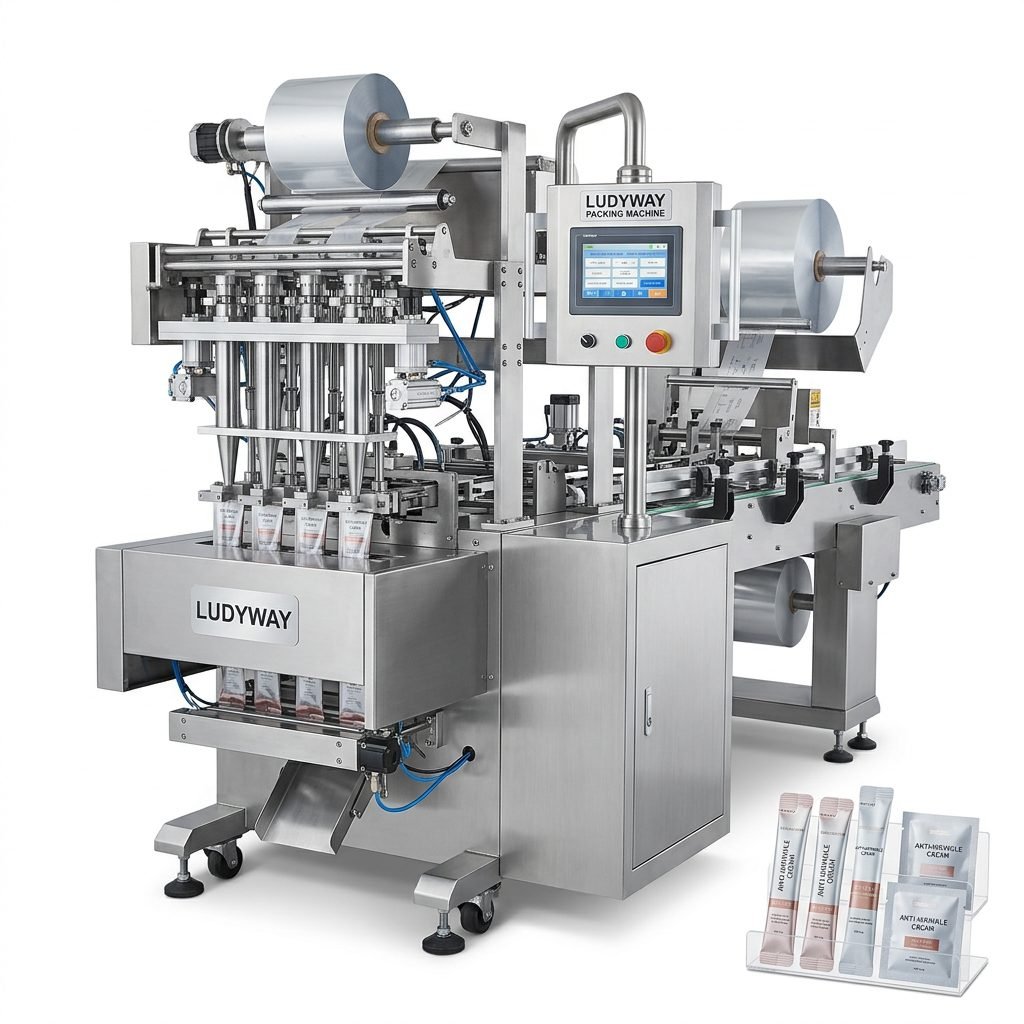
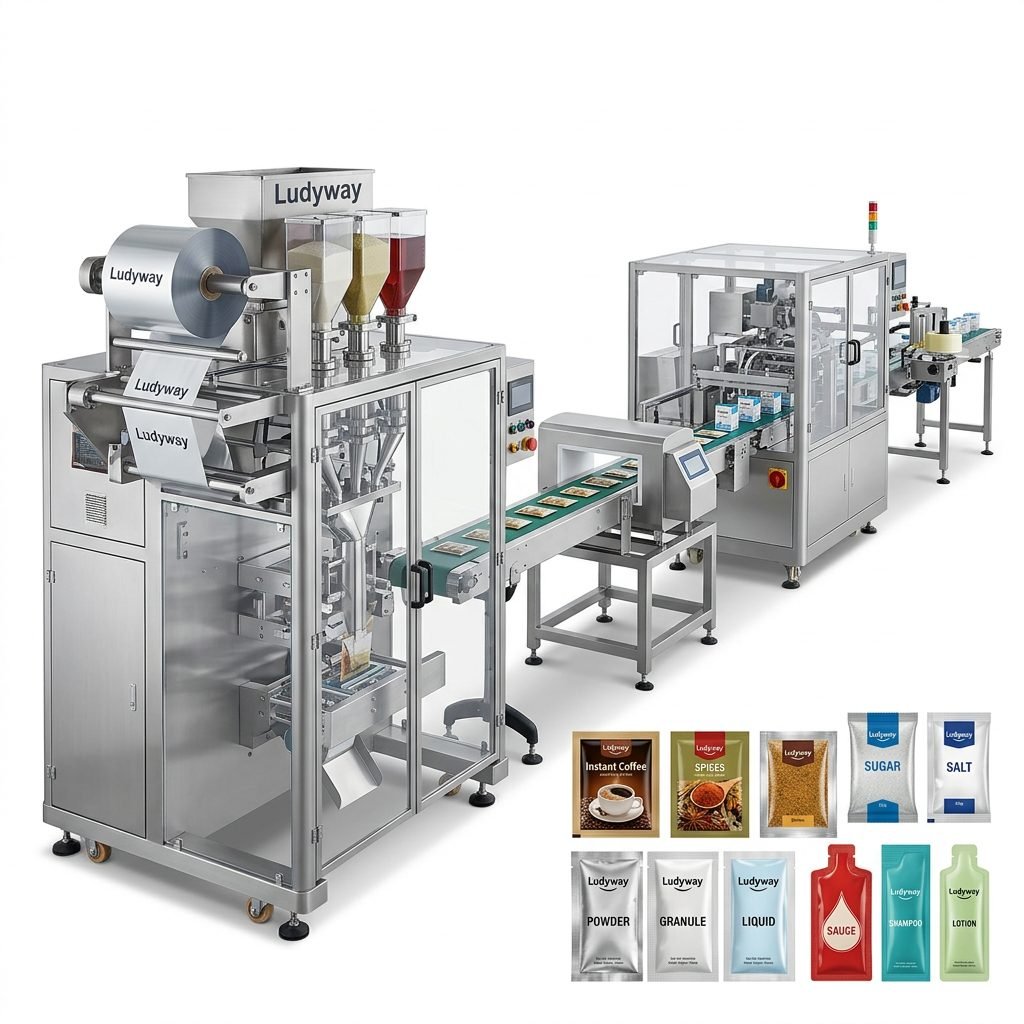
- Multi-Lane Stick Pack & Sachet Machines: Perfect for packaging small quantities of items like O-rings, spacers, or grease in precise, sealed units.
- Automatic Cartoning Machines: For placing bagged or blister-packed hardware into cardboard boxes with inserts or manuals.
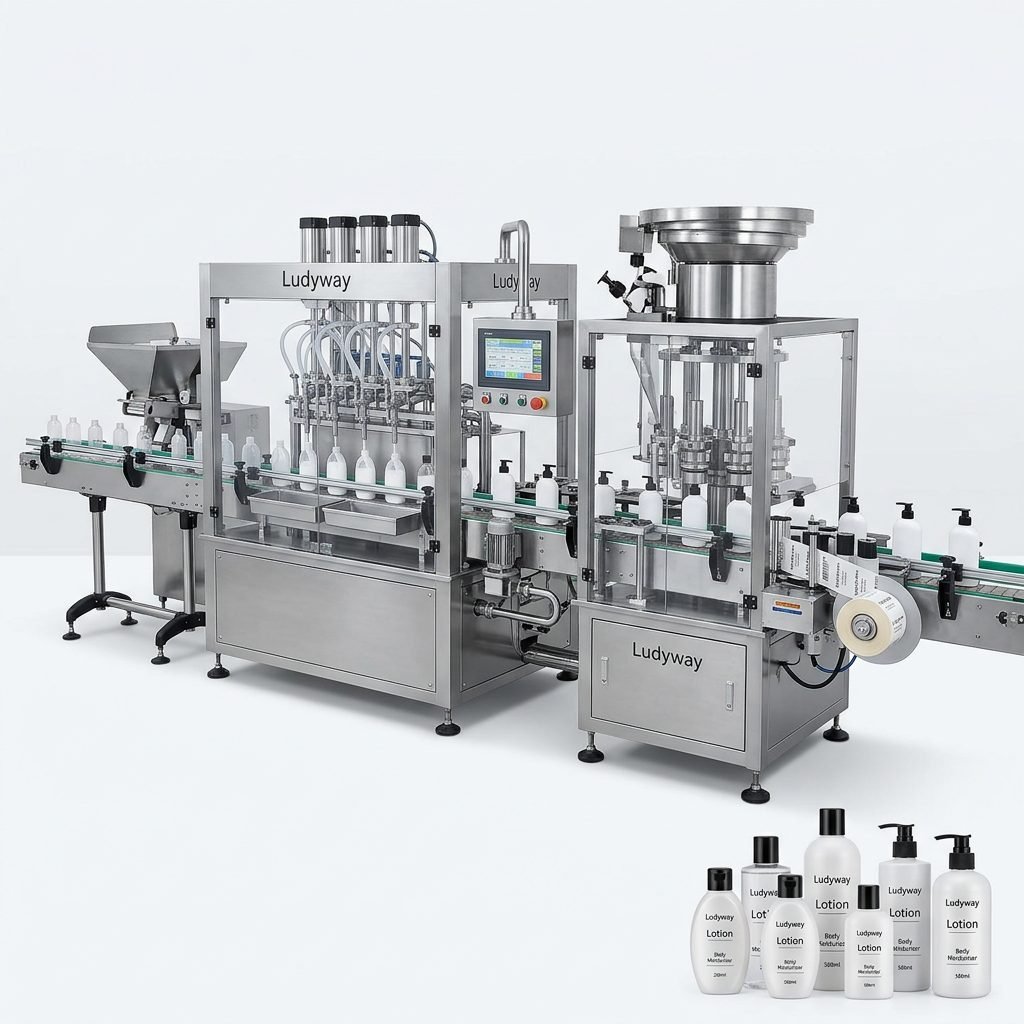
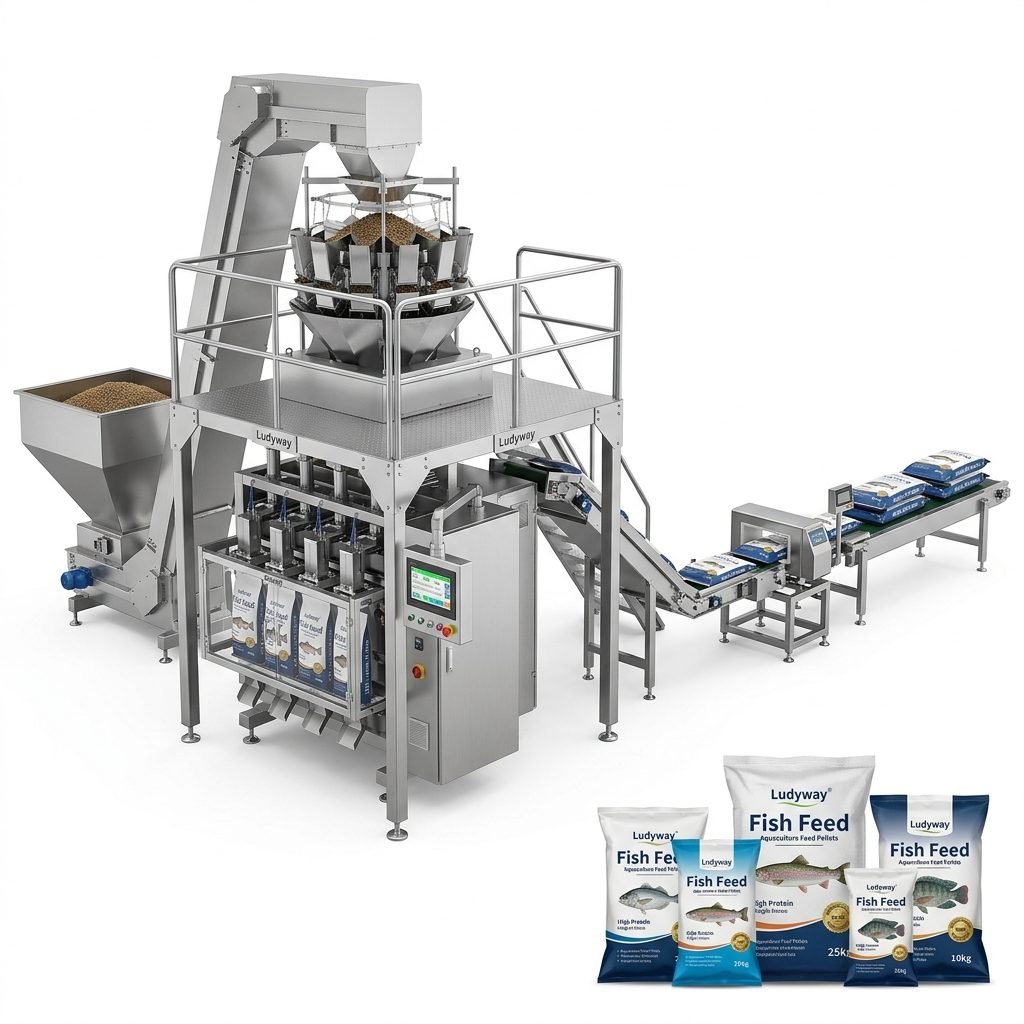
- Complete Turnkey Production Lines: They provide integrated solutions, connecting counting, bagging, sealing, and boxing into one seamless, automated system.
3. Global Support and Reliable Service
Industrial machinery is a long-term investment. A premier manufacturer supports its clients worldwide with robust after-sales service. This includes comprehensive installation supervision, thorough operator training, readily available spare parts, and responsive technical support. Their commitment to long-term partnership and innovation ensures your production line remains operational and efficient for years, maximizing your return on investment.
Ludyway Machinery: A Case Study in Delivering Efficient Solutions
Founded with a vision to deliver reliable and efficient packaging solutions, Ludyway Machinery exemplifies the traits of a top-tier manufacturer. Backed by over 30 years of collective industry experience, the company has grown from a specialized engineering team into a global provider of intelligent packaging systems.
Their strength lies in understanding the granular needs of the hardware sector. They don’t just sell machines; they analyze a client’s specific products, throughput requirements, and factory layout to recommend or customize the optimal packaging automation solution. Operating from a modern 20,000㎡ facility, their in-house manufacturing and strong engineering capabilities allow for quality control at every stage and the flexibility to build tailored systems. This client-centric approach, focused on quality, efficiency, and innovation, has made them a trusted partner for hardware manufacturers around the globe.
Choosing Your Manufacturing Partner: A Quick Checklist
Before selecting a manufacturer, ensure they excel in these areas:
Technical Capability
Can they handle your specific product type and required speed?
After-Sales Support
What is their response time and spare parts availability?
Customization
Do they offer tailored solutions or only standard models?
Implementing Your Automated Packaging Solution
Transitioning to an automated system is a significant project. A reputable manufacturer will guide you through every step:
- Needs Analysis: A thorough review of your current process, pain points, and future goals.
- Solution Design & Quotation: Proposing the right machine or integrated line with a clear cost-benefit analysis.
- Manufacturing & Factory Acceptance Test (FAT): Building the equipment and testing it at their facility with your samples.
- Installation & Commissioning: On-site setup, calibration, and performance verification.
- Training & Ongoing Support: Ensuring your team is proficient and support is available. Learn more about industrial packing solutions.
Investing in automation from a leading manufacturer is not merely a purchase; it’s a strategic upgrade to your entire production capability. It future-proofs your operations against labor shortages and rising costs while elevating your product quality and brand consistency. In the competitive hardware industry, the efficiency gains and reliability provided by a top automatic packaging machine manufacturer are invaluable assets for sustainable growth and customer satisfaction.
Frequently Asked Questions (FAQs)
1. What types of hardware can be packaged automatically?
Modern automatic packaging machines are highly versatile. They can handle a wide range, including small items (screws, nails, nuts, washers, rivets), medium items (drill bits, sockets, hinges), and some larger items in pre-formed trays or boxes. The key is choosing the right feeder and weighing/counting system for your product’s shape and size.
2. How much can automation increase my packaging output?
Output increases are substantial, typically ranging from 300% to 1000% or more compared to manual packing. A single vertical form-fill-seal machine can often produce 60-120 bags per minute, depending on the product and bag size, which is impossible to achieve manually with consistency.
3. What is the typical payback period for such an investment?
The payback period varies based on machine cost, labor savings, and increased output. For many small to medium-sized operations, a well-implemented system can pay for itself in 12 to 24 months through reduced labor costs, lower error rates, and decreased material waste.
4. Can one machine package different hardware products?
Yes, most high-quality machines are designed for quick changeovers. By switching the product feeder, adjusting the weighing system, and changing the packaging film reel, a single machine can often run multiple similar-sized products. Manufacturers provide guidance on the flexibility of each model.
5. What kind of after-sales support should I expect?
Expect comprehensive support: detailed installation and training, access to operation and maintenance manuals, a readily available inventory of common spare parts, and access to technical support via phone, email, or remote diagnostics. Top manufacturers often offer service contracts for preventative maintenance.