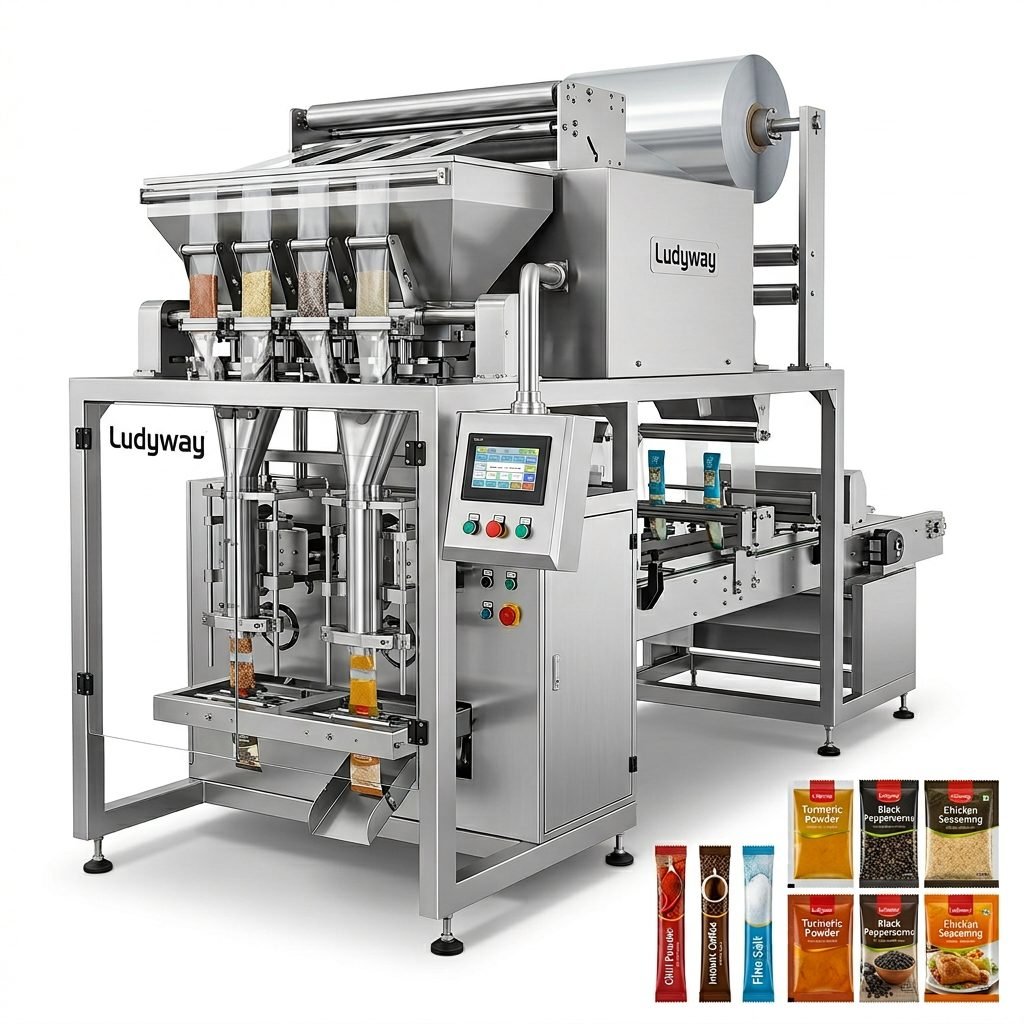
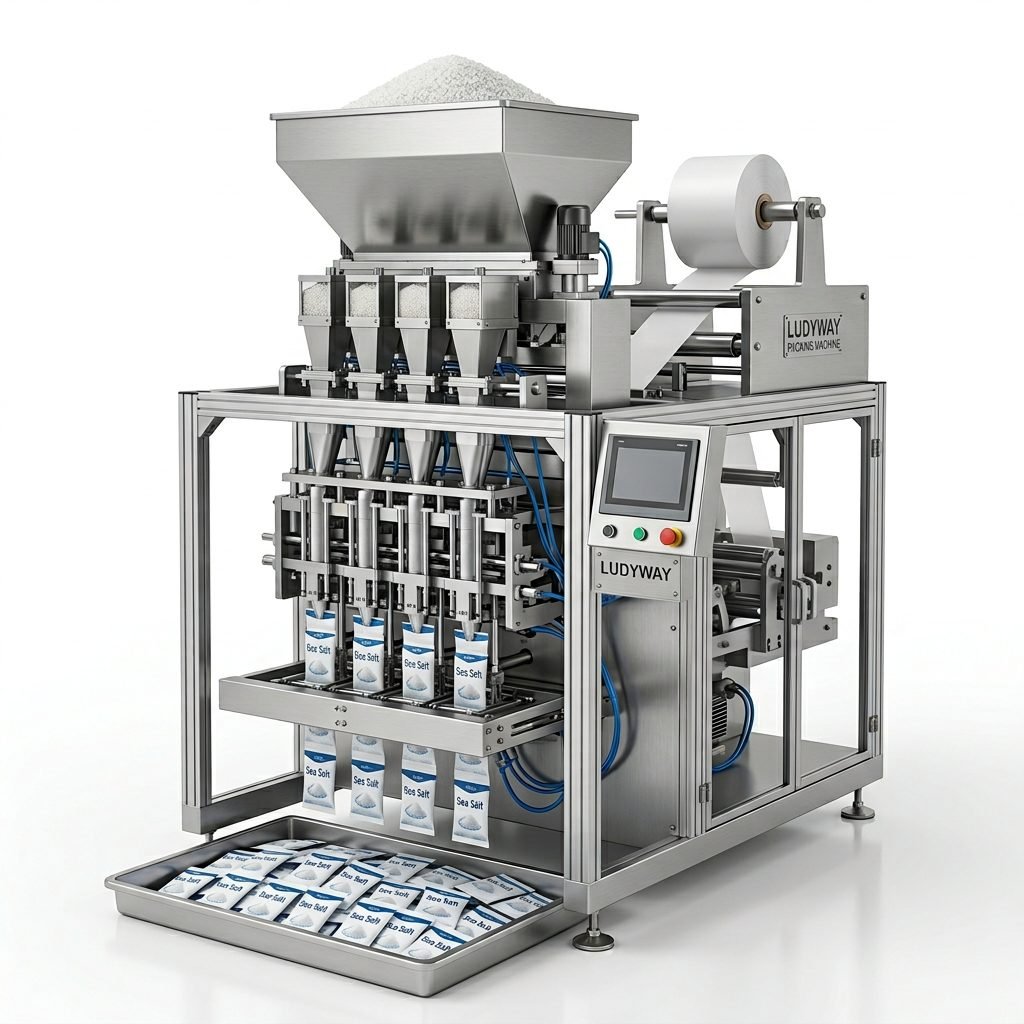
In today’s fast-paced manufacturing world, selecting the right packaging equipment is a critical decision that impacts efficiency, product integrity, and overall profitability. For businesses handling powders, granules, liquids, or other free-flowing products, PES (Powder, Edibles, and Solids) packaging equipment offers a versatile and reliable solution. This comprehensive guide delves into the various types of PES packaging machinery, their significant benefits, and provides actionable tips to help you make an informed selection for your production line.
Understanding PES Packaging Equipment
PES packaging equipment refers to a broad category of automated machinery designed to handle the precise dosing, filling, and sealing of powdered substances, edible items like spices or drink mixes, and solid granules. These systems are engineered to maintain product consistency, ensure accurate weight control, and provide high-speed, hygienic packaging suitable for a wide range of industries, from food and beverage to pharmaceuticals and nutraceuticals.
Core Functionality
The primary function of any PES packaging system is to automate the process of getting a product from a bulk state into a sealed, retail-ready package. This involves several integrated steps: product feeding and dosing, pre-made pouch handling or form-fill-seal film creation, precision filling, and hermetic sealing. Advanced systems incorporate sophisticated weigh cells, servo-driven augers, or volumetric cups to achieve remarkable filling accuracy, often within ±0.5-1% of the target weight.
Primary Types of PES Packaging Machinery
The market offers several configurations of PES packagers, each suited to different production volumes, package styles, and product characteristics. Understanding these types is the first step in narrowing down your options.
1. Vertical Form-Fill-Seal (VFFS) Machines
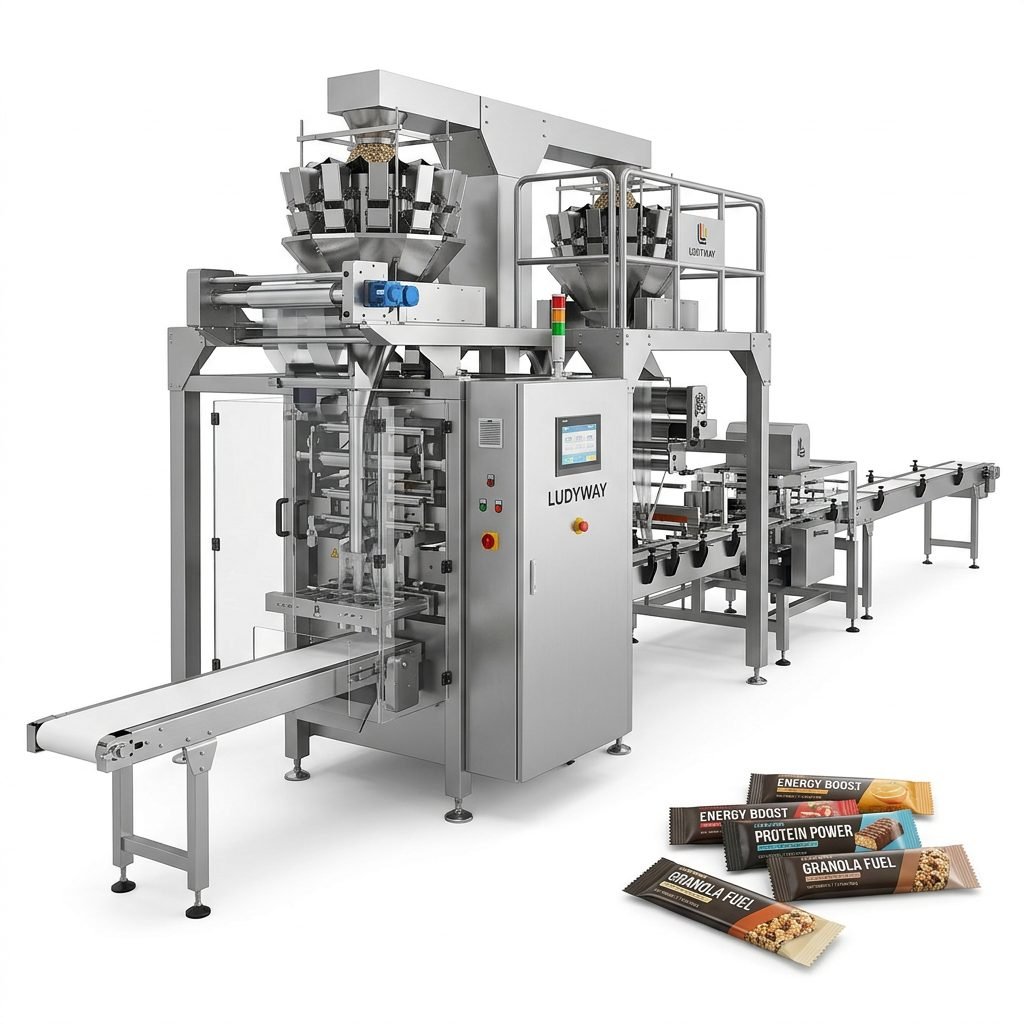
These are among the most common and versatile PES packaging systems. A VFFS machine uses a roll of packaging film to form a bag vertically around a filling tube. The product is dispensed into the forming pouch, which is then sealed and cut off. This type is ideal for creating pillow bags, gusseted bags, or block-bottom bags and is excellent for medium to high-speed production of single-serve sachets or larger retail bags.
- ✓ Best For: High-volume production, single-serve packets, coffee, powdered milk, spices.
- ✓ Key Advantage: Flexibility in bag size and material, reduced film waste.
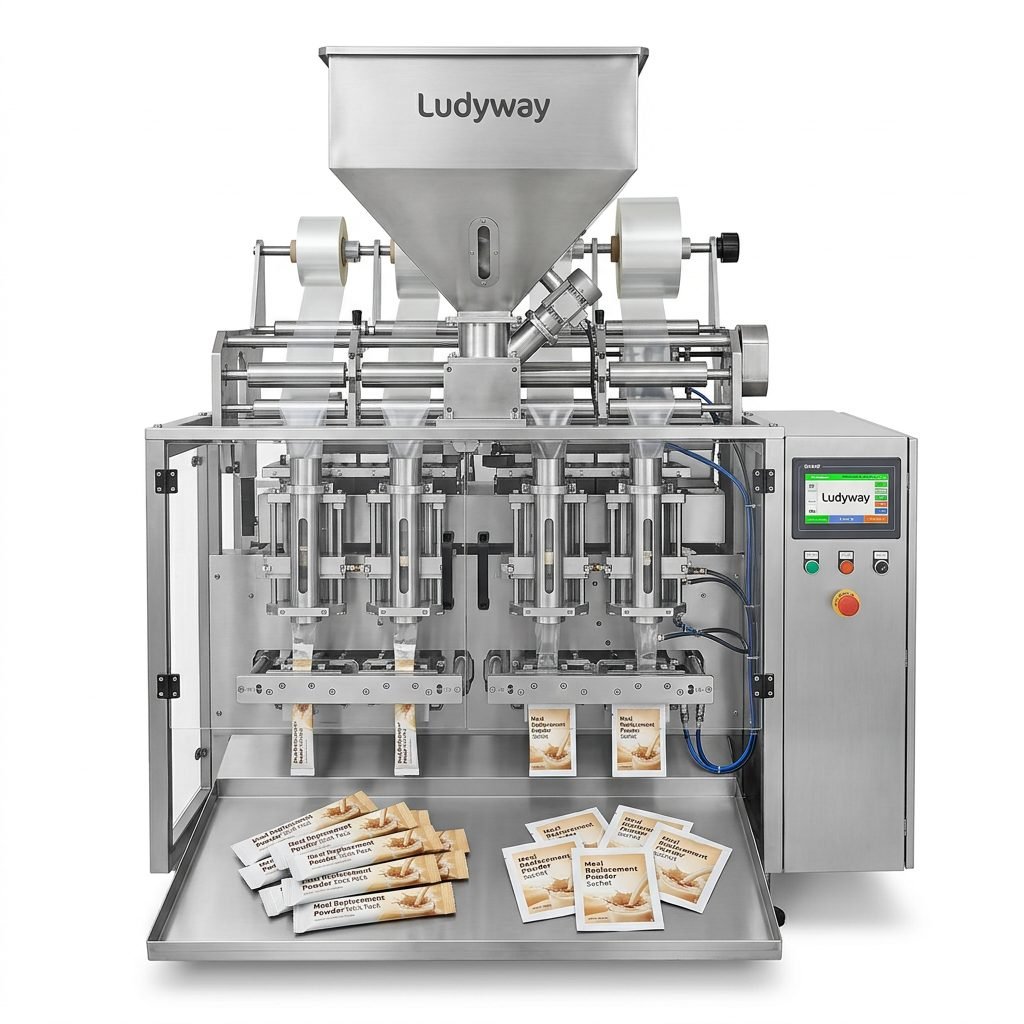
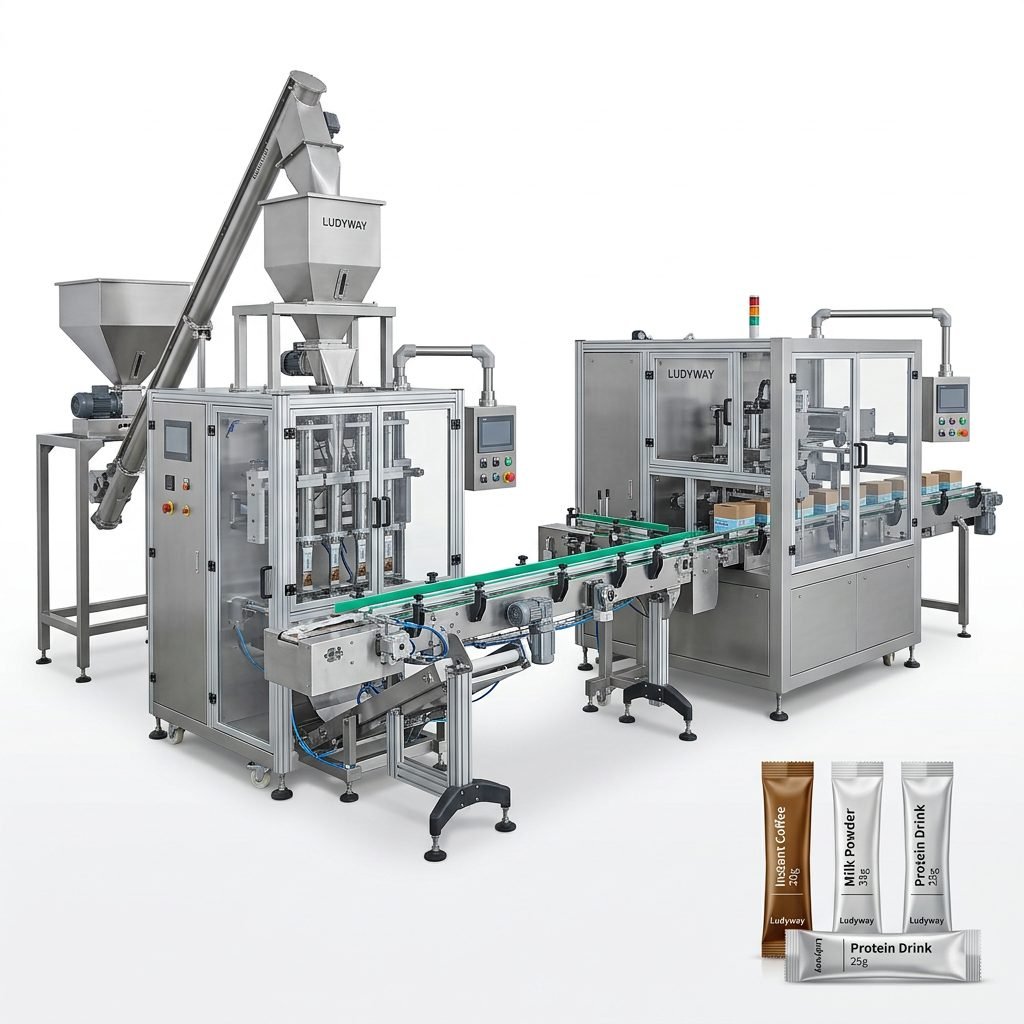
2. Pre-Made Pouch Packaging Systems
This equipment is designed to work with pre-manufactured, stand-up pouches (Doypack style), flat pouches, or stick packs. The machine automatically opens the pouch, fills it with the precise amount of product, and then seals it. This method often allows for more complex pouch designs with higher-quality printing and is suitable for products where presentation is key.
- ✓ Best For: Premium products, nutritional supplements, protein powders, tea sticks.
- ✓ Key Advantage: Superior graphic presentation, excellent barrier properties from laminated pouches.
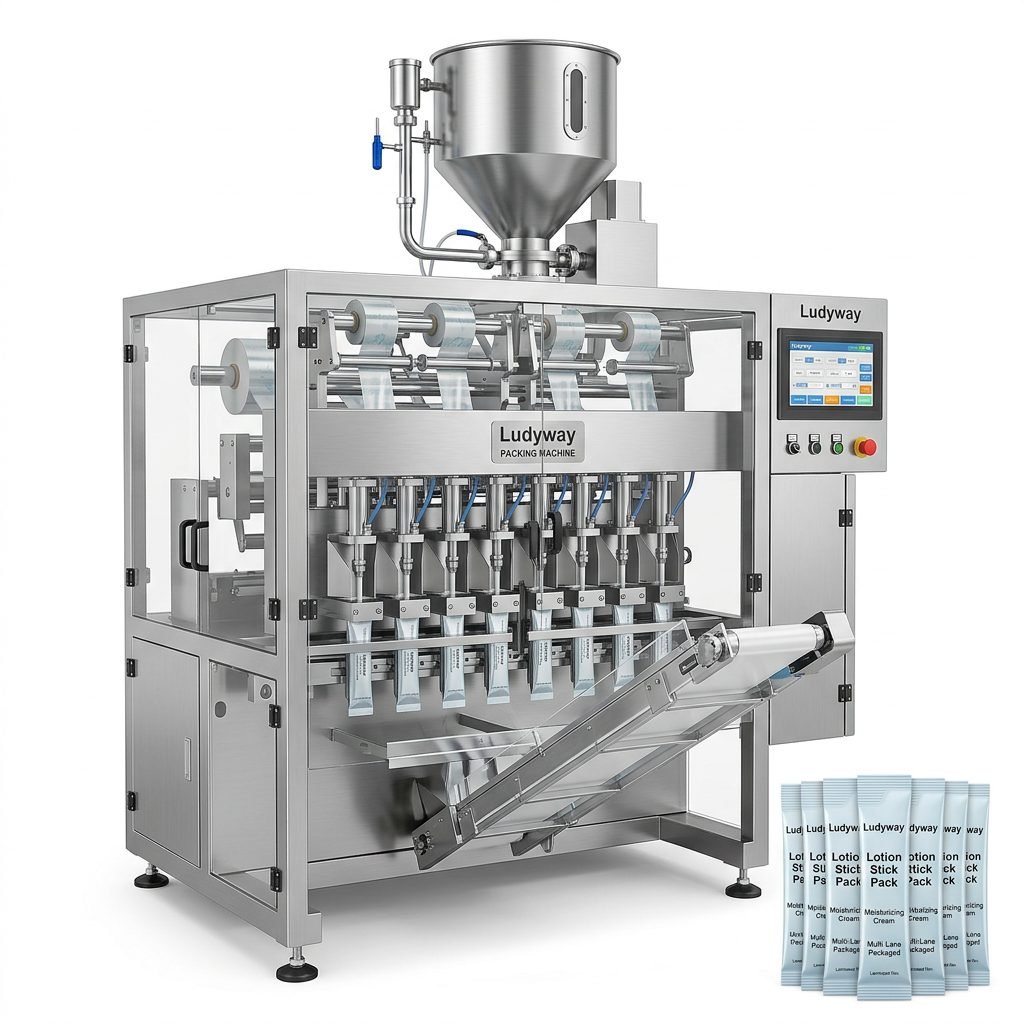
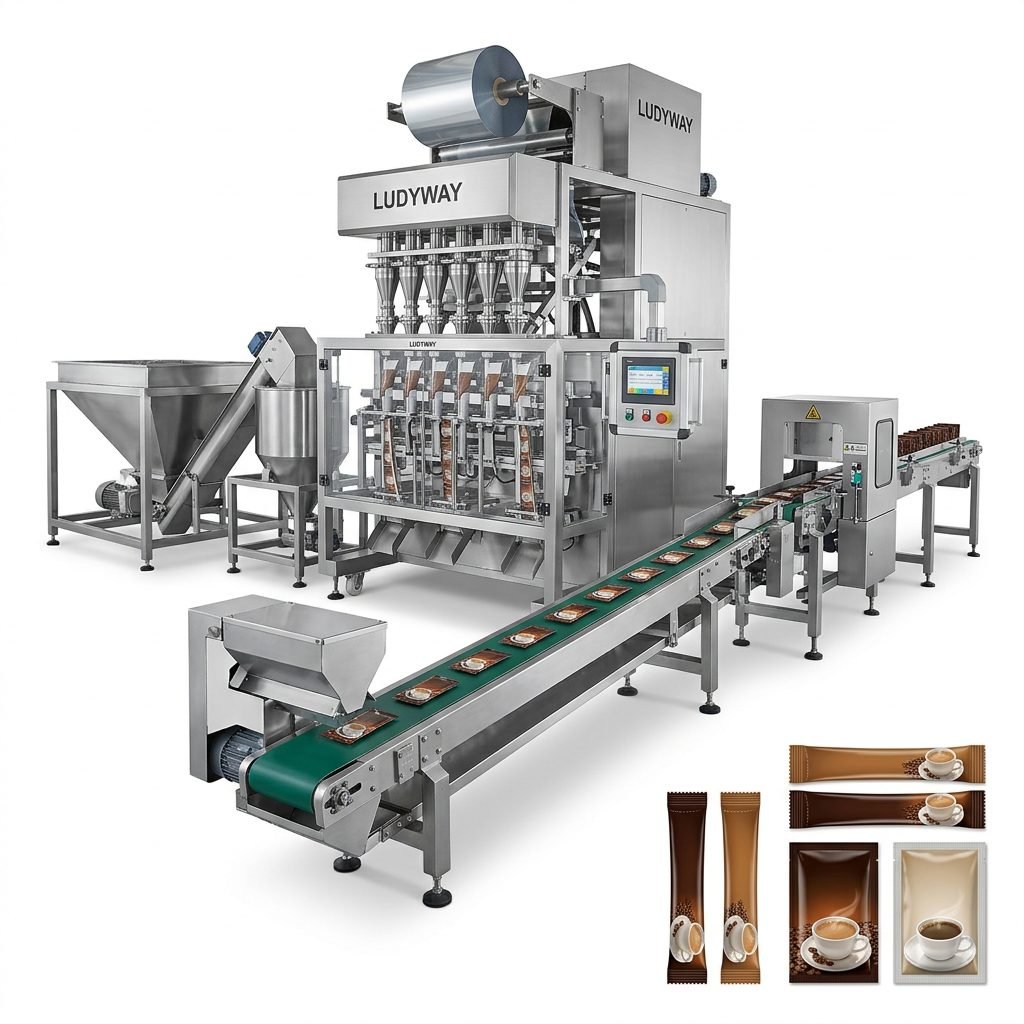
3. Multi-Lane Stick Pack Machines
A specialized subset of pouch packaging, these machines are engineered for ultra-high-speed production of small, elongated stick packs. They typically feature multiple parallel lanes (e.g., 4, 6, 8, or more) that operate simultaneously from a single roll of film, producing thousands of stick packs per hour. This is the go-to solution for single-serve powders like instant coffee, sugar, or electrolyte drink mixes.
→ Industry Insight: For businesses looking to scale production dramatically, multi-lane systems from experienced suppliers like Ludyway Machinery can be a game-changer, offering outputs exceeding 1,000 packs per minute with exceptional accuracy.
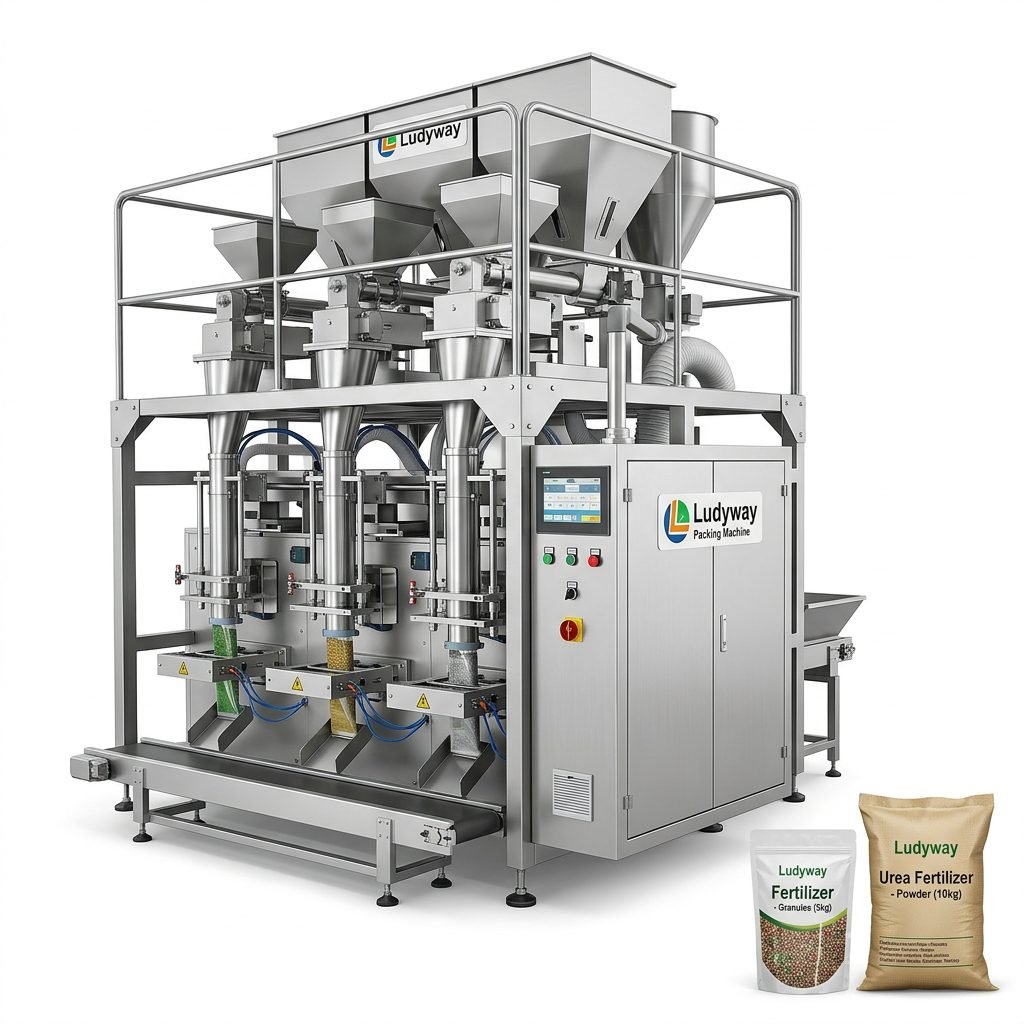
4. Granule and Powder Auger Fillers
While not always a complete packaging line, the auger filler is the heart of many PES systems. It consists of a hopper, a rotating screw (auger) inside a tube, and a control system. The rotation of the auger moves the product downward for discharge. The precision of the fill is controlled by the number of auger rotations, making it perfect for free-flowing and non-free-flowing powders and granules.
Tangible Benefits of Automating with PES Equipment
Investing in automated PES packaging machinery delivers a strong return on investment through multiple channels.
Enhanced Production Efficiency & Speed
Manual filling is slow and inconsistent. Automated systems can operate continuously at high speeds, dramatically increasing your output. This allows you to meet larger orders, reduce lead times, and scale your business without a linear increase in labor costs.
Unmatched Consistency and Accuracy
Human operators naturally vary in speed and precision. Automated fillers provide weight consistency across every single package. This reduces product giveaway (overfilling) and protects against underfilling, which can lead to regulatory non-compliance and customer complaints. Consistent fills also improve the professional appearance of your final product on the shelf.
Improved Hygiene and Product Safety
Minimizing human contact with the product is crucial in food and pharmaceutical packaging. Closed automated systems create a more sanitary environment, reducing the risk of contamination. Many machines are built with stainless steel contact parts and are designed for easy cleaning and maintenance (CIP/SIP capabilities), which is essential for adhering to strict standards like GMP, FDA, and HACCP. Learn more about industry-compliant solutions on our Company Profile page.
Significant Labor and Cost Savings
While the initial investment is notable, automation reduces long-term reliance on manual labor for repetitive filling tasks. This frees up your workforce for higher-value activities like quality control, machine oversight, and maintenance. The reduction in material waste from precise filling also contributes directly to the bottom line.
Key Selection Tips for Your Business
Choosing the right machine requires careful analysis of your specific needs. Here are critical factors to consider.
1. Analyze Your Product Characteristics
This is the most important starting point. Is your product free-flowing, cohesive, abrasive, or hygroscopic (moisture-absorbing)? The particle size, density, and flowability will determine the best filling technology (e.g., auger type, impeller filler) and the required hopper and feed system design to prevent bridging or rat-holing.
2. Define Your Output Requirements
Be realistic about your current and near-future production volumes. Calculate your required packs-per-minute (PPM) based on shifts and days of operation. A 4-lane stick pack machine will have a vastly different output than a single-head auger filler. Investing in a machine with some capacity for growth is wise, but over-specifying can lead to unnecessary complexity and cost.
3. Consider Packaging Materials and Format
What type of package do you need? Roll stock film for VFFS, pre-made pouches, or stick packs? The machine must be compatible with your chosen material (e.g., PET/AL/PE laminates, kraft paper) and capable of creating the required seal integrity. Also, consider if you need features like gas flushing for nitrogen packing to extend shelf life.
4. Prioritize Ease of Use and Changeover
If you run multiple products or package sizes, quick changeover is vital. Look for machines with recipe storage, tool-less adjustments, and easy-access components. A user-friendly HMI (Human-Machine Interface) with intuitive controls reduces training time and operator error.
5. Evaluate the Supplier’s Expertise and Support
The machine is only as good as the company behind it. Choose a supplier with proven experience in your specific industry. Assess their company history and track record, the availability of spare parts, and the quality of their after-sales service, training, and technical support. A reliable partner ensures maximum uptime and a better long-term investment.
Frequently Asked Questions (FAQs)
What is the typical accuracy range for a PES auger filler?
High-quality auger fillers for powders and granules can consistently achieve accuracy within ±0.5% to ±1.0% of the target fill weight, depending on the product’s characteristics and the machine’s sophistication. Servo-driven augers generally offer the highest precision.
Can one machine handle both powder and granular products?
Many PES packaging machines, particularly those with auger filling systems, are versatile enough to handle a range of similar-density powders and small granules. However, significant changes in particle size or flowability may require different auger tools or hopper configurations. It’s best to discuss your specific product mix with the equipment supplier.
How important is after-sales service when purchasing packaging equipment?
Extremely important. Packaging equipment is a long-term investment. Reliable after-sales service—including readily available spare parts, remote troubleshooting, and access to trained technicians—is crucial for minimizing downtime and ensuring your production line runs smoothly for years to come.
What is the lead time for a standard PES packaging machine?
Lead times can vary widely based on the machine’s complexity, customization level, and the manufacturer’s backlog. For standard models, it can range from 8 to 16 weeks after order confirmation. Customized or turnkey line solutions will naturally take longer. Always confirm the timeline with your supplier during the quotation process.
Are these machines suitable for small-scale or startup businesses?
Yes. The market offers semi-automatic and smaller-scale automatic machines that are perfect for lower-volume production, R&D, or pilot projects. These provide the benefits of automation and accuracy at a more accessible entry point, allowing businesses to scale up their equipment as they grow.