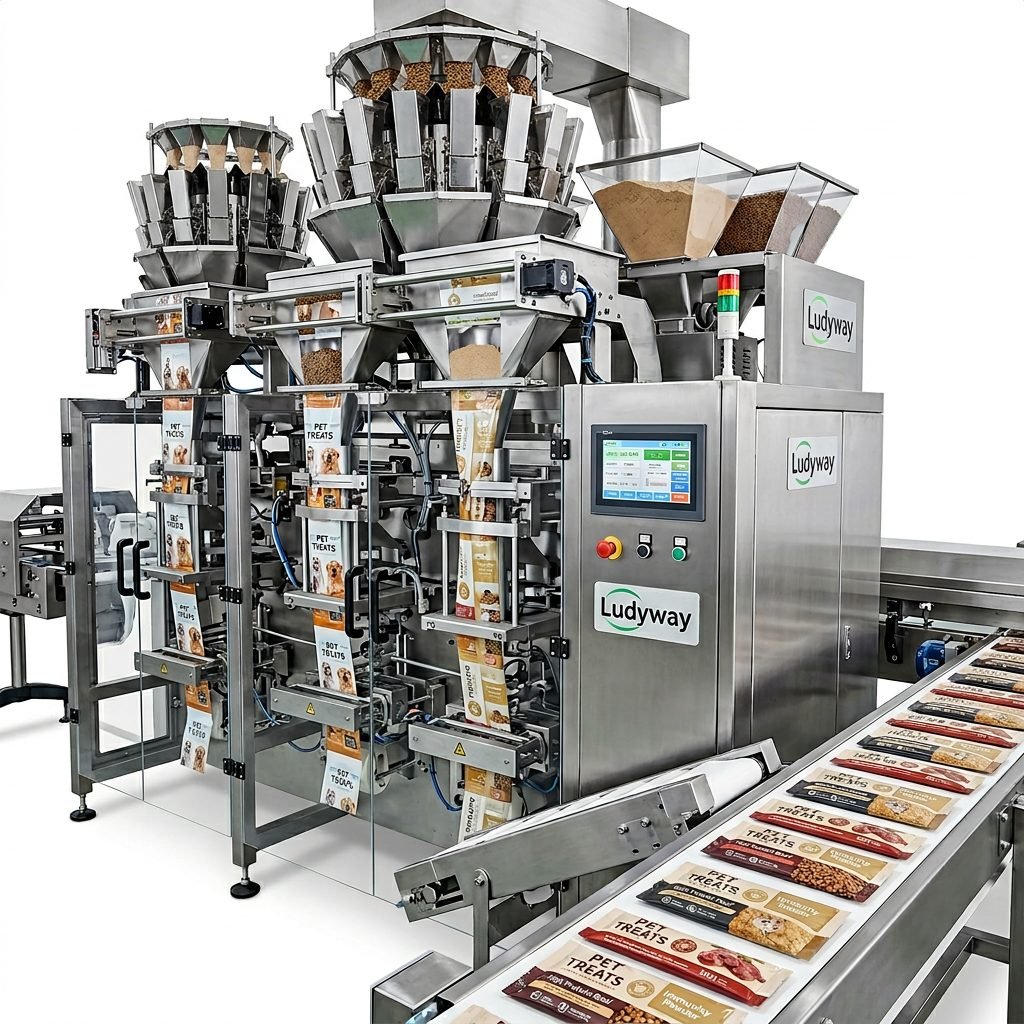
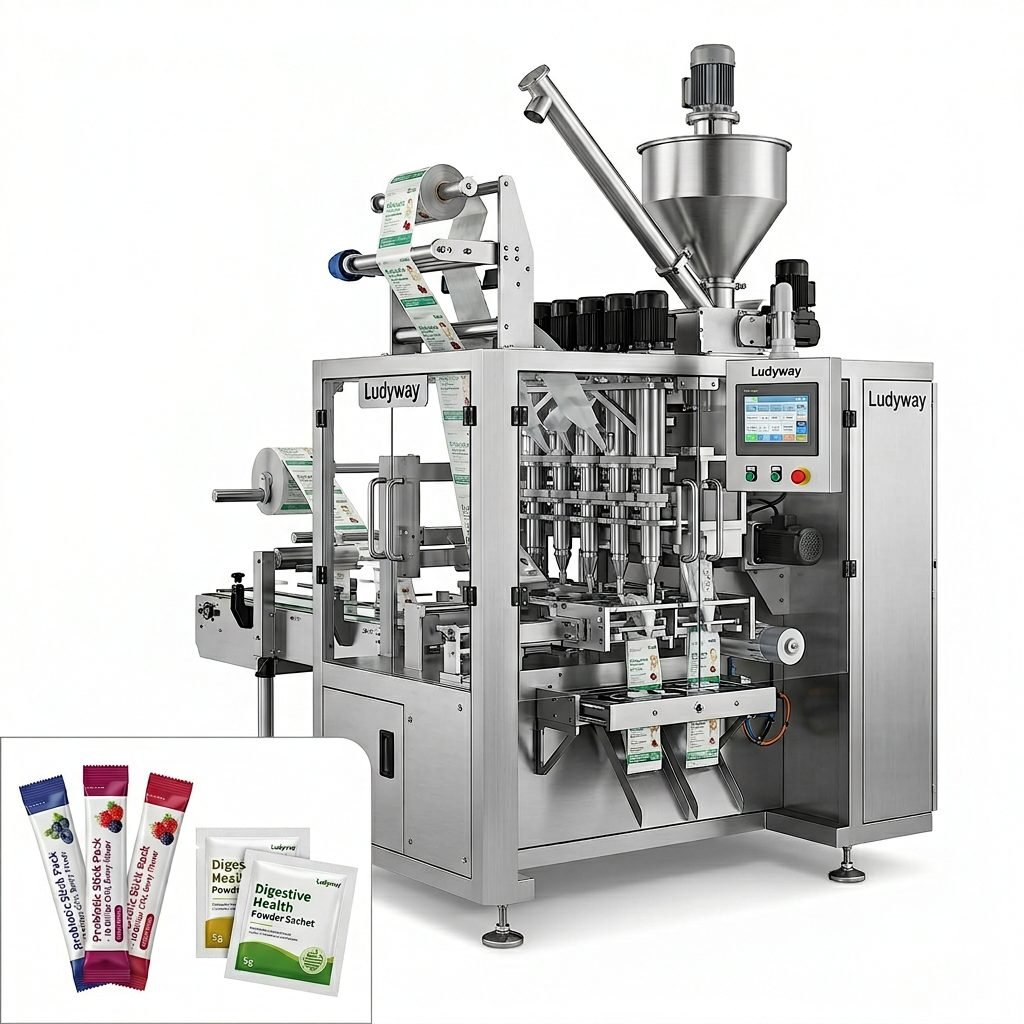
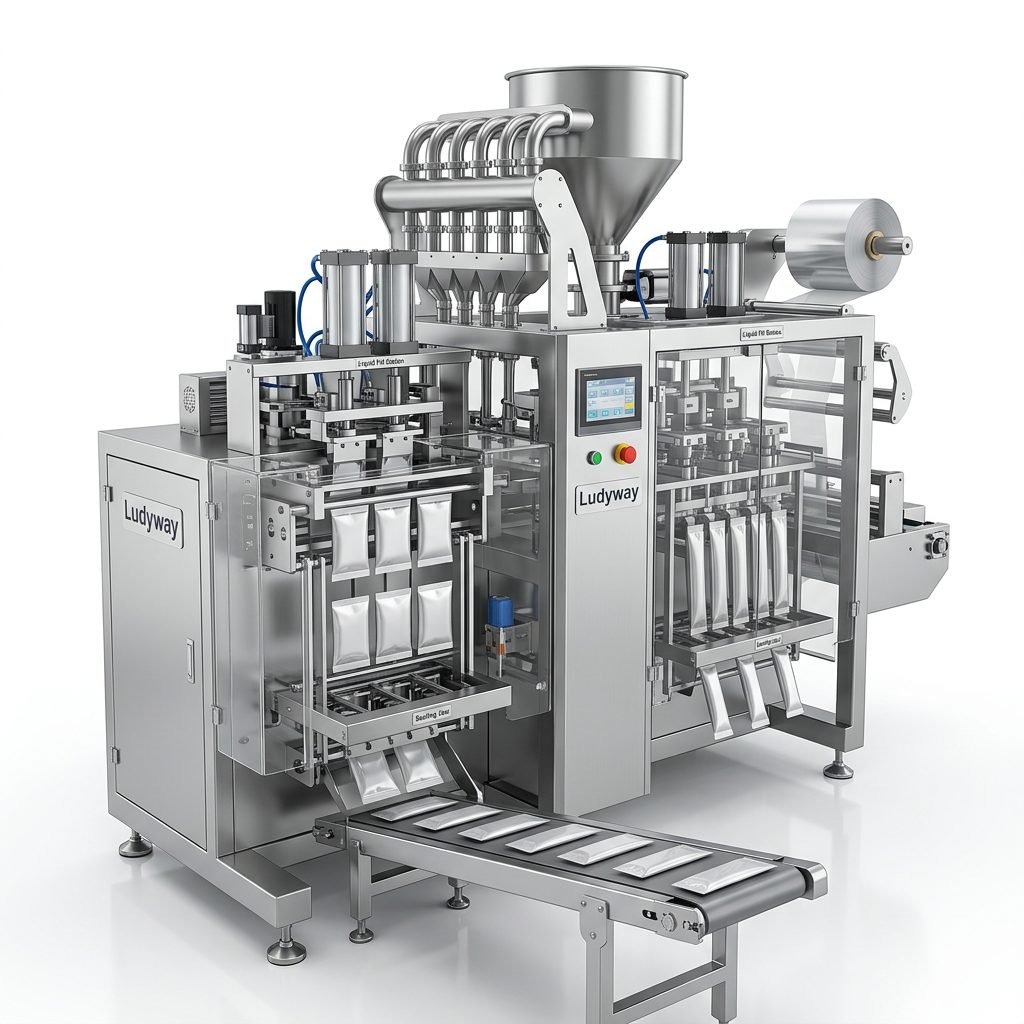
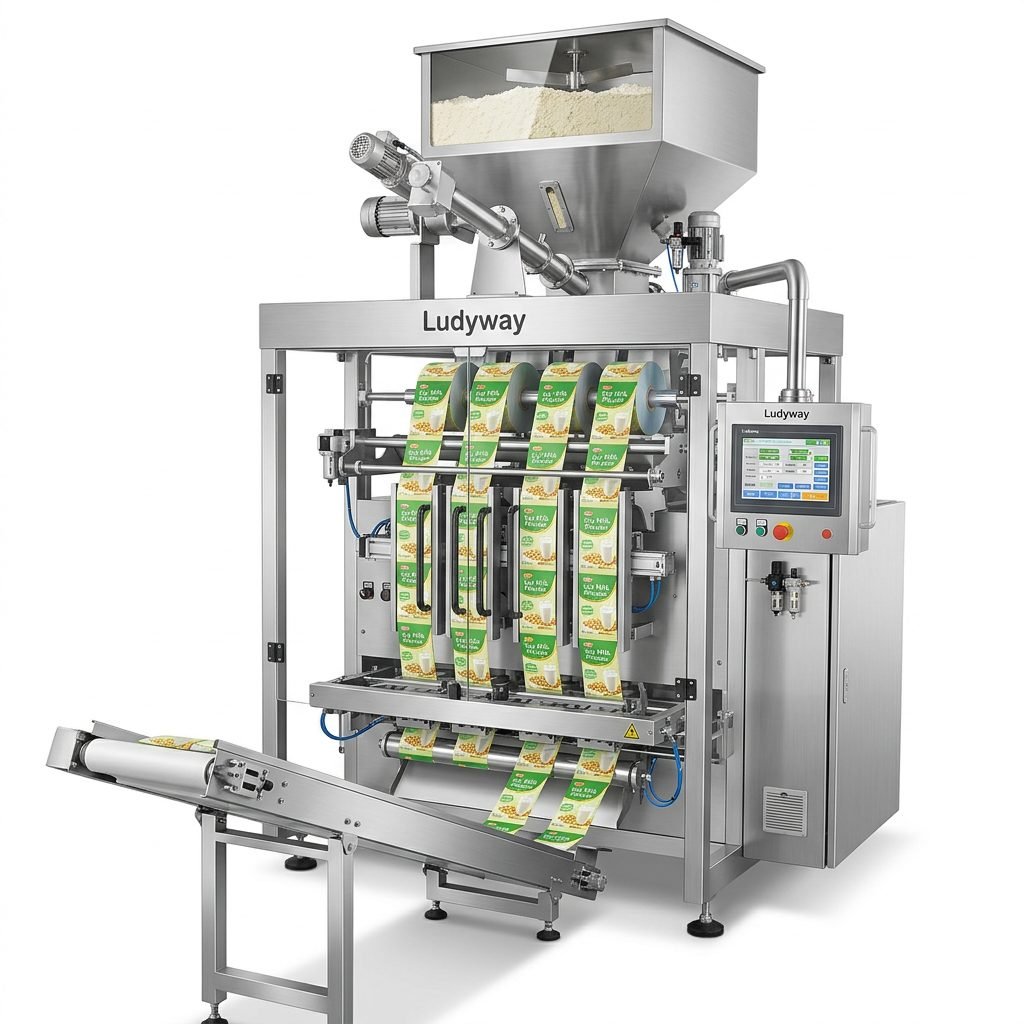
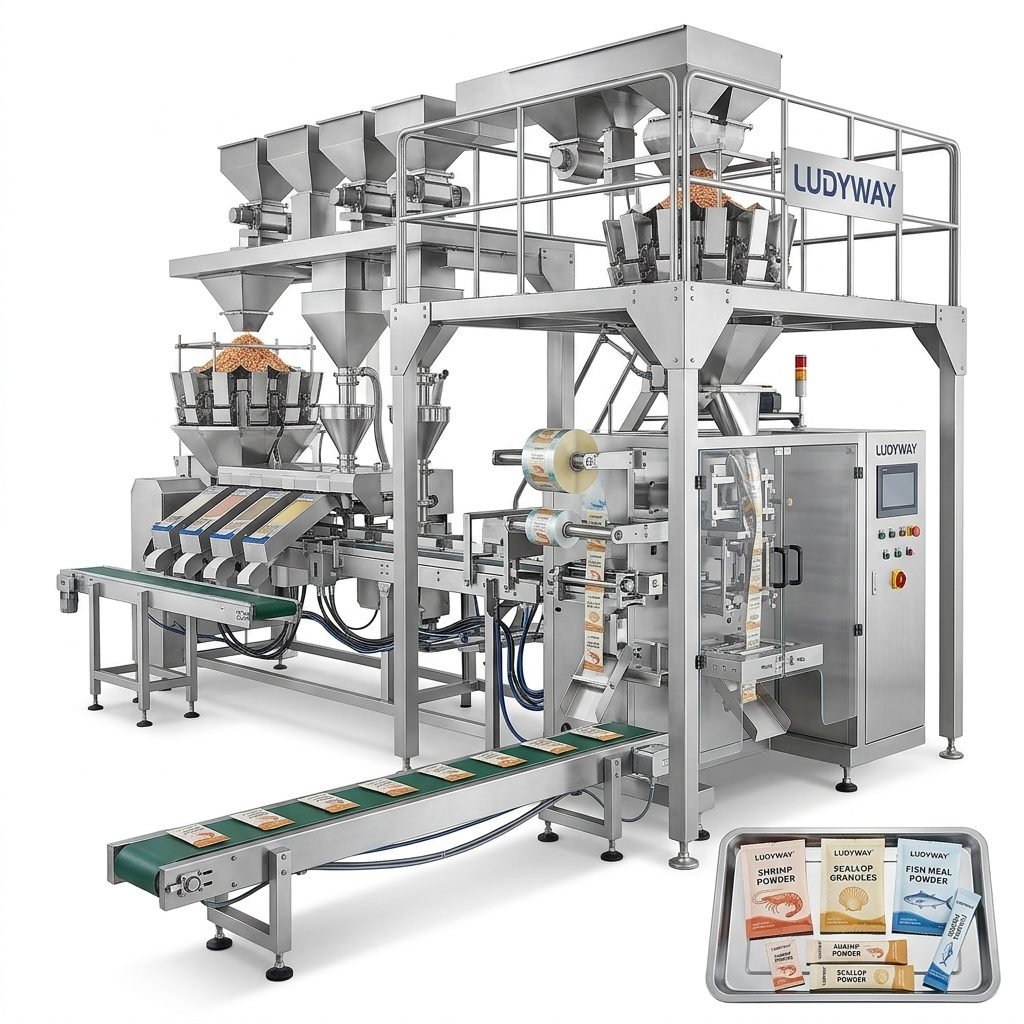
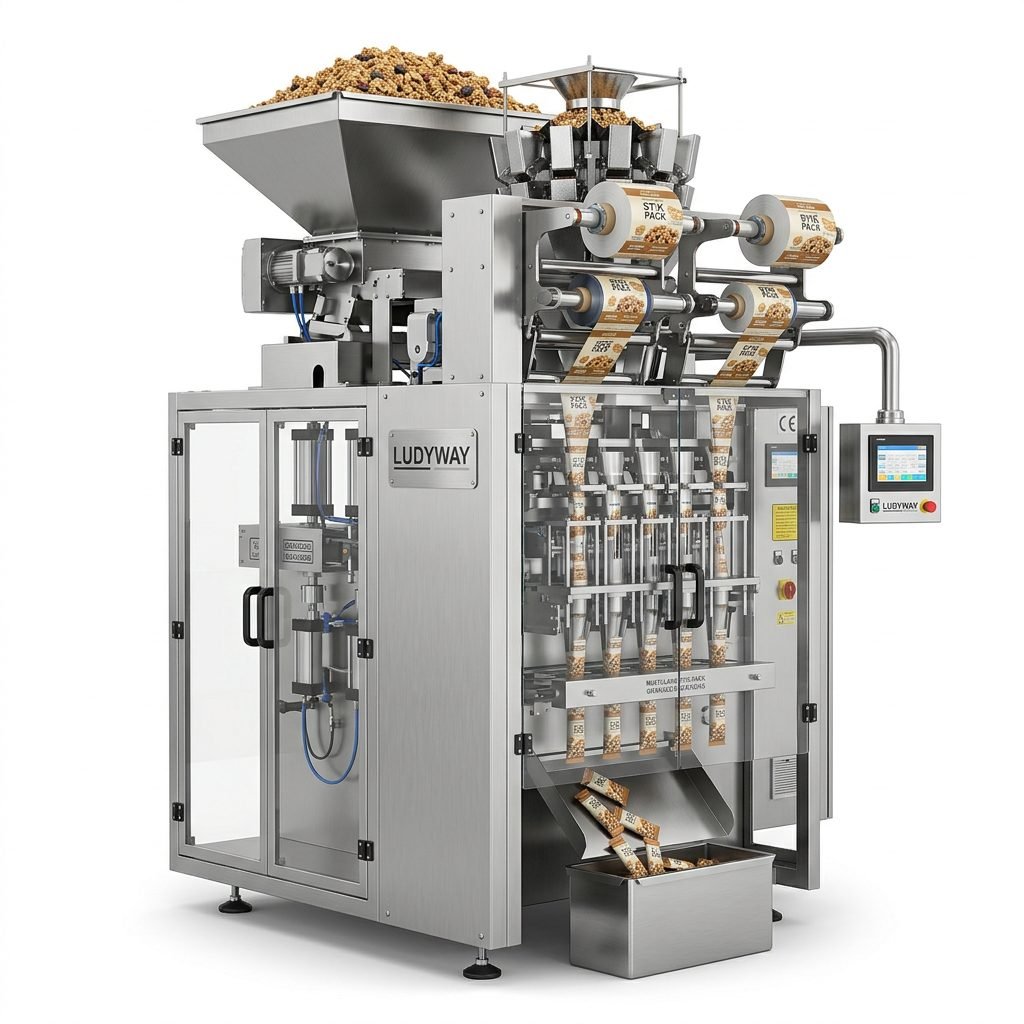
JDA packaging equipment plays a critical role in modern production environments where speed, consistency, hygiene, and scalability matter. Whether you package powders, granules, liquids, pastes, pouches, sticks, sachets, cartons, or complete product kits, the right equipment can significantly improve line efficiency and reduce operating costs.
For manufacturers in food, pharmaceutical, health supplement, cosmetic, chemical, and consumer goods sectors, understanding the main equipment categories and their selection criteria is essential before making an investment decision.
What Is JDA Packaging Equipment?
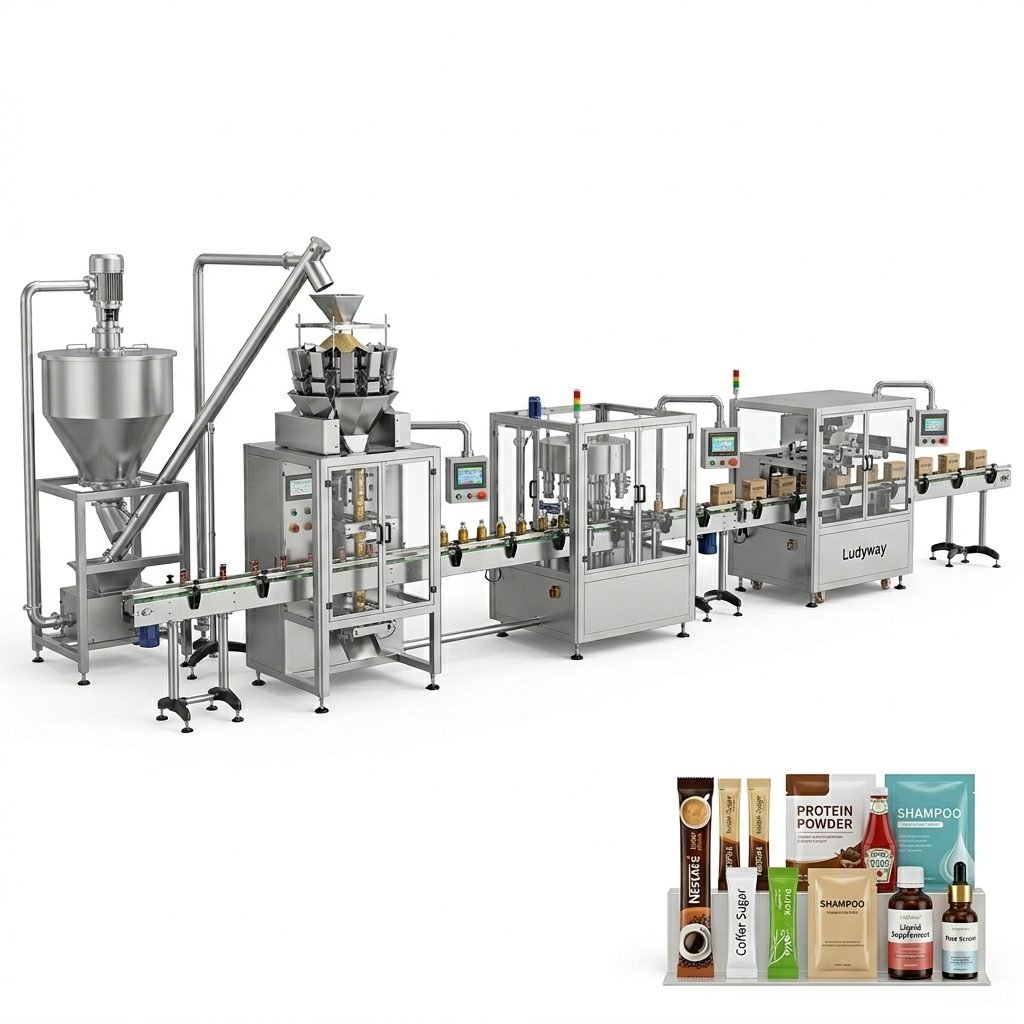
JDA packaging equipment generally refers to a broad range of automated or semi-automated machinery used to dose, fill, seal, label, inspect, convey, cartoning, and integrate products into finished sale-ready packages. In practical terms, it includes both single packaging machines and complete turnkey packaging lines.
These systems are designed to support different packaging materials and product forms, such as:
- Free-flowing granules
- Fine or dusty powders
- Liquids and semi-liquids
- Creams and pastes
- Single-dose stick packs and sachets
- Premade pouches and bags
- Bottles, jars, tubes, and cartons
Main Types of JDA Packaging Equipment
1. Form-Fill-Seal Machines
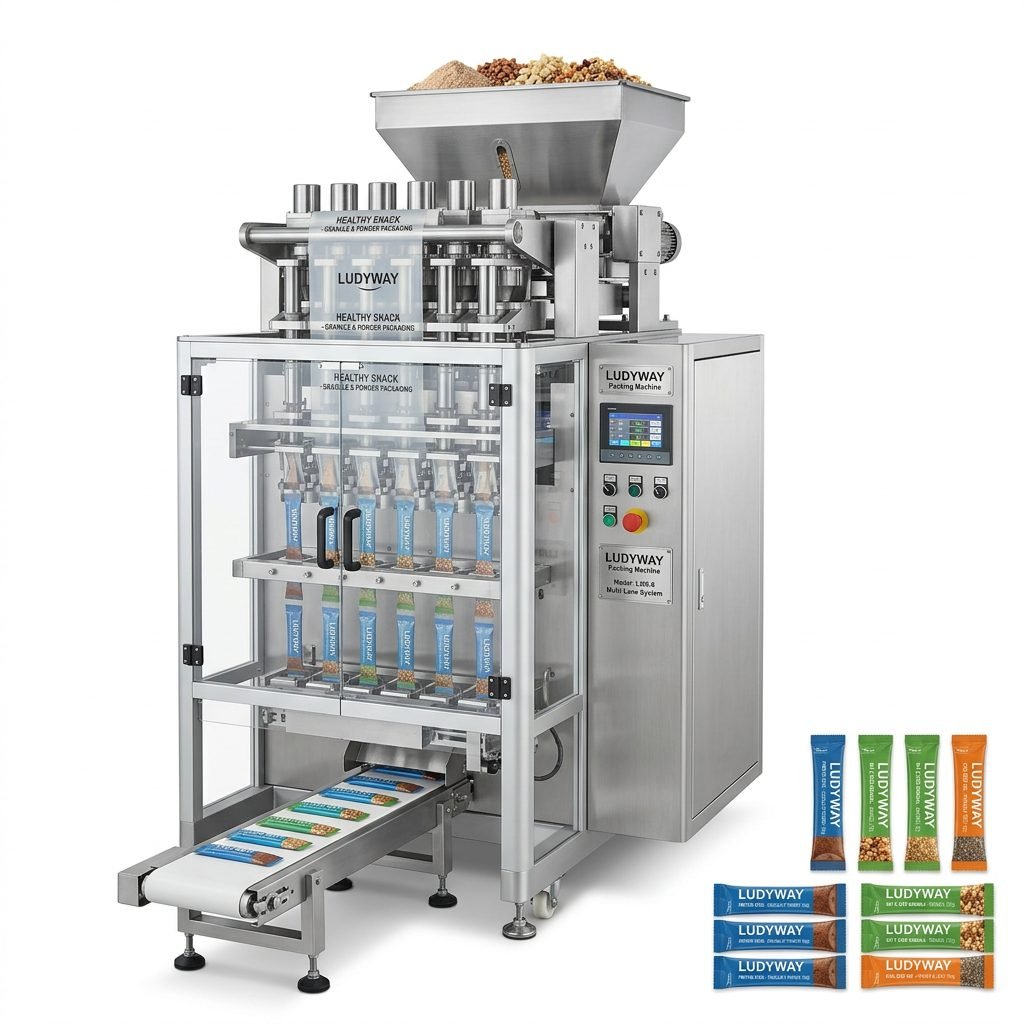
Form-fill-seal systems create the package from roll film, fill the product, and seal it in one continuous process. They are widely used for high-volume packaging because of their efficiency and flexibility.
- Vertical form-fill-seal machines for powders, granules, and some liquids
- Multi-lane stick pack machines for single-serve products
- Sachet packaging machines for flat, compact retail packs
- Horizontal systems for specific pouch or flow-wrap applications
Best for:
Instant coffee, seasoning, protein powder, oral rehydration salts, sauces, cosmetic samples, and supplement packs.
2. Filling and Sealing Machines
These machines are designed for products that need accurate filling into preformed containers or pouches. Depending on product characteristics, they may use auger filling, piston filling, pump filling, cup filling, or weigh filling.
- Powder filling machines
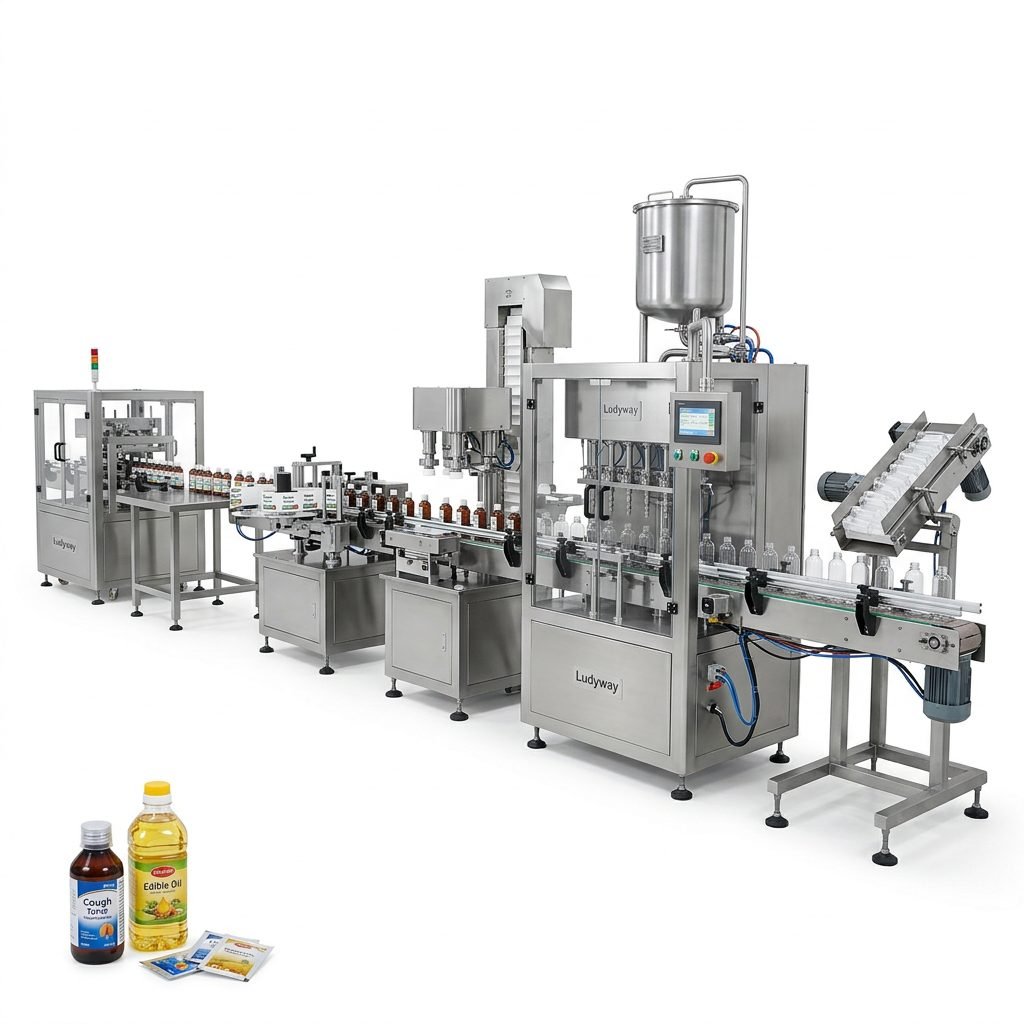
- Liquid filling and sealing systems
- Cream and paste fillers
- Bottle filling, capping, and sealing machines
3. Premade Pouch Packaging Machines
Premade pouch systems handle stand-up pouches, zipper pouches, flat pouches, and specialty bags. They are often chosen when visual shelf appeal and packaging quality are top priorities.
4. Auxiliary Packaging Equipment
A packaging line is rarely complete with just a filler or packer. Auxiliary systems support material feeding, product transfer, coding, quality control, and final handling.
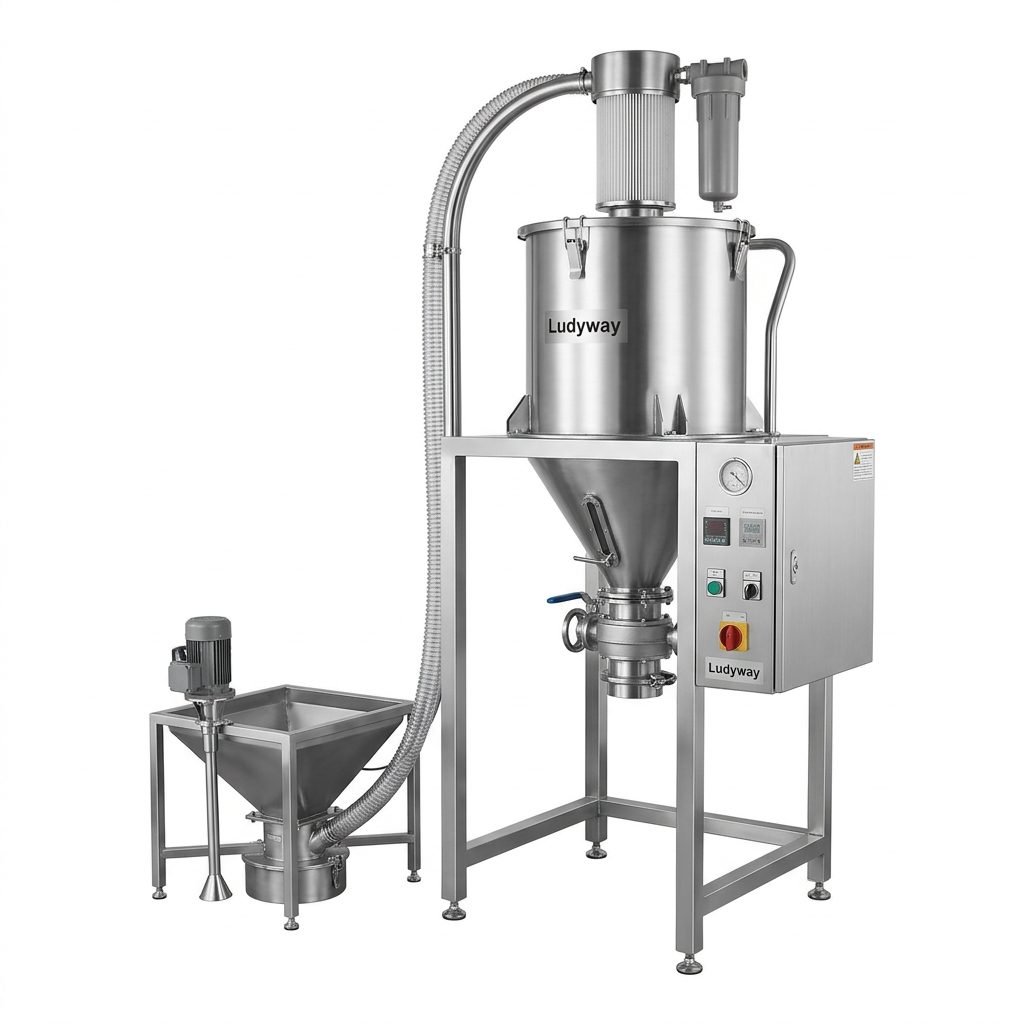
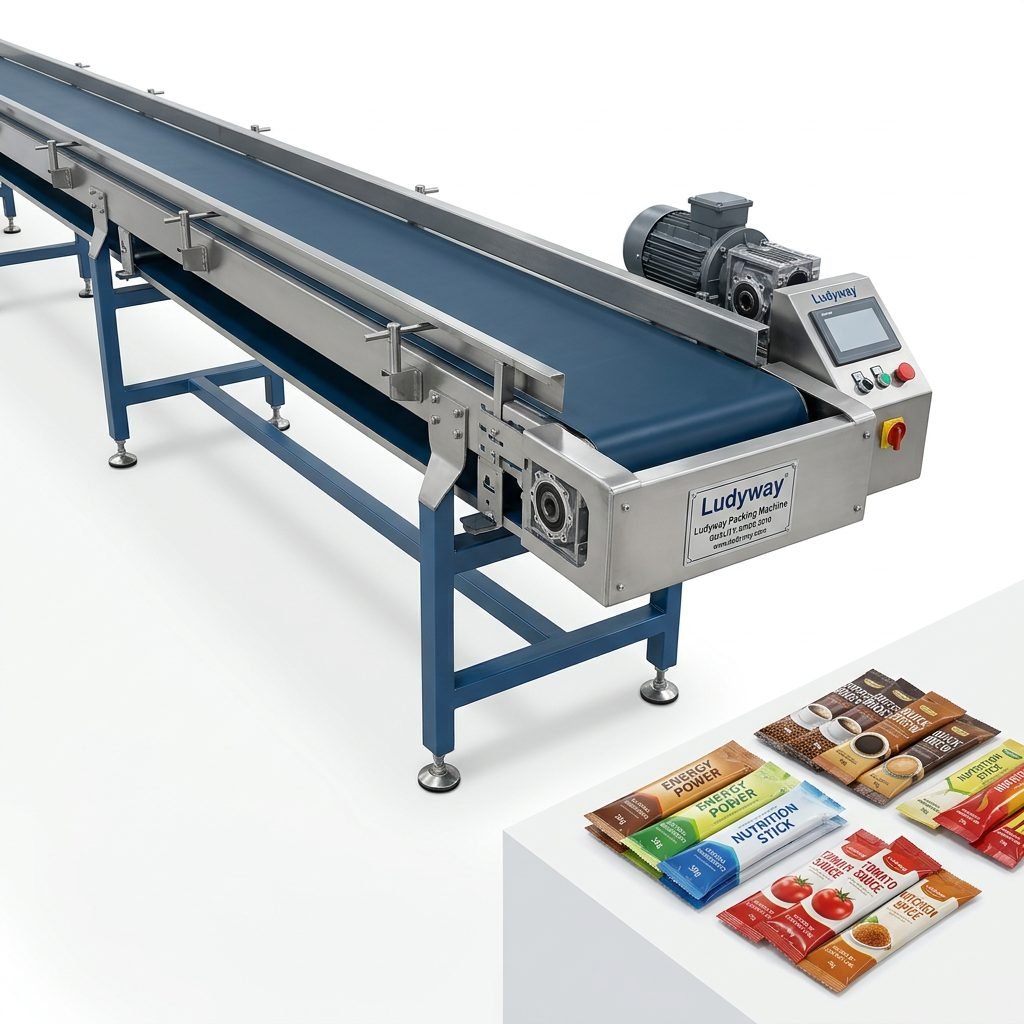
- Bucket elevators and screw conveyors
- Checkweighers and reject systems
- Metal detectors and vision inspection systems
- Labeling and coding machines
- Carton sealers, strapping machines, and palletizers
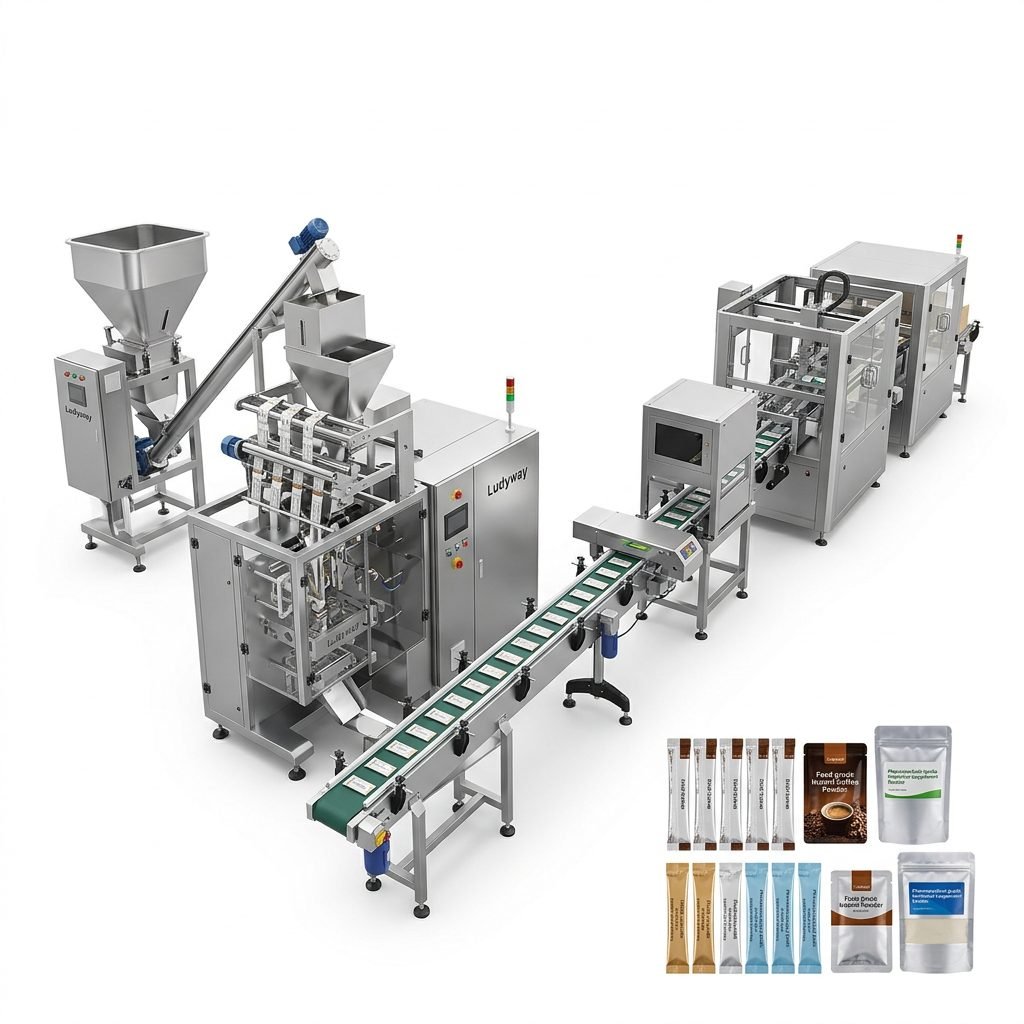
5. Turnkey Packaging Lines
A turnkey line combines multiple stations into one coordinated solution, from feeding and filling to sealing, cartoning, case packing, and palletizing. This is ideal for companies looking for higher automation and lower manual intervention.

Key Benefits of JDA Packaging Equipment
| Benefit | Why It Matters |
|---|---|
| Higher productivity | Automates repetitive tasks and increases output per shift |
| Better filling accuracy | Reduces giveaway, underfill risk, and product inconsistency |
| Lower labor dependency | Supports stable operations even when labor costs rise |
| Improved hygiene | Important for food, pharma, and health supplement applications |
| Consistent package quality | Improves seal integrity, appearance, and brand presentation |
| Scalability | Makes it easier to expand from standalone machines to integrated lines |
Industries That Commonly Use JDA Packaging Equipment
The demand for packaging automation continues to grow across many sectors. Typical applications include:
- Food industry: coffee, spices, sugar, flour, grains, snacks, sauces, dairy powders, instant drinks
- Pharmaceutical industry: oral powders, granules, tablets, medical consumables, diagnostic kits
- Health supplement industry: collagen, electrolytes, probiotics, vitamins, protein powders
- Cosmetic industry: cream, serum, lotion, facial mask sachets, sample packs
- Chemical industry: detergents, additives, treatment chemicals, industrial powders and liquids
- Pet care and feed: kibble, pellets, powders, supplements, treats
How to Choose the Right JDA Packaging Solution
Understand Your Product Characteristics
Start with the physical behavior of the product. The right machine for a free-flowing granule may not work well for a sticky powder or viscous paste.
- Is the product powder, granule, liquid, paste, or mixed texture?
- Does it create dust?
- Is it hygroscopic, foamy, sticky, corrosive, or heat-sensitive?
- Does it need nitrogen flushing, vacuum, or special sealing conditions?
Define the Packaging Format
Your target retail presentation directly affects machine selection. Common options include:
- Stick packs for single-dose convenience
- Sachets for compact sample or retail formats
- Pouches for premium shelf presence
- Bottles and jars for durable, resealable packaging
- Bulk bags for industrial or agricultural use
Estimate Required Output
Choose equipment based on realistic production needs, not just ideal future targets. Consider current demand, expected growth, shift length, and maintenance windows.
Check Accuracy and Quality Requirements
If you work in regulated sectors like pharma or health supplements, precise dosing and traceability are especially important. Ask about:
- Filling tolerance
- Seal consistency
- Validation support
- Inspection and rejection options
- Data recording and coding integration
Consider Factory Space and Layout
A machine that performs well on paper may still be difficult to install if your workshop has restricted layout, ceiling height, product flow limitations, or utility constraints.
Evaluate Future Expansion
A smart investment should allow room for upgrades such as more lanes, automatic feeding, cartoning, case packing, and robotic palletizing.
Quick Comparison: Standalone Machine vs Turnkey Line
| Option | Best For | Main Advantage |
|---|---|---|
| Standalone machine | Small to mid-scale production or line upgrades | Lower initial investment and easier implementation |
| Integrated turnkey line | Growing factories and high-volume operations | Better automation, smoother workflow, and stronger long-term efficiency |
Common Mistakes to Avoid When Buying Packaging Equipment
- Choosing based on price alone instead of total lifecycle value
- Ignoring product behavior during actual filling tests
- Underestimating maintenance access and spare parts support
- Buying a machine without room for future capacity expansion
- Not confirming compatibility with packaging film, pouch, or container specifications
- Overlooking compliance needs in food or pharmaceutical production
What to Ask a Packaging Equipment Supplier
- Can the machine run my product and packaging format reliably?
- What speed range is realistic in real production conditions?
- How accurate is the filling system?
- What materials are used for product-contact parts?
- What training, installation, and after-sales support are included?
- Can the equipment be customized for my plant and product requirements?
- Is it possible to integrate coding, inspection, cartoning, and conveying systems?
Choosing a Reliable Manufacturing Partner
A dependable supplier should offer more than machine assembly. The ideal partner understands product application, automation logic, line integration, and global project delivery. For buyers seeking scalable equipment across food, pharma, health supplement, cosmetic, chemical, and pouch-based applications, JDA packaging equipment solutions from Ludyway represent a strong option backed by over 30 years of manufacturing experience, a broad equipment portfolio, and turnkey line capabilities for international markets.
Final Buying Checklist
- Product type: powder, granule, liquid, or paste
- Pack style: sachet, stick pack, pouch, bottle, or bulk bag
- Target speed: packs per minute or bags per hour
- Accuracy: acceptable fill tolerance
- Automation level: semi-auto, full-auto, or turnkey line
- Compliance: food safety, pharma, GMP-related needs
- Factory fit: space, utilities, and workflow
- Support: installation, commissioning, spare parts, and service
The right JDA packaging equipment should not only meet today’s production goals but also support future growth, product diversification, and stronger packaging quality. By matching machine type, product behavior, packaging format, and automation objectives, manufacturers can build a more efficient and competitive operation.