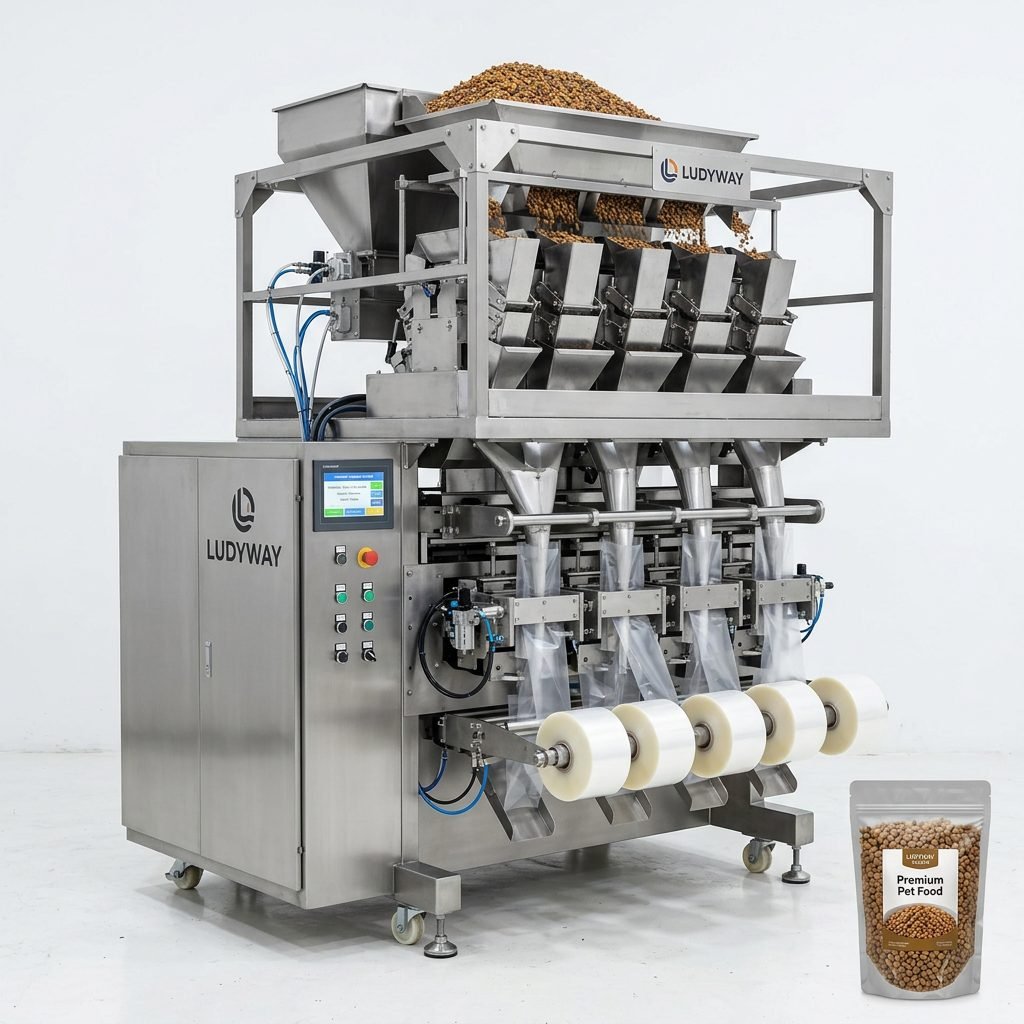
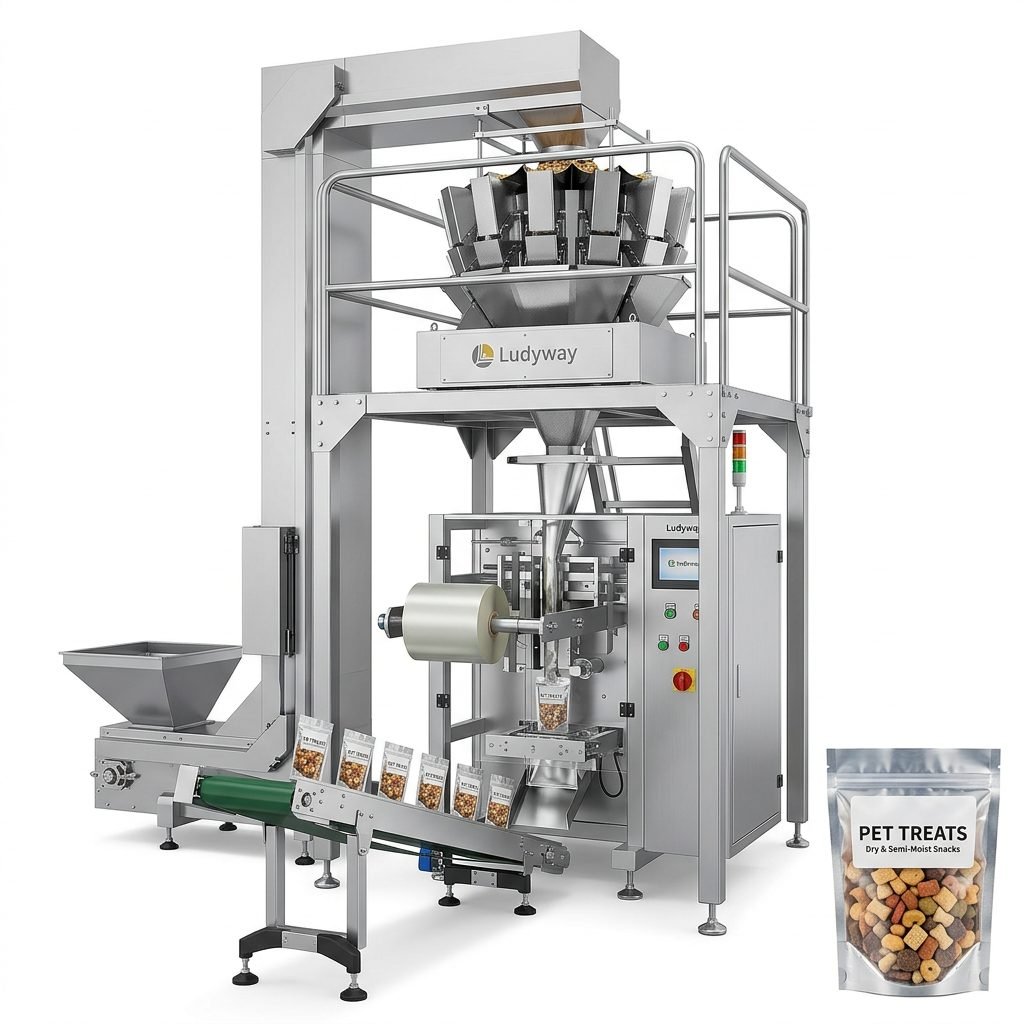
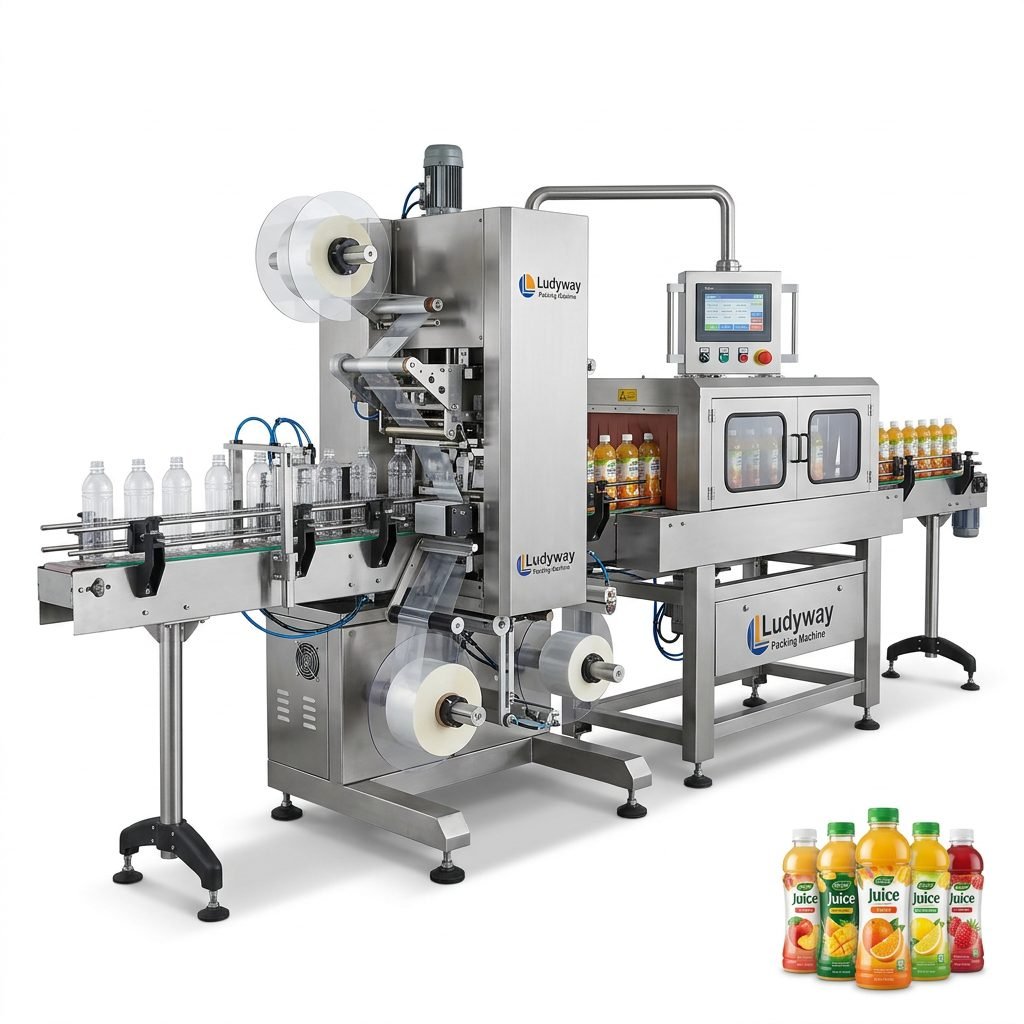
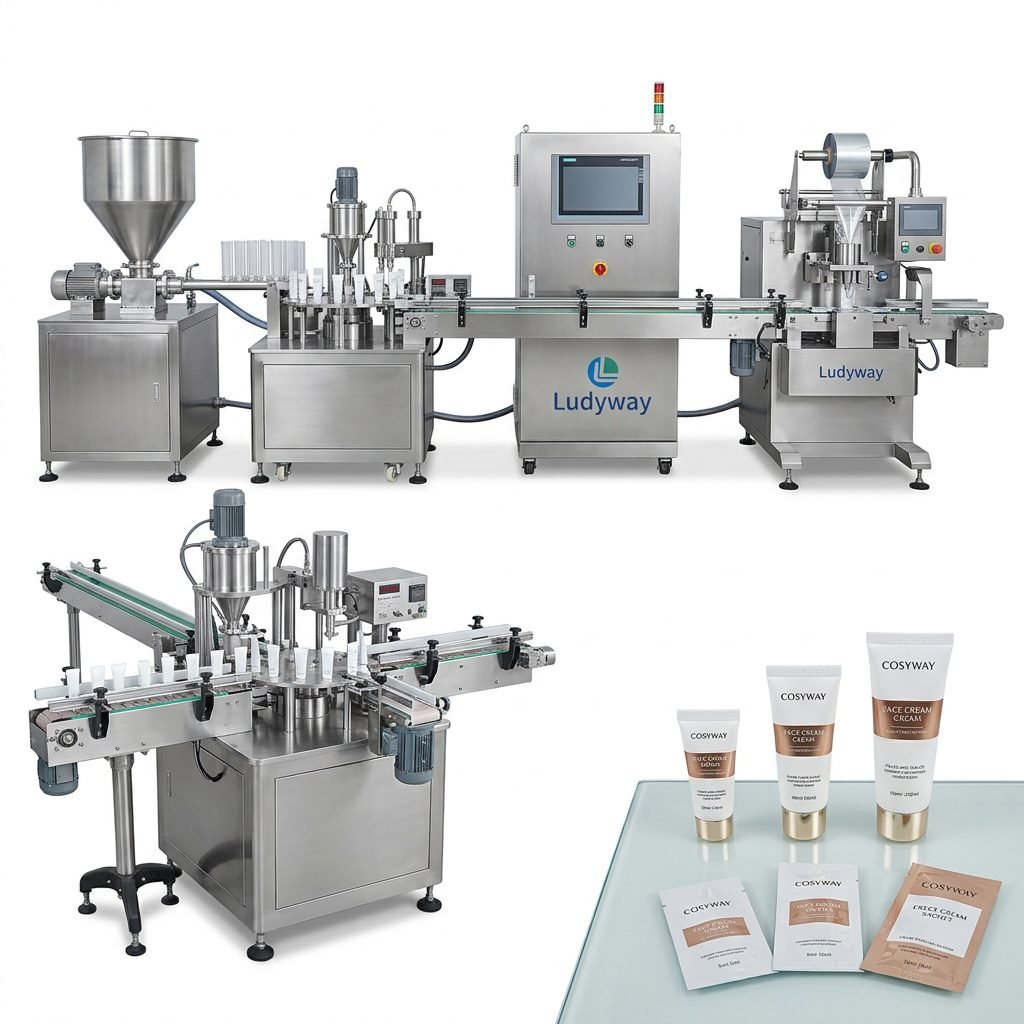
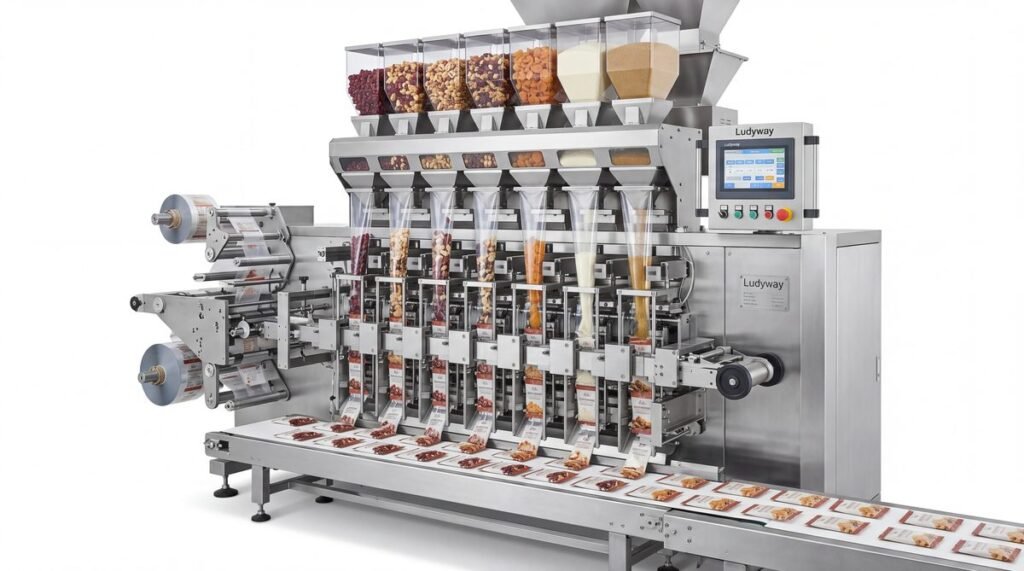
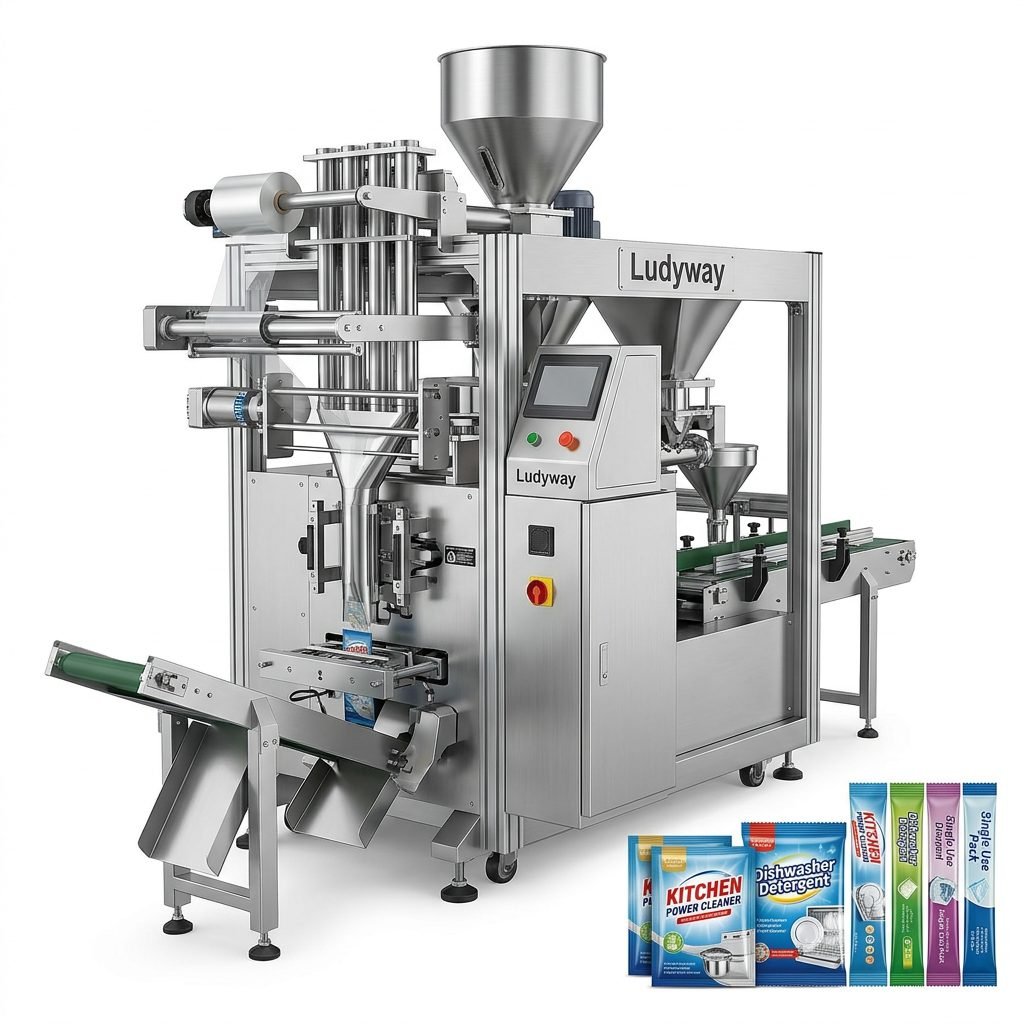
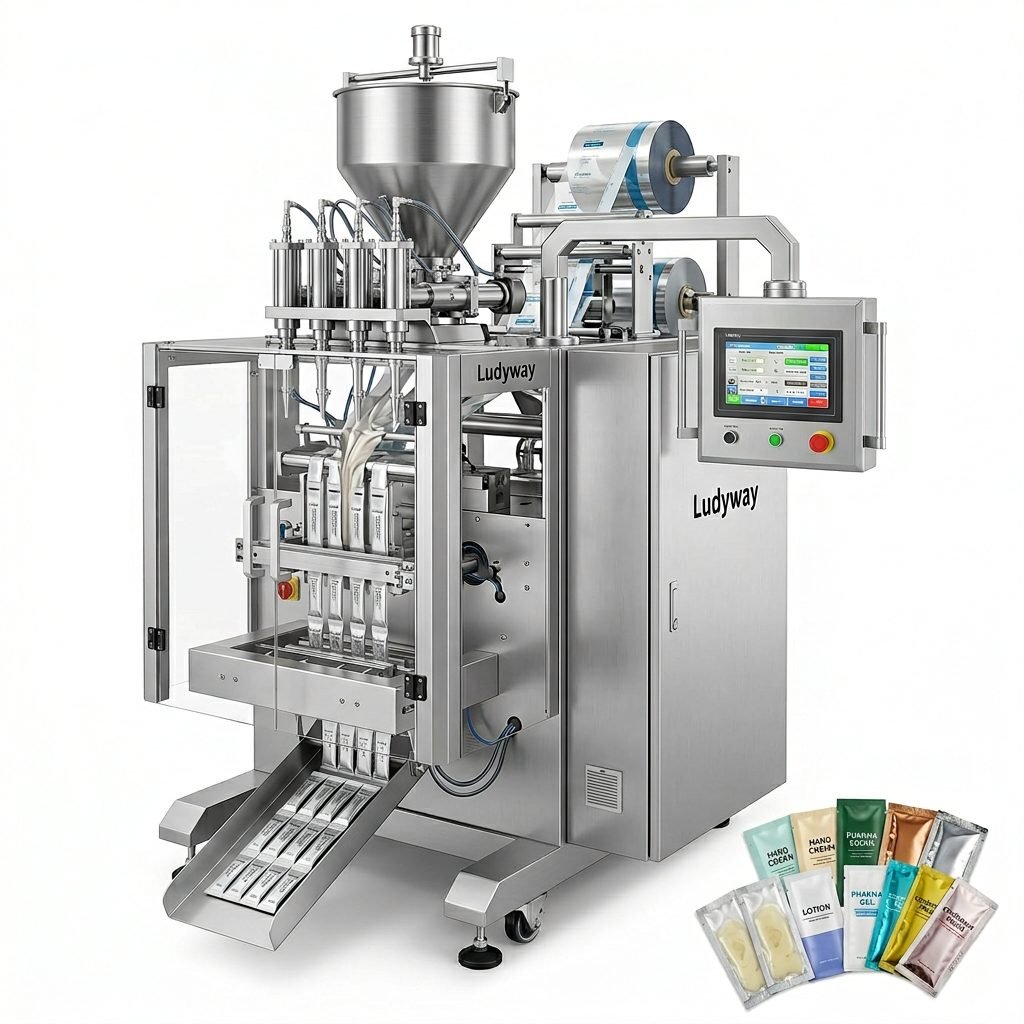
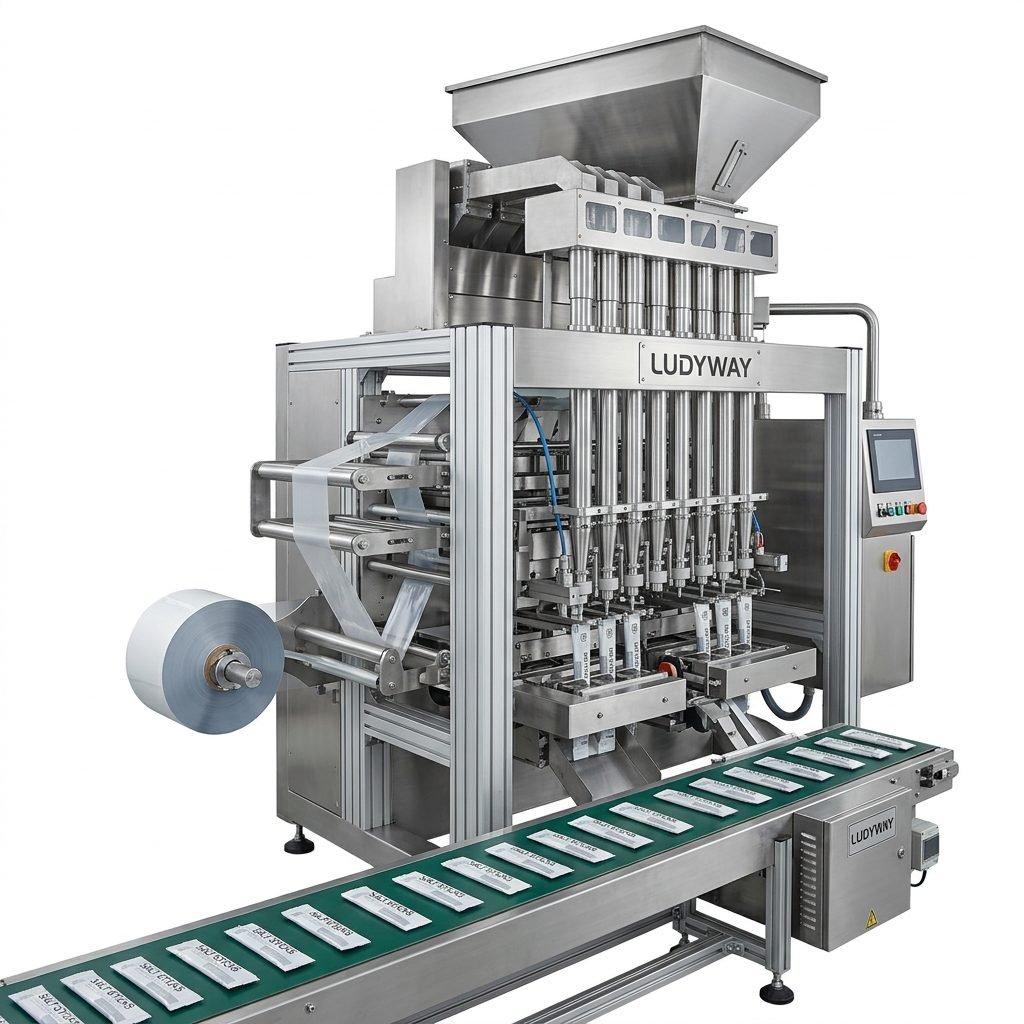
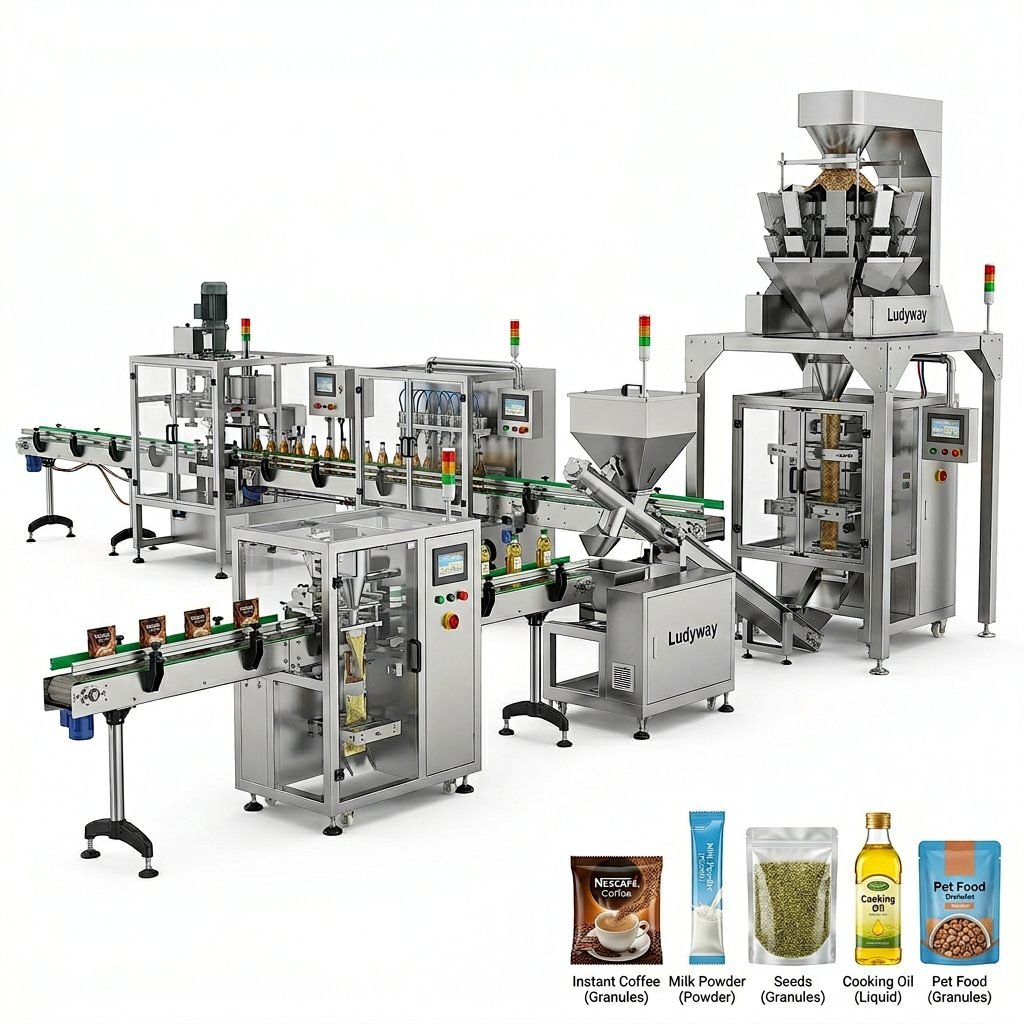
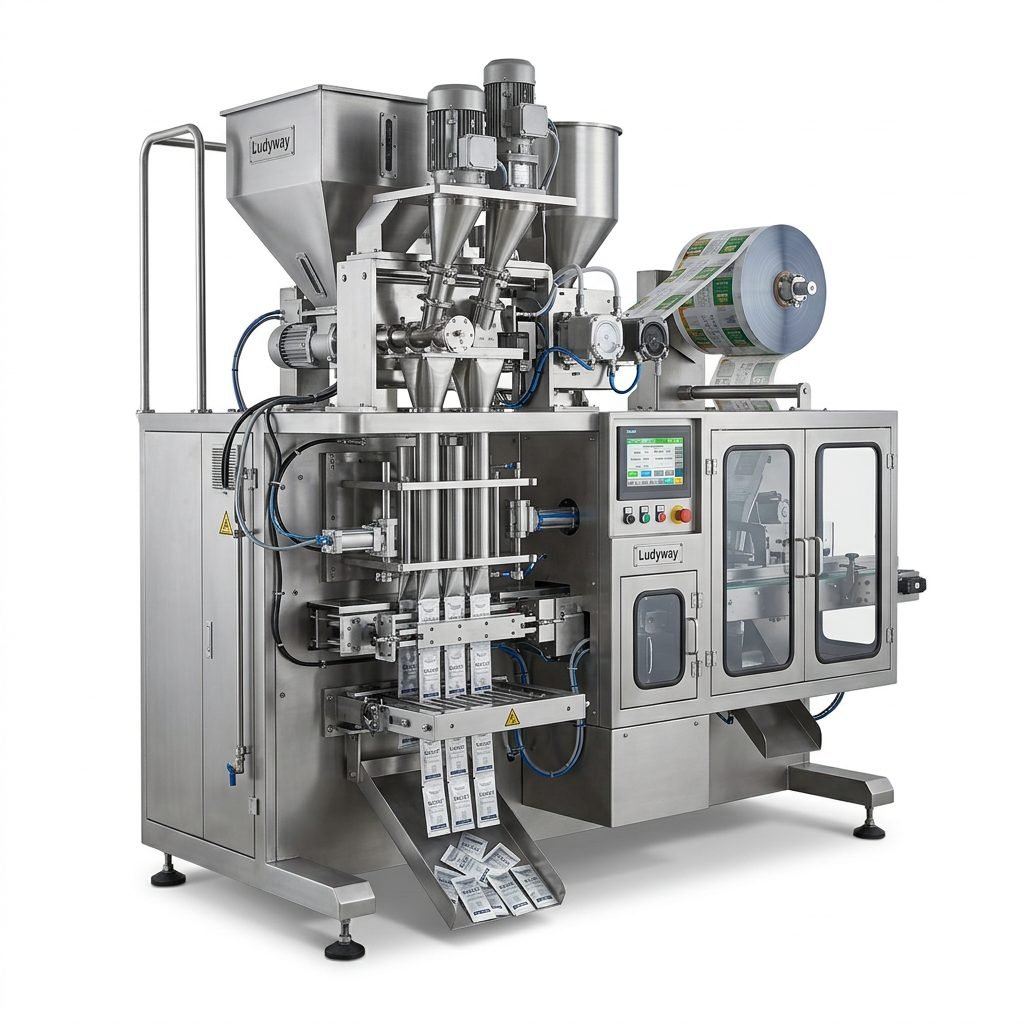
For businesses looking to optimize their packaging operations without the high capital expenditure of new machinery, pre-owned packaging equipment presents a compelling opportunity. The market for used machines offers significant cost savings, often providing access to reliable, high-quality equipment at a fraction of the original price. This guide is designed to help you navigate the process of sourcing and purchasing affordable used packaging machines, ensuring you make an informed investment that meets your production needs.
Understanding the Pre-Owned Packaging Equipment Market
The secondary market for packaging machinery is robust and diverse. From vertical form-fill-seal (VFFS) machines and cartoners to liquid fillers and cappers, a wide variety of equipment is available. These machines often come from companies that have upgraded their lines, ceased operations, or changed their product focus. The key advantage is substantial cost reduction, allowing small to medium-sized enterprises to compete more effectively.
Key Market Segments
The pre-owned market caters to several key segments:
- Food & Beverage: Used for packaging snacks, powders, liquids, and frozen goods.
- Pharmaceutical & Healthcare: Includes tablet counters, blister packers, and sachet machines.
- Cosmetics & Chemicals: Equipment for filling creams, lotions, and granular detergents.
Benefits of Choosing Used Packaging Machinery
Investing in pre-owned equipment goes beyond just initial savings. One major benefit is faster deployment. Unlike new machines that may have long lead times, used equipment is typically available for immediate shipment and installation. This can be crucial for businesses needing to ramp up production quickly to meet market demand or fulfill a large contract.
Reduced Depreciation and Proven Reliability
New machinery experiences its highest depreciation in the first few years. By purchasing used, you avoid this steep initial value drop. Furthermore, many older models have a long track record of performance in the industry. Their reliability is well-documented, and spare parts are often readily available, minimizing downtime risks.
Complete Buying Guide for Used Packaging Machines
Purchasing used equipment requires careful planning and inspection to ensure a successful investment. Follow this step-by-step guide to make a confident purchase.
Step 1: Define Your Requirements
Before you start looking, clearly define what you need. Consider:
- Product Type: What are you packaging? (e.g., granules, powders, liquids, sticks)
- Production Speed: Required output in packs per minute (PPM).
- Packaging Materials: Film type, bag style, or container specifications.
- Footprint: Available floor space in your facility.
Step 2: Source Reputable Sellers
Finding a trustworthy supplier is critical. Look for companies with a strong reputation, like Ludyway Machinery, which brings decades of industry experience to the table. Reputable sellers often provide:
✅ Detailed machine history and maintenance logs.
✅ Professional inspection and refurbishment services.
✅ Warranty or guarantee on critical components.
✅ Technical support and training post-purchase.
Step 3: Conduct a Thorough Inspection
Never buy a machine sight-unseen. If possible, arrange an in-person or live video inspection. Check for:
- Mechanical Wear: Inspect seals, gears, chains, and moving parts.
- Control System: Test the PLC, HMI, and electrical panels for functionality.
- Hygiene & Cleanliness: Especially important for food and pharma-grade machines.
- Run a Test: Request a production test with a material similar to yours.
Step 4: Evaluate Total Cost of Ownership (TCO)
The purchase price is just one part of the cost. Factor in:
• Shipping and rigging costs.
• Installation and commissioning fees.
• Potential refurbishment or part replacement costs.
• Availability and cost of spare parts.
Maximizing the Value of Your Investment
To get the most out of your pre-owned machine, proper integration and maintenance are key. Partnering with an expert like Ludyway can provide access to turnkey solutions and ensure the machine is correctly configured for your specific production line.
Importance of After-Sales Support
Reliable technical support is invaluable. Ensure your supplier offers comprehensive after-sales services, including operational training, troubleshooting assistance, and a clear path for sourcing spare parts. This support network dramatically reduces operational risk and extends the machine’s productive lifespan.
💡 Pro Tip: Consider a Refurbishment Package
Many reputable sellers offer professional refurbishment. This process can include replacing worn parts, updating safety features, repainting, and recalibrating the machine to near-new condition. While it adds to the upfront cost, it can significantly enhance reliability, efficiency, and safety, offering the best of both worlds: lower cost than new with higher performance than “as-is” used.
Future-Proofing Your Packaging Line
When integrating a used machine, consider its compatibility with future upgrades or other equipment. Choosing modular or widely-used models makes it easier to adapt your line as your business grows. Exploring complete packaging solutions from experienced providers can help you plan for scalability from the start.
Frequently Asked Questions (FAQs)
1. What is the typical cost saving when buying pre-owned vs. new packaging equipment?
Savings can range from 40% to 70% off the original manufacturer’s price, depending on the machine’s age, condition, and model. The most significant savings are often found on well-maintained, discontinued models that are still highly capable.
2. How can I verify the condition and history of a used machine?
Always request detailed documentation, including maintenance logs, service records, and a list of replaced parts. Reputable sellers conduct professional inspections and provide reports. The gold standard is to witness a live test run, either in person or via video stream.
3. Do used packaging machines come with a warranty?
This varies by seller. “As-is” sales typically have no warranty. However, many professional resellers and original equipment manufacturers (OEMs) selling their own refurbished units offer limited warranties on critical components, such as 90 days to 1 year on parts. Always clarify warranty terms before purchasing.
4. Is it difficult to find spare parts for older used machinery?
It can be a challenge for obscure or very old models. This is why it’s advisable to purchase more common, industry-standard models from major brands. Suppliers like Ludyway, with extensive industry networks, can often source or manufacture necessary parts, mitigating this risk.
5. Can a used machine be integrated into a modern, automated production line?
Absolutely. Many used machines can be retrofitted with updated PLCs, sensors, or communication modules (like Ethernet/IP) to interface with modern MES (Manufacturing Execution Systems) or line controllers. Discuss your automation goals with your supplier to ensure compatibility and explore necessary upgrades.