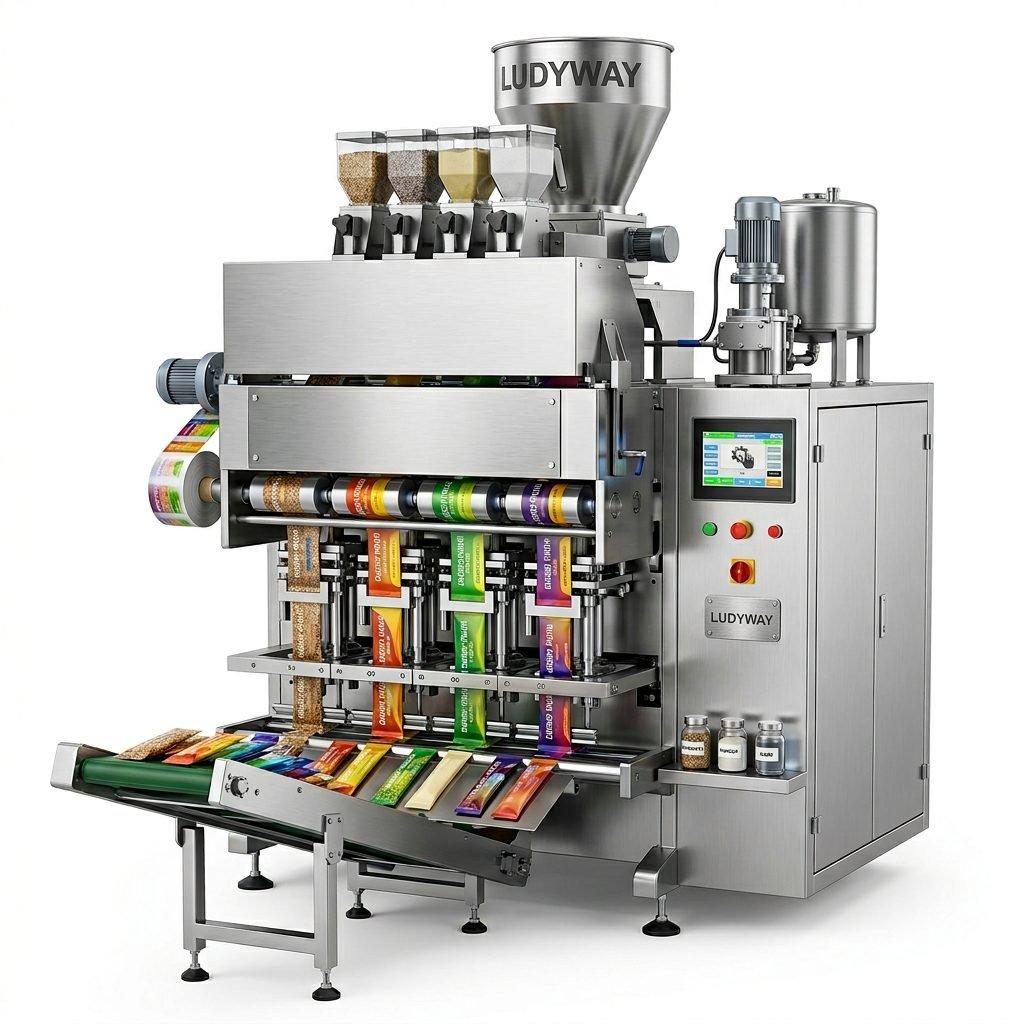
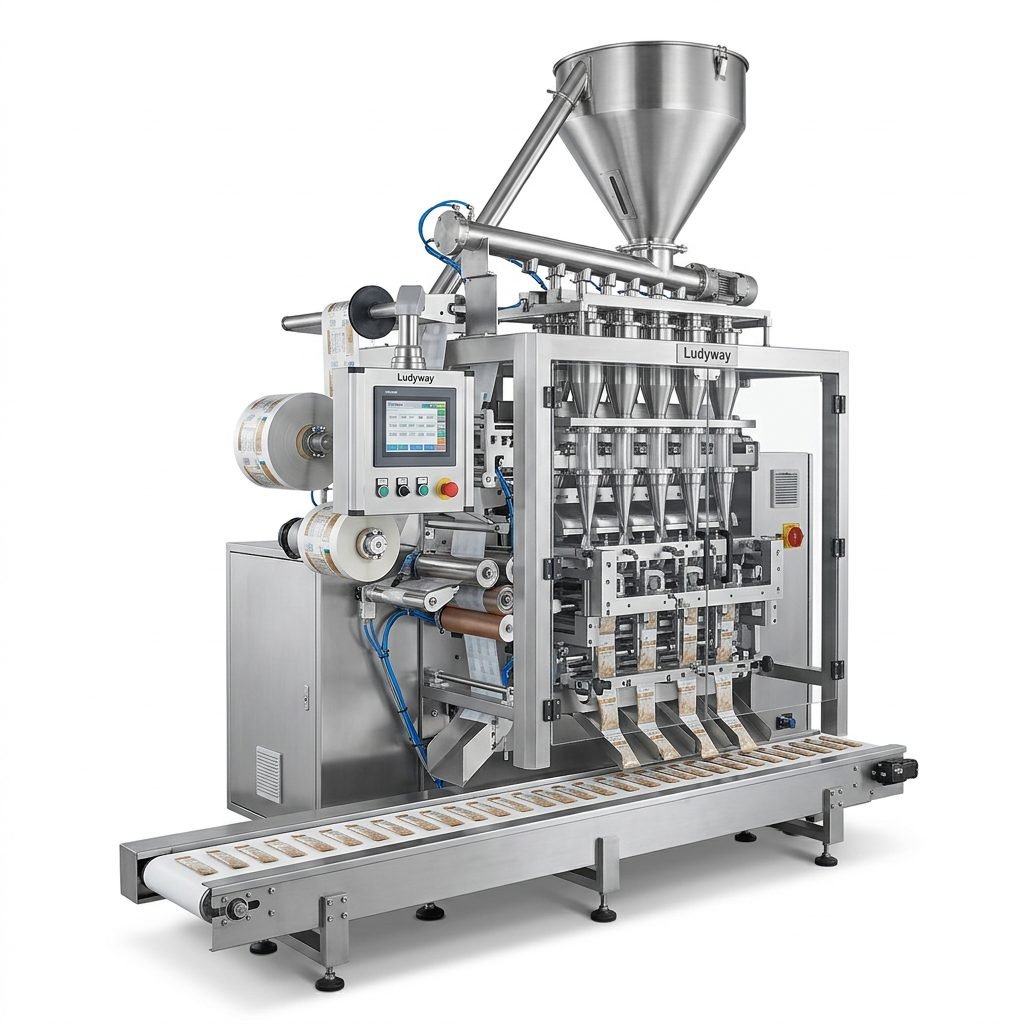
Investing in a herbal tea packaging machine is a strategic decision that directly impacts product quality, shelf life, and production efficiency. Whether you are packaging loose-leaf blends, fine herbal powders, or whole-flower infusions, the right equipment must handle delicate botanicals with precision while maintaining throughput. This guide walks you through the essential factors to evaluate before making a purchase, helping you avoid costly mistakes and select a system that grows with your business.
Understanding the Unique Challenges of Herbal Tea Packaging
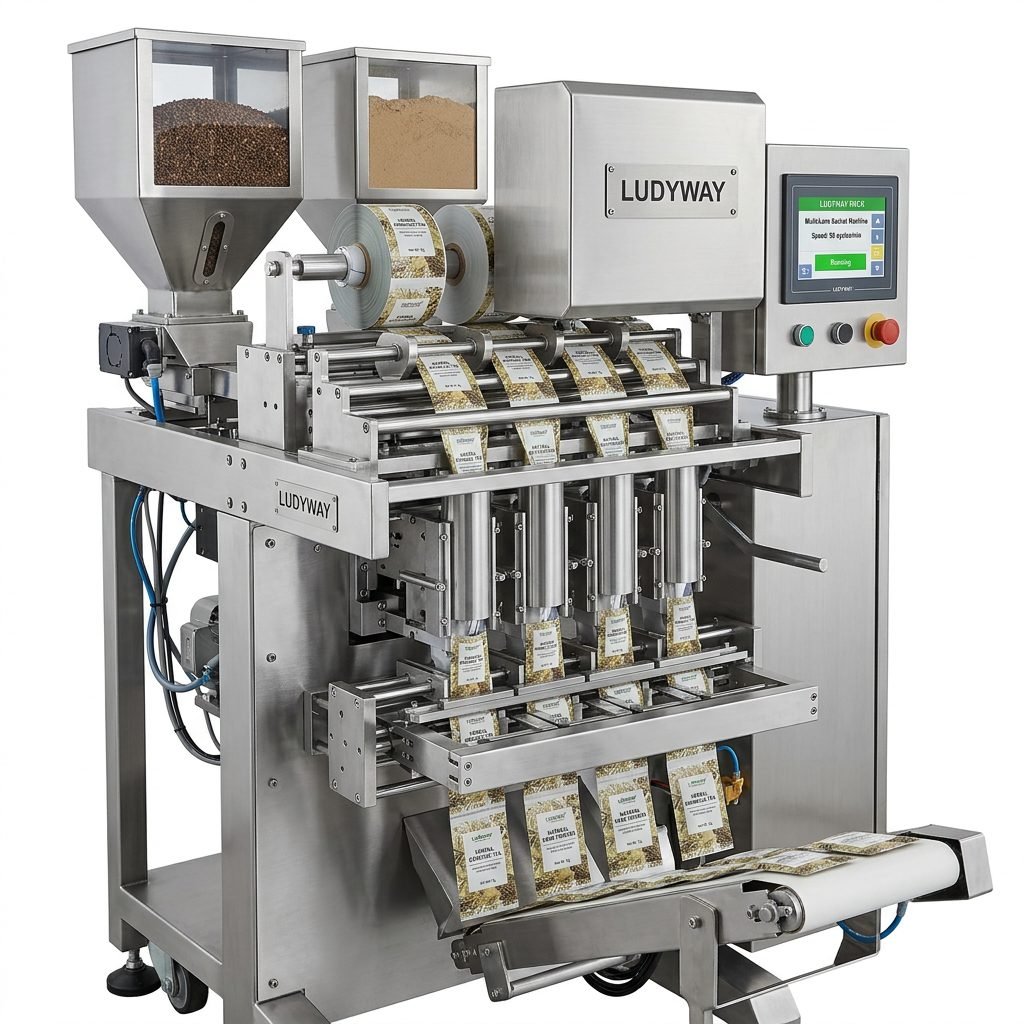
Herbal teas present distinct challenges compared to standard black or green teas. Blends often contain varied particle sizes — from fine chamomile pollen to coarse peppermint leaves — which can cause inconsistent filling if the machine is not properly configured. Additionally, many herbal ingredients are hygroscopic, absorbing ambient moisture and becoming sticky or prone to clumping. A poorly designed dosing system can crush fragile botanicals, degrading both appearance and flavor profile. Therefore, the filling mechanism must be matched to the specific characteristics of your blend.
Key Product Characteristics to Analyze
- Particle size distribution: Uniform or mixed-size blends
- Flowability: Free-flowing vs. cohesive or interlocking particles
- Moisture sensitivity: Hygroscopic behavior requiring sealed dosing environments
- Fragility: Susceptibility to crushing or dust generation during handling
- Oil content: Residual essential oils affecting friction and material flow
Packaging Formats and Material Compatibility
The format you choose — stick pack, sachet, flat pouch, or stand-up pouch — dictates the type of machine required. Herbal teas are increasingly packaged in single-serve stick packs for convenience, while premium loose-leaf products often use larger stand-up pouches with resealable zippers. Each format demands specific film handling, sealing temperature profiles, and registration accuracy. When evaluating machinery, confirm that the system can accommodate the flexible packaging materials you intend to use, including multi-layer laminates with barrier properties that protect against oxygen and UV degradation.
Comparing Packaging Format Options
| Format | Typical Volume | Best For | Machine Type |
|---|---|---|---|
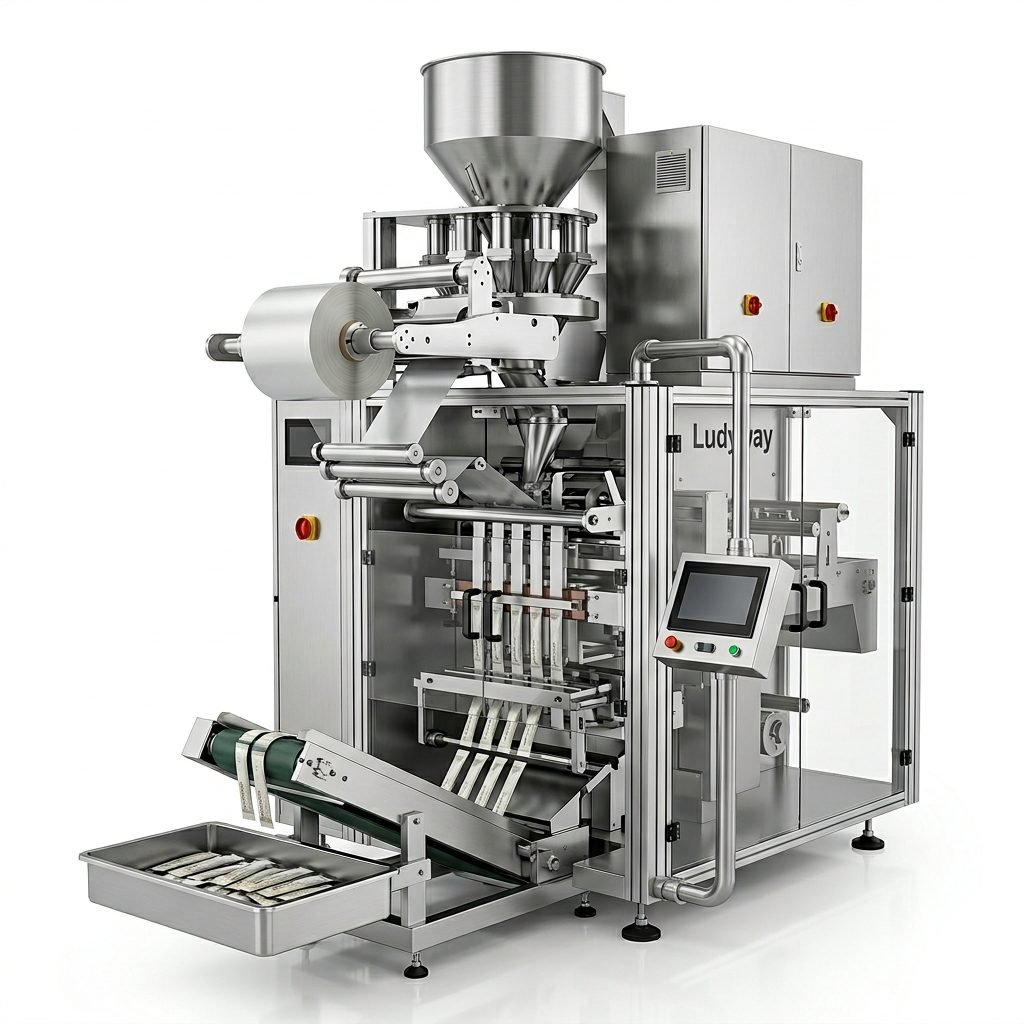
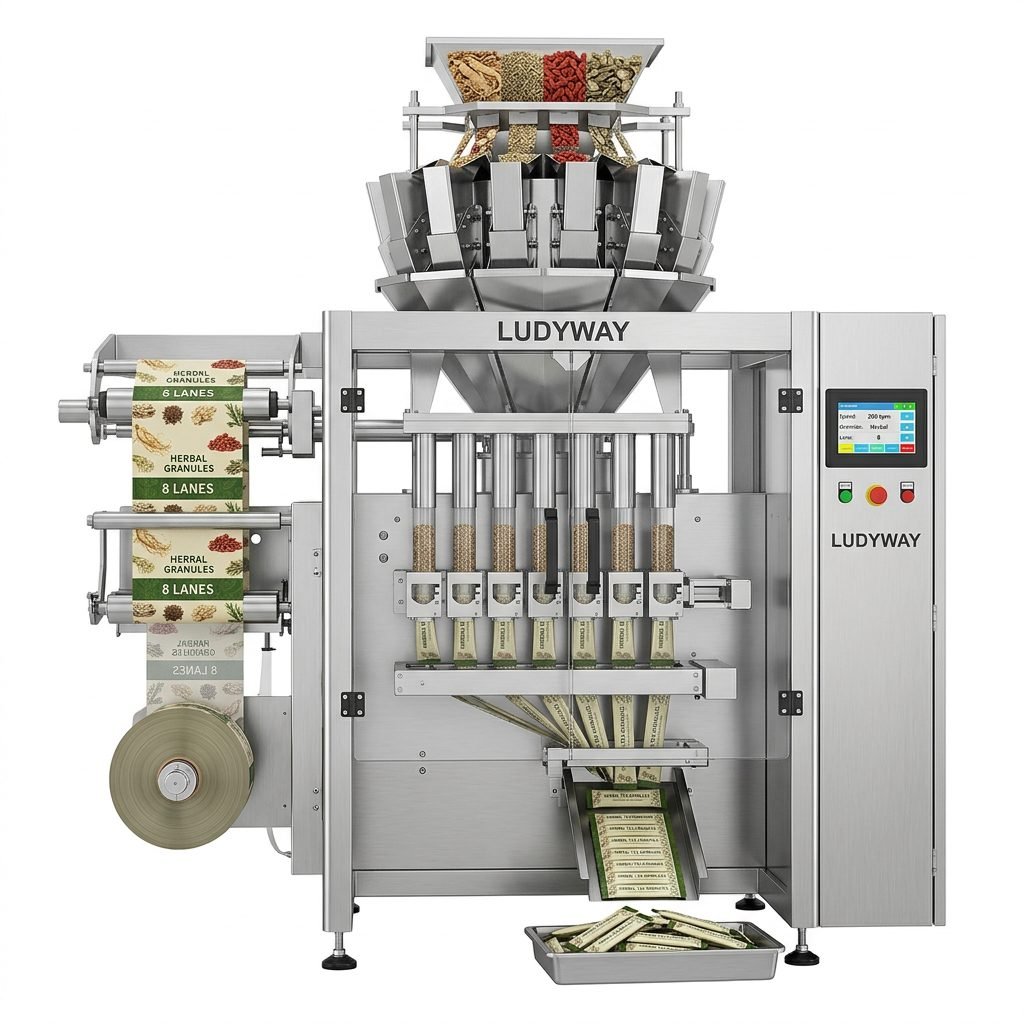
| Stick Pack | 1g – 15g | Single-serve instant herbal powders | Multi-lane vertical stick pack machine |
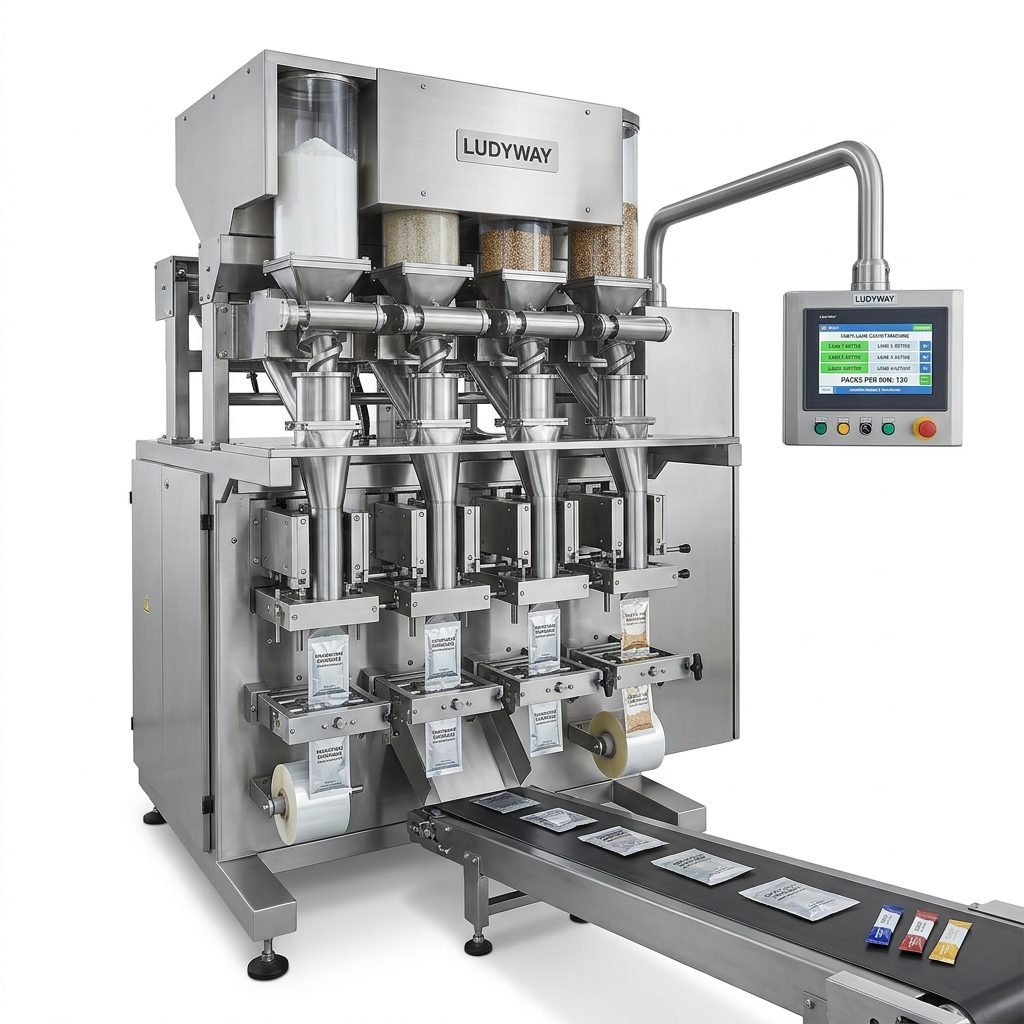
| Flat Sachet | 2g – 50g | Loose-leaf blends, whole flowers | Multi-lane sachet packaging machine |
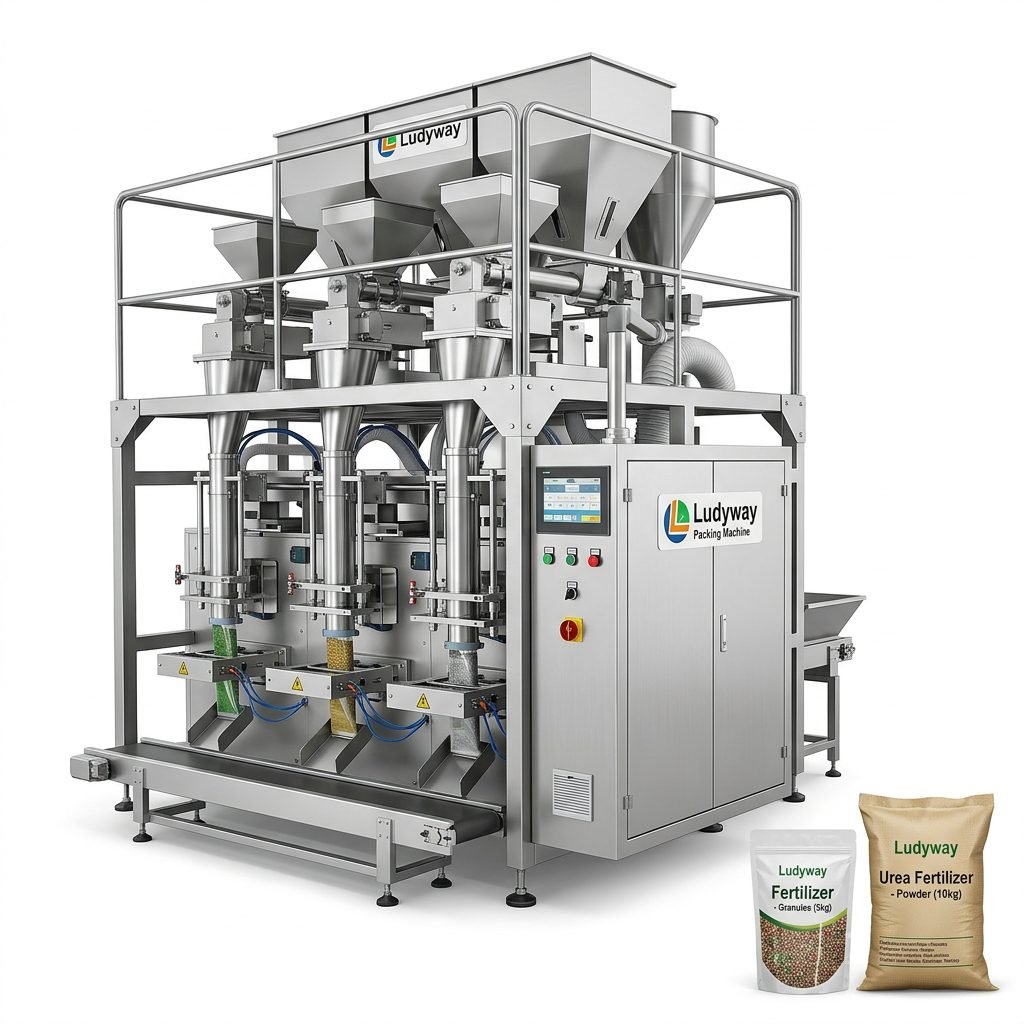
| Stand-Up Pouch | 30g – 500g | Premium retail herbal tea blends | Premade pouch or VFFS pouch machine |
| Tea Bag (Envelope) | 1.5g – 3g | Traditional herbal tea bags | Tea bag packaging machine with string and tag |
Weighing and Dosing Accuracy for Herbals
Dosing precision is non-negotiable in herbal tea packaging. Overfilling erodes profit margins, while underfilling risks regulatory non-compliance and customer dissatisfaction. For fine powders and ground herbals, auger fillers offer volumetric accuracy within ±0.5% when properly calibrated. For whole-leaf or chunky blends, multi-head weighers or linear weighers provide gravimetric accuracy that compensates for density variations. If your product line includes multiple herbal blends, look for machines with quick-change tooling and recipe-driven parameter settings that reduce changeover downtime.
Factors Influencing Dosing Accuracy
- Volumetric vs. gravimetric filling technology — choose based on product density consistency
- Auger pitch and rotation speed calibration for fine powders
- Multi-head weigher configuration with individual hopper tuning
- Vibration or agitation settings for cohesive herbal materials
- Environmental controls — humidity and temperature affect powder flow
Multi-Lane vs. Single-Lane Configurations
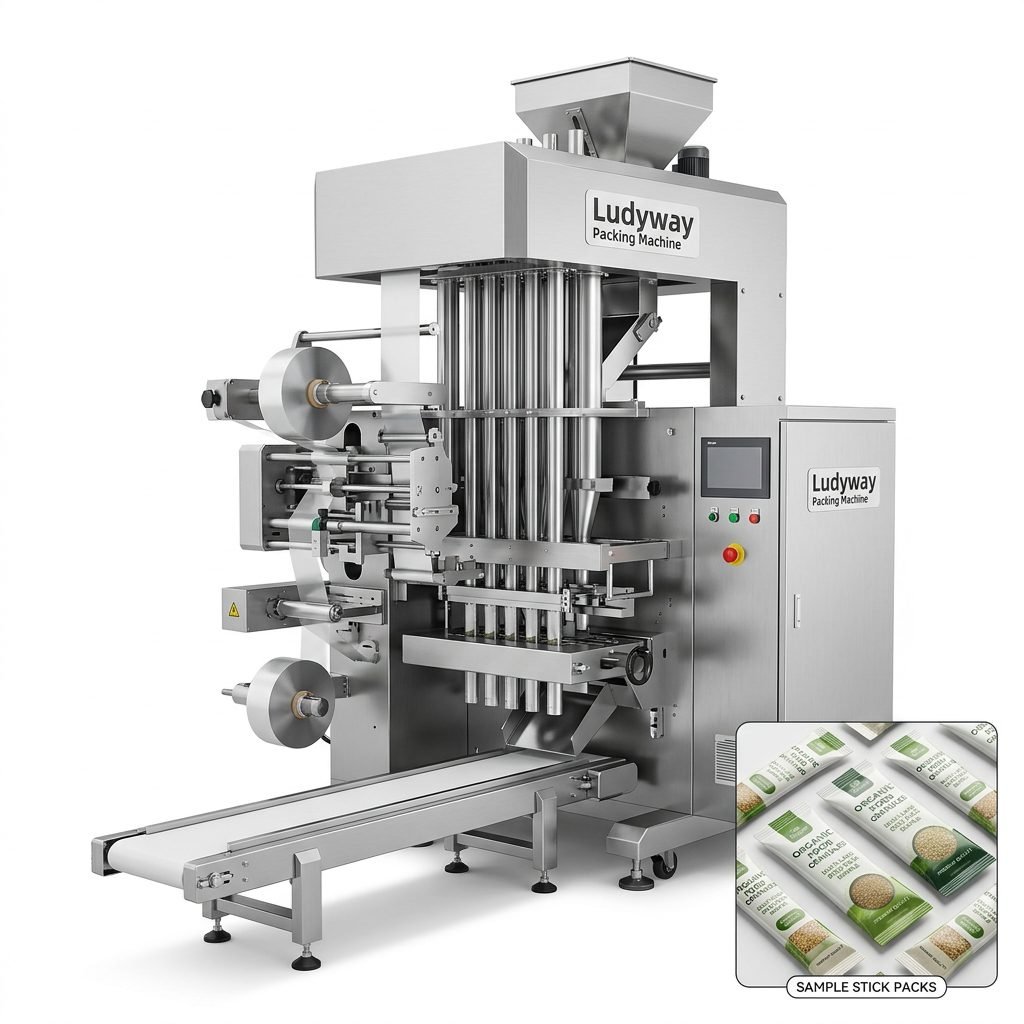
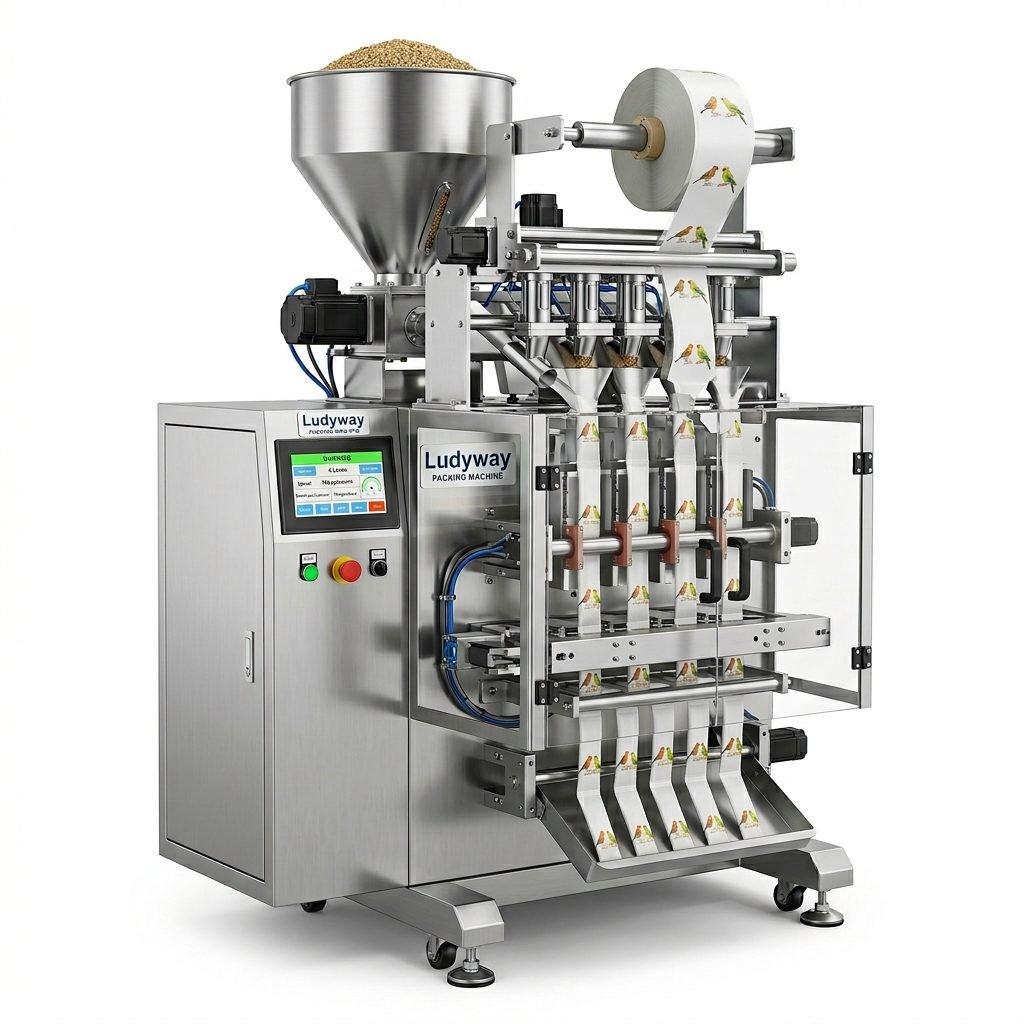
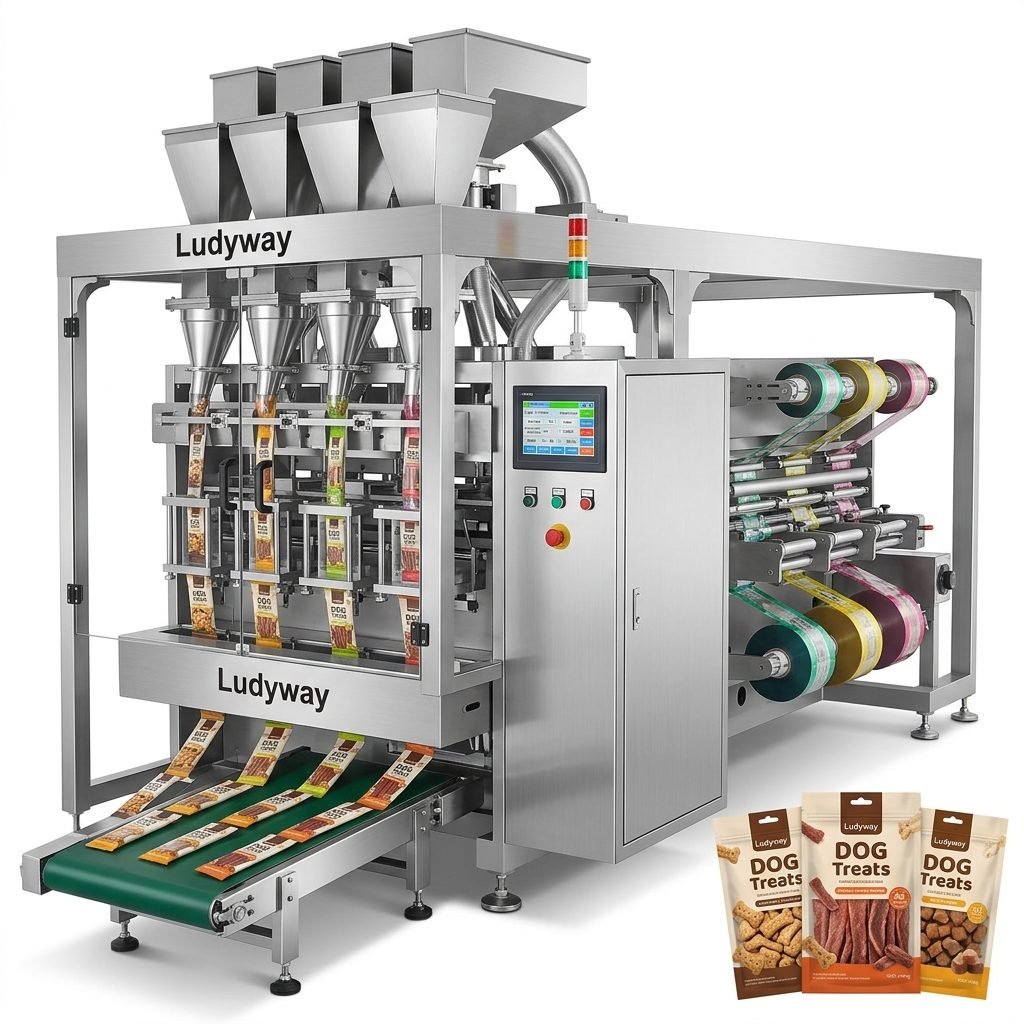
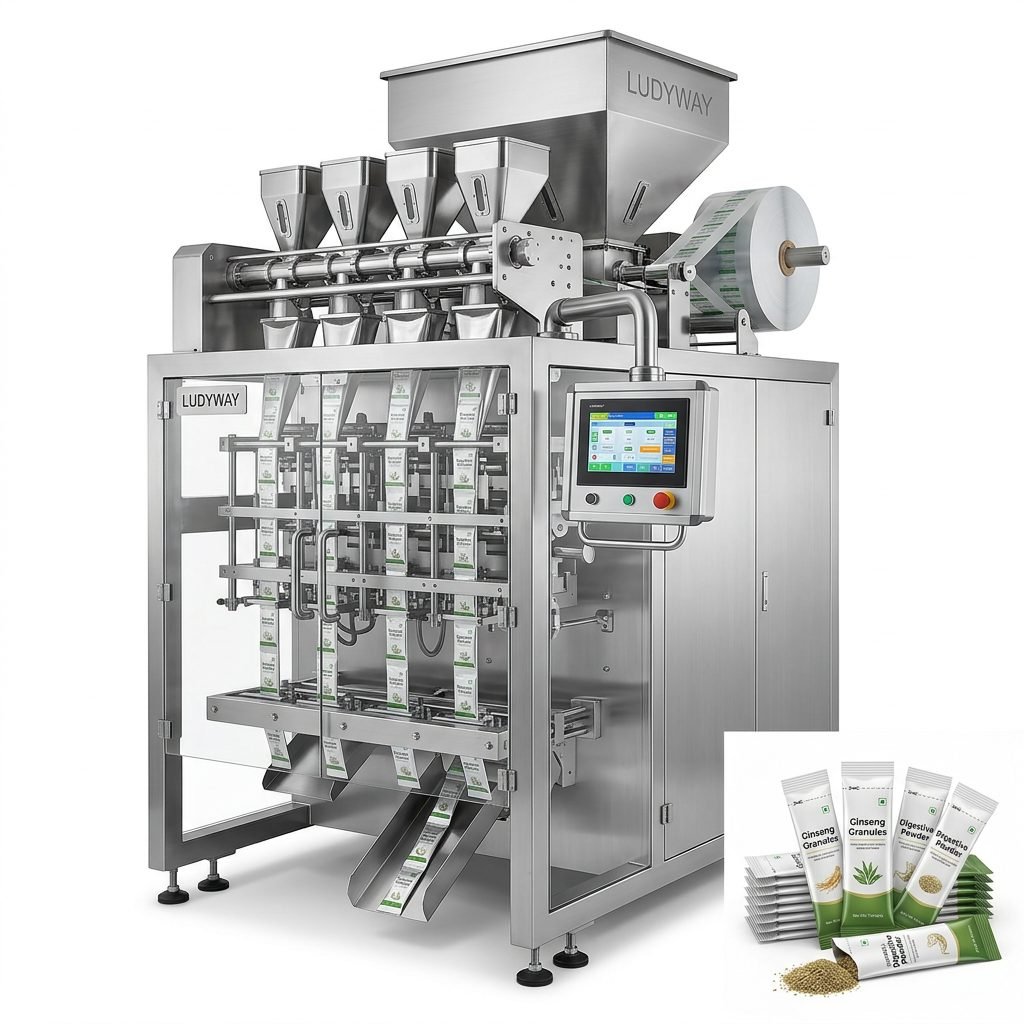
The choice between single-lane and multi-lane machinery fundamentally affects your production capacity and factory footprint. A multi-lane stick pack machine running 8 to 12 lanes simultaneously can produce upwards of 400–600 packs per minute, making it ideal for high-volume contract packagers or large herbal tea brands. However, multi-lane systems represent a higher capital investment and require more sophisticated film handling and tension control. Single-lane machines offer lower entry costs, simpler operation, and greater flexibility for manufacturers with diverse product portfolios and shorter production runs.
Evaluating Total Cost of Ownership
The purchase price is only one component of the total cost of ownership (TCO). When comparing machinery options, factor in film waste during startup and changeover, spare parts availability, energy consumption, preventative maintenance schedules, and the cost of operator training. A machine with a higher upfront cost but lower film waste and reduced downtime can deliver significantly better long-term value. Review warranty terms and the availability of remote technical support, especially if your facility is located far from the manufacturer’s service centers.
TCO Components to Assess
- Initial capital expenditure: Machine cost plus installation and commissioning
- Film consumption: Material waste percentage during normal operation
- Labor requirements: Number of operators needed per shift
- Maintenance costs: Scheduled and unscheduled service expenses
- Downtime impact: Lost production value during repairs or changeover
- Energy efficiency: Electrical and compressed air consumption
Sealing Technology and Hermetic Integrity
Herbal teas require hermetic seals to preserve freshness, prevent moisture ingress, and protect delicate aromatic compounds. Evaluate the machine’s sealing system — heat sealing, ultrasonic sealing, or impulse sealing — and its ability to maintain consistent temperature and pressure across all lanes. Serrated or knurled sealing patterns can improve seal strength on certain film structures. For products positioned as premium or organic, nitrogen flushing capability helps displace oxygen inside the package, extending shelf life without the need for preservatives. Verify that the machine can achieve the packaging integrity standards required for your target markets.
Automation Level and Production Line Integration
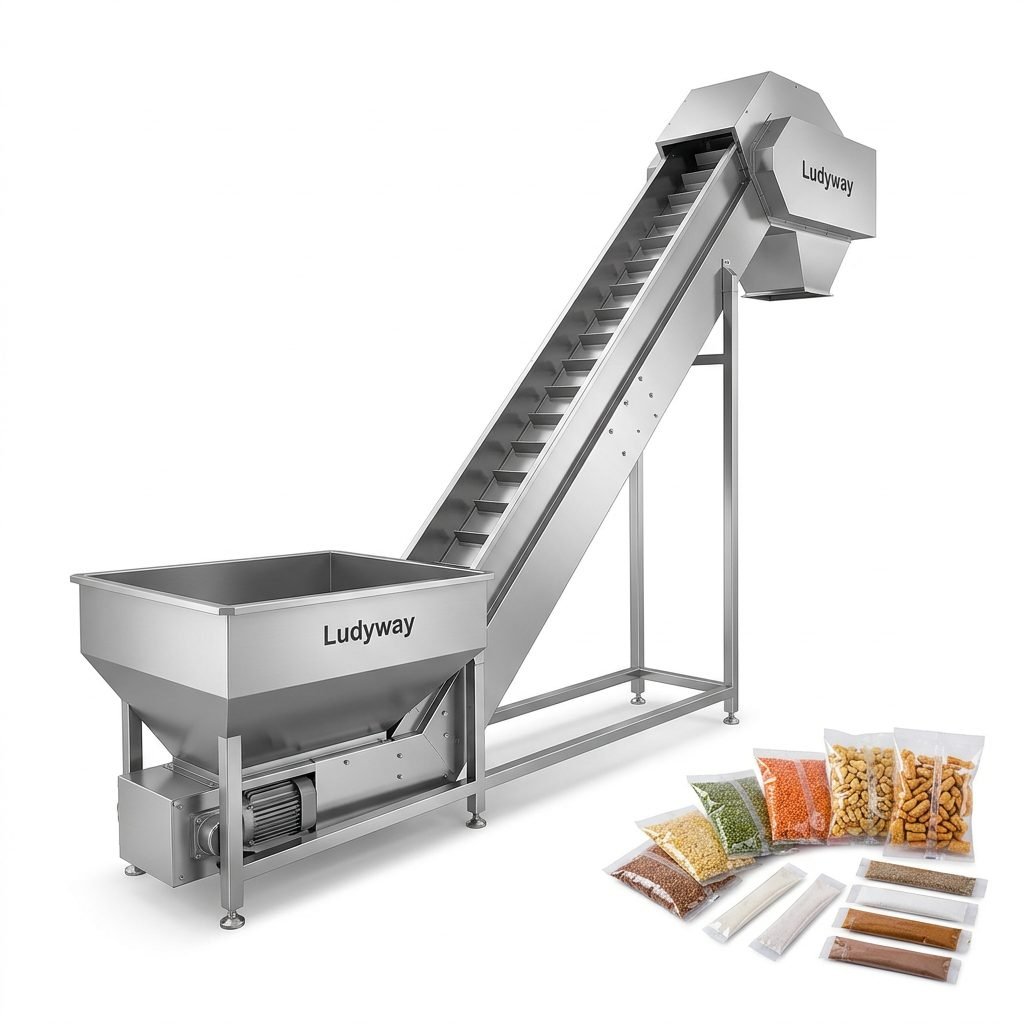
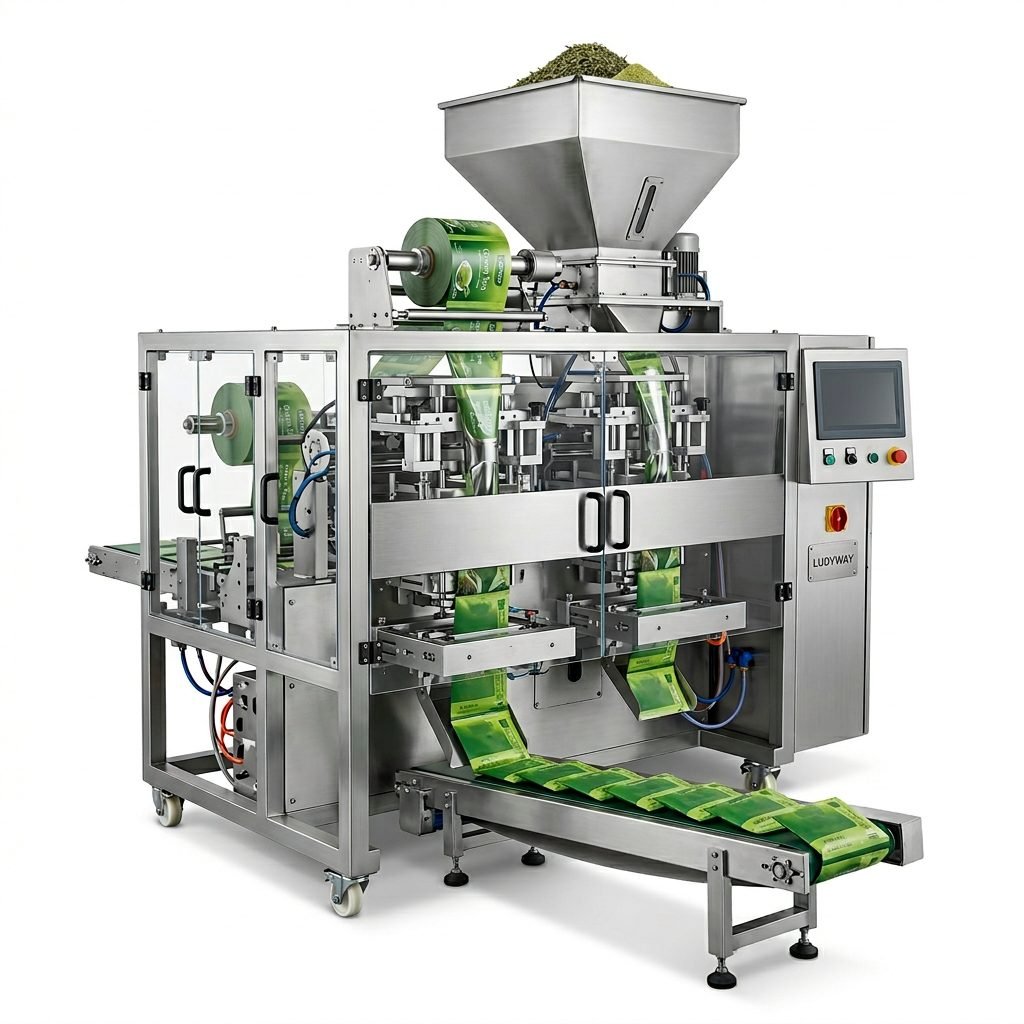
Modern herbal tea packaging machinery ranges from semi-automatic systems requiring manual product loading to fully automated turnkey lines that integrate weighing, filling, sealing, coding, inspection, cartoning, and palletizing. When selecting your automation level, assess current and projected production volumes, labor availability and costs, and the complexity of your packaging format. An integrated line reduces manual handling, minimizes contamination risks, and ensures consistent throughput — critical for manufacturers supplying retail chains or export markets with strict quality requirements.
Industry Standards and Certifications
Depending on your target markets, your packaging machinery may need to comply with specific regulatory frameworks. Machines used for organic herbal tea production should be constructed with food-grade stainless steel contact parts and designed for easy cleaning to prevent cross-contamination between blends. For facilities following ISO packaging standards, confirm that the equipment documentation supports validation and qualification protocols. CE marking is typically required for European markets, while FDA-compliant materials are necessary for the U.S. market. Some manufacturers also require machines that support GMP (Good Manufacturing Practice) compliance for nutraceutical-grade herbal products.
Key Certification and Compliance Areas
- CE Marking: Required for machinery entering the European Economic Area
- FDA 21 CFR Part 11: Electronic records and signatures for validated processes
- GMP Compliance: Design features supporting hygienic production environments
- ISO 9001: Quality management system certification of the machine builder
- HACCP Compatibility: Machine design supporting hazard analysis protocols
Choosing the Right Packaging Machinery Partner
Beyond machine specifications, the manufacturer’s experience, engineering capabilities, and after-sales support significantly influence long-term success. Look for a partner with demonstrated experience in herbal or botanical packaging applications, as they will understand the nuances of handling delicate plant materials. Evaluate their manufacturing facility, quality control processes, and whether they provide turnkey packaging solutions that include upstream and downstream equipment integration. A manufacturer offering comprehensive technical support — from installation and commissioning to operator training and spare parts supply — reduces the risk of extended downtime. Ludyway Machinery, with more than 30 years of experience in the packaging industry and a 20,000-square-meter manufacturing facility, provides customized packaging machinery and integrated solutions for manufacturers worldwide, with export revenue expected to exceed RMB 500 million in 2025 and plans to surpass RMB 1 billion in 2026.
Questions to Ask Before Purchasing
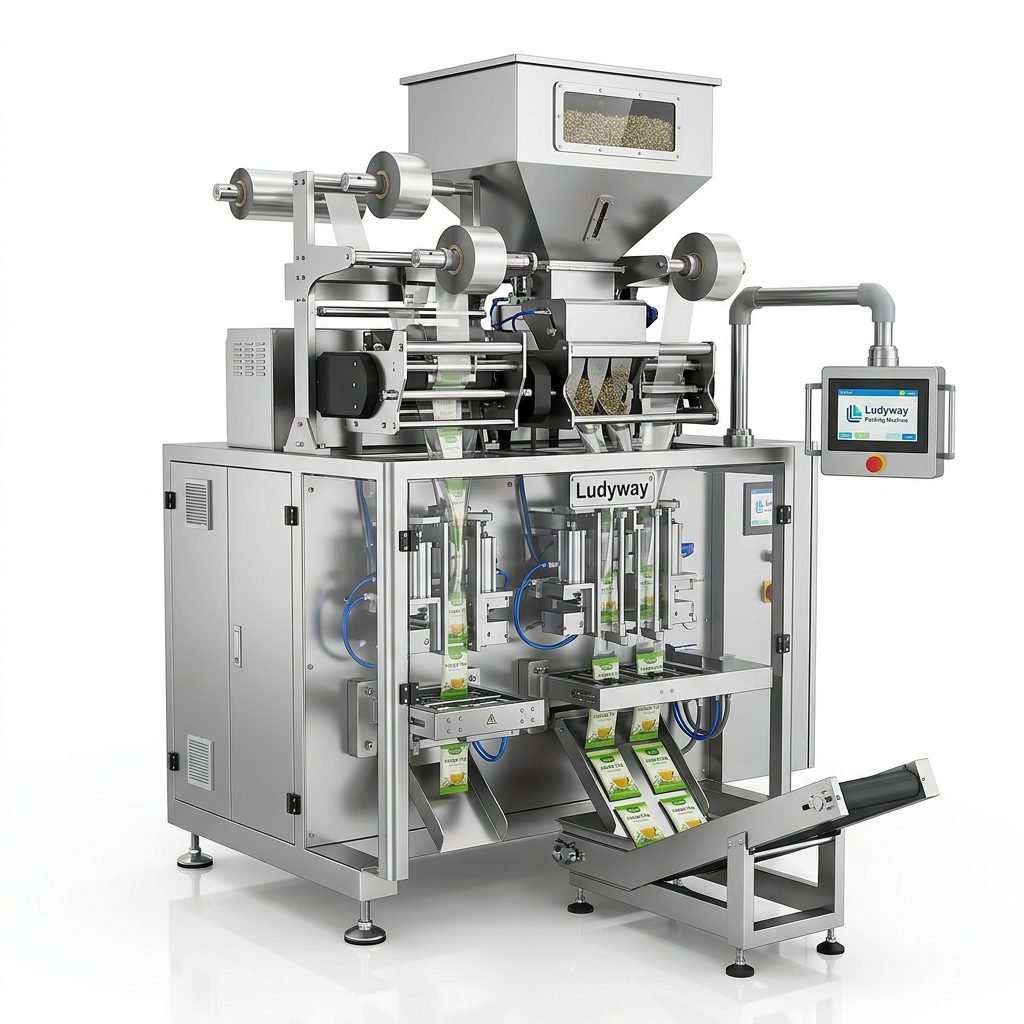
A structured evaluation process helps ensure you select machinery that aligns with both current needs and future growth. Prepare a detailed request for proposal (RFP) that includes product samples, target production speeds, packaging material specifications, and facility constraints. Schedule factory acceptance testing (FAT) to observe the machine running with your actual product before shipment. Below are critical questions to ask potential suppliers.
Essential Supplier Evaluation Questions
- Can the machine run our specific film structure and seal at our required speed?
- What level of precision can we expect for our specific herbal blend’s particle size range?
- Is the dosing system adjustable for different blend densities and flow characteristics?
- What are the changeover time and procedures between different product SKUs?
- Do you offer remote diagnostic capabilities and what are average response times?
- What spare parts are recommended for the first year of operation?
- Can the machine be integrated with our existing upstream and downstream equipment?
Scalability and Future-Proofing Your Investment
A packaging machine is a long-term capital investment, and your production requirements will likely evolve. Consider whether the machine can be upgraded with additional lanes, automation modules, or advanced inspection systems as your business grows. Modular machine platforms allow you to add capabilities — such as nitrogen flushing, date coding, or automatic cartoning — without replacing the core packaging unit. This scalability protects your initial investment while accommodating new product launches, format changes, or increased throughput demands. Review the packaging industry market trends to anticipate where your category is heading and ensure your machinery can adapt accordingly.
Making the Final Decision
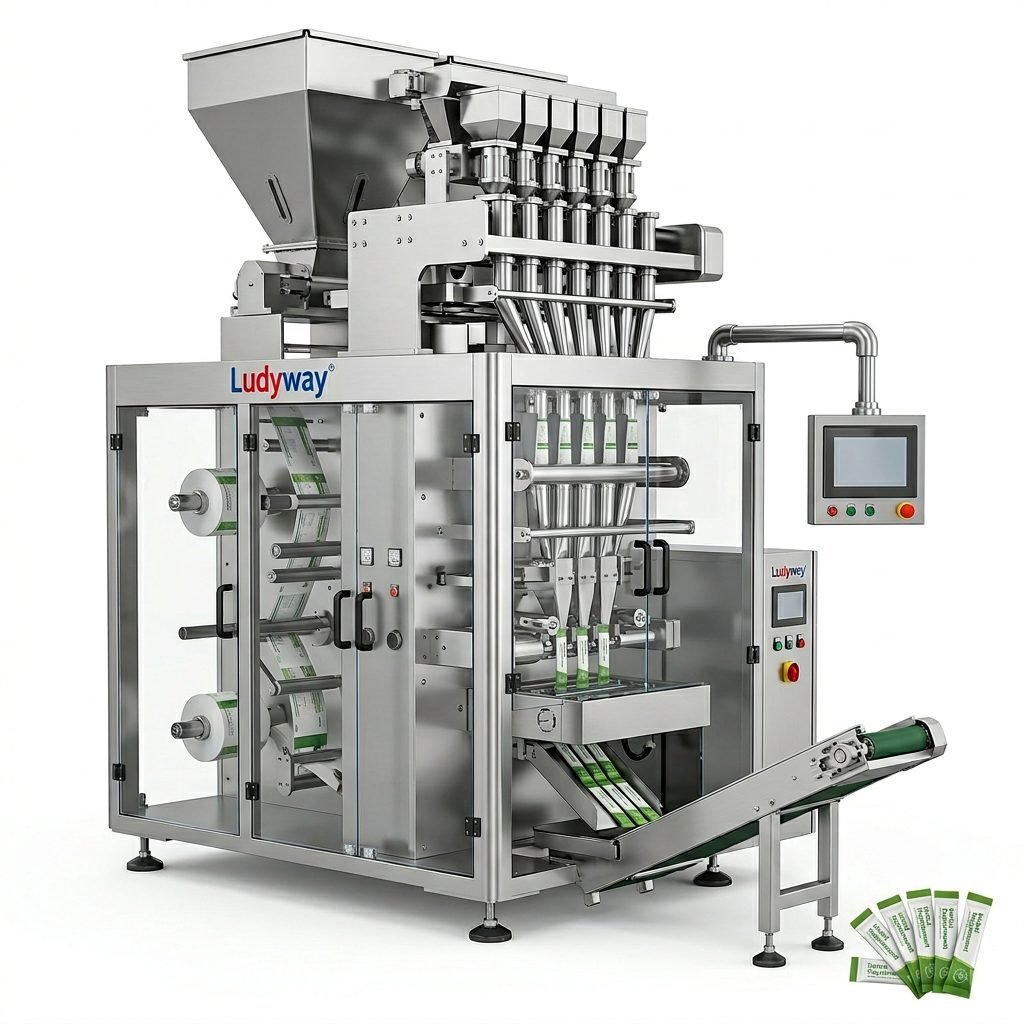
Selecting the right herbal tea packaging machine requires balancing technical specifications, production requirements, budget constraints, and long-term business goals. Prioritize dosing accuracy, seal integrity, format flexibility, and manufacturer support over initial price alone. By thoroughly evaluating your product characteristics, desired packaging format, throughput targets, and compliance needs, you can identify a packaging solution that delivers consistent quality, operational efficiency, and scalability for years to come. Request detailed proposals from multiple manufacturers, conduct site visits when possible, and validate performance with your actual products before finalizing your decision.