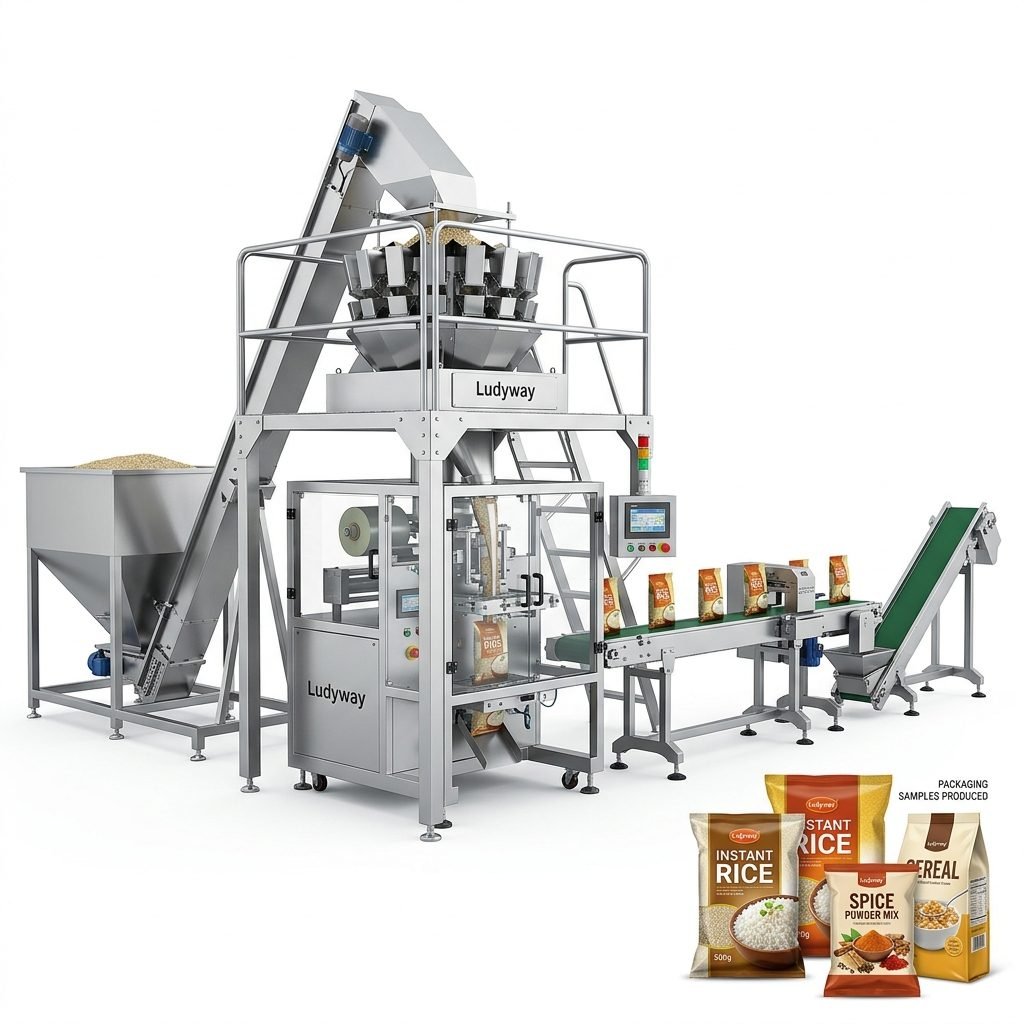
Selecting the right hardware packaging machine is a critical decision for manufacturers, distributors, and retailers in the hardware industry. From nails and screws to complex tool kits and electrical components, effective packaging protects products, enhances brand presentation, and streamlines logistics. This comprehensive guide explores the various types of hardware packaging machines, their key features, and provides a detailed framework to help you choose the best solution for your specific operational needs and business goals.
Understanding Hardware Packaging Requirements
Hardware items present unique packaging challenges due to their diverse shapes, weights, and material properties. Effective packaging must prevent corrosion, avoid damage from abrasion, and often comply with retail display standards. The primary goals are product protection, efficient handling, clear labeling, and cost-effectiveness. Automated packaging solutions address these needs by ensuring consistency, speed, and reliability, which are essential for maintaining quality and scaling production.
Key Packaging Objectives:
- Protection: Shield metal parts from moisture, dust, and physical impact during transit and storage.
- Organization: Keep small parts like screws or washers securely contained and prevent mixing.
- Identification: Enable clear barcoding, part numbers, and instructional labeling for inventory and end-users.
- Efficiency: Maximize throughput while minimizing material waste and labor costs.
Major Types of Hardware Packaging Machines
The market offers a variety of machines tailored to different hardware products and packaging formats. Understanding these types is the first step toward a sound investment.
1. Vertical Form Fill Seal (VFFS) Machines
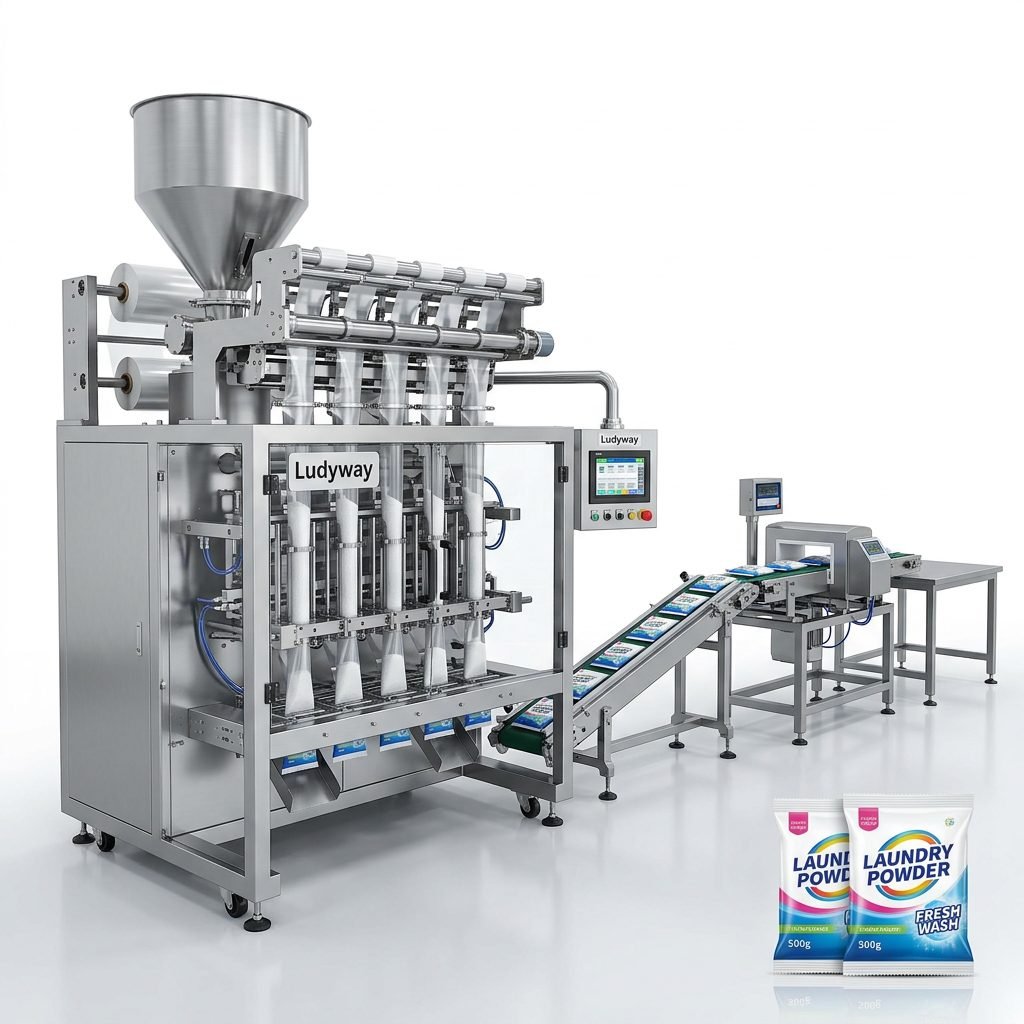
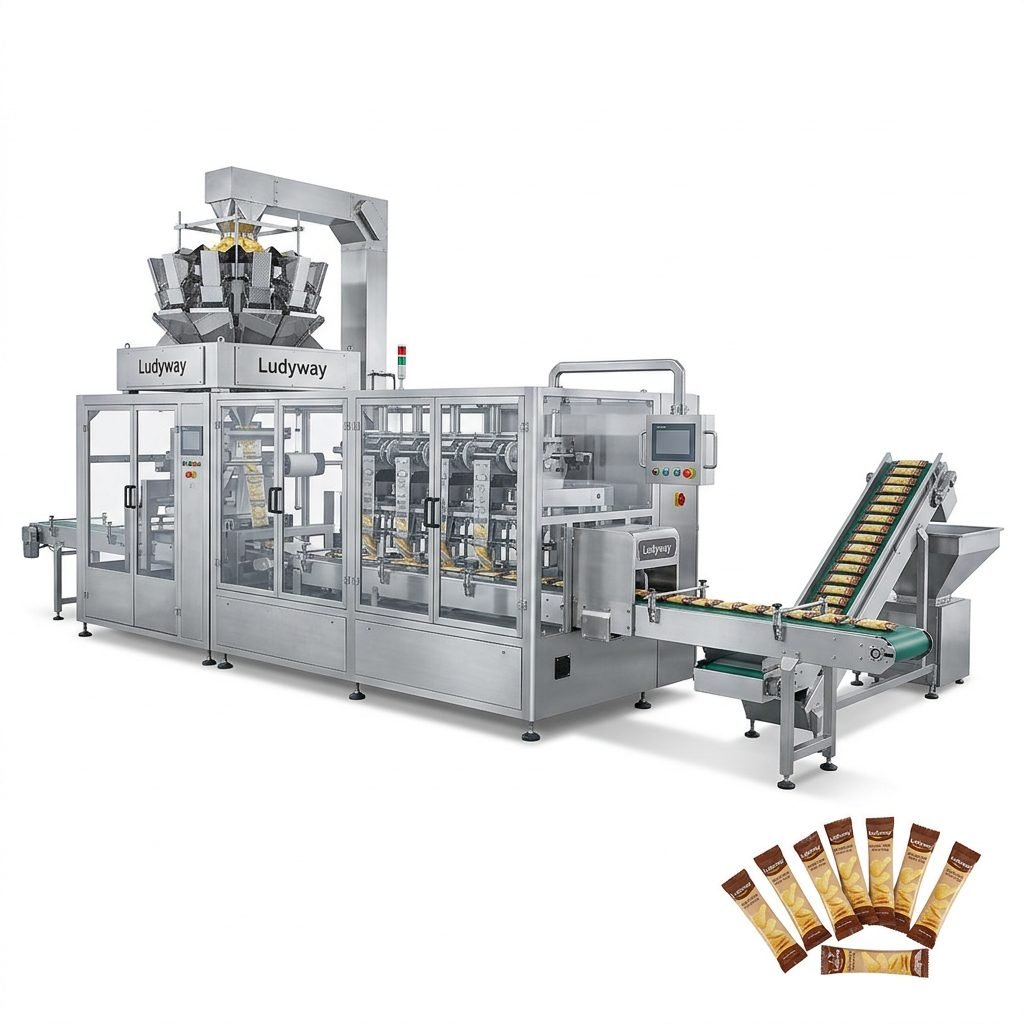
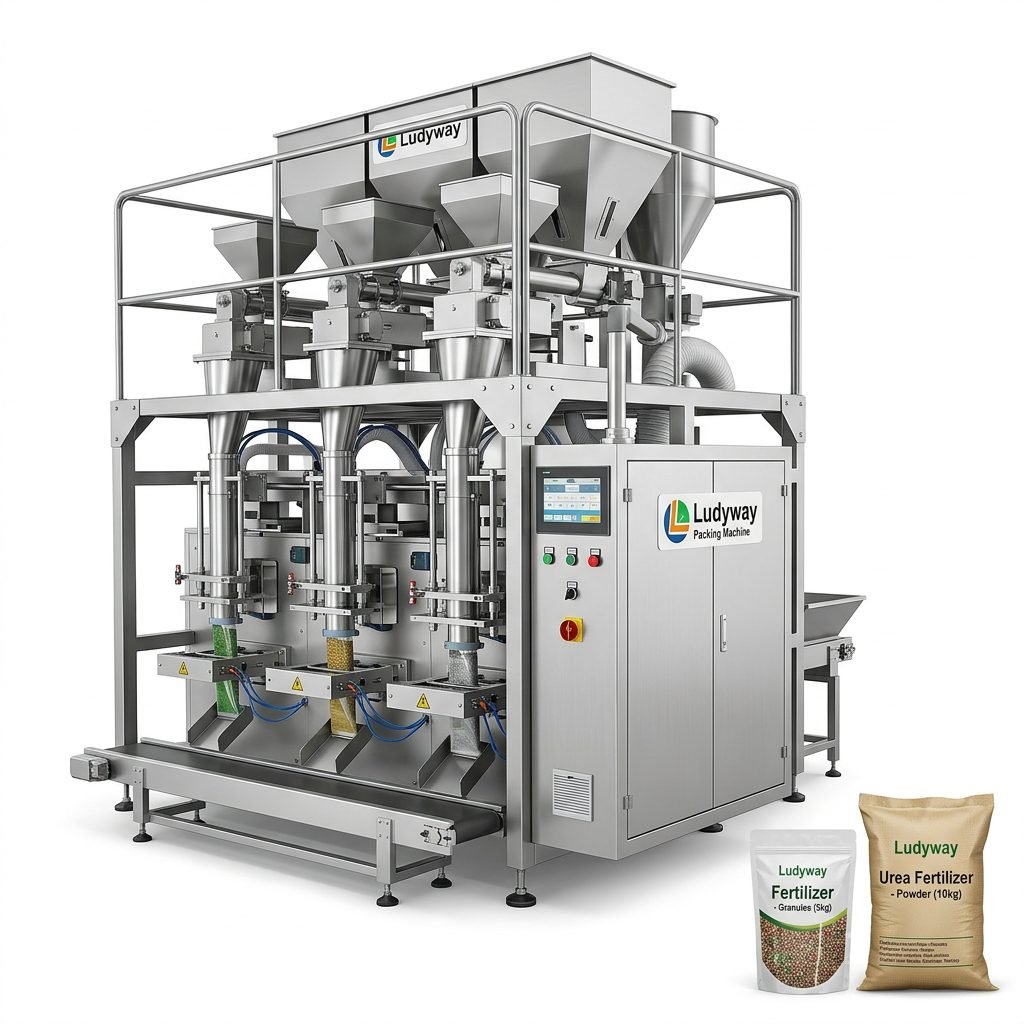
These are highly versatile and commonly used for free-flowing items like nails, screws, bolts, and small fittings. The machine forms a bag from a roll of film, fills it with the product, and seals it. VFFS machines are ideal for creating pillow packs, gusseted bags, or block-bottom bags that can stand on shelves.
✔ Primary Use: Packaging loose, small to medium-sized metal items in sealed plastic pouches.
2. Horizontal Flow Wrappers
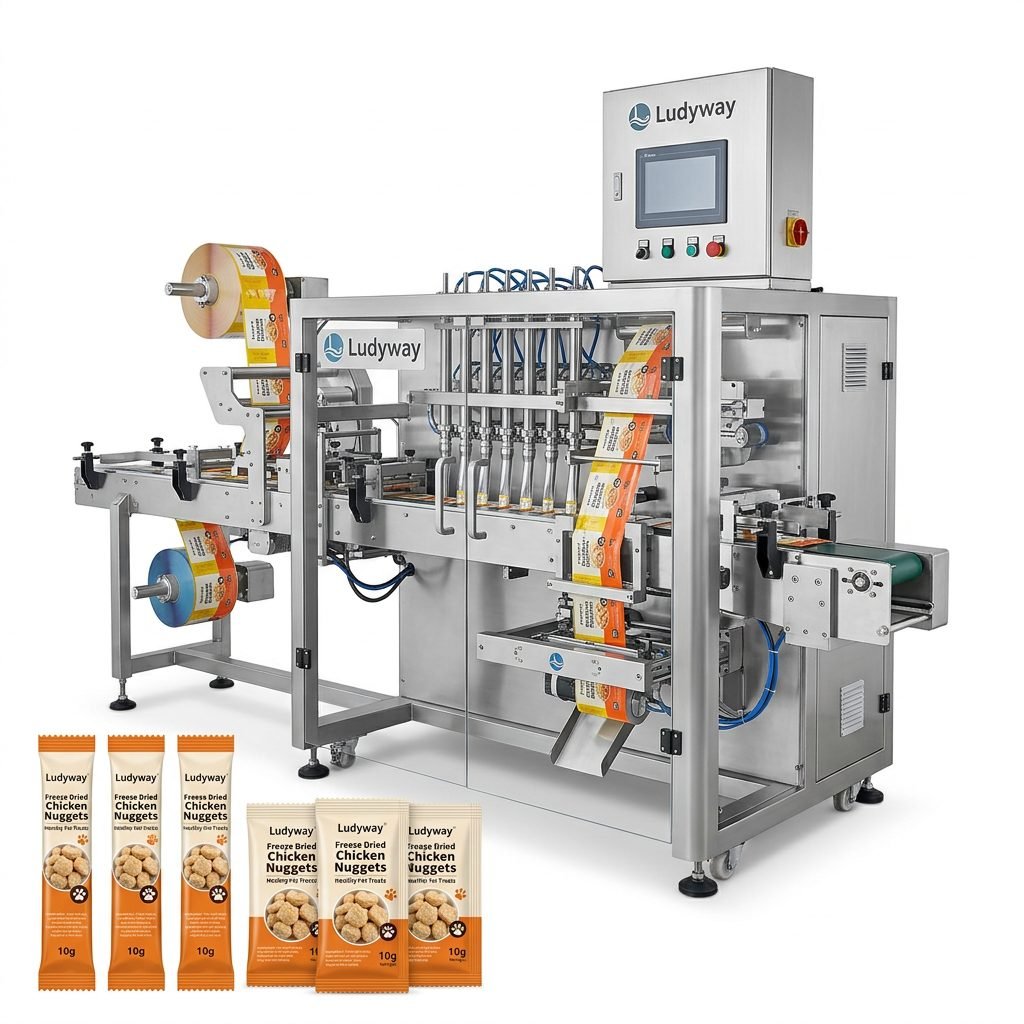
Perfect for bundling multiple items or packaging longer tools. These machines wrap products in a tight film seal, excellent for corrosion-inhibiting coated films. They are often used for packaging drill bits, wrench sets, or pre-assembled kits where the product shape is elongated.
✔ Primary Use: Bundling, multi-packing, and creating secure, tamper-evident wraps for tool sets.
3. Cartoning Machines
For hardware that requires rigid boxes or paperboard cartons, such as power tools, precision instruments, or retail-ready kits. Machines can be automatic or semi-automatic, erecting the carton, inserting the product along with instructions or accessories, and closing it securely.
✔ Primary Use: Packaging high-value or fragile items in protective cardboard boxes for retail display.
4. Blister Packaging Machines
Extremely common in retail hardware for items like locks, door handles, or small tool sets. These machines form a clear plastic blister over a cardboard backing, providing excellent product visibility and security. They offer a high-quality, theft-deterrent presentation favored by consumer-facing retailers.
5. Shrink Wrapping & Bundling Machines
Used to combine multiple packages into a single unit for distribution (e.g., a case of boxes of screws) or to provide an extra protective layer. A shrink tunnel applies heat to a plastic film, causing it to conform tightly to the product’s shape.
Essential Features to Evaluate
Beyond the machine type, several core features determine performance, flexibility, and long-term value.
Critical Performance Features
Speed & Throughput (Packages/Minute): Match the machine’s speed to your current and projected production volumes. Over-specifying can be as costly as under-specifying.
Flexibility & Changeover Time: Can the machine handle different bag sizes, carton styles, or product shapes? Quick-change parts and recipe storage on the HMI (Human-Machine Interface) drastically reduce downtime between production runs.
Accuracy & Weighing Systems: For free-flowing items, precision weigh-fillers or counters are crucial to avoid underfilling (which annoys customers) or overfilling (which wastes material). Look for machines with high-precision load cells and feedback systems.
Durability & Construction: Hardware packaging can be abrasive. Machines should have robust frames, food-grade or hardened contact surfaces where appropriate, and reliable pneumatic or servo-driven components.
Control System & Connectivity: Modern machines feature PLC-based controls with intuitive touchscreen interfaces. Connectivity for Industry 4.0 integration, such as data output for OEE (Overall Equipment Effectiveness) tracking and remote diagnostics, is a significant advantage for smart factories.
Safety & Compliance: Ensure the machine meets relevant safety standards (e.g., CE, UL) with proper guarding, emergency stops, and safety interlocks to protect operators.
How to Choose the Best Solution: A Step-by-Step Guide
Making the right choice requires a structured analysis of your products, operations, and business environment.
Step 1: Analyze Your Product Portfolio
List all items to be packaged, noting their physical characteristics (size, weight, shape, abrasiveness) and any special requirements (moisture barrier, anti-static, UV protection). Determine if you need a dedicated machine for a high-volume SKU or a flexible machine for multiple, lower-volume items.
Step 2: Define Your Output Requirements
Calculate your required average and peak output in packages per shift. Consider future growth. This will directly point you toward the necessary machine speed and automation level (manual, semi-automatic, fully automatic).
Step 3: Consider Packaging Materials
The machine must be compatible with your chosen film, cardboard, or label materials. Discuss this with both the machine supplier and your material vendor. Material choice affects machine settings, sealing methods, and overall cost.
Step 4: Evaluate Total Cost of Ownership (TCO)
Look beyond the initial purchase price. Factor in:
- Operating Costs: Energy consumption, compressed air usage.
- Maintenance: Ease of access, cost and availability of spare parts.
- Labor: How many operators are needed? Is specialized training required?
- Material Waste: A precise machine minimizes film or cardboard waste.
Step 5: Assess Supplier Support and Service
The quality of the supplier is as important as the quality of the machine. A partner like Ludyway Packing Machine, with deep industry experience, provides invaluable support. Key questions include:
- Is installation and training provided?
- What is the warranty period and what does it cover?
- How responsive is the technical support team?
- Are spare parts readily available?
Choosing a supplier with a strong track record in the hardware sector ensures they understand your specific challenges, from packaging oily parts to creating retail-ready displays.
Step 6: Plan for Integration and Future-Proofing
Consider how the new machine will fit into your existing production line. Does it require specific conveyors, upstream feeders, or downstream labeling systems? Consider machines with modular designs that allow for future upgrades or integration with robotics and data management systems.
Conclusion and Next Steps
Investing in the right hardware packaging machine is a strategic decision that impacts product quality, operational efficiency, and brand perception. By thoroughly understanding the machine types available, critically evaluating key features, and following a disciplined selection process focused on your unique needs, you can identify a solution that delivers reliability and a strong return on investment.
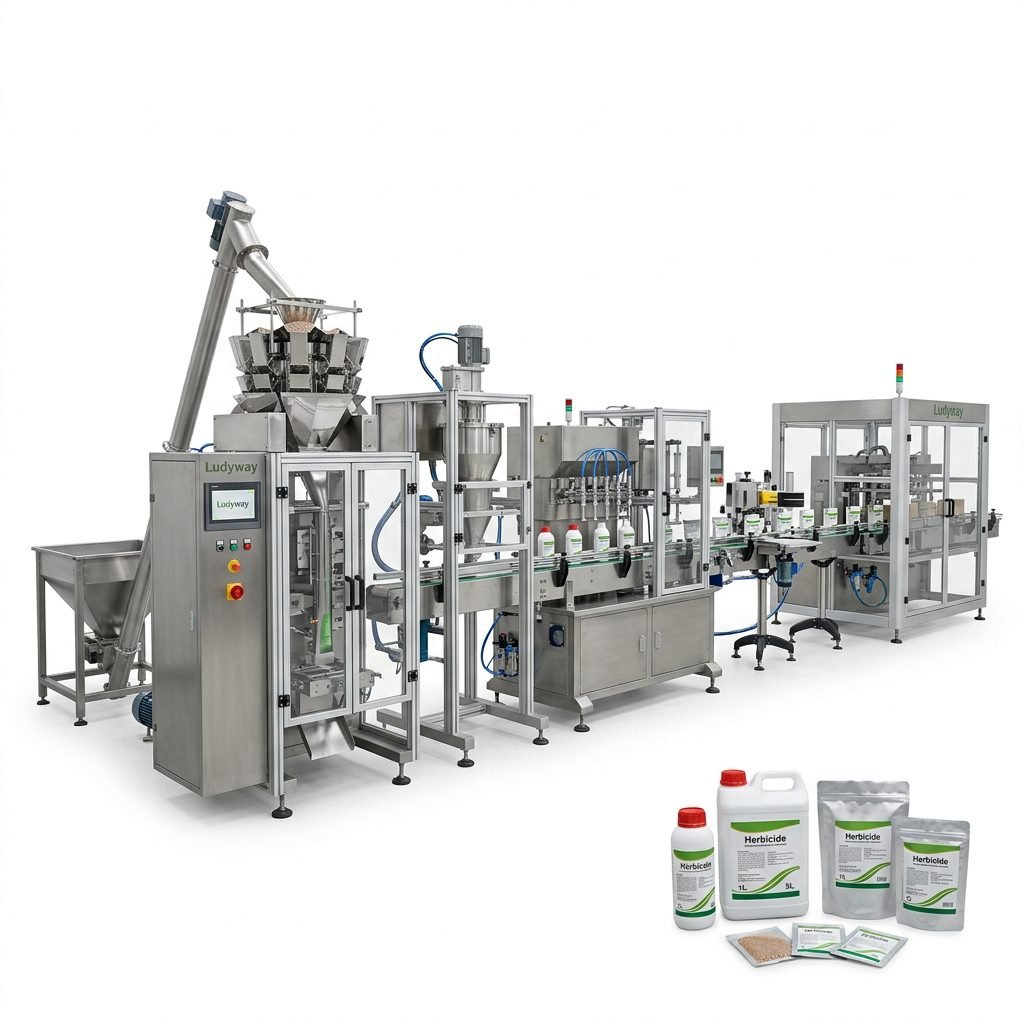
Begin by auditing your current packaging process, defining clear specifications, and engaging with reputable suppliers for consultations and demos. A trusted partner can help you navigate the options and implement a system that grows with your business. For insights into implementing such systems, exploring turnkey production solutions can be a valuable step. Furthermore, understanding the full scope of packaging machinery available will ensure you make a comprehensive choice.
Frequently Asked Questions (FAQs)
1. What is the most cost-effective packaging machine for small hardware items like screws?
For small, free-flowing items, a semi-automatic Vertical Form Fill Seal (VFFS) machine often offers the best balance of cost and efficiency. It automates the sealing process while allowing for manual or volumetric filling, making it ideal for lower to medium production volumes without a massive upfront investment.
2. How can I ensure my metal parts don’t corrode inside the package?
This requires a combination of the right packaging material and machine capability. Use VCI (Vapor Corrosion Inhibitor) film or coated papers with your form-fill-seal or flow wrapper. Ensure the machine provides a consistent, hermetic seal to lock out moisture. Desiccant packets can also be automatically inserted by some advanced systems.
3. We have many different product sizes. How flexible are these machines?
Modern machines are designed for flexibility. Look for models with quick-change tooling (e.g., different forming tubes on a VFFS, adjustable carton magazines) and PLC controls that can store multiple “recipes.” This allows you to switch between product sizes and package formats in minutes rather than hours.
4. What are the key maintenance requirements for a hardware packaging machine?
Regular maintenance is crucial for longevity. Daily cleaning to remove metal dust and debris, weekly checks of sealing jaws for wear, and periodic lubrication of moving parts as per the manufacturer’s manual are essential. Partnering with a supplier that offers comprehensive service plans and readily available spare parts minimizes downtime.
5. Can packaging machines handle counting and labeling for retail?
Absolutely. Many machines integrate with precision counting scales or vision systems to ensure accurate fill counts. They can also be equipped with inline label printers and applicators to automatically apply barcode labels, price tags, or instructional stickers onto each package, creating a fully automated line from product to pallet. For more on advanced labeling and barcoding integration, consider reading about intelligent packaging machine models.