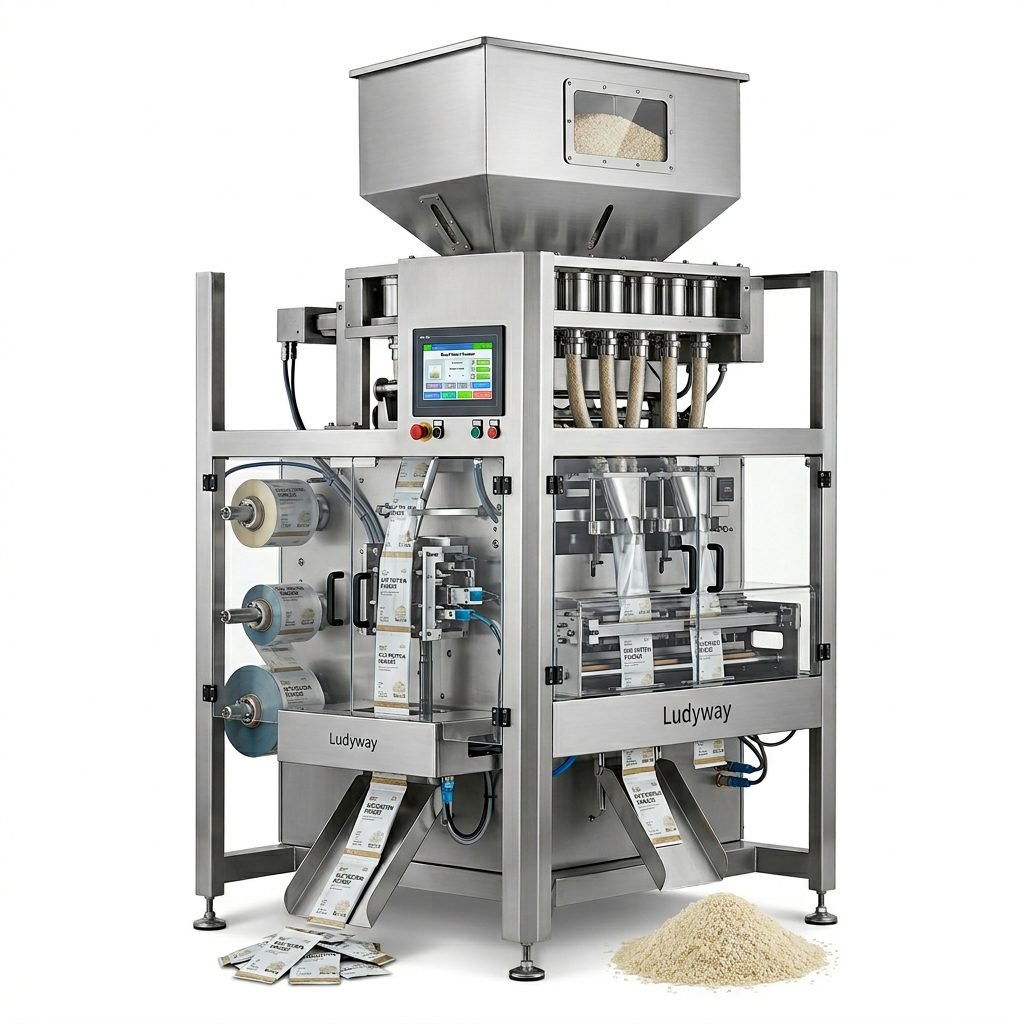
The global market for Ready-to-Drink (RTD) beverages is booming, driven by consumer demand for convenience, variety, and quality. Whether it’s a refreshing juice, a functional energy drink, a premium coffee, or a craft beer, the final product’s success hinges not just on its formulation but on how it is packaged. Efficient, reliable, and adaptable packaging equipment is the backbone of any successful RTD production line. This complete guide delves into the core solutions for bottling, canning, and filling, exploring the technologies that ensure your products are sealed with speed, precision, and integrity.
The Pillars of RTD Production: Bottling, Canning & Filling
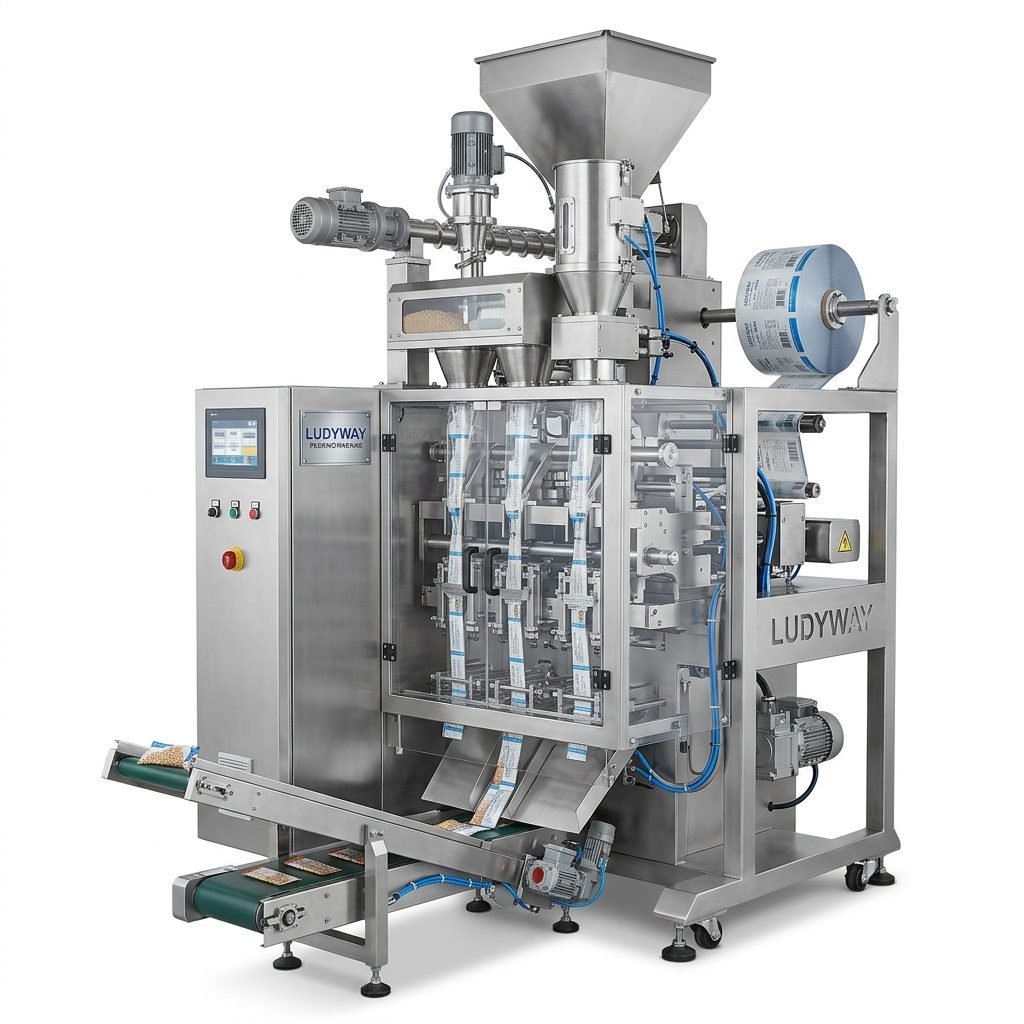
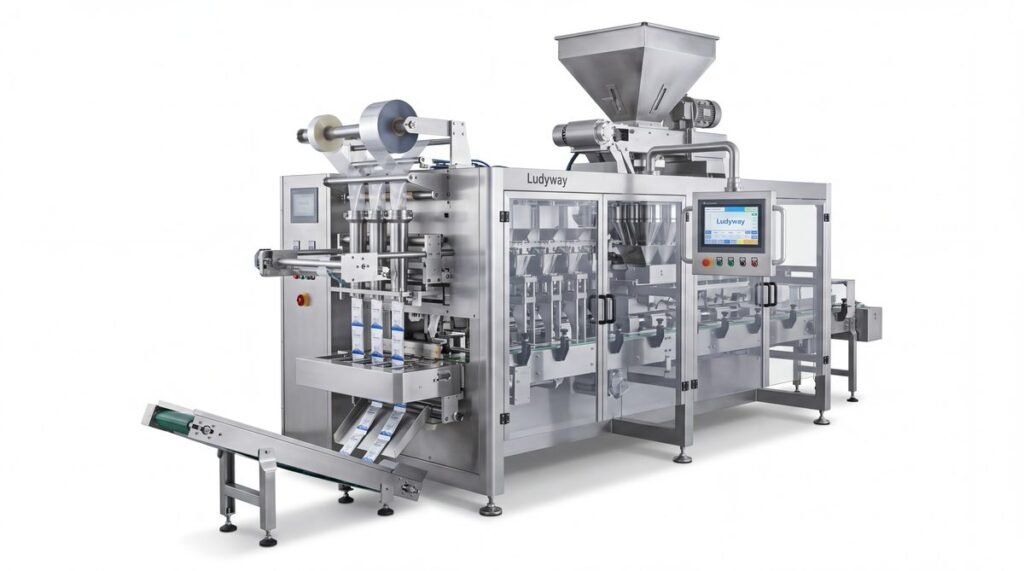
At the heart of RTD manufacturing are three primary packaging formats: bottles, cans, and flexible pouches/sachets. Each requires specialized equipment designed to handle specific container shapes, materials, and product characteristics.
Bottling Line Solutions: Versatility for Diverse Products
Bottling lines are highly versatile, accommodating glass, PET, and other plastic containers of various sizes and shapes. A complete bottling system integrates several key machines:
➤ Unscramblers: These machines automatically orient and feed empty bottles onto the conveyor line in a consistent, orderly manner, eliminating manual handling.
➤ Rinsers: Critical for hygiene, rinsers use air or water jets to clean the interior of bottles before filling, removing any dust or particulates.
➤ Filling Machines: The core component. Precision fillers, such as gravity fillers, pressure fillers, or volumetric piston fillers, ensure accurate liquid volume is dispensed into each bottle without overflow or underfill. The choice depends on product viscosity (e.g., water vs. thick syrup) and carbonation levels.
➤ Capping Machines: Automatically apply and tighten caps—screw caps, snap caps, or sports caps—onto the filled bottles with consistent torque to guarantee seal integrity.
➤ Labeling & Packaging: Final stages involve applying labels, bundling into packs, and case packing for shipment.
Canning Line Technology: Speed for High-Volume Markets
Canning is synonymous with speed and efficiency, ideal for beers, sodas, and increasingly, wines, coffees, and waters. Modern canning lines are marvels of high-speed automation.
A typical line starts with a can depalletizer feeding empty cans. They are then rinsed and conveyed to the filler. For carbonated drinks, isobaric fillers are essential. They fill cans under counter-pressure to prevent foaming and loss of carbonation, achieving incredibly high speeds—often thousands of cans per hour. After filling, a seamer instantly places and seals the lid onto the can with a perfect double-seam roll. Finally, cans are pasteurized (if required), labeled, and packed.
Liquid Filling Machinery: The Heart of the Operation
The filling machine is arguably the most critical piece of equipment, regardless of the final container. Selecting the right technology is paramount.
Key Filling Technologies:
Gravity Fillers: Simple and effective for free-flowing, non-carbonated liquids. Product flows by gravity from an overhead tank into bottles positioned at a lower level.
Pressure Fillers: Used for carbonated beverages. The filler maintains pressure equal to the product’s carbonation pressure to prevent foaming during transfer.
Piston Fillers: Highly accurate for viscous products like yogurts, sauces, or oils. A piston draws a precise volume from a product cylinder and injects it into the container.
Vacuum Fillers: Suitable for non-carbonated liquids. A vacuum is created in the bottle, drawing the product in smoothly, which is excellent for avoiding splashing.
Advanced fillers today incorporate touchscreen PLC controls, CIP (Clean-in-Place) systems, and quick-change parts to handle different container sizes, minimizing downtime between production runs.
Integrating Efficiency: From Single Machine to Turnkey Line
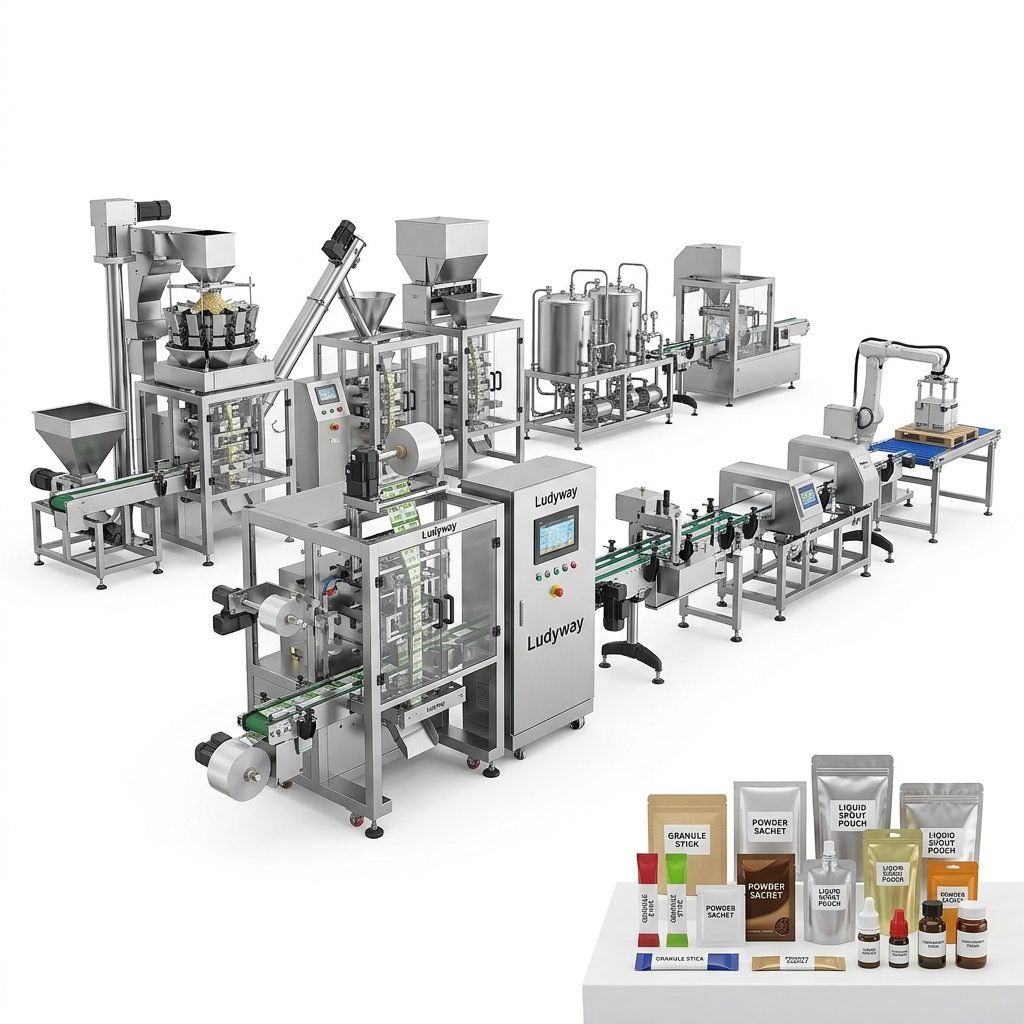
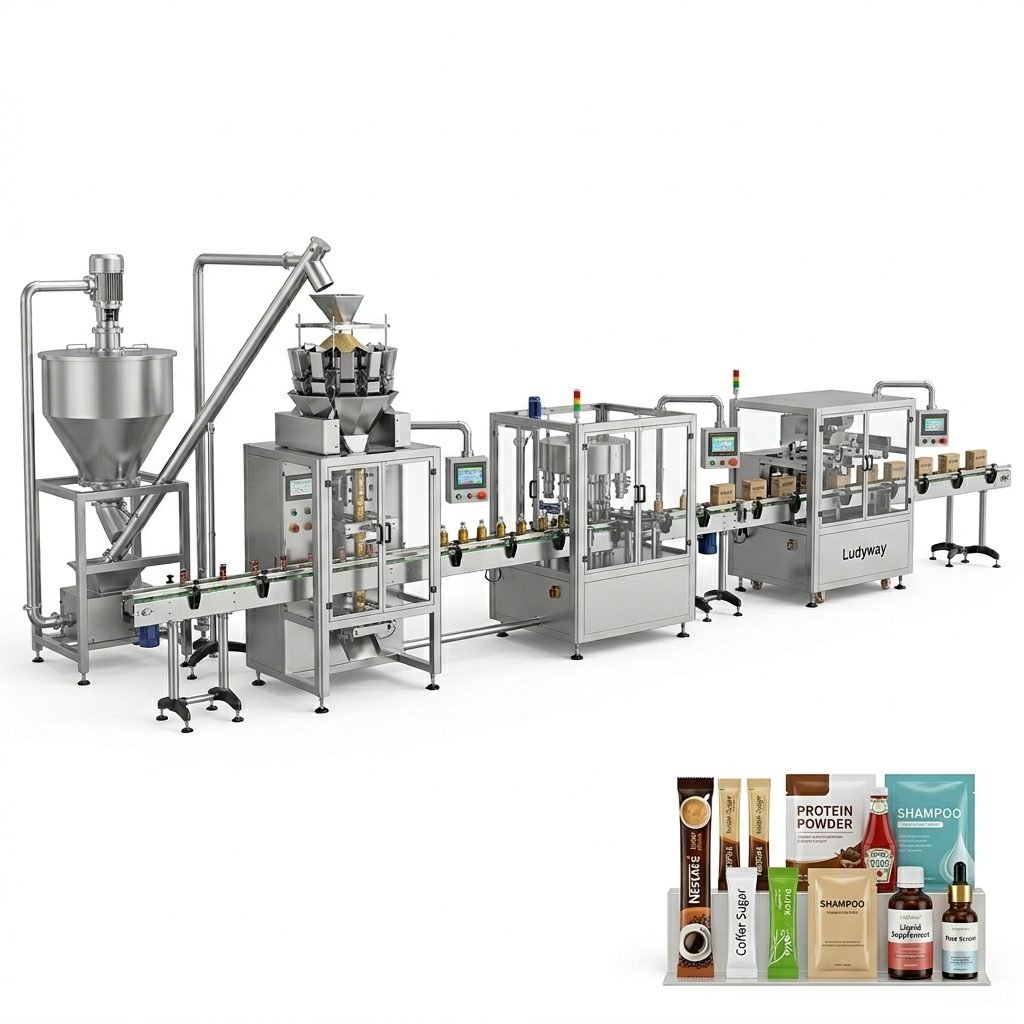
While individual machines are important, true efficiency comes from a seamlessly integrated turnkey production line. This involves synchronizing all components—unscrambling, rinsing, filling, capping/seaming, labeling, and packing—into one cohesive, automated system.
Benefits of a integrated line include:
- Maximized Output: Smooth flow minimizes bottlenecks, maximizing throughput.
- Reduced Labor & Error: Full automation reduces manual handling, lowering labor costs and minimizing human error.
- Consistent Quality: Every unit is processed under identical, controlled conditions.
- Data & Monitoring: Modern lines provide real-time data on output, efficiency, and potential faults for proactive management.
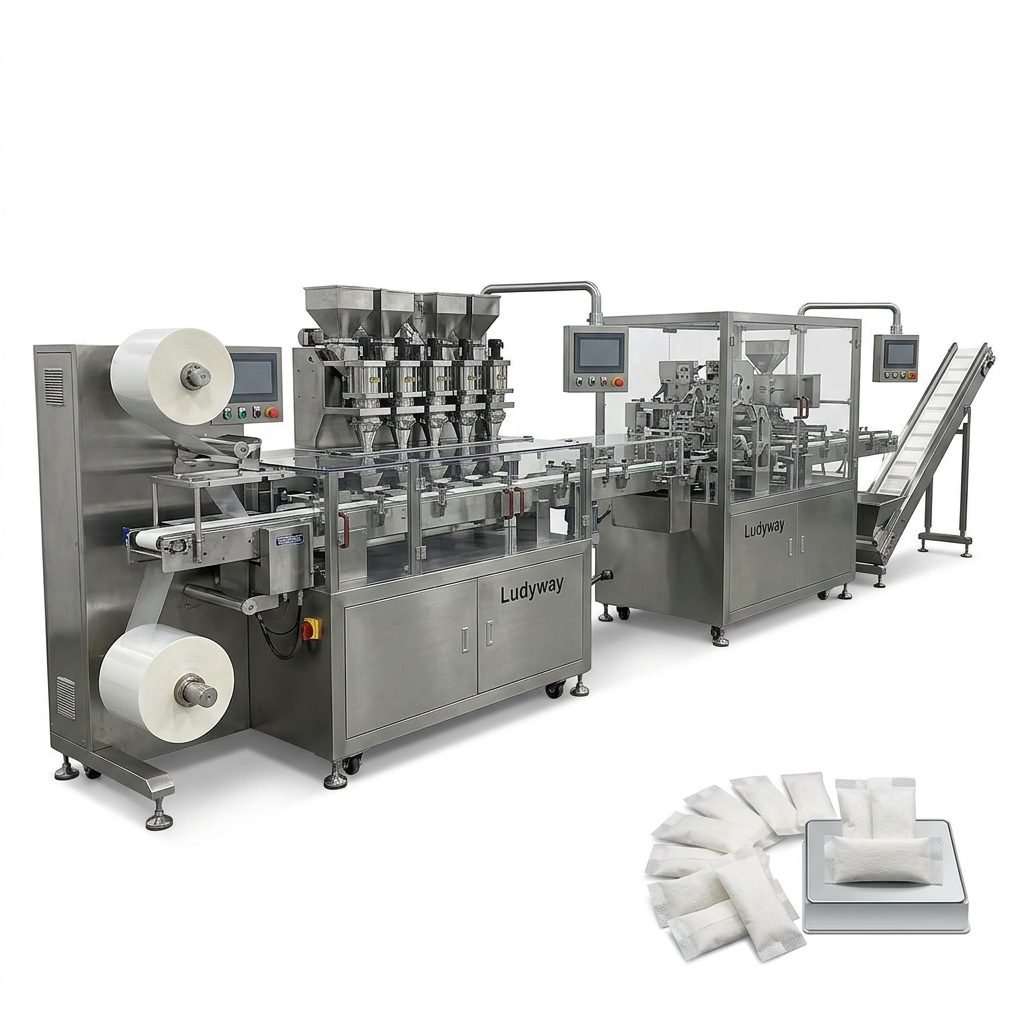
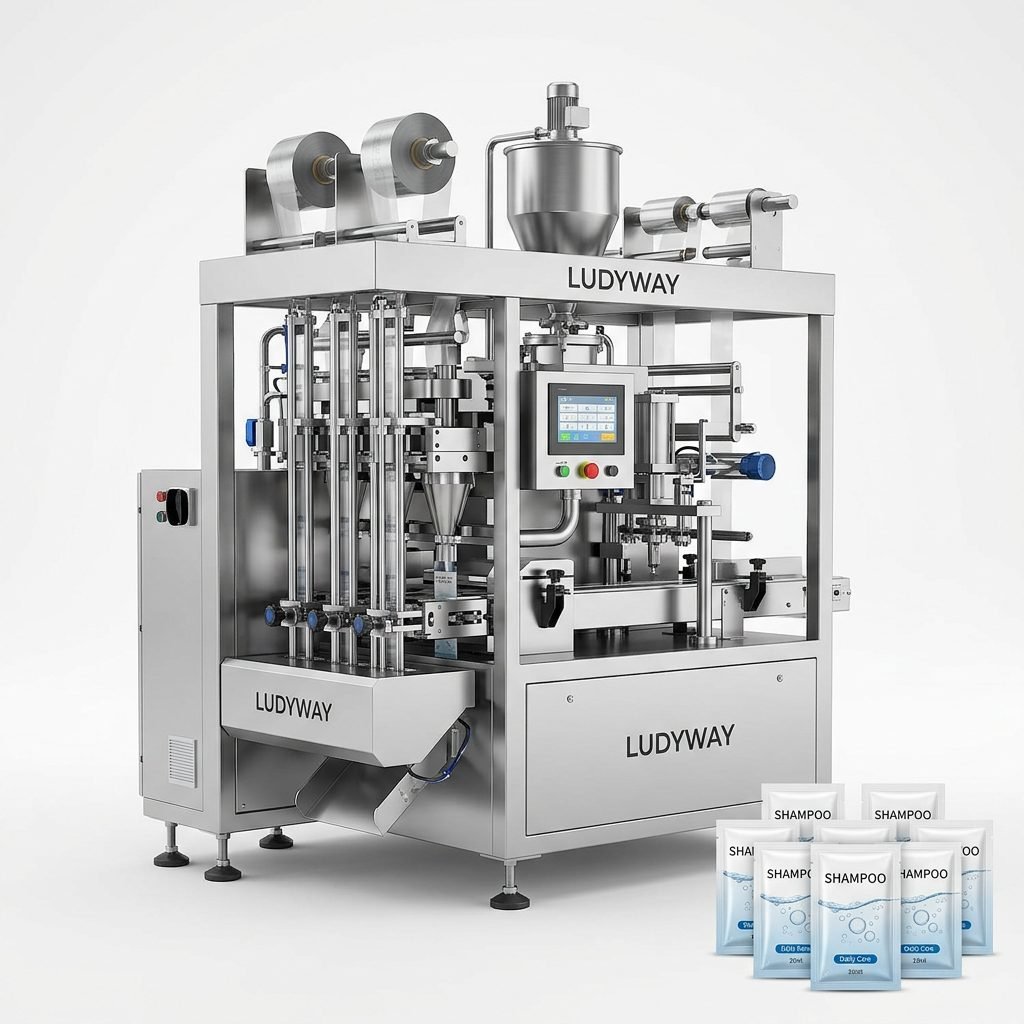
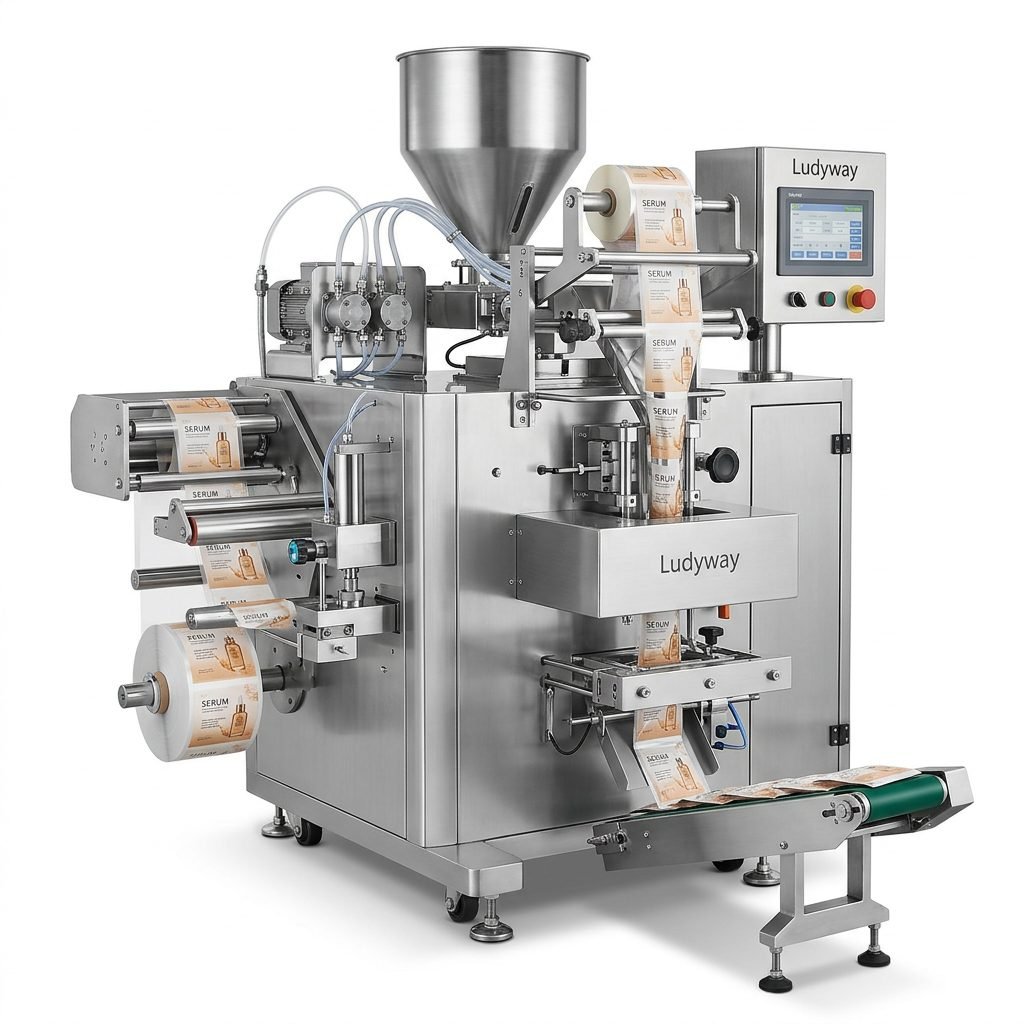
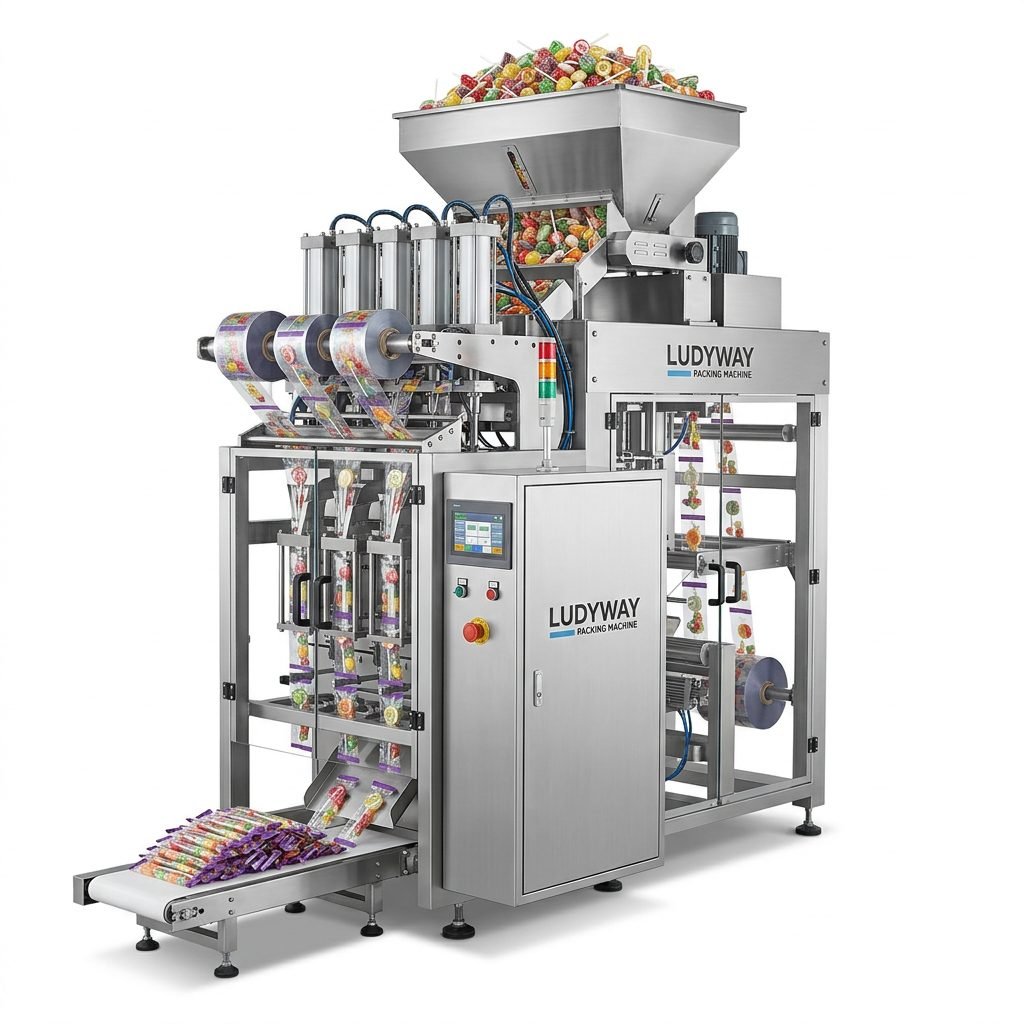
For producers looking to scale or enter new markets, partnering with an expert who can provide a customized, ready-to-run solution is a strategic advantage. Companies like Ludyway Machinery, with deep experience in packaging automation, specialize in designing and supplying such complete lines tailored to specific product and output requirements.
Choosing the Right Equipment Partner
Investing in RTD packaging equipment is a significant decision. Beyond the technical specs, choosing the right supplier is crucial for long-term success.
Key considerations include:
Industry Experience & Specialization: Look for a partner with proven expertise in your specific beverage sector (e.g., dairy, juice, beer, functional drinks). Their experience will inform better machine recommendations and troubleshooting. Ludyway Machinery, for instance, focuses on solutions for food, pharmaceutical, and health industries, understanding the unique hygiene and precision needs of these sectors.
Engineering & Customization Capability: Can they adapt standard machines to your unique bottle shape, filling volume, or production speed? A strong engineering team is essential for customization.
Quality & Reliability of Machinery: Investigate the build quality, component sources (like stainless steel grade, motor brands), and reliability data. Equipment must withstand 24/7 production environments.
After-Sales Support & Service: Comprehensive support—installation, training, spare parts availability, and remote/on-site technical service—is vital to maintain operational uptime.
Global Project Execution: If you operate internationally, a supplier with experience in exporting and installing equipment worldwide can navigate logistics, local regulations, and support networks more effectively.
Future Trends: Smart, Sustainable & Flexible Packaging
The RTD packaging equipment landscape is evolving rapidly. Three major trends are shaping the next generation of solutions:
1. Smart Connectivity & Industry 4.0
Equipment is becoming increasingly connected. IoT sensors monitor machine health, predict maintenance needs, and track production data in real-time. This data integrates with factory MES/ERP systems, enabling truly smart, data-driven production management for optimized efficiency and traceability.
2. Sustainability-Driven Design
Pressure to reduce environmental impact is driving innovation. Equipment is being designed to handle lighter-weight bottles and cans, use less water during rinsing, and accommodate recyclable or biodegradable materials. Some fillers are also optimized to minimize product waste during changeovers or cleaning.
3. Flexibility for Multi-Format & Small Batch Production
With the rise of craft brands and limited-edition releases, producers need equipment that can switch between formats (e.g., from cans to bottles) or batch sizes quickly. Modular machines with quick-change tooling and programmable settings are rising in demand to provide this agile production capability.
By embracing these trends, manufacturers can future-proof their operations, meet consumer expectations, and stay competitive. Leading equipment providers are already integrating these features into their new offerings.
Conclusion
Selecting and implementing the right Ready-to-Drink packaging equipment is a complex but rewarding process. It requires a clear understanding of your product, target output, and future growth plans. From high-speed canning lines for mass-market beers to precise piston fillers for premium viscous health drinks, the technology exists to meet nearly every need. The ultimate goal is to find a balanced solution that delivers efficiency (high output, low waste), quality (consistent, safe fills), and adaptability (for future products and formats). Partnering with a knowledgeable and reliable packaging equipment specialist, who can offer not just machines but complete turnkey solutions and ongoing support, is often the key to unlocking this potential and ensuring your RTD products reach consumers perfectly packaged, every single time.
Frequently Asked Questions (FAQs)
What is the main difference between a bottling line and a canning line?
The core difference lies in the container handling and sealing technology. Bottling lines handle varied bottle shapes and use capping machines (for screw caps, etc.). Canning lines are optimized for uniform metal/aluminum cans and use high-speed seamers to attach and seal the lid. Canning lines typically operate at much higher speeds for carbonated beverages.
How do I choose between a gravity filler and a piston filler?
The choice is primarily based on your product’s viscosity. Gravity fillers are ideal for low-viscosity, free-flowing liquids like water or juice. Piston fillers are necessary for thicker, viscous products like yogurt, sauce, syrup, or oil, as they provide precise volumetric control regardless of flowability.
Can one filling machine handle both carbonated and non-carbonated drinks?
Generally, no. Carbonated drinks require specialized pressure (isobaric) fillers to maintain carbonation and prevent foaming. Standard gravity or vacuum fillers used for non-carbonated products would cause significant foaming and loss of CO2. Some advanced fillers can be adapted, but it’s often more efficient to have dedicated machines.
What does a “turnkey” packaging solution include?
A turnkey solution from a provider like Ludyway Machinery includes the complete, integrated line (all necessary machines), installation, commissioning, operator training, and often initial technical support. It means the supplier delivers a fully functional production line ready to “turn the key” and start operating, handling all aspects of the project.
How important is after-sales service when buying packaging equipment?
Extremely important. Packaging equipment is complex and runs continuously. Reliable access to spare parts, remote troubleshooting assistance, and available service engineers for on-site repairs are critical to minimizing costly downtime and ensuring the long-term productivity and return on your investment.