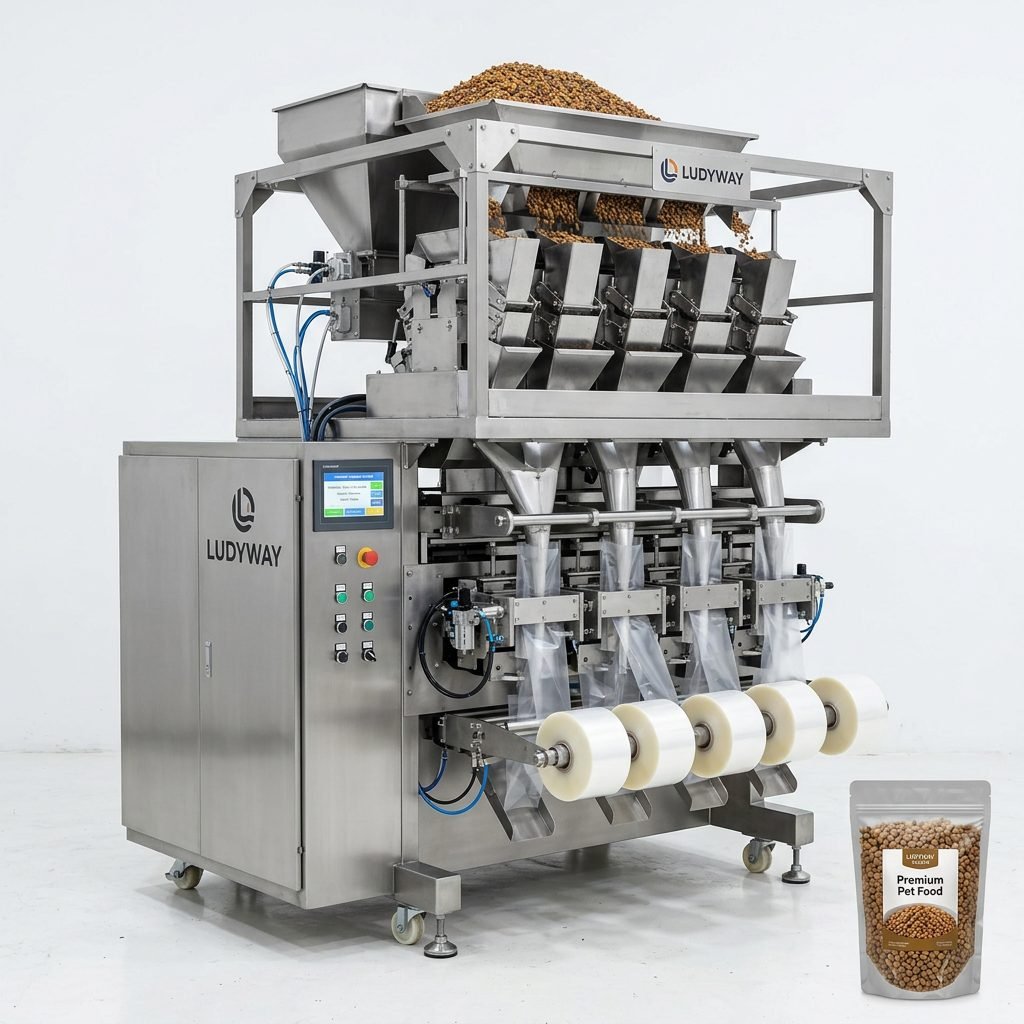
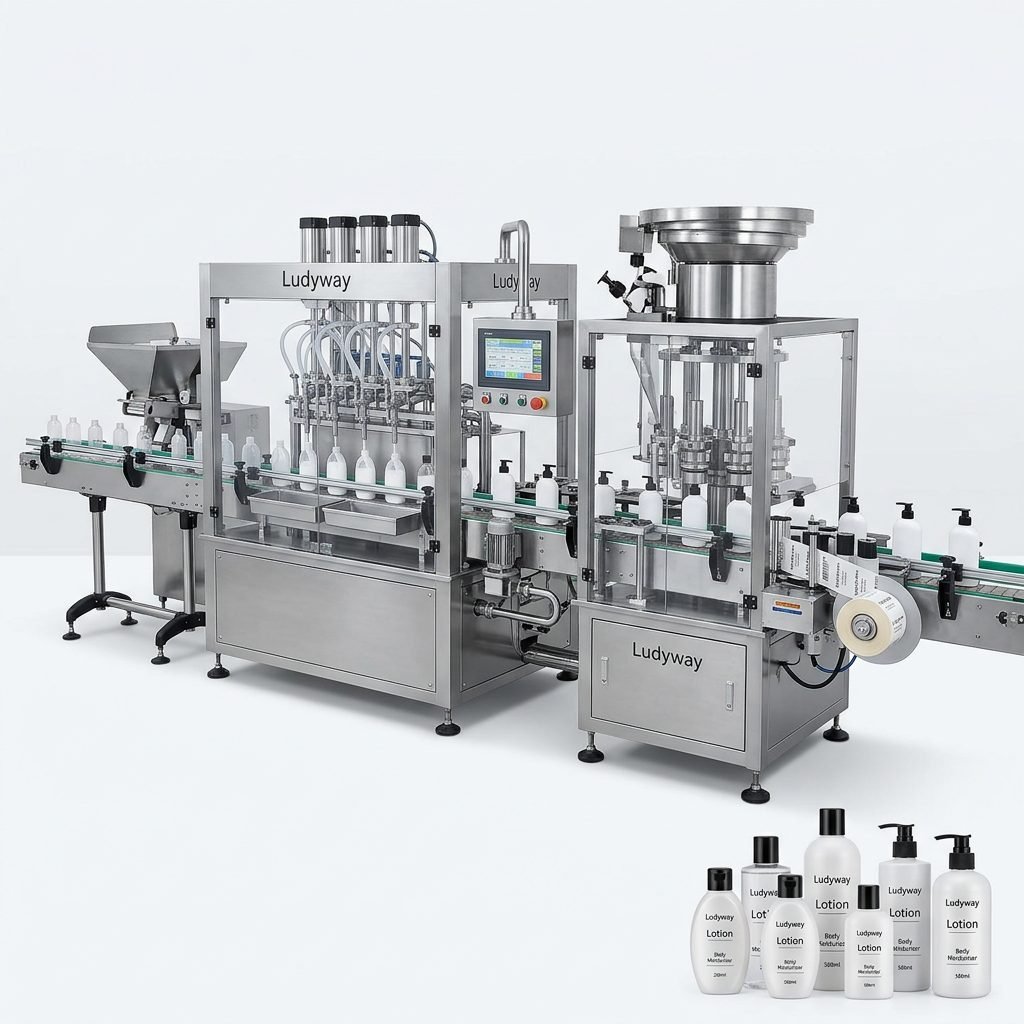
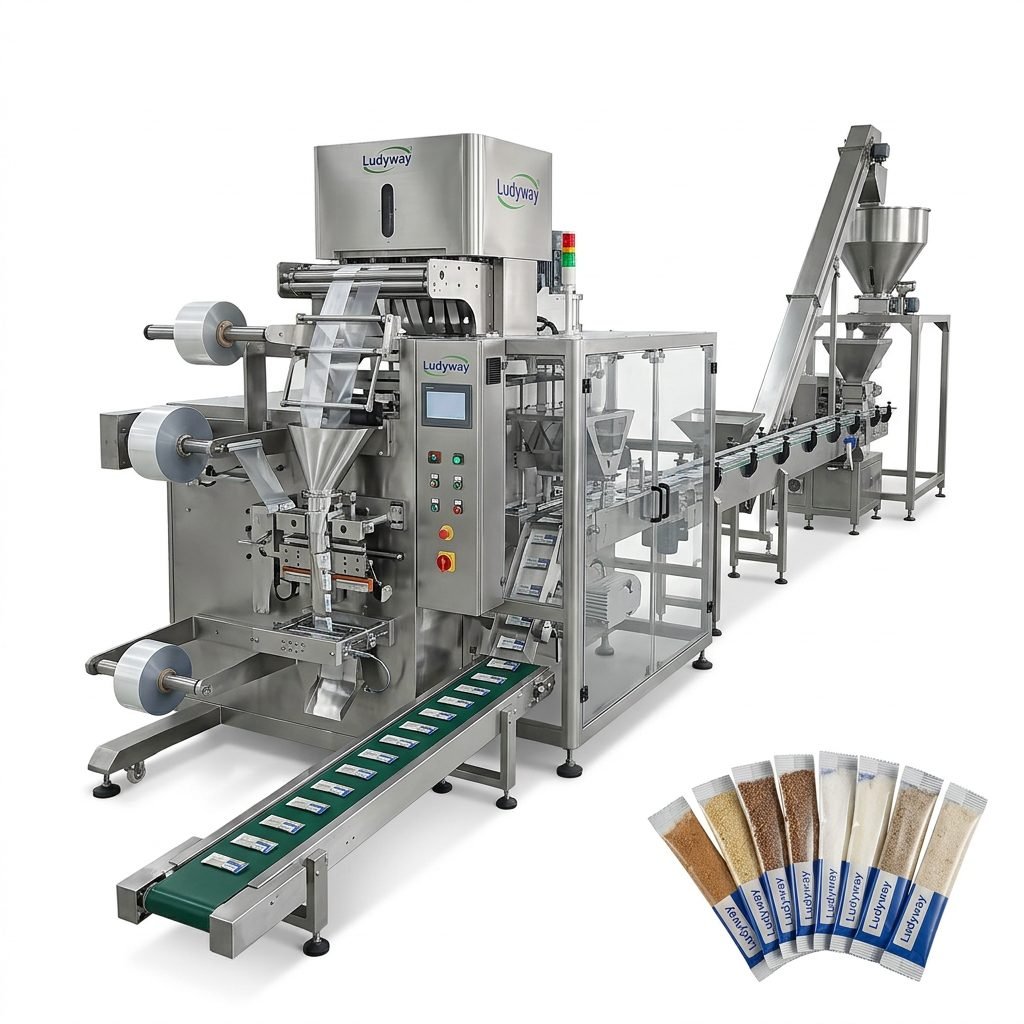
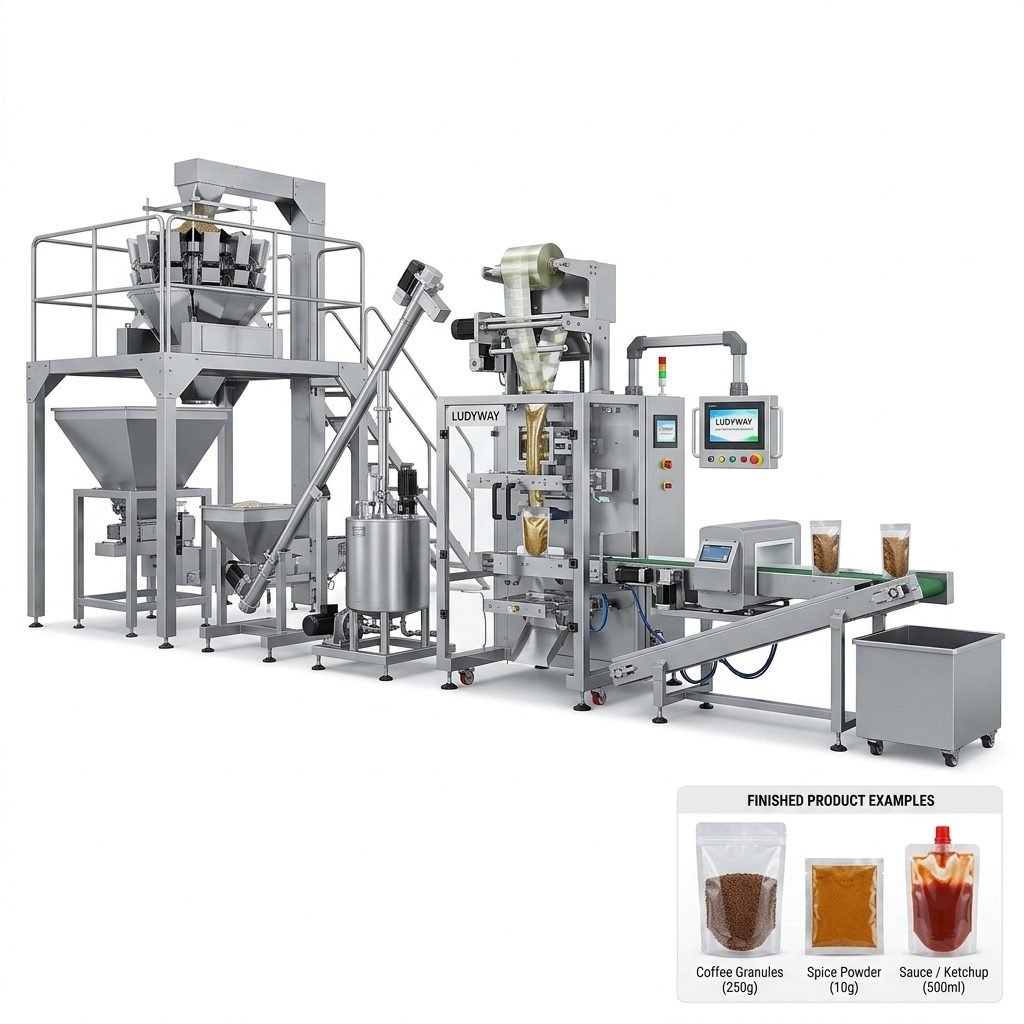
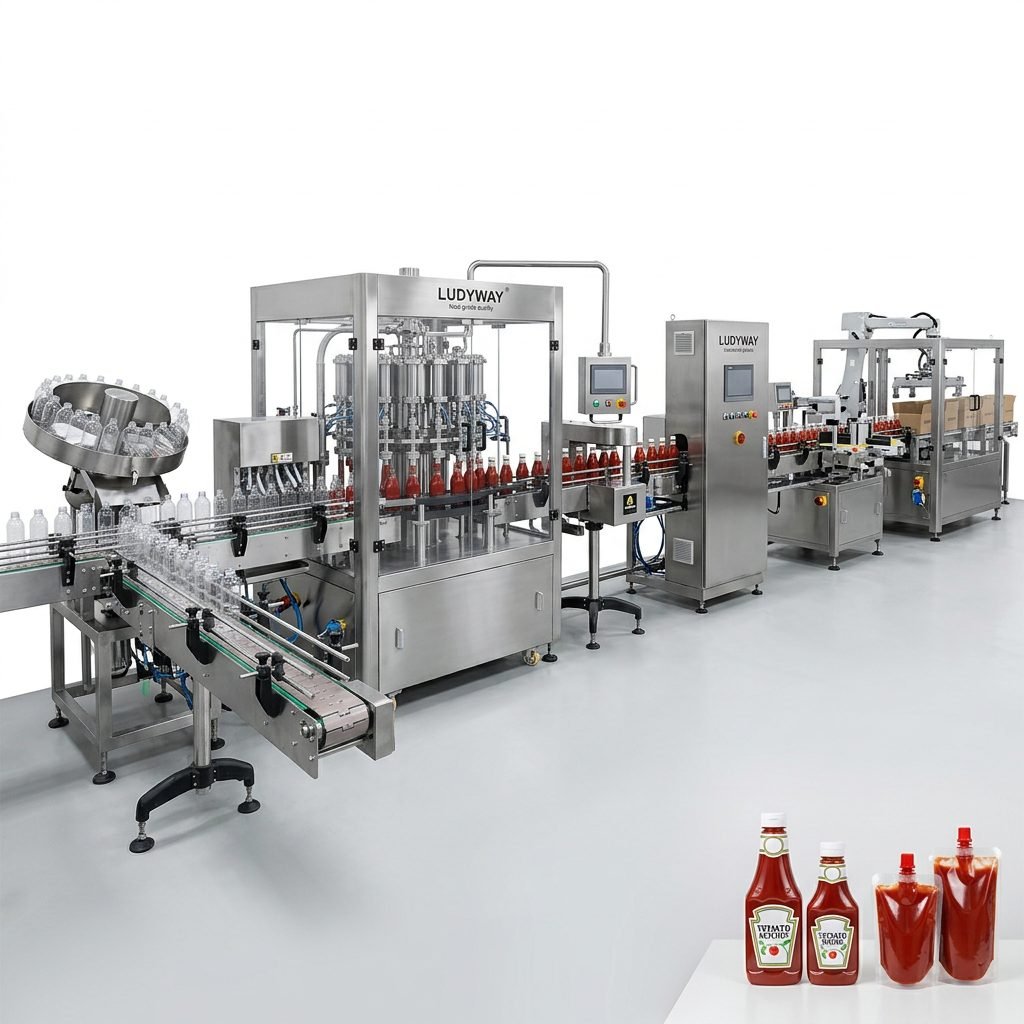
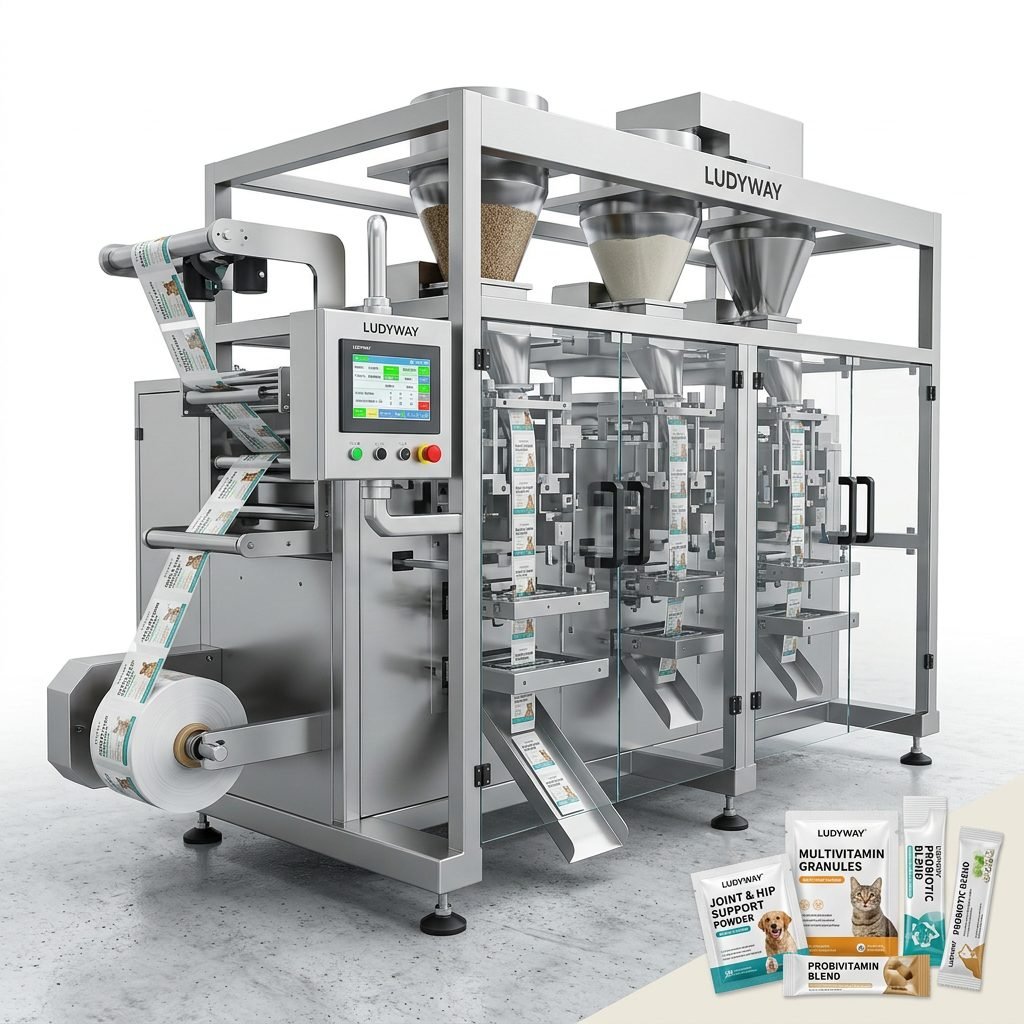
In the fast-paced world of product manufacturing and distribution, packaging plays a pivotal role in product protection, presentation, and preservation. Among the various packaging materials, cellophane remains a popular choice for its clarity, brilliance, and excellent barrier properties. To efficiently utilize this material, a specialized Cellophane Packaging Machine is essential. This comprehensive guide delves into the types of cellophane wrappers available, their significant benefits, and provides a detailed framework for selecting the best machine to meet your production needs.
Understanding Cellophane and Its Packaging Applications
Cellophane is a thin, transparent sheet made from regenerated cellulose. It is biodegradable, derived from natural sources like wood pulp, and offers a high-gloss, crystal-clear finish that enhances product appeal. Its excellent barrier properties against gases, aromas, and oils make it ideal for a wide range of products.
Primary Applications Include:
• Food Items: Candies, chocolates, baked goods, snacks, and tea bags.
• Pharmaceuticals: Blister packs, overwraps for medicine boxes.
• Consumer Goods: Gift baskets, flowers, stationery, cosmetics, and hardware items.
The right packaging machine ensures that cellophane is applied tightly, securely, and consistently, maintaining the material’s inherent benefits while achieving high-speed production.
Core Types of Cellophane Packaging Machines
The market offers various machines designed for different wrapping styles and production volumes. Choosing the correct type is the first critical step.
1. Flow-Through Wrappers (Also Known as Horizontal Wrappers)
These are the most common type for high-speed production lines. The product is conveyed horizontally into a web of cellophane film, which is then formed around it, sealed, and cut.
Best For: High-volume packaging of uniform-sized items like candy bars, granola bars, biscuits, and soap bars. They offer impressive speeds, often exceeding hundreds of packs per minute.
2. Shrink Wrapping Machines
These machines use a loose sleeve or bag of cellophane (or often a polyolefin shrink film) around a product or multiple products. The package then passes through a heat tunnel, causing the film to shrink tightly around the contents.
Best For: Bundling multiple items together (like beverage multipacks), creating secure tamper-evident seals, or providing a tight, conformal wrap for irregularly shaped products.
3. Overwrapping Machines
Similar to flow-through wrappers but often used for final retail presentation. They wrap an already boxed or cartoned product in a single sheet of cellophane, creating neat folds and end seals.
Best For: Adding a final protective and glossy layer to product boxes, gift sets, books, and software packages. It enhances shelf appeal and provides dust protection.
4. Vertical Form-Fill-Seal (VFFS) Machines
While more common for pouches, certain VFFS machines can be adapted for cellophane. The film is formed into a vertical tube around a filling tube, sealed longitudinally, filled with product, and then sealed and cut horizontally.
Best For: Packaging loose, free-flowing products like candies, nuts, or powders into pillow-style bags made of cellophane or laminates containing cellophane.
Key Benefits of Automating with a Cellophane Wrapper
Investing in an automated cellophane packaging machine delivers transformative advantages for your operation.
✓ Enhanced Product Protection & Freshness:
Cellophane’s superior barrier properties are only fully effective with a consistent, airtight seal. Automated machines provide precise, repeatable seals that lock out moisture, oxygen, and contaminants, significantly extending product shelf life—a critical factor for food and pharmaceutical items.
✓ Dramatically Increased Production Efficiency:
Manual wrapping is slow, labor-intensive, and inconsistent. An automated wrapper can operate at speeds unattainable by human workers, boosting output, reducing labor costs, and allowing your team to focus on quality control and other value-added tasks.
✓ Superior and Consistent Package Quality:
Every package comes out identical—tight, neat, and professionally presented. This consistency strengthens your brand image on retail shelves and ensures every customer receives a product that looks premium and well-protected.
✓ Material Savings and Reduced Waste:
Modern machines are equipped with precise film feeding and cutting mechanisms that minimize trim waste. Advanced controls allow for fine-tuning the film length for each product, optimizing material usage and reducing overall packaging costs.
✓ Operational Flexibility:
Many machines offer quick changeover features, allowing you to switch between different product sizes or wrapping styles with minimal downtime. This is vital for manufacturers running short batches or a diverse product portfolio.
How to Choose the Best Cellophane Packaging Machine: A Step-by-Step Guide
Selecting the ideal wrapper requires a careful analysis of your specific needs. Follow this structured approach to make an informed decision.
Step 1: Analyze Your Product and Packaging Requirements
This is the foundation of your search. Clearly define:
- Product Dimensions & Shape: Length, width, height, and stability. Irregular shapes may need a shrink wrapper or a machine with special forming capabilities.
- Desired Wrap Style: Do you need a tight fold wrap, a shrink bundle, or an overwrap? The final look dictates the machine type.
- Film Specifications: The gauge (thickness) and type of cellophane or laminated film you plan to use. Ensure the machine’s sealing system (often heat-based) is compatible.
Step 2: Determine Your Production Volume and Speed Needs
Match the machine’s capacity to your output goals.
Low to Medium Volume: Consider semi-automatic or standard-speed automatic models. These are more affordable and suitable for businesses with variable demand or smaller batch sizes.
High Volume & 24/7 Operation: Invest in a high-speed, heavy-duty automatic wrapper. Look for robust construction, premium components, and a design focused on minimal maintenance and maximum uptime. Partnering with an experienced supplier who understands high-throughput needs is crucial here.
Step 3: Evaluate Key Machine Features and Technology
Look beyond the basic function. Modern features enhance performance and ease of use.
- User-Friendly HMI (Human-Machine Interface): A clear touchscreen PLC control panel simplifies setup, stores recipes for different products, and provides diagnostic information.
- Precision Sealing Jaws: Consistent, clean seals are non-negotiable. Look for adjustable temperature and pressure controls for perfect seals on various films.
- Quick Changeover System: Mechanisms that allow for fast size adjustments without tools can save hours of production time each week.
- Integration Capabilities: Can the machine easily connect with your upstream feeders and downstream conveyors or cartoning systems for a seamless line?
Step 4: Assess Build Quality, Support, and Total Cost of Ownership
The cheapest machine can become the most expensive due to downtime and repairs.
Build Quality: Inspect the frame, gears, and drives. Stainless steel contact parts are essential for food or pharmaceutical applications for hygiene and durability.
Supplier Reputation & Support: Choose a supplier known for reliability and strong after-sales service. Ensure they offer comprehensive training, readily available spare parts, and responsive technical support. A supplier with deep industry experience can provide invaluable guidance.
Total Cost of Ownership (TCO): Factor in not just the purchase price, but also installation, maintenance, energy consumption, and potential future upgrade costs. A slightly higher initial investment in a robust, efficient machine often leads to lower TCO.
Frequently Asked Questions (FAQs)
Q1: Can one cellophane packaging machine handle different product sizes?
A: Yes, many modern machines are designed for flexibility. Look for models with “quick changeover” features, which allow you to adjust the film width, length, and forming box size relatively easily to accommodate a range of product dimensions, minimizing downtime between production runs.
Q2: Is cellophane film difficult to run on automated machinery?
A: Not inherently, but it requires a machine with proper tension controls and a compatible sealing system. Cellophane can be less elastic than some plastic films. An experienced supplier can configure the machine with the right film feed, guiding, and heat-sealing parameters to ensure smooth, reliable operation.
Q3: What is the main difference between a flow-through wrapper and a shrink wrapper for cellophane?
A: The key difference is in the finish. A flow-through wrapper creates a neat, folded, and sealed package directly. A shrink wrapper applies a loose sleeve or bag, which then shrinks tightly around the product when heat is applied, conforming perfectly to irregular shapes and creating a tight bundle for multiple items.
Q4: How important is after-sales service when purchasing this equipment?
A: It is critically important. Packaging machines are long-term investments. Reliable after-sales service—including installation supervision, operator training, access to genuine spare parts, and prompt technical support—is essential for maximizing uptime, ensuring optimal performance, and protecting your investment over many years of operation.
Q5: Are there sustainable or eco-friendly options for cellophane packaging?
A: Yes. Traditional cellophane is biodegradable and compostable as it is made from plant-based cellulose. For automated packaging, you can source certified biodegradable cellophane films. Furthermore, choosing an efficient machine that minimizes film waste contributes significantly to the sustainability of your packaging process.