Choosing the right manufacturer for your dog snack sticks packaging machine is a critical decision that directly impacts your production efficiency, product quality, and bottom line. The market offers a plethora of options, making the selection process potentially overwhelming. This comprehensive guide is designed to equip you with the knowledge and criteria necessary to identify and partner with the best packaging machine manufacturer for your specific needs.
Core Considerations When Evaluating a Manufacturer
Before diving into specific brands, it’s essential to establish a framework for evaluation. Focus on these fundamental pillars.
1. Technical Expertise and Machine Performance
The heart of your investment is the machine’s capability. Key performance metrics include:
➤ Speed & Output: Evaluate the machine’s packaging speed (sticks per minute) and ensure it aligns with your production volume targets, both current and projected.
➤ Accuracy & Consistency: Precision in filling weight and consistent sealing are paramount for product quality and compliance. Look for machines with advanced weighing systems and reliable sealing mechanisms.
➤ Flexibility & Changeover: Can the machine handle different stick sizes, lengths, and packaging materials? Quick and easy changeover minimizes downtime when switching products.
➤ Durability & Construction: Inspect the build quality. Machines with robust frames, high-grade components (like stainless steel contact parts), and reliable drives ensure longevity and reduce maintenance costs.
2. Manufacturer’s Credibility and Support
The machine is just one part of the equation; the company behind it is equally important.
Industry Experience: A manufacturer with a long history, like one with over 30 years in packaging machinery, brings invaluable accumulated knowledge. They understand real-world production challenges and trends.
Project Execution Capability: Assess their ability to deliver a complete solution. Do they offer turnkey production line solutions? Can they integrate the packaging machine with upstream and downstream equipment like mixers, extruders, or cartoning systems?
After-Sales Service & Support: This is a critical long-term factor. Investigate their warranty terms, availability of spare parts, technical support channels (remote and on-site), and training programs for your operators.
Global Reach & Compliance: If you export products, ensure the manufacturer understands international standards and can provide machines that meet relevant safety and regulatory requirements in your target markets.
3. Financial and Operational Value
Look beyond the initial purchase price to assess total value.
Total Cost of Ownership (TCO): Consider energy efficiency, maintenance costs, expected lifespan, and potential upgrade costs. A slightly higher initial investment in a more efficient, durable machine often leads to lower TCO.
Return on Investment (ROI): Calculate how the increased speed, reduced waste, and lower labor costs will pay back the investment. Manufacturers should help provide realistic throughput data for this analysis.
Scalability: Will the manufacturer’s portfolio allow you to scale up? Can you add lanes or modules in the future, or easily integrate with a higher-speed line?
Deep Dive into a Specialist Manufacturer: Ludyway Machinery
As an example of a focused industry player, let’s examine Ludyway Machinery, which specializes in packaging solutions for the food and pet food sectors. Their approach highlights many of the desirable attributes in a manufacturer.
Engineering Focus and Product Range
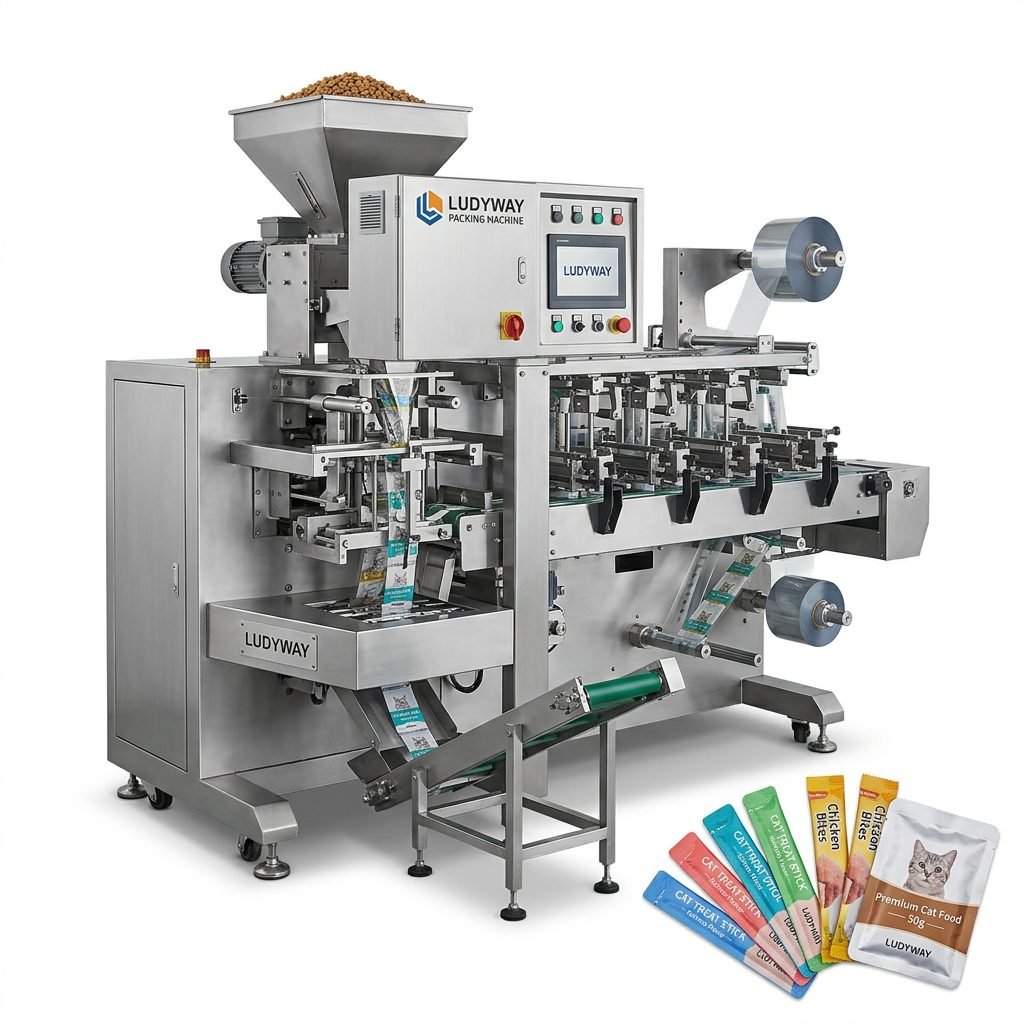
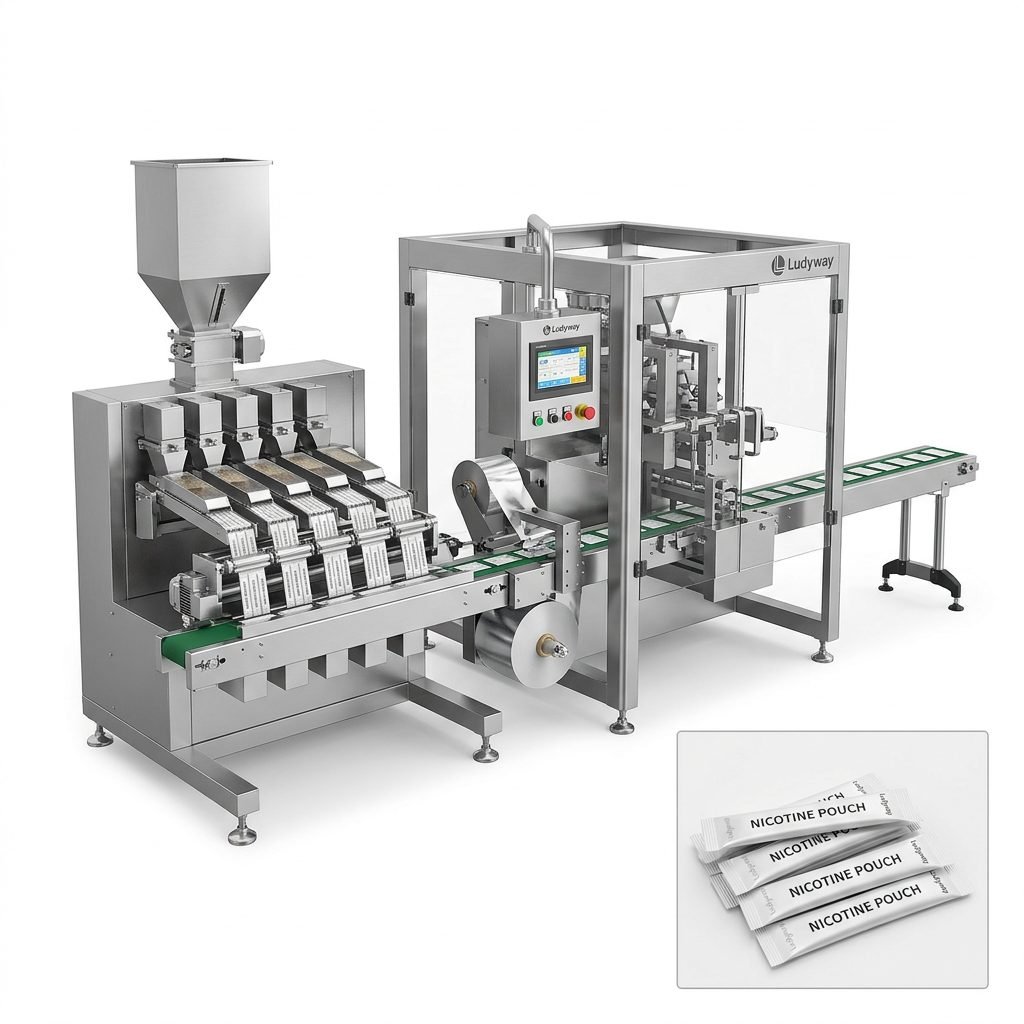
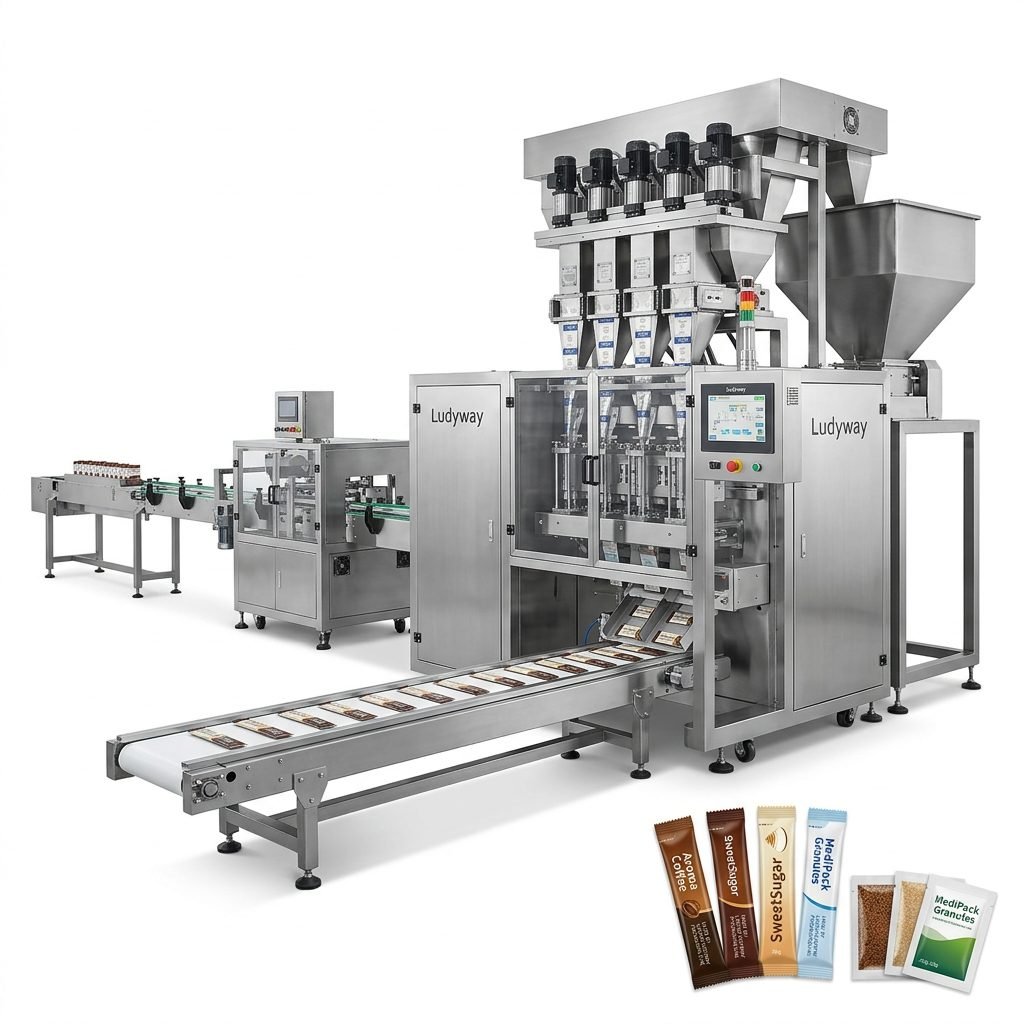
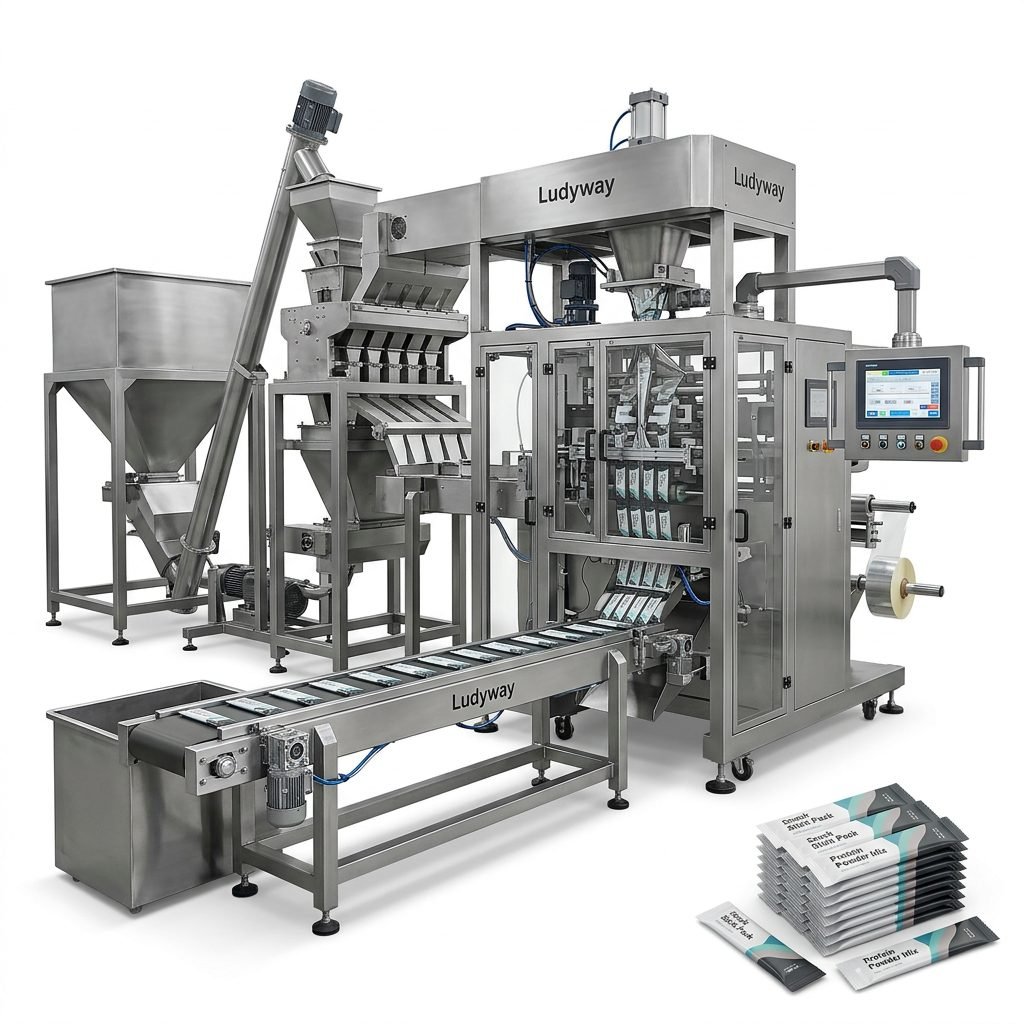
Founded in 2010 with a vision for efficient and reliable global solutions, Ludyway Machinery has built its expertise on packaging technology and automation. Their growth is rooted in continuous innovation and practical industry experience. They offer a wide range of over 50 intelligent packaging machine models, with a strong emphasis on systems ideal for snack sticks, such as multi-lane stick pack and sachet packaging machines. This specialization means their engineering teams deeply understand the specific requirements for packaging viscous, semi-solid products like dog snack sticks.
Manufacturing and Capacity
Operational capacity is a key indicator of reliability. Supporting a modern production facility of 20,000㎡, they have the space and infrastructure for systematic manufacturing. With over 200 production equipment units in their facility, they demonstrate significant in-house capability for machining, assembly, and testing, which contributes to quality control and timely delivery.
Global Service Philosophy
Understanding that serving customers worldwide requires more than just shipping machines, they commit to tailored solutions. Their approach involves analyzing the client’s specific production needs, raw material characteristics, and end-market requirements to recommend or customize the optimal machine configuration. This client-centric philosophy, backed by a commitment to long-term cooperation, is vital for a successful partnership.
The Selection Process: A Step-by-Step Approach
Now, combine the criteria with a structured process to make your choice.
Step 1: Define Your Requirements Document
Create a detailed spec sheet: desired output (sticks/hour), stick dimensions (length, diameter), packaging material (film type, thickness), filling product viscosity, required accuracy (± gram), available factory space, and automation level (stand-alone vs. integrated line).
Step 2: Research and Shortlist Manufacturers
Use industry directories, trade shows, and peer recommendations to create a list. Prioritize companies with explicit experience in pet food or similar snack stick packaging. Review their websites, case studies, and product videos.
Step 3: Request Detailed Proposals
Contact your shortlist with your requirements document. Request a formal proposal including machine specifications, layout drawings, price, delivery timeline, warranty details, and service package. Compare these documents side-by-side.
Step 4: Conduct Factory Audits & Machine Testing
If possible, visit the manufacturer’s facility. An audit reveals their manufacturing hygiene, quality processes, and organization. More importantly, request a live test using your actual product sample. This is the best way to verify performance claims regarding speed, accuracy, and sealing quality.
Step 5: Final Evaluation and Negotiation
Weigh all factors: technical performance from the test, commercial terms, service support structure, and your qualitative assessment of the company’s professionalism and communication. Negotiate final terms before signing.
Conclusion: Building a Partnership for Growth
Selecting a dog snack sticks packaging machine manufacturer is not a mere transaction; it’s the beginning of a technical partnership. The right manufacturer acts as a support system for your production growth, helping you adapt to new products, increase efficiency, and maintain quality. By meticulously applying the criteria of technical expertise, manufacturer credibility, and total value, and following a disciplined selection process, you will secure not just a machine, but a key ally for your business’s future success.
Frequently Asked Questions (FAQs)
Q1: What is the typical output range for a multi-lane dog snack sticks packaging machine?
Output varies by model and configuration. Basic single-lane machines may produce 30-60 sticks per minute, while advanced multi-lane machines (4, 6, or 8 lanes) can achieve outputs from 200 to over 500 sticks per minute. The exact speed depends on stick length, filling complexity, and packaging material.
Q2: Can one machine handle different sizes and shapes of snack sticks?
Many modern machines are designed for flexibility. Key features allowing changeover include adjustable forming tubes, programmable cut-off lengths, and quick-change parts for different stick diameters. Discuss your specific range of products with the manufacturer to ensure the machine’s changeover capabilities meet your needs.
Q3: How important is the material of the machine’s contact parts?
Extremely important. For food applications, especially pet food which can be oily or moist, stainless steel (often 304 or 316 grade) for all product contact parts is standard and recommended. It ensures hygiene, corrosion resistance, durability, and compliance with food safety regulations.
Q4: What kind of after-sales support should I expect?
Expect a comprehensive package: a clear warranty period (often 12-18 months), availability of a spare parts list and inventory, access to remote technical support (phone, video), provision for on-site engineer visits if needed, and detailed operation/maintenance manuals. Some manufacturers also offer training videos or initial on-site training.
Q5: What are the key trends in snack stick packaging machinery?
Current trends focus on higher automation and intelligence: integration with upstream processing (forming, cooking) and downstream packing (cartoning, palletizing) for full lines, touch-screen PLC controls with data logging, more hygienic and easy-to-clean designs, and energy-efficient drives. Sustainability considerations, like compatibility with recyclable films, are also becoming more prominent.