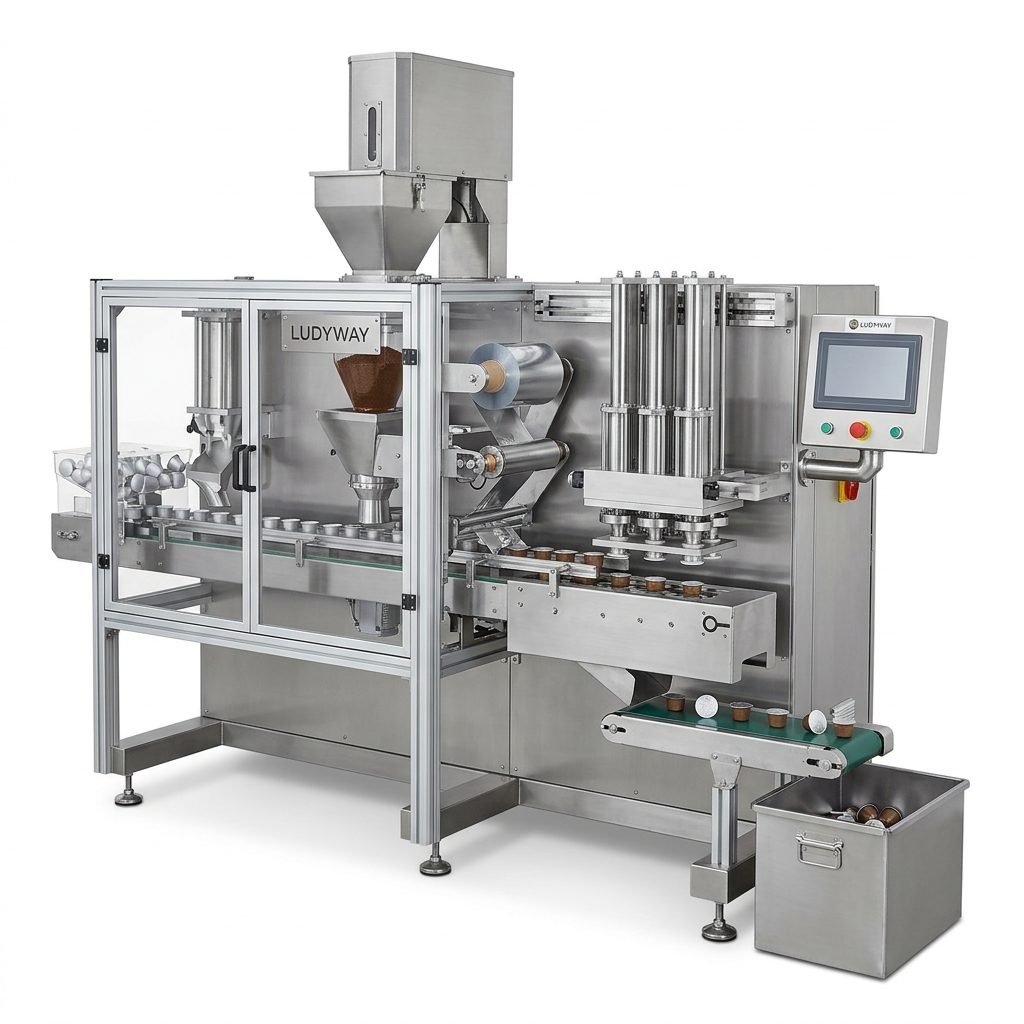
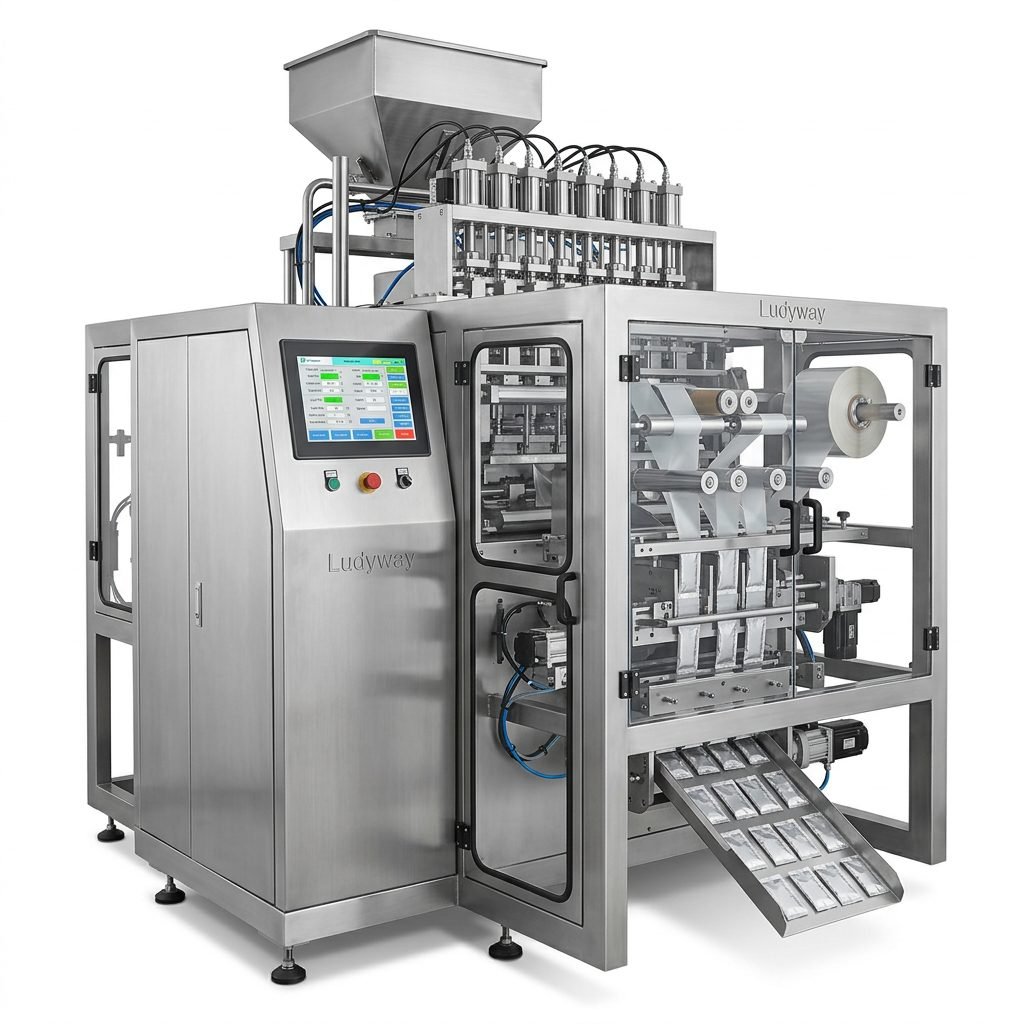
In the dynamic world of manufacturing and product distribution, selecting the right packaging equipment is a critical decision that impacts efficiency, product integrity, and overall operational success. Reiser Packaging Equipment stands as a prominent name in this sector, offering a diverse range of solutions designed to meet the complex demands of modern production lines. This guide delves into the various types of Reiser packaging machinery, their wide-ranging applications across industries, and provides a structured framework to help you choose the perfect solution for your specific needs.
Understanding the Core Types of Reiser Packaging Equipment
Reiser’s portfolio is built on versatility and precision engineering. Their equipment can be broadly categorized based on the packaging form and the product type they handle.
1. Form-Fill-Seal (FFS) Packaging Systems
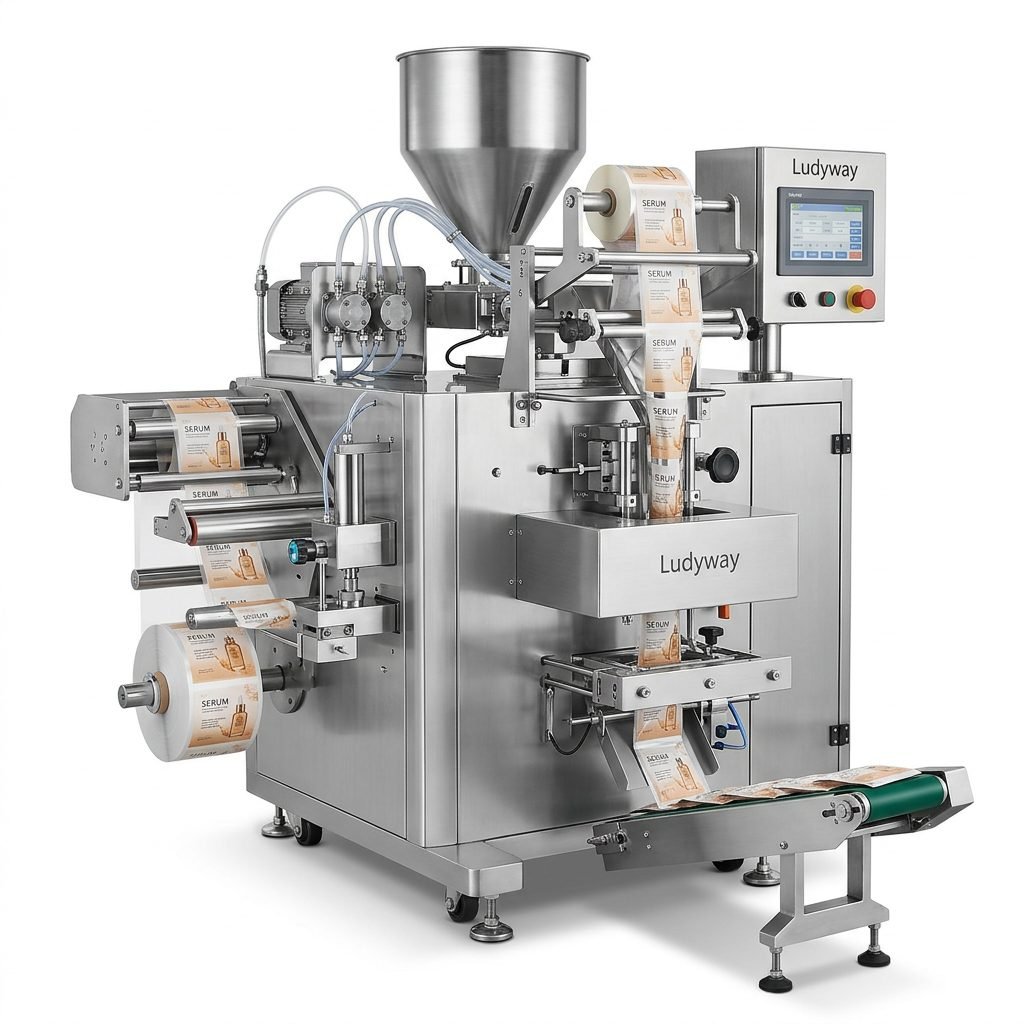
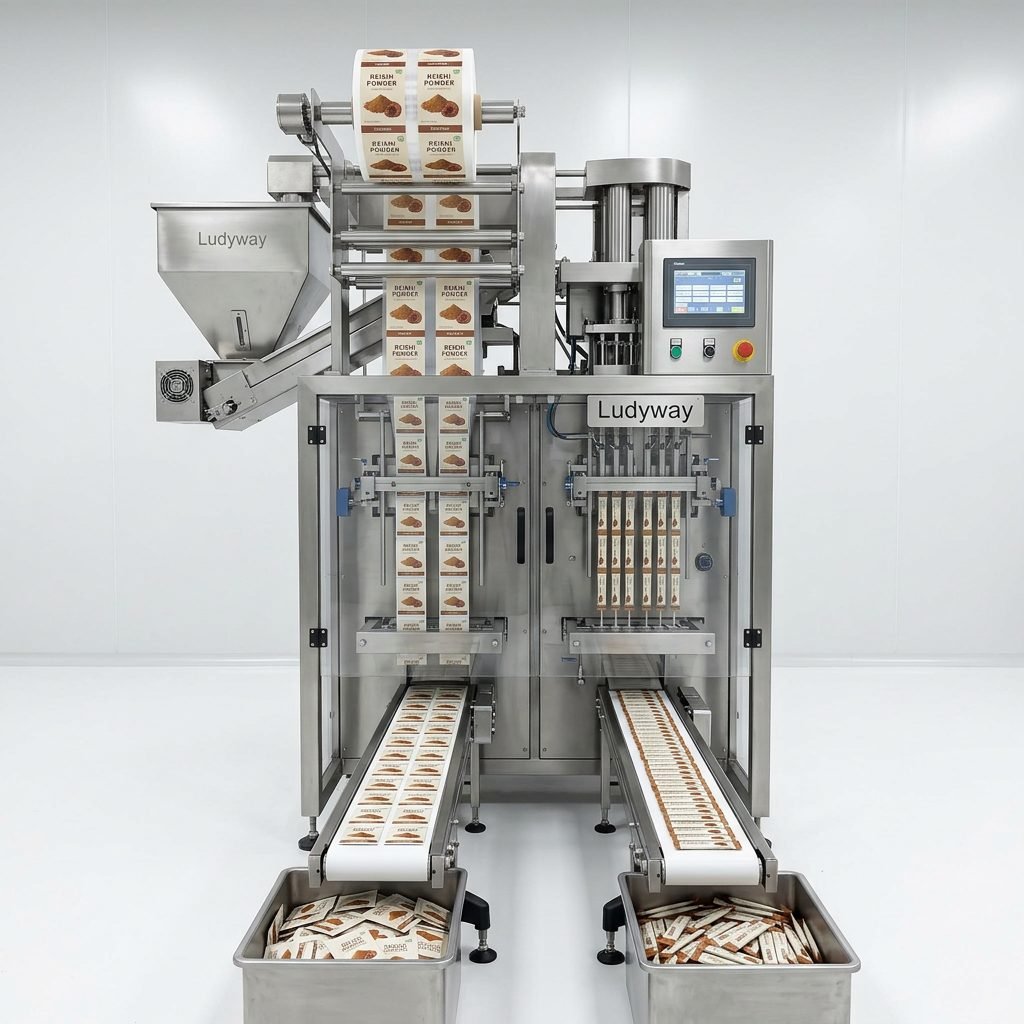
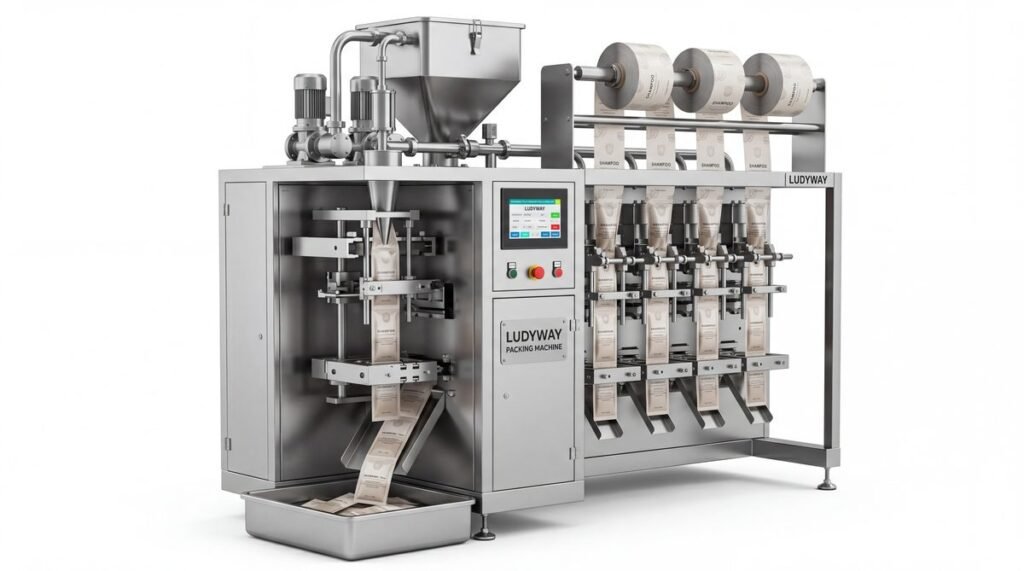
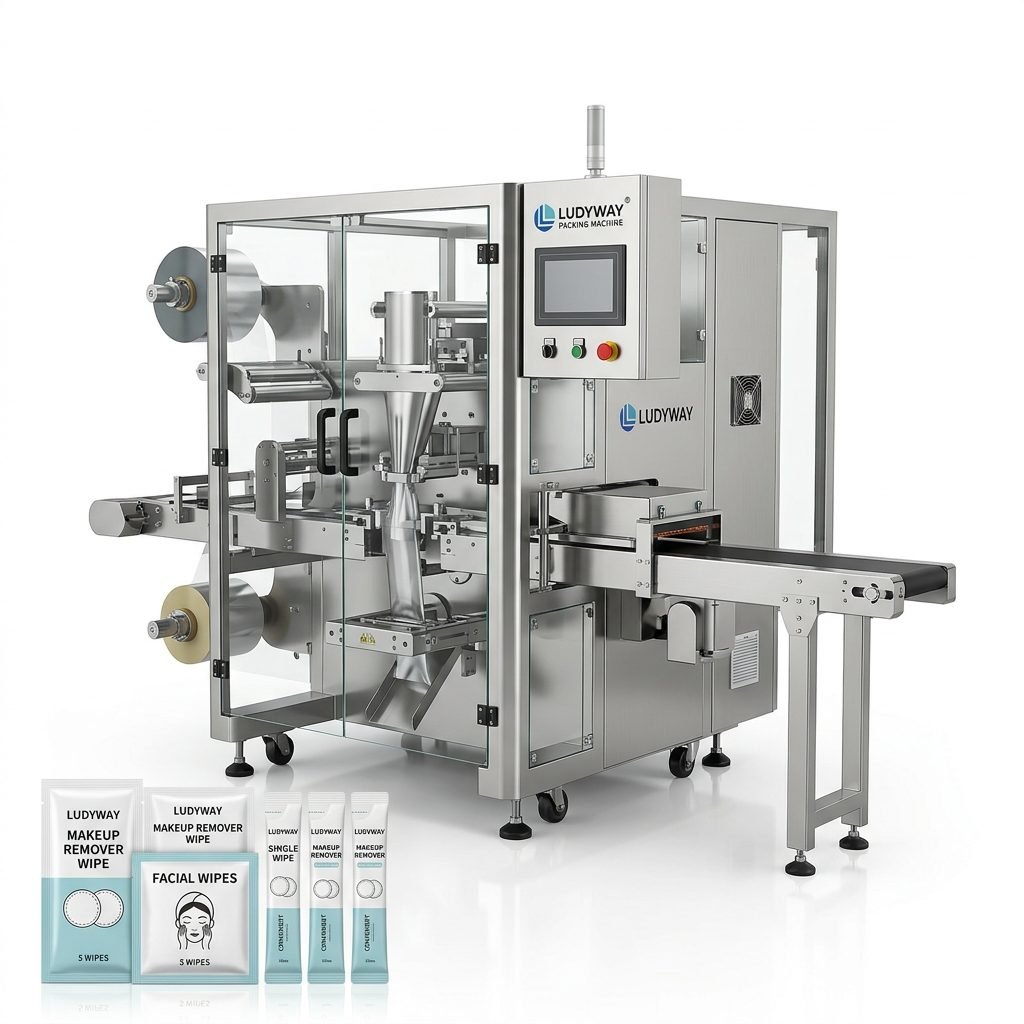
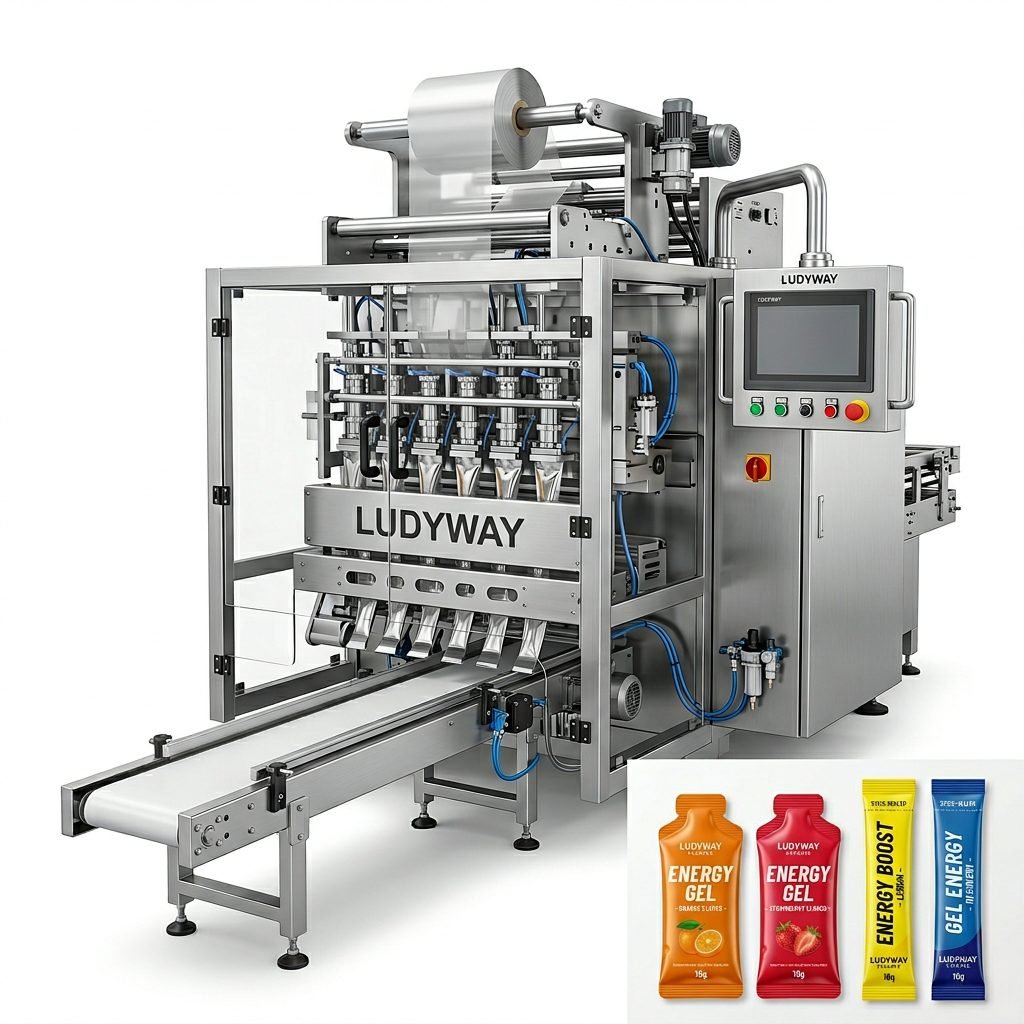
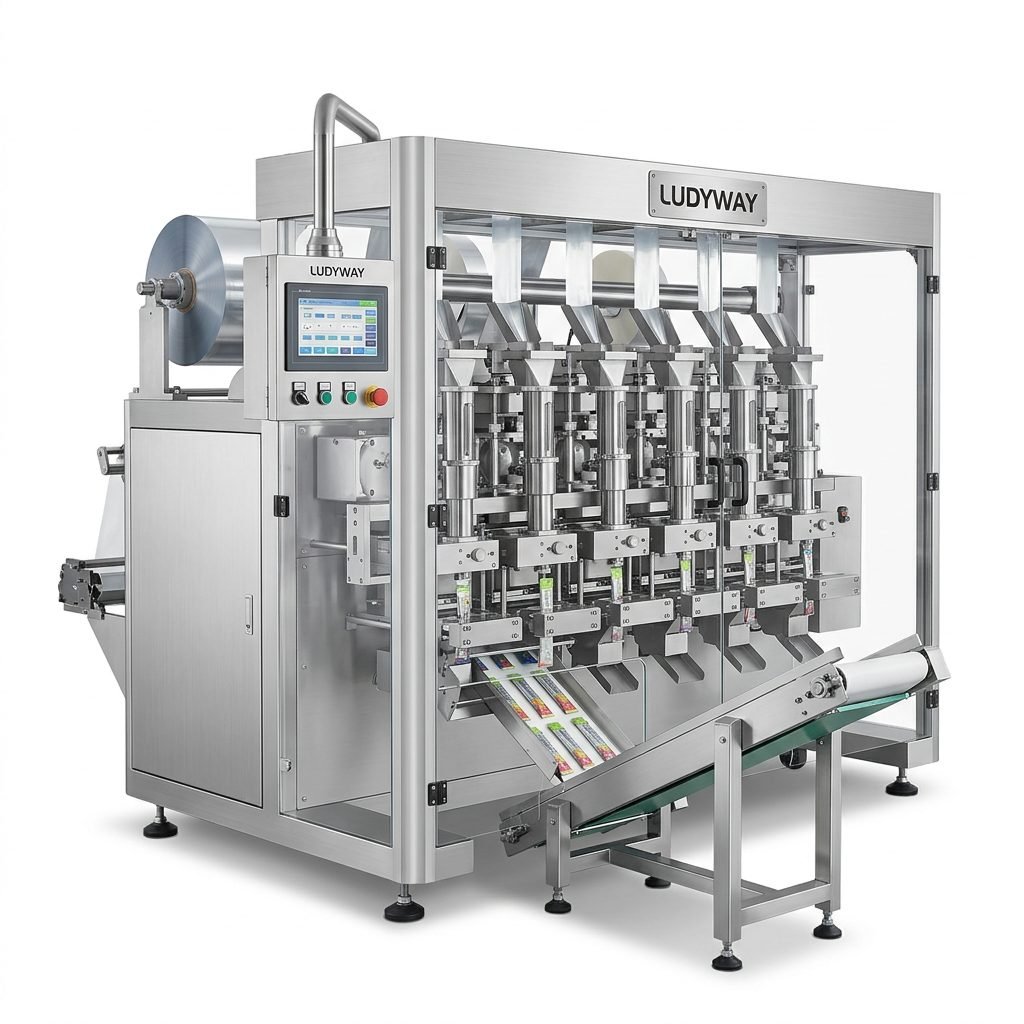
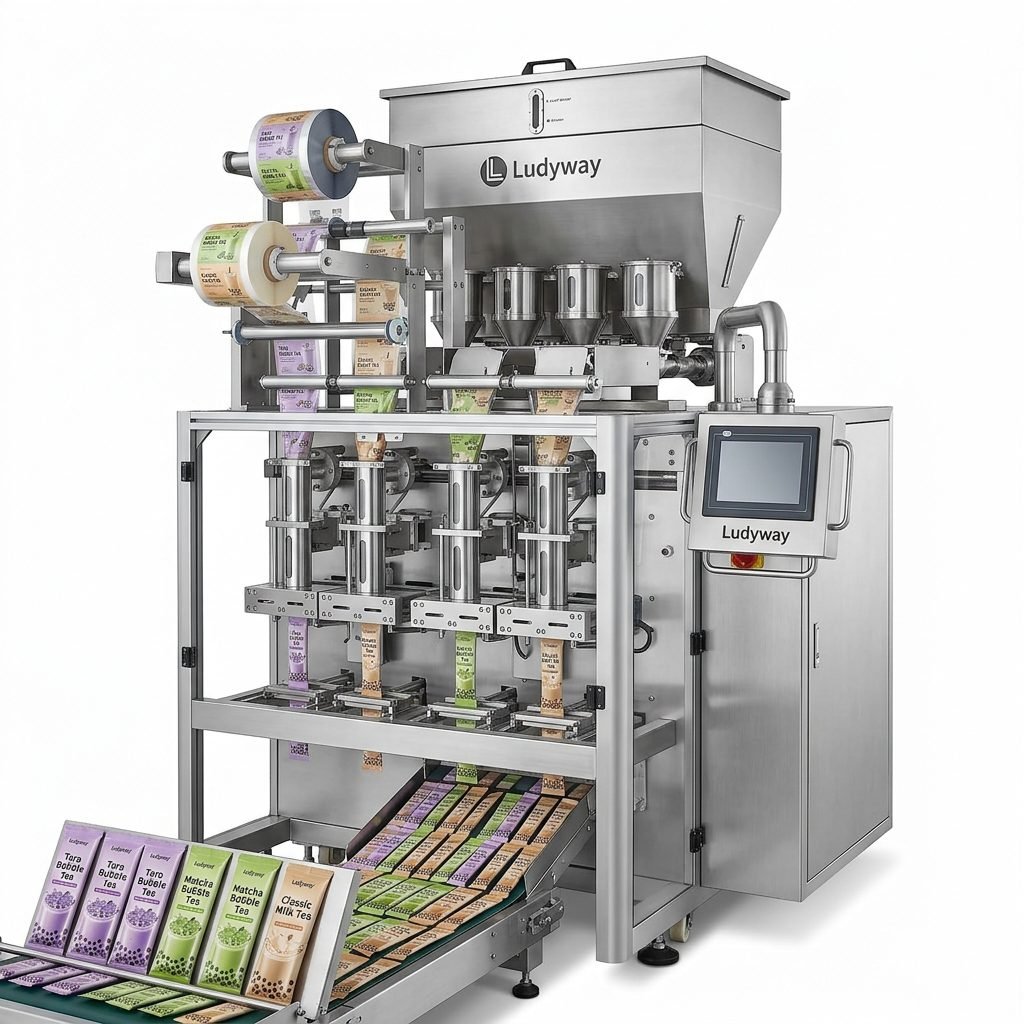
These are the workhorses of modern packaging, creating the package from a roll of film, filling it with product, and sealing it in one continuous operation. Reiser offers advanced vertical and horizontal form-fill-seal machines.
Key Advantage: FFS systems maximize efficiency and hygiene by minimizing product handling. They are ideal for high-speed production of items like frozen foods, snacks, cheese portions, and fresh produce.
2. Tray Sealing & Thermoforming Equipment
For products requiring a rigid or semi-rigid presentation, Reiser provides sophisticated tray sealers and thermoformers. These machines use a bottom web to form cavities (trays), which are then filled and sealed with a top lidding film.
Primary Applications: This technology is extensively used for ready-to-eat meals, poultry, meat, seafood, and pharmaceutical blister packs. The seal provides an excellent barrier against contaminants and extends shelf life.
3. Patty & Portioning Systems
Specializing in the food industry, Reiser’s portioning equipment is renowned for its accuracy and consistency. This includes patty formers for burgers, meatballs, and fish cakes, as well as precise portioners for items like shredded cheese or dough.
4. Processing & Size Reduction Machinery
Beyond packaging, Reiser offers equipment that prepares the product. This category includes high-capacity dicers, shredders, and grinders, which are often integrated upstream of the packaging line for a seamless workflow.
Diverse Applications Across Key Industries
The strength of Reiser equipment lies in its adaptability to meet stringent industry standards.
Food Processing & Packaging
This is the core application area. From bacon slicing and packaging to forming and sealing gourmet burger patties, Reiser solutions handle proteins, dairy, baked goods, and prepared foods with unparalleled hygiene and speed, ensuring compliance with global food safety regulations.
Pharmaceutical & Medical Supplies
Precision and sterility are paramount. Reiser’s blister packaging and tray sealing systems are engineered to meet the exacting requirements of pharmaceutical packaging, ensuring dose accuracy and product protection.
Non-Food Industrial Products
Certain Reiser systems are also adapted for packaging non-food items that require precise portioning or protective packaging, such as some industrial components or chemical products in pre-measured doses.
How to Choose the Right Reiser Packaging Solution: A Step-by-Step Guide
Selecting equipment is an investment. A methodical approach ensures you get a system that delivers a strong return.
Step 1: Define Your Product and Packaging Specifications
Start with the basics. What are you packaging? Is it solid, liquid, viscous, or particulate? Determine your desired package type (pouch, tray, stick pack), material (film type, barrier properties), and required output speed (packages per minute).
Step 2: Evaluate Your Production Environment and Constraints
Consider your factory’s available footprint, utility connections (power, air, water), and the skill level of your operational staff. Will the machine need to integrate with existing conveyors or upstream processing equipment like dicers?
Step 3: Prioritize Hygiene, Safety, and Compliance
For food and pharma, this is non-negotiable. Ensure the equipment design allows for easy cleaning (CIP/SIP where possible), uses food-grade materials, and is built to comply with relevant standards (e.g., USDA, FDA, EHEDG).
💡 Pro Tip: Total Cost of Ownership (TCO) is more insightful than just the purchase price. Factor in long-term costs for maintenance, spare parts, energy consumption, and operational labor.
Step 4: Assess Automation and Flexibility Needs
Do you run long batches of one product or need quick changeovers for multiple SKUs? Modern Reiser machines often feature programmable logic controllers (PLCs) and user-friendly HMIs for easy recipe management and faster switchovers, reducing downtime.
Step 5: Partner with a Knowledgeable Supplier
The right partner is crucial. Look for a supplier with deep application expertise, not just equipment sales. They should offer comprehensive support, including installation, training, and reliable after-sales service. For instance, companies like Ludyway Machinery, with decades of industry experience, can provide valuable turnkey solutions and tailor recommendations to your specific production challenges.
Conclusion
Navigating the landscape of Reiser Packaging Equipment requires a clear understanding of your product, production goals, and operational environment. By systematically analyzing the types of machines available—from versatile FFS systems to specialized portioners—and mapping them to your application, you can identify a solution that drives efficiency, ensures product quality, and supports your business growth. Partnering with an experienced technical provider will further smooth the selection and implementation process, ensuring your packaging investment delivers maximum value for years to come.
Frequently Asked Questions (FAQs)
What is the main advantage of a Form-Fill-Seal system?
The primary advantage is integrated efficiency and enhanced hygiene. It creates the package, fills it, and seals it in one automated process, reducing manual handling, minimizing contamination risk, and enabling very high-speed production.
Can Reiser equipment handle both food and non-food products?
While Reiser equipment is predominantly engineered and certified for food and pharmaceutical applications due to its hygiene-focused design, certain models can be adapted for industrial non-food products. It is essential to consult with an application expert to confirm suitability.
How important is after-sales service when choosing packaging machinery?
Extremely important. Reliable technical support, readily available spare parts, and expert maintenance services are critical for minimizing unplanned downtime and ensuring the long-term productivity and lifespan of your capital equipment investment.
What should I consider for future-proofing my packaging line?
Consider equipment with scalability (ability to run at higher speeds) and flexibility (quick changeover capabilities for different package sizes or products). Choosing a modular system or a supplier known for innovation can also help adapt to future market demands.
How do I determine the right output speed for my needs?
Calculate based on your current peak demand and projected growth over the next 3-5 years. It’s often advisable to choose a machine that can operate at 15-20% above your current maximum requirement to accommodate growth and provide a buffer for maintenance periods.