In the dynamic world of manufacturing and product distribution, efficient and reliable packaging is a cornerstone of success. Volm packaging equipment represents a significant segment of this industry, offering specialized solutions for a wide array of products. This comprehensive guide delves into the various types of Volm packaging machinery, their distinct features, and their practical applications across different sectors.
Understanding Volm Packaging Equipment
Volm packaging equipment refers to a specialized line of machinery designed for high-speed, precise, and versatile packaging operations. These systems are engineered to handle diverse materials and product forms, from granules and powders to liquids and solid items. The core philosophy behind this equipment is to enhance production efficiency, ensure product integrity, and maintain consistency in packaging quality, which is crucial for brand reputation and consumer trust.
Key Insight: Modern packaging lines are not just about sealing a product. They integrate weighing, filling, sealing, and coding into a seamless, automated process, dramatically reducing labor costs and minimizing human error.
Primary Types of Volm Packaging Machinery
The range of Volm equipment is broad, catering to specific packaging formats and production volumes. Understanding these types is the first step in selecting the right machine for your operation.
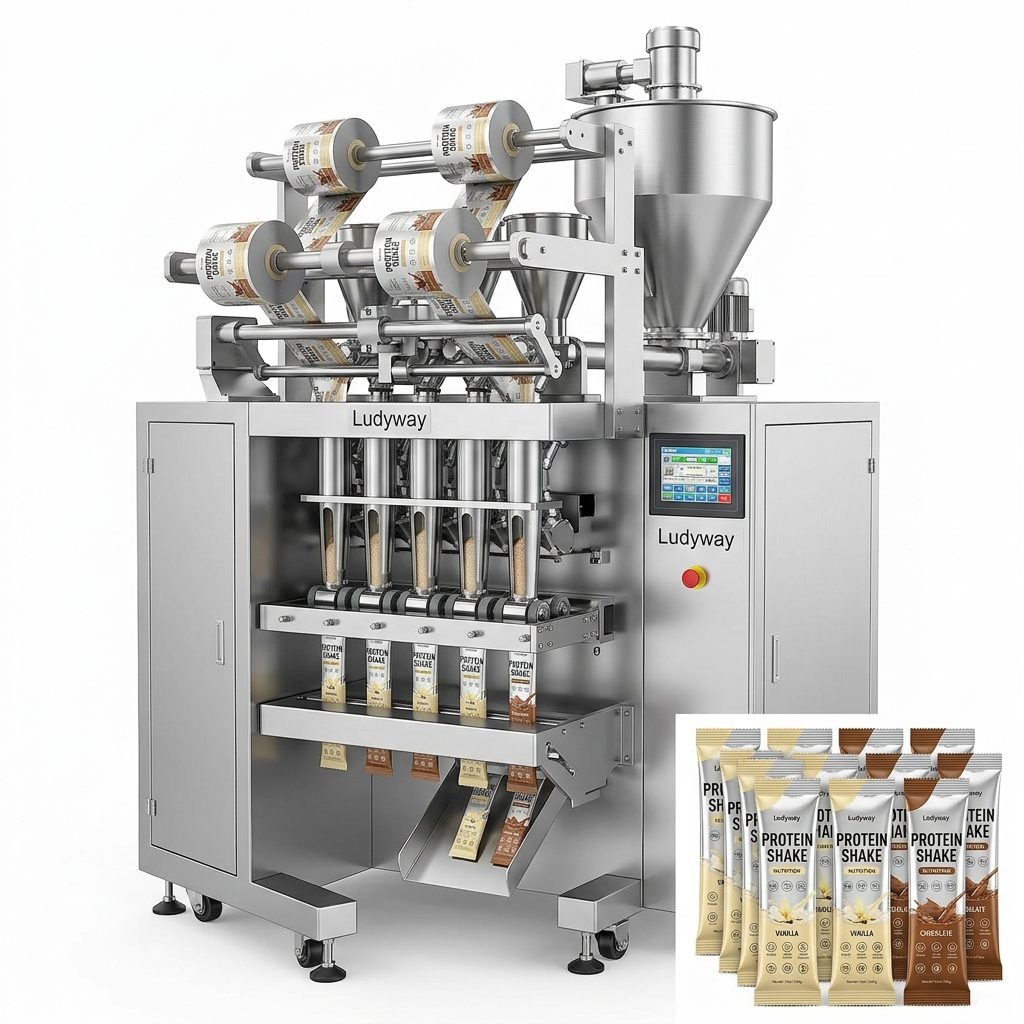
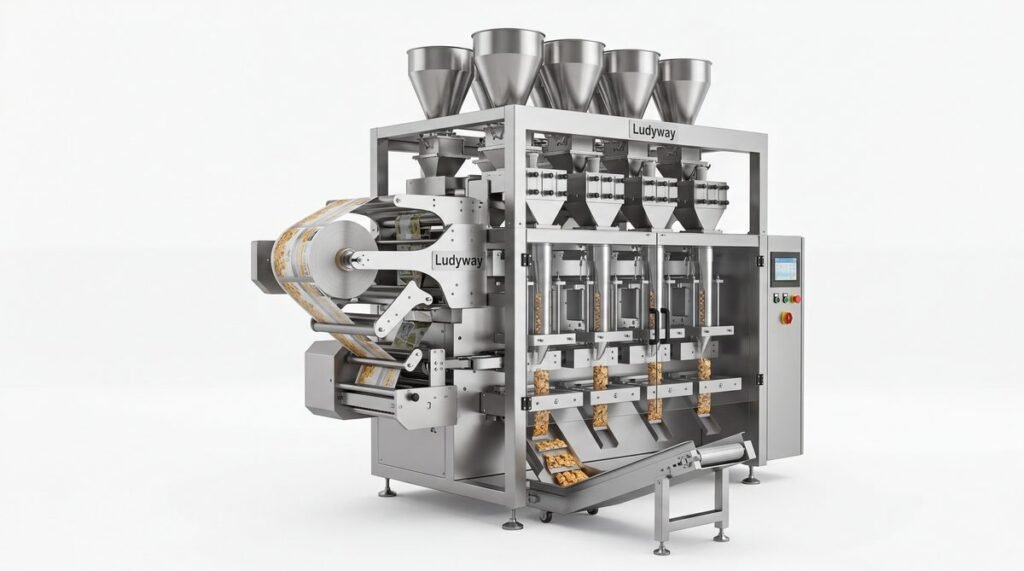
Vertical Form-Fill-Seal (VFFS) Machines
These are among the most common and versatile packaging machines. They form bags from a roll of flat packaging film, fill them with the product, and then seal them. VFFS machines are ideal for packaging granules, powders, snacks, and hardware items. Their flexibility in bag size and the ability to incorporate features like zippers or degassing valves make them a popular choice.
Horizontal Form-Fill-Seal (HFFS) Machines
HFFS machines are typically used for more rigid structures or when a product needs to be presented in a specific orientation, such as biscuits, chocolate bars, or medical devices. The film is formed horizontally around the product, creating a pillow pack or a more complex shape. This type is excellent for high-speed production of consumer-ready packages.
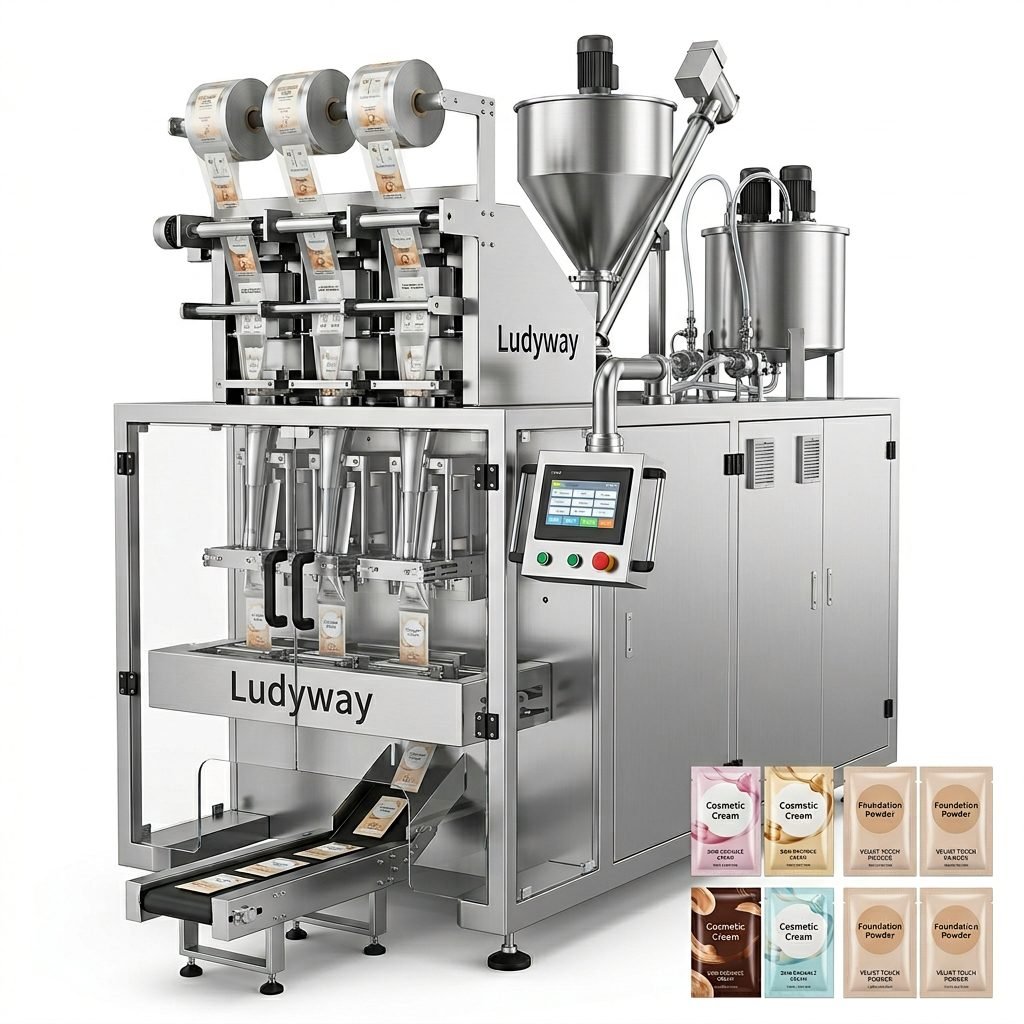
Liquid and Paste Filling Machines
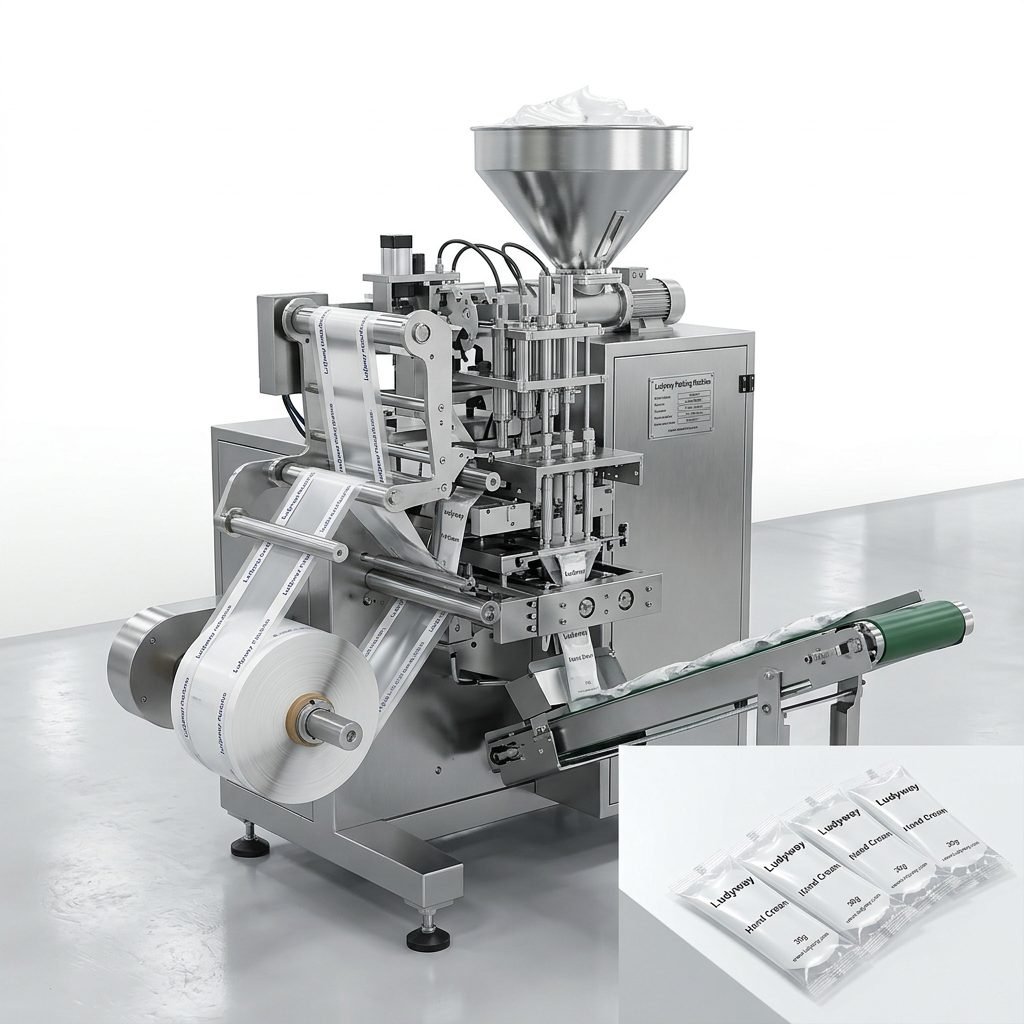
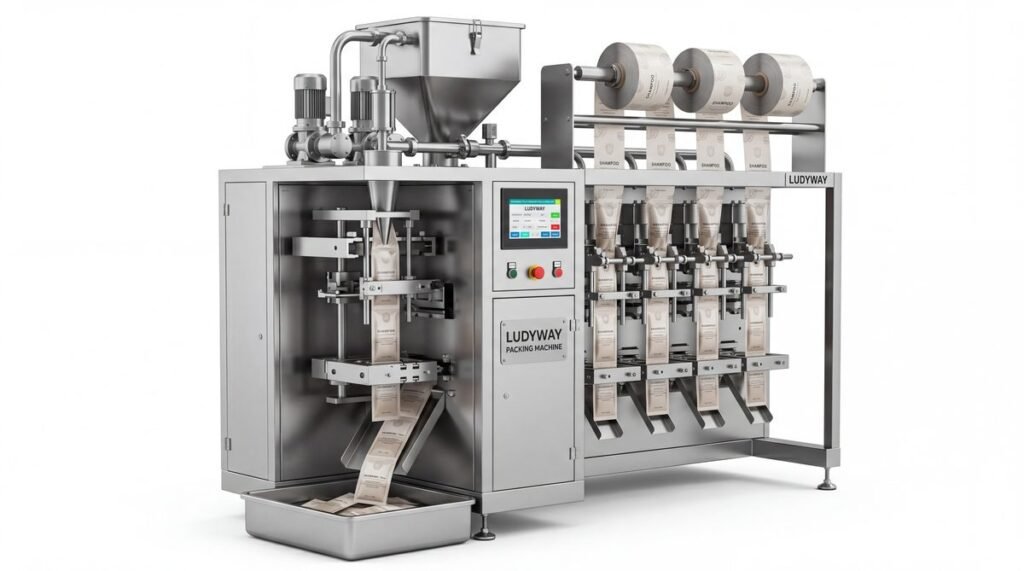
Designed specifically for viscous products, these fillers handle substances like sauces, oils, creams, and shampoos. They utilize precise pumping systems—such as piston, peristaltic, or gravity fillers—to ensure accurate volume control and prevent dripping or spillage, which is critical for both product waste and machine cleanliness.
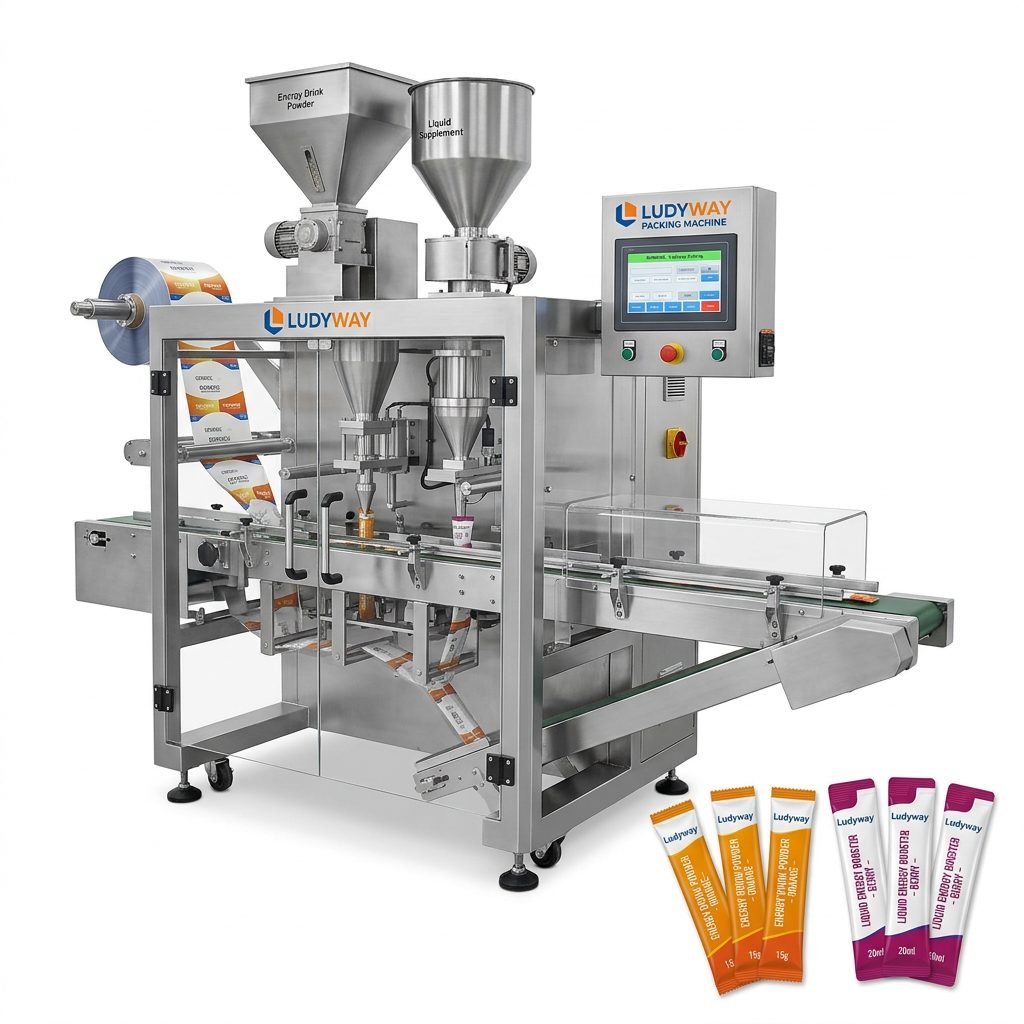
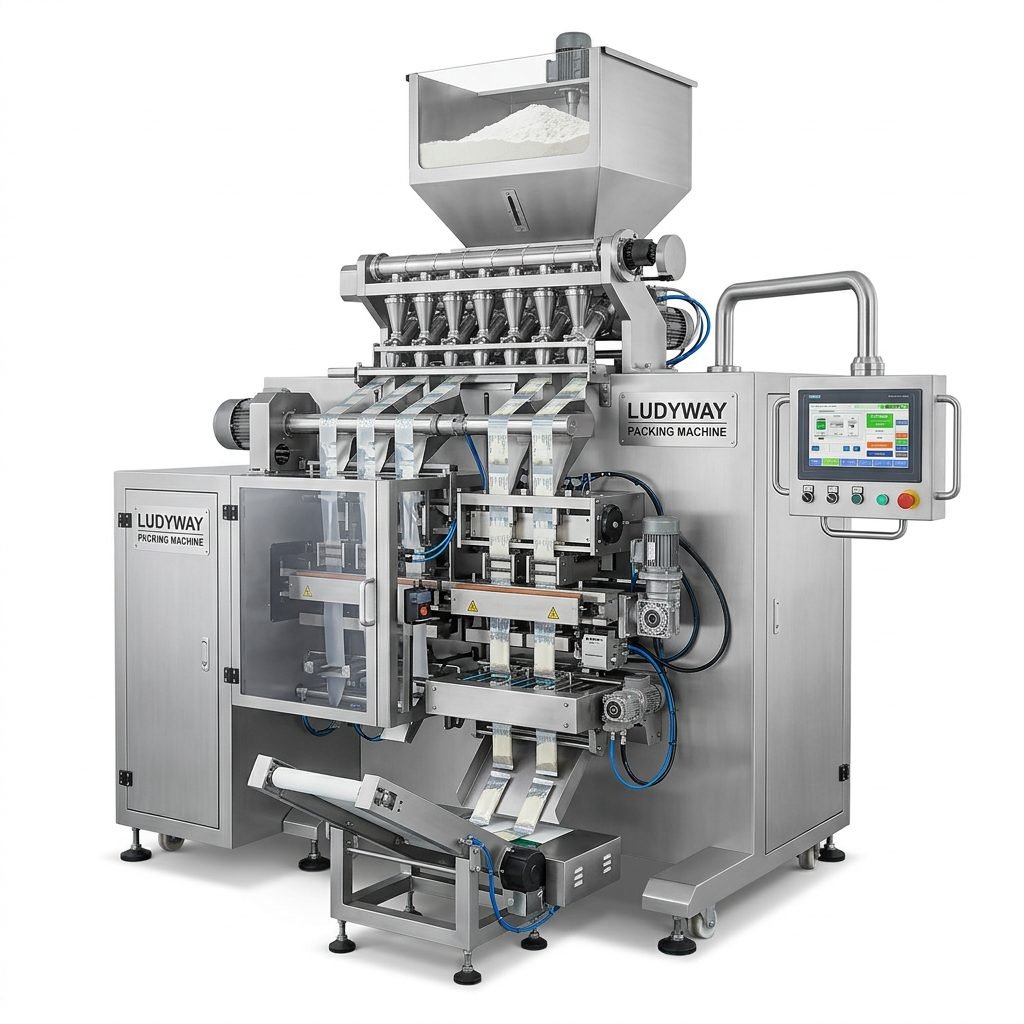
Stick Pack and Sachet Packaging Machines
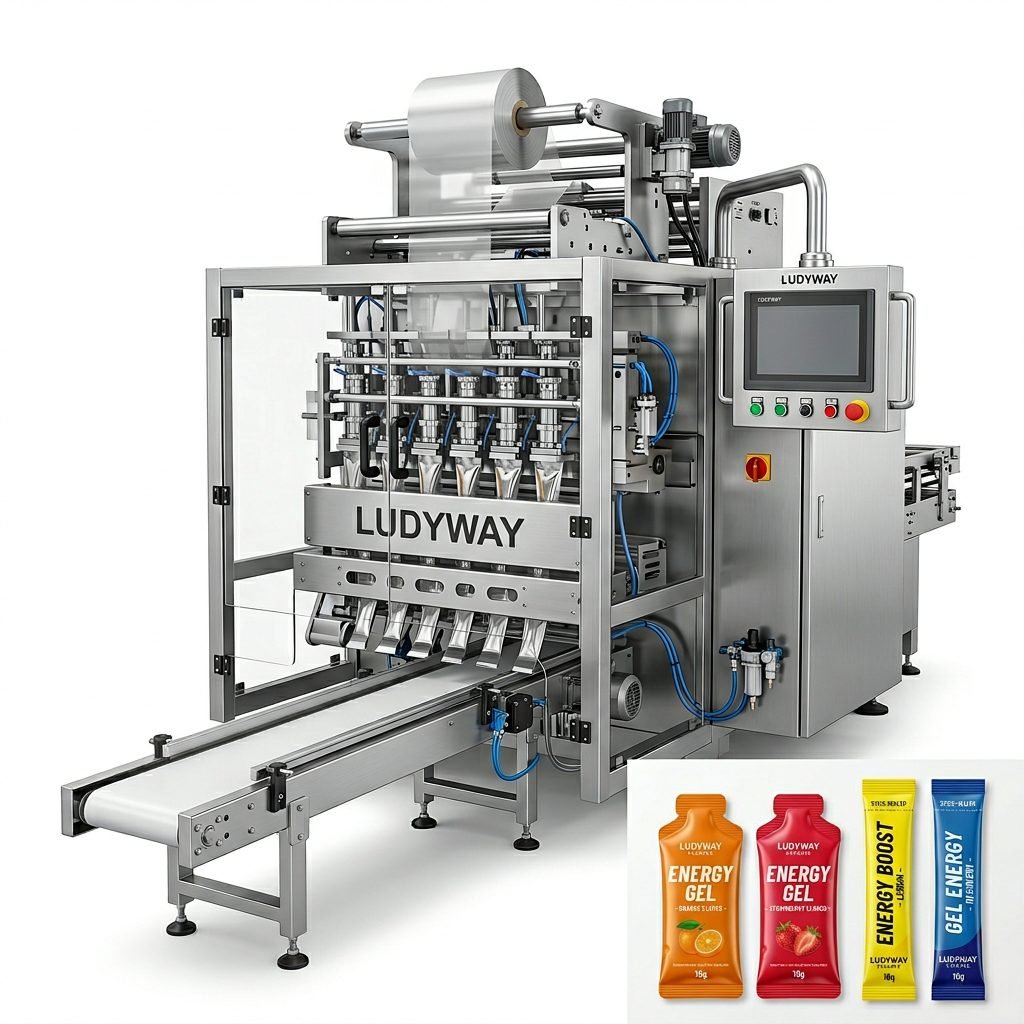
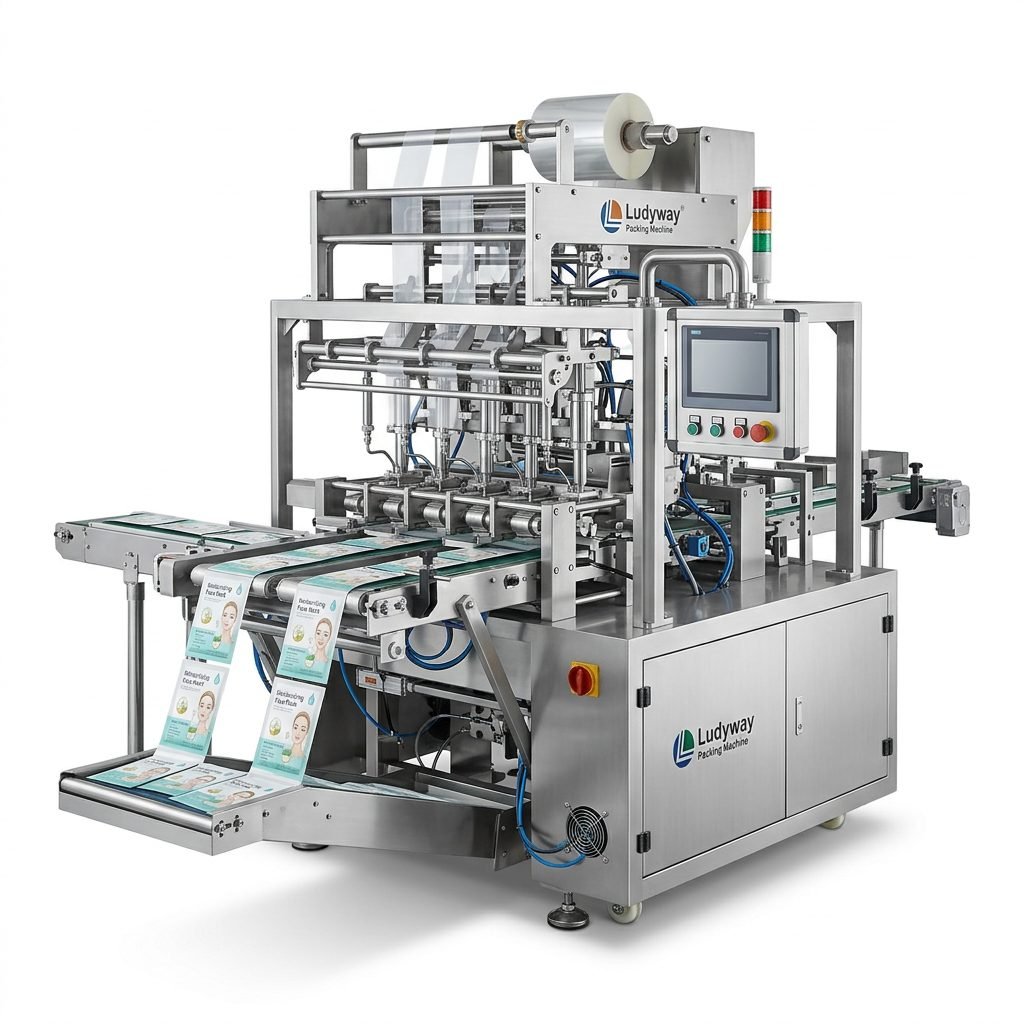
These machines produce small, single-serve packages, perfect for condiments, instant beverages, pharmaceuticals, and cosmetic samples. They can run multiple lanes simultaneously, achieving extremely high output rates. The compact size of the final package reduces material usage and is convenient for end-users.
Feature Spotlight: Automation & Integration
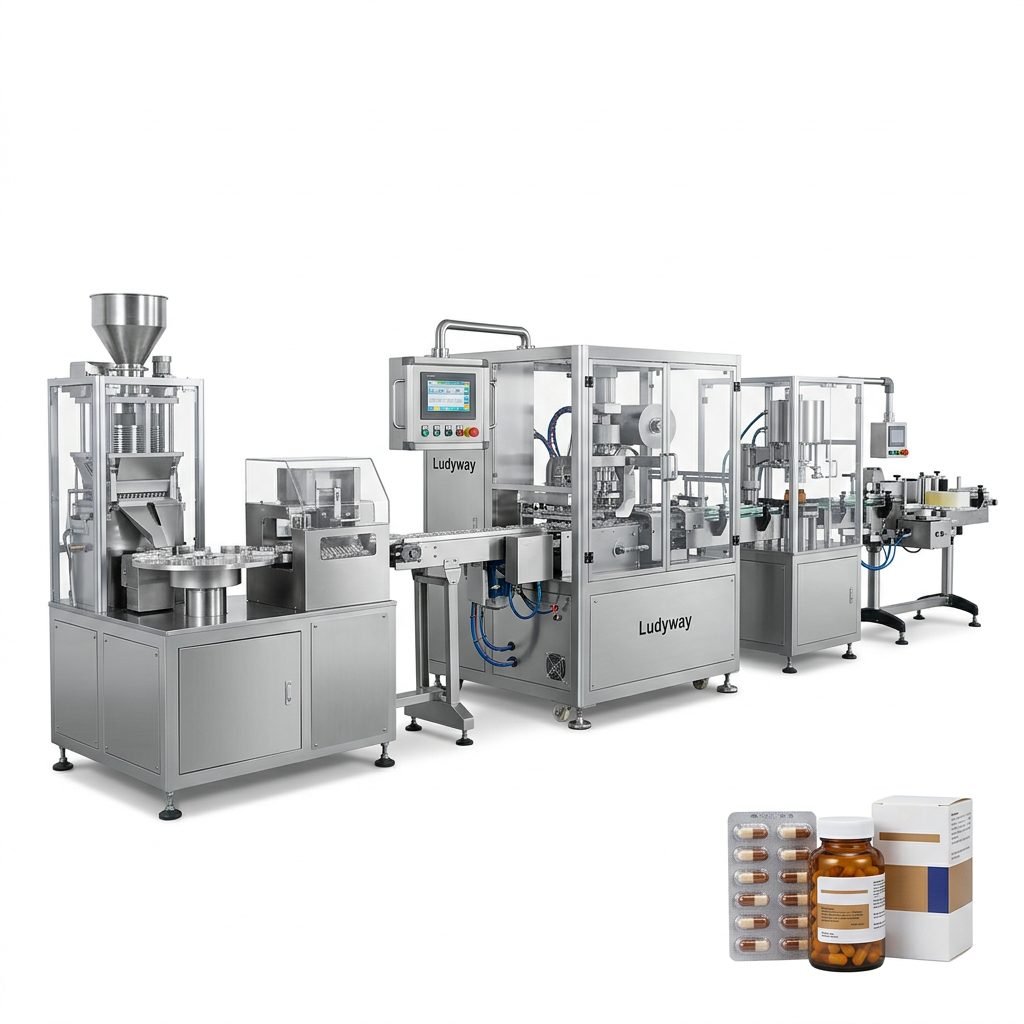
Contemporary Volm equipment often comes with advanced automation features. This includes PLC touchscreen controls for easy operation and recipe changes, integrated checkweighers to reject under or over-filled packages, and vision inspection systems to detect sealing defects or print misalignment. Many machines are designed to integrate seamlessly with upstream and downstream equipment like conveyors, cartoners, and palletizers, forming a complete turnkey production line.
Core Features and Technological Advancements
Modern Volm packaging machines are packed with features that drive efficiency, safety, and adaptability.
- Precision Engineering: High-quality components ensure consistent operation, minimal downtime, and longevity, even in 24/7 production environments.
- Quick Changeover Systems: Allows for rapid switching between different package sizes or products, maximizing production flexibility and reducing waste during transitions.
- Hygienic Design: Especially vital for food and pharmaceutical applications, featuring easy-clean surfaces, stainless steel contact parts, and designs that prevent product entrapment.
- Sustainable Operation: Many machines are engineered to optimize material usage, reduce film waste, and support the use of recyclable or compostable packaging materials.
Diverse Industry Applications
The versatility of Volm packaging equipment allows it to serve a multitude of industries, each with its unique requirements.
Food and Beverage Industry
This is the largest application sector. Machines package everything from coffee beans and spices to frozen vegetables and ready-to-eat meals. Features like gas flushing for modified atmosphere packaging (MAP) are crucial for extending the shelf life of fresh products like salads and meats.
Pharmaceutical and Healthcare
Precision and sterility are paramount. Packaging equipment for this sector must comply with strict regulations (e.g., cGMP). They are used to package powders, tablets, and medical devices in sterile sachets or blister packs, often within cleanroom environments.
Chemical and Agricultural
Durability and safety are key here. Equipment packages fertilizers, pesticides, industrial chemicals, and pool salts, often requiring robust construction and corrosion-resistant materials to handle harsh substances.
Cosmetics and Personal Care
Aesthetics and precise dosing are important. Machines fill creams, lotions, serums, and shampoos into attractive sachets, tubes, or bottles, often incorporating elegant sealing techniques.
Choosing the Right Equipment Partner
Selecting a machinery supplier is as important as selecting the machine itself. A partner like Ludyway Machinery, with decades of industry experience, offers more than just hardware. They provide comprehensive support, including custom engineering for unique applications, installation supervision, operator training, and reliable after-sales service with readily available spare parts. This ensures your packaging line remains productive and efficient for years to come.
For businesses looking to scale, exploring complete turnkey solutions can be more effective than piecing together individual machines. A trusted partner can design an integrated line that optimizes workflow from product handling to final palletizing.
Investing in the right Volm packaging equipment is a strategic decision that impacts production cost, product quality, and market competitiveness. By understanding the different machine types, focusing on key features like automation and hygiene, and aligning the technology with your specific industry needs, you can build a packaging operation that is robust, efficient, and scalable. Partnering with an experienced provider ensures you get not only a machine but a long-term solution tailored to your success.
Frequently Asked Questions (FAQs)
1. What is the main difference between Vertical (VFFS) and Horizontal (HFFS) form-fill-seal machines?
VFFS machines form bags vertically from a single roll of film and are best for free-flowing products like granules and powders. HFFS machines form packages horizontally around a product, making them ideal for pre-formed or fragile items like bars or biscuits that need specific placement and presentation.
2. Can one packaging machine handle different types of products?
Many modern machines are designed for flexibility. With quick-change parts and programmable recipes on a PLC, a single machine can often switch between different products and package sizes. However, significant changes in product form (e.g., from powder to liquid) usually require a different type of filling system.
3. How important is after-sales service when purchasing packaging equipment?
Extremely important. Reliable technical support, readily available spare parts, and prompt maintenance service are critical to minimizing production downtime. Always evaluate a supplier’s service network and reputation before purchasing.
4. What should I consider for packaging sensitive products like food or pharmaceuticals?
Hygiene and compliance are top priorities. Look for machines with a hygienic design (easy to clean, no product traps), constructed with food-grade stainless steel. For pharmaceuticals, ensure the supplier understands and can design for relevant regulatory standards (e.g., cGMP).
5. Is it better to buy a standalone machine or a complete turnkey packaging line?
It depends on your scale and goals. A standalone machine is suitable for specific, limited tasks or lower-volume production. A complete turnkey line, designed and integrated by a single provider, offers optimized workflow, higher automation, and better overall efficiency for medium to high-volume operations, though it requires a larger initial investment.