Investing in a home vacuum sealer is one of the smartest decisions you can make for your kitchen. Whether you want to extend the shelf life of fresh produce, buy in bulk without waste, or start meal prepping efficiently, a quality vacuum sealing system transforms how you store and preserve food. This guide walks you through everything a beginner needs to know before making a purchase.

Why a Home Vacuum Sealer Is Worth the Investment
A vacuum sealer removes air from specially designed bags or containers and creates an airtight seal. By eliminating oxygen exposure, it significantly slows down food spoilage, prevents freezer burn, and preserves flavor, texture, and nutritional value. According to FDA food packaging guidelines, proper oxygen barrier packaging is essential for maintaining food safety and quality over extended periods.
Households that use a home vacuum sealing machine regularly report up to 5 times longer food storage life compared to conventional methods. From marinating meats in minutes to protecting seasonal harvests, the applications go far beyond simple storage.
Key Features to Evaluate Before Buying
Not all vacuum sealers are created equal. Here are the critical factors you should weigh when comparing models:
Sealing Strength and Suction Power
The motor’s suction capacity is measured in inches of mercury (inHg). Entry-level models typically offer 12-16 inHg, while premium units deliver 20-28 inHg. Higher suction power means faster air removal and tighter seals, especially important for moist or delicate foods. For most home users, a unit with at least 18 inHg provides reliable performance across different food types.
Seal Bar Width and Heat Settings
A wider seal bar creates a stronger, more durable closure. Look for models with at least a double heat-seal strip. Adjustable heat settings allow you to customize sealing for different bag thicknesses and moisture levels. This flexibility prevents burning through thinner bags or failing to seal thicker materials properly.
Bag Compatibility and Cost Considerations
Some manufacturers produce proprietary bag systems, while others support universal vacuum bags. Third-party compatible bags generally cost 40-60% less than brand-specific alternatives. Before committing to a particular brand, check the ongoing cost of replacement bags and rolls.
Types of Home Vacuum Sealers Compared
The market offers several distinct designs, each suited to different usage patterns and kitchen setups. The table below breaks down the main categories:
| Type | Best For | Pros | Cons |
|---|---|---|---|
| External Clamp Style | Beginners, occasional use | Affordable, compact, easy to operate | Limited to dry foods, slower cycle times |
| Chamber Vacuum Sealer | Frequent use, liquids, sous vide | Handles liquids effortlessly, professional-grade seals | Heavier, more expensive, larger footprint |
| Handheld Vacuum Sealer | Small kitchens, portability | Battery-operated, lightweight, budget-friendly | Limited suction power, proprietary bags often required |
| Nozzle-Type Sealer | Bulk storage, heavy-duty use | Powerful suction, works with various bag types | Bulky design, higher price point |
Additional Features That Add Real Value
Beyond basic vacuum and seal functions, several advanced capabilities can significantly enhance your user experience:
- Moist/Dry Food Mode – Automatically adjusts sealing time based on food moisture content, preventing liquid from being sucked into the pump
- Pulse Vacuum Control – Gives you manual control over the vacuum process, ideal for delicate items like pastries, chips, or soft fruits that could be crushed under full pressure
- Built-in Bag Cutter and Roll Storage – Allows you to create custom bag sizes on demand without needing separate scissors or storage solutions
- Accessory Port – Enables connection to external vacuum containers, jar sealers, and wine stoppers, expanding functionality beyond bag sealing
- Automatic Shutoff and Cool-Down – Protects the motor from overheating during extended use and ensures consistent seal quality
Sous Vide and Marinating Capabilities
If you enjoy sous vide cooking, your vacuum sealer becomes an indispensable tool. A reliable seal prevents water from entering the bag during long immersion cooks. Similarly, vacuum marinating can infuse flavors in minutes rather than hours by opening food fibers through pressure changes.
What Budget Should You Expect to Allocate?
Home vacuum sealers span a wide price range. Understanding what each tier offers helps you match your investment to your actual needs:
- Under $50: Basic handheld or compact external models. Suitable for very light, occasional use with dry goods
- $50 – $120: Mid-range external clamp sealers with multiple modes and better suction power. The sweet spot for most households
- $120 – $250: Premium external models with advanced controls, dual pumps, and higher duty cycles
- $250 – $600+: Entry-level to mid-range chamber sealers. Professional-grade performance for serious home cooks
Maintenance Tips for Long-Lasting Performance
Proper care extends the life of your vacuum sealing equipment significantly. Follow these maintenance practices:
- Clean the sealing strip after every use with a damp cloth to remove food residue and prevent uneven seals
- Empty the drip tray regularly if your model has one, especially after sealing moist foods
- Check and replace gaskets annually or when you notice reduced suction performance
- Allow the unit to cool for at least 20-30 seconds between consecutive seals to protect the heating element
- Store in a dry location away from direct heat sources and humidity
Common Mistakes Beginners Should Avoid
Even the best vacuum sealer machine cannot compensate for improper usage. Watch out for these frequent errors:
- Overfilling bags – Leave at least 3 inches of headspace between the food and the sealing edge for a proper vacuum channel
- Sealing wet edges – Moisture on the bag opening prevents a clean seal; fold the bag edge outward before filling, then unfold before sealing
- Reusing bags for raw proteins – Always use fresh bags for raw meat, poultry, or fish to prevent cross-contamination
- Ignoring bag quality – Thin, low-quality bags may puncture under vacuum or fail during long-term freezer storage
When to Consider Industrial-Grade Packaging Solutions
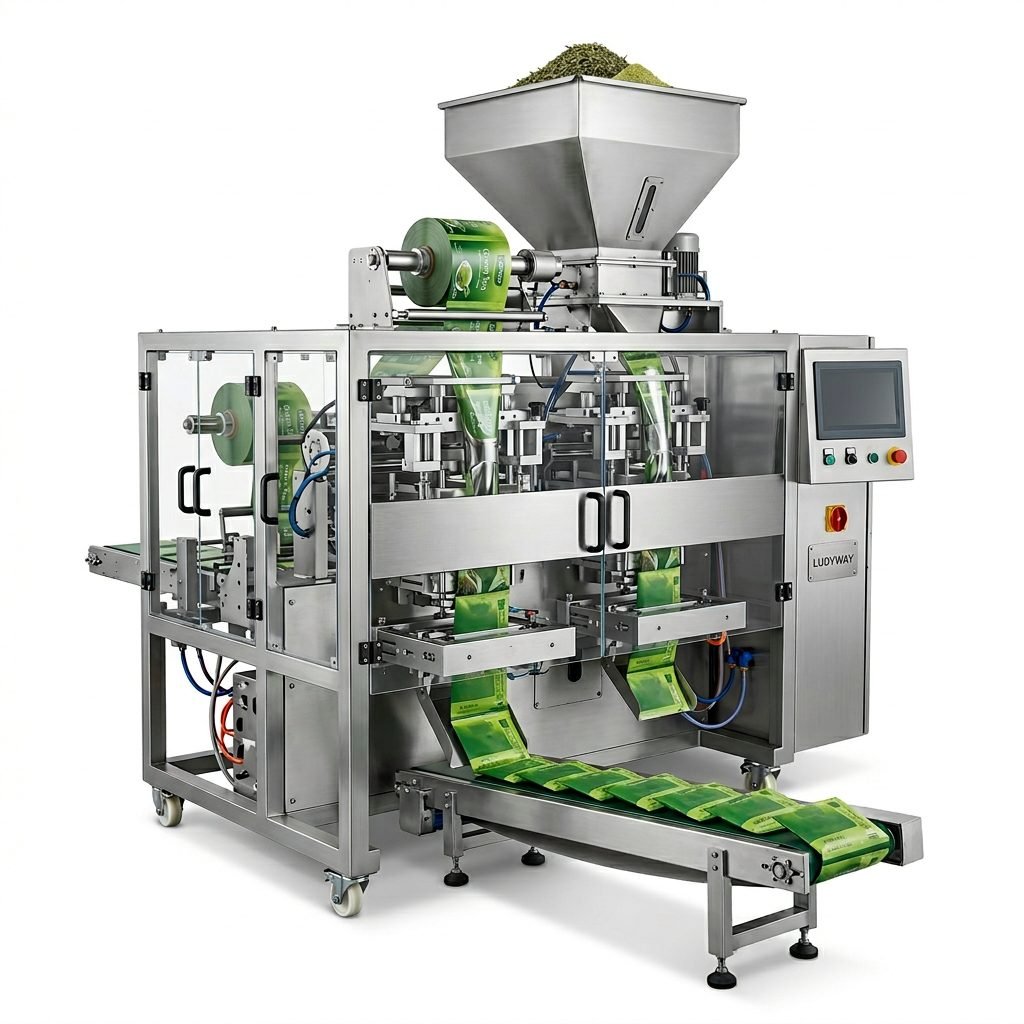
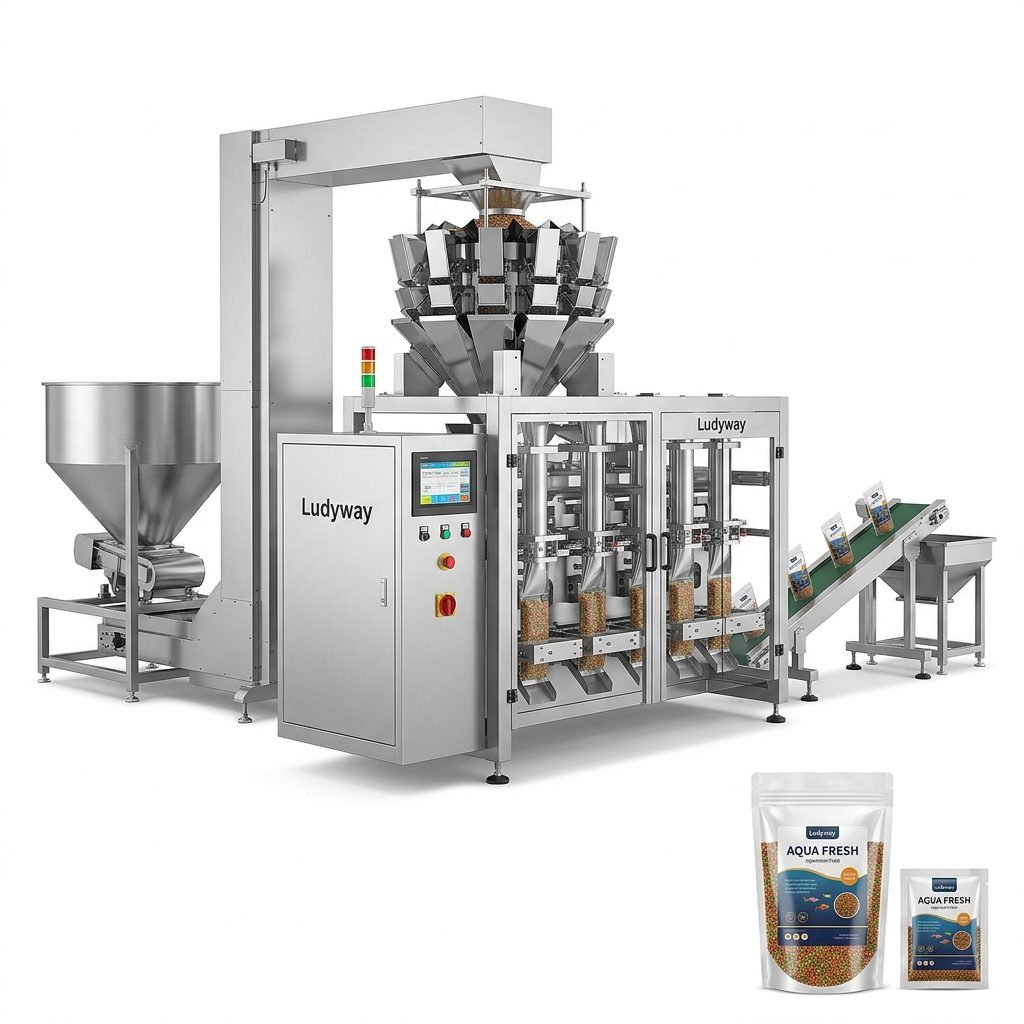
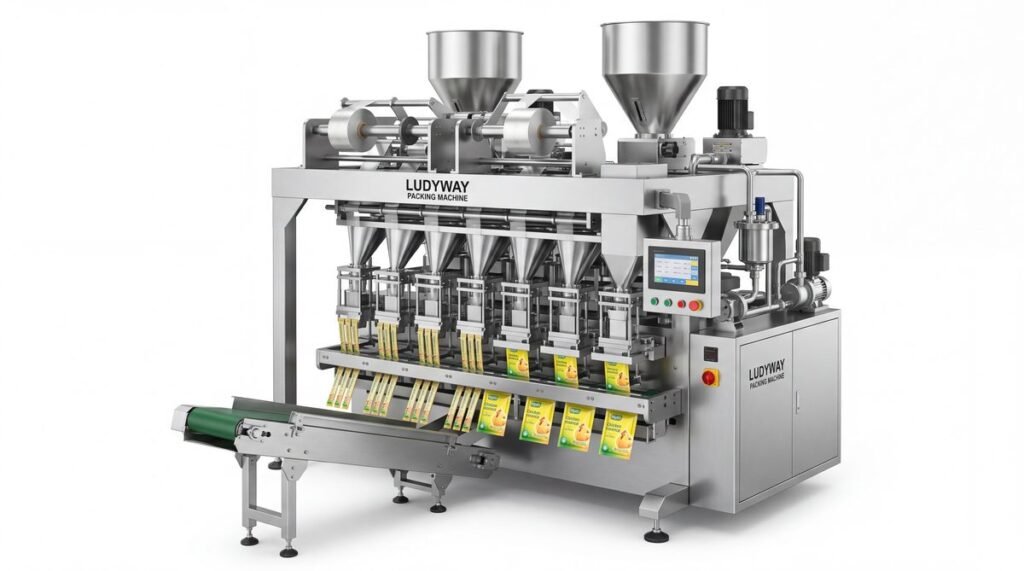
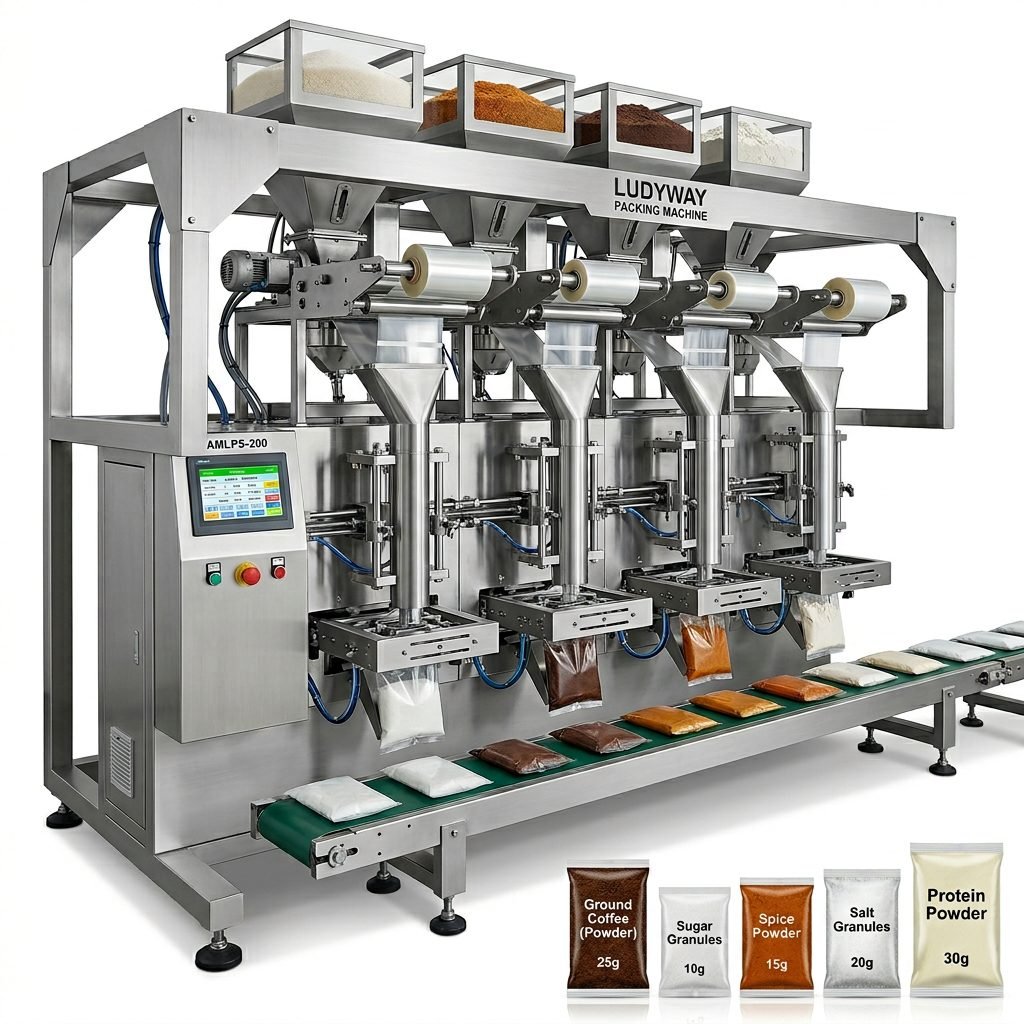
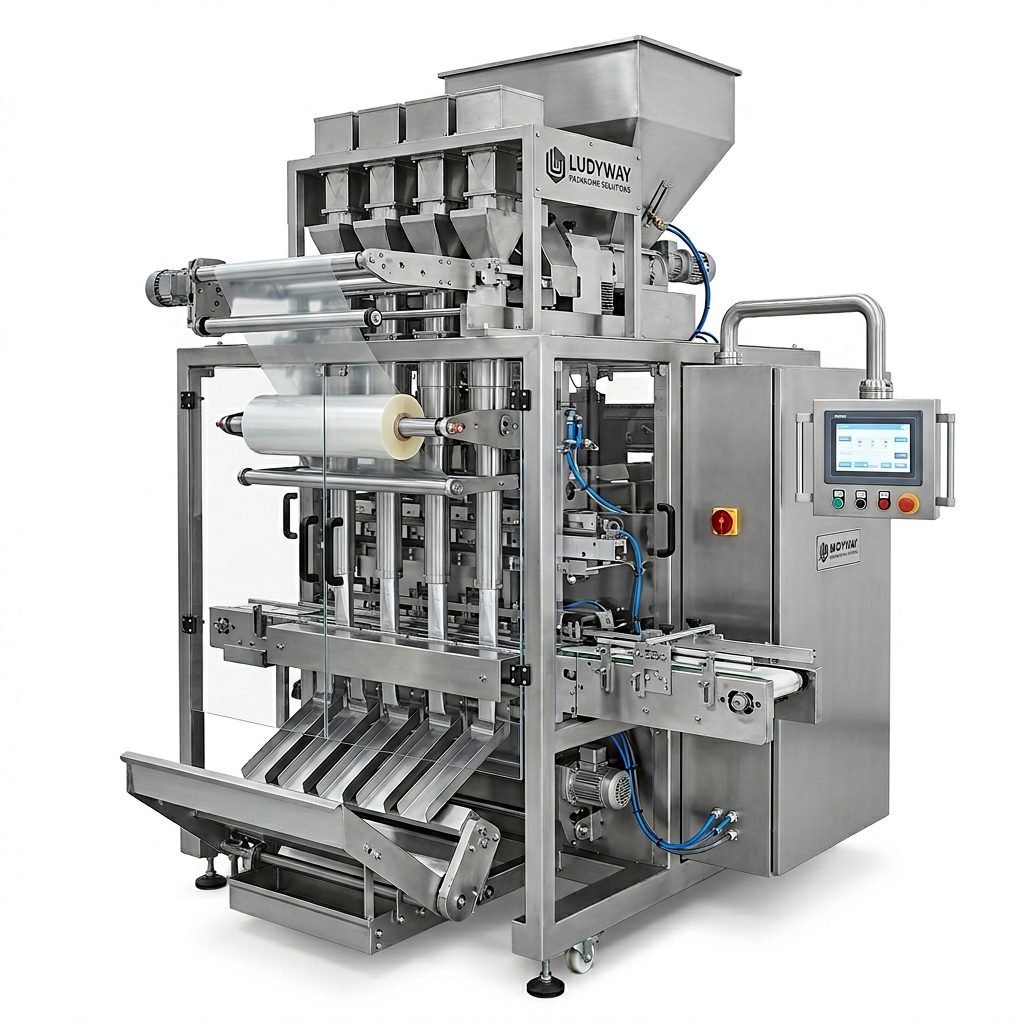
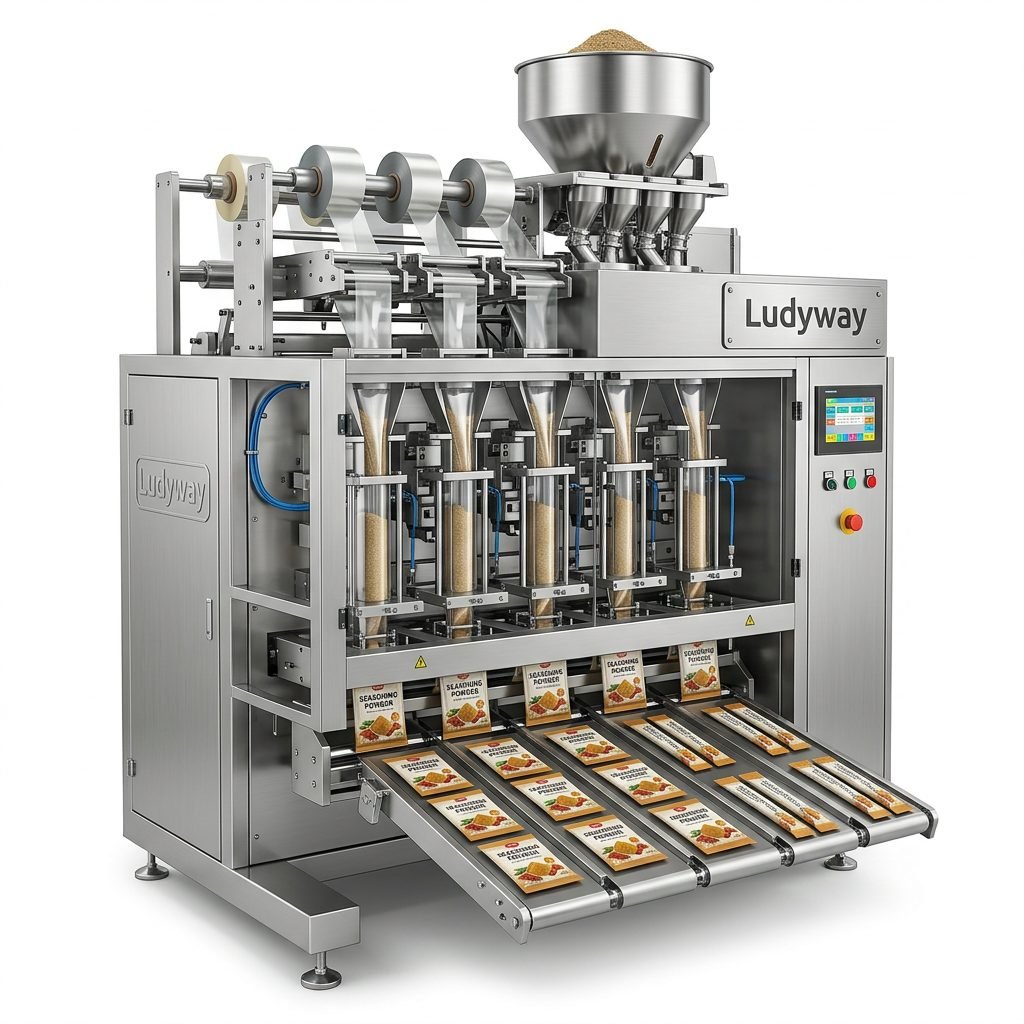
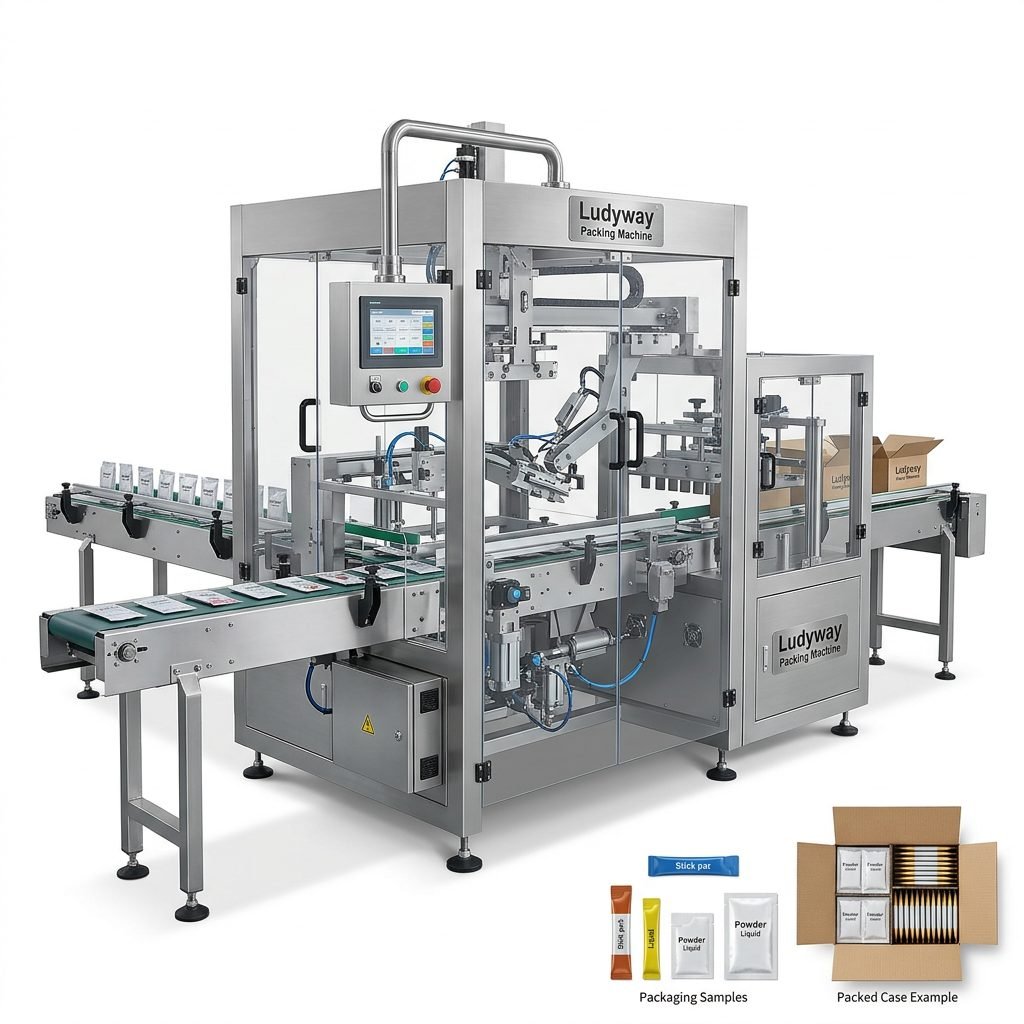
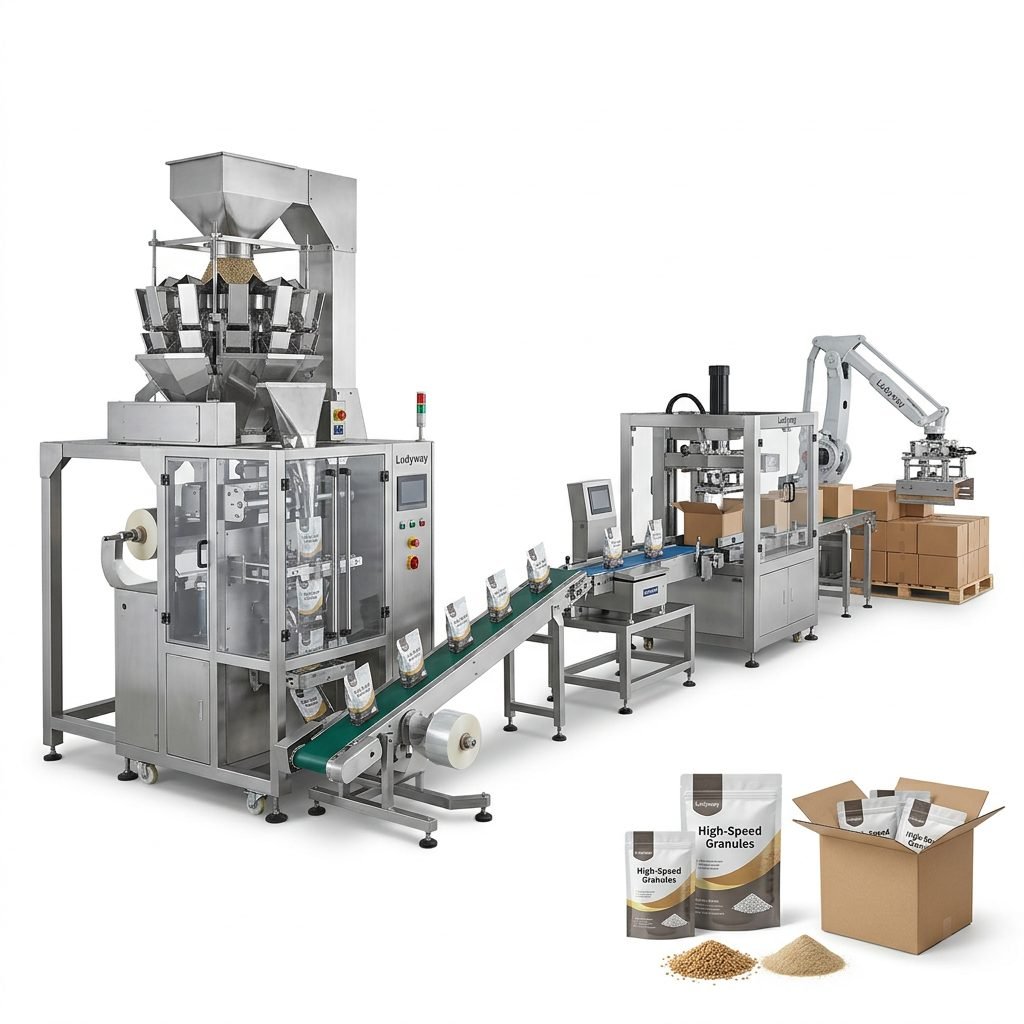
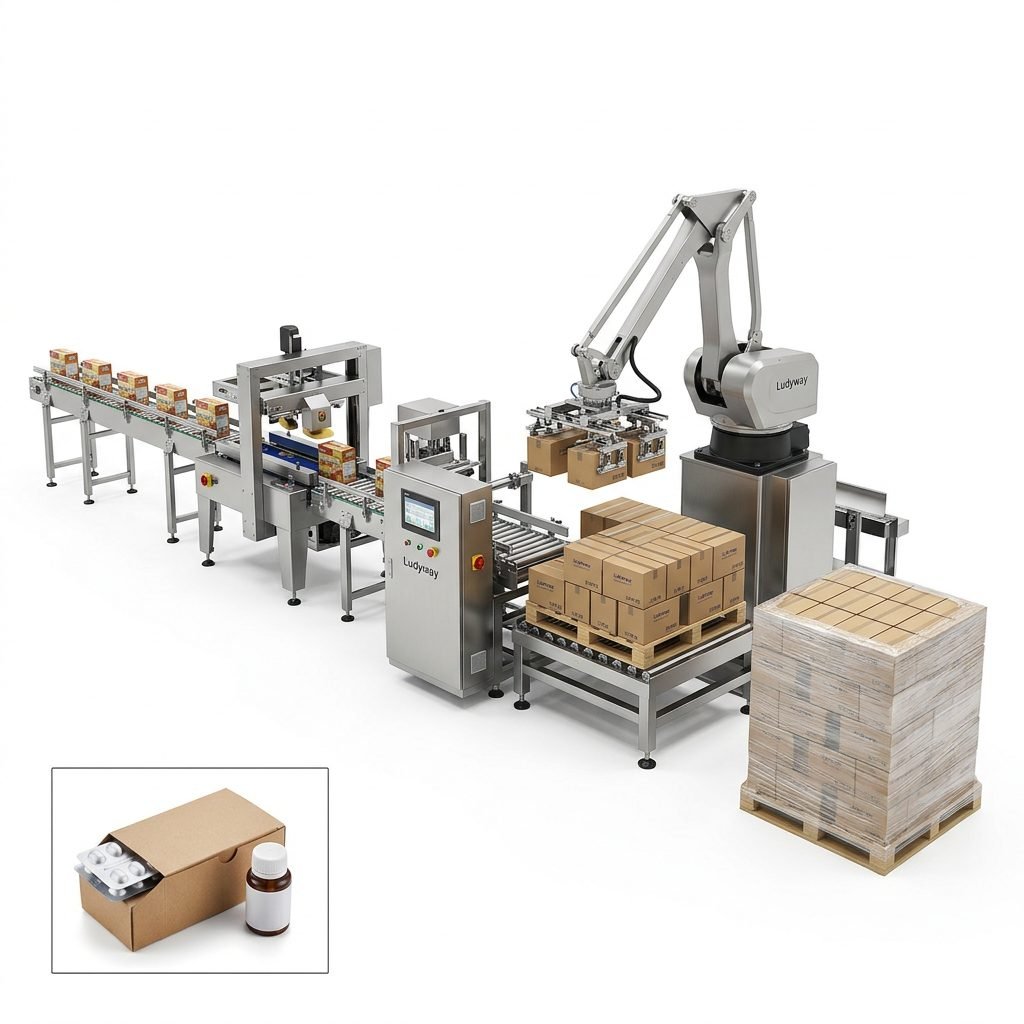
While this guide focuses on home use, manufacturers with production-scale needs require commercial packaging machinery. Companies like Ludyway Machinery, a China-based packaging machinery manufacturer with over 30 years of experience, provide automated packaging systems for food, pharmaceutical, and industrial applications. For households, however, a reliable countertop model remains the practical choice.
For those interested in broader packaging industry standards, the Association for Packaging and Processing Technologies (PMMI) offers extensive resources on packaging technology and innovation. Similarly, the Flexible Packaging Association provides valuable insights into flexible packaging materials and sustainability.
Top Recommendations Summary
After evaluating dozens of models based on suction power, durability, bag compatibility, ease of use, and value for money, here is what to look for by use case:
- Best Overall for Beginners: External clamp model with dual sealing modes, at least 18 inHg suction, and roll storage compartment
- Best Budget Pick: Compact handheld or nozzle-type unit under $40, ideal for occasional dry food storage
- Best for Sous Vide Enthusiasts: Chamber vacuum sealer with pulse control and accessory port
- Best Heavy-Duty Performer: Premium external model with dual-pump system and 25+ inHg suction rating
Final Thoughts on Choosing Your Vacuum Sealer
Selecting the right home vacuum sealer ultimately depends on your cooking habits, available kitchen space, and how frequently you plan to use it. A well-chosen unit quickly becomes one of the most-used appliances in your kitchen, paying for itself through reduced food waste and smarter bulk purchasing. Invest in a model that balances power, versatility, and ongoing supply costs, and you will enjoy fresher food and greater convenience for years to come.
For further reading, explore the State of the Industry reports from PMMI for packaging trends, or consult ISO packaging standards for technical specifications on food-grade packaging materials and equipment requirements.