Food Packaging Industry Enters a New Era of Automation Upgrade with Intelligent Production Systems
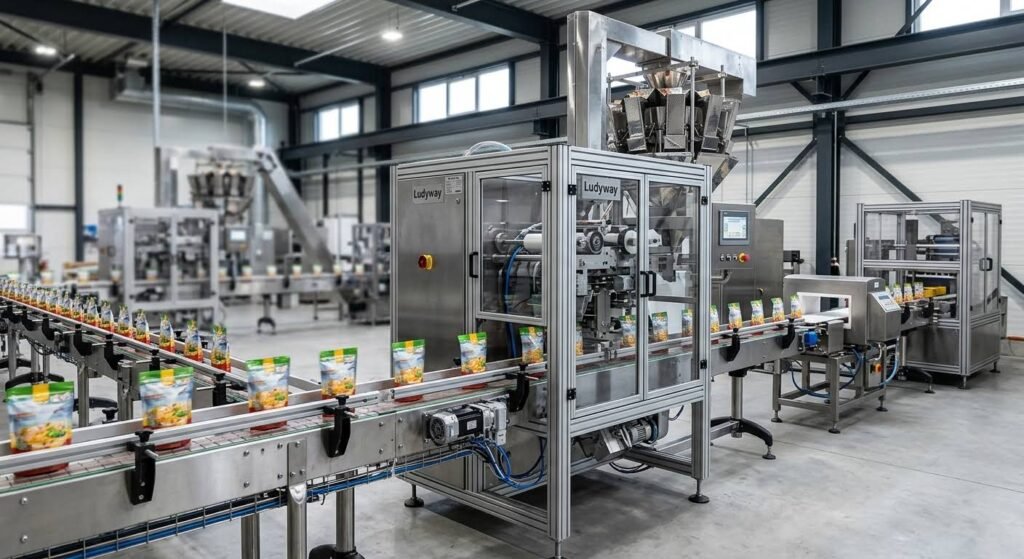
The global food packaging sector is undergoing a profound transformation, driven by the rapid adoption of intelligent production systems. This shift towards automation is not merely a trend but a fundamental upgrade reshaping manufacturing efficiency, product quality, and supply chain resilience.
The Drivers Behind the Automation Surge
Several key factors are accelerating the integration of smart systems into food packaging lines:
- Rising Labor Costs and Shortages: Manufacturers worldwide are seeking to reduce dependency on manual labor for repetitive tasks.
- Stringent Hygiene and Safety Regulations: Automated systems minimize human contact, enhancing food safety and compliance.
- Demand for Higher Productivity and Consistency: Brands require faster throughput and flawless packaging to meet market demands.
- Supply Chain Complexity: Intelligent systems provide better data tracking and flexibility for just-in-time production.
Core Technologies Defining Intelligent Packaging Lines
Modern automated packaging systems integrate multiple advanced technologies to create seamless production flows.
1. Robotics and Collaborative Robots (Cobots)
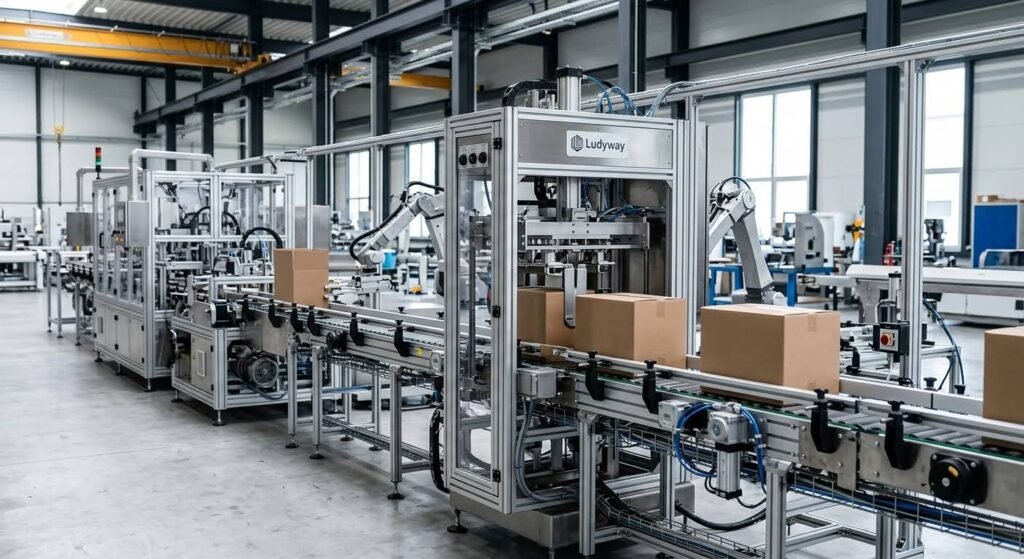
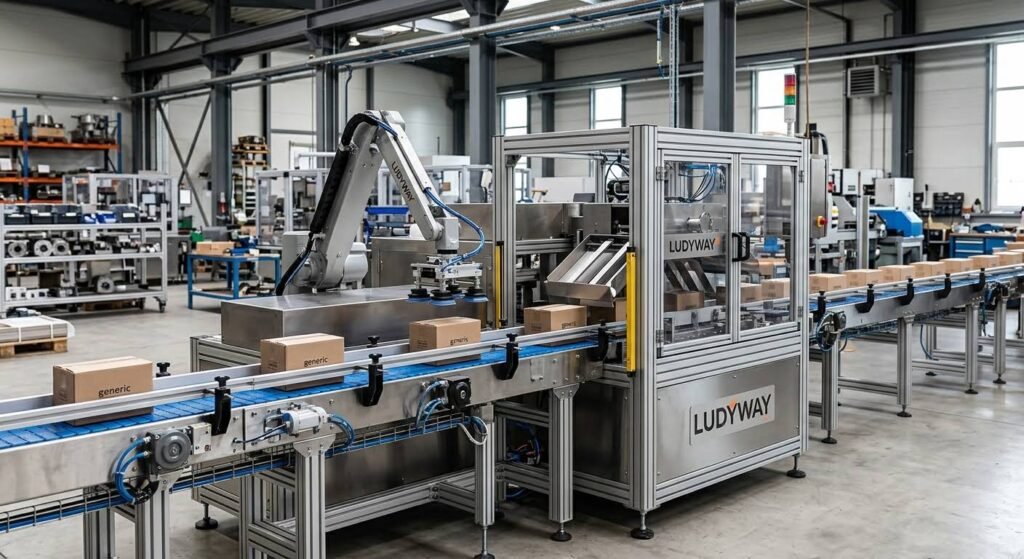
Robotic arms are now commonplace for tasks like pick-and-place, palletizing, and precision filling. Cobots work safely alongside human operators for complex assembly or quality checks.
2. Internet of Things (IoT) and Real-Time Monitoring
Sensors embedded throughout the line collect data on machine performance, temperature, speed, and downtime. This data is analyzed on dashboards to enable predictive maintenance and optimize Overall Equipment Effectiveness (OEE).
3. Machine Vision and AI-Based Quality Control
High-resolution cameras inspect every package for defects, incorrect labeling, or fill-level inconsistencies. Artificial Intelligence algorithms learn from defects, continuously improving detection accuracy.
4. Advanced Programmable Logic Controllers (PLCs) and HMI
These form the brain of the operation, allowing for quick changeovers between product formats via intuitive touchscreen interfaces, drastically reducing downtime.
Impact on Key Packaging Formats
The automation wave is evident across all primary food packaging types. The following table illustrates the application of intelligent systems in different formats:
| Packaging Format | Automation Focus | Key Benefits |
|---|---|---|
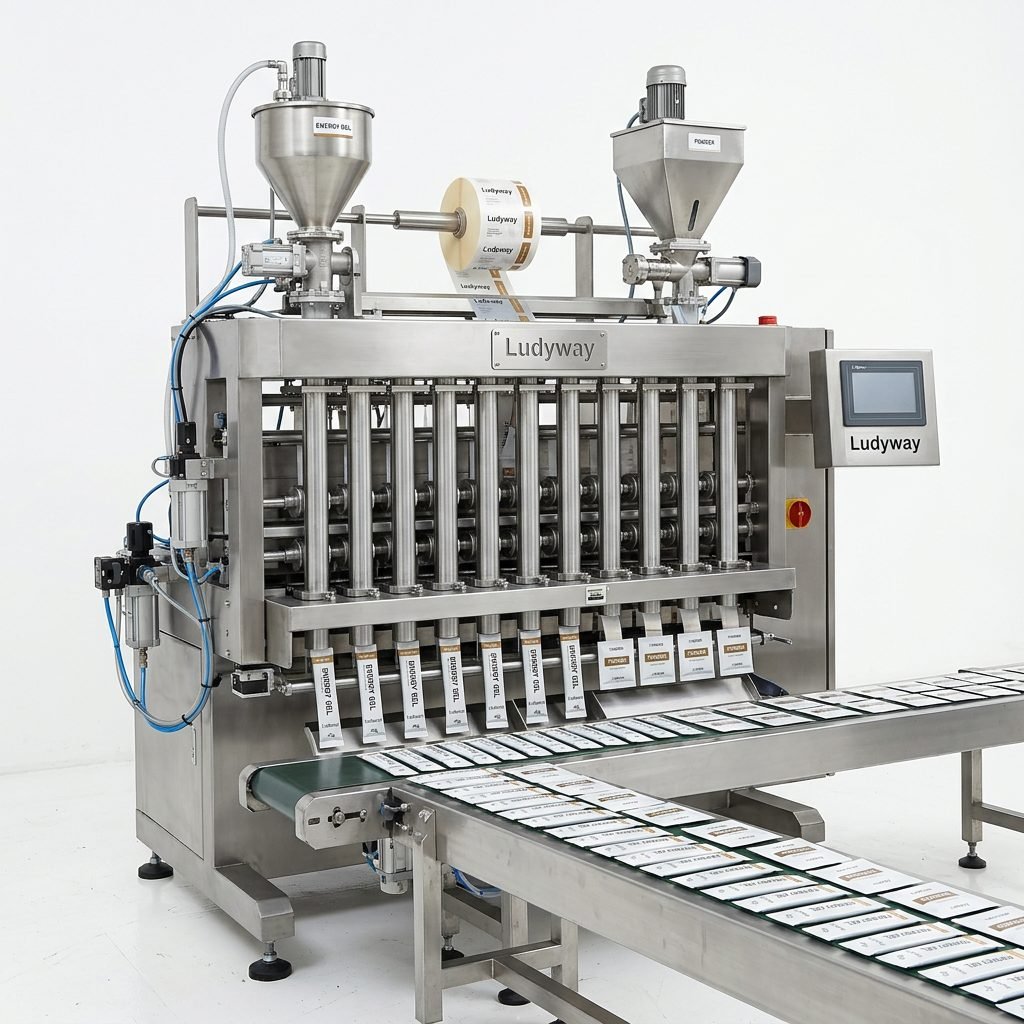
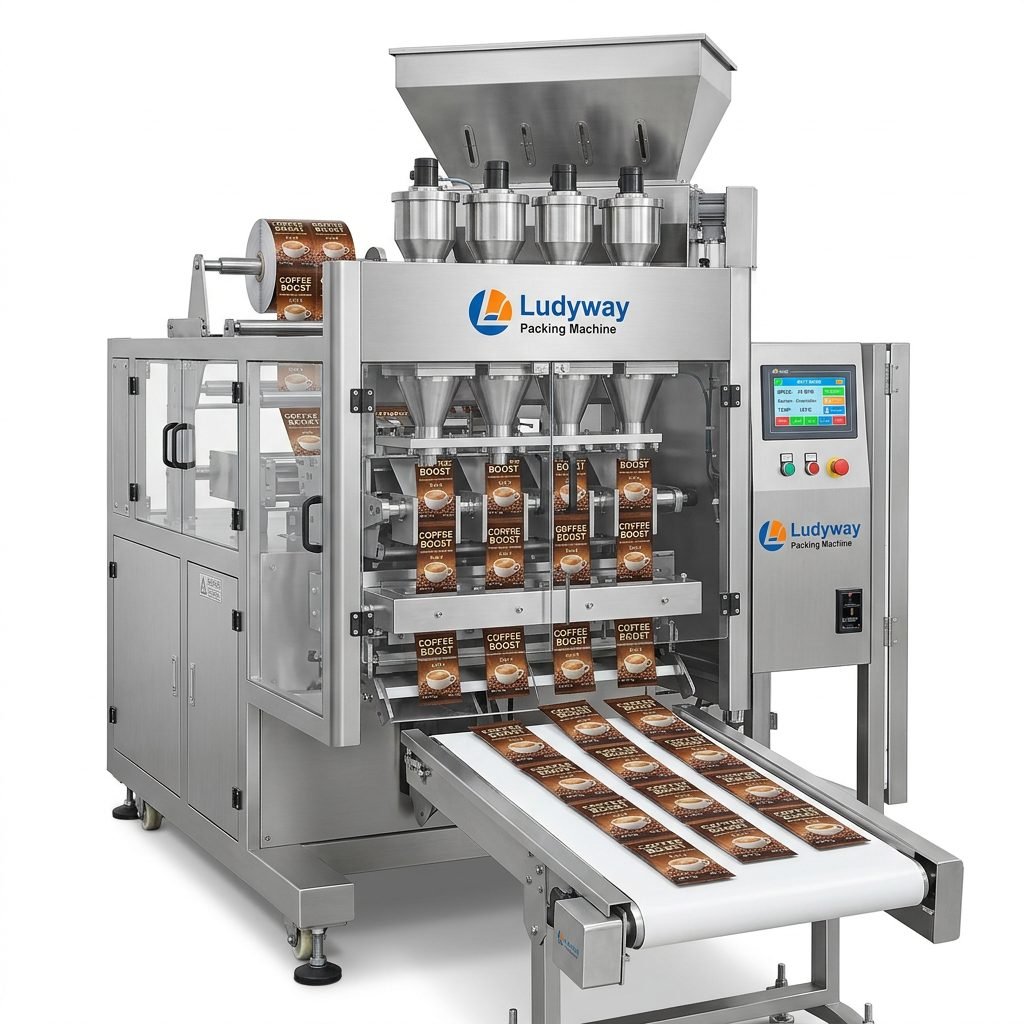
| Stick Packs & Sachets | Multi-lane feeding, precision filling, high-speed sealing | Extreme speed (hundreds per minute), perfect for single-serve portions |
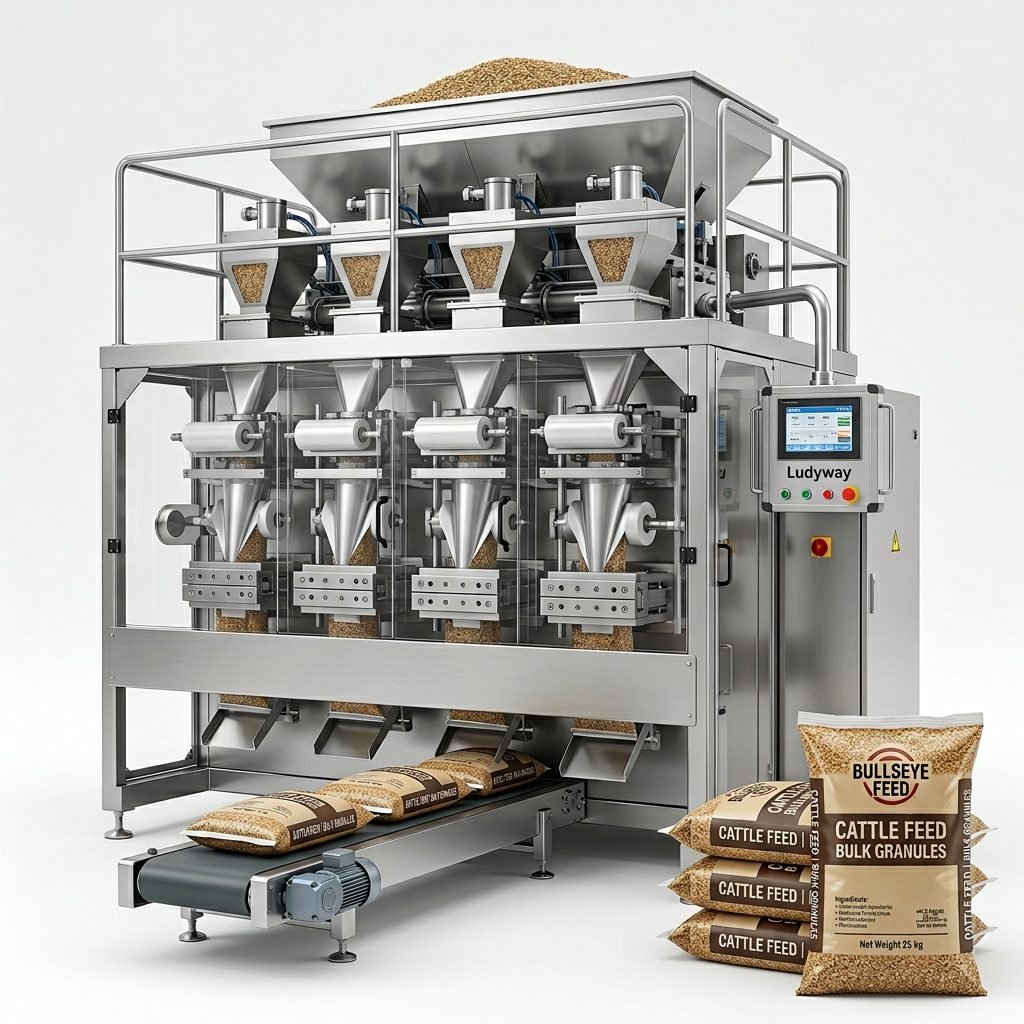
| Granule & Powder Packaging | Auger filling with weight feedback, dust extraction, bag forming | High accuracy (±0.5-1%), reduced product waste, clean operation |
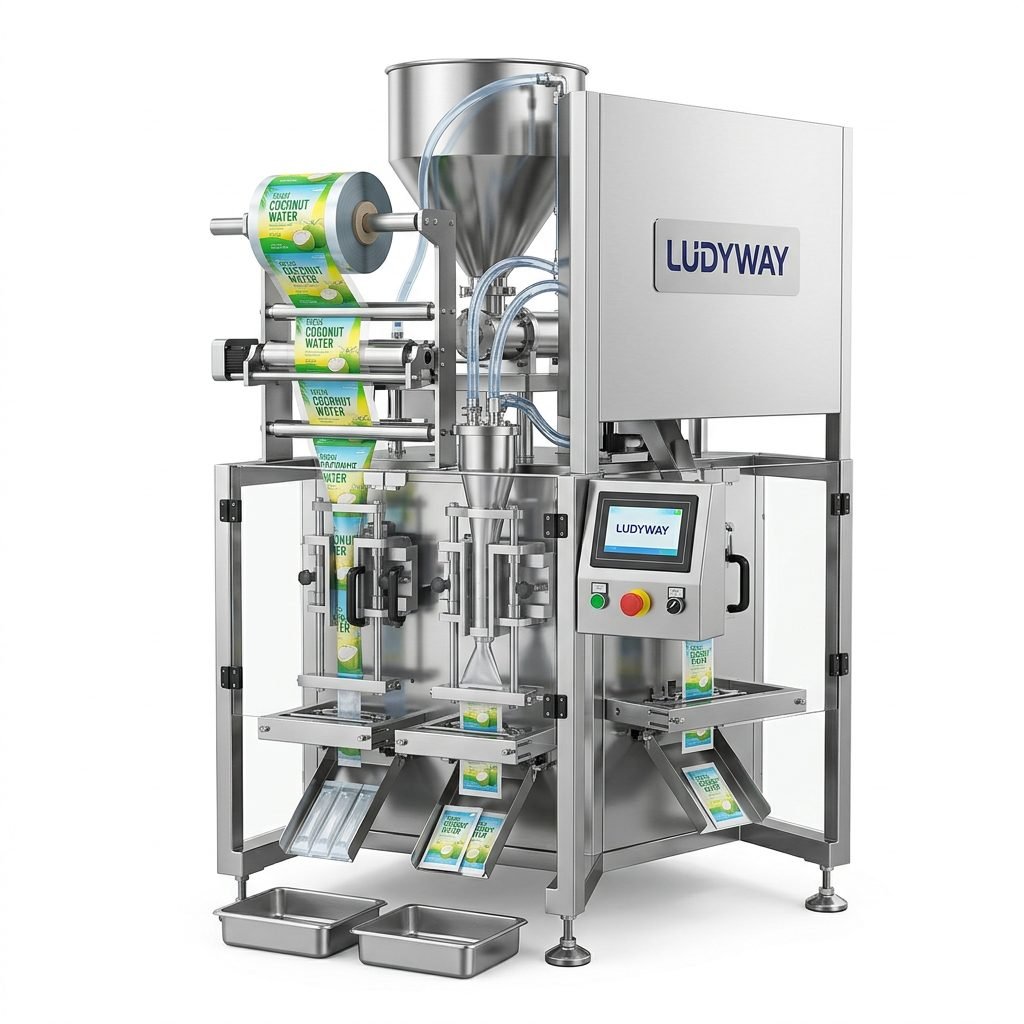
| Liquid Pouch Packaging | Volumetric or piston filling, nozzle cleaning cycles, leak detection | Hygienic handling, no drip contamination, consistent fill volume |
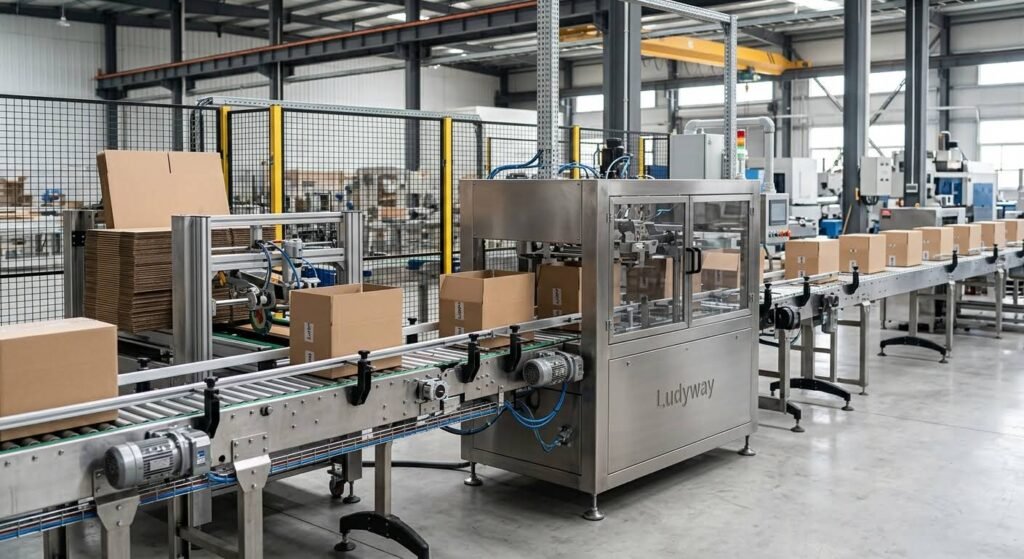
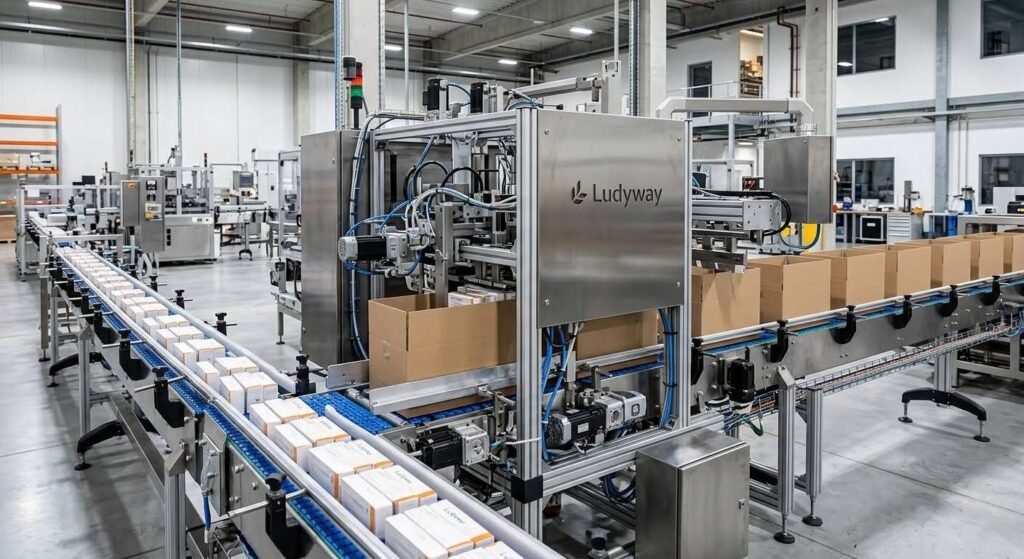
| Cartoning & Secondary Packaging | Robotic case packing, automated batch coding, vision-guided placement | Eliminates manual boxing, ensures correct bundle configuration |
Benefits Beyond Productivity: The Strategic Advantage
The return on investment in intelligent packaging systems extends far beyond speed.
- Unmatched Consistency: Every package is identical, strengthening brand integrity on retail shelves.
- Enhanced Traceability: Each unit can be tracked with data like production time, batch number, and machine ID, crucial for recalls.
- Data-Driven Decision Making: Production managers can access real-time analytics to identify bottlenecks and plan maintenance.
- Sustainability Gains: Precise filling reduces material overuse, and optimized operations lower energy consumption.
The Future: Flexible and Connected Factories
The next phase is the development of fully connected “lights-out” packaging facilities for certain product lines. Furthermore, systems are becoming more modular and flexible, allowing manufacturers to easily reconfigure lines for new products or package sizes, responding agilely to market trends.
Partnering for a Smart Upgrade
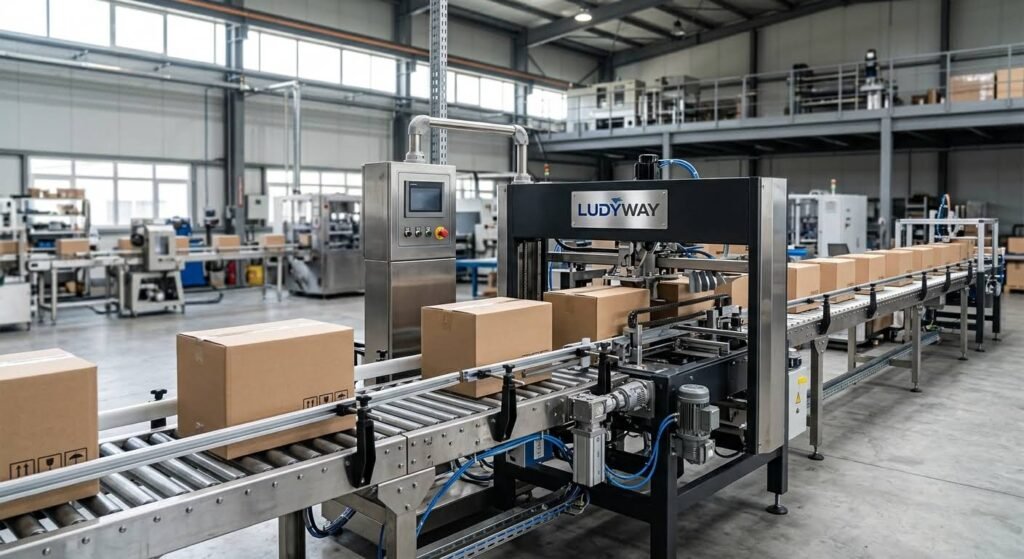
Implementing an intelligent packaging system requires expertise in machinery, integration, and industry-specific processes. Leading manufacturers like Ludyway, with over 30 years of industry experience, are at the forefront of this transition. As a major packaging machine manufacturer, Ludyway provides more than 50 models of intelligent equipment, from multi-lane stick pack machines to complete turnkey solutions, helping food producers worldwide navigate this new era of automation. To explore how intelligent packaging systems can transform your production, visit www.ludyway.com for insights and solutions.
The integration of robotics, IoT, and AI is no longer optional for competitive food packaging. It represents a critical strategic investment to ensure quality, efficiency, and adaptability in a dynamic global market. The new era of automated, intelligent production is here, defining the future of how our food is packaged.