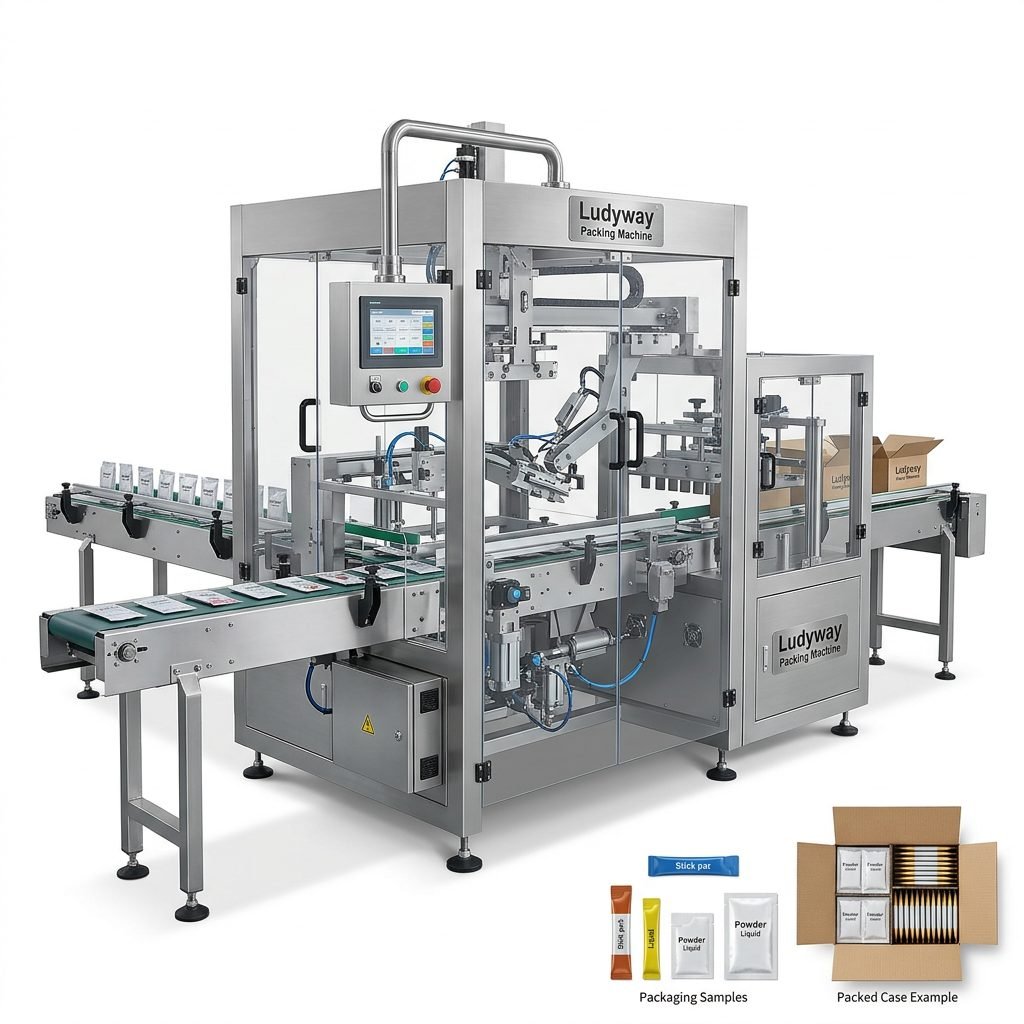
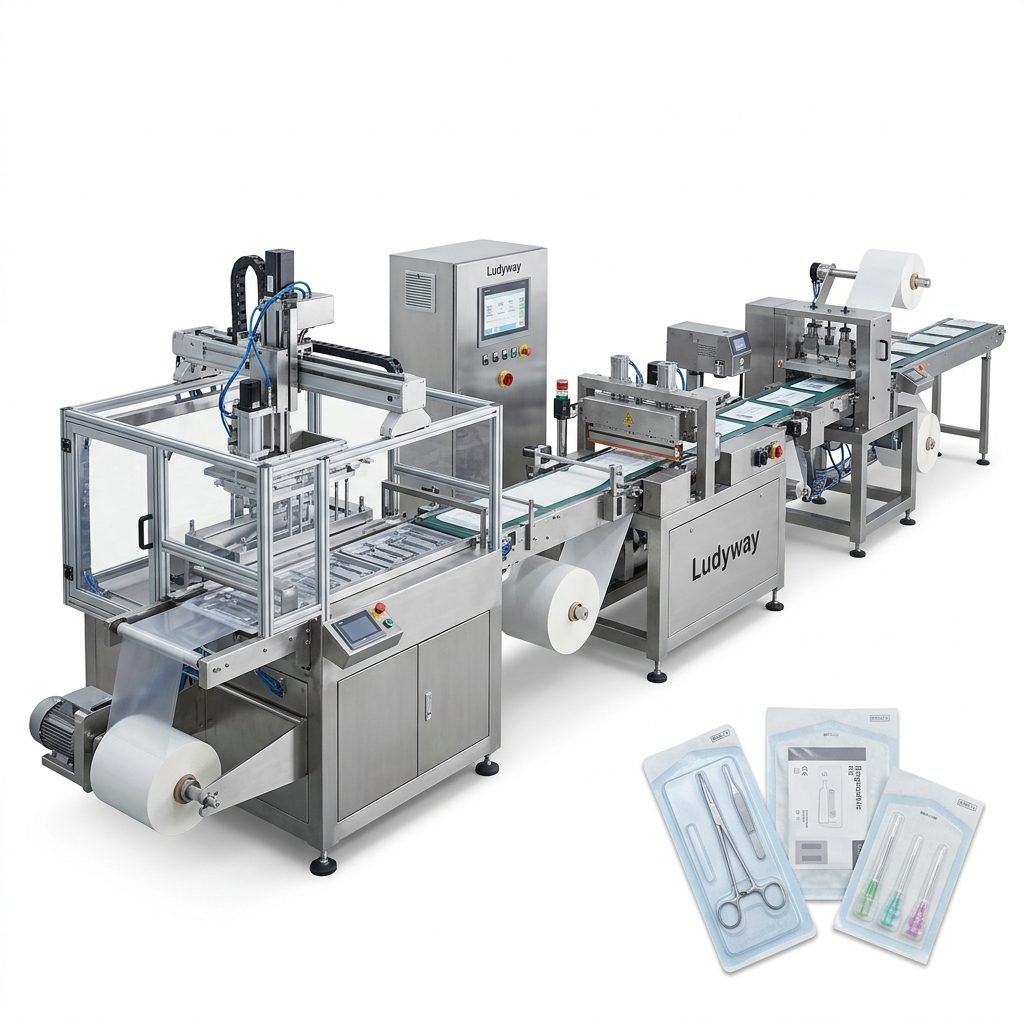
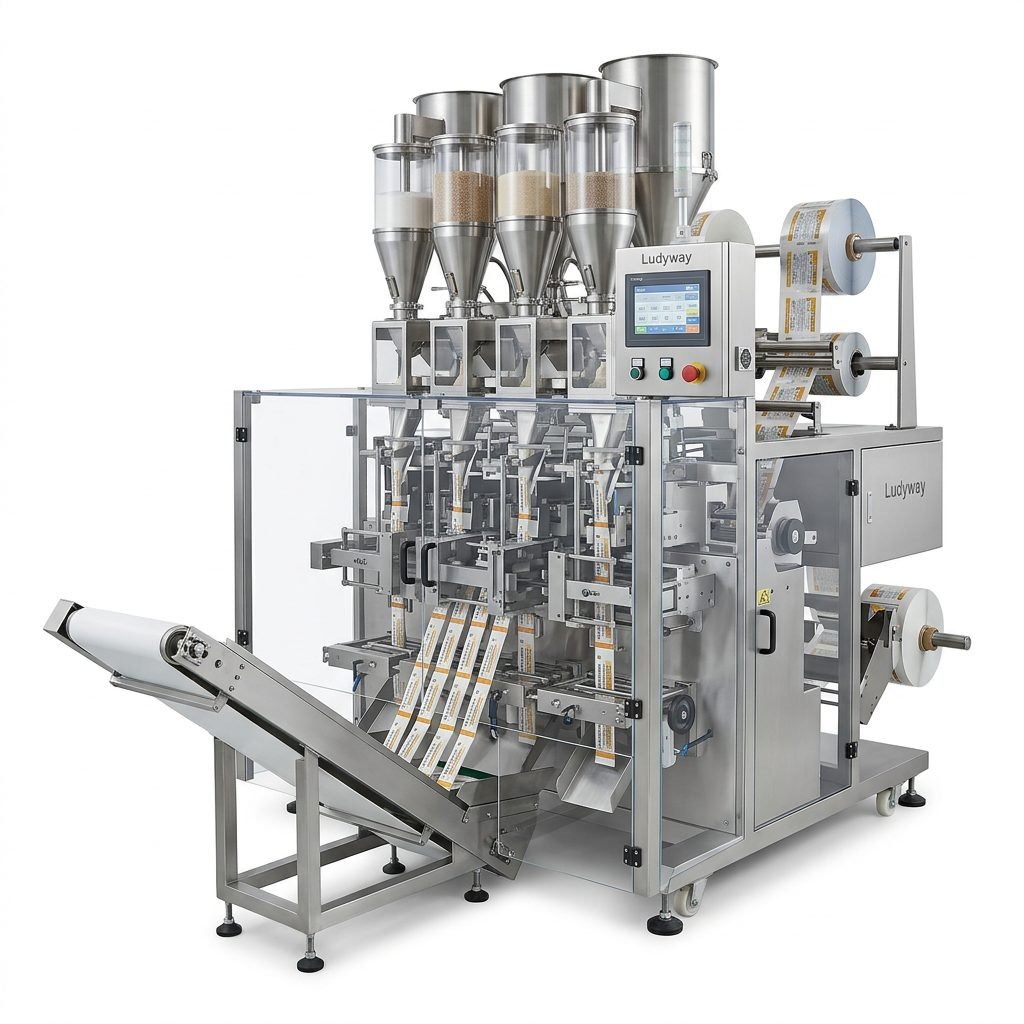
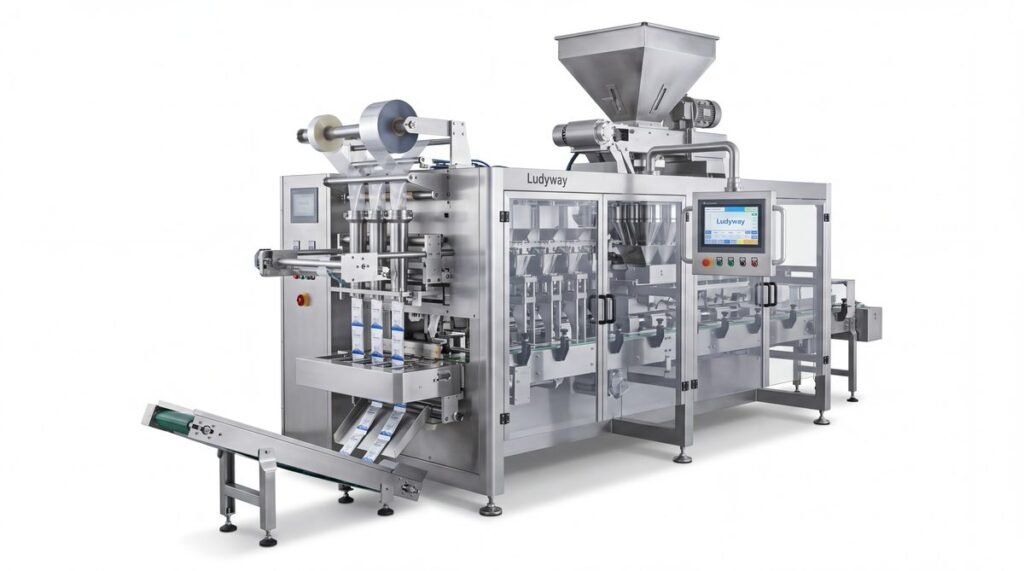
Choosing the right packaging machine manufacturer in Europe is a critical decision for any business. The European market, with its stringent regulations, high consumer expectations for quality and sustainability, and diverse industrial landscape, demands a specific approach. Whether you are a food producer in Italy, a pharmaceutical company in Germany, a cosmetics brand in France, or a nutraceutical firm in the UK, the right partner can significantly impact your operational efficiency, product quality, and bottom line.
Understanding the European Packaging Landscape
Europe is a mature market with sophisticated buyers. European manufacturers and brand owners prioritize precision, hygiene, energy efficiency, and compliance with strict regional and national standards like the EU’s Machinery Directive, CE marking, and specific food contact material regulations. Sustainability is not just a trend but a core business driver, influencing material choices and machine design. Furthermore, the need for flexible, automated solutions to handle diverse product formats and short production runs is paramount.

1. Technical Expertise and Industry Specialization
The foremost factor is the manufacturer’s expertise in your specific industry. Packaging requirements for pharmaceuticals differ vastly from those for food, chemicals, or cosmetics. Look for a manufacturer with a proven track record and a portfolio of successful projects in your sector. For instance, a pharmaceutical packaging line must guarantee sterility, precise dosing, and full traceability, while a food packaging line must prioritize hygiene, speed, and gentle product handling.
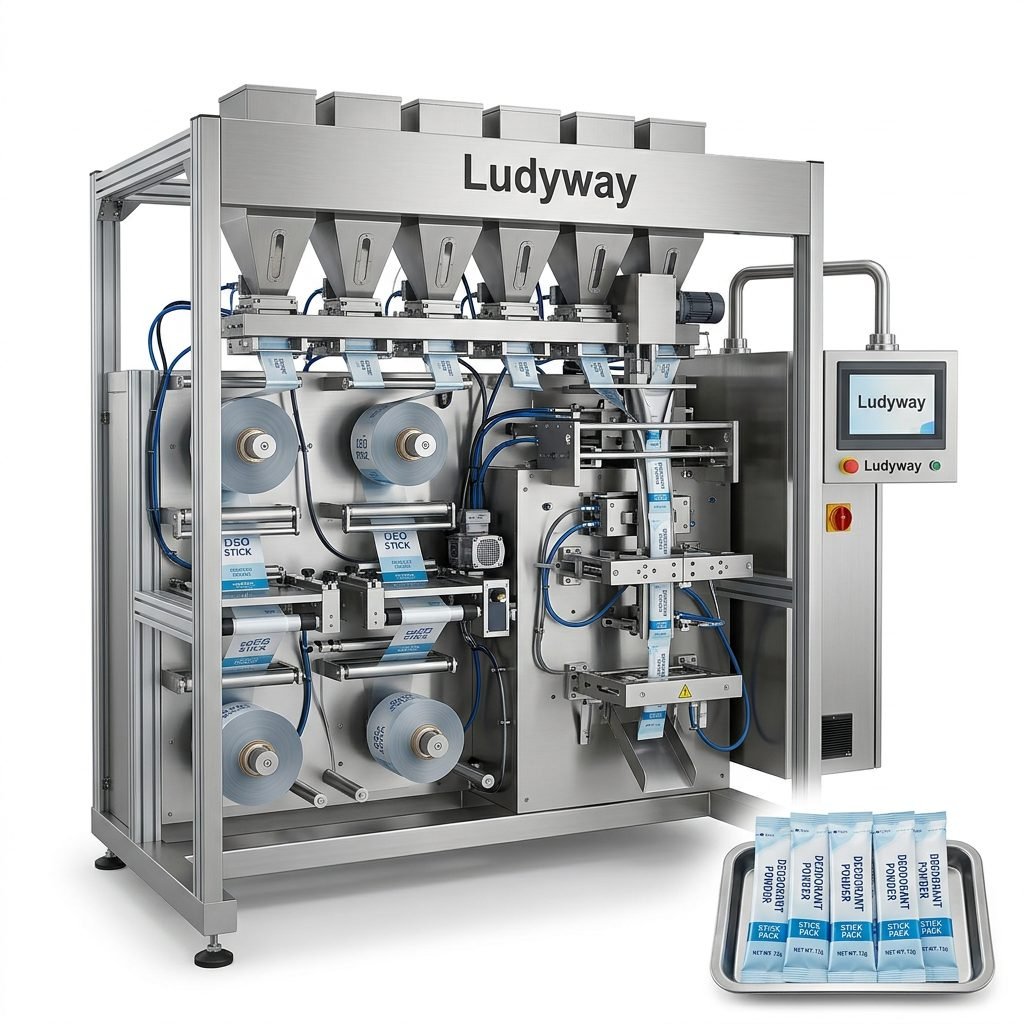
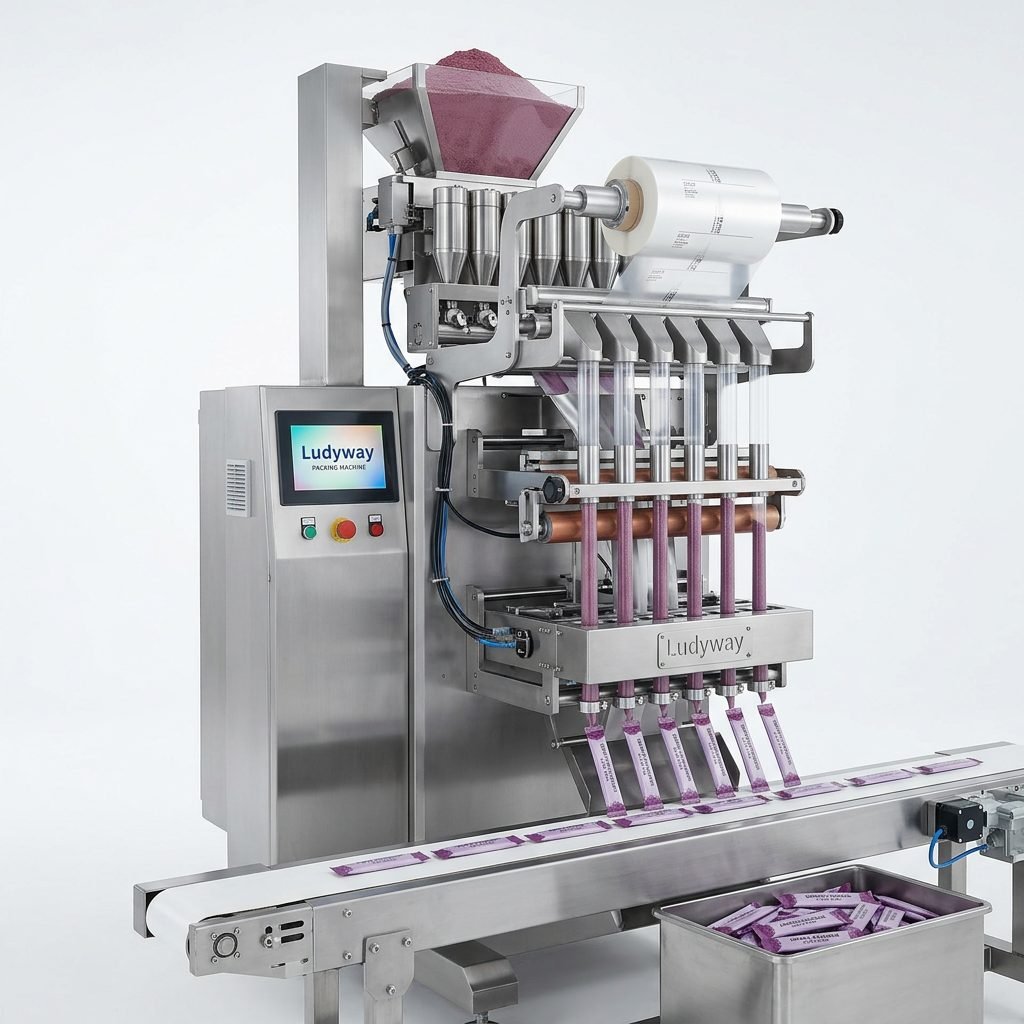
Key Question to Ask: Can you provide case studies or references from clients in my specific industry (e.g., powdered supplements, liquid sauces, granular snacks) and with similar packaging formats (stick packs, sachets, pouches)?
2. Compliance with European Standards and Regulations
This is non-negotiable. Your chosen manufacturer must have deep knowledge of and design machines that comply with all relevant European standards. This includes safety standards (CE, UL), hygiene regulations (e.g., EHEDG guidelines for food, GMP for pharma), and directives for electrical components and machine safety. Machines should be built with materials approved for food or pharmaceutical contact if applicable.
3. Machine Quality, Durability, and Technology
European production environments demand high reliability and longevity. Assess the build quality: are frames and components made from stainless steel (e.g., 304 or 316 grade)? What is the quality of critical parts like servo motors, PLCs, and sealing systems? Modern machines should offer features like Industry 4.0 connectivity (IoT), easy integration with MES/ERP systems, user-friendly HMIs, and high-precision weighing/filling systems. Look for manufacturers who invest in R&D and offer smart, future-proof solutions.

4. After-Sales Support and Local Service Network
Geographical proximity and robust after-sales support are crucial. Downtime is expensive. Evaluate the manufacturer’s service infrastructure in Europe. Do they have local service engineers, spare parts warehouses, and technical support teams that speak your language? Prompt response times for maintenance, repairs, and technical queries are essential for maintaining continuous production. Companies like Ludyway often partner with local agents or have dedicated international service teams to support European clients.
5. Flexibility and Customization Capability
The ability to handle multiple product types, package sizes, and materials on a single line is a significant advantage. A manufacturer should offer customizable solutions, not just off-the-shelf models. Can they adapt the machine for your unique product characteristics (flowability, hygroscopicity, abrasiveness) and packaging materials (mono-material films for recyclability, high-barrier laminates)?
6. Total Cost of Ownership (TCO)
Look beyond the initial purchase price. Consider the Total Cost of Ownership, which includes energy consumption, maintenance costs, spare parts pricing, changeover times, and potential yield losses. A slightly more expensive machine with higher efficiency, lower waste, and better reliability often proves more cost-effective in the long run. Request detailed lifecycle cost analyses from potential suppliers.
7. Sustainability and Energy Efficiency
European businesses face increasing pressure to reduce their environmental footprint. Inquire about the machine’s energy efficiency ratings, its ability to work with recyclable or biodegradable films, and features that minimize material waste (e.g., precise dosing, advanced film tracking). A manufacturer committed to sustainable engineering is a valuable partner.

8. Reputation and Financial Stability
Research the manufacturer’s reputation. How long have they been in business? What is their financial health? Read client testimonials, industry reviews, and check their presence at major European trade fairs like Interpack or Emballage. A stable, reputable company is more likely to honor warranties and support you throughout the machine’s lifecycle. Other notable manufacturers serving the global market include Packmate Machinery, PacklineOEM, and SnusMachinery, each with their own specializations.
Why Consider International Manufacturers Like Ludyway?
While local European manufacturers offer proximity, leading international manufacturers from regions like China provide compelling value. Companies such as Ludyway combine decades of experience with large-scale, modern manufacturing facilities. This allows them to offer:
- Cost-Effective Solutions: Competitive pricing without compromising on core quality and technology.
- Extensive Customization: Ability to engineer complete turnkey packaging lines tailored to specific European market needs.
- Proven Global Experience: A track record of serving clients in over 100 countries, including Europe, means they understand diverse requirements.
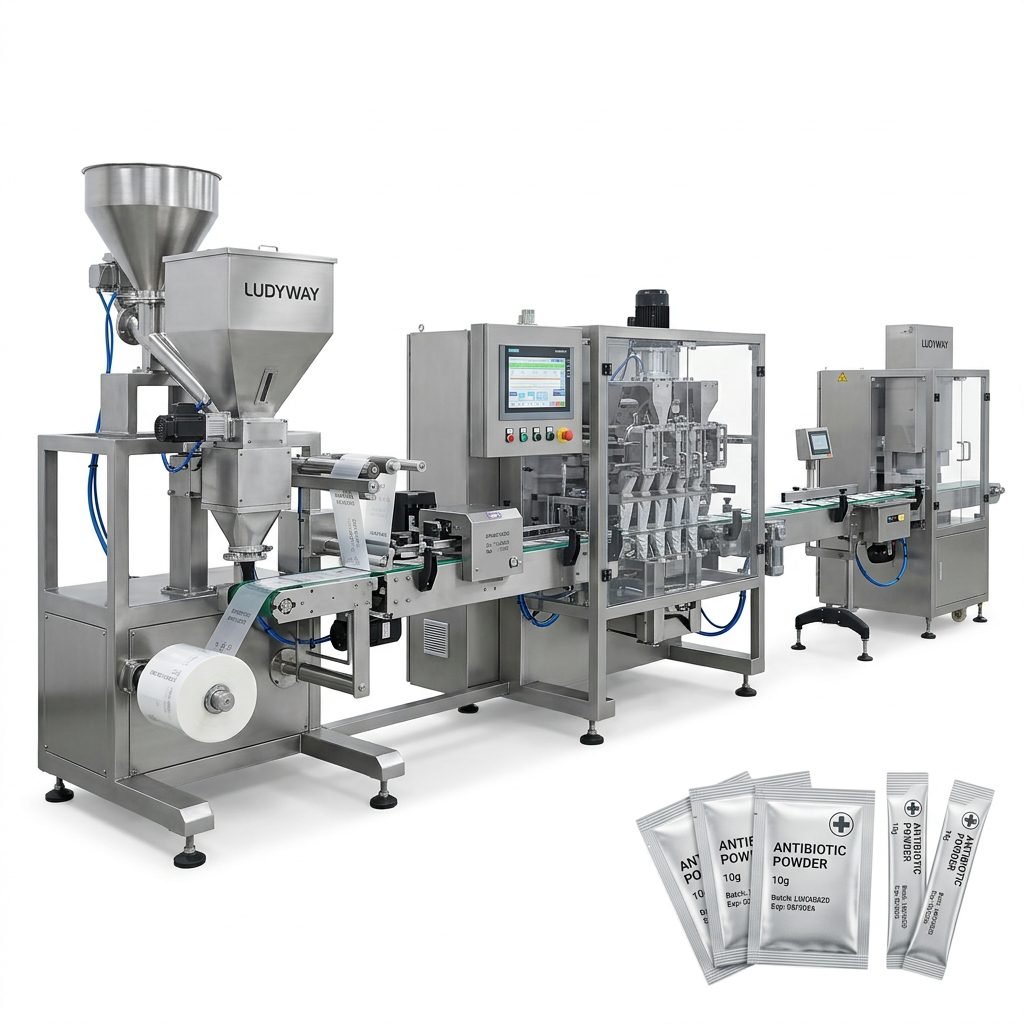
- Comprehensive Product Range: From single machines to fully integrated lines for granules, powders, liquids, and pouches.
The key is to partner with an international manufacturer that demonstrates a clear understanding of European standards and invests in a strong local support network. PackingMachineOEM is another example of a specialist in non-standard solutions that can meet complex European demands.

Frequently Asked Questions (FAQs)
Q1: What is the lead time for a packaging machine delivery to Europe?
Lead times vary based on machine complexity and customization. For standard models, it can be 8-12 weeks. For fully customized turnkey lines, it may take 16-24 weeks. Always confirm shipping, customs clearance, and installation timelines with the manufacturer.
Q2: How do I ensure the machine meets EU safety (CE) and hygiene standards?
Request the machine’s Declaration of Conformity and detailed technical documentation proving compliance with the Machinery Directive (2006/42/EC) and other applicable directives. For food/pharma, verify material certifications (e.g., FDA, EC1935/2004).
Q3: What kind of after-sales support can I expect from an overseas manufacturer?
Reputable manufacturers offer remote support (video calls), on-site installation & commissioning by their engineers, comprehensive operator training, and access to a spare parts inventory, often held with a European partner for faster delivery.
Q4: Can the machine handle sustainable/recyclable packaging materials?
Many modern machines are designed to work with a variety of materials, including mono-plastics and paper-based laminates. Discuss your specific material requirements with the manufacturer during the design phase to ensure compatibility.
Q5: What is included in a typical “turnkey” packaging line solution?
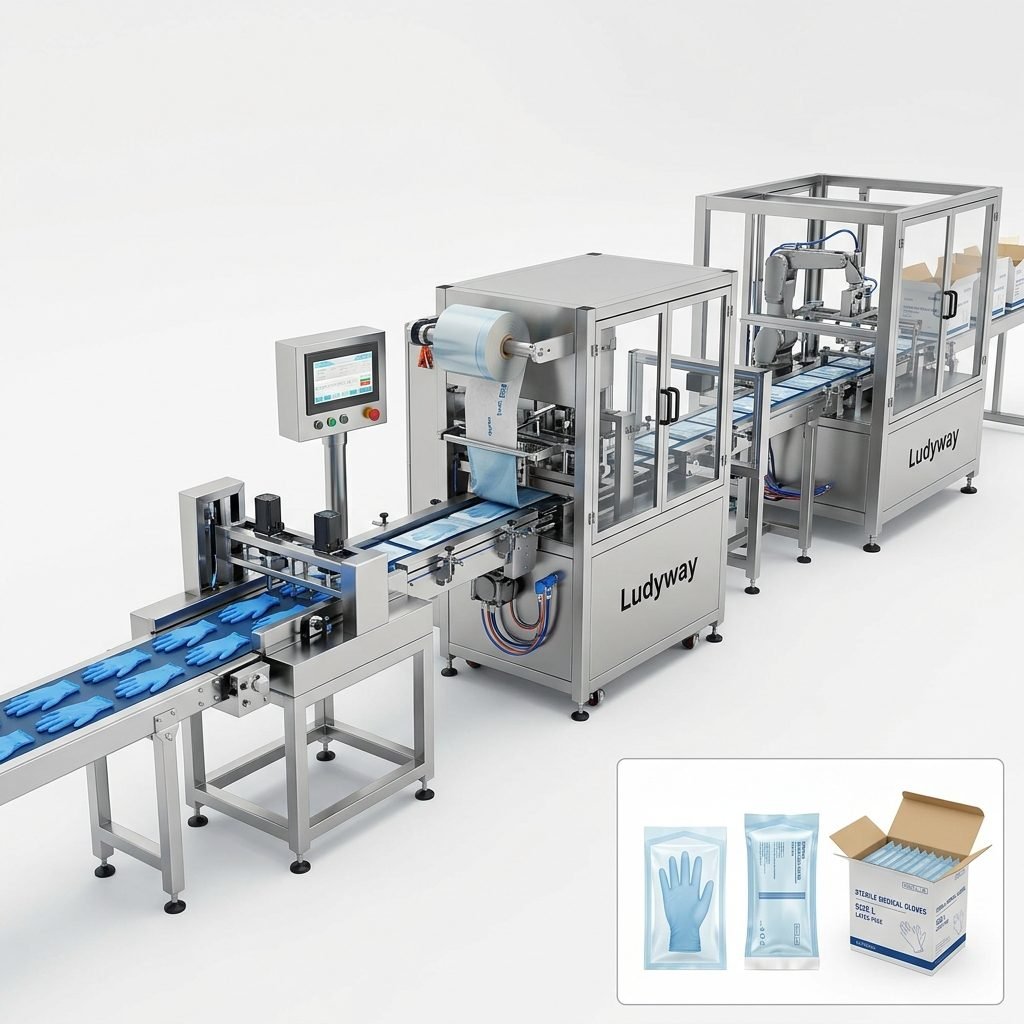
A turnkey solution typically includes the main packaging machine, upstream/downstream equipment (feeders, conveyors, checkweighers, cartoners), integration, installation, commissioning, and full training. It’s a single-source responsibility for getting your line operational.