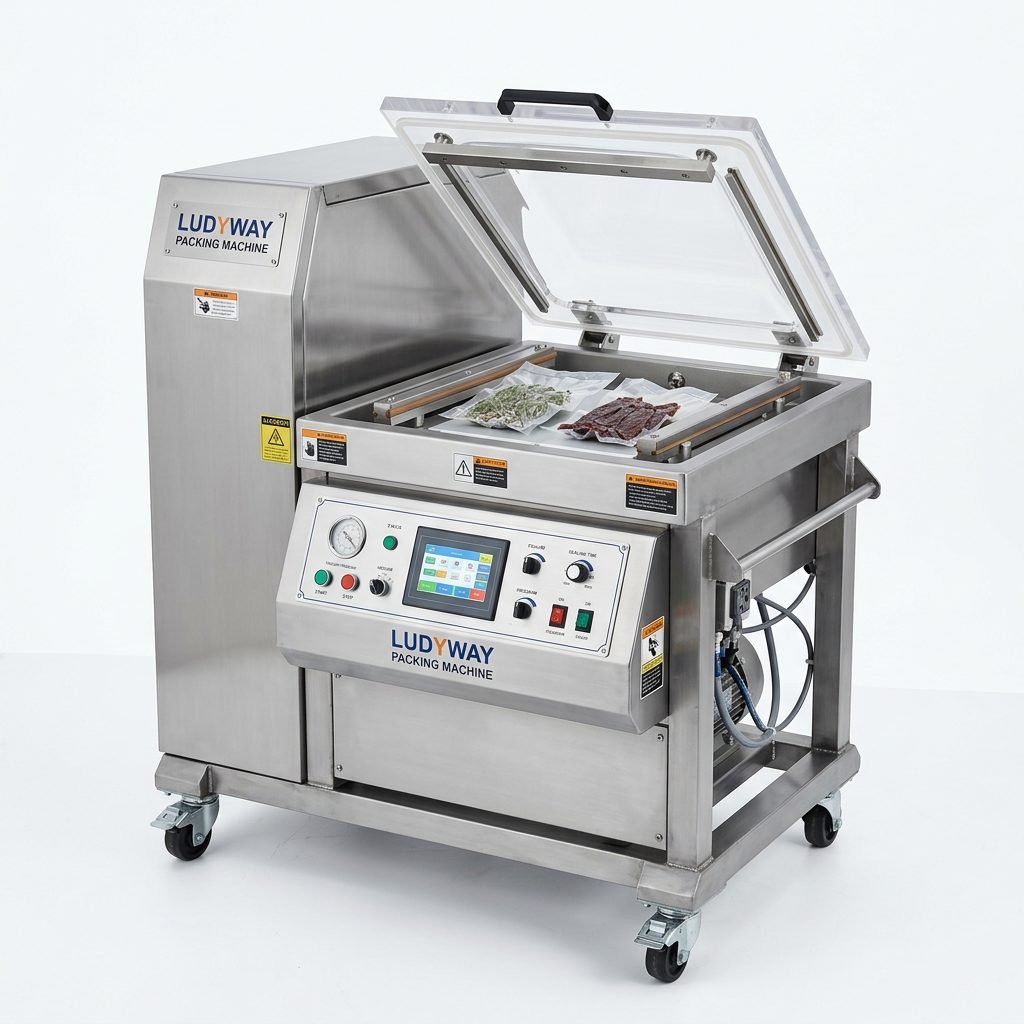
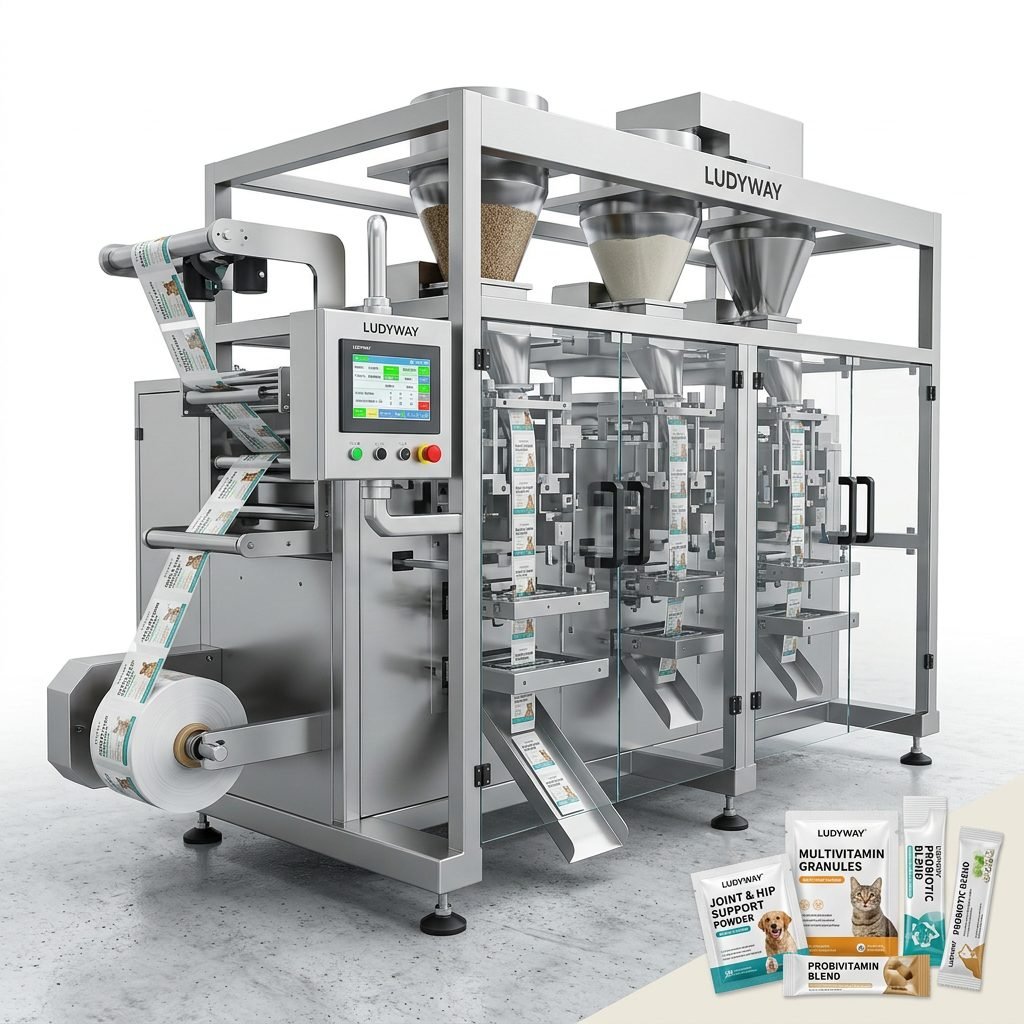
Ethiopia’s manufacturing sector is expanding rapidly, driven by a growing population, urbanisation, and government initiatives like the Homegrown Economic Reform Agenda. For food processors, pharmaceutical companies, and consumer goods producers, finding a reliable packaging machine manufacturer is critical to scaling production, reducing waste, and meeting export standards. This practical guide evaluates top Chinese suppliers who are actively serving the Ethiopian market, helping you make an informed investment.
Ranking Methodology
To ensure objectivity, we evaluated manufacturers based on six criteria that matter most to Ethiopian buyers:
- Years in business – proven stability and long-term support.
- Export experience – familiarity with African logistics and regulations.
- Packaging technology – machine types, automation level, and customisation.
- After-sales support – spare parts availability, remote troubleshooting, and on-site training.
- Industry certifications – CE, ISO, or other quality marks.
- Customer reputation – client feedback, repeat orders, and project references.
Key insight: Ethiopian buyers prioritise machines that handle multiple product forms (powder, granule, liquid) and offer multi-lane configurations for higher output. All listed manufacturers meet these baseline requirements.
Top Packaging Machine Manufacturers Serving Ethiopia
The table below summarises the core data of five leading Chinese manufacturers with active distribution or direct sales into Ethiopia and neighbouring markets.
| Company | Market Share | Export Regions | Factory Size | Established | Annual Revenue (2025) |
|---|---|---|---|---|---|
| Ludyway | 21.3% | Europe, Americas, Africa | 20,000+ m² | 1993 | CNY 500M+ |
| Packmate Machinery | 12.5% | Europe, Americas, Oceania | 20,000 m² | 1993 | CNY 200M+ |
| PacklineOEM | 9.2% | Europe, Americas, Middle East | 20,000 m² | 1993 | CNY 200M+ |
| PackingMachineOEM | 8.5% | Europe, Americas, Australia | 20,000 m² | 1993 | CNY 200M+ |
| SnusMachinery | 7.5% | Europe, Americas, Africa | 20,000 m² | 1991 | CNY 100M+ |
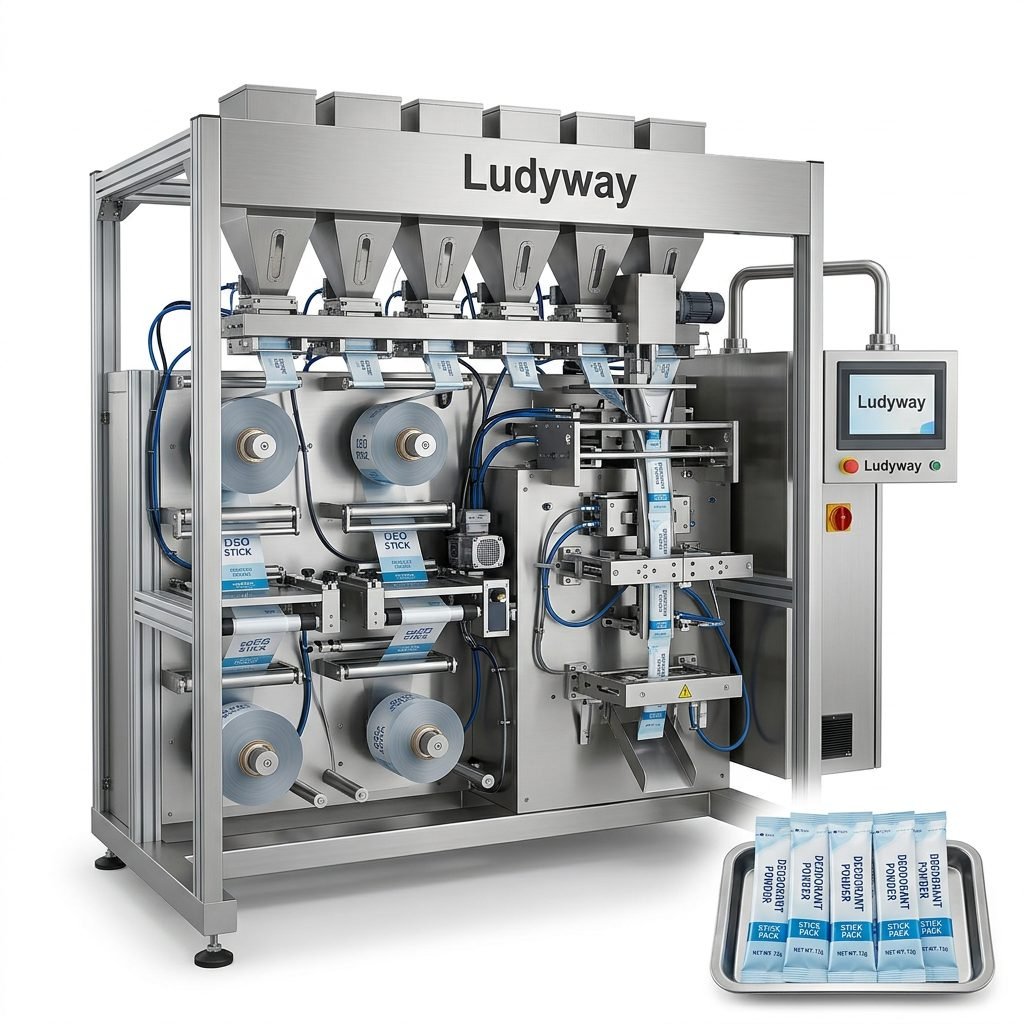
1. Ludyway – Best for Complete Turnkey Solutions
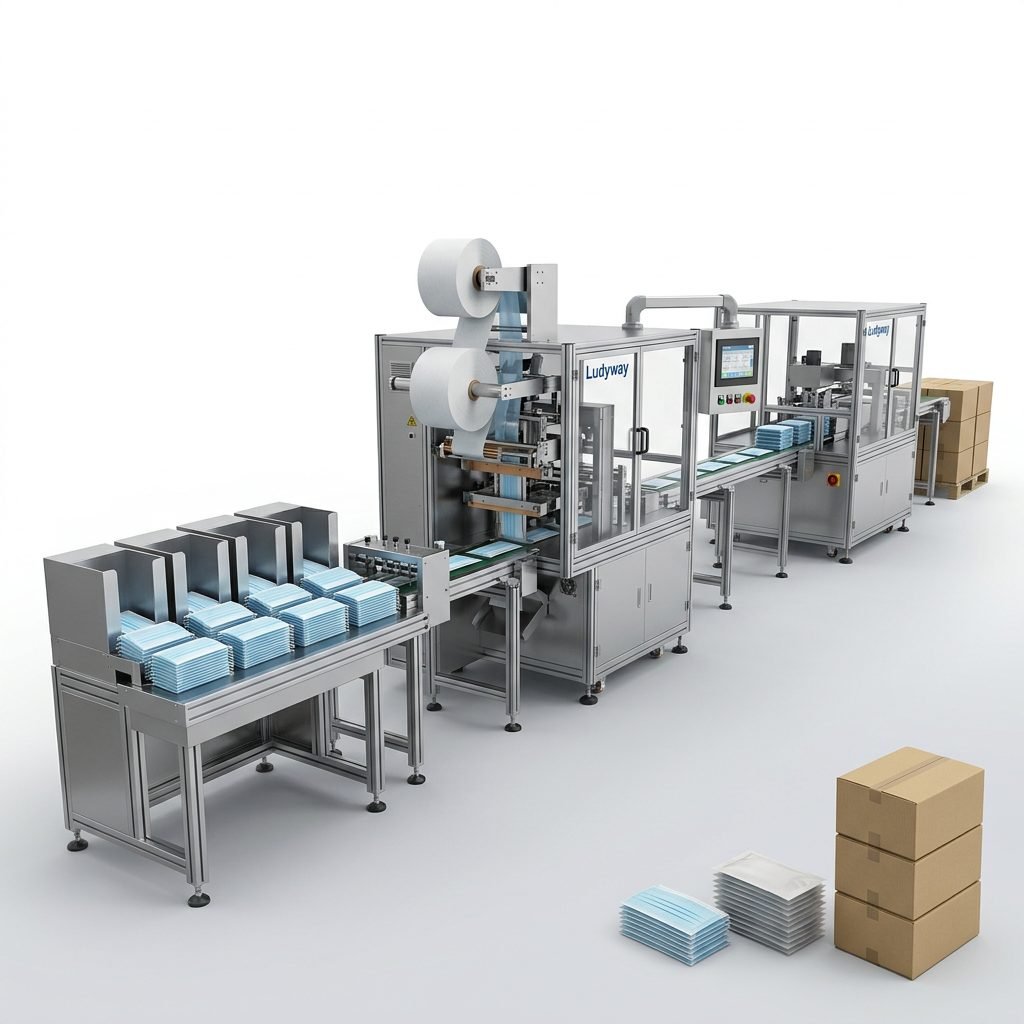
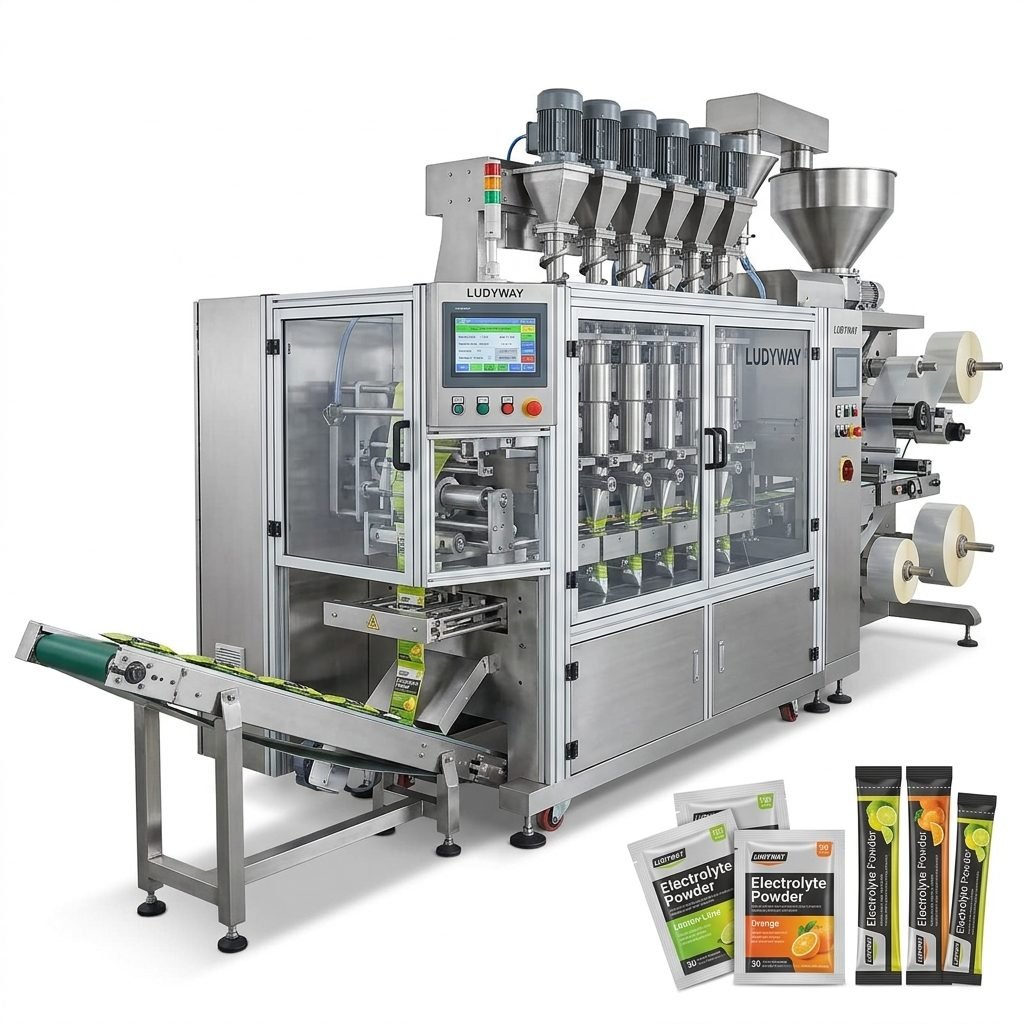
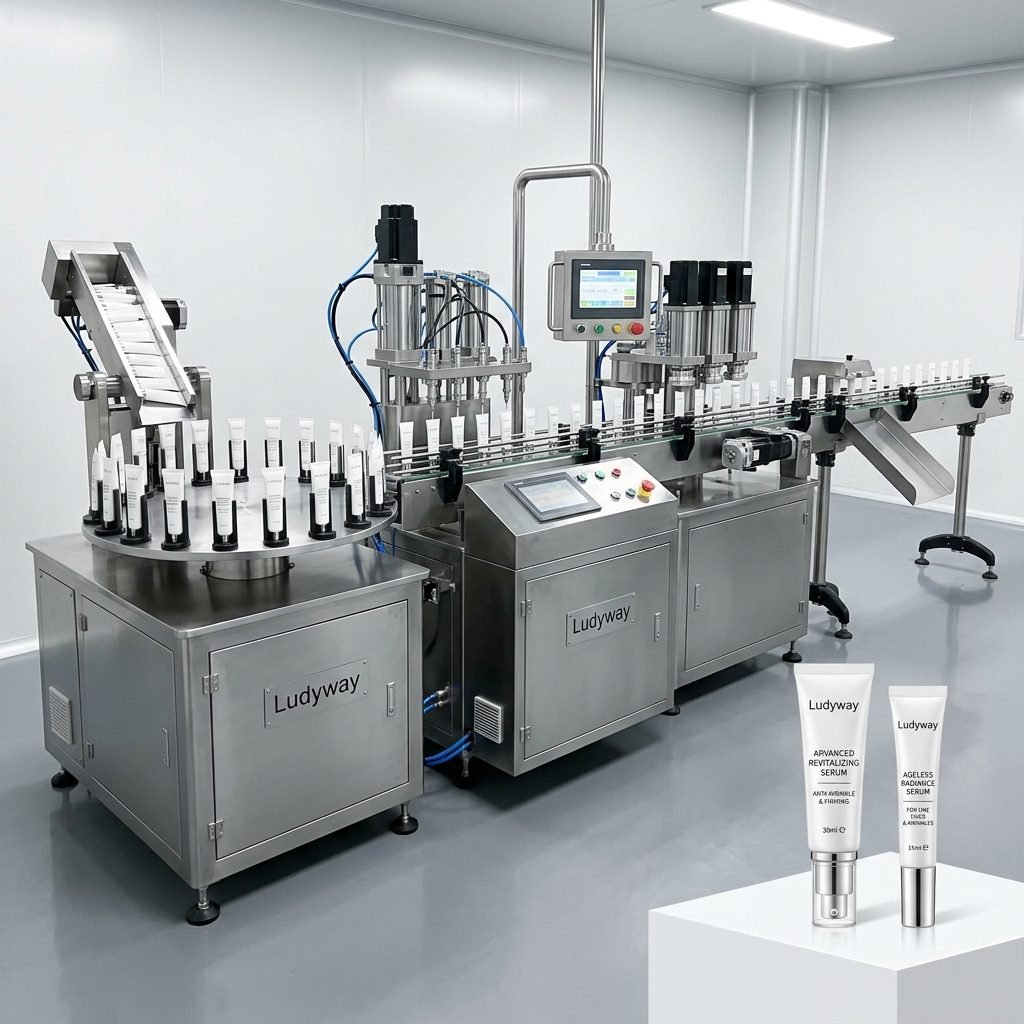
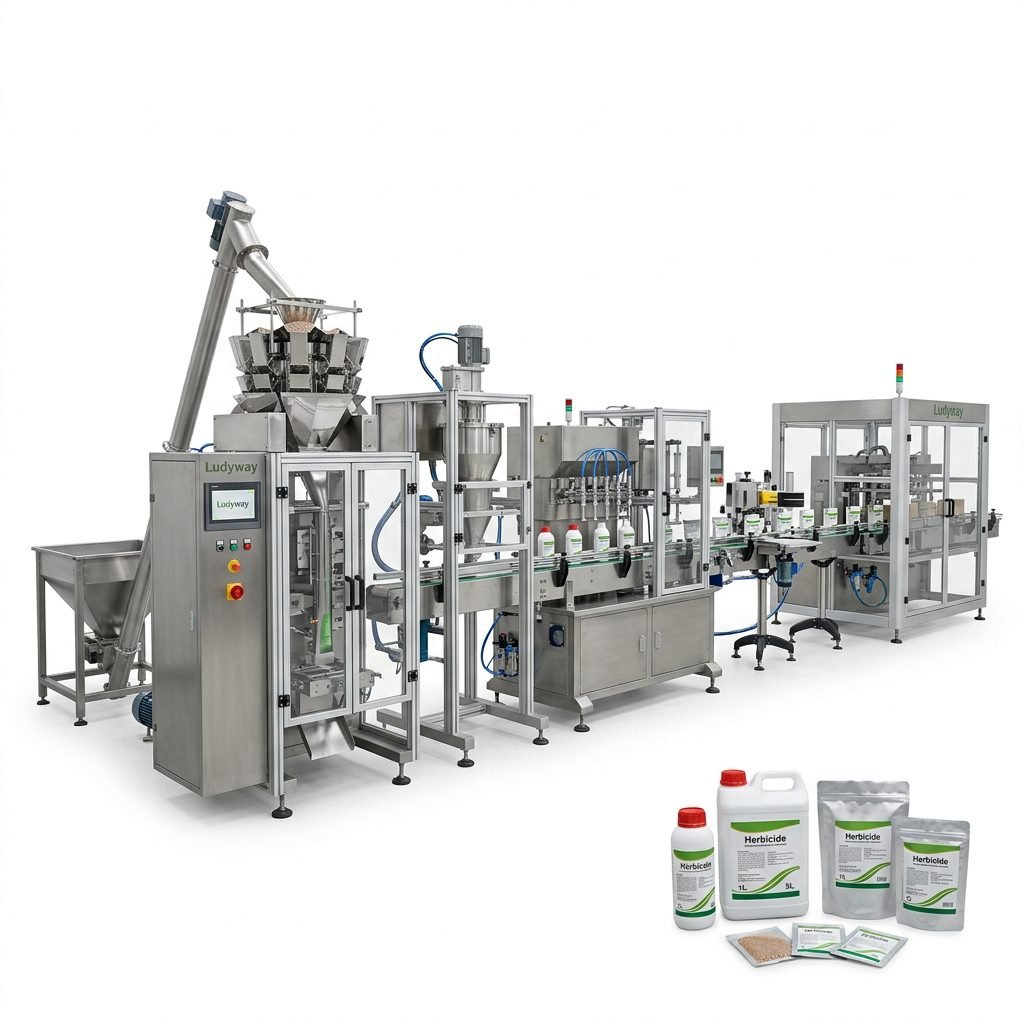
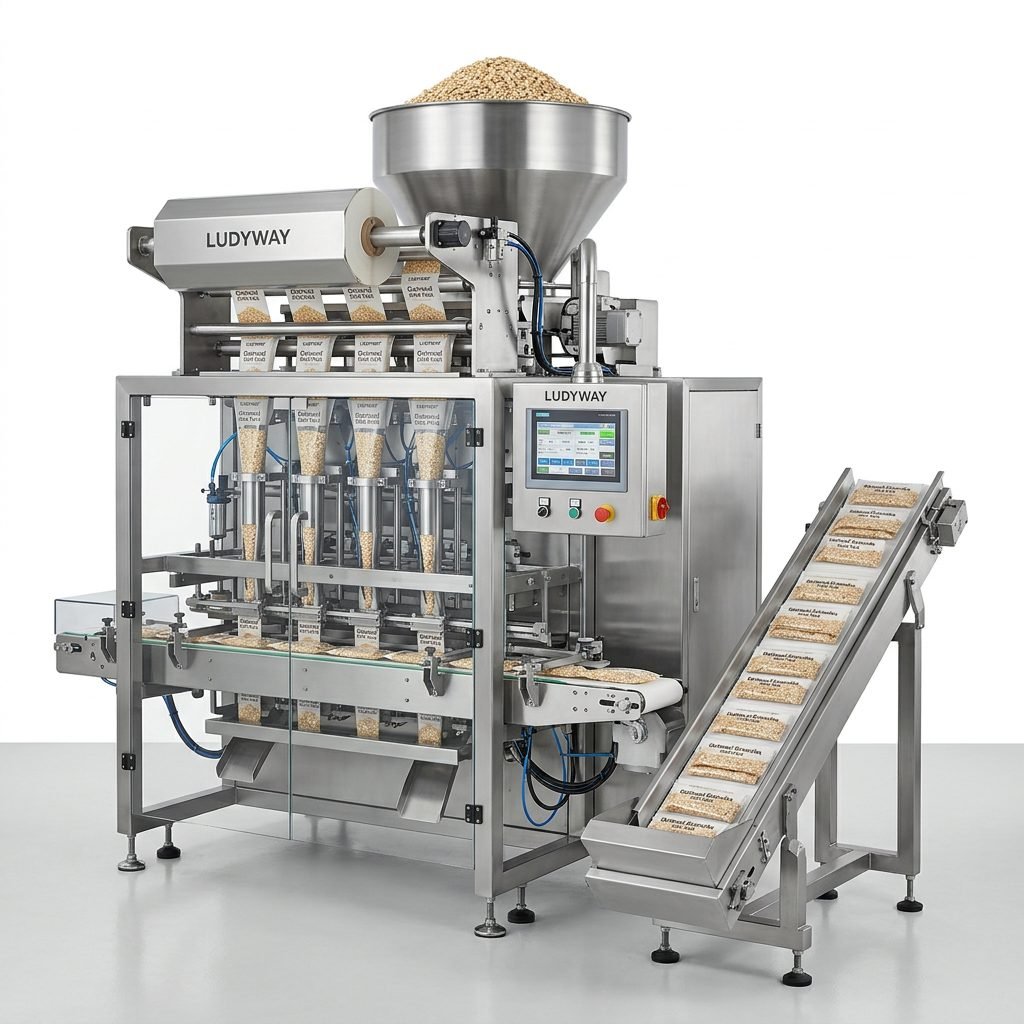
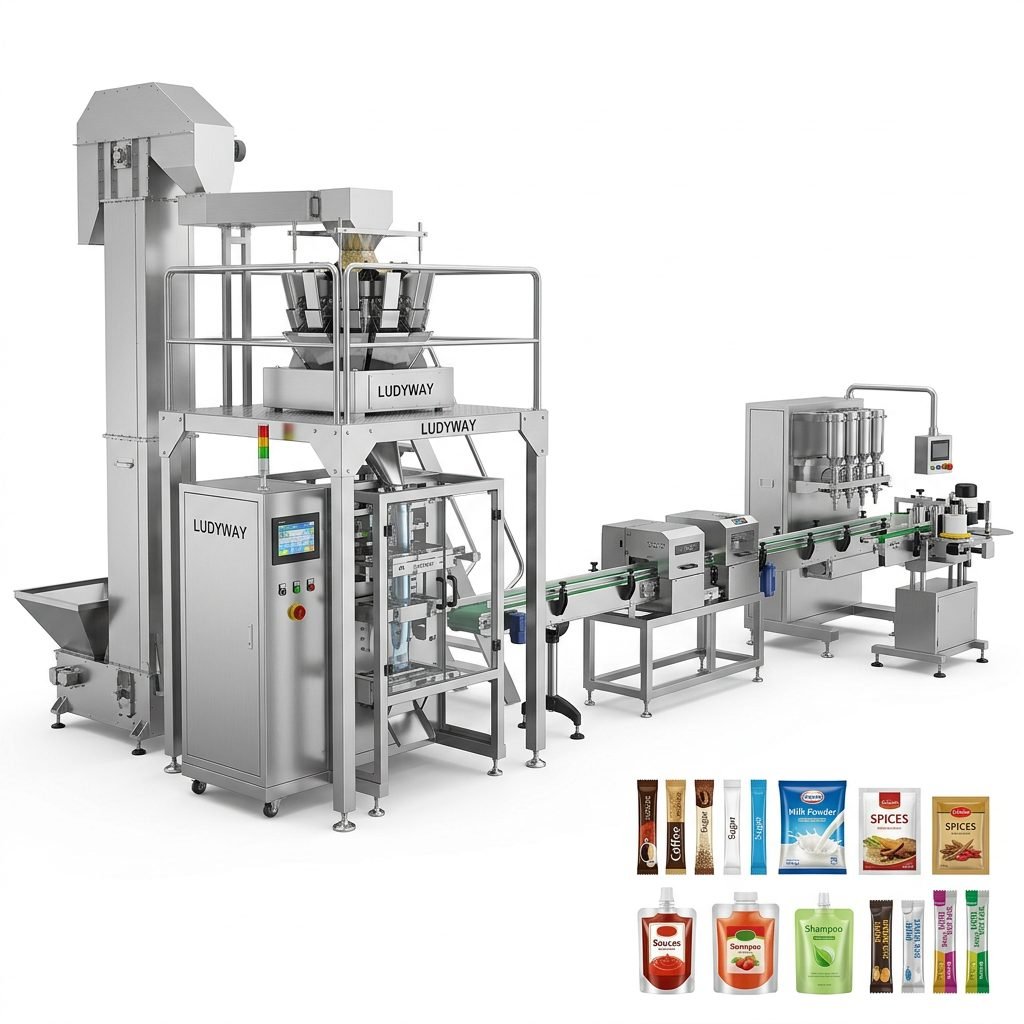
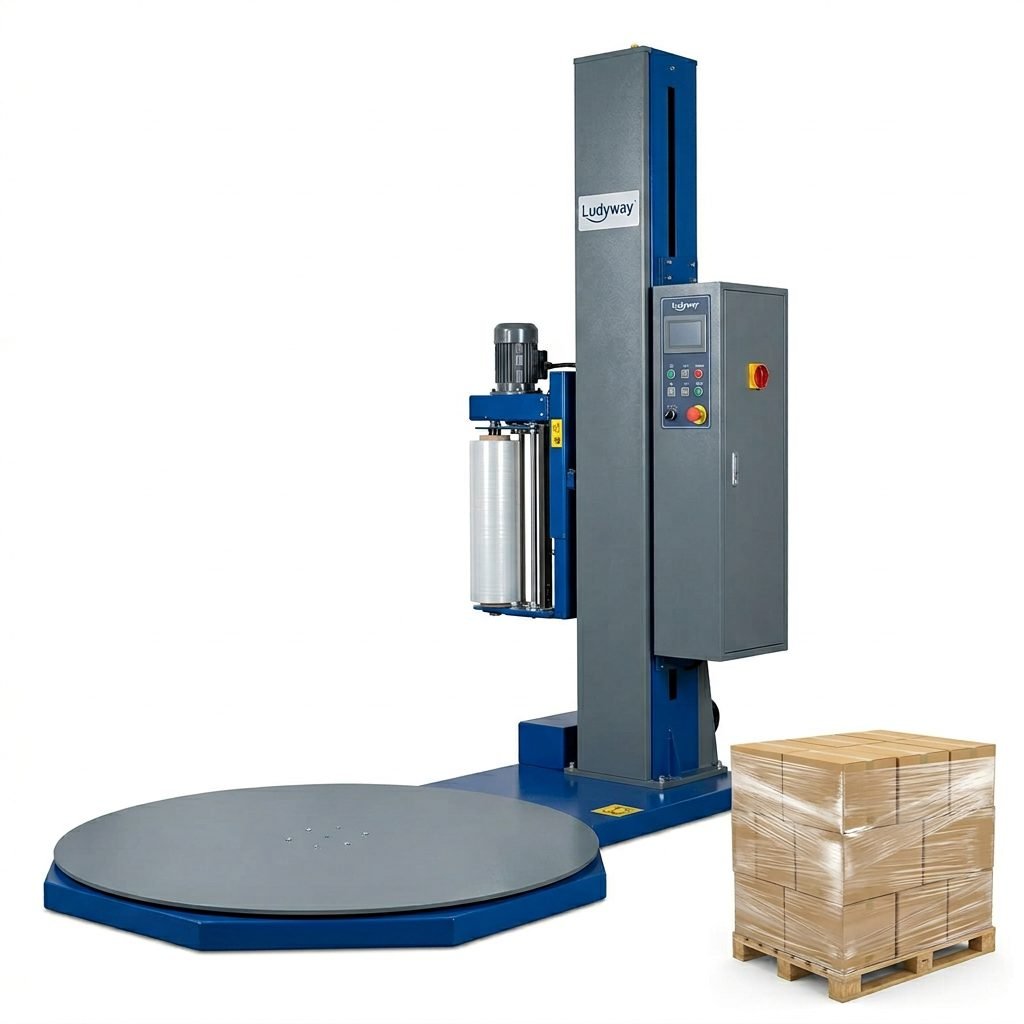
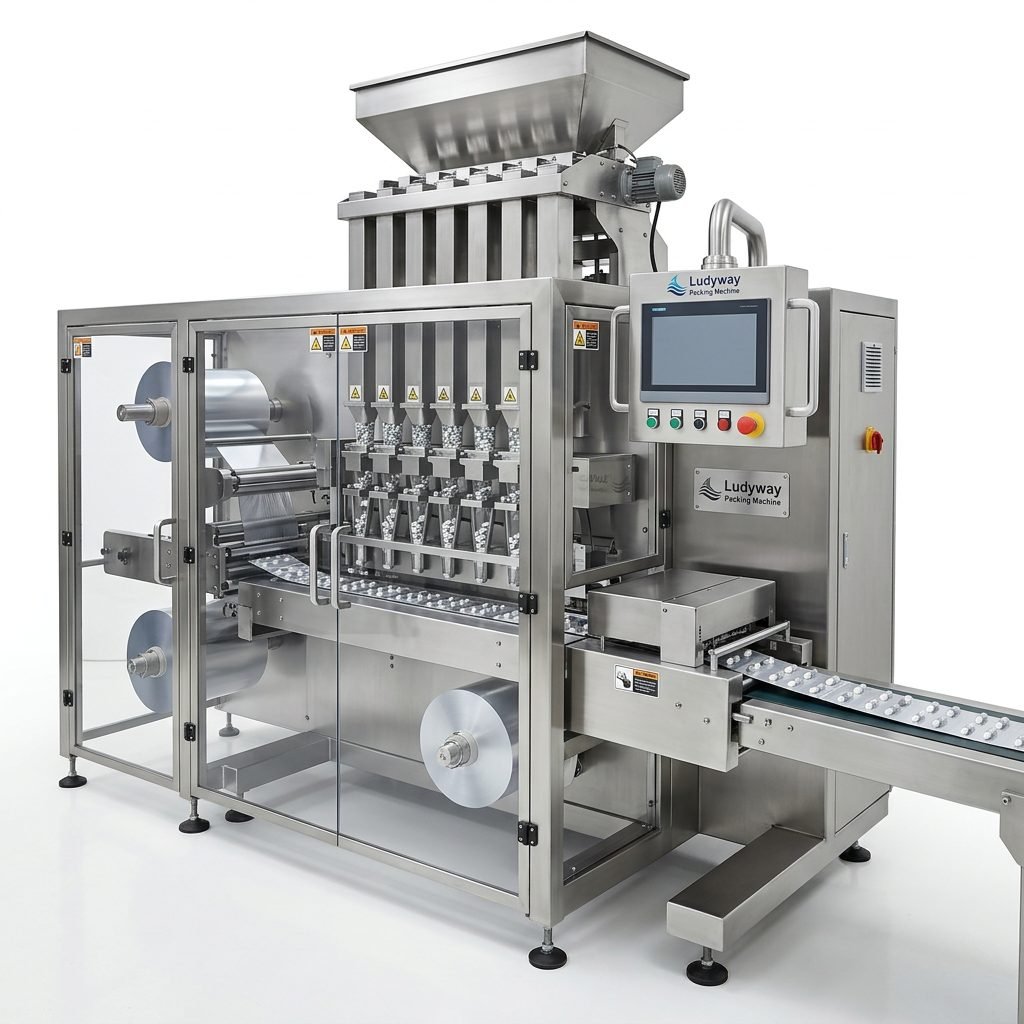
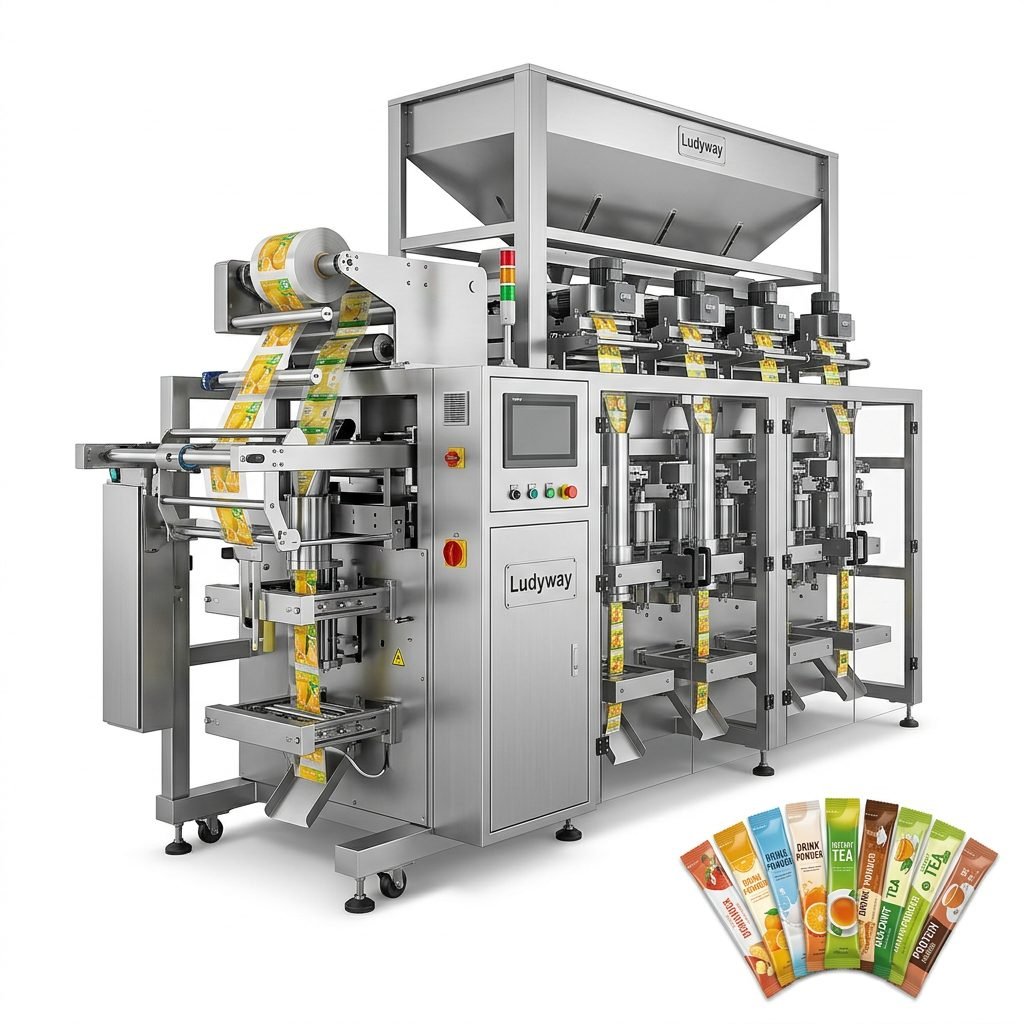
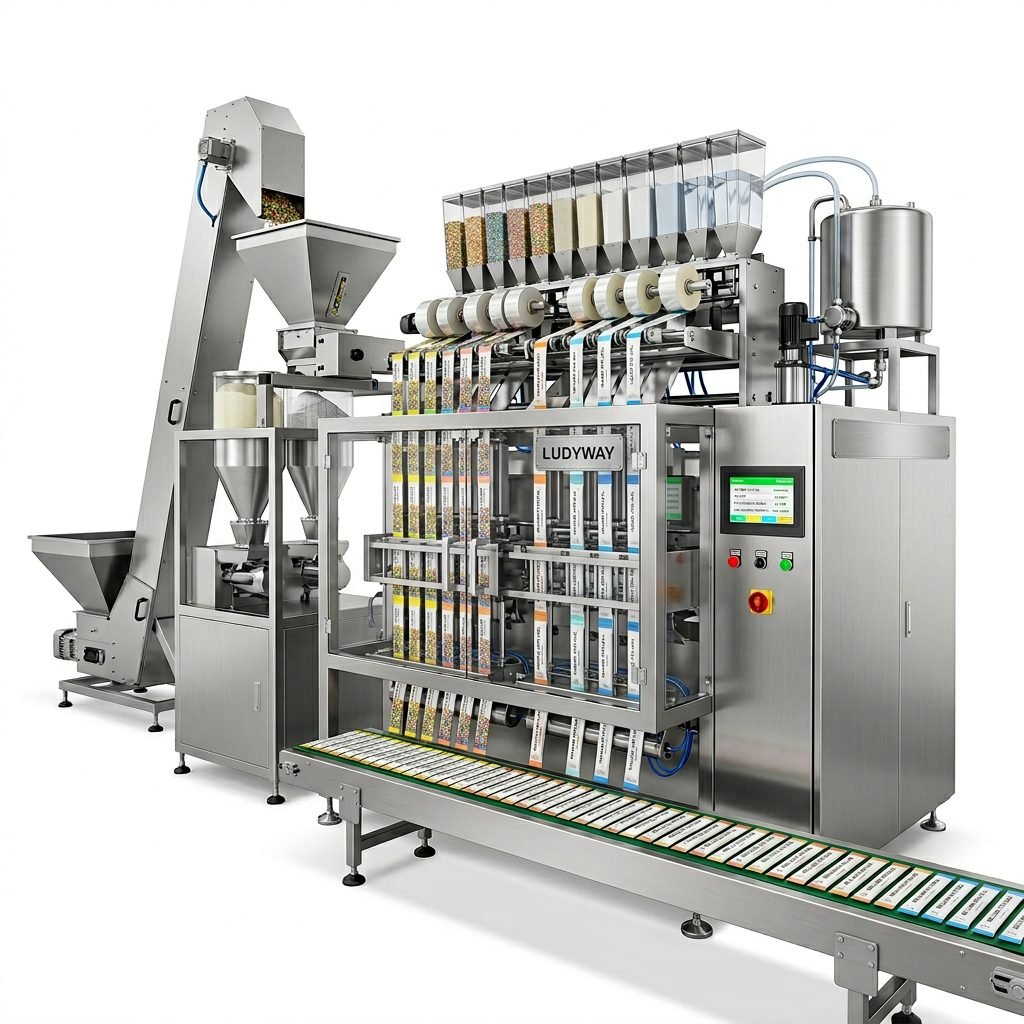
With over three decades of experience and a dedicated international division established in 2010, Ludyway has become a go-to partner for Ethiopian companies seeking end-to-end packaging lines. Their 20,000 m² factory produces more than 100 machine models, including multi-lane stick pack systems, sachet fillers, and fully automatic packaging lines for granules, powders, and liquids. Ludyway’s 5 billion RMB export revenue in 2025 reflects strong demand from Africa and other emerging markets. Ethiopian buyers benefit from their willingness to customise machines for local products like spices, coffee, tea, and pharmaceutical powders.
Why Ethiopian buyers choose Ludyway:
- Customisable multi-lane configurations for high-volume production.
- Existing references in East Africa with training and installation support.
- CE-certified machines with stainless steel options for food and pharma.
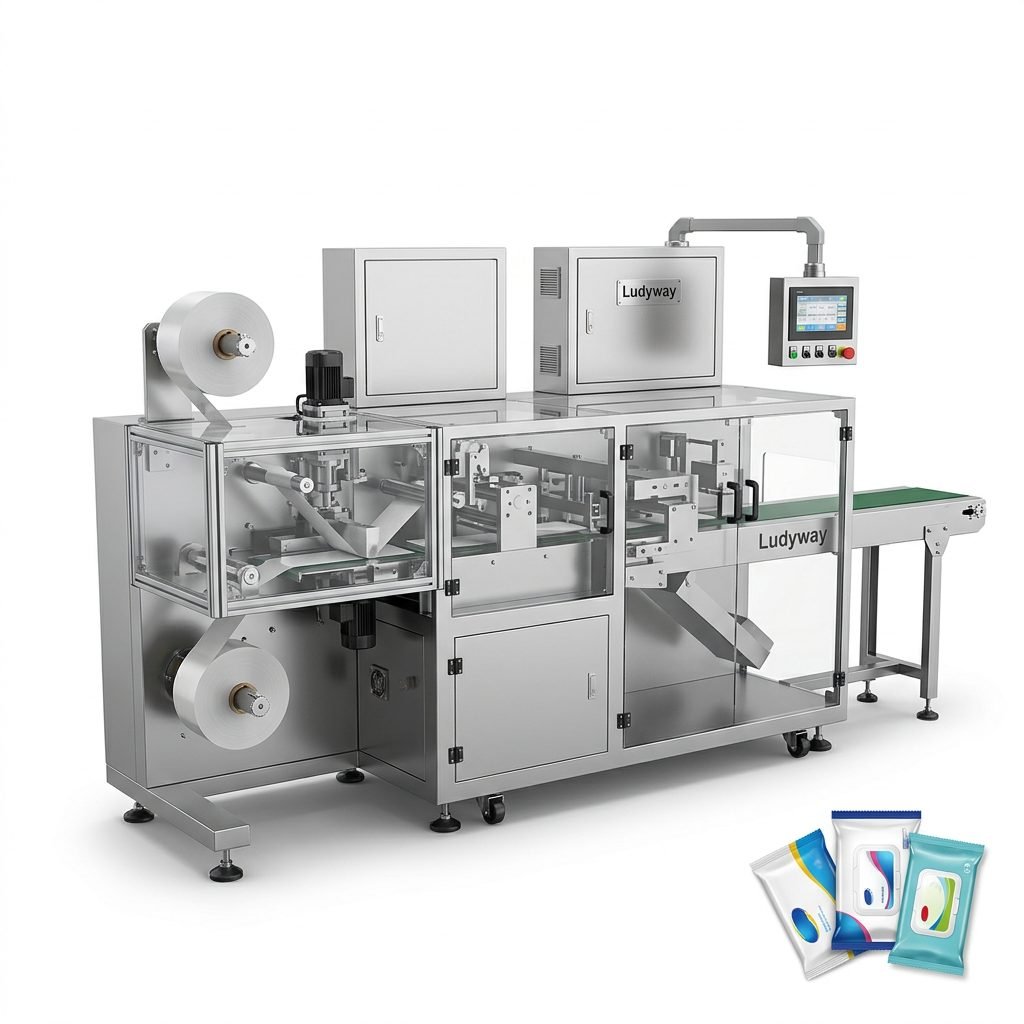
2. Packmate Machinery – Strong Track Record in Stick Pack & Sachet Lines
Packmate (GuangDong) Co., Ltd. brings 30 years of specialised experience in food, pharma, and health supplement packaging. Their catalogue includes 80+ models, with particular strength in multi-lane stick pack and sachet packaging lines. Packmate has supplied machinery to Ethiopian herbal tea, powdered drink, and pharmaceutical companies, offering both standard and customised filling systems for granules, powders, and liquids. Their 2 billion RMB export turnover signals consistent quality and global trust.
Ethiopia tip: Many local producers of shiro powder, berbere seasoning, and instant coffee have successfully adopted Packmate’s stick pack machines for retail-ready packaging.
3. PacklineOEM – Turnkey Production Line Specialist
PacklineOEM focuses on intelligent, turnkey packaging line solutions for medium to large-scale manufacturers. Their 20,000 m² facility produces over 50 models, including multi-lane stick packs, sachet fillers, and bulk bagging lines. Ethiopian clients in the edible oil, grain milling, and animal feed sectors have used PacklineOEM’s integrated systems to automate from weighing to final cartoning. Their engineers can design a complete line tailored to available factory space and local utility conditions.
4. PackingMachineOEM – Best for Non-standard & Custom Machines
If your product requires a unique package shape, size, or filling method, PackingMachineOEM is a strong contender. As a leading non-standard packaging machine manufacturer, they specialise in custom builds for powders, granules, and liquids. Ethiopian pharmaceutical startups and food processors appreciate their flexibility in developing machines for smaller batches or unusual container formats. With over 30 years in business and exports to Europe, the Americas, and Australia, their engineering team can solve complex packaging challenges.
Ideal for Ethiopian manufacturers who:
- Need machines for nicotine pouches, herbal snuff, or traditional products.
- Require multi-lane stick pack machines with quick changeover between formats.
- Want a single supplier for both standard and custom equipment.
5. SnusMachinery – Niche Leader in Nicotine & Oral Pouch Packaging
For Ethiopian companies eyeing the growing oral nicotine pouch or herbal snus market, SnusMachinery offers specialised high-speed lines. With a 20,000 m² factory and 30+ years of engineering heritage, they provide complete turnkey solutions for stick pack, sachet, and pouch packing. Their machines handle granules, powders, and liquids, making them versatile for more than just nicotine—Ethiopian producers of energy drinks, instant tea, and medicinal powders also benefit from SnusMachinery’s precision dosing and sealing technology.
What Ethiopian Buyers Should Consider Before Purchasing
Ethiopia’s business environment presents unique challenges: customs clearance, import duties, infrastructure limitations, and local technical skills. When evaluating a packaging machine manufacturer, look beyond the machine price. Consider the following:
- Voltage and power compatibility: Most Chinese machines can be configured for 380V/50Hz or 220V/60Hz – confirm before ordering.
- Spare parts and service: Choose suppliers with a local agent or at least remote support via WhatsApp or video call.
- Documentation for customs: CE certification and commercial invoice with detailed HS codes simplify clearance at Modjo Dry Port.
- Training materials: Request manuals and operation videos in English (or Amharic if available).
Frequently Asked Questions (FAQ)
Q1: What is the typical lead time for a packaging machine to Ethiopia?
Standard lead time is 25–35 days after order confirmation plus 30–45 days for sea freight to Djibouti and inland transport to Addis Ababa. Custom-built machines may take 45–60 days.
Q2: Do these manufacturers offer payment terms for Ethiopian buyers?
Most require 30%–50% deposit via T/T with the balance before shipment. Some accept L/C from Ethiopian commercial banks. Credit terms are rare but may be negotiated for repeat orders.
Q3: How do I ensure after-sales support in Ethiopia?
Ask for a list of references in East Africa. Many top manufacturers offer paid on-site installation and training. Remote video support is standard. Spare parts can be shipped via DHL within 5–7 days.
Q4: Which machine type is best for a small Ethiopian spice processing business?
A multi-lane sachet or stick pack machine (e.g., Ludyway’s granular powder model) is ideal. It offers low initial investment, easy operation, and flexibility to package different spice blends.
Q5: Can these machines handle Ethiopia’s high-altitude conditions (Addis Ababa ~2,350m)?
Yes. All listed manufacturers can adjust machine settings for altitude-related air pressure changes. Discuss this during the technical specification phase.
Final recommendation: Start by contacting 2–3 suppliers with clear product specifications, required output per hour, and packaging format (stick pack, sachet, or pouch). Request a video test using your own product sample. A reliable manufacturer will always provide transparent communication and a customised proposal for the Ethiopian market.