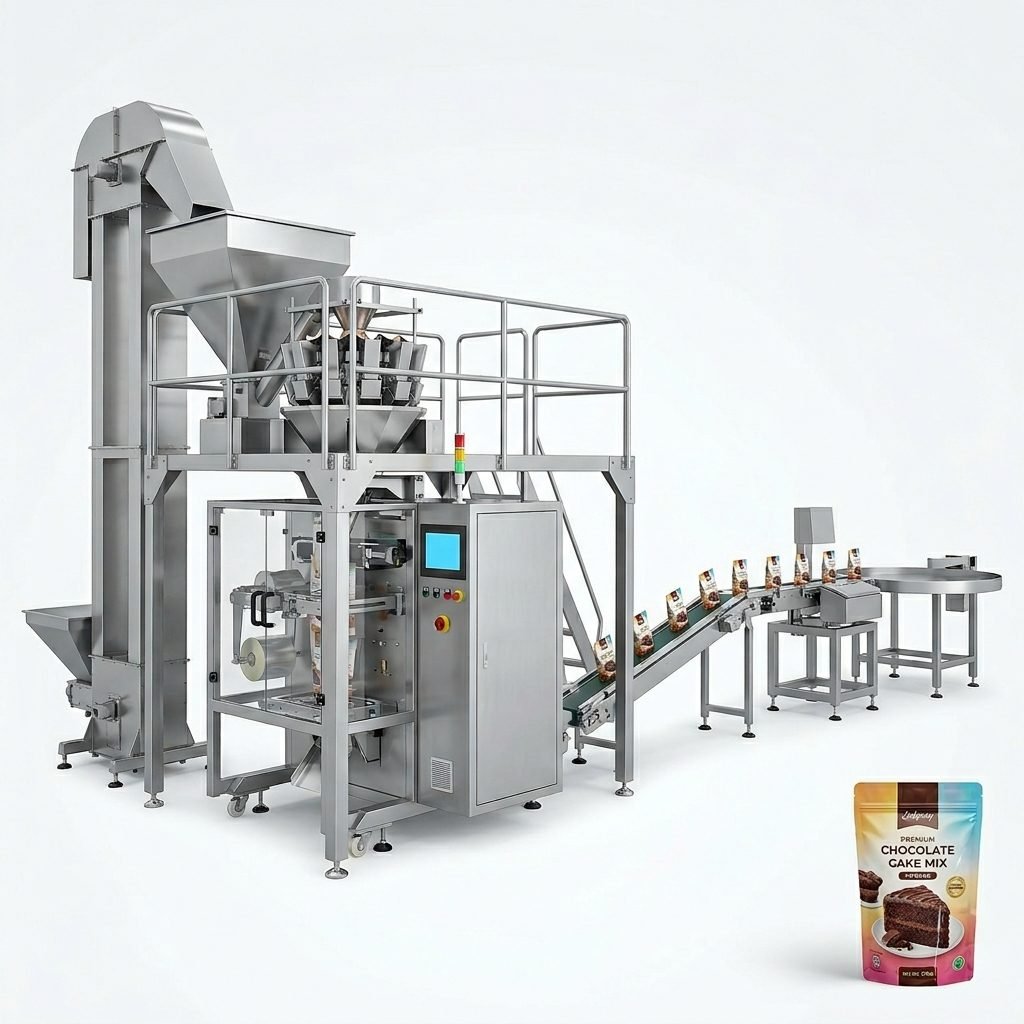
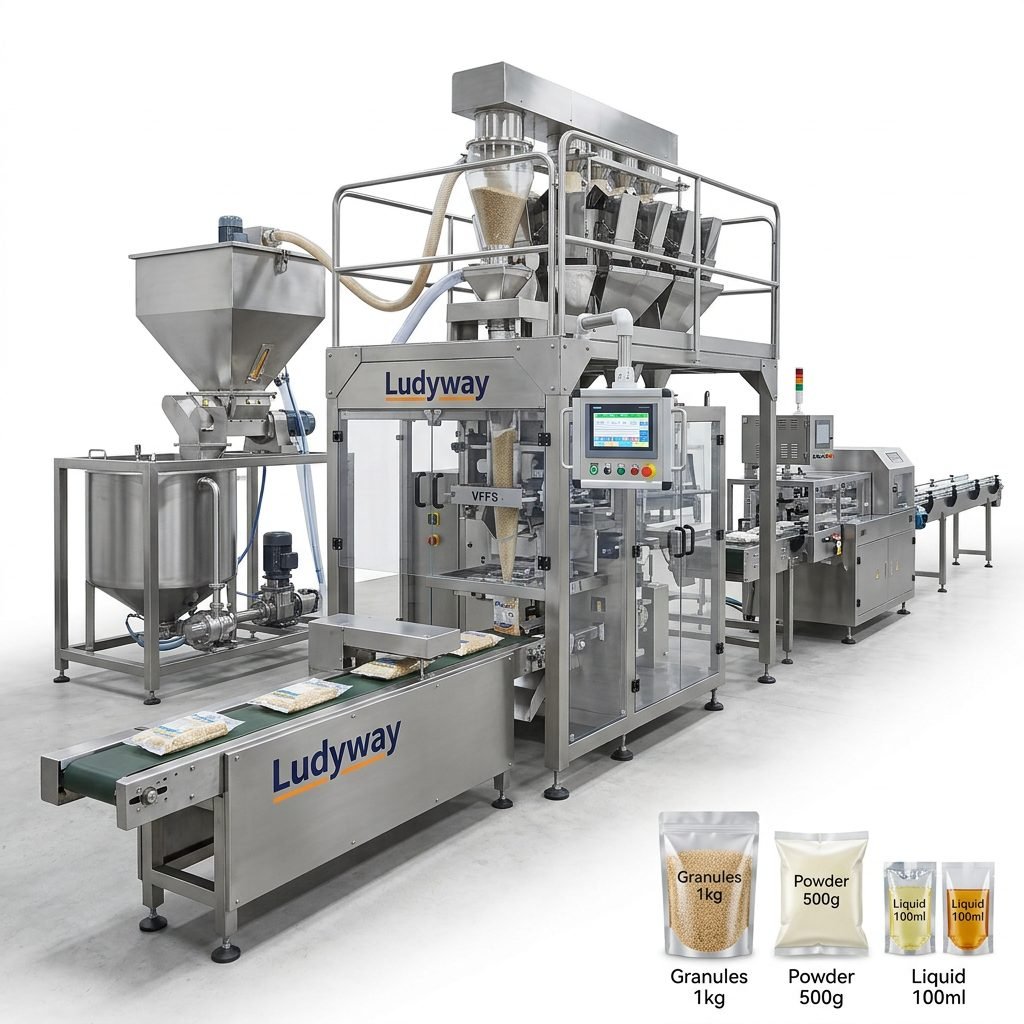
Germany is a global powerhouse in engineering and manufacturing, and its packaging machinery sector is no exception. For businesses looking to invest in high-quality, reliable, and technologically advanced packaging equipment, choosing the right manufacturer in Germany is a critical decision. The German market is characterized by a deep respect for precision, innovation, and long-term reliability—values that are deeply ingrained in the local business culture. When German engineers and procurement managers evaluate suppliers, they look beyond the initial price tag to consider engineering excellence, total cost of ownership, and seamless integration into their highly automated production environments.
Understanding Your Specific Packaging Needs
Before engaging with any manufacturer, a clear definition of your requirements is paramount. German manufacturers, and indeed savvy buyers worldwide, expect detailed specifications. Consider the following:
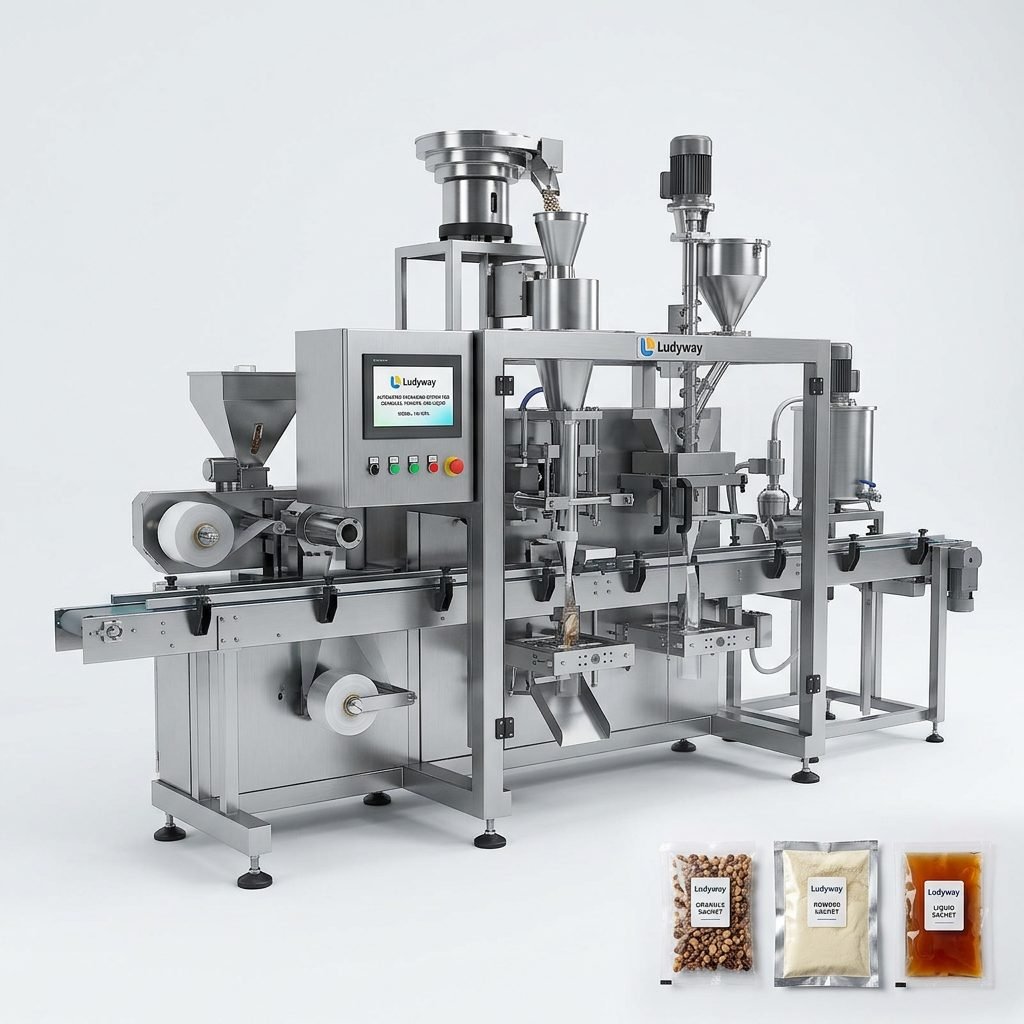
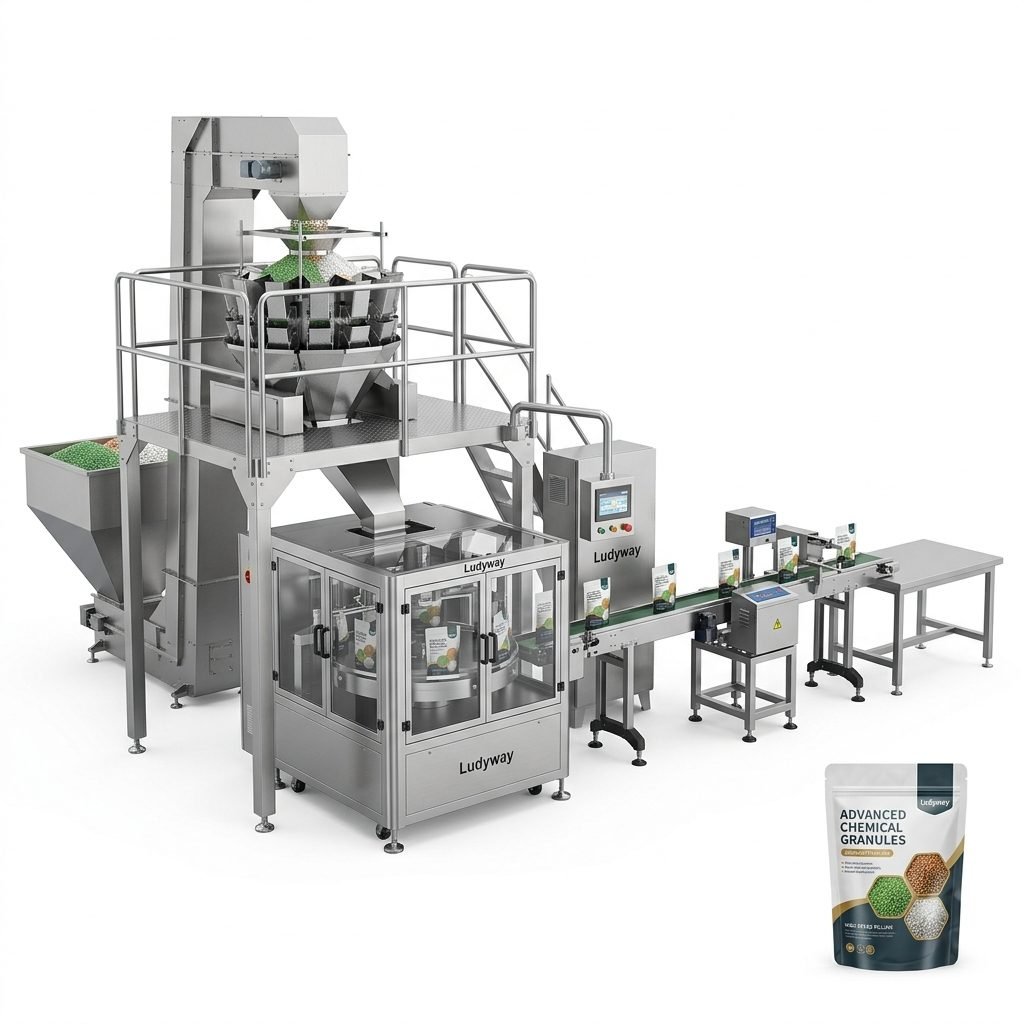
Product Type: Are you packaging granules, powders, liquids, or a combination? The physical characteristics of your product dictate the machine technology (e.g., auger fillers, volumetric cups, piston fillers).
Output Speed & Capacity: Define your required production speed (pouches/minute) and desired annual capacity. German manufacturers excel at building high-speed, durable machines for 24/7 operation.
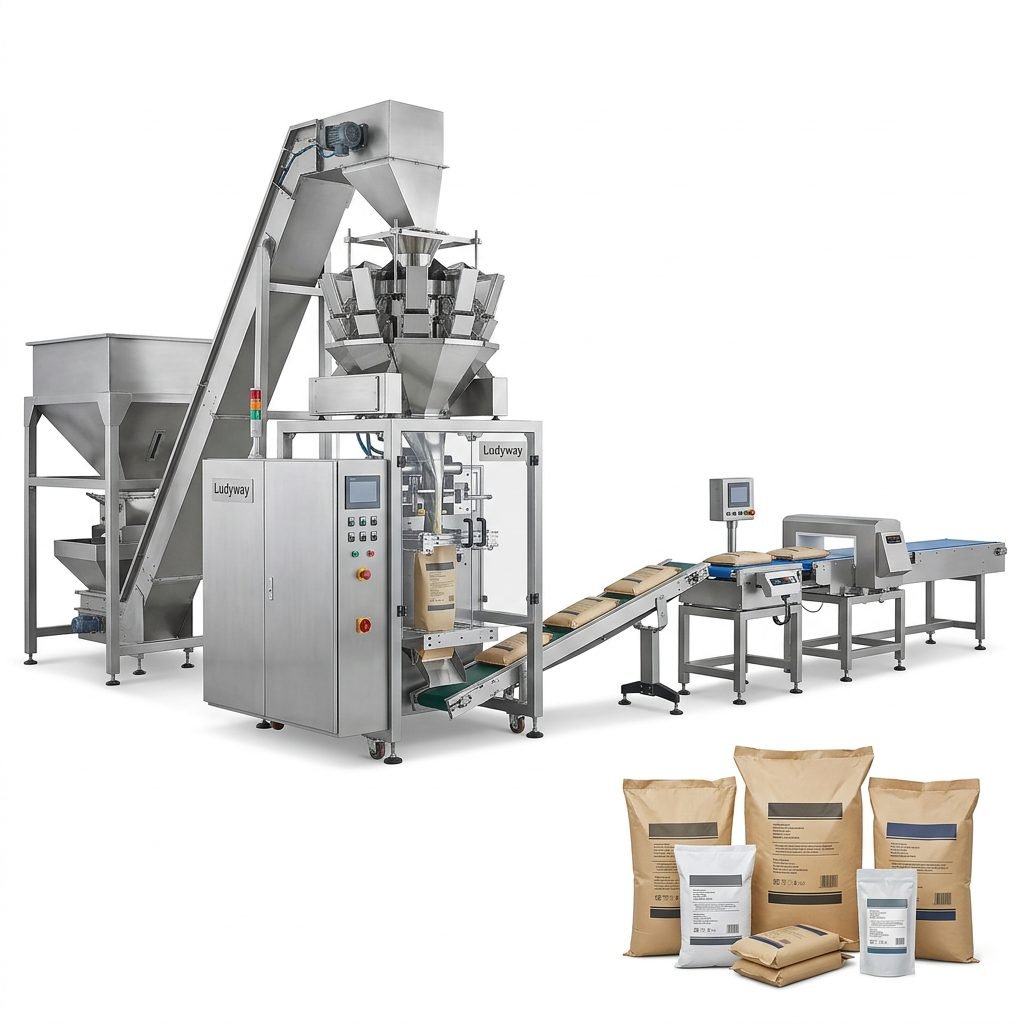
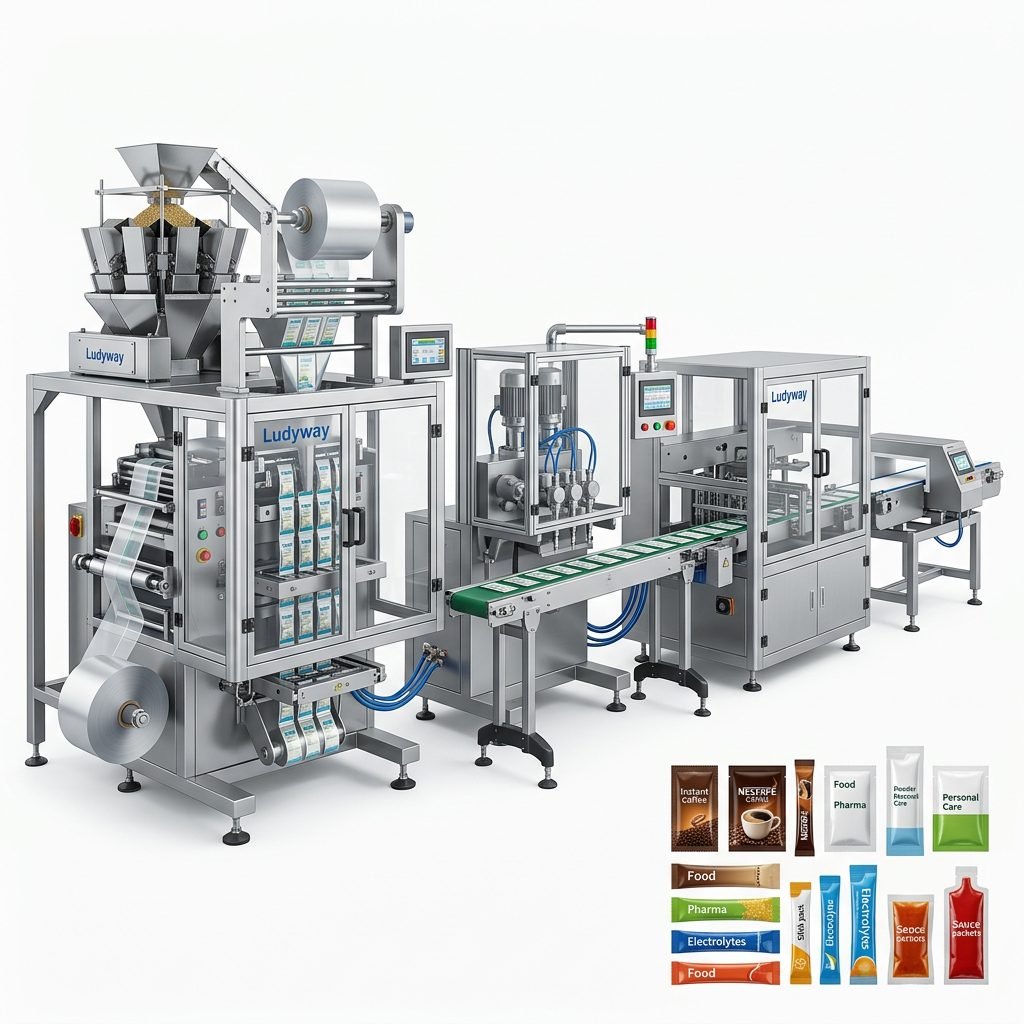
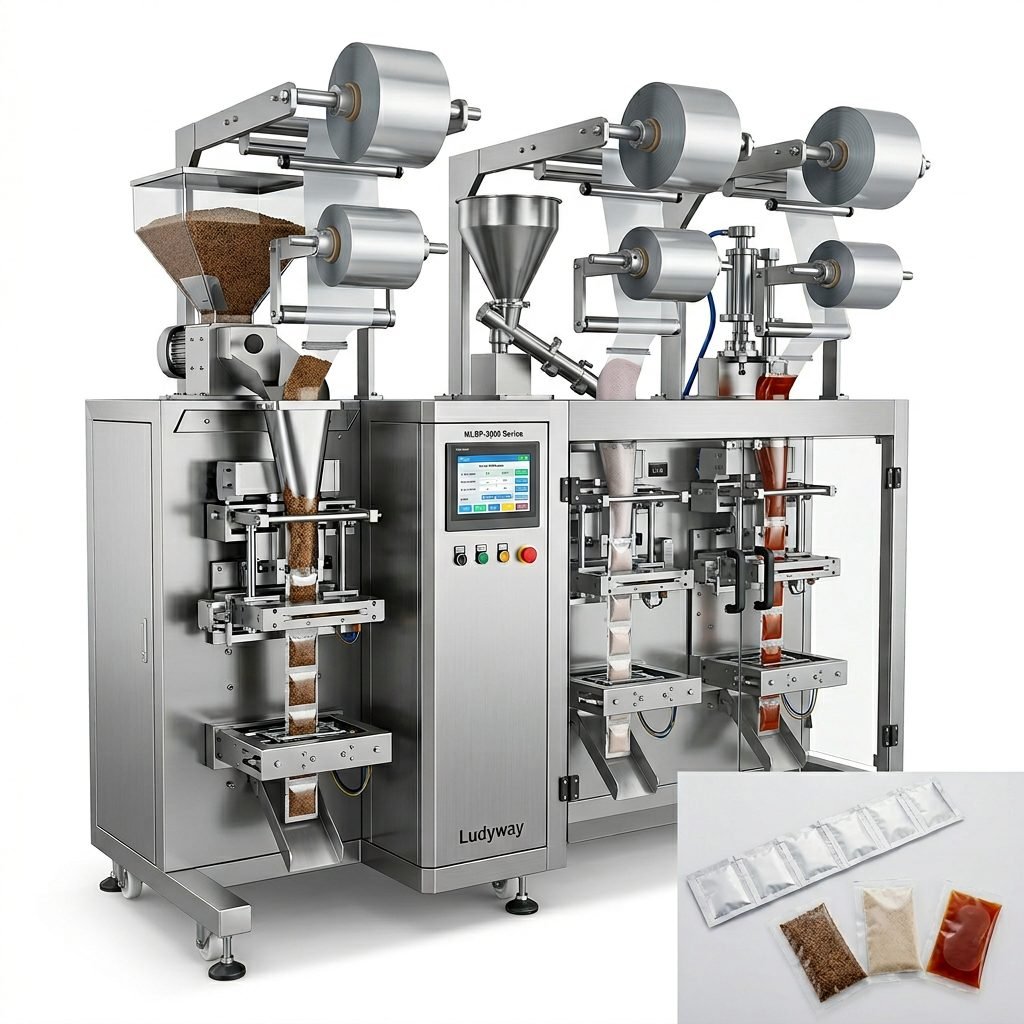
Packaging Format: Specify if you need sachet machines, stick pack machines, pouch packaging systems, or complete turnkey lines. The flexibility to handle multiple formats can be a key advantage.
Industry & Regulations: If you are in the pharmaceutical, food, or health industries, compliance with strict standards (e.g., GMP, FDA, EHEDG) is non-negotiable. German manufacturers are renowned for their adherence to these regulations.
Key Criteria for Evaluating German Manufacturers
With your requirements in hand, you can systematically assess potential partners. German businesses value thoroughness and proven track records.
1. Technical Expertise and Innovation
Look for a manufacturer with deep, demonstrable experience in your specific product category. Review their portfolio for similar applications. German engineering is synonymous with precision and innovation, so inquire about their R&D capabilities, use of advanced materials, and integration of Industry 4.0 features like IoT connectivity and data analytics for predictive maintenance.
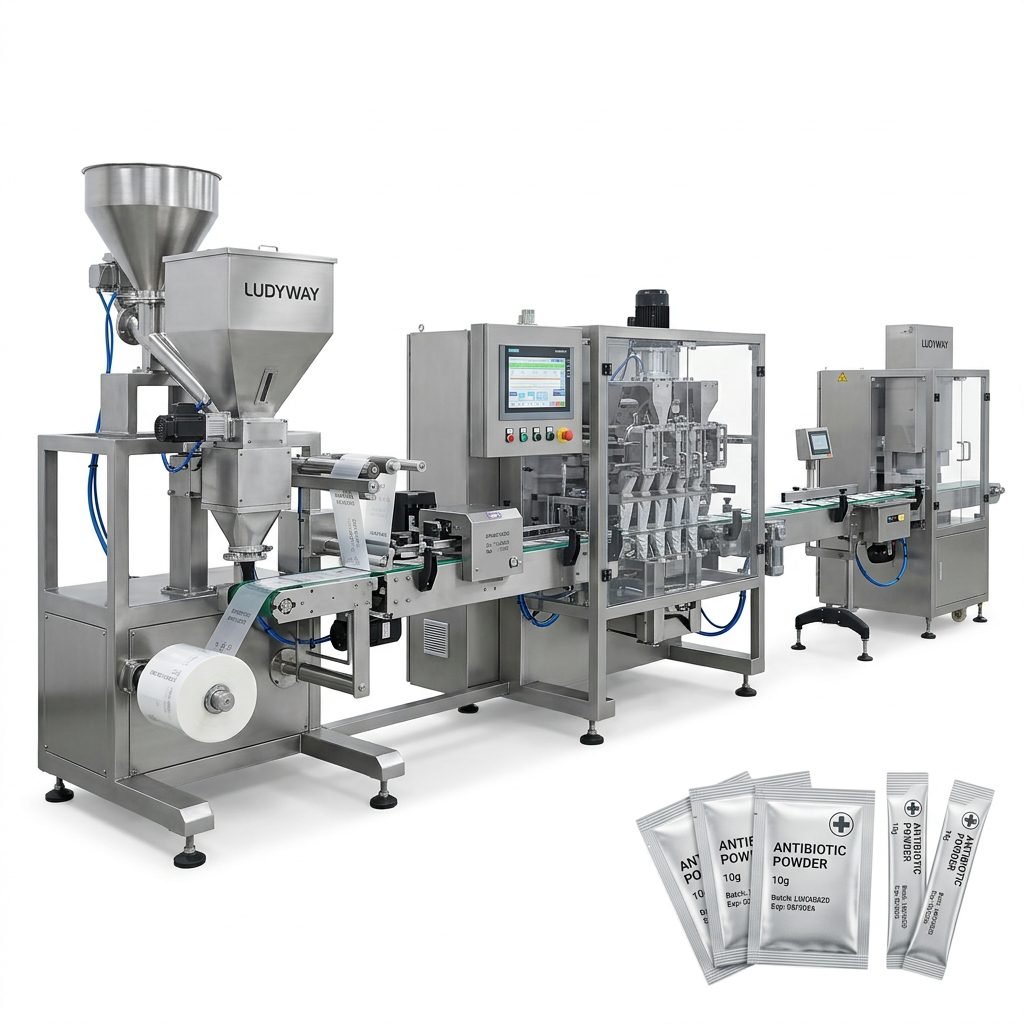
2. Manufacturing Capability and Quality Control
The scale and modernity of a production facility are telling indicators. A manufacturer with a large, modern plant (like Ludyway’s 20,000㎡ facility) typically has better control over supply chains, production schedules, and quality. Inquire about their quality management systems (e.g., ISO 9001), in-house testing procedures, and the robustness of their machine frames and components.
3. Project Support and Service Network
For German clients, after-sales support is as important as the machine itself. Evaluate the manufacturer’s global service network. Do they have trained technicians in Europe or Germany? What are their response times for spare parts and technical support? A strong partner will offer comprehensive services from installation and commissioning to operator training and ongoing maintenance contracts.
The Global Alternative: Partnering with Leading International Suppliers
While Germany hosts excellent domestic manufacturers, many German businesses also successfully partner with top-tier international suppliers to achieve an optimal balance of performance, innovation, and cost-effectiveness. Companies like Ludyway from China have become strategic partners by meeting the high standards demanded by the German market.
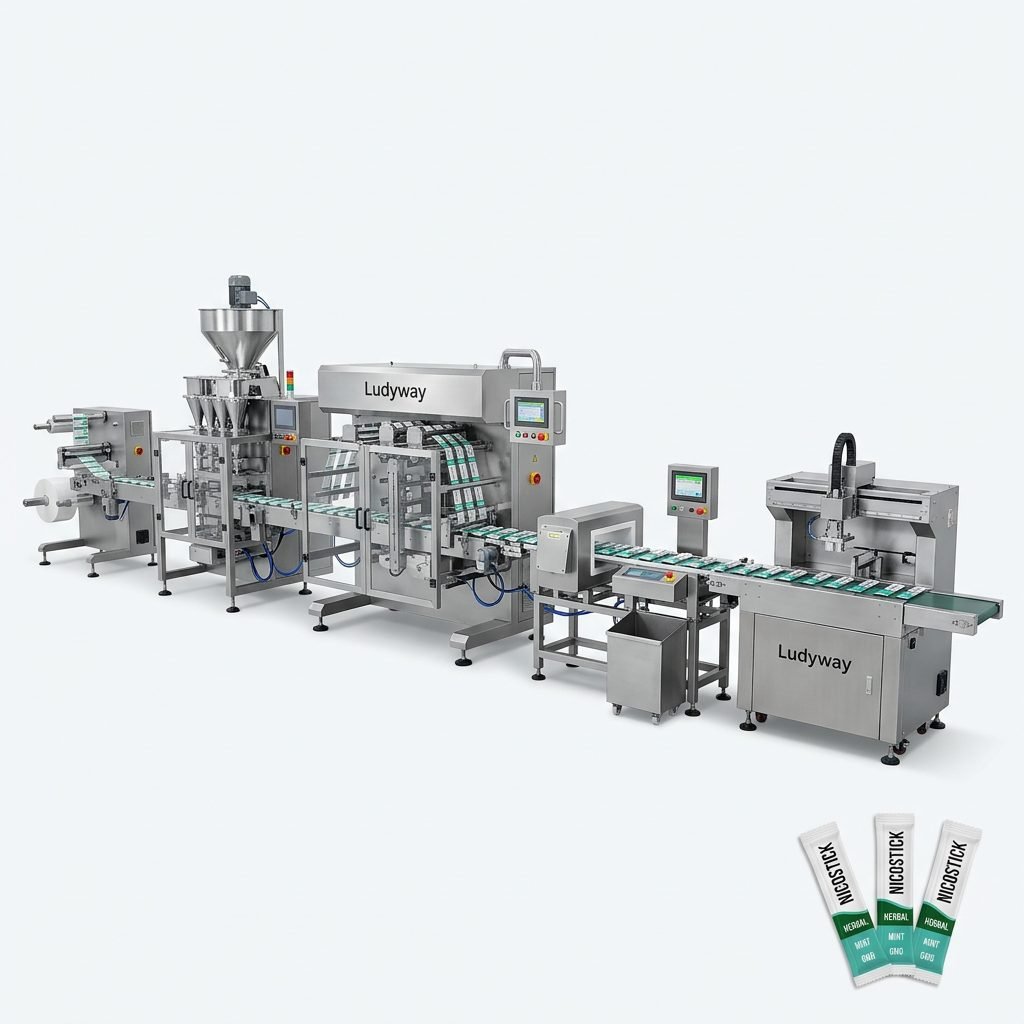
These partnerships work because manufacturers like Ludyway, Packmate Machinery, and PacklineOEM invest heavily in modern manufacturing, employ experienced engineering teams, and build machines designed for reliability and high-speed performance. They offer complete turnkey solutions and customize equipment to integrate perfectly with existing German production lines. For specialized applications like nicotine pouches, companies such as SnusMachinery provide focused expertise.
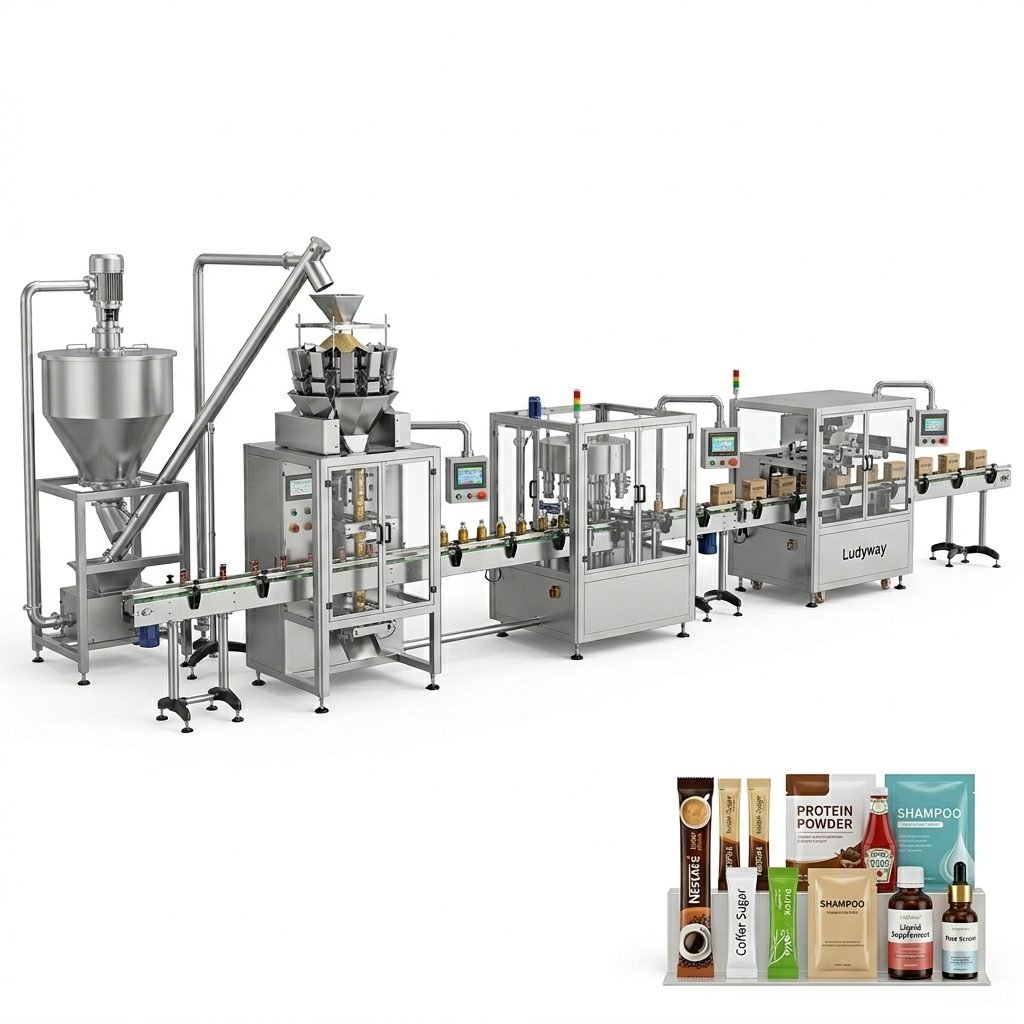
4. Financial Stability and Long-Term Partnership
Packaging machinery is a long-term investment. Assess the manufacturer’s financial health and market reputation. A company with decades of experience and a history of steady growth, like Ludyway with over 30 years in the industry, is more likely to be a reliable partner for the lifespan of your equipment, ensuring ongoing support and access to spare parts.
5. Customization and Flexibility
Off-the-shelf solutions rarely fit perfectly into complex production ecosystems. The ability to customize machine design, control interfaces, and integration points is crucial. Discuss your specific layout, automation interfaces (e.g., with robotic palletizers from PackingMachineOEM), and future scalability needs with potential suppliers.
The Selection and Procurement Process
Engage with shortlisted manufacturers through a structured process:
- Request Detailed Proposals: Provide your full specification sheet and request a formal quotation, including layout drawings, technical data sheets, and a list of recommended spare parts.
- Factory Audit and Reference Visits: If possible, visit the manufacturer’s facility. For international suppliers, many offer virtual tours. Also, ask for contact details of existing clients, preferably in similar industries or regions.
- Total Cost of Ownership (TCO) Analysis: Look beyond the purchase price. Calculate estimated costs for energy consumption, maintenance, spare parts, and potential downtime over 5-10 years.
- Contract Clarity: Ensure the contract clearly defines scope of supply, delivery terms (FOB, CIF), warranty period, performance guarantees (speed, accuracy), and responsibilities for installation and commissioning.
Frequently Asked Questions (FAQs)
Q1: Why should I consider an international manufacturer instead of a local German one?
Many leading international manufacturers, particularly from China, now operate at a technological and quality level that meets stringent German standards. They often provide a compelling value proposition, offering advanced technology and robust construction at a competitive total cost of ownership, with the scalability to support global operations.
Q2: How can I ensure the machine will comply with EU safety and industry regulations?
Reputable international manufacturers design machines to comply with international standards like CE, UL, and industry-specific norms (e.g., GMP for pharma). Always request and verify the relevant certification documents during the technical review phase of your procurement process.
Q3: What is the typical lead time for a custom packaging line from an overseas supplier?
Lead times vary based on complexity and customization. For a standard machine, it might be 3-4 months. For a fully customized turnkey line, it can range from 5 to 8 months. Clear communication and detailed project planning from the outset are key to managing timelines effectively.
Q4: How is after-sales support handled from a distance?
Top manufacturers establish strong local support networks with partners and stockists in key markets like Europe. Support is provided via remote diagnostics, video calls, and a guaranteed supply of critical spare parts. Many also offer on-site commissioning and training by flying their engineers to your facility.
Q5: Can these machines integrate with my existing German or European production line?
Yes, a key strength of experienced manufacturers is designing machines with flexible integration capabilities. They can adapt communication protocols (Profibus, Ethernet/IP), conveyor heights, and control interfaces to seamlessly connect with your upstream and downstream equipment, including robotics and ERP/MES systems.