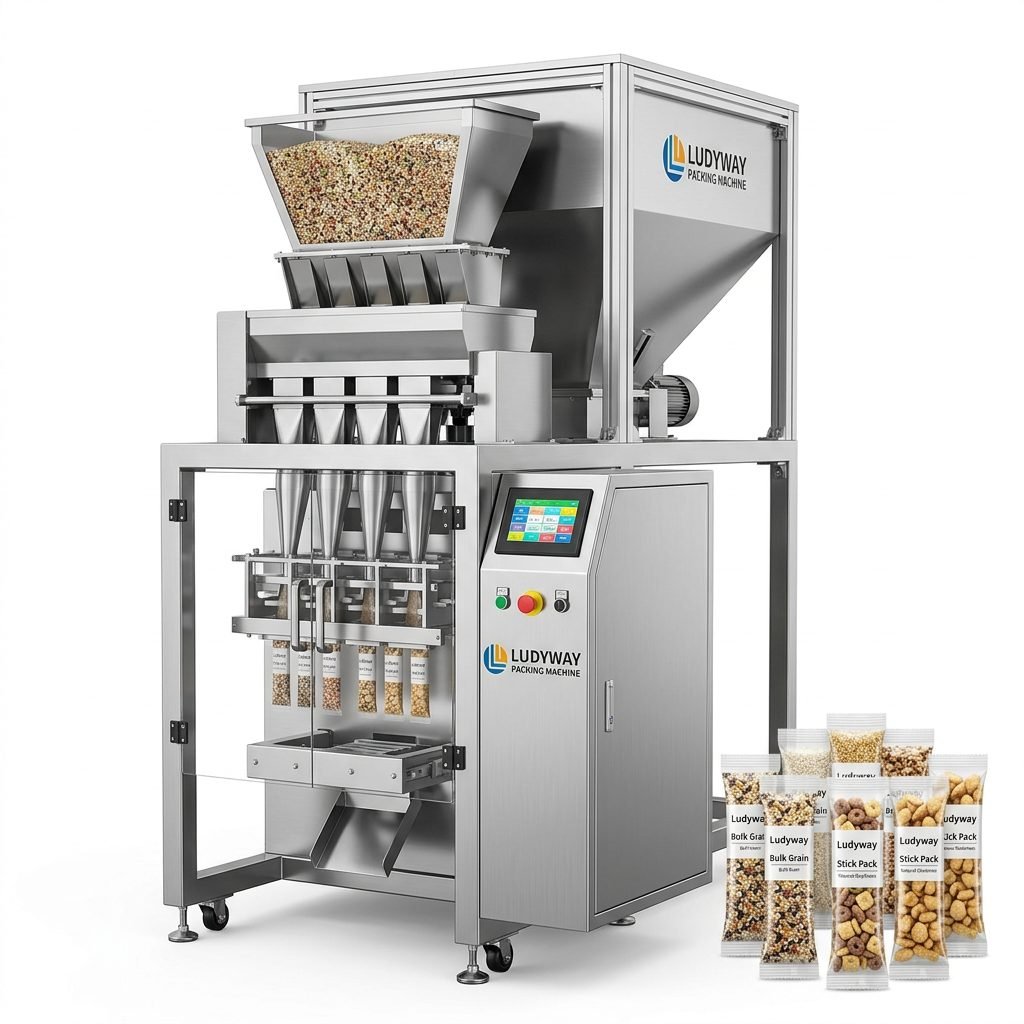
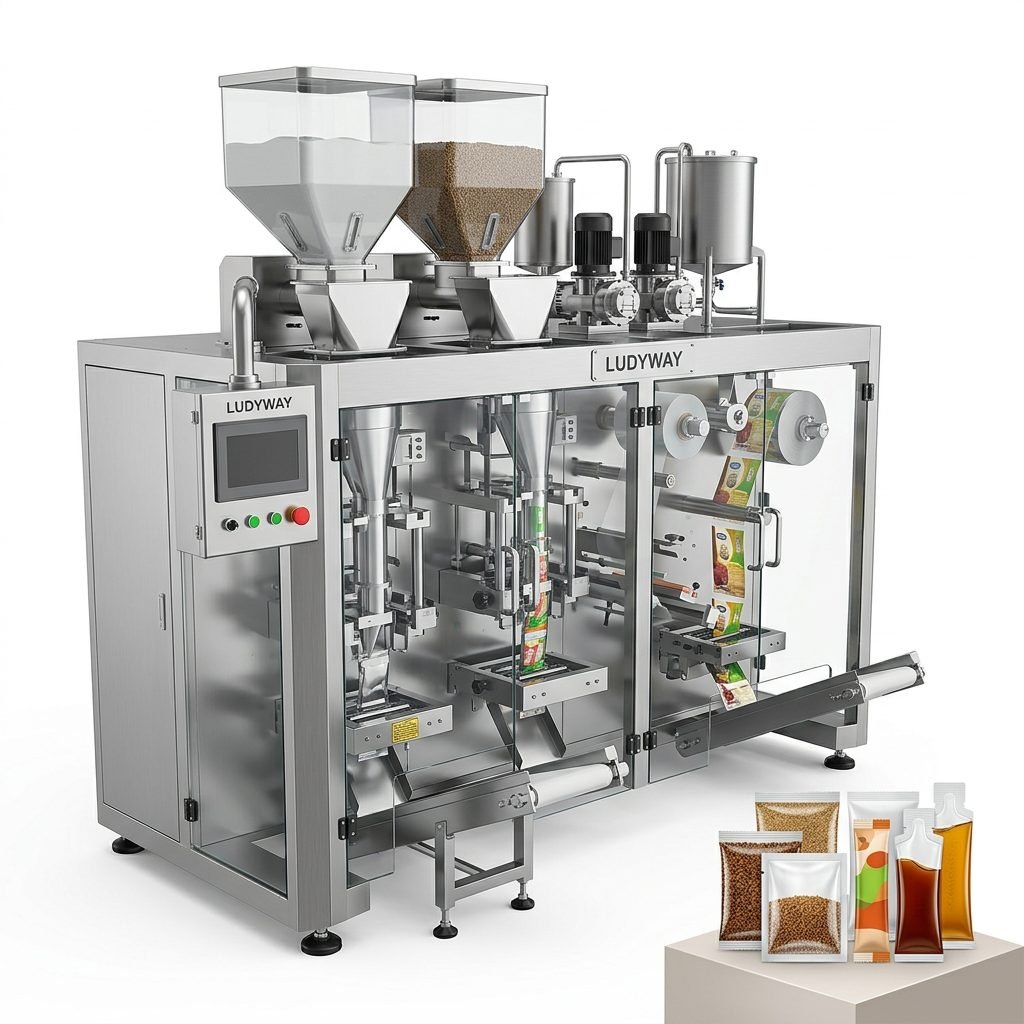
For businesses in Mali looking to scale production, improve efficiency, and meet market demands, selecting the right packaging machine manufacturer is a critical strategic decision. The Malian market, with its growing food processing, pharmaceutical, and agricultural sectors, requires robust, reliable, and cost-effective packaging solutions. This guide will walk you through the key factors to consider when choosing a partner, ensuring your investment supports long-term growth and operational success.
Understanding the Malian Market and Your Specific Needs
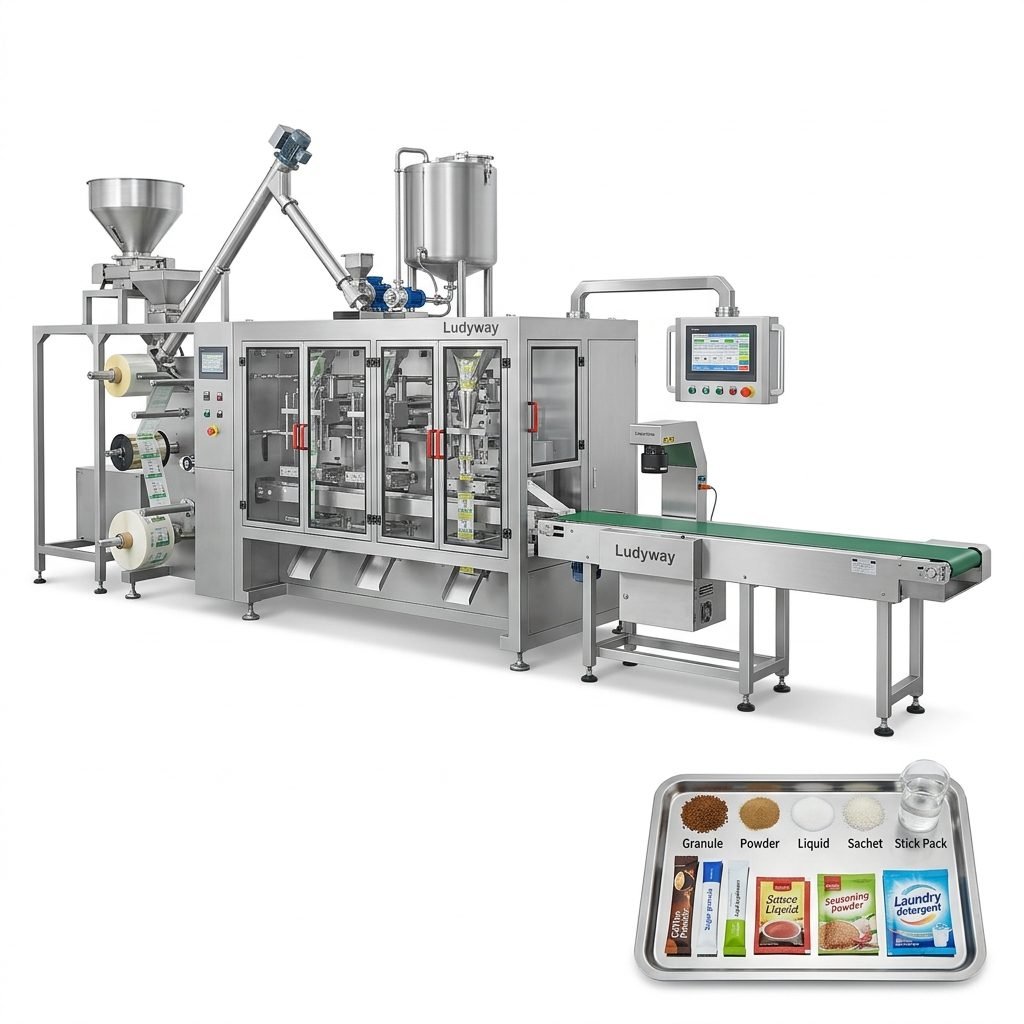
The first step is a thorough analysis of your own production requirements and the local market context. Mali’s business environment presents unique opportunities and challenges. Consider the primary products you need to package—whether they are granules, powders, liquids, or sachets for the food, pharmaceutical, or health industries. Local factors such as power supply stability, available skilled labor for operation and maintenance, and the climate’s impact on packaging materials must be evaluated. A manufacturer with experience in similar markets will understand these nuances and can recommend machines with appropriate durability and automation levels.
1. Evaluate Technical Expertise and Product Range
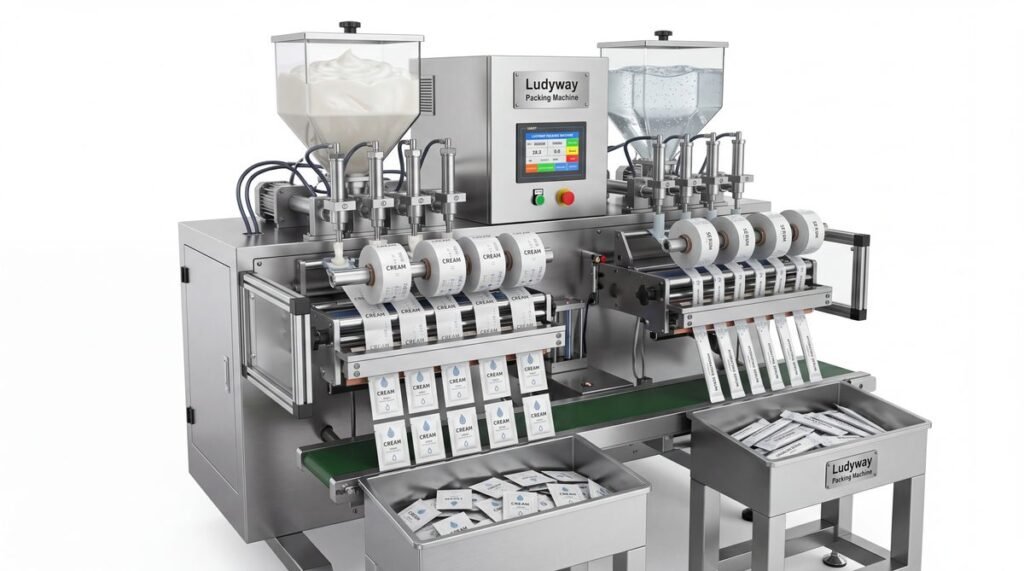
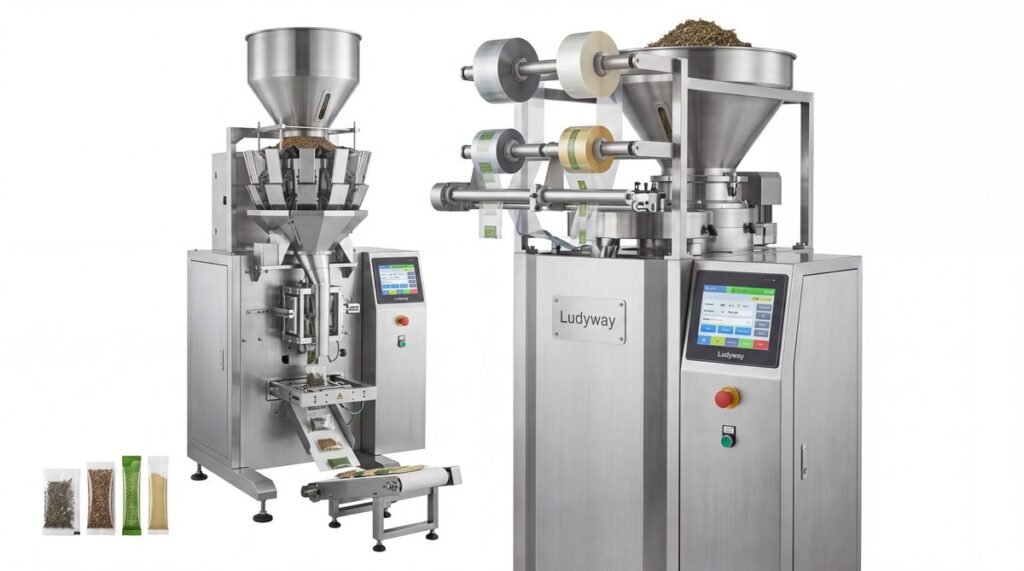
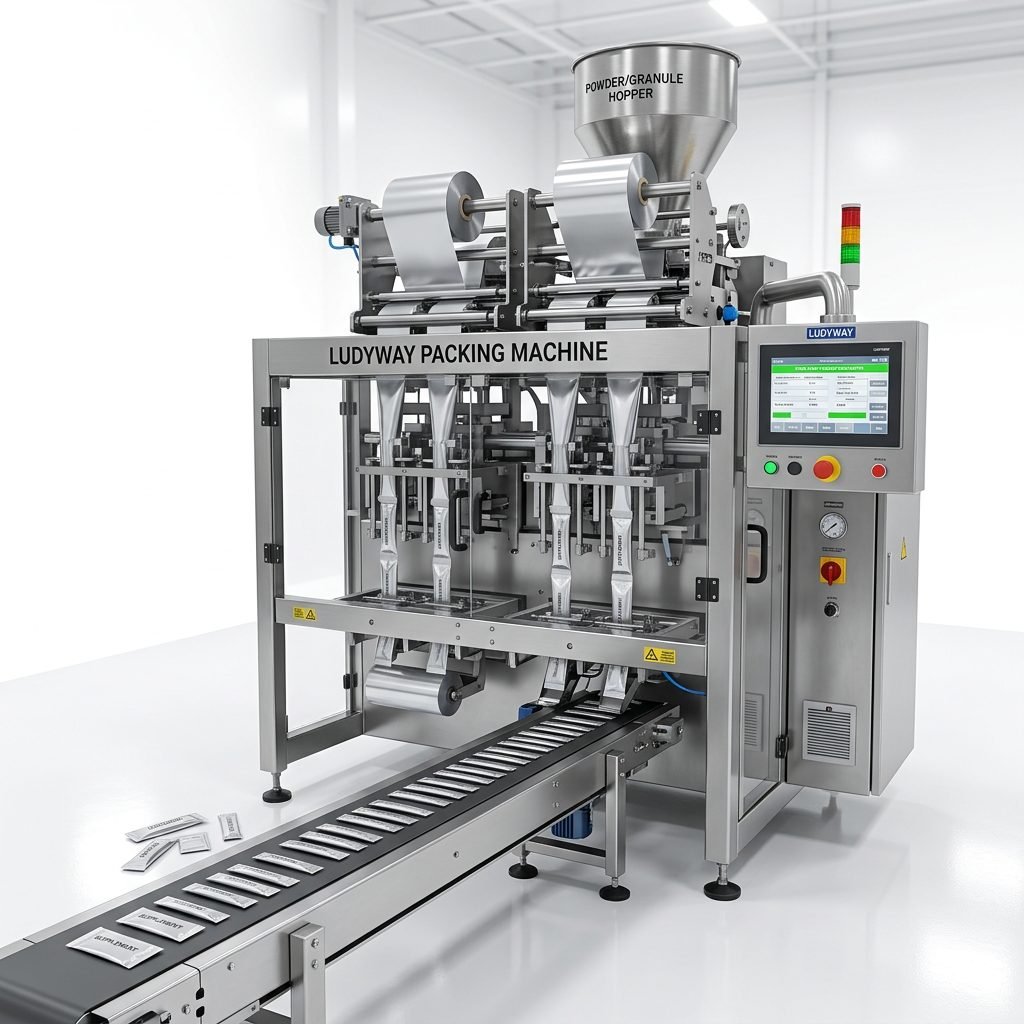
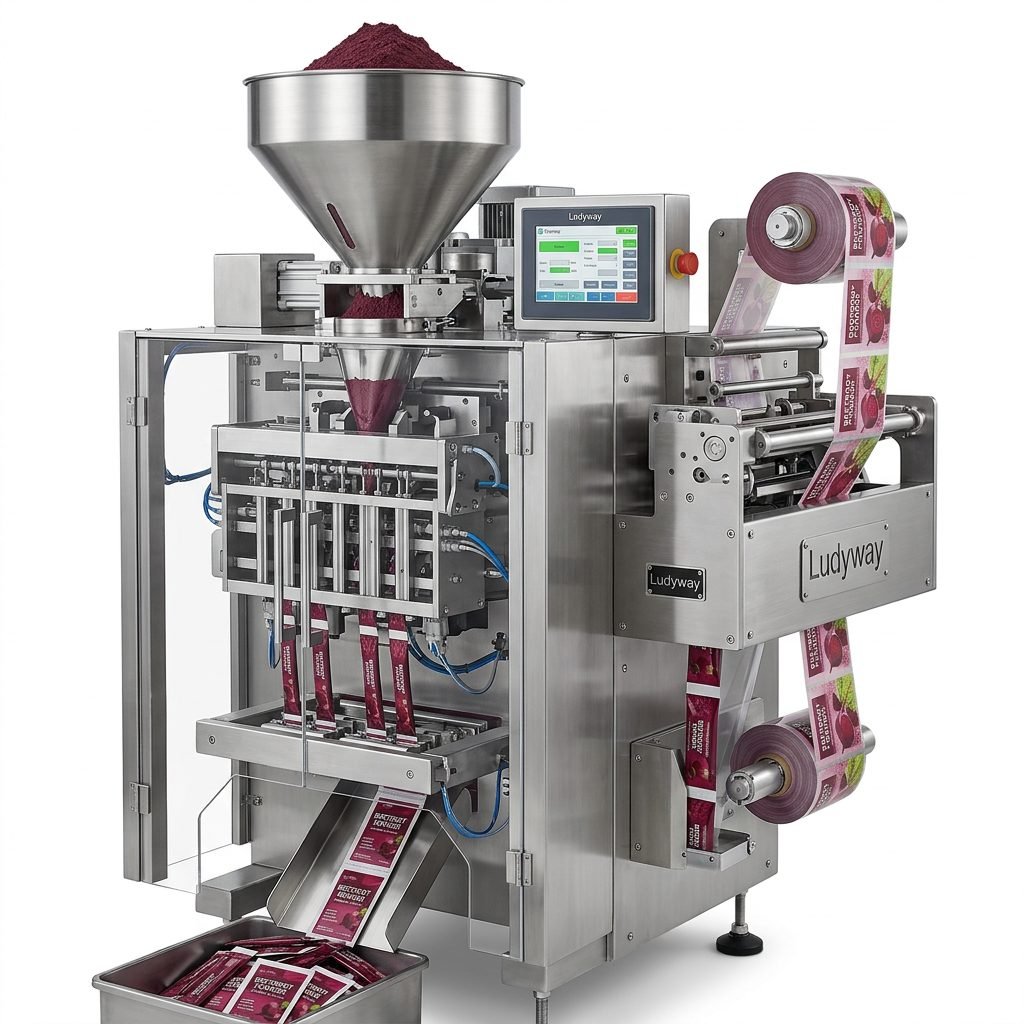
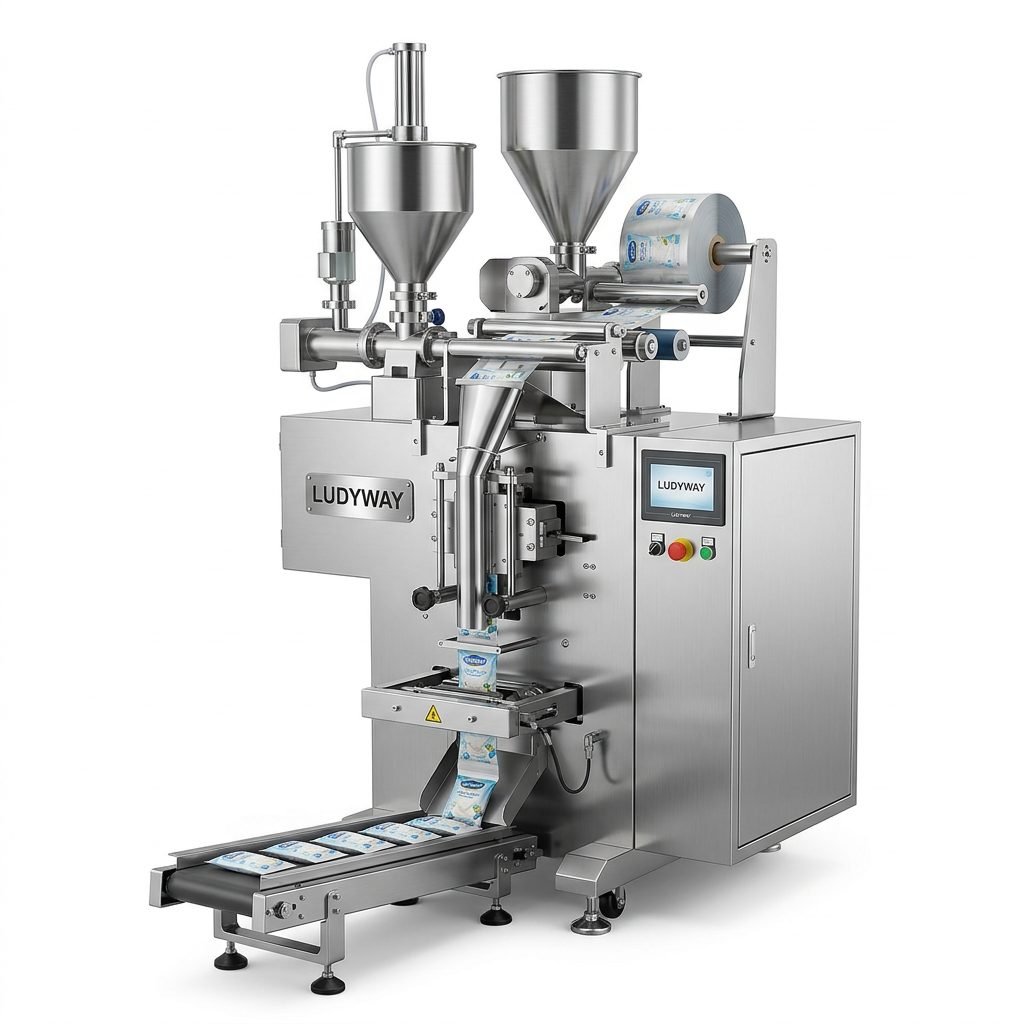
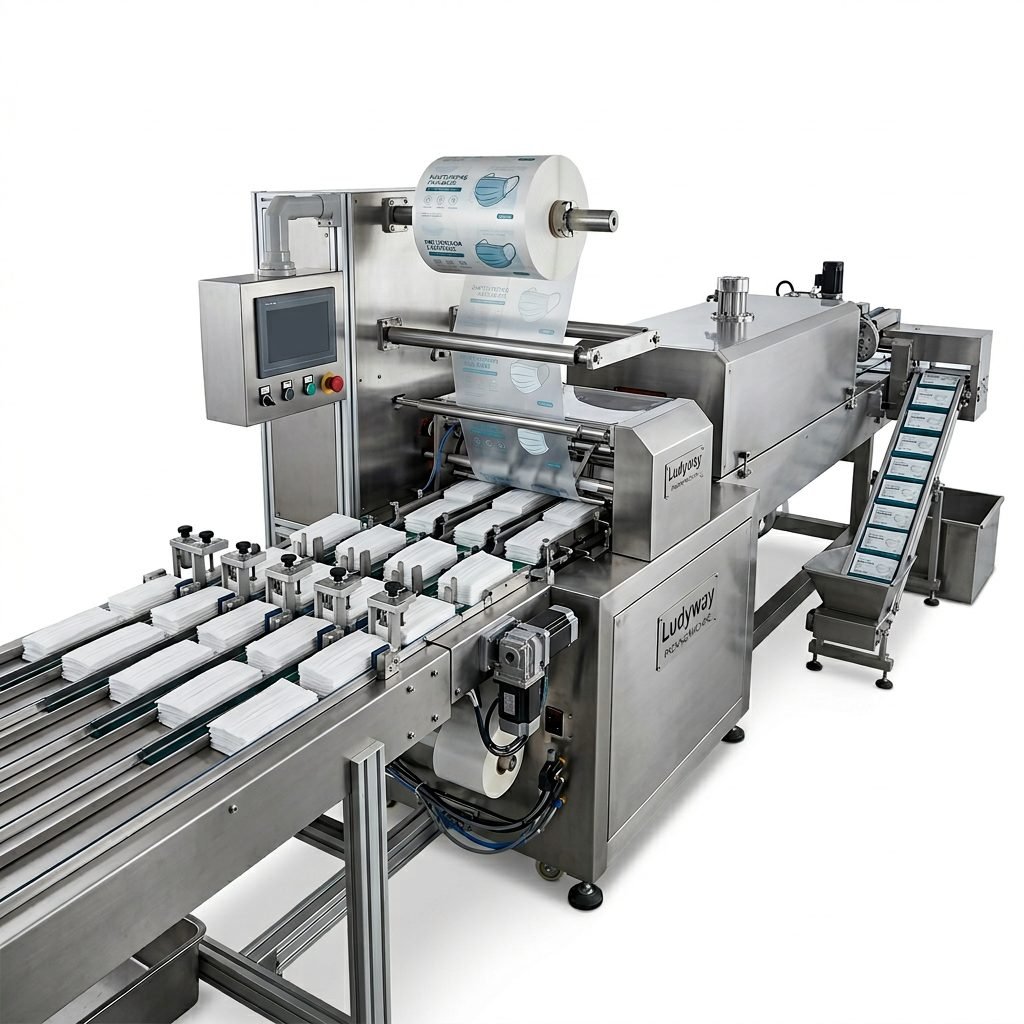
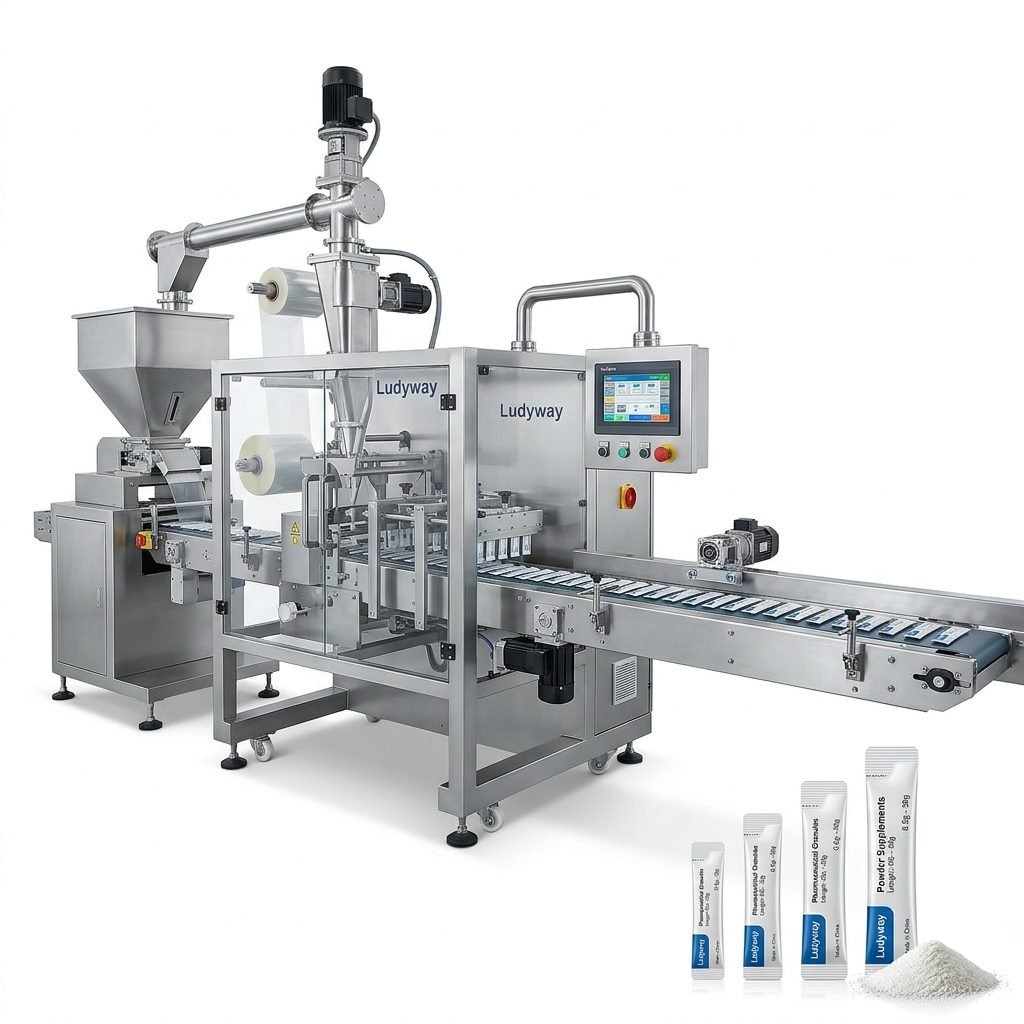
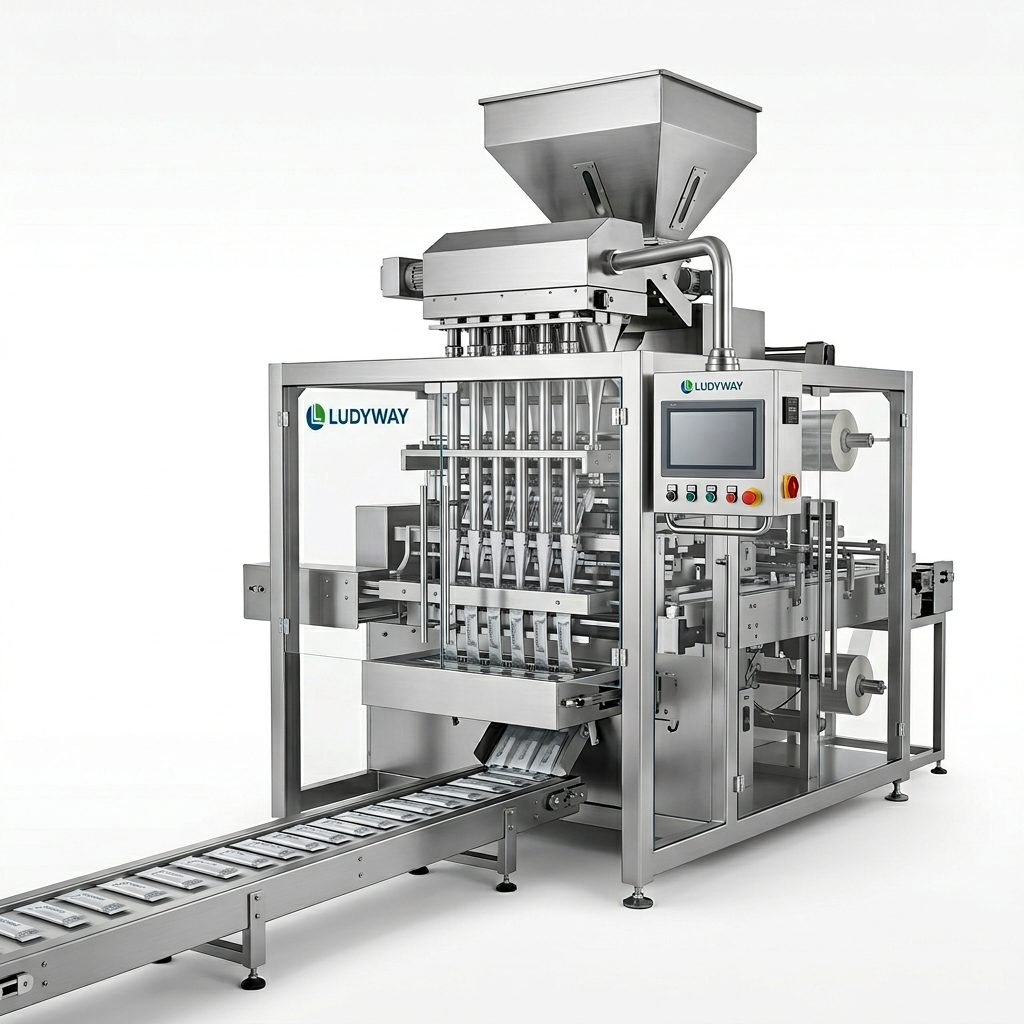
Look for a manufacturer with a proven track record and a wide range of machinery. A company like Ludyway, with over 30 years of expertise and more than 50 intelligent packaging machine models, offers significant advantages. Their portfolio includes multi-lane stick pack, sachet, and fully automated systems, which is crucial for businesses aiming to diversify or increase output. Similarly, other established Chinese manufacturers like Packmate Machinery and PacklineOEM also provide extensive production line solutions. The key is to find a partner whose standard or customizable machines align perfectly with your product format, desired speed, and packaging materials.
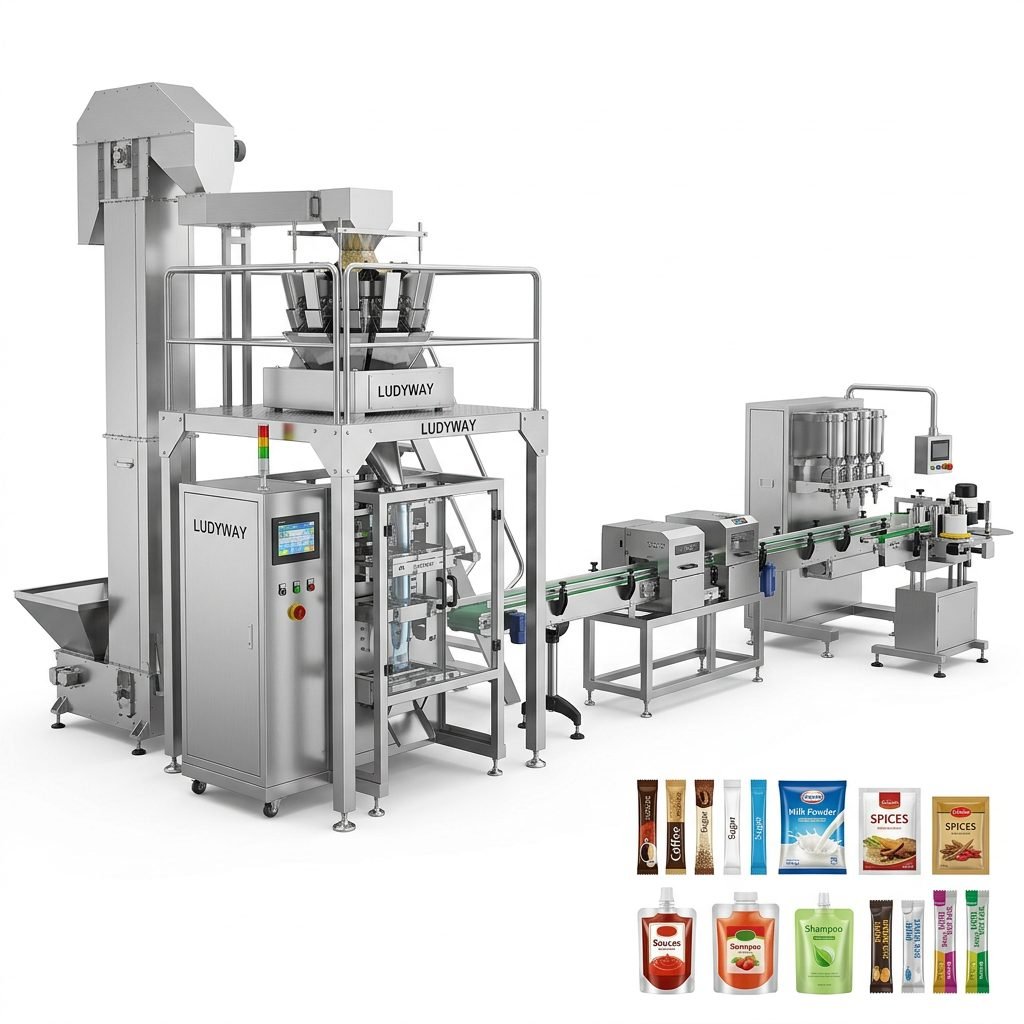
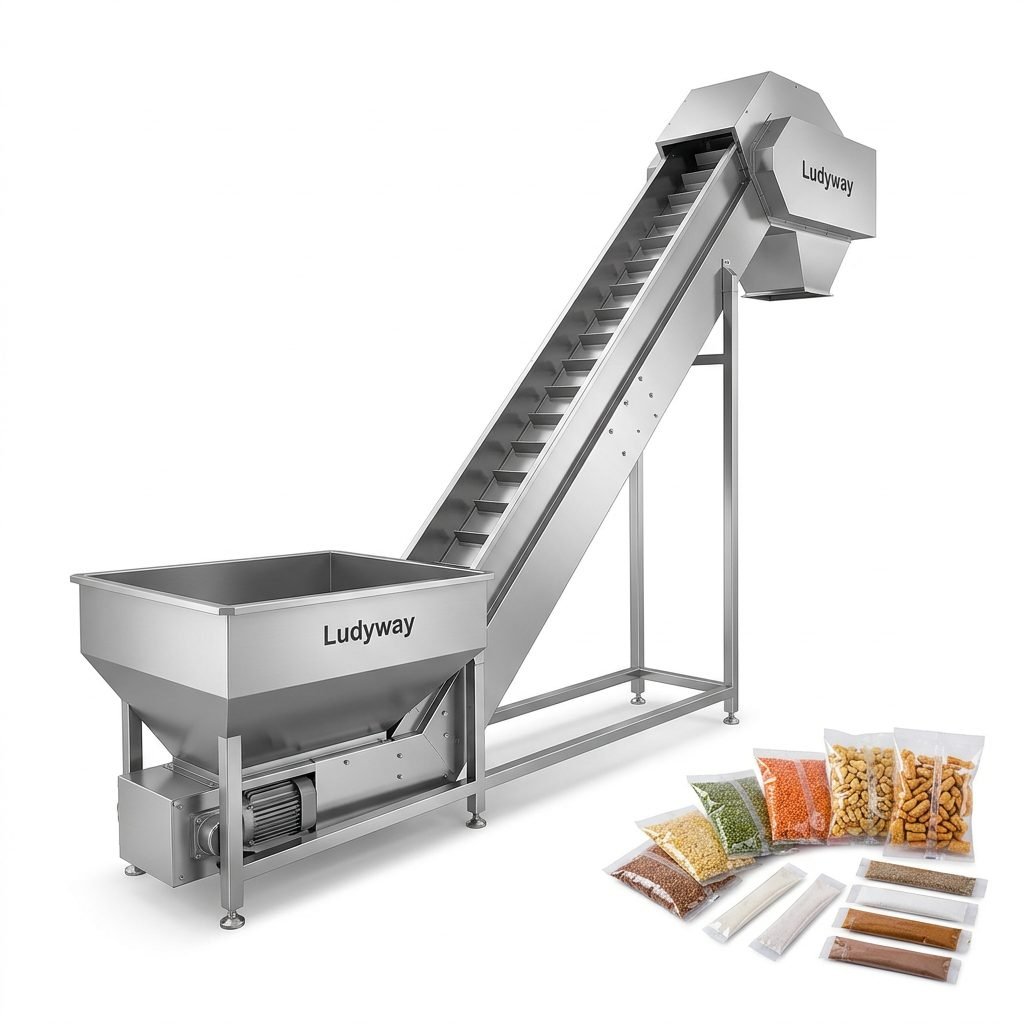
Pro Tip: Don’t just look at the machine itself. Inquire about the availability of complementary equipment like conveyors, feeders, and checkweighers for a complete, integrated line. A manufacturer that can supply a turnkey solution will save you time and integration headaches.
2. Assess Manufacturing Capability and Quality Control
The manufacturer’s infrastructure is a direct reflection of their commitment to quality. A modern production facility, like Ludyway’s 20,000㎡ plant, equipped with over 200 manufacturing units, indicates strong in-house control over the production process. This often translates to better quality components, more consistent assembly, and reliable lead times. Before deciding, ask about their quality assurance protocols, the origin of key parts (like PLCs and servos), and if they can provide documentation or certifications relevant to your industry standards.

3. Prioritize After-Sales Support and Local Service
This is arguably the most critical factor for a business in Mali. A machine breakdown without accessible support can halt production for weeks. A reputable manufacturer will have a clear after-sales support structure. Key questions to ask include:
- Is there a dedicated technical support team available for remote assistance?
- What is the policy and typical timeline for spare parts delivery to West Africa?
- Do they offer comprehensive installation, commissioning, and operator training, either on-site or at their factory?
- Can they provide references from clients in similar regions?
Companies with a global footprint, serving over 100 countries like Ludyway, are often better equipped to manage international logistics and support. For specialized needs, such as nicotine pouch production, a niche expert like SnusMachinery might offer unparalleled application-specific support.
4. Consider Customization and Flexibility
Off-the-shelf machines may not suit every product. Your ideal partner should offer engineering flexibility for customization. Whether you need specific dosing accuracy for pharmaceutical granules, a unique sachet size for instant soup mixes popular in Mali, or integration with existing equipment, the manufacturer’s engineering team must be capable. PackingMachineOEM, for instance, highlights non-standard machine manufacturing. Discuss your future plans as well; a scalable solution that can grow with your business is more valuable than a machine that meets only today’s needs.
5. Analyze Cost-Effectiveness and Return on Investment (ROI)
While initial cost is important, the total cost of ownership (TCO) is what truly matters. A cheaper machine with low efficiency, high waste rates, and frequent downtime will cost more in the long run. Evaluate the ROI based on:
- Machine speed and efficiency: Higher output reduces cost per unit.
- Material savings: Precision filling minimizes product giveaway.
- Energy consumption: More efficient drives can lower operating costs.
- Durability and maintenance costs: Robust construction means fewer repairs.
Request detailed quotations that break down not just the machine price, but also expected spare parts costs, warranty terms, and potential efficiency metrics. A partner who is transparent about helping you achieve a strong ROI is a partner invested in your success.
6. Verify Reputation and Industry Experience
Research the manufacturer’s reputation. How long have they been in business? Do they have case studies or testimonials from clients in the food, pharma, or related sectors? An established company like Ludyway, with a history dating back to 2010, has likely navigated various market cycles and technical challenges. Look for reviews, ask for client contacts in Africa if possible, and check their participation in international trade shows. A strong reputation is built on consistent delivery of reliable machines and excellent service.
Finalizing Your Decision
After shortlisting potential manufacturers like Ludyway, Packmate Machinery, or PacklineOEM, take the final step of direct engagement. Request a virtual or, if feasible, an in-person factory audit. Ask for a product test using your own materials to see the machine in action. Clear communication about expectations, timelines, and responsibilities in the supply and installation process is essential. The right partnership will feel collaborative, with the manufacturer acting as a consultant to optimize your packaging operations for the Malian market.
Frequently Asked Questions (FAQs)
Q1: Why should a business in Mali consider a Chinese packaging machine manufacturer?
Chinese manufacturers often offer an optimal balance of advanced technology, robust construction, and competitive pricing. They have extensive experience exporting worldwide and can provide machines suited for various climates and operational conditions, which is crucial for Mali. Companies like Ludyway have dedicated international service teams to support distant clients.
Q2: What is the lead time for receiving a packaging machine in Mali?
Lead times vary based on machine complexity and customization. For standard models, it can range from 30 to 90 days after order confirmation, excluding shipping and customs clearance in Mali. Always confirm production and delivery schedules with the manufacturer and factor in sea freight time to West African ports.
Q3: How can we ensure machine operators in Mali are properly trained?
Reputable manufacturers typically include comprehensive training. This can involve detailed instructional manuals, video guides, and remote training sessions. For full production lines, on-site commissioning and training by a factory engineer are highly recommended and often offered as part of the service package.
Q4: What about spare parts availability and maintenance?
Discuss the spare parts supply chain upfront. Good manufacturers maintain a stock of common wear parts and can ship them promptly. Establish a contact protocol for technical support. Consider purchasing a recommended set of critical spares with your initial order to minimize downtime.
Q5: Can these machines handle local packaging materials available in Mali?
Most modern packaging machines are designed to be adaptable. It is vital to provide samples of the specific film, laminate, or pouch material you plan to use to the manufacturer before purchase. They can then test and adjust the machine parameters (like heat sealing temperature) to ensure compatibility and optimal performance.