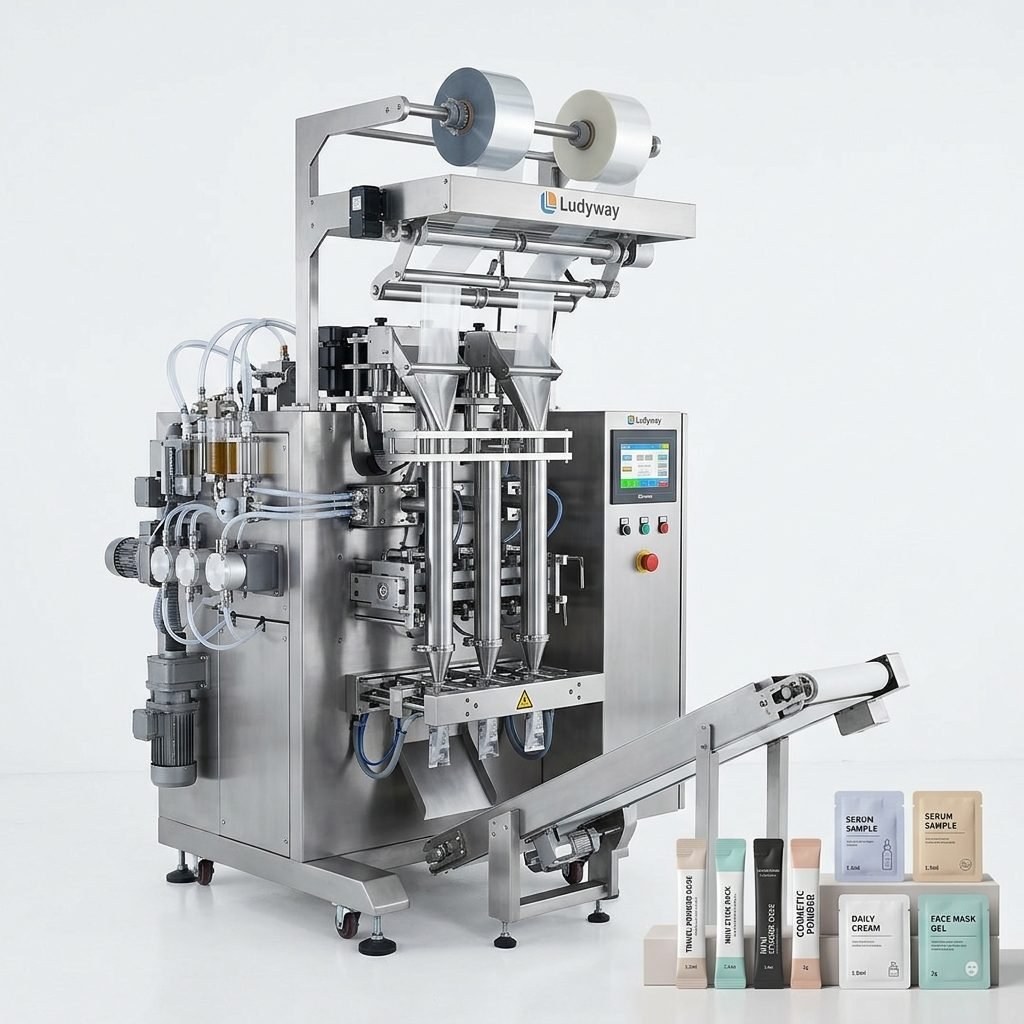
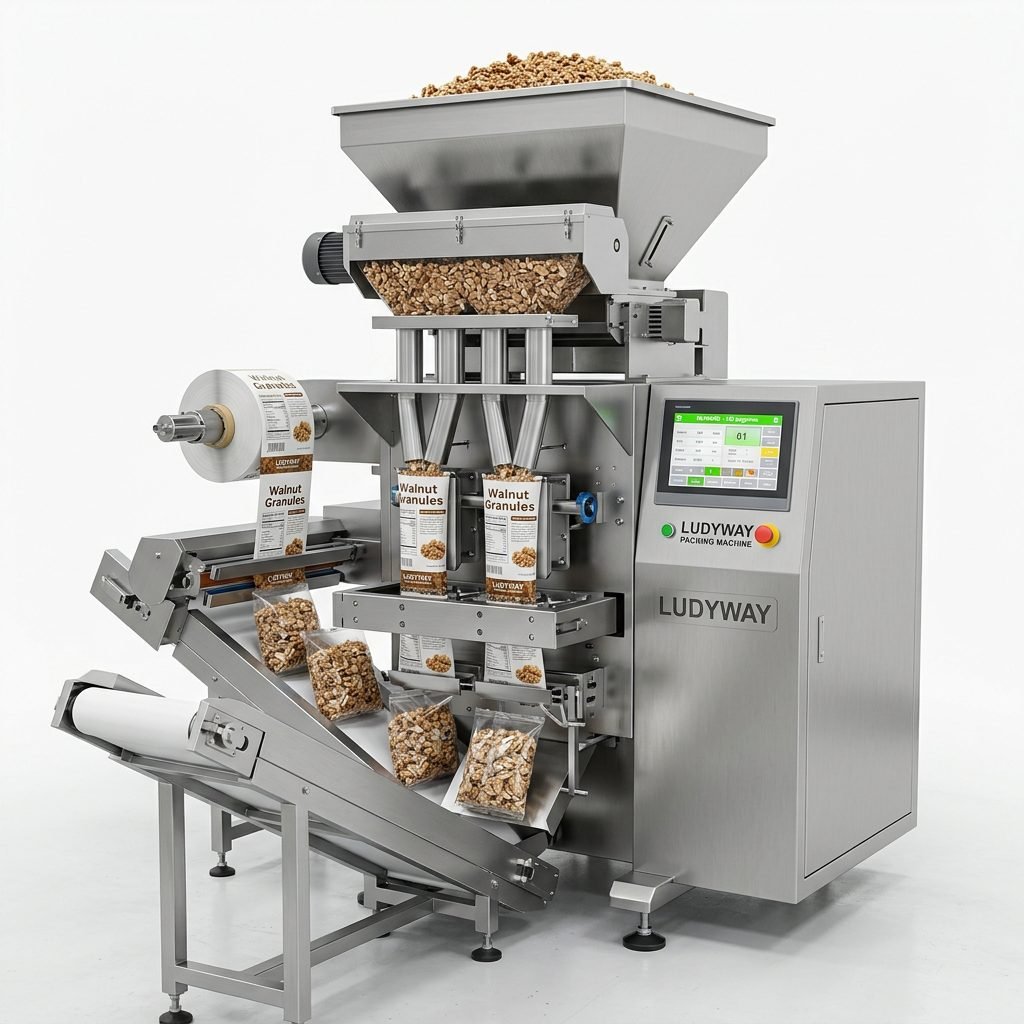
Investing in a standing pouch packaging machine is a strategic decision that directly impacts your production efficiency, product shelf appeal, and long-term operational costs. With the rapid growth of the flexible packaging industry, manufacturers across food, pharmaceutical, and chemical sectors are transitioning from rigid containers to stand-up pouches for their lightweight nature and extended shelf life.
However, the sheer variety of equipment options available today can be overwhelming. From intermittent to continuous motion, from pre-made pouch fillers to vertical form-fill-seal (VFFS) configurations, each machine type serves distinct production needs. Selecting the wrong system can lead to costly bottlenecks, material waste, and limited scalability. This comprehensive buyer’s guide will walk you through every critical consideration, helping you make an informed investment that aligns with your current requirements and future growth.
Understanding Standing Pouch Packaging Machine Types
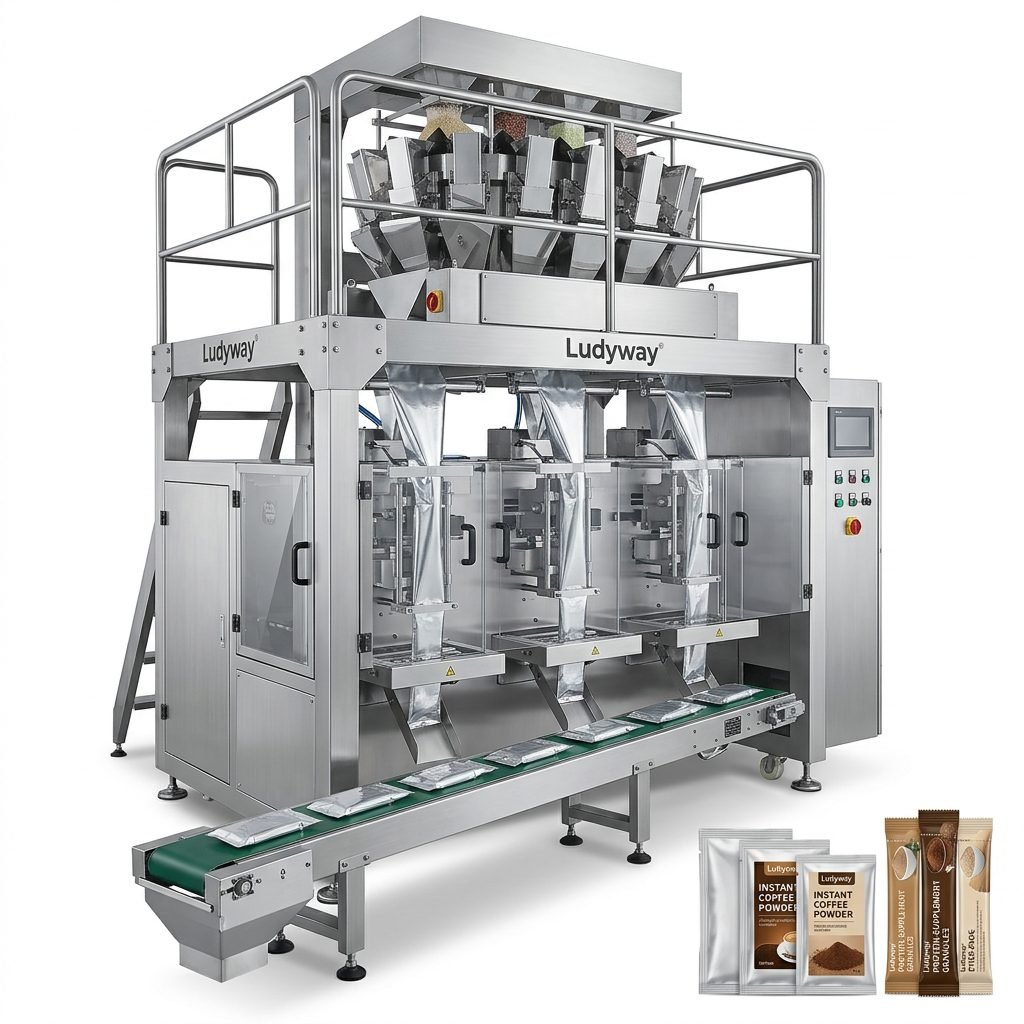
Before exploring technical specifications, you must first identify which machine configuration best suits your production environment. The packaging machinery landscape generally divides into three primary categories, each engineered for specific operational scales and product characteristics.
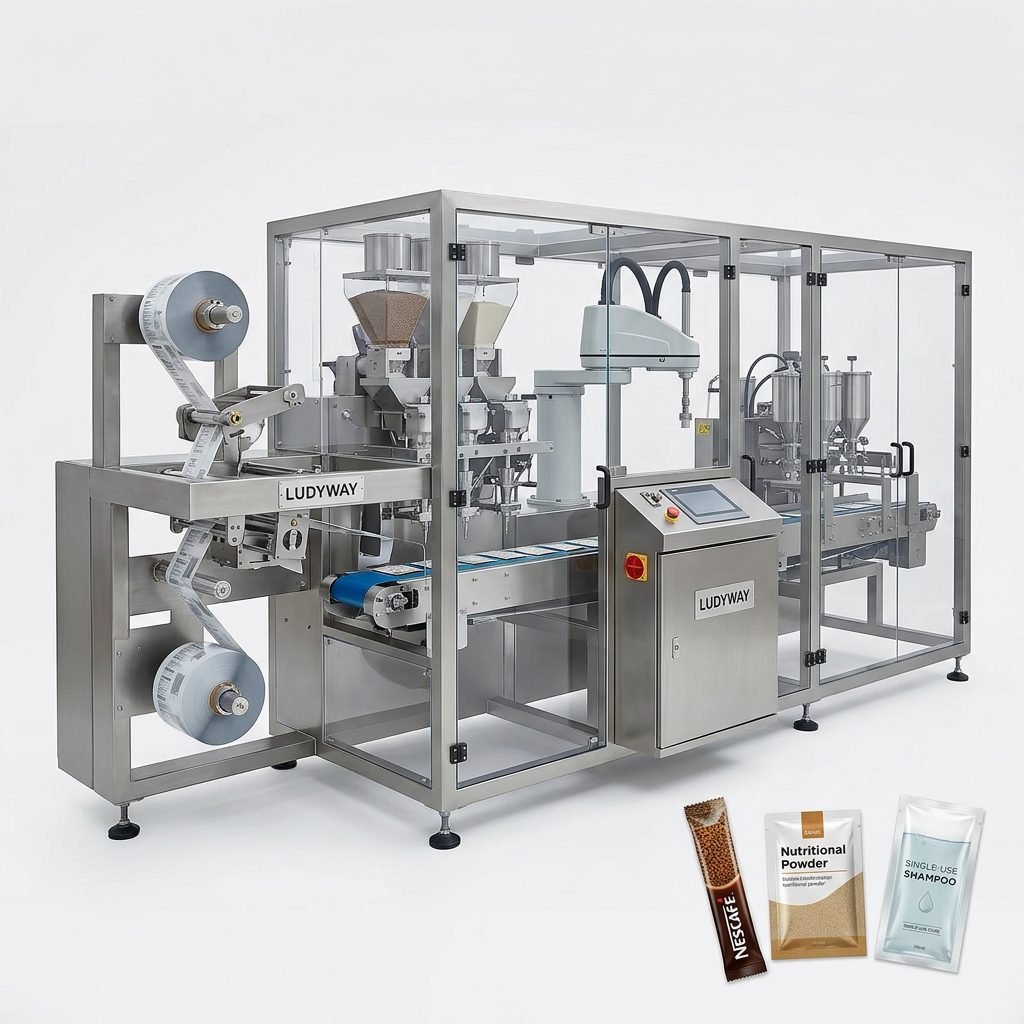
Pre-Made Pouch Filling & Sealing Machines
Rotary or inline systems that take pre-formed pouches from a magazine, open them with suction or mechanical grippers, fill product, and then seal. These systems excel in versatility, handling a wide range of pouch styles including stand-up, spouted, and zipper-reclosable formats. They are particularly popular for premium products like specialty foods and pet treats, where pouch presentation quality is critical.
- Ideal for medium to high production volumes (30-80 pouches per minute)
- Minimal changeover time between different pouch sizes
- Higher upfront investment but lower material waste
- Compatible with a broad range of pre-made pouch materials
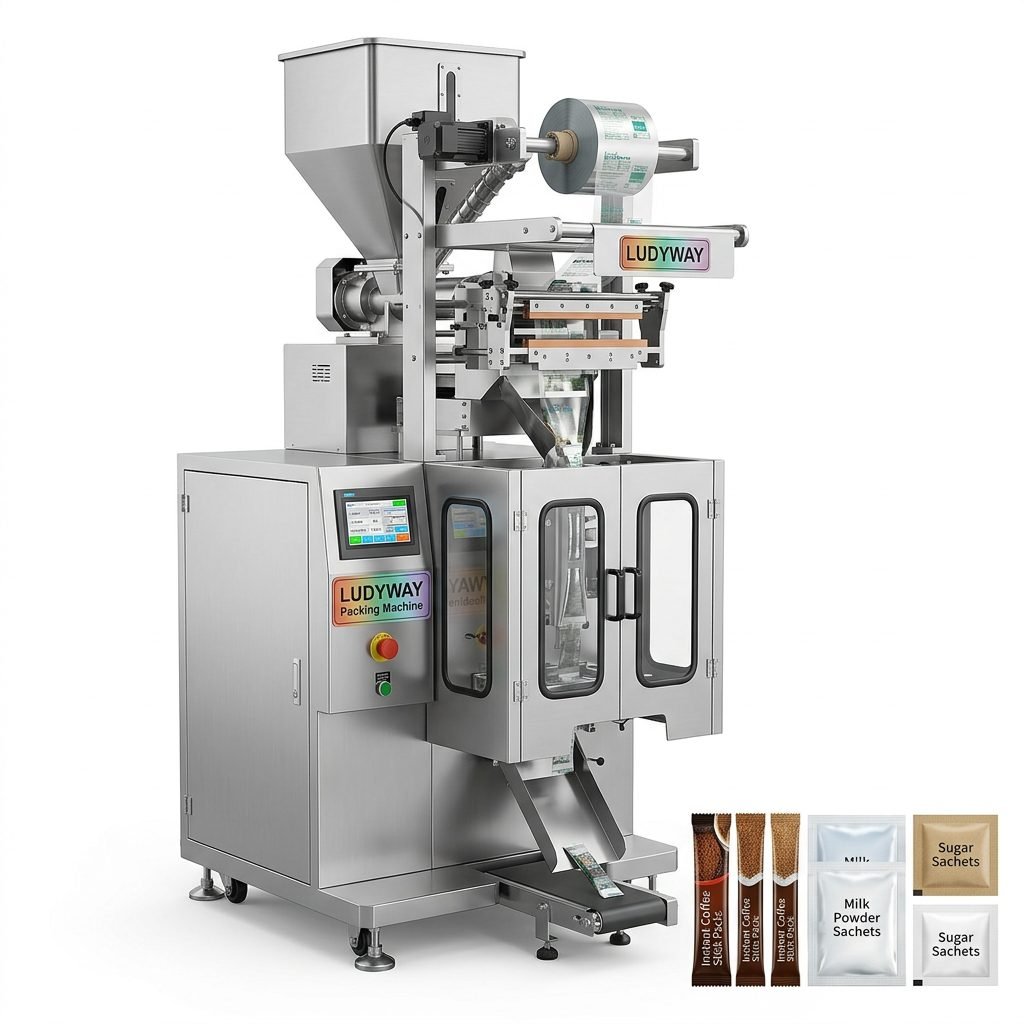
Vertical Form-Fill-Seal (VFFS) Pouch Machines
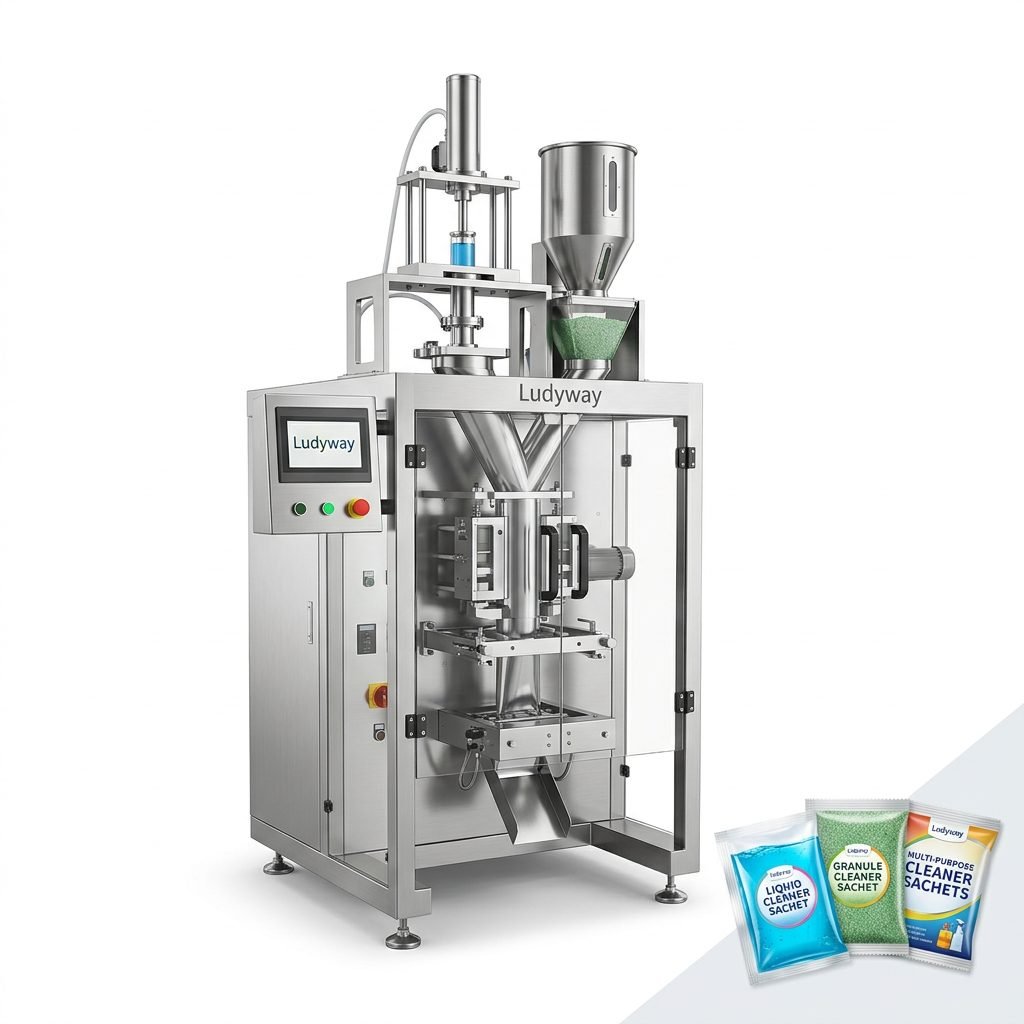
These machines form pouches from a roll of flexible packaging film, fill product through a vertical tube, and seal each pouch continuously. VFFS technology dominates high-volume operations, particularly in the snack food, powder, and granule industries. The continuous motion design achieves significantly higher throughput compared to pre-made pouch systems.
- Suited for high-speed production (60-180+ pouches per minute)
- Lower per-pouch material cost compared to pre-made pouches
- Excellent for free-flowing granular and powder products
- Compact footprint with integrated pouch forming
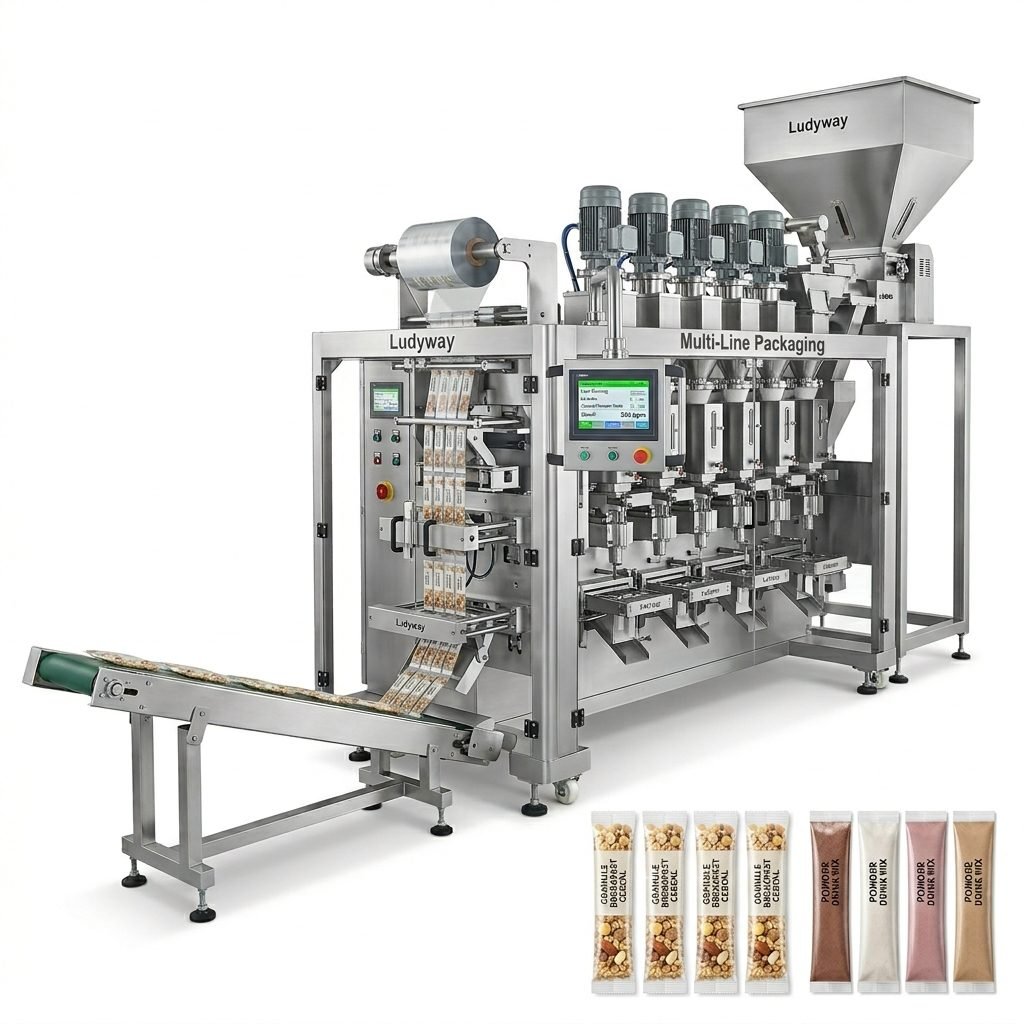
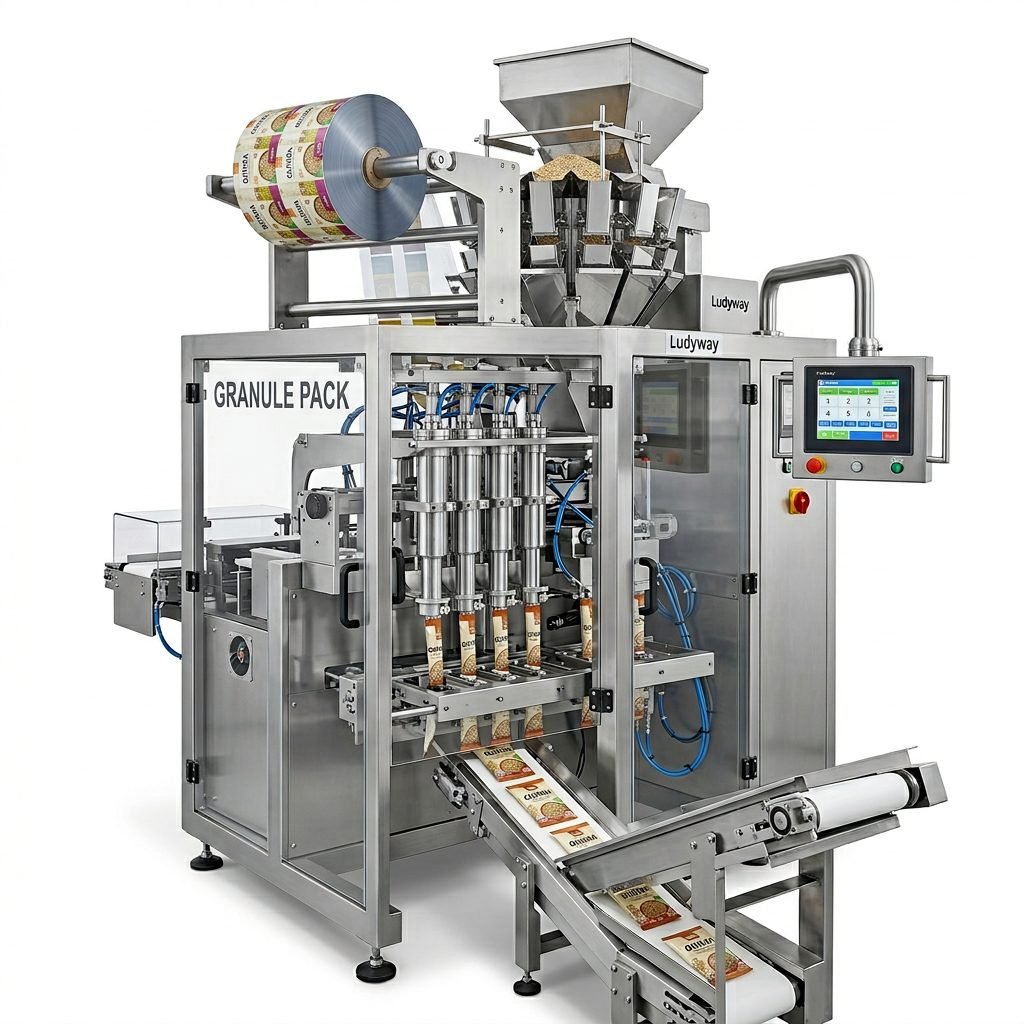
Multi-Lane Stick Pack & Sachet Systems
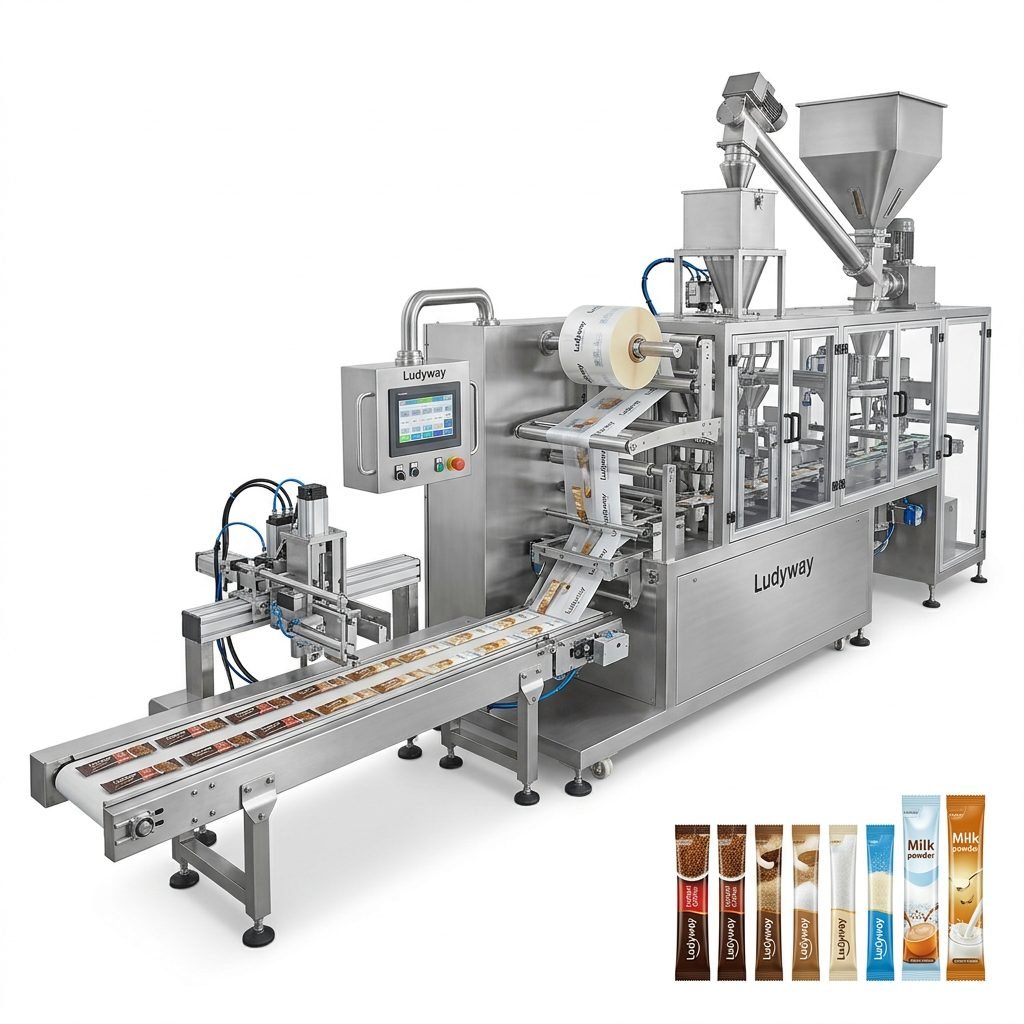
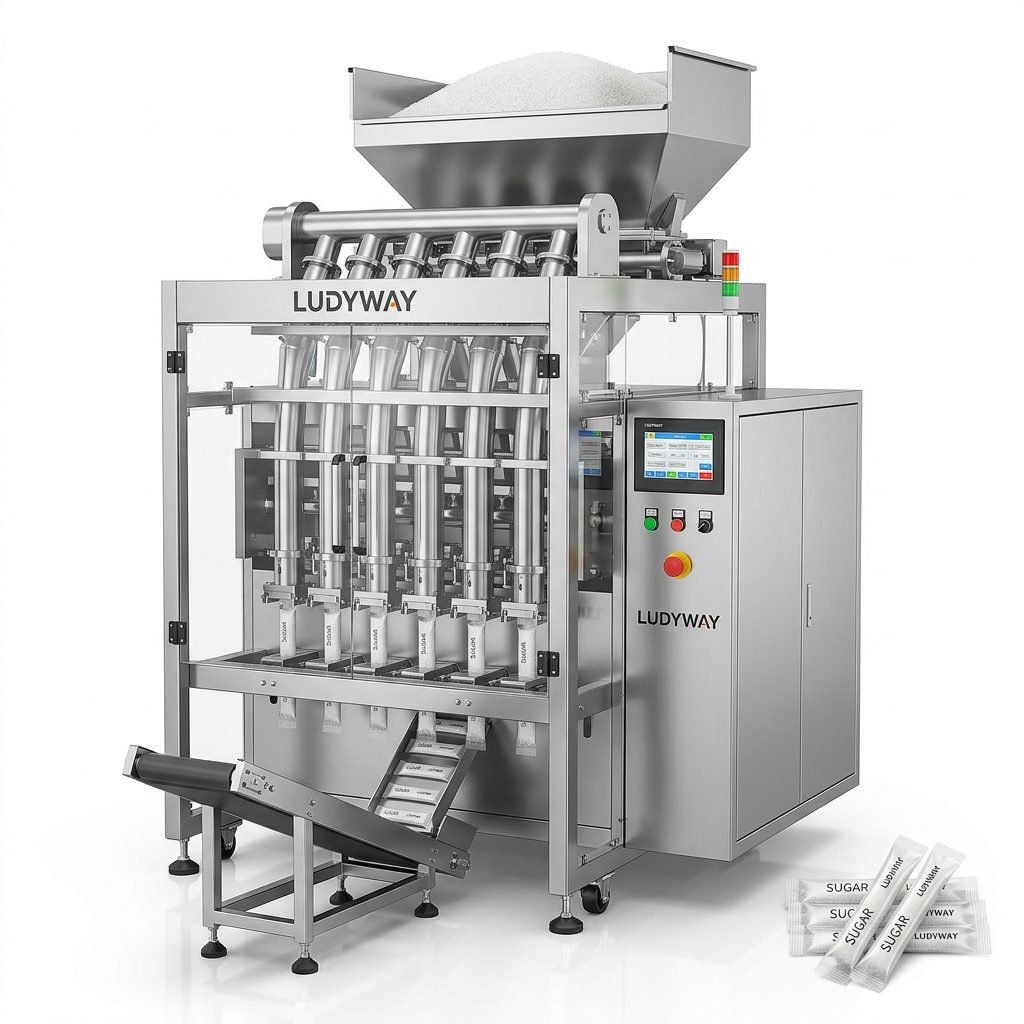
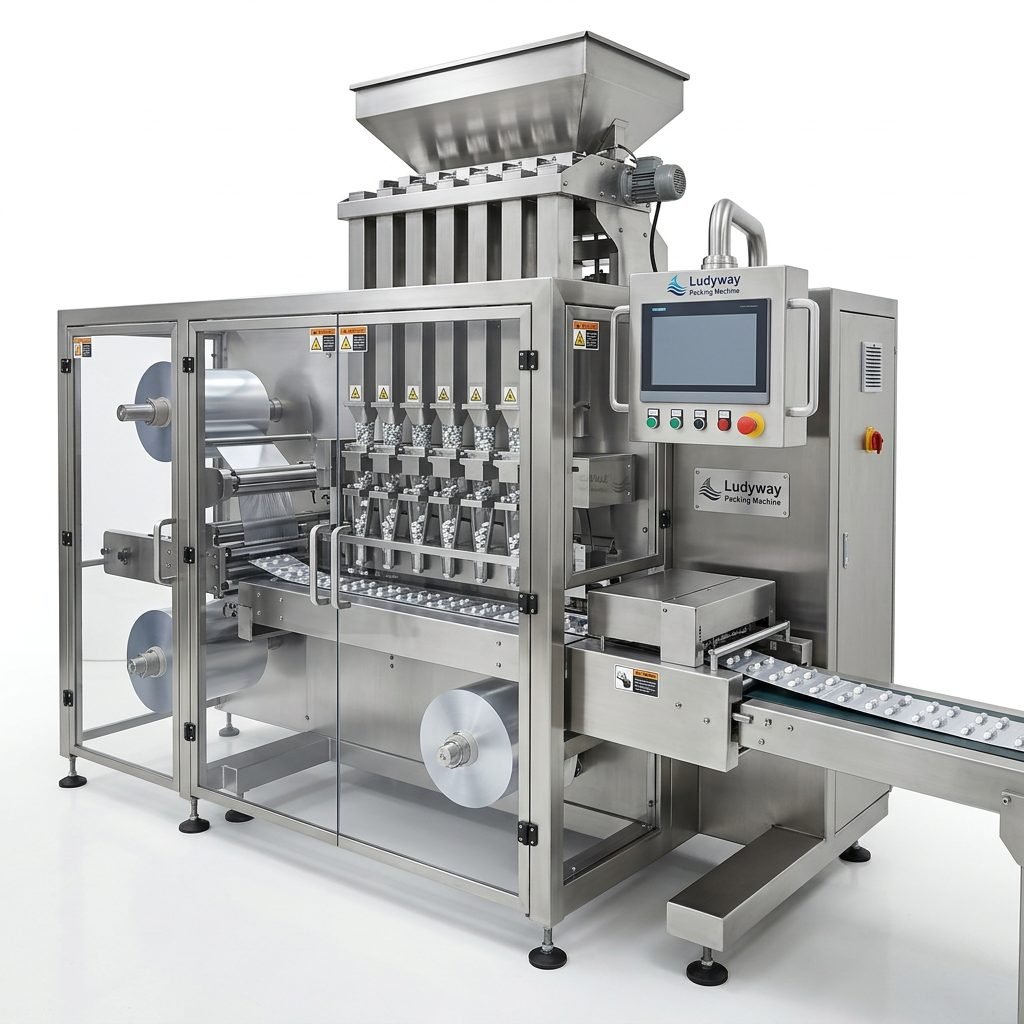
For single-serve and sample-size applications, multi-lane packaging machines run multiple pouch-forming lanes simultaneously. These high-output systems are engineered for products like instant coffee, protein powders, nutritional supplements, and pharmaceutical unit doses. A 4-lane or 10-lane configuration can multiply throughput dramatically while maintaining consistent fill accuracy across all lanes.
Key Specifications to Evaluate Before Purchase
Once you’ve identified the appropriate machine category, your evaluation must shift to specific technical parameters that will define daily operational performance. Rushing through this analysis phase is one of the most common—and costly—mistakes buyers make.
Production Speed and Throughput Requirements
Determine your target output in pouches per minute (PPM). Factor in not just current demand but projected growth over the next 3-5 years. A machine running at 90% of its maximum rated speed will experience more wear and downtime than one operating at 70% capacity. The 2025 State of the Industry report highlights that manufacturers increasingly prioritize scalable equipment that can grow with their business rather than entry-level machines with limited headroom.
| Production Tier | Pouches Per Minute | Recommended Machine Type | Typical Industries |
|---|---|---|---|
| Small Batch | 15-30 PPM | Semi-automatic pre-made pouch | Startups, specialty foods |
| Medium Volume | 30-60 PPM | Automatic rotary or inline | Contract packagers, supplements |
| High Volume | 60-120 PPM | Continuous motion VFFS | Snack foods, powders, granules |
| Ultra-High Volume | 120-200+ PPM | Multi-lane stick pack systems | Instant beverages, pharma, seasonings |
Product Characteristics and Filling Technology
Your product’s physical properties—flowability, bulk density, particle size, and moisture sensitivity—will dictate the appropriate feeding and dosing system. Mismatched filling technology is among the leading causes of packaging line inefficiency.
- Free-flowing granules (sugar, salt, plastic pellets) perform well with volumetric cup fillers or multi-head weighers
- Non-free-flowing powders (flour, protein powder, spices) require auger fillers with mechanical agitation to ensure consistent density
- Liquid and viscous products (sauces, gels, oils) need piston, pump, or gravity-based filling systems
- Sticky or hygroscopic materials demand specialized hopper coatings and environmental controls
Pouch Dimensions and Format Flexibility
Evaluate the range of pouch sizes your machine must accommodate. Stand-up pouches typically range from small 50g single-serve formats to large 5kg bulk packages. Key dimensional parameters include pouch width, length, and bottom gusset depth. Machines with servo-driven adjustments dramatically reduce changeover time compared to manual mechanical adjustments, often reducing format changes from 30 minutes to under 5 minutes.
Material Compatibility and Seal Integrity
Pouch packaging material selection is inseparable from machine selection. Common structures include PET/AL/PE, PET/VMPET/PE, and kraft paper laminates. Your machine’s sealing jaw design, temperature control precision, and pressure distribution directly affect seal integrity and shelf life. For products requiring modified atmosphere packaging (MAP) or nitrogen flushing, verify that the machine supports gas integration ports and has sufficient sealing dwell time to achieve hermetic seals.
According to ISO packaging standards, seal strength testing should be integrated into your quality control protocol. Look for machines with independent temperature zones and digital PID controllers that maintain sealing temperature within ±2°C of the setpoint. For food contact applications, ensure compliance with FDA food packaging regulations regarding material safety and migration limits.
Automation Level and Integration Capabilities
Modern standing pouch packaging machines are rarely standalone units. They increasingly integrate into complete turnkey packaging lines that encompass upstream feeding, multi-head weighing, checkweighing, metal detection, coding, cartoning, case packing, and palletizing. When evaluating automation options, consider:
- Multi-head weigher compatibility for precise weight control (±0.5-1.0g accuracy)
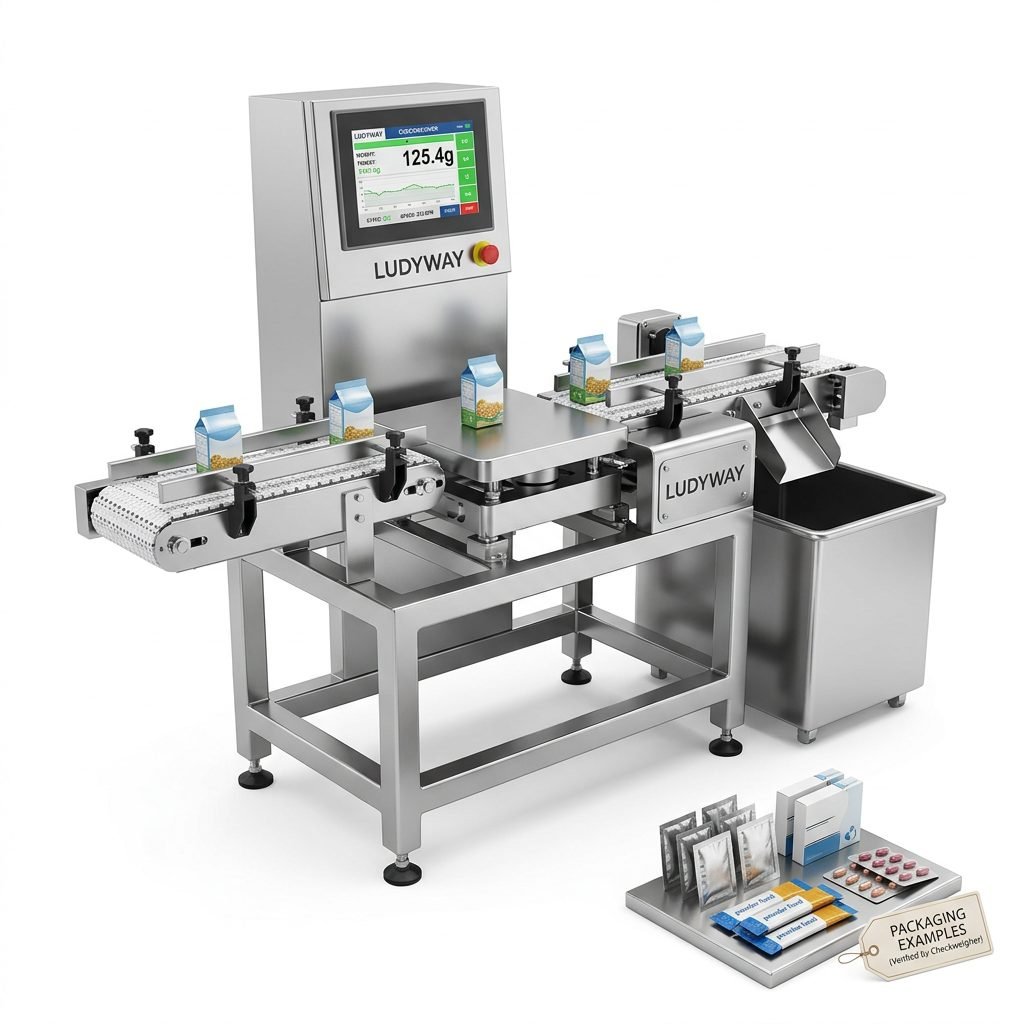
- Inline checkweigher integration with automatic feedback to the filler
- Vision inspection systems for seal integrity, print quality, and label placement
- Robotic pick-and-place for secondary cartoning
- IoT connectivity for real-time OEE monitoring and predictive maintenance
Budget Considerations and Total Cost of Ownership
Purchase price alone is a misleading metric. A total cost of ownership (TCO) analysis must account for installation, operator training, energy consumption, spare parts inventory, maintenance labor, and expected service life. Entry-level intermittent machines may cost $25,000-$80,000, while high-speed continuous motion VFFS systems with multi-head weighers can range from $150,000 to over $500,000 depending on configuration and automation level.
| Cost Factor | Percentage of TCO | Key Considerations |
|---|---|---|
| Initial Equipment Cost | 45-55% | Includes machine, weigher, conveyor, installation |
| Spare Parts & Maintenance | 15-20% | Sealing jaws, belts, filters, wear components |
| Energy Consumption | 8-12% | Compressed air, heating elements, motor drives |
| Operator Labor | 10-15% | Staffing levels per shift, training costs |
| Downtime & Efficiency Loss | 10-18% | Often underestimated; directly impacts ROI |
Evaluating Packaging Machinery Suppliers
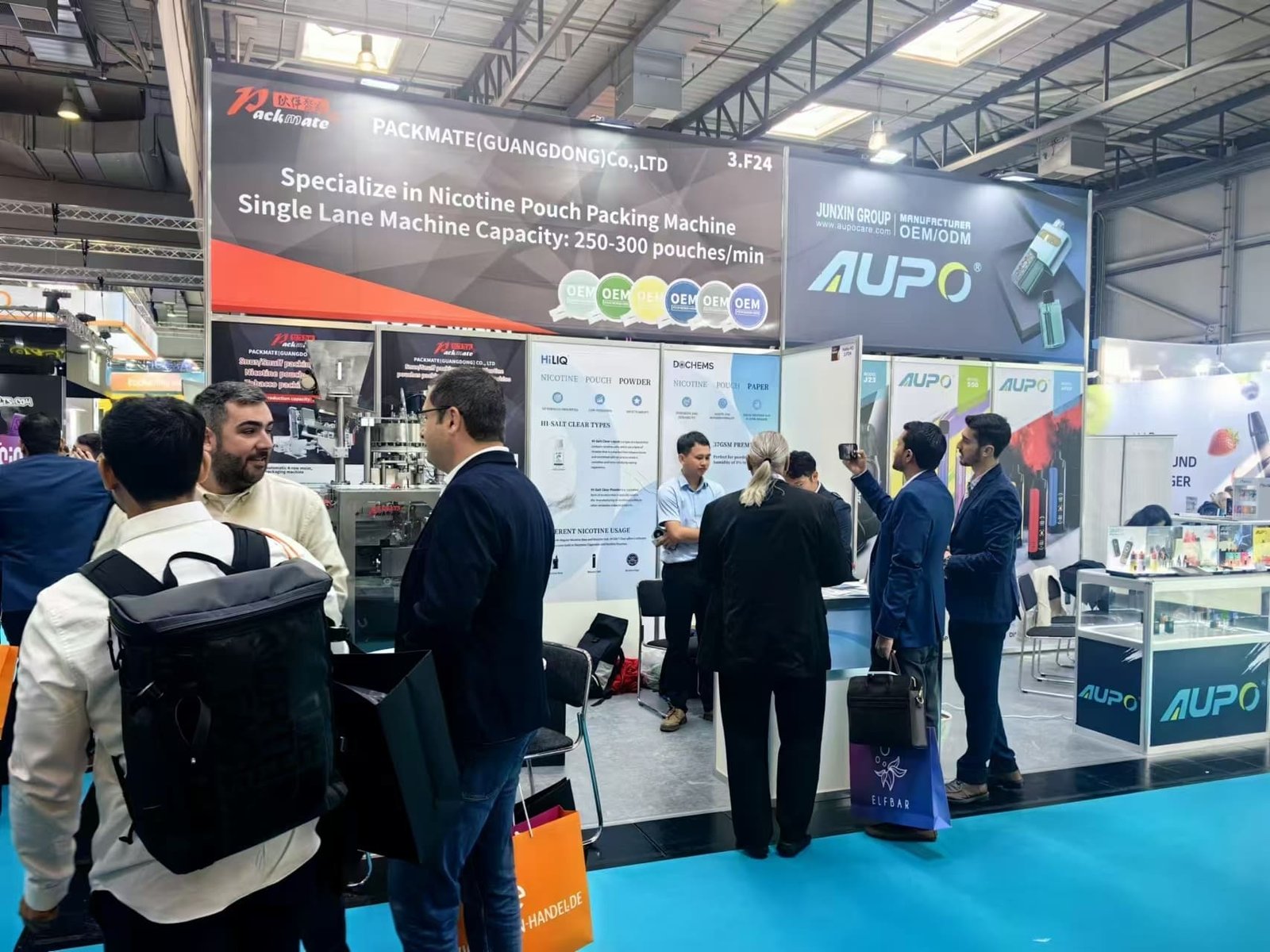
Your choice of packaging machinery manufacturer is as critical as the equipment specifications themselves. With more than 30 years of industry experience, Ludyway Machinery operates from a 20,000-square-meter manufacturing facility with over 130 professionals and more than 50 packaging machine models, serving customers in more than 100 countries. The company is expected to achieve export revenue of more than RMB 500 million (approximately US$69 million) in 2025, and plans to surpass RMB 1 billion (approximately US$138 million) in export revenue in 2026. When assessing any supplier, examine these factors:
- Engineering and customization capabilities to adapt equipment to your specific product requirements
- After-sales technical support availability including remote assistance, on-site service, and spare parts logistics
- Installation and commissioning services to minimize startup delays
- Operator training programs that ensure your team can maximize machine utilization
- International standards compliance including CE, UL, or other relevant certifications for your market
Industry-Specific Requirements and Regulatory Compliance
Different industries impose vastly different standards on packaging equipment. What works for dry pet food is rarely suitable for sterile pharmaceutical products. Understanding your sector’s specific requirements early in the selection process prevents costly retrofitting or regulatory complications later.
Food and Beverage Packaging
Food-grade contact surfaces must comply with FDA, EU, or equivalent regional regulations. Stainless steel construction (typically 304 or 316L grade), sanitary design with minimal crevices, and clean-in-place (CIP) compatibility are essential for products with allergen or contamination risks. The Flexible Packaging Association provides comprehensive resources on material compliance and sustainability standards affecting the food packaging sector.
Pharmaceutical and Nutraceutical Applications
Pharmaceutical packaging demands validated processes under GMP guidelines. This includes documented installation qualification (IQ), operational qualification (OQ), and performance qualification (PQ). Machines must support serialization, track-and-trace, and tamper-evident sealing. For sterile products, ISO 11607 compliance for packaging validated medical devices is often mandatory.
Chemical and Industrial Products
Aggressive chemicals, solvents, and industrial powders require machines with corrosion-resistant materials and explosion-proof configurations where applicable. Dust extraction systems, airtight sealing, and compatibility with hazardous area classifications (ATEX, NEC) are common requirements in this segment.
Making the Final Decision: A Practical Checklist
Before signing a purchase order, validate your selection against this consolidated checklist. Each point represents a potential risk factor that could undermine your project’s success if overlooked.
- Conduct product trials using your actual product and packaging materials—not generic samples
- Verify OEE (Overall Equipment Effectiveness) guarantees from the supplier in writing
- Confirm changeover time between different pouch formats and SKUs
- Review spare parts availability and typical lead times for critical components
- Request references from manufacturers running similar products at comparable volumes
- Evaluate remote diagnostic capabilities and technical support response times
- Assess the supplier’s long-term stability and commitment to the packaging machinery sector
- Plan for future scalability—can the machine accept upgrades or integrate into a larger line?
Selecting the right standing pouch packaging machine requires balancing technical capabilities, operational economics, and supplier reliability. By methodically evaluating each criterion outlined in this guide, you position your operation for efficient, high-quality packaging that supports your brand’s market position and growth trajectory. The Association for Packaging and Processing Technologies (PMMI) and Flexible Packaging Association offer ongoing industry data and networking opportunities that can further inform your equipment investment decisions.