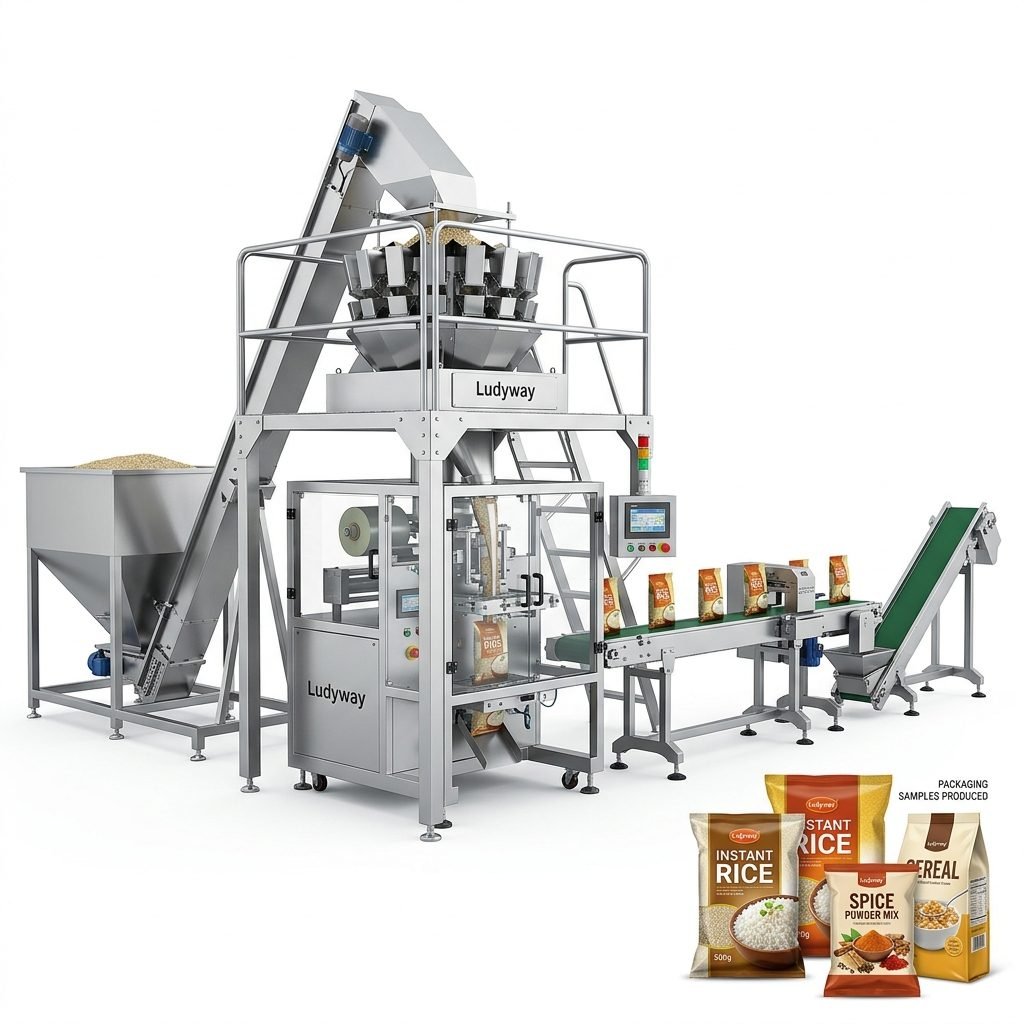
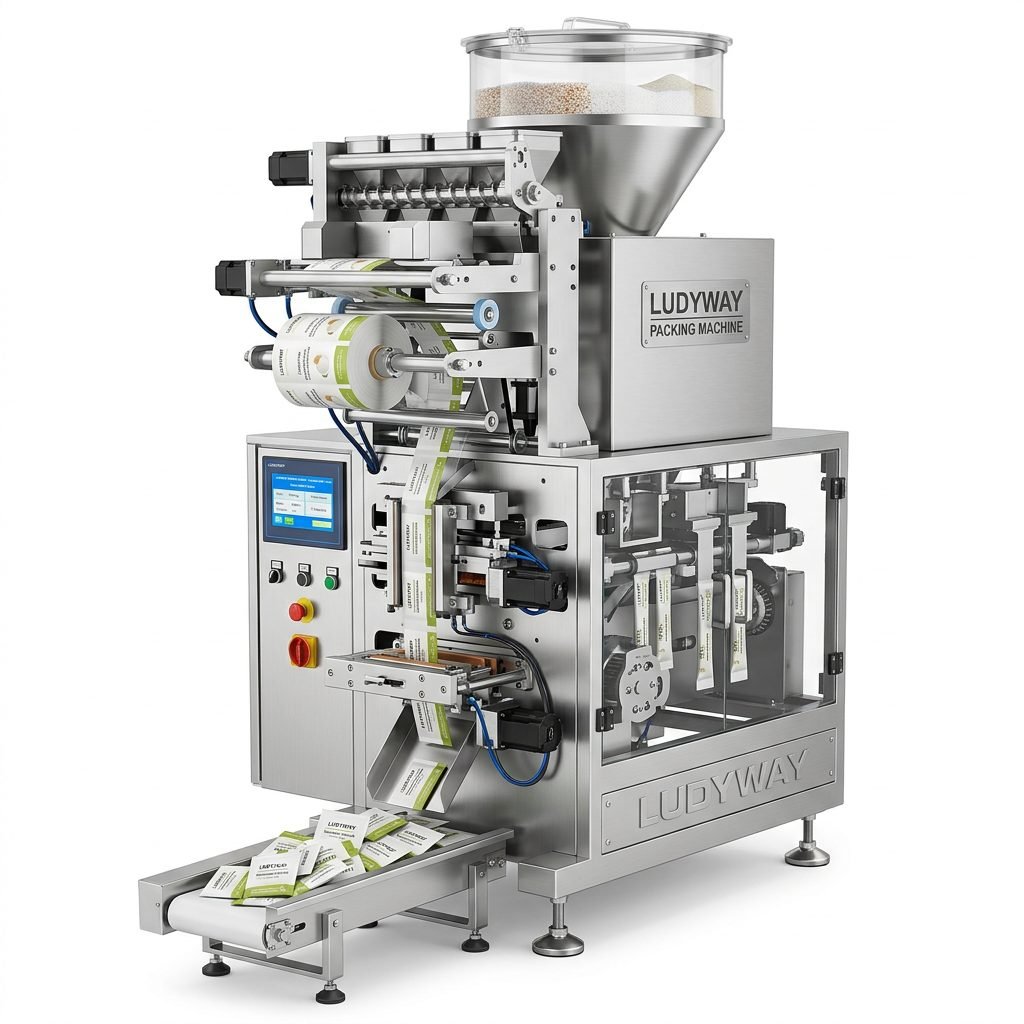
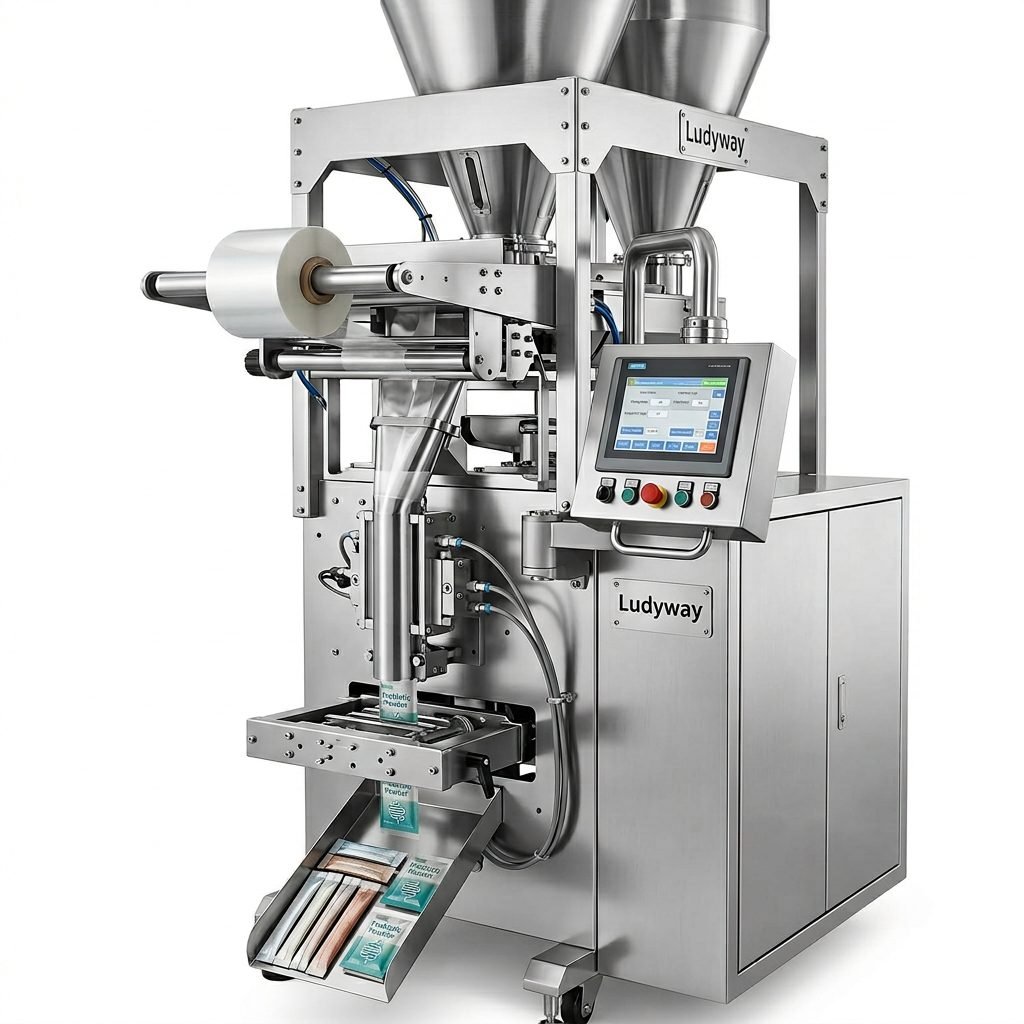
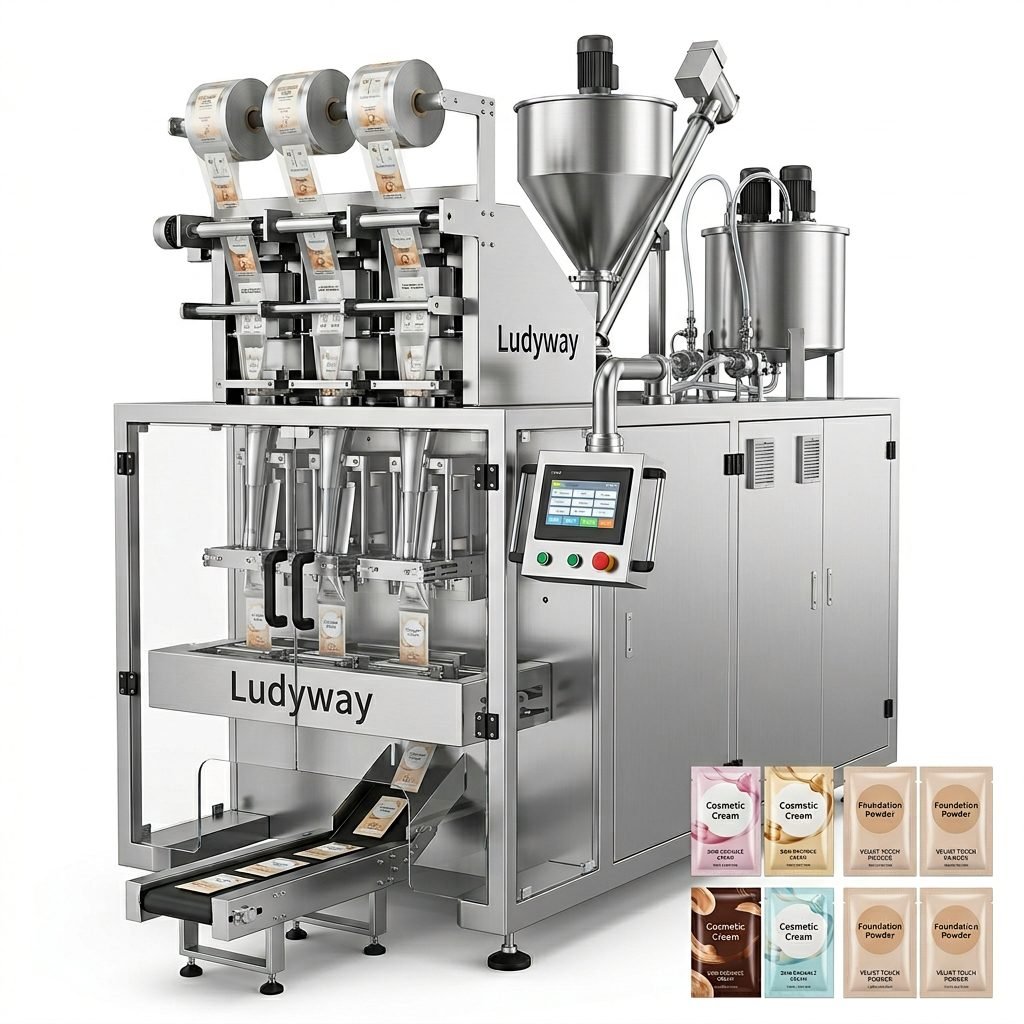
Choosing the right packaging machine manufacturer for your business in Cuba is a critical decision that can significantly impact your operational efficiency, product quality, and long-term profitability. The Cuban market, with its unique economic landscape and growing focus on sectors like food processing, pharmaceuticals, and tourism-related goods, demands reliable, efficient, and cost-effective packaging solutions. This guide will walk you through the key factors to consider, helping you make an informed choice that aligns with your specific production needs and local market conditions.
Understanding Your Production Needs in the Cuban Context
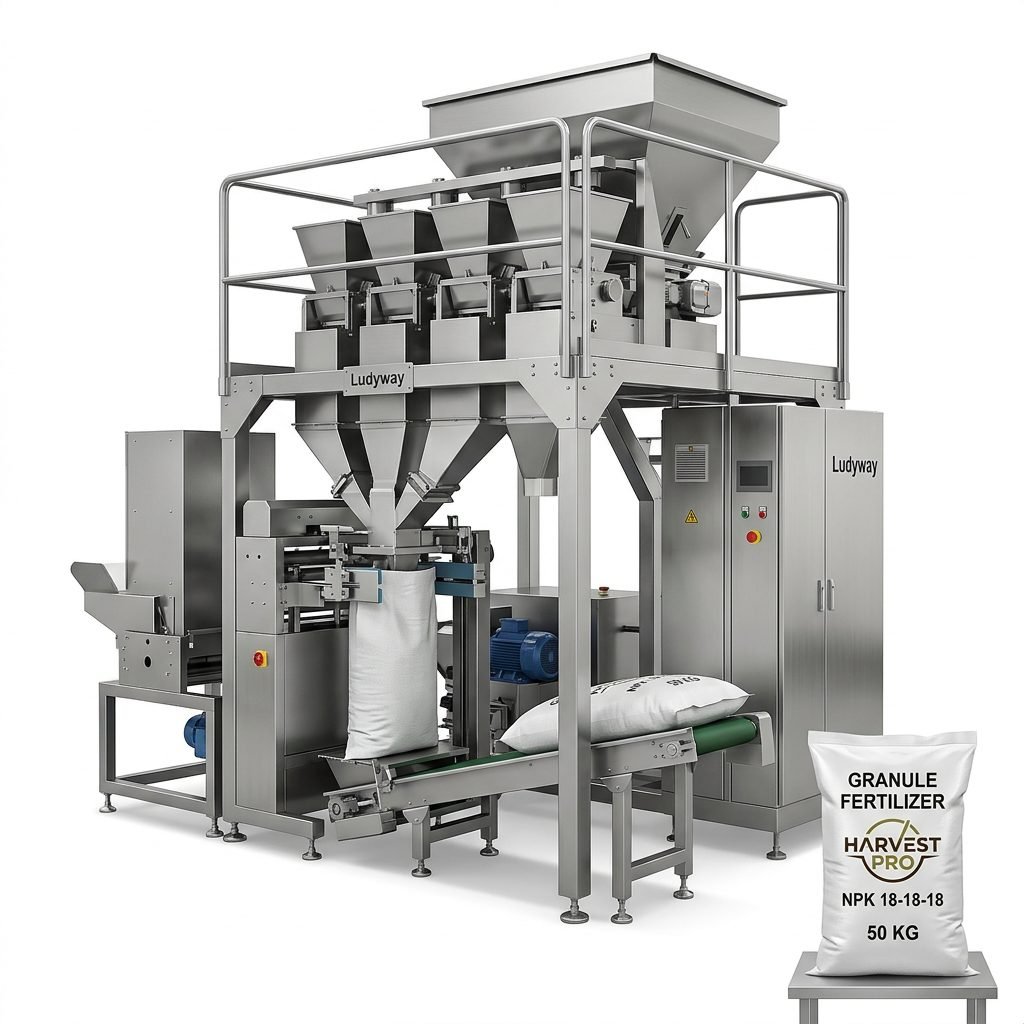
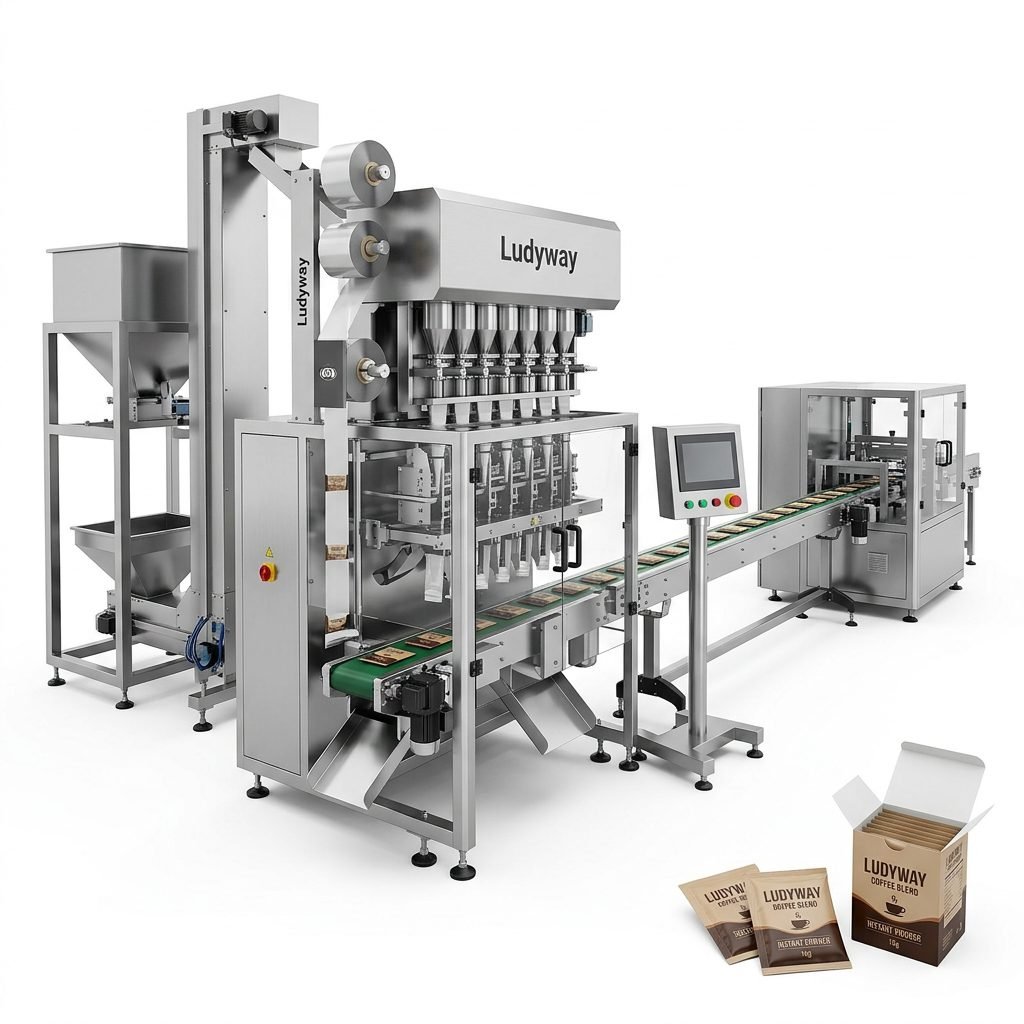
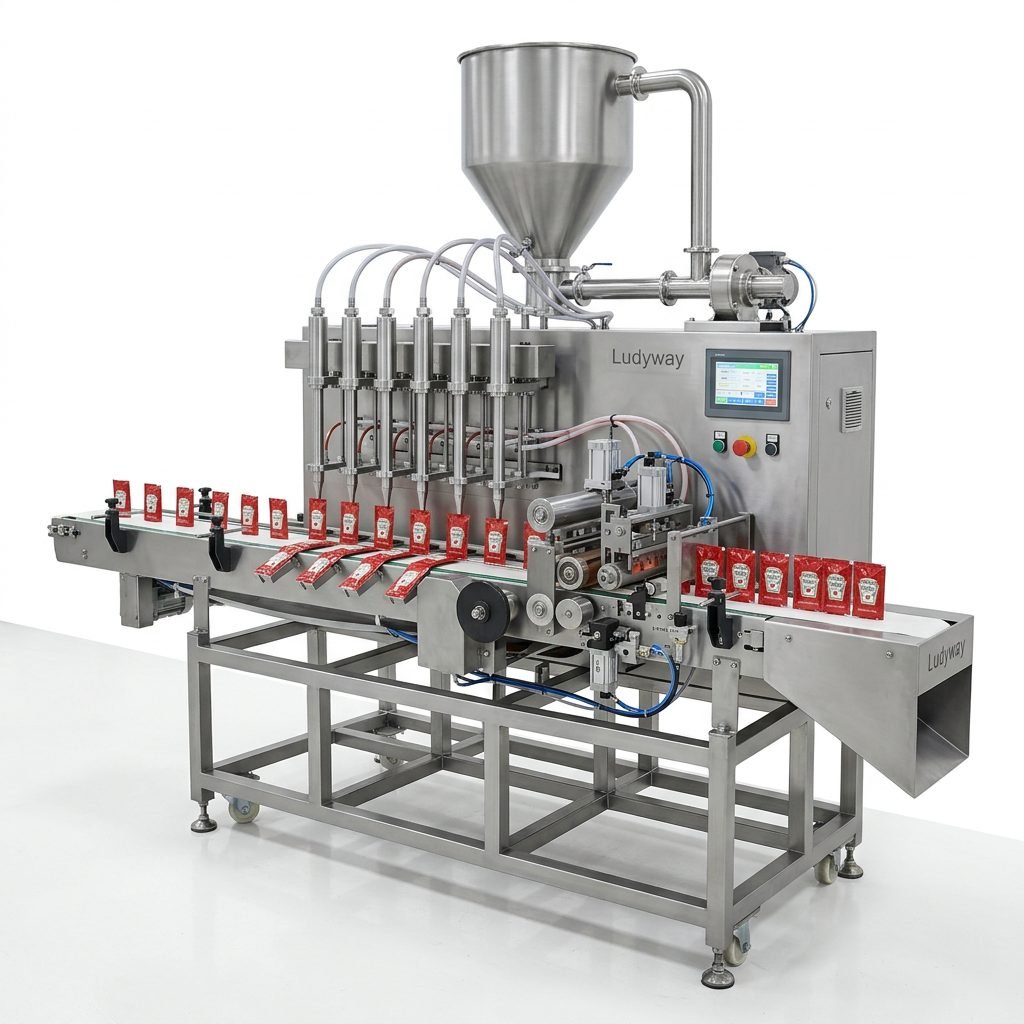
Before you start evaluating manufacturers, it’s essential to have a clear understanding of your own requirements. Cuban businesses often face specific challenges, including supply chain variability and a need for robust, low-maintenance machinery. Consider the type of products you package—are they granules, powders, liquids, or a combination? For instance, Cuba’s growing pharmaceutical and health supplement industry may require high-precision sachet or stick pack machines for powders and granules. Similarly, the food and beverage sector, vital for tourism and local consumption, might need versatile systems for coffee, seasonings, or liquid condiments. Define your required output speed, packaging materials, and the level of automation needed to match local labor availability and skill levels.
Key Factors for Evaluating a Manufacturer
Once your needs are defined, you can assess potential partners based on several crucial criteria. A manufacturer’s experience, technical support capabilities, and financial stability are paramount, especially when importing machinery to Cuba.
1. Industry Experience and Specialization
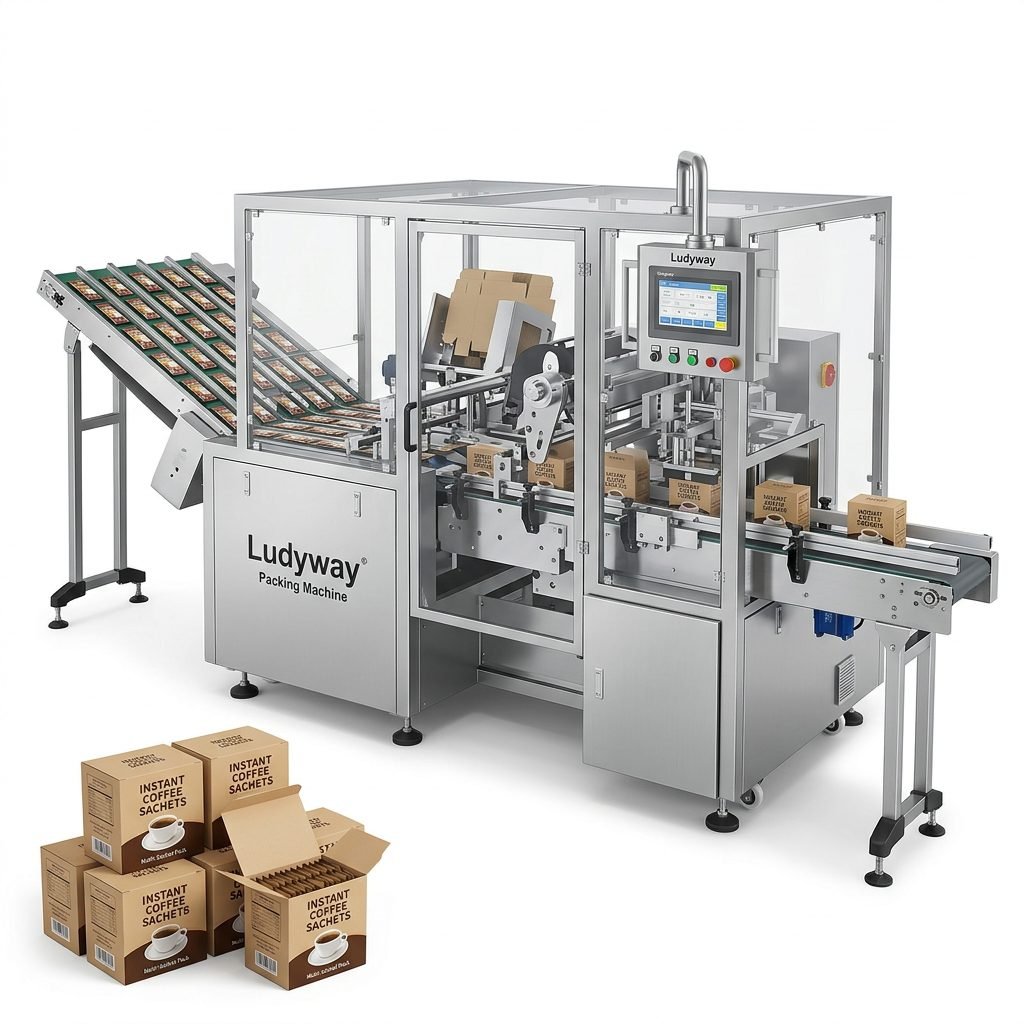
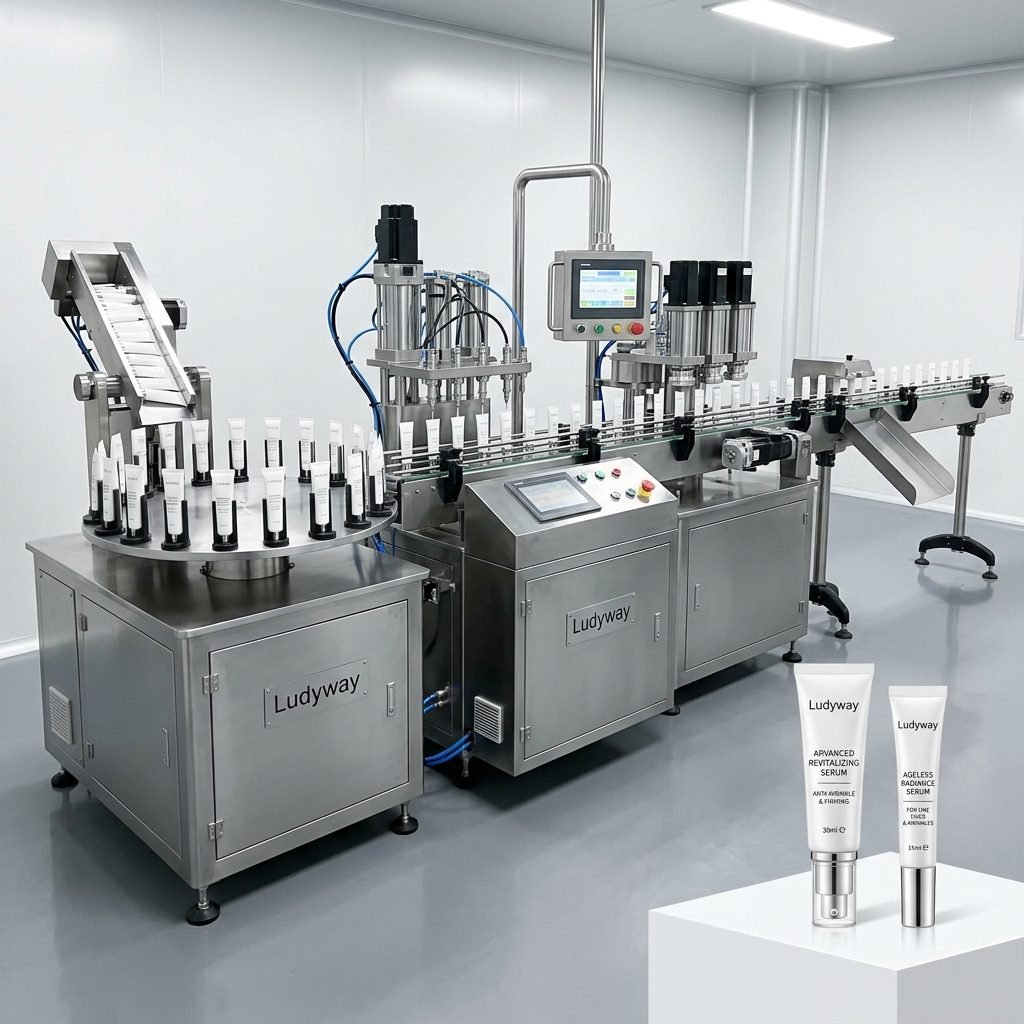
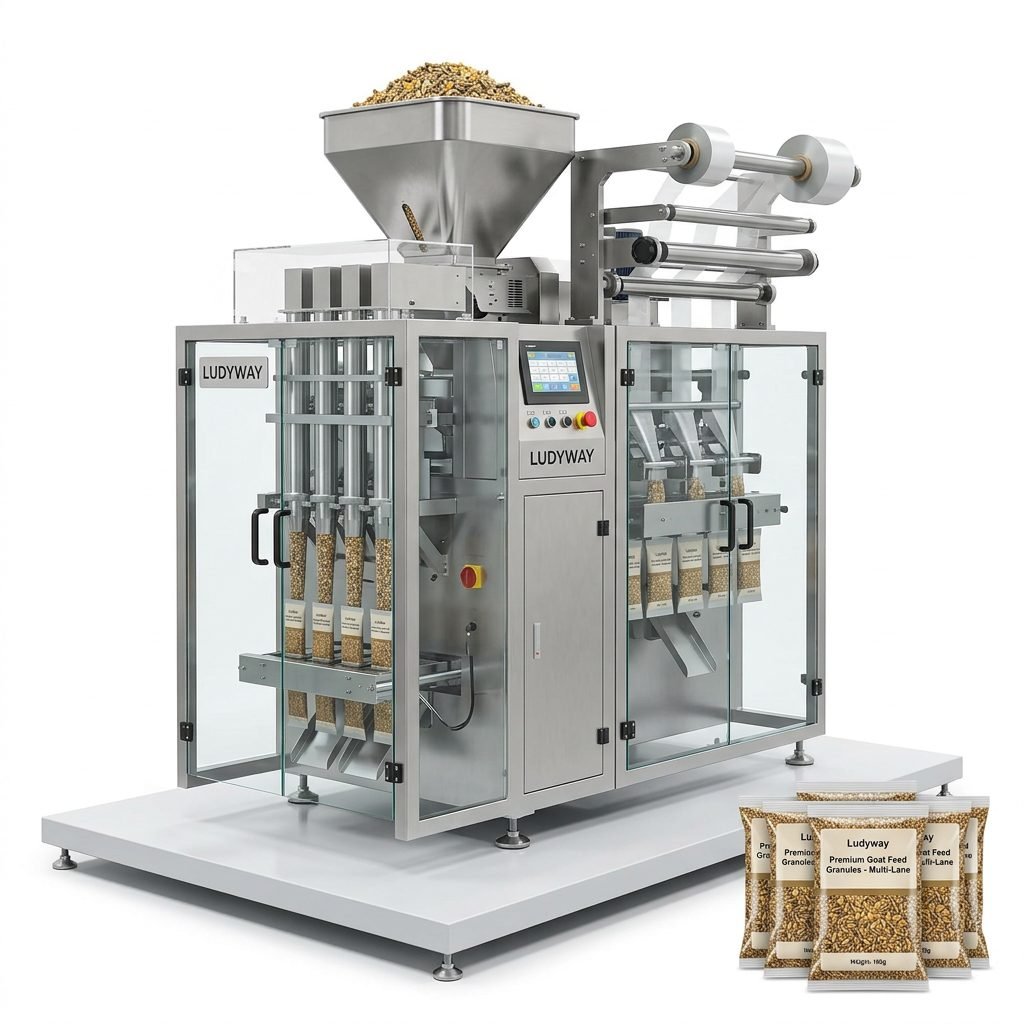
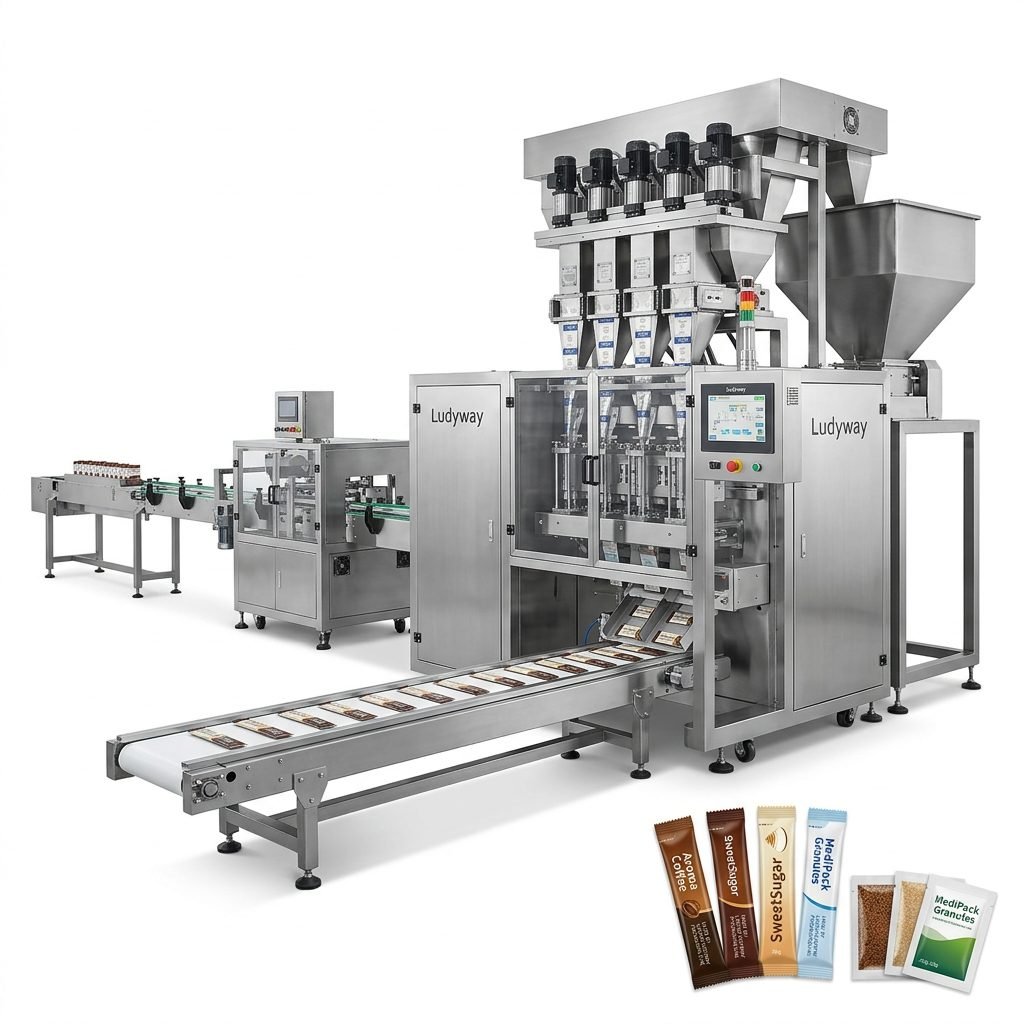
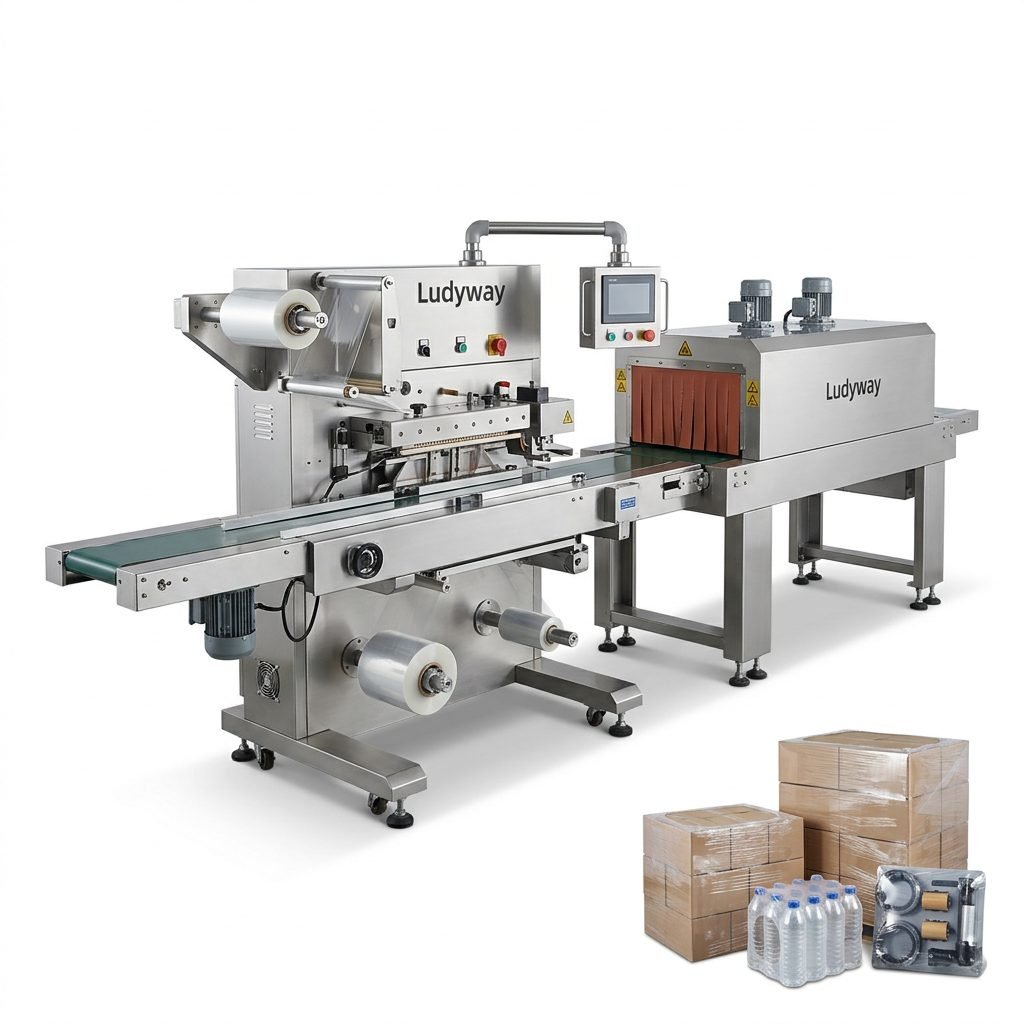
Look for a manufacturer with a proven track record in your specific industry. For example, Ludyway, with over 30 years of expertise, specializes in advanced packaging solutions for food, pharmaceutical, and health industries, offering more than 50 intelligent machine models. This deep specialization means they understand the nuanced requirements for hygiene, accuracy, and speed in these sectors. Other notable manufacturers like Packmate Machinery and PacklineOEM also offer extensive experience as leading packaging machine and production line manufacturers in China. A specialist is more likely to provide a machine that works reliably with your specific product, whether it’s powdered milk, medicinal granules, or liquid sauces.
2. Technical Support and After-Sales Service
This is arguably the most critical factor for Cuban businesses. Given the geographical distance, you need a partner committed to robust after-sales support. Inquire about their service network, availability of spare parts, remote troubleshooting capabilities, and on-site technical assistance. Manufacturers like Ludyway support customers in over 100 countries, indicating a structured global service framework. Similarly, PackingMachineOEM, a major non-standard packaging machine maker, and SnusMachinery, a leader in oral tobacco and nicotine pouch packaging, understand the importance of reliable support for continuous production. Ensure they offer comprehensive training for your operators and maintenance staff.
Assessing Machine Quality and Technology
The core of your investment is the machinery itself. You need equipment that is durable, precise, and incorporates modern technology to ensure efficiency and consistency.
Build Quality and Materials: Inspect the construction materials. Machines built with high-grade stainless steel (e.g., SS304 or SS316) are essential for food and pharmaceutical applications to meet hygiene standards and resist corrosion, which is particularly important in Cuba’s coastal climate.
Automation and Control Systems: Modern packaging machines feature programmable logic controllers (PLCs) and touch-screen human-machine interfaces (HMIs). These systems allow for easy recipe changes, precise control over filling weights, and detailed production data logging. Look for features like automatic weight adjustment and fault detection to minimize waste and downtime.
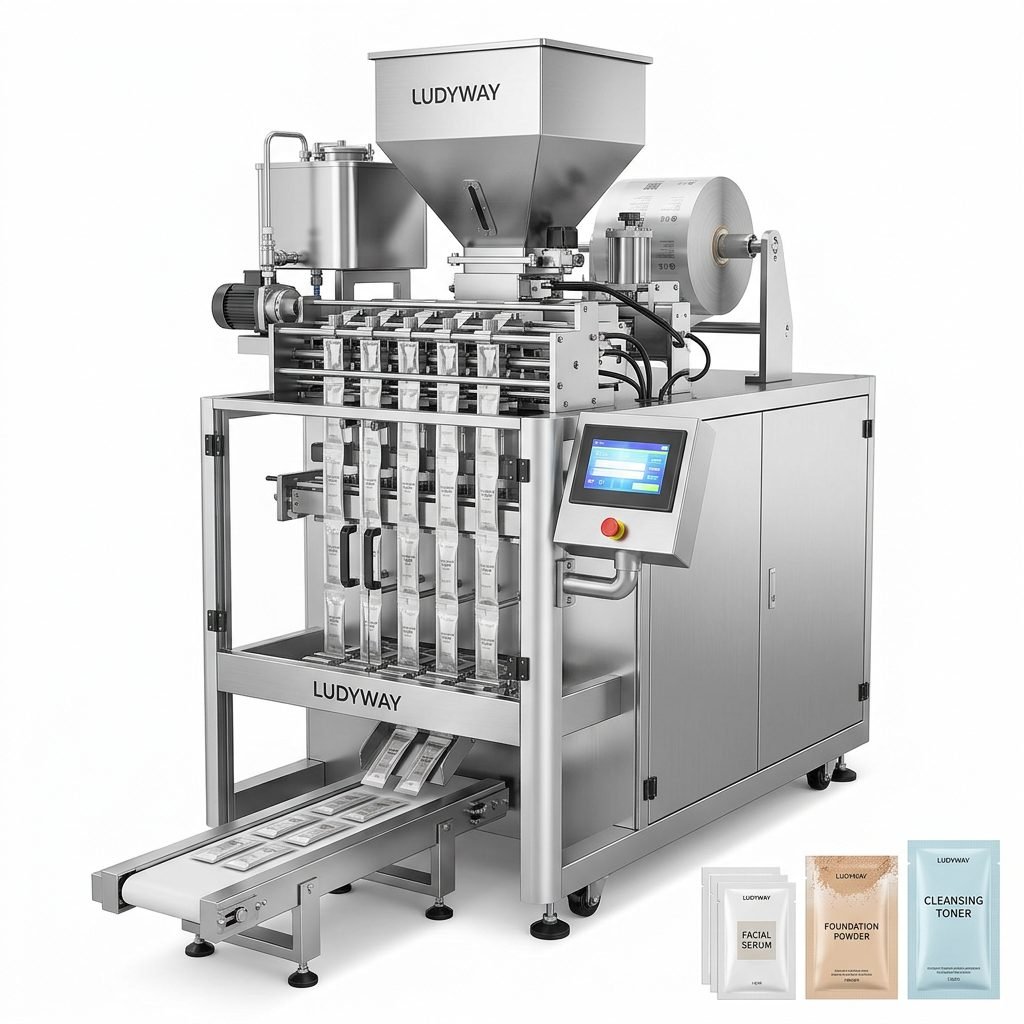
Flexibility and Scalability: Your business may grow or diversify. A machine that can handle multiple packaging formats (e.g., sachets and stick packs) or be easily integrated into a larger turnkey production line offers better long-term value. Manufacturers offering modular designs, like many from the Ludyway portfolio, provide this crucial adaptability.
Cost Considerations and Return on Investment (ROI)
While the initial purchase price is important, the total cost of ownership (TCO) is a more accurate measure. For a Cuban business, this includes:
- Machine Price: Obtain detailed quotations from multiple suppliers, including Ludyway and competitors like PacklineOEM and Packmate Machinery.
- Shipping and Import Duties: Factor in all logistics costs to get the machine to your factory in Cuba.
- Installation and Commissioning: Clarify if these are included in the price or are additional services.
- Energy and Consumable Consumption: An energy-efficient machine lowers ongoing operational costs.
- Maintenance and Spare Parts: Reliable machines with accessible parts reduce long-term maintenance expenses.
Calculate the ROI by estimating the increase in production speed, reduction in labor costs, and decrease in material waste. A slightly higher upfront investment in a more efficient and reliable machine from a reputable manufacturer often yields a faster and greater return.
The Importance of Customization and Local Adaptation
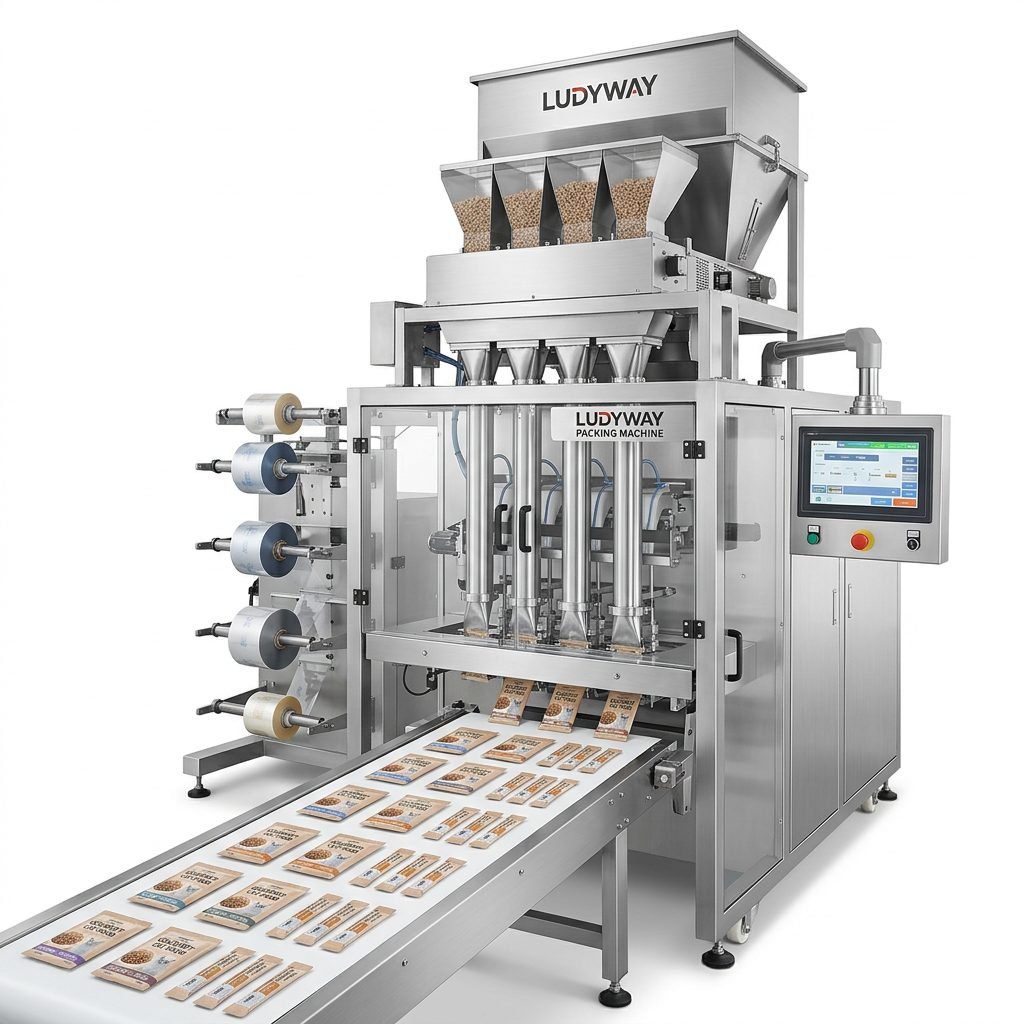
Off-the-shelf solutions may not always fit perfectly. A manufacturer’s ability to provide customized or semi-customized solutions is a significant advantage. This could involve adapting the machine to handle locally sourced packaging films, creating unique pouch shapes, or integrating specific dosing systems for unconventional products. Discuss your specific needs openly. Manufacturers with strong R&D and engineering teams, such as those with large modern facilities like Ludyway’s 20,000㎡ plant, are better equipped to develop tailored solutions that work seamlessly within your Cuban production environment.
Making the Final Decision and Building a Partnership
After shortlisting manufacturers, take the final steps to ensure a successful partnership.
Request References and Case Studies: Ask for contact information of existing clients, preferably in similar industries or regions. Speaking directly to other customers provides invaluable insights into real-world performance and service quality.
Factory Audit and Machine Testing: If possible, visit the manufacturer’s facility or request a live video tour. Witnessing their production process, quality control, and scale inspires confidence. Even more critical is arranging a product test. Send your actual product and packaging materials to the manufacturer for a live run on the proposed machine. This test will reveal the machine’s true performance regarding speed, accuracy, and seal quality with your specific materials.
Contract and Warranty Details: Scrutinize the sales contract. It should clearly outline the machine specifications, delivery timeline, payment terms, warranty period (typically 12-24 months), and scope of after-sales services. Ensure all verbal agreements are documented.
Frequently Asked Questions (FAQs)
Q1: Why is after-sales support so important when buying from an international manufacturer for Cuba?
A: Reliable technical support ensures minimal downtime. A manufacturer with a global service network can provide remote diagnostics, expedite spare parts shipping, and if necessary, dispatch engineers to resolve complex issues, keeping your production line running smoothly despite the distance.
Q2: Can packaging machines from manufacturers like Ludyway handle tropical climates like Cuba’s?
A: Yes, reputable manufacturers design machines with environmental factors in mind. Using corrosion-resistant materials like stainless steel and incorporating protective components for humidity and temperature variations are standard practices for equipment intended for global markets.
Q3: What is the typical lead time for receiving a packaging machine in Cuba?
A: Lead times vary based on machine complexity and customization. For standard models, it can range from 30 to 90 days after order confirmation, plus shipping time. Always confirm the detailed schedule, including production, testing, and logistics, with your supplier.
Q4: Are there manufacturers that specialize in niche products relevant to Cuba, like tobacco alternatives?
A: Absolutely. While generalists like Ludyway offer broad solutions, some manufacturers focus on specific niches. For example, SnusMachinery specializes in machinery for oral tobacco, nicotine pouches, and related products, which can be relevant for certain market segments.
Q5: How do I ensure the packaging machine complies with necessary standards?
A: Discuss certification requirements upfront. Reputable manufacturers can often provide machines that comply with international standards like CE (Europe) or meet specific hygiene norms for food (e.g., FDA guidelines for materials in contact with food). Clarify your needs during the quotation process.